After spending countless hours chasing the silver king along the Gulf Coast, I've learned that having the right lure can mean the difference between watching tarpon roll past your boat and experiencing that heart-stopping strike. The explosion of a 100-pound tarpon hitting a topwater lure remains one of fishing's most electrifying moments.
Whether you're sight-casting to daisy-chaining giants in Boca Grande Pass or working the bridges during the spring migration, selecting the proper lure requires understanding tarpon behavior, water conditions, and presentation techniques. I've tested dozens of lures over the years, from classic DOA Baitbusters to modern soft plastics, learning what triggers strikes in different scenarios.
This comprehensive guide covers the proven lures that consistently produce results, along with the techniques that make them effective. We'll explore everything from topwater plugs that create explosive strikes to soft plastics that perfectly mimic the tarpon's favorite prey.

Understanding Tarpon Behavior and Lure Selection
Tarpon are opportunistic feeders with preferences that change based on season, water temperature, and available forage. During the spring migration from April through June, these prehistoric gamefish move along both coasts following massive schools of threadfin herring, scaled sardines, and other baitfish. Understanding these patterns helps us select lures that match what tarpon are actively hunting.
In clear water conditions, tarpon become extremely selective, often requiring perfect presentations with natural-looking lures. I've watched schools of tarpon completely ignore perfectly good lures only to explode on something slightly different in color or action. Water clarity, light conditions, and fishing pressure all influence their willingness to strike artificial lures.
The key to successful tarpon fishing lies in matching your lure selection to the predominant baitfish. Along Florida's west coast, threadfin herring and scaled sardines make up the bulk of their diet. This explains why silver and white lures with subtle flash consistently produce results. In darker water or low-light conditions, darker patterns with more pronounced rattles often trigger reaction strikes.
Essential Tackle Setup for Tarpon Lures
Before diving into specific lures, let's address the tackle requirements for tarpon fishing. These powerful fish demand heavy-duty equipment capable of handling explosive strikes and lengthy battles. I recommend 7 to 8-foot heavy action rods paired with high-capacity spinning or conventional reels spooled with 50 to 80-pound braided line.
Leader selection proves critical when fishing lures for tarpon. Their sandpaper-like mouths and gill plates will quickly abrade lighter leaders. I use 60 to 80-pound fluorocarbon leaders for most situations, stepping up to 100-pound test when fishing around structure. The leader should be at least 6 feet long to provide adequate abrasion resistance while maintaining a natural lure presentation.
Sharp hooks make an enormous difference in tarpon fishing success rates. Their bony mouths require needle-sharp points to achieve solid hooksets. I check my hooks frequently and replace any that show signs of dulling. Many experienced tarpon anglers upgrade factory hooks to stronger models, particularly on soft plastic lures that might see multiple fish.
Top Tarpon Lures - Detailed Reviews
1. Bomber Badonk-A-Donk - Premium Topwater Excellence
BOMBER Lures Badonk-A-Donk High Pitch Saltwater...
1 ounce topwater plug
Saltwater grade hardware
Dual pitch rattle system
3.5 inch profile
Walk-the-dog action
Proven tarpon producer
What we like
- Explosive topwater strikes
- Excellent casting distance
- Durable construction
- Versatile retrieve options
- Works in various conditions
What could be better
- Requires practice for proper action
- Higher price point
- Paint chips with heavy use
Key Specifications:
- Price: $12.98
- Weight: 1 ounce
- Length: 3.5 inches
- Hook: #4 Treble
- Best Seller Rank: #256 in Topwater Lures
- Amazon's Choice: Yes
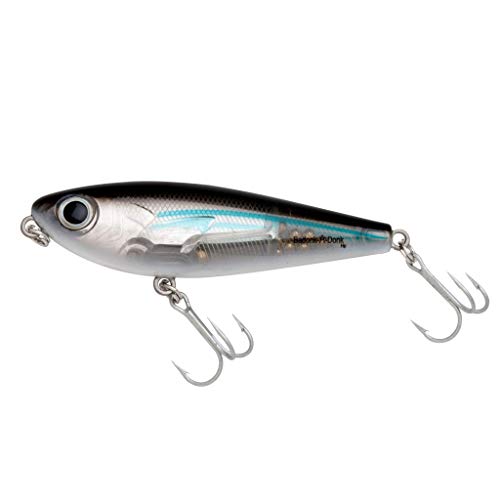
The Bomber Badonk-A-Donk stands out as my go-to topwater lure for tarpon, particularly during the prime feeding periods at dawn and dusk. This plug's unique dual-pitch rattle system creates different sounds depending on retrieve speed - the high pitch cuts through wind and murky water, while the low pitch excels in calm conditions. I've had my best success working this lure with a rhythmic walk-the-dog retrieve, allowing it to dart side to side while creating a commotion that tarpon simply cannot ignore.
What sets this lure apart from other topwater options is its saltwater-grade construction. After landing dozens of tarpon and countless other species, my Badonk-A-Donks still perform flawlessly. The hardware stands up to the punishment these powerful fish deliver, though I do recommend checking split rings after particularly brutal battles.
The versatility of this lure extends beyond just tarpon. While targeting silver kings, I've also landed impressive snook, redfish, and even small sharks. The 1-ounce weight provides excellent casting distance, crucial when sight-fishing to rolling tarpon that might be 100 yards away. Color selection matters - the bone and chrome patterns excel in clear water, while darker colors produce better in stained conditions.
What Anglers Love:
- "These guys work great. Catching nice size Bass and immediately bought another one" - verified buyer
- "This thing swims great with just simple reeling. Twitching works even better" - experienced angler
- Creates irresistible action that triggers aggressive strikes
Pro Tip: When tarpon are rolling but not committing to strikes, try varying your retrieve speed. Sometimes a long pause followed by quick twitches triggers reluctant fish. I've also found that slightly bending the line tie down creates a more erratic action that can turn lookers into biters.
2. MirrOLure 27 MR Mirrodine XL - Suspending Perfection
MirrOLure 27MR-18 Mirrodine XL Susp Twitchbait...
9/16 oz suspending lure
3.13 inch realistic profile
Internal weight transfer
Sharp treble hooks
Natural baitfish colors
Proven shallow water performer
What we like
- Perfect suspend presentation
- Realistic baitfish profile
- Excellent for clear water
- Triggers reaction strikes
- Quality construction
What could be better
- Limited color options
- Can be difficult to work properly
- Hooks may need upgrading
Key Specifications:
- Price: $12.83 (32% off)
- Weight: 9/16 ounce
- Length: 3.13 inches
- Type: Suspending
- Best Seller Rank: #511 in Topwater Lures
- Amazon's Choice: Yes
The MirrOLure 27 MR represents decades of refinement in suspending lure technology. This lure shines when tarpon are feeding on small baitfish in shallow water, particularly over grass flats and around mangrove shorelines. The suspending action allows the lure to hover in the strike zone, perfectly mimicking a wounded baitfish - an easy meal that tarpon rarely pass up.
I've found this lure particularly effective during the post-spawn period when tarpon return to the flats to feed heavily. The key lies in the retrieve - short, sharp twitches followed by pauses allow the lure to dart and suspend, creating an irresistible presentation. The internal weight transfer system provides surprising casting distance for such a compact lure.
The realistic finish on these lures deserves special mention. MirrOLure's attention to detail in replicating baitfish patterns makes a difference in clear water situations where tarpon can closely inspect your offering. The white silver pattern matches threadfin herring perfectly, making it my first choice when these baitfish are present.
Customer Feedback Highlights:
- "Red drum can't resist these suspending baits in shallow water" - verified purchase
- "Swims well, fish love it!" - consistent performer
- Excellent for pressured fish that have seen everything
Advanced Technique: Try "ripping" this lure with sharp upward rod sweeps followed by controlled falls on slack line. This technique imitates a fleeing baitfish and often triggers strikes from following tarpon. Work the lure all the way back to the boat - many strikes come in the last 10 feet of the retrieve.
3. Savage Gear Pulse Tail Mullet - Ultra-Realistic Soft Plastic
Savage Gear Pulse Tail Mullet SwimbaitSinking Lure
2/3 oz ready-to-fish
4 inch mullet profile
3D scanned design
Built-in rattle chamber
Active pulse tail
Pre-rigged heavy hook
What we like
- Incredibly realistic appearance
- Unique pulse tail action
- Built-in rattle attracts fish
- Ready to fish out of package
- Durable construction
What could be better
- Limited color selection
- Tail can tear with use
- Higher price for soft plastic
Key Specifications:
- Price: $11.99
- Weight: 2/3 ounce
- Length: 4 inches
- Swimming Depth: 3-6 feet
- Target Species: Multiple inshore species
- Material: High-quality soft plastic
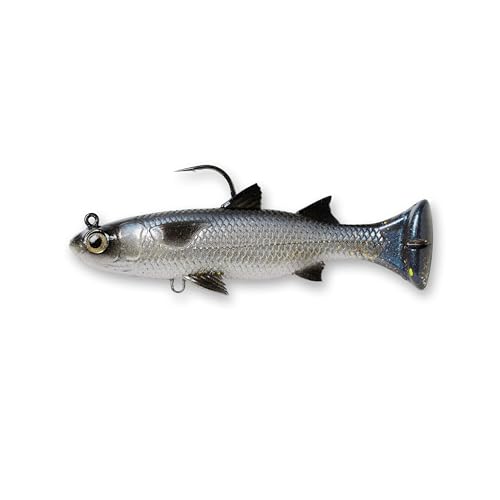
The Savage Gear Pulse Tail Mullet represents the cutting edge of soft plastic lure technology. Created using 3D scans of actual mullet, this lure achieves a level of realism that fools even the wariest tarpon. The unique pulse tail design creates vibrations and water displacement that perfectly mimic fleeing baitfish, triggering predatory instincts in nearby tarpon.
What impressed me most about this lure is its versatility across retrieve speeds. Whether slow-rolling through a channel or burning it across the surface, the tail maintains its enticing action. The built-in rattle adds another dimension of attraction, particularly useful in darker water or when fishing at night around lighted bridges.
The pre-rigged design saves valuable fishing time and ensures proper presentation right out of the package. The heavy-duty jig hook provides excellent hook-up ratios, though I recommend checking the point sharpness before use. The 2/3-ounce weight makes it ideal for fishing passes and channels where current requires a heavier presentation.
Real User Experiences:
- "One of my go-to snook lures! Holds up well for soft plastic" - regular user
- "Looks like the real thing!" - impressed with realism
- "Good lure but may tear after extended use" - durability consideration
Fishing Tip: When tarpon are feeding on mullet schools, cast beyond the school and retrieve through it. The realistic profile often triggers competitive strikes as tarpon mistake it for an easy target separated from the school's protection.
4. Iron Decoy Salty Spoon - Versatile Classic Design
IRON DECOY Salty Fishing Lure Spoon, Saltwater...
1/4 oz casting spoon
VMC saltwater hooks
Includes 5 prism tapes
Rosco split rings
Versatile presentation
Multiple hook options
What we like
- Excellent value with extras
- Premium components
- Great casting distance
- Proven spoon action
- Customizable setup
What could be better
- Single lure per package
- Limited action variety
- Requires proper retrieve
Key Specifications:
- Price: $12.99
- Weight: 1/4 ounce (multiple sizes available)
- Material: Premium metal construction
- Includes: Treble hook, Siwash hook, 5 prism tapes
- Target Species: Tarpon, Snook, Seatrout, Striped Bass
- Best Seller Rank: #152 in Spoons
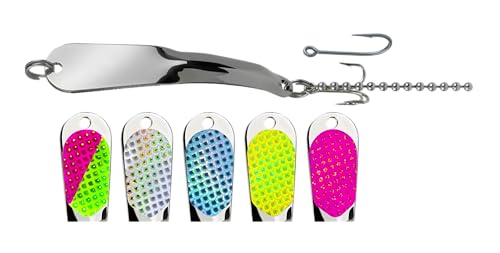
The Iron Decoy Salty Spoon brings versatility to tarpon fishing with its classic design and modern upgrades. What sets this spoon apart is its complete customization package - including both treble and single hooks plus five different prism tape colors. This allows anglers to adapt to changing conditions without carrying multiple lures.
I've had excellent success with this spoon when tarpon are feeding on small glass minnows and juvenile threadfin herring. The 1/4-ounce size perfectly matches these smaller baitfish, while the wobbling action creates flash and vibration that draws strikes from distance. The VMC saltwater hooks are sharp out of the package and hold up well to tarpon's abrasive mouths.
The ability to quickly change prism tape colors proves invaluable when fishing different light conditions. Chrome works best in bright sun, while gold and green patterns excel during overcast conditions or in stained water. The included trailer adds extra action, particularly effective when fishing slower retrieves.
Angler Reviews:
- "Nice action, caught a 17" speckled trout while trolling" - proven effectiveness
- "Good action, pay attention to size selection" - size matters
- Premium components justify the price point
Expert Advice: Spoons excel when tarpon are feeding on small baitfish in current. Cast up-current and let the spoon flutter down naturally - many strikes come on the fall. Vary your retrieve speed until you find what triggers strikes.
Seasonal Patterns and Lure Selection
Spring Migration (April-June)
The spring tarpon migration represents the pinnacle of tarpon fishing along both Florida coasts. During this period, massive schools of tarpon move northward following baitfish migrations. Water temperatures between 74-82°F trigger peak feeding activity. I've found topwater lures like the Bomber Badonk-A-Donk produce explosive strikes during early morning and late evening periods.
During midday hours when tarpon often roll lazily on the surface, suspending lures like the MirrOLure become invaluable. These fish might not be actively feeding, but a well-presented suspending lure hovering in their face often triggers a reaction strike. Focus on areas where tarpon are showing - rolling, daisy chaining, or laid up near the surface.
Color selection during spring depends heavily on water clarity and prevalent baitfish. In the clear waters around Boca Grande Pass, natural silver and white patterns matching threadfin herring produce best. Along the darker waters of the Nature Coast, chartreuse and darker patterns often outperform natural colors.
Summer Patterns (June-September)
Summer tarpon fishing requires adapting to changing behavior patterns. As water temperatures rise above 85°F, tarpon often become less active during daylight hours. Dawn and dusk provide the best opportunities, with night fishing around bridges and lighted structure producing consistent results.
Soft plastic lures like the Savage Gear Pulse Tail excel during summer months when tarpon feed heavily on mullet. The realistic profile and natural swimming action closely match the abundant finger mullet found in backwaters and along beaches. Slow, steady retrieves often work better than aggressive presentations during hot summer conditions.
Beach tarpon present unique summer opportunities. These fish cruise just beyond the breakers, feeding on baitfish pushed against the beach by predators. Long-casting lures like spoons become essential for reaching these fish from shore or anchored boats. Silver spoons worked with an erratic retrieve often trigger aggressive strikes.
Fall Transition (September-November)
Fall brings hungry tarpon preparing for their southward migration. These fish feed aggressively, building energy reserves for their journey. This period offers some of the year's best lure fishing as tarpon attack almost anything resembling food.
Larger profile lures often work better in fall as tarpon target bigger prey items. Magnum-sized topwater plugs and large soft plastics produce quality fish. I've had exceptional success with white or bone-colored lures during this period, particularly when fishing around mullet schools moving along beaches.
Weather fronts passing through create excellent fishing opportunities. The dropping barometric pressure preceding fronts triggers feeding frenzies. Having a selection of lures ready allows you to capitalize on these brief but productive windows.
Advanced Tarpon Lure Techniques
Sight Fishing Strategies
Sight fishing to tarpon represents the ultimate challenge in lure fishing. Success requires accurate casting, proper lure selection, and precise presentation timing. When approaching rolling or daisy-chaining tarpon, I position the boat to intercept their path rather than chasing them directly.
Lead distance varies with water clarity and fishing pressure. In clear, calm conditions, placing the lure 10-15 feet ahead prevents spooking wary fish. In rougher conditions or stained water, you can place lures closer. The key lies in allowing the lure to sink to the tarpon's level before beginning your retrieve.
Lure selection for sight fishing depends on tarpon behavior. Actively feeding fish respond well to aggressive presentations with topwater plugs or fast-retrieved soft plastics. Lazy, rolling tarpon often require subtle presentations with slow-sinking lures that hover in their path.
Night Fishing Around Structure
Bridge and dock lights create prime nighttime tarpon habitat by attracting baitfish. These concentrated food sources draw tarpon looking for easy meals. Fishing lures around lighted structure requires understanding shadow lines and current flow.
I position up-current from lights, casting into the shadow line where tarpon ambush prey. Soft plastic lures excel in this scenario, particularly those with paddle tails creating vibration tarpon can sense in darkness. Slow, steady retrieves keeping the lure in the strike zone produce more strikes than erratic presentations.
Dark-colored lures often outperform bright colors at night, creating better silhouettes against lighted backgrounds. Black, purple, and dark red patterns consistently produce strikes. Adding scent to soft plastics provides an extra attractant in low-visibility conditions.
Working Passes and Channels
Passes connecting bays to the Gulf create natural tarpon highways during tidal movements. These areas require specialized techniques due to strong currents and varying depths. Heavy jigs and weighted soft plastics allow lures to reach bottom-oriented tarpon.
I've found success drifting through passes while vertically jigging spoons or heavy soft plastics. The key lies in maintaining bottom contact while imparting action to trigger strikes. During slack tide periods, casting across current and allowing lures to swing through the water column produces results.
Understanding tide timing proves crucial for pass fishing success. The beginning of outgoing tides often provides the best action as baitfish get swept from shallow flats into deeper channels. Position at the down-current edge of the pass, intercepting tarpon waiting to ambush prey.
Regional Tarpon Lure Preferences
Florida Keys Techniques
The Florida Keys offer diverse tarpon fishing opportunities from oceanside flats to backcountry channels. Here, fishing piers in Miami and the Keys provide excellent vantage points for spotting migrating schools. The clear waters demand natural presentations with minimal flash.
Live bait imitations work exceptionally well in the Keys. Soft plastic lures mimicking pilchards, pinfish, and crabs fool selective Keys tarpon. Natural colors in tan, olive, and silver match the prevalent forage. Weedless rigging becomes essential when fishing the shallow flats where tarpon hunt in mere inches of water.
The oceanside tarpon migration offers shots at true giants. These fish, many exceeding 150 pounds, require heavy tackle and large profile lures. Magnum plugs and oversized soft plastics trigger strikes from these massive predators. Patience and persistence pay off when targeting trophy Keys tarpon.
Gulf Coast Patterns
From Naples to the Panhandle, Gulf Coast tarpon exhibit different behaviors than their Atlantic counterparts. The extensive grass flats, abundant baitfish populations, and numerous passes create ideal tarpon habitat. Here, aggressive presentations often outperform subtle approaches.
Topwater action reaches its peak along the Gulf Coast, particularly around the famous Boca Grande Pass. The Bomber Badonk-A-Donk and similar walk-the-dog lures create surface commotion that draws strikes from considerable distances. White and chartreuse combinations excel in the often-stained waters common after summer thunderstorms.
The abundant white bait (threadfin herring and scaled sardines) populations influence lure selection. Smaller profile lures matching these 2-3 inch baitfish produce more strikes than oversized offerings. Multiple treble hooks become important for solid hooksets on short-striking tarpon.
Texas Coast Adaptations
Texas tarpon, while less numerous than Florida populations, offer excellent opportunities from August through October. These fish feed aggressively on menhaden and mullet schools moving along the beachfront. Surf fishing with lures provides exciting action for wade fishermen.
Large spoons and heavy topwater plugs cast well in the persistent Texas coastal winds. Gold and copper colors work particularly well in the green-tinted waters common along Texas beaches. The key lies in covering water to locate feeding schools.
Jetty fishing offers consistent Texas tarpon action. These structures concentrate baitfish, drawing tarpon within casting range. Heavy jigs and large soft plastics bounced along the rocks trigger strikes from tarpon hunting in the strong currents around these structures.
Tackle Modifications and Upgrades
Hook Replacement Strategies
Factory hooks on many lures aren't adequate for tarpon's tough mouths and powerful runs. I replace standard trebles with 4X strong versions from Owner or VMC. Single inline hooks provide better hook-up ratios and easier release, important for tarpon conservation.
When replacing hooks, maintain the lure's balance by using similar weight replacements. Oversized hooks can kill a lure's action, while undersized hooks result in pulled hooks during fights. I carry a selection of replacement hooks and split ring pliers for on-water modifications.
Crushing barbs facilitates quick releases, crucial for tarpon survival. While this might result in a few lost fish, the improved penetration often results in better initial hooksets. Sharp hooks penetrate better than dull hooks with barbs.
Leader Configurations
Proper leader setup can make or break your tarpon fishing success. I use 6-8 feet of 60-80 pound fluorocarbon for most situations, increasing to 100-pound test when fishing around structures. The leader must withstand abrasion from the tarpon's mouth while remaining invisible enough not to spook wary fish.
Connection knots deserve special attention. The FG knot provides the strongest braid-to-leader connection with minimal bulk for easier casting. For lure connections, a loop knot like the Rapala knot allows better lure action than snug knots pulled tight against the eye.
Some anglers add a short section of wire or heavy mono as a bite guard. While this prevents cut-offs, it can reduce strikes from leader-shy tarpon. I prefer taking my chances with heavy fluorocarbon, accepting occasional break-offs for increased strikes.
Conservation and Best Practices
Proper Handling Techniques
Tarpon are a precious resource requiring careful handling to ensure their survival after release. Keep tarpon in the water whenever possible, supporting their weight horizontally if photos are desired. Their large size makes them vulnerable to internal injuries if held vertically.
Fight times directly impact survival rates. Using appropriate tackle to land tarpon quickly reduces exhaustion and increases post-release survival. I aim to land most tarpon within 20 minutes, adjusting drag settings to apply maximum pressure while avoiding pulled hooks.
Revival techniques prove crucial for exhausted tarpon. Hold the fish facing into current, moving it forward to force water through its gills. Don't release a tarpon until it can swim away strongly under its own power. This might take several minutes but ensures the fish's survival.
Seasonal Considerations
Water temperature affects tarpon survival rates after release. During summer months when water temperatures exceed 85°F, tarpon become more vulnerable to post-release mortality. Consider not targeting tarpon during extreme heat events or limiting fishing to cooler dawn and dusk periods.
Spawning season (May-July) represents a critical period for tarpon conservation. While fishing remains legal, exercising restraint during peak spawning periods helps ensure healthy populations for future generations. If you do fish during this time, land fish quickly and handle them minimally.
Shark presence requires special consideration. Areas with abundant sharks pose additional risks to released tarpon. Move to different locations if sharks become problematic, and never fight a tarpon to exhaustion in shark-infested waters.
Troubleshooting Common Problems
When Tarpon Won't Bite
We've all experienced days when tarpon are everywhere but won't eat anything we throw at them. During these frustrating times, downsizing lures often triggers strikes from lockjawed fish. Switching from a 5-inch soft plastic to a 3-inch version can make the difference.
Changing retrieve speeds and patterns helps crack the code on finicky tarpon. If steady retrieves aren't working, try erratic actions with sudden stops and direction changes. Sometimes dead-sticking a lure (letting it sit motionless) triggers strikes from following fish.
Color changes can trigger strikes when standard patterns fail. I carry the same lure models in multiple colors, allowing quick adjustments without changing presentation styles. Don't overlook dark colors in clear water - sometimes contrast triggers strikes better than matching the hatch.
Dealing with Short Strikes
Short strikes plague tarpon anglers, with fish hitting behind lures or slashing without connecting. Adding a trailer hook helps connect with short-striking fish, though it may affect lure action. I use this technique primarily with spoons and single-hook lures.
Speeding up retrieves often solves short-strike problems by triggering competitive instincts. Tarpon must commit fully to catch fast-moving prey, resulting in better hookups. Conversely, dramatic pauses during retrieves can cause following tarpon to strike when the lure suddenly stops.
Switching to lures with rear-weighted designs moves hooks forward in the strike zone. Many modern tarpon lures feature this design specifically to combat short strikes. The Bomber Badonk-A-Donk's rear weighting contributes to its excellent hook-up ratio.
Building Your Tarpon Lure Arsenal
Essential Lure Categories
A well-rounded tarpon lure selection covers various presentations and conditions. Start with proven producers in each category: topwater plugs for surface action, suspending lures for mid-water presentations, soft plastics for versatility, and spoons for distance casting.
Within each category, carry multiple colors and sizes. My basic tarpon box includes white, silver, chartreuse, and dark patterns in each lure type. This selection covers most water conditions and light levels encountered during typical tarpon fishing.
Don't overlook specialty lures for specific situations. Weedless soft plastics excel on shallow flats, while heavy jigs reach deep-holding tarpon in passes. Having options allows adaptation to changing conditions without leaving productive waters.
Budget Considerations
Building a tarpon lure collection doesn't require breaking the bank. Focus initially on proven producers like those reviewed here, expanding your selection gradually. Quality matters more than quantity - a few well-chosen lures outperform boxes full of untested options.
Consider the cost per fish when evaluating lure prices. A $15 lure that consistently produces tarpon provides better value than three $5 lures that rarely work. Factor in durability - lures that survive multiple tarpon prove more economical long-term.
Watch for sales and bulk buying opportunities. Many tackle shops offer discounts on multiple lure purchases. End-of-season sales provide opportunities to stock up on proven patterns for next year. Building your collection gradually spreads costs while allowing you to test each lure's effectiveness.
Comparing Lures to Live Bait
While live bait certainly catches tarpon, lures offer distinct advantages worth considering. Lures allow covering more water, crucial when searching for scattered fish. You can make dozens of casts with lures in the time it takes to catch, rig, and present live bait.
Convenience factors heavily in lure fishing's appeal. No bait catching, storage, or maintenance required - just grab your tackle and go. This proves especially valuable for spontaneous trips or when bait availability limits fishing opportunities. Lures also survive better in live wells during hot summer months when keeping bait alive becomes challenging.
Lures often trigger more aggressive strikes than live bait, resulting in better hooksets and more exciting fights. The predatory instinct triggered by fleeing lures creates explosive strikes that live bait rarely matches. This aggression factor becomes particularly important when targeting trophy-sized tarpon that might inspect live bait cautiously.
Technology and Modern Innovations
Modern lure manufacturing has revolutionized tarpon fishing success rates. Computer-aided design creates perfect swimming actions, while 3D scanning technology like that used in the Savage Gear Pulse Tail produces ultra-realistic profiles. These technological advances help fool increasingly pressured fish.
Material improvements enhance both durability and action. Modern soft plastics withstand multiple fish while maintaining lifelike flexibility. Hard baits feature impact-resistant polymers and through-wire construction surviving brutal tarpon battles. These improvements reduce replacement costs while improving fishing success.
Color technology continues advancing with UV-reactive and holographic finishes that better replicate baitfish appearances. These finishes create realistic flash patterns visible at greater depths and distances. Some manufacturers now offer color-changing lures that adapt to water temperature, adding another dimension to lure selection.
Learning from Other Species
Techniques from other fishing disciplines often translate well to tarpon fishing. Bass fishing's emphasis on precise presentations and trigger points applies directly to tarpon. The same attention to detail that catches pressured largemouth works on selective tarpon.
Studying northern pike fishing guide techniques reveals similarities in triggering strikes from large predators. The figure-eight boat-side technique used for following muskies and pike occasionally triggers tarpon that follow lures without striking.
Offshore trolling strategies adapt well to tarpon fishing in passes and channels. Spread patterns covering different depths and distances increase encounter rates with moving schools. High-speed trolling with lures produces reaction strikes from aggressive tarpon during peak feeding periods.
Frequently Asked Questions
What size lures work best for tarpon?
Lure size depends on prevalent baitfish and tarpon size. For juvenile tarpon under 50 pounds, 3-4 inch lures match their preferred prey size. Adult tarpon readily take larger lures from 5-7 inches, particularly when feeding on mullet or larger baitfish. I carry multiple sizes and let the fish tell me their preference each day.
Do tarpon prefer topwater or subsurface lures?
Both presentations catch tarpon, with effectiveness varying by conditions. Topwater lures excel during low-light periods and when tarpon actively feed on surface schools. Subsurface lures work better during bright conditions or when tarpon hold deeper. I start with topwater for the excitement factor, switching to subsurface if surface activity slows.
What colors should I choose for tarpon lures?
Silver, white, and pearl patterns matching common baitfish produce consistently. In clear water, natural colors work best, while stained water calls for chartreuse or darker patterns with more contrast. Carry a selection and experiment - tarpon preferences can change hourly based on light conditions and fishing pressure.
How important is lure action for tarpon?
Action matters tremendously for tarpon success. These intelligent predators quickly identify unnatural movements. Quality lures with proven swimming actions outperform cheap imitations. The retrieve cadence also matters - varying speeds and pauses often trigger strikes when steady retrieves fail.
Should I use single or treble hooks for tarpon?
Both have advantages. Treble hooks provide multiple contact points improving hookup ratios, particularly important with tarpon's bony mouths. Single hooks penetrate better and facilitate easier releases. I use trebles on topwater plugs where hookup ratios matter most, switching to singles on jigs and soft plastics for better penetration.
When should I use rattles in tarpon lures?
Rattles help in dirty water, low-light conditions, or when fishing deeper water where visibility limits. They're particularly effective at night around structure. In clear, calm conditions, rattles can actually spook wary tarpon. Match rattle use to conditions - louder in poor visibility, subtle or none in clear water.
How fast should I retrieve lures for tarpon?
Retrieve speed varies with lure type and tarpon activity level. Start with medium-speed retrieves, adjusting based on follows and strikes. Active, aggressive tarpon often prefer faster retrieves triggering competitive instincts. Lethargic fish require slower, more subtle presentations. Let the fish's response guide your speed selection.
What's the best time of day for lure fishing tarpon?
Dawn and dusk provide prime feeding windows with lower light levels encouraging surface activity. These periods offer the best topwater action. During summer, night fishing around lights produces excellent results. Overcast days extend productive periods, while bright midday sun typically requires deeper presentations or seeking shaded structure.
Final Thoughts and Recommendations
Success in tarpon fishing comes from understanding these magnificent fish and selecting lures that trigger their predatory instincts. The four lures reviewed here - the Bomber Badonk-A-Donk, MirrOLure 27 MR, Savage Gear Pulse Tail, and Iron Decoy Salty Spoon - provide a solid foundation for targeting tarpon in various conditions.
Each lure excels in specific situations. The Badonk-A-Donk's topwater action creates heart-stopping strikes during prime feeding periods. The MirrOLure's suspending presentation fools selective fish in clear water. The Savage Gear's realistic profile perfectly imitates natural prey. The Iron Decoy spoon's versatility adapts to changing conditions with its customizable setup.
Remember that lure fishing for tarpon requires patience, observation, and willingness to adapt. Pay attention to environmental cues - bird activity, bait movement, and tarpon behavior patterns. Success often comes from recognizing subtle changes and adjusting presentations accordingly.
Most importantly, respect these incredible fish through proper handling and conservation practices. Tarpon provide unmatched excitement on appropriate tackle, creating memories lasting a lifetime. By selecting quality lures and employing proper techniques, you'll experience the thrill of battling the silver king while ensuring healthy populations for future generations.
Whether you're a seasoned tarpon angler or just beginning your journey, these lures provide proven options for success. Start with one or two that match your fishing style and gradually expand your selection as you gain experience. The investment in quality lures pays dividends through increased strikes, better hookups, and more landed tarpon.
The pursuit of tarpon with artificial lures represents one of fishing's greatest challenges and rewards. Each cast holds potential for an explosive strike and aerial acrobatics that define this iconic species. Armed with the right lures and knowledge, you're prepared for your next encounter with the silver king.