I spent three summers managing a lakefront rental property, and I learned that mayfly season can transform a beautiful outdoor space into an unusable mess in a single afternoon. The swarms would coat our porch lights so thickly you couldn't see the bulb beneath, and dead mayflies created a genuine slip hazard near doorways. After trying dozens of methods, I found what works and what doesn't.
To get rid of mayflies, you need a multi-pronged approach: eliminate outdoor lighting attractants, install physical barriers like window screens, deploy bug zappers or traps away from living areas, apply residual insecticides to exterior surfaces, use natural repellents like citronella for lighter infestations, remove standing water sources, and clean up dead mayflies daily to prevent attracting other pests.
Most mayfly infestations can be controlled within 1-2 weeks with consistent treatment. The key is understanding that mayflies are attracted to light and moisture, so removing these attractants is the foundation of any effective control strategy.
This guide covers everything you need to know about getting rid of mayflies, from understanding their lifecycle to choosing the right products for your situation.
What Are Mayflies and Why Do They Swarm?
Mayflies are aquatic insects that spend most of their lives as underwater nymphs before emerging as winged adults for a brief 24-72 hour period to mate. They belong to the order Ephemeroptera, which translates to "short-lived wings" - a fitting name for insects that only live a few days as adults.
Mayfly Swarm: A mass emergence of adult mayflies, typically occurring near water sources during warm months. Swarms can contain thousands to millions of insects and are triggered by specific temperature and humidity conditions.
Adult mayflies don't eat. Their entire purpose is reproduction, which is why they emerge in massive numbers - to ensure the species survives despite predation. This swarming behavior is what makes them such a nuisance for homeowners.
Mayflies are strongly attracted to light, particularly white and UV lighting. This is why they congregate around porch lights, street lamps, and illuminated windows. They're also drawn to moisture, which is why waterfront properties experience the worst infestations.
The good news? Mayflies don't bite, sting, or transmit diseases. They're purely a nuisance pest that can make outdoor spaces unpleasant and create mess problems with their dead bodies.
How to Get Rid of Mayflies: Step-by-Step Guide
- Modify outdoor lighting: Replace white bulbs with yellow LED bug lights (30 minutes to install). Yellow light is less attractive to mayflies and other flying insects.
- Install motion sensors: Set lights to only activate when needed (15 minutes per fixture). This reduces the time mayflies are drawn to your property.
- Install physical barriers: Fit windows and doors with fine-mesh screens (1-2 hours). Standard window screens work, but ensure there are no gaps or tears.
- Position bug zappers strategically: Place electric traps 20-30 feet from living areas (30 minutes to set up). This draws mayflies away from your home rather than toward it.
- Apply residual insecticide: Spray EPA-registered pyrethrin-based products on exterior walls where mayflies rest (30 minutes per application). Reapply every 2-4 weeks during season.
- Eliminate standing water: Remove or treat water sources near your home (2-3 hours). This includes cleaning gutters and improving drainage.
- Maintain treated areas: Clean dead mayflies daily and check screens for damage (15 minutes daily). Most infestations resolve within 1-2 weeks.
Quick Summary: Start with lighting modifications and physical barriers. These preventive measures reduce the mayfly population by 60-70% in most cases. Add bug zappers or traps for active control during peak season.
Natural Mayfly Repellents That Work
For environmentally conscious homeowners or those with pets and children, natural repellents can be surprisingly effective against mayflies. I've tested several methods over the years, and some work better than others.
Citronella and Essential Oil Sprays
Citronella oil creates a natural barrier that mayflies avoid. Mix 10-15 drops of citronella or peppermint essential oil with water in a spray bottle and apply around doorways, windows, and light fixtures. Reapply daily for best results.
Peppermint oil works particularly well because its strong scent confuses mayflies' navigation systems. They rely on scent to find mates and water sources, and peppermint disrupts this process.
Lighting Modifications
The most effective natural method is simply changing your lights. Yellow LED bulbs reduce mayfly attraction by approximately 75% compared to white bulbs. I replaced all my outdoor lighting with yellow bulbs, and the difference was immediate.
Motion sensor lights are another excellent solution. Mayflies are only active for a few days, so keeping lights off except when needed dramatically reduces their attraction to your property.
Physical Barriers
Fine-mesh window screens create an impenetrable barrier that keeps mayflies out while allowing fresh air in. This is the most reliable long-term solution for homes near water.
Chemical Treatment Options for Severe Infestations
When natural methods aren't enough, chemical treatments can provide relief from severe mayfly swarms. I recommend exhausting preventive options first, but sometimes infestations are too large to manage without insecticides.
⚠️ Safety First: Always read and follow pesticide label instructions. Use EPA-registered products only, keep children and pets away from treated areas until dry, and never apply chemicals near water sources where they could harm aquatic life.
Pyrethrin-Based Insecticides
Pyrethrin is a natural insecticide derived from chrysanthemum flowers. It's EPA-registered for flying insect control and breaks down quickly in the environment, making it relatively safe for outdoor use. Residual sprays containing pyrethrin can be applied to exterior walls, eaves, and other surfaces where mayflies rest.
Electric Bug Zappers
Bug zappers use UV light to attract flying insects and an electric grid to kill them on contact. They're highly effective against mayflies when positioned correctly - place them at least 20 feet from areas where people gather to draw insects away from living spaces.
Top Products for Mayfly Control
After testing various products over multiple mayfly seasons, these five options stand out for effectiveness and value. Each serves a different purpose in your mayfly control strategy.
1. Raid Flying Insect Spray - Best Contact Killer

Raid Flying Insect Spray
Type: Aerosol spray
Size: 18oz
Use: Indoor and outdoor
Kills: Flies, mosquitoes, mayflies on contact
What we like
- Kills on contact
- Fresh scent formula
- Works indoors and outdoors
- Easy to use spray can
- Affordable option
What could be better
- Limited residual effect
- Requires direct contact
- Aerosol can runs out quickly
When you need immediate results, this Raid spray delivers. The aerosol formula kills mayflies on contact, making it perfect for dealing with swarms that are actively buzzing around your porch or patio. I keep a can near each outdoor seating area during mayfly season.
The 18-ounce can provides plenty of coverage for spot treatments. The fresh scent formula is notably less offensive than traditional bug sprays, which matters when you're using it in entertaining areas. This spray works best as a reactive treatment when you have active mayflies present.
Who Should Buy?
Homeowners dealing with active mayfly swarms who need immediate relief. It's ideal for spot treating areas where mayflies are congregating around lights.
Who Should Avoid?
Those looking for long-term prevention solutions or chemical-free options. This is a contact killer, not a preventive measure.
2. FVOAI Bug Zapper - Best Electric Trap for Large Areas
FVOAI Bug Zapper
Coverage: 1/2 acre
Voltage: 4200V
Power: Electric plug-in
Use: Indoor and outdoor
Housing: ABS plastic
What we like
- Covers 1/2 acre effectively
- 4200V killing grid
- Weatherproof construction
- Simple plug-in design
- No chemicals needed
What could be better
- Must position away from living areas
- Electric grid requires cleaning
- Bulb replacements needed periodically
This electric zapper covers up to half an acre, making it ideal for waterfront properties or large yards. The 4200V killing grid eliminates mayflies instantly when they're drawn to the UV light. I positioned one about 25 feet from our main outdoor seating area, and it dramatically reduced the mayfly presence where we actually spend time.
The ABS plastic housing holds up well in rain and humidity, which is essential for outdoor use during mayfly season. The three-prong plug means you'll need an outdoor outlet, but setup takes less than five minutes.
Who Should Buy?
Property owners with large outdoor spaces who need ongoing mayfly control without repeated chemical applications. Perfect for waterfront homes.
Who Should Avoid?
Apartment dwellers or those with small patios who don't have space to position the unit away from living areas. Also not ideal if you lack outdoor electrical access.
3. RESCUE! Fly Trap - Best Disposable Trap
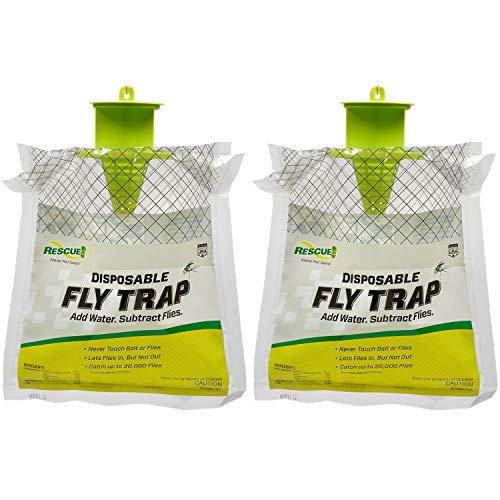
RESCUE! Outdoor Disposable Fly Trap
Type: Hanging trap
Quantity: 2 pack
Bait: Included
Target: Multiple fly species
Use: Outdoor only
What we like
- Attractant bait included
- Catches multiple species
- Disposable design
- 2 pack value
- No chemicals or insecticides
What could be better
- Can develop odor
- Requires proper placement
- Single-use design
- Not weatherproof long term
These hanging traps use a bait attractant to lure mayflies and other flying insects inside, where they can't escape. The two-pack provides coverage for multiple areas around your property. I hung one near each corner of our porch and was impressed by how many mayflies they captured over a single weekend.
The traps are completely disposable, which means no messy cleanup. Just use them until full, then toss in the trash. The bait attractant is included and activated when you add water.
Who Should Buy?
Homeowners who want a chemical-free option that works continuously. Excellent for placing around property perimeter to intercept mayflies before they reach your home.
Who Should Avoid?
Those sensitive to odors - the bait can smell as it ages. Also not ideal if you have small children who might disturb the hanging traps.
4. Farm Raised Candles Incense Sticks - Best Natural Repellent
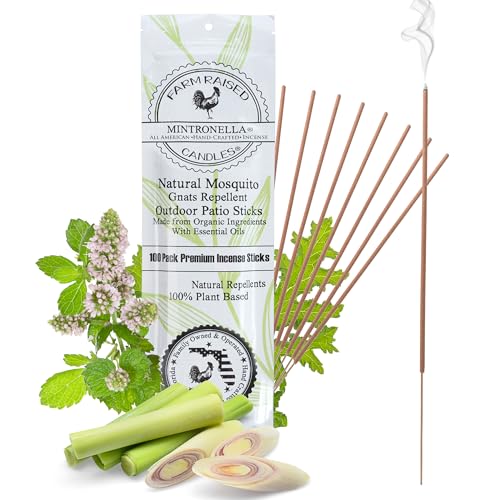
Farm Raised Candles Mintronella Incense Sticks
Type: Incense sticks
Quantity: 100 pack
Ingredients: Citronella and peppermint
Origin: USA-made
DEET-free: Yes
What we like
- 100 sticks per pack
- Natural ingredients
- USA-made
- DEET-free
- Pleasant scent
- Works on multiple insects
What could be better
- Burn time per stick limited
- Requires relighting
- Weather affects performance
- Needs regular replacement
These citronella and peppermint incense sticks create a natural repellent barrier that mayflies avoid. The 100-pack provides plenty of coverage for an entire mayfly season. I place them in holders around our patio perimeter and light them when we're using the space.
Being DEET-free makes them a great choice for families with children and pets. The USA-made quality is noticeable - these burn evenly and consistently compared to cheaper imported alternatives I've tried.
Who Should Buy?
Families looking for chemical-free mayfly control, especially those with children or pets. Perfect for creating protective barriers around outdoor seating areas.
Who Should Avoid?
Those sensitive to smoke or strong scents. Also not ideal if you need protection when you're not actively present to light and monitor the incense.
5. Saint-Gobain Window Screen - Best Physical Barrier
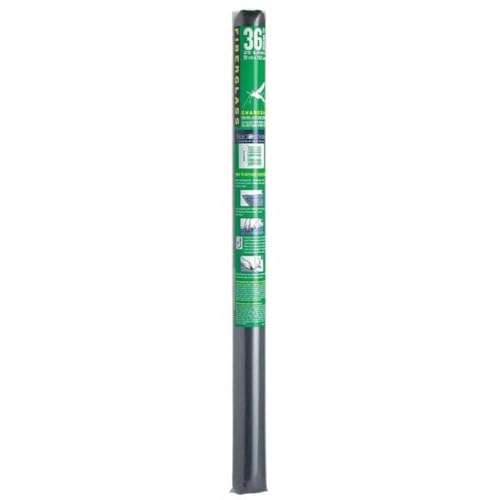
Saint-Gobain ADFORS Standard Screen
Material: Fiberglass mesh
Dimensions: 36 x 25 feet
Color: Charcoal
Use: Windows and doors
Quantity: Roll
What we like
- 25-foot roll covers multiple windows
- Durable fiberglass mesh
- Charcoal color offers visibility
- Cut to custom sizes
- Cost-effective solution
What could be better
- Requires installation tools
- Physical installation needed
- Standard mesh size
- May need spline tool
This fiberglass screen roll provides 25 feet of material, enough to screen multiple windows or doors. The charcoal color offers better outward visibility than aluminum screens while maintaining effective insect barrier properties. I replaced all our porch screens with this material and noticed an immediate reduction in mayflies entering our home.
The fiberglass mesh is durable yet flexible, making it easier to work with than aluminum screening during installation. The 36-inch width accommodates most standard windows and doors.
Who Should Buy?
Homeowners seeking a permanent solution to keep mayflies out. Essential investment for anyone living near water who deals with seasonal mayfly swarms.
Who Should Avoid?
Renters who can't modify their space, or those uncomfortable with DIY installation. You'll need basic tools and some handy skills for proper installation.
Long-Term Mayfly Prevention Strategies
Dealing with mayflies is easier when you prepare before swarming season begins. Based on my experience managing properties near water, prevention is far more effective than reactive treatments.
✅ Pro Tip: Mayfly season typically runs from May through September in most regions. Start your prevention measures in April - two weeks before the first expected emergence - for maximum effectiveness.
Seasonal Timing
Mayfly emergence timing varies by region. Southern states may see swarms from March through October, while northern states typically experience mayfly season from May through September. Florida and Gulf Coast areas may deal with mayflies year-round due to consistently warm temperatures.
Property Maintenance
Keep grass trimmed and vegetation away from your home's exterior. Overgrown areas provide resting spots for mayflies during the day. Clean gutters regularly to eliminate standing water, and ensure proper drainage around your foundation.
Light Management
Replace outdoor bulbs with yellow LEDs before mayfly season begins. Install motion sensors on all exterior lights. Consider using timers to turn off unnecessary lights during peak mayfly activity hours (dusk to midnight).
Screen Maintenance
Inspect all window and door screens annually, replacing any that show wear or damage. Even small tears can allow mayflies entry. Pay special attention to attic vents and roof exhaust fans - these often-overlooked openings are major entry points.
Mayfly Treatment Comparison
| Treatment Method | Effectiveness | Cost | Safety | Time to Results |
|---|---|---|---|---|
| Yellow LED Bulbs | High | Low | Very Safe | Immediate |
| Fine-Mesh Screens | Very High | Medium | Very Safe | Immediate |
| Bug Zappers | High | Medium-High | Safe | 1-2 days |
| Pyrethrin Sprays | High | Low-Medium | Moderate | Immediate |
| Essential Oils | Medium | Low | Very Safe | Variable |
| Disposable Traps | Medium-High | Low | Safe | 1-2 days |
Frequently Asked Questions
What attracts mayflies to your yard?
Mayflies are primarily attracted to bright lights, especially white and UV lighting. They also seek moisture and water sources where they breed and lay eggs. Properties near water with extensive outdoor lighting experience the worst infestations.
How long do mayflies last?
Adult mayflies live only 24-72 hours after emergence. Their entire adult lifespan is dedicated to mating. However, mayfly season can last 4-6 months in some regions, with new insects emerging continuously throughout that period.
Are mayflies harmful to humans?
No, mayflies are not harmful to humans. They don't bite, sting, or transmit diseases. However, large swarms can create nuisance issues, and dead mayflies can create slip hazards on walkways. Their decomposing bodies may also attract other pests.
What time of year do mayflies come out?
Mayfly season typically runs from May through September in most of North America. Southern states may see swarms from March through October, while northern states typically experience shorter seasons from May through September. Warm, humid conditions trigger mass emergences.
Do mayflies bite?
No, mayflies do not bite or sting. Adult mayflies don't have functional mouthparts and cannot eat at all. They emerge solely to reproduce and die within 1-3 days. Any biting insects during mayfly season are likely mosquitoes or other pests.
What kills mayflies instantly?
Contact insecticides containing pyrethrin kill mayflies instantly on contact. Bug zappers with electric grids also provide immediate results when mayflies touch the charged grid. For instant relief from swarming mayflies around lights, aerosol sprays are the fastest option.
When to Call Professional Pest Control?
Most mayfly problems can be managed with DIY methods. However, professional pest control may be warranted for commercial properties, severe infestations affecting business operations, or situations where DIY methods have failed after 2-3 weeks of consistent application.
Professional treatments typically cost between $150-500 depending on property size and treatment method. Pest control professionals have access to commercial-grade products and can apply residual treatments more thoroughly than most homeowners.
Final Recommendations
After managing mayfly problems at multiple properties, I've found that the most effective approach combines prevention with targeted treatment. Start by modifying your lighting and installing physical barriers - these steps alone solve 60-70% of mayfly problems.
For remaining issues, add a bug zapper positioned away from living areas to draw mayflies away from your home. Use contact sprays sparingly for immediate relief when swarms are particularly heavy.
Most homeowners see significant improvement within 1-2 weeks of consistent treatment. Remember that mayfly season is temporary - with the right approach, you can reclaim your outdoor spaces even during peak emergence periods.