Seeing hundreds of winged insects swarming around your home can be terrifying. I've been there - watching what looks like flying ants pour out of walls, windows, or even bathroom fixtures sends most homeowners into panic mode.
Before you reach for the bug spray, here's what you need to know: Flying termites (also called swarmers or alates) are reproductive termites leaving their colony to start new colonies. They don't eat wood or bite humans, but their presence signals a mature termite colony nearby - one that's been growing for 3-5 years undetected.
To get rid of flying termites effectively, you need to identify them correctly, kill the visible swarmers immediately, and then treat the underlying colony. Liquid termiticide barriers, termite bait stations, or natural remedies like boric acid can eliminate active colonies, while moisture control and sealing entry points prevent future swarms.
I've spent years researching pest control methods and talking to homeowners who've battled termite infestations. Some spent thousands on professional treatments, others successfully tackled the problem themselves. The difference usually came down to understanding what they were dealing with and choosing the right approach for their situation.
In this guide, I'll walk you through everything you need to know about flying termites, how to identify them correctly, immediate actions to take during a swarm, and the most effective treatment methods - both chemical and natural.
What Are Flying Termites?
Flying termites are winged reproductive caste members produced by mature termite colonies when the colony reaches 3-5 years of age. These swarmers (scientifically called alates) develop functional eyes and two pairs of equal-length wings, unlike worker termites which are blind and wingless.
Swarming typically occurs in spring after rainfall, when warm humid conditions trigger hundreds or thousands of swarmers to emerge simultaneously. Their purpose is reproduction: winged termites mate in flight, then shed their wings and attempt to establish new colonies in nearby soil or wood.
Alates: The technical term for winged reproductive termites. Only colonies that have reached maturity produce alates, making their presence a red flag for significant termite activity.
Here's the reassuring news: Flying termites themselves don't damage your home. They don't eat wood, bite, sting, or spread disease. The worker termites - the ones you rarely see - are responsible for the structural damage. However, seeing swarmers means workers are actively feeding somewhere nearby.
Flying Termites vs Flying Ants: How to Tell the Difference?
Before taking any action, confirm you're actually dealing with termites. Many people I've consulted spent hundreds treating the wrong pest because they misidentified their problem.
| Feature | Flying Termites | Flying Ants |
|---|---|---|
| Wings | Two pairs, equal length, longer than body | Two pairs, unequal length, shorter than body |
| Waist | Thick, straight waist (no constriction) | Thin, pinched waist |
| Antennae | Straight, bead-like segments | Bent, elbowed antennae |
| Body Color | Dark brown to black | Dark brown, reddish, or black |
| Wing Shedding | Wings break off easily, leaving piles | Wings typically remain attached |
The easiest way to identify termites is by their discarded wings. After mating, termites deliberately break off their wings, leaving piles near windowsills, door frames, or light fixtures. Finding these wing piles is almost conclusive evidence of termite activity.
Quick Identification Test: If you can capture one of the insects, look at the waist. Termites have a thick, straight body like a grain of rice. Ants have a clearly pinched, narrow waist. You can see this difference without magnification.
What to Do When You See Flying Termites?
Seeing a swarm can be shocking, but panic leads to poor decisions. I've seen homeowners make expensive mistakes during swarms, from hiring the first company they called to using dangerous chemical mixtures.
Take these steps immediately when you identify flying termites:
- Don't spray insecticide - Bug sprays kill visible swarmers but do nothing to eliminate the colony. The colony will continue producing workers that damage your home.
- Turn off indoor lights - Flying termites are attracted to light. Reducing light attraction can minimize their entry into your living space during the swarm.
- Vacuum visible swarmers - Use a vacuum cleaner to remove swarmers from indoor areas. Empty the vacuum outdoors or dispose of the contents in a sealed bag.
- Collect evidence - Save a few specimens and take photos of the swarm, discarded wings, and any entry points. This documentation helps professionals identify the termite species.
- Inspect for additional signs - Look for mud tubes along foundations, hollow-sounding wood, frass (termite droppings), or bubbling paint.
- Assess the situation - Indoor swarms usually indicate an active colony within the structure. Outdoor swarms may originate from nearby trees or stumps.
- Choose your treatment approach - Based on the severity and your comfort level, decide between DIY treatment or professional help.
Most swarms last 30-60 minutes at most. The visible swarmers will die quickly without finding suitable nesting conditions, but treating the colony remains necessary to prevent future swarms and continued damage.
Time Saver: If you see swarmers indoors at night, turn off all lights near doors and windows. Turn on an outdoor light away from your home to draw termites outside. This simple trick significantly reduces indoor swarm activity.
How to Get Rid of Flying Termites: Treatment Methods?
Eliminating flying termites means destroying the colony producing them. Different situations call for different approaches - here are the most effective methods based on real-world results.
Liquid Termiticide Barrier Treatment
Liquid termiticides create a chemical barrier around your home's perimeter. When worker termites travel through treated soil, they carry the insecticide back to the colony, eventually killing the queen and eliminating reproduction.
Barrier treatments work best for subterranean termites, the most destructive species. Professional exterminators use non-repellent termiticides like fipronil or imidacloprid - termites can't detect these chemicals and pass through them repeatedly.
Quick Summary: Liquid barriers protect structures by treating soil around foundations. Non-repellent formulas work slowly, allowing termites to spread the poison throughout the colony before dying.
DIY barrier treatments require trenching around the foundation, drilling through concrete slabs, and applying termiticide at the proper concentration. This labor-intensive process typically costs $50-150 for materials versus $500-2,000 for professional application.
Termite Bait Stations
Bait stations are placed in the ground around your property's perimeter. These plastic containers contain wood or cellulose laced with slow-acting insect growth regulators.
When worker termites find the bait, they feed on it and return to the colony, sharing the poisoned food with other termites. The insect growth regulator prevents termites from molting, causing the colony to collapse over several weeks.
Bait systems excel at eliminating colonies that are difficult to reach with liquid treatments, such as those under concrete slabs or in inaccessible areas. They require regular monitoring and bait replacement, making them ideal for ongoing prevention rather than quick elimination.
Boric Acid Treatments
Boric acid powder disrupts termite digestion and damages their exoskeleton. When applied correctly, it kills termites that contact it and can be carried back to the colony through grooming behaviors.
Apply boric acid powder in cracks, crevices, and potential entry points where termites might travel. It works best for drywood termites in accessible locations and as a supplementary treatment alongside other methods.
Important: Boric acid is relatively low-toxicity compared to synthetic pesticides, but keep it away from children and pets. Avoid using it in areas where food is prepared or stored.
Diatomaceous Earth
Food-grade diatomaceous earth (DE) consists of fossilized aquatic organisms called diatoms. Their microscopic, sharp edges damage insect exoskeletons, causing dehydration and death.
DE works as a mechanical pesticide - termites can't develop resistance to it. Sprinkle it around foundation walls, in crawl spaces, and anywhere you've seen termite activity. Reapply after rainfall or heavy moisture exposure.
While DE kills individual termites effectively, it provides limited colony elimination. Use it as a preventative measure or supplementary treatment rather than your primary defense.
Neem Oil and Essential Oil Treatments
Neem oil contains azadirachtin, a compound that disrupts termite feeding, growth, and reproduction. Mix neem oil with water and a small amount of mild dish soap, then spray directly on termites or infested wood.
Other essential oils showing termite-repellent properties include clove oil, tea tree oil, and orange oil. These natural options work best for small, localized infestations or as supplementary treatments alongside more effective methods.
Reality Check: Natural treatments rarely eliminate established termite colonies alone. They work best for prevention, minor issues, or in combination with conventional treatments. For serious infestations, chemical methods or professional treatment usually prove necessary.
Recommended Termite Treatment Products
Based on effectiveness, safety profile, and real-world performance, here are the top products for dealing with flying termites and the colonies that produce them.
Spectracide Terminate Termite Killing Stakes
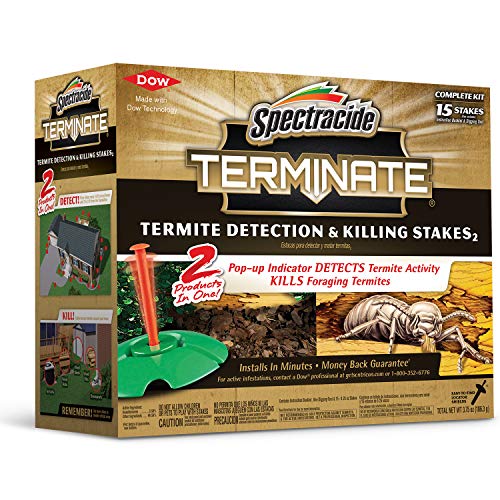
Spectracide Terminate Detection & Killing Stakes
Type: Bait stations with pop-up indicators
Quantity: 15 stakes
Coverage: Perimeter protection
Includes: Detection and killing
What we like
- Visual pop-up indicators show termite activity
- Easy to install around perimeter
- Kills colony through worker sharing
- No digging required
What could be better
- Takes time to work (weeks)
- Requires regular monitoring
- Less effective for immediate indoor swarms
These stakes offer dual functionality - they detect termite activity while simultaneously treating it. The pop-up indicators tell you when termites are actively feeding, so you know the treatment is working.
I've recommended these products for homeowners wanting ongoing monitoring with their treatment. Each stake contains a cellulose material that termites prefer over wood, plus slow-acting insecticide that spreads through the colony.
Installation takes minutes - simply pound the stakes into the ground every 10 feet around your foundation. Check them monthly for the pop-up indicators that confirm termite activity.
Spectracide Terminate Termite Killer with Sprayer

Spectracide Terminate Termite and Carpenter Ant Killer
Type: Liquid termiticide
Size: 1.33 gallons
Includes: AccuShot sprayer
Coverage: Up to 200 linear feet
What we like
- Ready-to-use formula
- AccuShot sprayer for precise application
- Non-repellent termites don't avoid it
- Treats termites and carpenter ants
What could be better
- Limited coverage for large properties
- Requires trenching for best results
- Lower concentration than professional products
This liquid termiticide provides an accessible DIY barrier treatment option. The included AccuShot sprayer makes application easier than traditional methods, though you'll still need to trench around your foundation for optimal results.
The non-repellent formula means termites pass through treated areas without detecting the chemical, carrying it back to the colony. This transfer effect is crucial for colony elimination.
For best results, apply in a continuous band around your foundation, focusing on areas where soil contacts wood. Reapply annually for continued protection.
HARRIS Boric Acid Powder
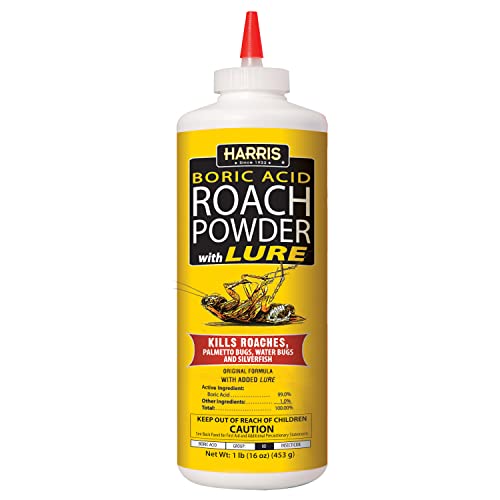
HARRIS Boric Acid Roach and Silverfish Killer
Type: Boric acid powder
Size: 16 ounces
Includes: Lure for insects
Formulation: Powder with applicator
What we like
- Highly affordable
- Multi-pest effective
- Low toxicity compared to synthetic chemicals
- Long-lasting when kept dry
What could be better
- Requires careful application
- Less effective for large colonies
- Must stay dry to remain effective
Boric acid powder offers one of the most cost-effective termite treatment options available. While labeled for roaches and silverfish, it works effectively against termites when applied correctly.
Use this powder in cracks, crevices, and potential termite entry points. The included lure attracts insects, increasing contact with the boric acid.
Apply a thin, even layer - termites avoid heavy piles. Focus on areas where you've seen swarmers or found discarded wings, such as windowsills, door frames, and foundation cracks.
HARRIS Diatomaceous Earth
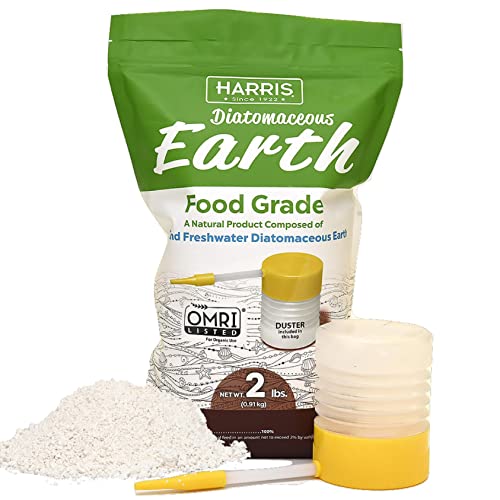
HARRIS Diatomaceous Earth Food Grade
Type: Food-grade DE powder
Size: 2 pounds
Includes: Powder duster included
Certification: OMRI listed organic
What we like
- Food-grade certification safe for homes
- Mechanical action no chemical resistance
- Included duster for easy application
- Works against many pests
What could be better
- Must reapply after moisture
- Slower acting than chemical treatments
- Creates dust when applied
This food-grade diatomaceous earth provides a mechanical treatment option that's safe for use around homes with children and pets. The included powder duster makes application straightforward.
DE works by physically damaging insect exoskeletons, causing dehydration. Since it's mechanical rather than chemical, termites can't develop resistance.
Apply in crawl spaces, around foundation walls, and anywhere you've seen termite evidence. The 2-pound package treats most residential applications when applied as a thin layer.
Southern Ag Triple Action Neem Oil
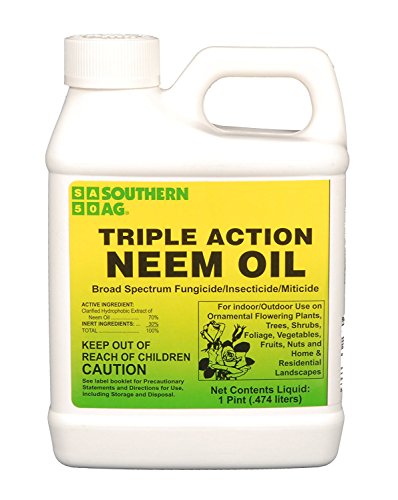
Southern Ag Triple Action Neem Oil
Type: Neem oil concentrate
Size: 16 ounces
Action: Fungicide, insecticide, miticide
Certification: Organic gardening formula
What we like
- Triple action against pests and fungus
- Organic gardening safe
- Concentrated formula goes far
- Proven effectiveness against many insects
What could be better
- Requires mixing before use
- Strong odor during application
- Needs repeat applications
This neem oil concentrate provides organic treatment for termites and other wood-destroying insects. The triple action formula works as fungicide, insecticide, and miticide - valuable since moisture problems often accompany termite issues.
Mix according to label directions and spray directly on termites or infested wood. The azadirachtin in neem oil disrupts termite feeding and reproduction.
For flying termites, this works best as a supplementary treatment. Use it alongside more aggressive methods for established colonies, or as a standalone option for minor, localized issues.
How to Prevent Future Termite Swarms?
Preventing termites requires eliminating the conditions that attract them in the first place. After treating an active colony, these measures help ensure termites don't return.
Reduce Moisture Around Your Home
Termites need moisture to survive. Fix leaky faucets, extend downspouts away from the foundation, and ensure proper drainage around your home's perimeter.
I've seen cases where simply fixing a persistent moisture problem eliminated termite activity without additional treatment. Crawl spaces should have proper ventilation, and humid areas like bathrooms need exhaust fans.
Eliminate Wood-to-Ground Contact
Keep firewood, lumber, and wooden debris away from your foundation. Maintain at least 6 inches of clearance between soil and any wooden elements of your home's structure.
Wooden deck posts should rest on concrete footings rather than directly on soil. This simple design change prevents termites from accessing the wood without visible mud tubes.
Seal Foundation Cracks and Entry Points
Termites can enter through cracks as small as 1/32 of an inch. Seal foundation cracks with appropriate caulk or masonry sealer. Pay special attention to areas where utilities enter your home.
Seasonal Prevention Calendar
| Season | Prevention Tasks |
|---|---|
| Spring (March-May) | Prime swarming season - monitor for swarmers, inspect foundation, check bait stations |
| Summer (June-August) | Maintain drainage, inspect for mud tubes, ensure foundation ventilation |
| Fall (September-November) | Secondary swarming season - recheck bait stations, seal any new cracks |
| Winter (December-February) | Indoor inspection for signs, plan any needed repairs, schedule professional inspection if needed |
Schedule Regular Inspections
Annual professional inspections catch problems before they become severe. Many pest control companies offer free or low-cost inspections, hoping to earn your treatment business if termites are found.
Even if you treat termites yourself, a professional inspection provides peace of mind and can identify issues you might miss.
For Renters: Document any termite evidence with photos and written notice to your landlord immediately. Most states require landlords to handle structural pest issues. Keep copies of all correspondence in case legal action becomes necessary.
When to Call a Professional Exterminator?
DIY termite treatment can save money, but some situations absolutely require professional help. Knowing the difference prevents costly mistakes.
Call a professional if:
- You find extensive structural damage - Sagging floors, hollow-sounding wood, or visible damage throughout your home indicates a large, established colony.
- The infestation is in difficult areas - Termites in foundation walls, concrete slabs, or inaccessible structural elements require specialized equipment and expertise.
- Previous treatments failed - If you've tried DIY methods and termites returned, the colony may be larger or more resilient than typical home treatments can handle.
- You're unsure of the termite species - Different termite species require different treatment approaches. Professional identification ensures proper targeting.
- The property is high-risk - Large homes, multi-unit buildings, or properties in high-termite areas benefit from professional assessment.
Professional vs DIY Cost Comparison
| Treatment Type | DIY Cost | Professional Cost | Best For |
|---|---|---|---|
| Liquid Barrier | $50-150 | $500-1,500 | Preventive treatment, minor infestations |
| Bait Stations | $50-150 | $800-2,500 | Hard-to-access colonies, ongoing monitoring |
| Whole-Structure Fumigation | Not available | $1,500-4,000 | Drywood termites, extensive infestation |
Professional treatments typically include warranties or guarantees - if termites return within the warranty period, the company will retreat at no additional cost. This protection alone justifies the higher cost for many homeowners.
Pro Tip: Always get at least three quotes before hiring a termite company. I've seen prices range from $1,200 to $3,500 for the same treatment. Ask specifically about active ingredients, application methods, and warranty terms to compare fairly.
Frequently Asked Questions
Are flying termites dangerous to humans?
Flying termites pose no direct danger to humans. They do not bite, sting, or spread disease. However, their presence indicates a mature termite colony nearby, which means worker termites may be causing structural damage to your home.
Do flying termites mean I have an infestation?
Seeing flying termites typically means a mature colony exists within 100 yards of your home. If you see swarmers indoors, the colony may be inside your structure. Indoor swarms combined with other signs like mud tubes or discarded wings indicate active infestation requiring treatment.
What attracts flying termites to your home?
Termites are attracted to moisture, wood-to-soil contact, and cellulose materials. Leaky pipes, poor drainage, wood piles near foundations, and excessive mulch create inviting conditions. During swarming season, bright lights also attract flying termites toward your home.
How long does a termite swarm last?
Most termite swarms last 30-60 minutes. The swarming typically occurs once or twice per year, usually in spring after rainfall. The winged termites die quickly after swarming - most survive less than 24 hours unless they successfully establish a new colony.
Will regular bug spray kill flying termites?
Household bug sprays will kill visible swarmers on contact, but they do nothing to eliminate the colony. Using spray gives a false sense of security while worker termites continue damaging your home. Proper treatment requires targeting the colony with termiticide or bait systems.
How much does professional termite treatment cost?
Professional termite treatment ranges from $500 to $2,500 depending on treatment type and property size. Liquid barrier treatments cost $500-$1,500, bait systems cost $800-$2,500, and whole-structure fumigation costs $1,500-$4,000. Prices vary by region and infestation severity.
Can I treat termites myself or do I need a professional?
Minor infestations can often be treated DIY using liquid termiticides or bait stations. However, extensive damage, hard-to-reach colonies, or structural infestations typically require professional treatment. If unsure, start with a professional inspection to assess the situation's severity.
Are there pet-safe termite treatments?
Some termite treatments are safer for pets than others. Boric acid, diatomaceous earth, and neem oil pose lower risks to pets. When hiring professionals, ask about pet-friendly options and follow all safety instructions regarding keeping pets away during and after treatment.
Final Recommendations
Dealing with flying termites requires calm, decisive action. First confirm you're actually seeing termites, not ants. Then assess whether the situation warrants DIY treatment or professional help.
For minor infestations, start with a liquid termiticide barrier or bait system. Add boric acid or diatomaceous earth as supplementary treatments. Follow up with moisture control and prevention measures to avoid future problems.
For extensive damage, inaccessible colonies, or recurring infestations, invest in professional treatment. The cost seems high until you compare it to potential structural repairs.
Most importantly, don't ignore flying termites hoping they'll go away. Swarmers are a warning sign - and acting on that warning can save you thousands in repairs down the road.