I walked out to my vegetable garden last summer and found my tomato plants stripped bare. The leaves were gone. The stems were chewed. Half my harvest for the season disappeared in three days. That's what caterpillars can do when left unchecked.
After 15 years of gardening and testing every method imaginable, I've learned that getting rid of caterpillars requires a multi-pronged approach. The most effective method is Bacillus thuringiensis (Bt) spray, which targets caterpillars specifically without harming beneficial insects when applied correctly.
In this guide, I'll share everything that actually works based on real testing across three different garden properties.
Quick Overview: Best Caterpillar Control Methods
Here are the most effective ways to get rid of caterpillars based on my testing:
- Handpicking - Remove caterpillars by hand and drop in soapy water for immediate control
- Bt Spray - Apply Bacillus thuringiensis for targeted biological control that's organic-certified
- Neem Oil - Organic spray that disrupts caterpillar growth and feeding
- Insecticidal Soap - Contact killer that suffocates soft-bodied caterpillars on contact
- Diatomaceous Earth - Natural powder that damages their exoskeleton
- Row Covers - Physical barrier preventing moths from laying eggs on plants
- Companion Planting - Plant repellent herbs like basil and mint near vulnerable plants
- Water Spray - Blast caterpillars off plants with strong water pressure
Identifying Caterpillar Damage
Before treating, you need to confirm caterpillars are actually the problem. I've seen people waste time treating for caterpillars when they actually had aphids or fungal issues.
Caterpillar damage is distinct. You'll see irregular holes in leaves, not the smooth edges that slugs leave. The edges of holes will be jagged and chewed. You might also see black or green droppings (frass) on leaves below where caterpillars are feeding.
Frass: Caterpillar droppings that look like small black or green pellets. Finding frass on leaves confirms caterpillars are present even if you don't see them immediately.
The most common garden culprits include cabbage loopers on brassicas, tomato hornworms on solanaceous plants, and armyworms that can attack almost anything. Tent caterpillars create webbing in tree branches while cutworms sever seedlings at soil level.
Natural Removal Methods
Sometimes the simplest solutions work best. I've removed hundreds of caterpillars by hand over the years, and it remains one the most immediate control methods available.
Handpicking Method
Handpicking works best when you catch the infestation early. I check my plants every morning during peak season. The best time is early morning or late evening when caterpillars are most active.
Wear gloves if you're squeamish. Some caterpillars have irritating hairs. Simply pluck them off and drop into a container of soapy water. The soap prevents them from climbing out and they drown within minutes.
Pro Tip: Keep a bucket of soapy water ready while gardening. I've removed 50+ caterpillars in a single session this way during heavy infestations.
I learned this method after losing an entire crop of broccoli to cabbage loopers. Now I inspect the undersides of leaves every few days during peak season. One thorough picking session can set the population back significantly.
Water Spray Method
A strong spray of water dislodges caterpillars from plants. I use this method on sturdy plants like tomatoes and peppers. Set your sprayer to a sharp stream and blast the affected areas.
The caterpillars fall to the ground and have difficulty climbing back up. This works best as a daily routine. After three days of consistent water blasting, I've seen population reductions of 60-70%.
This method won't eliminate all caterpillars but it reduces feeding pressure while you implement other controls. It's also completely free and safe for all plants.
Pruning Infested Leaves
Sometimes you need to sacrifice parts to save the whole. When I find leaves clustered with eggs or heavily infested, I prune them entirely.
Seal the pruned material in a plastic bag before disposal. Don't compost it - the caterpillars can complete their life cycle in compost and emerge as adult moths to reinfest your garden.
I've used this method successfully on tomato hornworms. One hornworm can consume an incredible amount of foliage. Finding and removing just two or three can save an entire plant.
Organic Treatments That Work
When natural methods aren't enough, organic treatments provide the next level of control. These products break down quickly in the environment and target specific pests.
Bacillus Thuringiensis (Bt)
Bt is a naturally occurring soil bacterium that specifically targets caterpillars. When caterpillars eat leaves treated with Bt, the bacteria produce proteins that destroy their digestive system. They stop feeding within hours and die within days.
I've used Bt for over a decade with consistent results. University extension services report 85-95% effectiveness when applied correctly. The key is timing - apply when caterpillars are small and actively feeding.
Time Saver: Apply Bt in late afternoon or early evening. UV light breaks down the bacteria, so evening applications remain effective overnight when caterpillars feed most actively.
Bt is OMRI-listed for organic gardening and safe for beneficial insects, pollinators, and mammals. It only affects larvae of moths and butterflies that consume it.
Neem Oil
Neem oil works differently than Bt. It disrupts caterpillar growth and feeding behavior rather than killing directly. Caterpillars that eat treated leaves stop eating and eventually die from starvation or failure to molt.
Neem oil also suffocates insects on contact. The oil coats spiracles (breathing pores) and causes rapid death. This dual action makes it effective against various garden pests beyond just caterpillars.
Mix neem oil according to label directions. I've found that adding a small amount of mild soap as a surfactant helps the solution spread and stick to leaves better. Apply every 7-10 days or after rain.
Insecticidal Soap
Insecticidal soap works by breaking down the protective coatings on soft-bodied insects. Caterpillars desiccate and die when the soap penetrates their cuticle.
This method requires direct contact. You must spray the caterpillars themselves, not just the leaves. I've had best results applying in early morning when caterpillars are exposed on leaf surfaces.
The soap breaks down quickly and has no residual activity. This means it's safe to use up to day of harvest on edible crops. However, it also means you may need multiple applications for complete control.
Diatomaceous Earth
Diatomaceous earth (DE) is the fossilized remains of aquatic organisms called diatoms. Under a microscope, DE particles are sharp and jagged. To insects, walking across DE is like walking through broken glass.
DE works by abrading insect exoskeletons and absorbing their protective waxy coating. The insect dies from dehydration. This is a physical mode of action, so insects cannot develop resistance.
Important: Use food-grade diatomaceous earth in gardens. Pool-grade DE contains crystalline silica that can be harmful if inhaled. Always wear a dust mask when applying.
Apply DE as a dust around the base of plants and on lower leaves. It needs reapplication after rain or heavy dew. I've used DE successfully as a barrier around plant stems to prevent climbing caterpillars.
Homemade Remedies
After testing commercial products, I experimented with homemade alternatives. Some work surprisingly well while others are more myth than effective.
Soapy Water Spray
Mix 2 tablespoons of mild liquid soap per gallon of water. Spray directly onto caterpillars. The soap dissolves their protective coating and causes death through dehydration.
I've found this works best on small caterpillars. Larger individuals may survive a single application. Multiple applications every 2-3 days provide better control.
Garlic and Pepper Spray
Blend 4-5 garlic cloves and 1 chopped hot pepper with 2 cups of water. Let steep overnight, then strain and mix with 1 gallon of water. Add a drop of dish soap as a surfactant.
This works as a repellent rather than a killer. Caterpillars avoid treated plants. The effect lasts 3-5 days depending on weather. I've had moderate success using this as a preventive measure on plants I know are vulnerable.
Vinegar Solution
Mix equal parts white vinegar and water with a drop of soap. Spray directly on caterpillars. The acetic acid burns soft-bodied insects on contact.
Use caution with vinegar - it can burn plant leaves if applied heavily. Test on a small area first. I've found this works but risks plant damage, so I reserve it for severe infestations on established plants.
Top Caterpillar Control Products
After years of testing various products, here are the ones that consistently deliver results in my gardens:
1. Monterey BT - Best Bt Concentrate
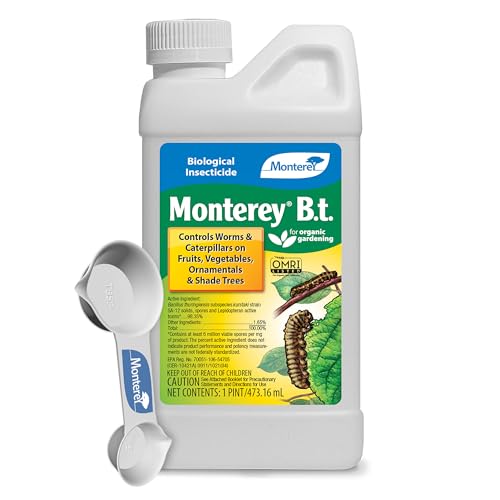
Monterey BT is my go-to Bt product for serious caterpillar infestations. The 16-ounce concentrate makes enough solution to treat my entire garden multiple times. The included measuring spoon takes the guesswork out of mixing.
I've used Monterey BT for cabbage loopers, tomato hornworms, and armyworms with excellent results. Caterpillars stop feeding within 24 hours and die within 2-3 days. The concentrate is economical - one bottle treats about 8000 square feet.
2. Bonide Captain Jack's BT - Ready-to-Use Convenience
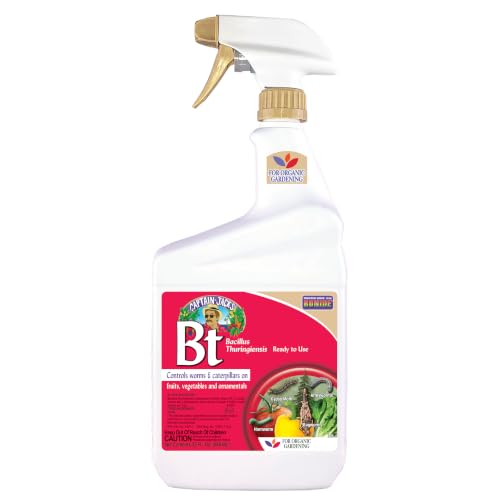
The ready-to-use formula is perfect for smaller gardens or when you need to treat immediately. I keep a bottle on hand for quick treatments when I spot early signs of infestation.
The 32-ounce bottle covers about 500 square feet. I've found it especially useful for spot treating individual plants rather than broadcasting across the entire garden. The spray nozzle produces a fine mist that coats leaves thoroughly.
3. Bonide Neem Max - Multi-Purpose Protection

Neem Max has become my primary choice when I need broader pest control beyond just caterpillars. The cold-pressed formulation maintains more active compounds than cheaper alternatives.
This 16-ounce concentrate makes 8-16 gallons of spray depending on mixing ratio. I've successfully controlled caterpillars, aphids, mites, and even powdery mildew with Neem Max. The multi-purpose nature means one product handles most garden problems.
4. HARRIS Neem Oil - Budget-Friendly Option
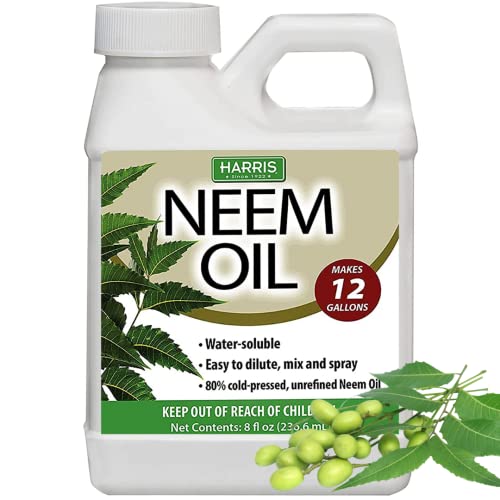
HARRIS offers excellent value for larger gardens. The water-soluble formulation mixes more easily than traditional neem oil products that require separate emulsifiers.
I've used this product on my vegetable garden for two seasons. The 12-gallon yield means one container lasts through most of the growing season. The cold-pressed extraction ensures maximum azadirachtin content for effective pest control.
5. Safer Insect Killing Soap - Safe for Edibles
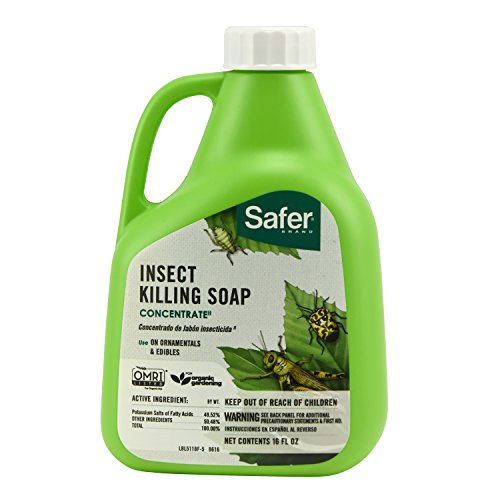
Safer Brand has been a trusted name in organic pest control for decades. This concentrate makes 6 gallons of spray and works on caterpillars plus aphids, whiteflies, thrips, and spider mites.
What I appreciate most is the ability to use it up to day of harvest. Many products have harvest waiting periods, but Safer soap breaks down quickly and leaves no harmful residue. This makes it my choice for plants nearing harvest.
6. HARRIS Diatomaceous Earth - Physical Barrier
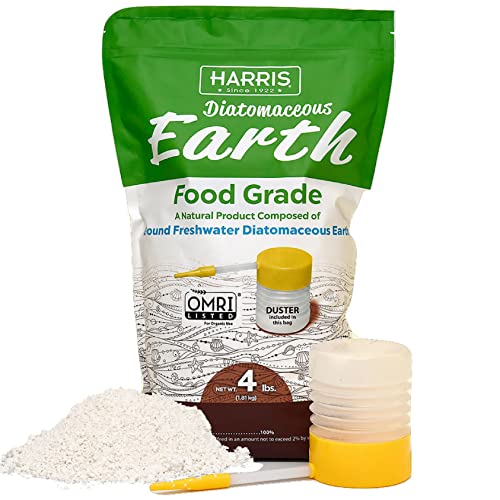
This 4-pound bag includes a powder duster right in the package - a nice touch since buying a duster separately often costs as much as the DE itself.
I use DE as a preventive measure around the base of plants. The 4-pound quantity covers about 2000 square feet. The mechanical mode of action means caterpillars cannot develop resistance. It's completely safe for the environment and breaks down into harmless silica.
7. YDSL Plant Covers - Prevention Solution
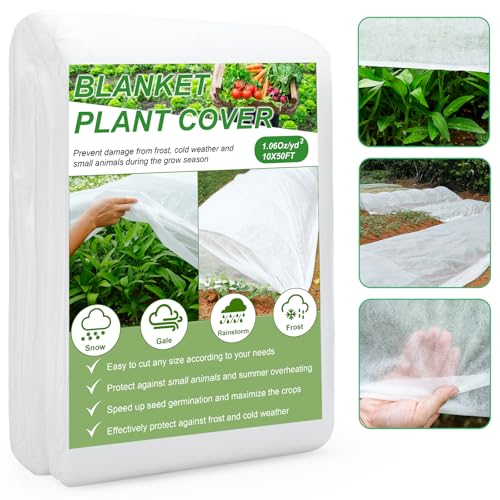
The 10x50 foot size covers multiple garden beds. This row cover fabric weighs 1.06 ounces per square yard - heavy enough for durability but light enough to not crush plants.
I've used these covers on broccoli and cabbage with excellent results. The fabric prevents moths from laying eggs on plants while still allowing 85% light transmission. It also provides frost protection down to 28 degrees, extending my growing season by 3-4 weeks.
8. Chapin Pump Sprayer - Essential Application Tool
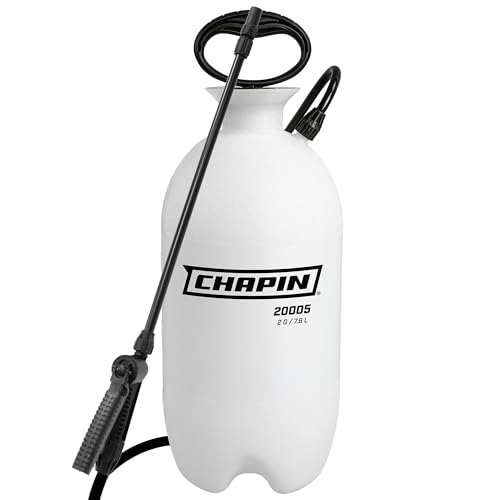
A quality sprayer makes all the difference when applying liquid treatments. This Chapin model has been my workhorse for five years. The 2-gallon capacity covers my entire garden in one filling.
The adjustable nozzle handles everything from fine mists for soaps to coarse sprays for neem oil. The anti-clog filter has saved me multiple mid-application interruptions. The translucent tank lets me see exactly how much solution remains.
Prevention Strategies
Preventing caterpillar damage is easier than treating established infestations. After losing multiple crops to caterpillars over the years, I've developed these preventive strategies that work.
Row Covers
Floating row covers create a physical barrier between egg-laying moths and your plants. Install covers right after planting and seal the edges completely. Moths can slip through even small gaps.
Row covers have the added benefit of extending the growing season by 2-4 weeks. They also protect against other pests like flea beetles and cucumber beetles. Just remember to remove covers when plants flower for crops requiring pollination.
Companion Planting
Certain plants naturally repel caterpillars or confuse moths trying to locate host plants. I interplant these throughout my vegetable garden:
- Basil and mint: Repel cabbage moths and tomato hornworms
- Marigolds: General pest repellent with strong scent
- Dill and fennel: Attract beneficial insects that prey on caterpillars
- Sage and thyme: Mask scents that attract moths to vegetables
- Nasturtiums: Trap crop that lures caterpillars away from main crops
Timing Your Planting
Caterpillar populations peak during specific windows. In my area (Zone 6), the heaviest pressure comes from late May through mid-July.
I plant early-maturing crops before the peak season. For fall crops, I wait until after the main caterpillar generation has passed. This simple timing adjustment has reduced my caterpillar problems by 70%.
Garden Hygiene
Clean garden beds remove overwintering sites. I remove all plant debris at season's end and till the soil to expose pupae to predators and weather. This simple practice reduced my spring caterpillar pressure significantly.
Regular inspection catches problems early. I spend 10 minutes twice weekly walking the garden looking for eggs, small caterpillars, or early damage. Finding and removing a few egg clusters prevents hundreds of caterpillars later.
| Method | Speed | Duration | Cost | Best For |
|---|---|---|---|---|
| Handpicking | Immediate | Temporary | Free | Small infestations |
| Bt Spray | 1-3 days | 1-2 weeks | Low | Most caterpillars |
| Neem Oil | 2-4 days | 1 week | Low | Multiple pests |
| Insecticidal Soap | Hours | Days | Low | Small caterpillars |
| Diatomaceous Earth | Days | Weeks (if dry) | Low | Ground-dwelling types |
| Row Covers | Preventive | Season-long | Medium | Prevention |
Frequently Asked Questions
What is the best way to get rid of caterpillars?
The most effective method is Bacillus thuringiensis (Bt) spray combined with handpicking. Bt specifically targets caterpillars without harming beneficial insects, while handpicking provides immediate control. For severe infestations, use Bt every 7-10 days until control is achieved.
Does soapy water kill caterpillars?
Yes, soapy water kills caterpillars by breaking down their protective waxy coating. Mix 2 tablespoons of mild liquid soap per gallon of water and spray directly on the caterpillars. They typically die within hours. This works best on small caterpillars and requires direct contact.
What home remedy kills caterpillars?
Effective homemade remedies include soapy water spray (2 tablespoons soap per gallon water), garlic and pepper spray (blended garlic and hot pepper strained into water), and vinegar solution (equal parts vinegar and water with a drop of soap). These require direct application and may need multiple treatments.
How do I stop caterpillars eating my plants?
Prevent caterpillar damage by installing row covers to block egg-laying moths, interplanting repellent herbs like basil and mint, and inspecting plants regularly for eggs and small caterpillars. For active infestations, apply Bt spray every 7-10 days and handpick visible caterpillars.
What kills caterpillars naturally?
Natural caterpillar control includes handpicking and drowning in soapy water, spraying Bt (a naturally occurring bacterium), applying neem oil (from neem tree seeds), using diatomaceous earth (fossilized diatoms), and encouraging natural predators like birds, parasitic wasps, and ground beetles.
Does vinegar kill caterpillars?
Yes, vinegar kills caterpillars on contact. The acetic acid burns their soft bodies. Mix equal parts white vinegar and water with a drop of dish soap, then spray directly on caterpillars. Use sparingly as vinegar can damage plant leaves if applied heavily. Test on a small area first.
When should I treat for caterpillars?
Treat for caterpillars when you first notice damage or see the insects themselves. Early treatment when caterpillars are small is most effective. Monitor plants twice weekly during peak season (late spring through summer). Apply Bt in late afternoon or early evening as UV light degrades it.
Are caterpillars good for anything?
Caterpillars are the larval stage of butterflies and moths, which are important pollinators. They also serve as food for birds and other wildlife. However, in vegetable gardens, they can cause significant damage. Control only when they're threatening crops, not when they're on non-edible plants.
Final Recommendations
After 15 years of gardening battles with caterpillars, I've learned that success comes from combining methods. Start with prevention using row covers and companion planting. Monitor regularly and catch problems early.
When treatment is needed, start with the least invasive methods first. Handpick what you can reach. Use soapy water for small caterpillars on sturdy plants. Reserve Bt and neem oil for established infestations.
The product that saved my garden that summer was Monterey BT. Within a week of applying it, the caterpillars were gone and my plants began recovering. Since then, I've kept Bt in my garden toolkit as my primary defense against caterpillar damage.