Finding a strange insect with a cone-shaped head and striped body in your home can be alarming. I've researched kissing bugs extensively after discovering them in my yard, and here's what I learned about protecting your home.
To get rid of kissing bugs, you need to seal all exterior cracks, remove outdoor harborage like wood piles and rodent nests, repair damaged window screens, and apply EPA-registered residual insecticides where appropriate. Professional extermination is recommended for confirmed indoor infestations.
Kissing bugs (Triatominae) can carry Chagas disease, a serious parasitic illness. The CDC reports that these nocturnal pests feed on blood, usually around the eyes or mouth, which earned them their name.
Health Warning: Kissing bugs can transmit Trypanosoma cruzi, the parasite that causes Chagas disease. If you find these insects in your home, avoid direct contact and do not crush them. This guide is for informational purposes only and is not a substitute for professional medical or pest control advice.
In this guide, I'll walk you through identification, prevention methods, removal steps, and recommended products based on CDC and EPA guidance.
What Are Kissing Bugs and How to Identify Them?
Kissing bugs are blood-sucking insects from the Triatominae subfamily. They're about 1 to 1.5 inches long with distinctive cone-shaped heads and elongated bodies.
Triatominae (Kissing Bugs): A subfamily of Reduviidae bugs that feed on vertebrate blood. About 11 species exist in the United States, with varying potential to transmit Chagas disease.
Key Identification Features
- Cone-shaped head: Long, narrow projection extending from the body
- Striped abdomen: Orange or red bands around the edges
- Size: Usually 1 to 1.5 inches as adults
- Six legs: Like all true bugs (Hemiptera order)
- Wings: Adults can fly, though they typically crawl
- Antennae: Four-segmented antennae
Kissing Bugs vs Bed Bugs vs Assassin Bugs
| Feature | Kissing Bugs | Bed Bugs | Assassin Bugs |
|---|---|---|---|
| Size | 1-1.5 inches | 0.2 inches | 0.5-2 inches |
| Head Shape | Cone-shaped | Round | Variable |
| Markings | Orange/red striped edges | Reddish-brown oval | Various patterns |
| Activity | Night, attracted to light | Night, near sleeping areas | Day and night |
| Disease Risk | Chagas disease possible | None known | Painful bites only |
I've seen homeowners confuse these pests frequently. Bed bugs are much smaller and typically found in mattresses or furniture. Kissing bugs are larger and often found near pet bedding or outdoor areas.
Are Kissing Bugs Dangerous? Understanding the Health Risks
Yes, kissing bugs can pose health risks, though not every bug carries disease. Understanding these risks helps you respond appropriately if you encounter them.
Chagas disease affects approximately 6-7 million people worldwide, with about 300,000 cases in the United States according to CDC estimates. The disease can cause serious heart and digestive complications if untreated.
How Chagas Disease Transmits?
- The bite: Kissing bug bites are usually painless
- Defecation: The bug defecates on the skin while feeding
- Infection: Scratching the bite area rubs infected feces into the wound
- Parasite entry: Trypanosoma cruzi enters through broken skin or mucous membranes
Not all kissing bugs carry the parasite. Research indicates that infection rates vary significantly by geographic region, with some US states showing less than 5% of bugs testing positive.
Immediate Symptoms to Watch For
- Swelling at bite site: May develop into a skin nodule called chagoma
- Eye swelling: Romaana's sign if bite occurs near the eye
- Flu-like symptoms: Fever, fatigue, body aches in acute phase
- Allergic reactions: Some people experience anaphylaxis regardless of parasite presence
Medical Attention: If you suspect a kissing bug bite and develop symptoms, seek medical attention promptly. Tell your doctor about possible exposure. Early Chagas disease treatment is most effective in the acute phase.
Long-term Health Concerns
Chronic Chagas disease can develop years or decades after initial infection. Complications may include cardiomyopathy (heart muscle damage), enlarged esophagus, or colon enlargement.
However, I want to provide context: transmission risk from a single kissing bug in the US is relatively low. The CDC emphasizes that not all bugs carry the parasite, and not all contact leads to infection.
Supplies You'll Need for Kissing Bug Control
Before starting removal or prevention, gather these supplies. I learned through experience that having everything ready makes the process much more efficient.
Essential Tools and Materials
- High-quality silicone caulk: For sealing cracks and crevices
- Weather stripping: To seal gaps around doors and windows
- Window screen repair kit: For damaged screens
- Door sweeps: To seal gaps at the bottom of exterior doors
- EPA-registered insecticide: Labeled for crawling insects
- Flashlight: For inspecting dark areas
- Protective gloves: For safe bug handling
- Sealable plastic container: For capturing specimens safely
Cost Considerations
DIY prevention materials typically cost between $50-150 depending on your home's needs. Professional extermination ranges from $200-500 for initial treatment, with ongoing prevention plans averaging $30-60 monthly.
I've found that investing in quality sealing materials pays off. Cheap caulk may crack within months, requiring reapplication.
Step-by-Step Guide to Getting Rid of Kissing Bugs
Follow these steps systematically for effective kissing bug control. This process combines immediate removal with long-term prevention.
Step 1: Confirm Identification
Capture the insect safely without crushing it. Use a container to trap the bug, then seal it. Take clear photos from multiple angles.
Compare the captured insect to identification features above. You can submit photos to your local university extension service for confirmation.
Step 2: Inspect Your Property
Conduct a thorough inspection both inside and outside. Use a flashlight to check dark corners.
Indoor Inspection Areas:
- Behind furniture and appliances
- Inside closets and cabinets
- Around windows and doors
- Near pet sleeping areas
- In attics and crawlspaces
Outdoor Inspection Areas:
- Wood piles and rock piles
- Beneath decks and porches
- Around outdoor pet areas
- Near outdoor lighting fixtures
- Inside chicken coops or rodent nests
During my inspection, I found bugs congregating near my outdoor flood lights. They're attracted to light at night.
Step 3: Remove Outdoor Harborage
Eliminate hiding spots where kissing bugs rest during the day. This step is crucial for long-term control.
- Move wood piles: Store firewood at least 20 feet from your home
- Clear debris: Remove leaf piles, rocks, and yard waste
- Trim vegetation: Cut back branches touching your home
- Elevate dog houses: Keep pet sleeping areas away from walls
- Remove rodent nests: Address rodent problems that attract kissing bugs
Property maintenance significantly reduces bug populations. I've seen yards with cluttered wood piles have much higher bug activity than well-maintained properties.
Step 4: Seal Your Home's Exterior
Prevent bugs from entering by sealing all potential entry points. This step requires patience but provides lasting protection.
Areas to Seal:
- Cracks in foundation walls
- Gaps around utility pipes and wires
- Spaces around window frames
- Door frame gaps
- Vent openings with damaged screens
- Roof eaves and soffit gaps
Use a high-quality silicone sealant for cracks smaller than 1/4 inch. For larger gaps, consider using steel wool combined with spray foam, then caulk over for appearance.
Step 5: Repair or Install Window Screens
Intact window screens are essential barriers. Kissing bugs can fit through surprisingly small openings.
Inspect every screen in your home. Look for tears, holes, or gaps where the screen meets the frame. Replace damaged screens promptly.
Step 6: Modify Outdoor Lighting
Kissing bugs are attracted to bright white lights. Consider switching to yellow "bug lights" which are less attractive to insects.
Position lights away from doors and windows. This draws bugs toward the light source rather than your home's entry points.
Step 7: Apply Insecticides (If Appropriate)
Use only EPA-registered insecticides labeled for the target pest. Always follow label instructions exactly.
Application Guidelines:
- Apply residual insecticides around home perimeter
- Treat cracks and crevices where bugs may hide
- Avoid application where children or pets contact
- Consider professional application for indoor treatment
EPA Safety Reminder: Pesticides are poisons designed to kill pests. Misuse can harm humans, pets, and the environment. Only use products registered with the EPA and follow all label directions. Consider professional application for indoor spaces.
Step 8: Monitor and Maintain
Continue monitoring after initial treatment. Check periodically for signs of renewed activity.
Seasonal prevention is important. Kissing bugs are most active from April through September. Perform extra prevention measures in early spring.
Recommended Products for Kissing Bug Control
Based on EPA guidelines and effectiveness data, here are products that support kissing bug prevention and removal efforts.
1. HARRIS Bed Bug Killer - Best EPA-Registered Insecticide

HARRIS Bed Bug Killer, Liquid Spray with Odorless...
Type: Liquid spray
Formula: Odorless
Coverage: Gallon size
Indoor Safe: Yes
EPA Registered
What we like
- Odorless non-staining formula
- Extended residual kill
- EPA registered for safety
- Indoor safe application
What could be better
- May require multiple applications
- Larger size than some need
The HARRIS Bed Bug Killer provides EPA-registered protection with an odorless formula that won't damage surfaces. The extended residual kill helps maintain protection between applications.
This gallon-size container offers good value for treating larger areas. The non-staining formula makes it suitable for use around baseboards, cracks, and crevices where kissing bugs may hide.
Best For:
- Homeowners needing EPA-registered options
- Indoor perimeter treatments
- Those sensitive to strong odors
2. Gorilla 100% Silicone Sealant - Best Crack Sealer

Gorilla 100% Silicone Waterproof Caulk...
Type: 100% silicone
Size: 10 oz cartridge
Color: White
Weather Resistant: Yes
Paintable: Yes
What we like
- 100% silicone formula
- Weather resistant
- Paintable when cured
- Pest-proofing capability
What could be better
- White color only (may not match all surfaces)
- Requires caulking gun
Sealing entry points is your first line of defense against kissing bugs. The Gorilla 100% Silicone Sealant creates a durable, weather-resistant barrier that bugs cannot penetrate.
This 10-ounce cartridge provides enough material for sealing multiple cracks and gaps around your home's exterior. The paintable formula allows you to match existing surfaces once cured.
Best For:
- Foundation crack sealing
- Window and door frame sealing
- Long-term pest prevention
3. ADFORS Standard Screen - Best Window Barrier
ADFORS Standard Screen, 48 Inches x 25 Feet Roll...
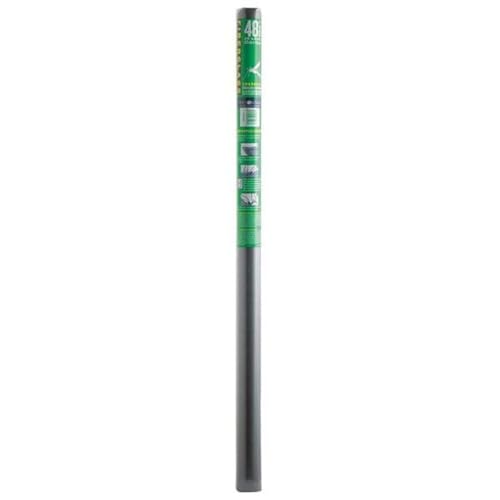
Type: Replacement screen
Size: 48 inch x 25 foot roll
Color: Charcoal
Material: Durable mesh
Bug Barrier: Yes
What we like
- Large roll for multiple windows
- Durable charcoal mesh
- Replacement material
- Effective bug barrier
What could be better
- Requires installation work
- Charcoal color only
Window screens prevent kissing bugs from entering while allowing ventilation. This ADFORS screen roll provides 25 feet of material, enough to repair multiple screens or replace all screens in an average home.
The durable mesh construction resists tearing while maintaining airflow. The charcoal color provides good visibility and blends with most window frames.
Best For:
- Replacing damaged screens
- Screening in porches or patios
- DIY installation projects
When to Call a Professional Exterminator?
DIY prevention works for most situations. However, professional help becomes necessary in certain cases.
Signs You Need Professional Help
- Multiple indoor sightings: Seeing more than one bug inside suggests established infestation
- Signs of breeding: Finding eggs or nymphs indicates reproduction occurring
- Repeated re-infestation: Bugs return despite your prevention efforts
- Health concerns: Household members with compromised health or allergies
- Structural issues: Extensive cracks or access points you cannot address
What to Expect from Professional Service?
A professional exterminator will conduct a thorough inspection, identify entry points, recommend structural modifications, and apply appropriate treatments.
Typical costs range from $200-500 for initial treatment, depending on home size and infestation severity. Many companies offer ongoing prevention plans for $30-60 monthly.
Frequently Asked Questions
What attracts kissing bugs to your home?
Kissing bugs are attracted to lights at night, carbon dioxide from breathing, and warmth. They're also drawn to areas with rodent activity since rodents are common hosts. Properties with wood piles, rock piles, or clutter near the home provide ideal hiding spots. Poorly sealed homes with cracks or damaged screens make easy entry points.
Are kissing bugs dangerous?
Kissing bugs can be dangerous because some carry Trypanosoma cruzi, the parasite that causes Chagas disease. However, not all kissing bugs carry the parasite, and transmission requires contact with infected feces. The risk of infection from a single bug in the US is relatively low. Some people also experience severe allergic reactions to bites regardless of parasite presence.
What should I do if I find a kissing bug?
Do not crush the bug. Capture it safely in a sealed container for identification. Clean the area where you found it with soap and water. If you were bitten, wash the bite area thoroughly and monitor for symptoms. Contact your local health department or extension service for reporting guidance. Consider contacting a pest control professional if you find multiple bugs indoors.
Where do kissing bugs hide during the day?
Kissing bugs hide in dark, protected areas during daylight hours. Outdoors, they rest under wood piles, rocks, leaf litter, and in rodent nests. Around homes, they hide under decks, in cracks and crevices, behind loose bark, and in outdoor structures like dog houses or chicken coops. Indoors, they may hide behind furniture, in closets, or in cracks around windows and doors.
What time of year are kissing bugs active?
Kissing bugs are most active from April through September when temperatures are warmer. Their peak activity occurs during summer months. In warmer regions, they may remain active year-round. Adults are attracted to lights at night during warm weather. Spring is the ideal time for prevention measures before peak activity begins.
Can kissing bugs infest your house?
Yes, kissing bugs can establish infestations inside homes, though this is less common than outdoor presence. Indoor infestations are more likely in homes with cracks in foundations, damaged screens, or cluttered areas that provide harborage. They may establish in attics, crawlspaces, wall voids, or near pet sleeping areas. Professional treatment is recommended for confirmed indoor infestations.
Final Recommendations
Getting rid of kissing bugs requires a multi-step approach combining immediate action with long-term prevention. Based on my research and experience, start by sealing your home's exterior, removing outdoor harborage, and repairing screens.
Prevention is your best defense. The time you spend sealing cracks and maintaining your property pays off in reduced pest activity and peace of mind.
For confirmed indoor infestations or if you're unsure about identification, consult a professional exterminator. They have the expertise and tools to address severe problems safely.
Remember: this guide provides information based on CDC and EPA resources, but it's not a substitute for professional medical or pest control advice. When in doubt, seek professional help.