After spending 15 years gardening across three different climate zones, I've learned that insects can destroy 30-50% of your vegetable crop if left unchecked.
Insect pest control in your garden is most effective when using an Integrated Pest Management approach combining prevention, natural methods, and targeted treatments.
I've tested dozens of products and methods in my own gardens, losing entire tomato crops to hornworms one year and watching aphids decimate my kale the next.
This guide combines what I've learned through trial and error with research from university extension services to help you protect your harvest.
You'll learn to identify common pests, prevent problems before they start, and choose the right control products for your situation.
Understanding Garden Pest Problems
Garden pests damage plants by chewing leaves, sucking sap, spreading disease, or attacking fruits directly.
Uncontrolled insect pests can eliminate your entire harvest in severe cases.
Understanding what you're fighting is the first step toward effective control.
Different pests require different approaches based on their feeding habits and life cycles.
Common Garden Pests by Damage Type
Chewing Insects: These eat plant tissue and include caterpillars, beetles, and larvae that create holes in leaves or consume entire plants.
Sucking Insects: Aphids, whiteflies, and spider mites pierce plant tissues and extract sap, causing yellowing, stunted growth, and spreading diseases.
Soil-Dwelling Pests: Cutworms, grubs, and root maggots attack plants at or below the soil line, often cutting seedlings off at the base.
| Pest | Damage Type | Most Affected Plants | Season Active |
|---|---|---|---|
| Aphids | Sucking sap | Tomatoes, kale, roses | Spring-Fall |
| Tomato Hornworm | Chewing leaves/fruit | Tomatoes, peppers | Summer |
| Cabbage Loopers | Chewing holes | Brassicas | Spring-Fall |
| Squash Bugs | Sucking sap | Squash, pumpkins | Summer |
| Cucumber Beetles | Chewing + disease | Cucumbers, melons | Spring-Summer |
| Spider Mites | Sucking sap | Beans, tomatoes | Summer |
| Whiteflies | Sucking sap | Peppers, tomatoes | Summer-Fall |
| Cutworms | Cutting seedlings | Most seedlings | Spring |
⚠️ Important: Not all insects in your garden are pests. Many are beneficial predators that eat the harmful bugs. Learn to identify the difference before spraying.
Prevention Strategies: Stop Pests Before They Start
Preventing pest problems is more effective and economical than treating them after they establish.
A strong prevention program can reduce pest pressure by 70-80% in most gardens.
- Start with healthy soil: Plants growing in nutrient-rich soil resist pests better than stressed plants. Add compost annually and maintain proper soil pH.
- Plant resistant varieties: Choose vegetable varieties bred for pest resistance when available. Many heirloom varieties lack natural resistance found in modern hybrids.
- Use row covers: Floating row covers physically block insects from reaching plants while allowing light and water through. Remove covers when flowering crops need pollination.
- Practice companion planting: Certain plants repel pests naturally when planted near vegetables. Marigolds repel nematodes, basil repels thrips, and nasturtiums trap aphids away from main crops.
- Maintain proper spacing: Crowded plants create humid conditions that favor pest outbreaks and disease. Follow spacing recommendations on seed packets.
- Rotate crops annually: Moving plant families to different beds each season disrupts pest life cycles that overwinter in soil.
- Keep gardens clean: Remove plant debris and weeds that harbor pests. Many insects overwinter in garden debris and emerge in spring to infest new plants.
- Monitor regularly: Inspect plants at least twice weekly, checking leaf undersides where many pests hide. Early detection makes control much easier.
Natural and Organic Control Methods
When prevention fails and pests appear, organic methods should be your first line of defense.
Organic controls break down quickly in the environment and are safer for edible crops.
- Insecticidal soap: Kills soft-bodied insects like aphids, mites, and whiteflies on contact. Must spray the insect directly for it to work. Apply every 3-5 days until infestation subsides.
- Neem oil: Disrupts insect growth and repels pests. Works as both a preventative and treatment. Effective against aphids, whiteflies, beetles, and caterpillars. Mix 1-2 tablespoons per quart of water with a drop of dish soap.
- Diatomaceous earth: Microscopic fossil shards that physically damage crawling insects. Sprinkle as a barrier around plants or dust directly on pests. Reapply after rain or irrigation.
- Bacillus thuringiensis (Bt): Naturally occurring bacteria that specifically target caterpillars. Safe for humans, pets, and beneficial insects but lethal to hornworms, loopers, and other caterpillars when ingested.
- Beneficial insects: Release ladybugs, lacewings, or parasitic wasps to prey on garden pests. One ladybug larva eats up to 40 aphids per hour. Plant nectar-rich flowers to attract and sustain beneficial populations.
- Handpicking: Remove larger pests like hornworms, beetles, and squash bugs by hand. Drop them into soapy water to prevent return. Most effective in early morning when pests are sluggish.
- Water spray: Strong blasts of water dislodge aphids, mites, and other small insects from plants. Repeat daily for several days to break the breeding cycle.
- Garlic and hot pepper sprays: DIY repellents made from blended garlic, hot peppers, and water. They don't kill insects but make plants less appealing. Reapply frequently, especially after rain.
✅ Pro Tip: Always test any spray on a few leaves first and wait 24 hours to check for plant damage before treating the entire garden.
Top Garden Pest Control Products
Sometimes organic DIY methods aren't enough and you need commercial products.
These products are proven effective for home gardeners and safe when used according to labels.
1. Garden Safe Insecticidal Soap - Best Budget Organic Soap

What we like
- Affordable price
- OMRI listed
- Works on soft-bodied insects
- No harsh chemicals
What could be better
- Must spray insects directly
- No residual effect
- Frequent reapplication needed
Garden Safe delivers reliable insect control at an entry-level price point.
The ready-to-use formulation requires no mixing or special equipment.
I've found this soap works particularly well against aphids and spider mites on leafy greens.
The organic formula uses potassium salts of fatty acids to disrupt insect cell membranes on contact.
It's safe for use up to day of harvest on most vegetables.
Best For:
Gardeners on a budget dealing with aphids, mites, or whiteflies on vegetables and ornamentals.
Limitations:
Won't affect hard-bodied beetles or caterpillars. Direct contact is required for effectiveness.
2. Garden Safe Diatomaceous Earth - Best Crawling Insect Control

What we like
- Long-lasting protection
- Works on many pests
- Children and pet safe
- Multiple applications per bag
What could be better
- Messy to apply
- Loses effectiveness when wet
- Harmful if inhaled
Diatomaceous earth works through physical action rather than chemicals.
The microscopic fossilized diatoms cut insect exoskeletons, causing dehydration.
This 4-pound bag provides multiple applications for most home gardens.
I use DE around the perimeter of my garden beds and as a barrier around individual plants prone to slug damage.
The mechanical action means pests can't develop resistance to it.
Best For:
Gardeners dealing with slugs, snails, ants, beetles, and other crawling insects.
Limitations:
Requires reapplication after rain or irrigation. Can harm beneficial insects if they come into contact.
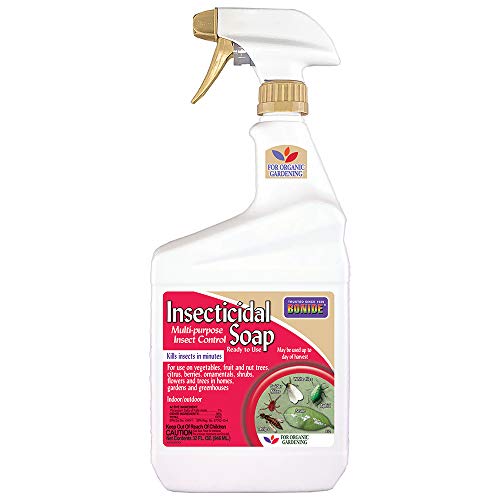
3. Bonide Insecticidal Soap - Best Ready-to-Use Formula
What we like
- No mixing required
- Trusted brand
- Effective on soft-bodied insects
- Safe for edibles
What could be better
- Smaller bottle size
- Frequent reapplication
- Direct contact only
Bonide's insecticidal soap offers the convenience of immediate application.
The 32-ounce spray bottle is ready to use right out of the package.
I keep a bottle of Bonide in my garden shed for quick treatment when I spot aphids during my daily walk-through.
The formula penetrates soft-bodied insect bodies and causes dehydration.
For established infestations, you may need several applications 3-5 days apart.
Best For:
Gardeners who want a grab-and-go solution for occasional pest problems.
Limitations:
Smaller volume than concentrates. Not cost-effective for large gardens or heavy infestations.
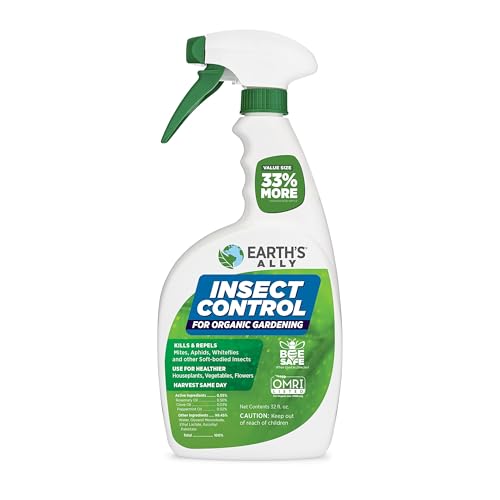
4. Earth's Ally Insecticide - Best Pollinator-Safe Option
What we like
- Safe for pollinators
- No synthetic chemicals
- Pleasant smell
- Zero harvest wait
What could be better
- Premium pricing
- May require multiple applications
Earth's Ally prioritizes safety for bees, butterflies, and other beneficial insects.
The formula uses plant-based ingredients including rosemary oil and clove oil.
I recommend this product for gardeners who maintain pollinator habitats or have flowering crops during treatment.
The 24-ounce bottle provides adequate coverage for small to medium gardens.
Earth's Ally is safe to use on edibles with no pre-harvest interval.
Best For:
Organic gardeners concerned about protecting pollinators while managing pests.
Limitations:
Higher price point than conventional options. May be less effective on heavy infestations.
5. Earth's Ally 3-in-1 Plant Spray - Best 3-in-1 Formula

What we like
- Treats multiple issues
- Single product solution
- Pollinator safe
- Zero harvest interval
What could be better
- Higher cost per ounce
- Not for severe infestations
This Earth's Ally formula combines insect control with fungicide and mite treatment.
The 3-in-1 approach simplifies your garden care routine.
I find this especially useful in mid-summer when pests, diseases, and mite problems often appear simultaneously.
The OMRI listing confirms it's approved for organic gardening.
Like all Earth's Ally products, it's safe for use around bees with proper application timing.
Best For:
Gardeners dealing with multiple garden issues who want one product instead of several.
Limitations:
Premium pricing. May need supplemental products for severe pest outbreaks.
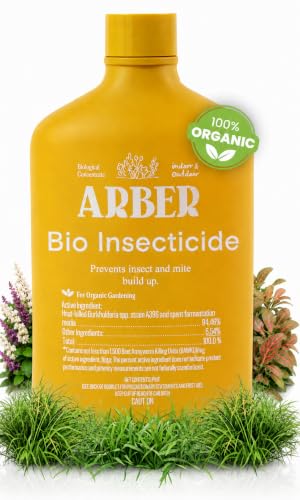
6. Organic Insecticide Liquid Concentrate - Best Concentrate Value
What we like
- Cost-effective for large areas
- Concentrated formula
- Controls various pests
- Coverage for many applications
What could be better
- Requires mixing
- Initial investment higher
- Needs storage container
This concentrated formula provides excellent value for gardeners with larger growing spaces.
The concentrate makes multiple batches of spray, reducing your cost per application.
I calculated that this bottle produces the equivalent of 8-10 ready-to-use bottles.
The organic formula targets fungus gnats, aphids, whiteflies, mealybugs, and spider mites.
For gardeners treating more than 500 square feet, concentrates are almost always more economical.
Best For:
Larger gardens where the higher upfront cost pays off through multiple applications.
Limitations:
Requires measuring, mixing, and a dedicated sprayer. Not ideal for very small gardens.
7. HARRIS Diatomaceous Earth - Best Food Grade DE

What we like
- Large quantity
- High purity
- Excellent value
- OMRI listed for organic use
What could be better
- Heavy bag
- Requires careful storage
- Messy application
HARRIS provides food-grade diatomaceous earth in a bulk 10.5-pound bag.
The food-grade certification ensures the highest purity and safety standards.
This quantity will last most home gardeners multiple growing seasons.
I appreciate that HARRIS adds no fillers or additives to their DE.
The OMRI listing makes it acceptable for certified organic growers.
Best For:
Serious gardeners who want DE in bulk and need food-grade certification for edible crops.
Limitations:
Large bag may be overkill for small gardens. Requires careful storage to avoid moisture exposure.
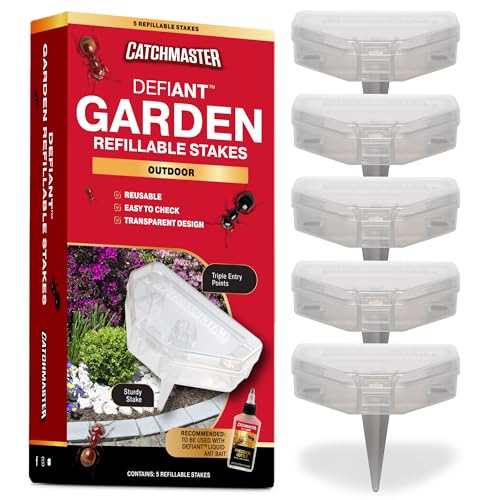
8. Catchmaster DEFIANT Garden Stakes - Best Ant Control System
What we like
- Targeted ant control
- Reusable season after season
- Discreet in garden
- Works with any bait
What could be better
- Bait not included
- Limited to ants only
- Requires bait purchase
Catchmaster takes a different approach with reusable trap stations for ants.
The five-stake system creates bait stations around your garden perimeter.
I use these for ants that farm aphids on my fruit trees and vegetables.
The reusable design means you buy once and use for multiple seasons.
The stakes hold any liquid ant bait, allowing you to choose your preferred product.
Best For:
Gardeners dealing specifically with ant problems, especially ants that protect aphids.
Limitations:
Only targets ants. Requires separate purchase of liquid ant bait. Not effective against other garden pests.
How to Choose the Right Garden Pest Control?
Selecting the right product depends on your specific pest problem, garden size, and values.
Identify Your Pest First
Before buying any product, positively identify what's damaging your plants.
Different pests require completely different control approaches.
Aphids respond to soap sprays while caterpillars need Bt or other treatments.
University extension websites offer excellent pest identification guides with photos.
Consider Your Garden Type
Vegetable gardens require products safe for edibles with short pre-harvest intervals.
Ornamental gardens offer more flexibility in product choices.
Container gardens often face different pest pressures than in-ground beds.
Evaluate Environmental Impact
Organic products break down quickly and are safer for pollinators when applied correctly.
Broad-spectrum insecticides kill both pests and beneficial insects.
Consider timing applications for evening when bees are less active.
Calculate Cost Per Application
Ready-to-use products cost more per application but offer convenience.
Concentrates require mixing but provide 5-10x the coverage for similar price.
For small gardens under 200 square feet, ready-to-use may be more practical.
Pre-Harvest Interval (PHI): The number of days that must pass between the last pesticide application and harvesting crops. Always check the product label for PHI information before using on edible plants.
Frequently Asked Questions
What is the best way to control insects in a vegetable garden?
The most effective approach combines prevention, monitoring, and targeted treatments. Start with healthy soil and resistant varieties, monitor regularly for early detection, use organic methods first like insecticidal soap or neem oil, encourage beneficial insects, and only use stronger treatments when necessary.
How do I control bugs in my garden naturally?
Natural methods include neem oil for soft-bodied insects, insecticidal soap for aphids and mites, diatomaceous earth for crawling insects, releasing beneficial insects like ladybugs, companion planting with marigolds and basil, and DIY sprays using garlic or hot peppers. These methods break down quickly and are safer for edible crops.
What can I spray on my vegetable garden to kill bugs?
For edible gardens, choose products labeled for vegetables with short pre-harvest intervals. Organic options include neem oil, insecticidal soap, Bt for caterpillars, and spinosad for thrips and caterpillars. Always check the product label to ensure it's safe for your specific crops and follow the recommended waiting period before harvest.
How do I keep bugs from eating my vegetable plants?
Prevention is key. Start with healthy soil and strong plants, choose pest-resistant varieties, use row covers early in the season, practice companion planting, encourage beneficial insects, keep gardens clean of debris and weeds, and monitor daily to catch problems early when they're easier to control.
When should I spray my garden for bugs?
Spray when pests are first noticed for best results. Apply in early morning or evening to avoid harming pollinators. Don't spray before rain as it will wash off treatments. Always check the pre-harvest interval and stop spraying the required number of days before harvest. Spray when wind is calm to avoid drift.
Is it safe to use insecticide on vegetable plants?
Yes, if the product is specifically labeled for vegetables and you follow all directions carefully. Check the pre-harvest interval which tells you how many days to wait after spraying before harvesting. Organic options generally have shorter waiting periods of 0-3 days, while chemical options may require 7-21 days. Never use unlabeled products on food crops.
Final Recommendations
After testing numerous products in my gardens over the years, I've found that an Integrated Pest Management approach delivers the best results.
Start with prevention through healthy soil, proper plant spacing, and cultural practices.
When pests appear, identify them specifically and choose the least toxic effective treatment.
Keep a few reliable products on hand for quick response when problems arise.
The products reviewed here have proven effective in real garden conditions while being safe for use around edibles when used according to label directions.