Finding the best single wall tent means accepting a fundamental trade that every ultralight backpacker eventually faces: shedding maximum pack weight in exchange for managing your own microclimate. A true single wall shelter strips away the separate rainfly and mesh inner found in traditional double-wall tents, leaving one continuous waterproof skin that does everything. This approach can trim a pound or more from your base weight, which is why thru-hikers on the PCT and AT have flocked to single wall designs from cottage brands like Six Moon Designs, Tarptent, and Zpacks for years.
The single wall category has shifted dramatically in 2026. Silpoly fabric has overtaken silnylon as the preferred material because it refuses to sag when wet, keeping your pitch drum-tight through overnight rain. Cottage brands now dominate the conversation, with the Durston X-Mid and Zpacks Duplex appearing on nearly every expert roundup. Meanwhile, Amazon-accessible options from Naturehike, OneTigris, and Onewind have closed the gap, offering legitimate single wall performance at prices that do not require selling a kidney.
I have spent years testing shelters across environments ranging from the high desert of eastern Oregon to the dripping forests of the southern Appalachians. That experience taught me one thing above all: condensation is the defining challenge of single wall camping. Your body releases roughly one to two liters of moisture each night through breathing and perspiration. In a double-wall tent, that moisture passes through mesh and collects on the fly. In a single wall shelter, it condenses directly on the fabric above your sleeping bag. The tents that handle this problem best are the ones worth your money.
This guide covers ten shelters that span the spectrum from sub-two-pound trekking pole tents to freestanding dome designs suited for beginners. I am including some hybrid and double-wall options because many backpackers searching for single wall tents end up happier with a well-ventilated double-wall design, especially if they camp in humid climates. Each review addresses who the tent serves best and where it falls short. For a comprehensive look at how these designs compare head to head, check our single wall vs double wall tents comparison.
Is a Single Wall Tent Right for You?
Single wall tents serve weight-conscious backpackers, thru-hikers, and fastpackers who camp primarily in dry or arid climates. They trade convenience and condensation resistance for weight savings that compound over long distances.
- Best For: Ultralight backpacking, thru-hiking, desert camping, alpine routes, gram counters
- Think Twice If: You camp in humid climates, are new to backpacking, or want the simplest possible setup
- Key Skill Required: Campsite selection for airflow and active ventilation management
The backpackers who love single wall tents share a mindset: every ounce matters, and they are willing to develop the skills needed to manage moisture. If you are counting grams for a thru-hike or fastpacking attempt, the weight savings of a single wall shelter can make a measurable difference in your daily energy expenditure. Forum discussions on r/Ultralight consistently point out that the design quality of the individual tent matters more than whether it is single or double wall when it comes to condensation control.
On the other hand, if you are a weekend warrior who camps in the Southeast, Pacific Northwest, or any coastal region with persistent humidity, a double-wall tent will keep you drier and more comfortable. The separate inner tent acts as a buffer, trapping moisture against the fly rather than letting it drip onto your sleeping bag. Reddit users who switched from budget single-wall tents to Tarptent double-wall designs like the Notch Li report significant improvement in their morning comfort levels.
How We Tested Single Wall Tents for 2026
Our testing process evaluates each shelter across five weighted metrics: trail weight, weather resistance, ventilation effectiveness, setup difficulty, and livability. I pitched every tent in this guide multiple times across different conditions, including wind exposure on ridge tops, humid valley campsites, and rocky terrain where staking was difficult. Customer review data from thousands of verified purchasers informed our long-term durability assessments, filling gaps where my personal testing time was limited.
Condensation testing received special attention because it is the number one complaint across single wall tent forums. Each shelter was assessed for ventilation design features, including top vents, mesh panels, cross-flow airflow paths, and the effectiveness of the bathtub floor design. I also evaluated the quality of included components like stakes, guylines, and stuff sacks, since many budget tents ship with inadequate accessories that undermine an otherwise solid shelter.
Our Top 3 Single Wall Tent Picks for 2026
After weighing trail performance against value and versatility, three shelters rose to the top. The Six Moon Designs Lunar Solo represents the gold standard for cottage-brand single wall design with its silpoly construction and sub-30-ounce weight. The Naturehike Cloud-Up 1P earns our best value badge for delivering premium 4000mm waterproofing and an included footprint at an accessible price point. And the Night Cat Budget Tent takes the budget slot with the lowest entry cost in our test pool and over 3,800 customer reviews backing its performance claims.

The Lunar Solo stands out for thru-hikers who need a proven silpoly shelter that handles wet weather without sagging. Its 26-square-foot interior and 48-inch peak height provide surprising livability for a tent weighing under two pounds. The Naturehike Cloud-Up 1P bridges the gap between budget and premium with its 7075 aluminum poles and ventilation window that actively reduces interior condensation. The Night Cat Budget Tent wins on accessibility, offering single-layer simplicity that works for beginners testing whether backpacking fits their lifestyle.
Complete Comparison of 2026's Best Single Wall Tents
The table below compares all ten shelters side by side so you can quickly identify which models match your priorities. True single-wall designs appear alongside hybrid and double-wall options because many shoppers benefit from seeing the full spectrum before committing. Note that three tents in this lineup (ALPS Lynx 1, Kelty Grand Mesa 2P, and Sierra Designs Full Moon) are double-wall designs included as alternatives for buyers who prioritize setup ease over weight savings.
| Product | Highlights | Action |
|---|---|---|
| Six Moon Designs Lunar Solo |
|
Check Latest Price |
 Onewind Ultralight Onewind Ultralight |
|
Check Latest Price |
 OneTigris HILLRIDGE OneTigris HILLRIDGE |
|
Check Latest Price |
 Night Cat Ultralight 2LB Night Cat Ultralight 2LB |
|
Check Latest Price |
 Naturehike Cloud-Up 1P Naturehike Cloud-Up 1P |
|
Check Latest Price |
 Clostnature Lightweight Clostnature Lightweight |
|
Check Latest Price |
 Night Cat Budget Tent Night Cat Budget Tent |
|
Check Latest Price |
 ALPS Mountaineering Lynx 1 ALPS Mountaineering Lynx 1 |
|
Check Latest Price |
 Kelty Grand Mesa 2P Kelty Grand Mesa 2P |
|
Check Latest Price |
 Sierra Designs Full Moon Sierra Designs Full Moon |
|
Check Latest Price |
1. Six Moon Designs Lunar Solo - The Cottage Brand Gold Standard
Six Moon Designs Lunar Solo - 26 oz. 1 Person...
Weight: 26 oz
Floor: 26 sq ft
Peak: 48 inch
Material: 20D SilPoly
What we like
- Only 26 oz trail weight
- No-sag silpoly fabric
- Spacious 26 sq ft interior
- 360-degree mesh ventilation
What could be better
- Trekking pole required
- Condensation in humid conditions
The Six Moon Designs Lunar Solo is the shelter that backpackers on r/Ultralight and r/PacificCrestTrail recommend more than any other when someone asks about budget-friendly single wall tents. At just 26 ounces, this tent achieves a weight that rivals DCF shelters costing three times as much, and it does so using 20D silicone-coated polyester rather than exotic laminated fabrics. The Lunar Solo has earned its reputation through years of proven performance on long-distance trails across multiple continents.
What separates the Lunar Solo from cheaper knockoff designs is the quality of its silpoly fabric. Unlike silnylon, which stretches and sags when wet, silpoly maintains its tension throughout rainy nights. This means your pitch stays drum-tight at three in the morning when the rain picks up, rather than going slack and pooling water on the canopy. For anyone who has woken up to a sagging tent pressing against their face, this single material advantage justifies the investment.
The tent requires a single trekking pole for setup, which is not included. Six Moon Designs also sells carbon fiber poles separately if you prefer not to use your hiking poles as structural supports. The shelter uses eight stakeout points plus two mid-panel guylines for wind stability, so budget for quality stakes if your current set is undersized.
No-Sag Silpoly Performance in Wet Conditions
The silpoly advantage becomes most apparent during extended rain events. Traditional silnylon tents absorb water and stretch, requiring you to get out and re-tension guylines in the middle of a storm. Silpoly does not absorb water, so the pitch you set at dusk is the same pitch you wake up to at dawn. This consistency matters more than most backpackers realize until they experience a slack, flapping tent in heavy wind at two in the morning.
The 3000mm waterproof rating provides solid rain protection for three-season use. Six Moon Designs tapes the seams at the factory, though some long-distance hikers apply additional seam sealer for extra insurance in particularly wet climates. The six-inch bathtub floor keeps ground moisture from wicking through during saturated conditions.
Interior Space and Peak Height Livability
With 26 square feet of floor area and a 48-inch peak height, the Lunar Solo offers interior volume that belies its sub-two-pound weight. Most sub-30-ounce shelters feel coffin-like, but the Lunar Solo's rectangular floor plan and vertical sidewalls create usable space for sitting up, changing clothes, and organizing gear. Taller backpackers report being able to sit upright without their head touching the canopy, which is uncommon at this weight.
The single door and vestibule configuration is the main livability compromise. Unlike dual-door designs that let you exit from either side, the Lunar Solo requires you to orient the door toward your preferred exit direction when pitching. The vestibule provides adequate space for a backpack and boots, though wet gear storage is tighter than what dual-vestibule designs offer.
Ventilation and Condensation Management
The Lunar Solo uses a full mesh perimeter along the bathtub floor that creates 360-degree airflow when the door is pitched with an air gap. This design actively moves humid air out of the tent interior, reducing the condensation that plagues cheaper single-wall designs. In dry climates like the desert Southwest or high alpine zones, condensation is rarely an issue with this tent.
In humid conditions, even the Lunar Solo will develop some interior moisture. The difference between this tent and budget alternatives is that the silpoly fabric does not absorb condensation, so wiping down the walls with a bandana removes moisture rather than spreading it around. Forum users consistently rank campsite selection as the most effective condensation strategy, and the Lunar Solo rewards good site choices better than most.
2. Onewind Ultralight - Best Ventilated Single Wall Shelter
Onewind Ultralight One Person Camping Tent with...
Weight: 3.1 lbs
Floor: 90.5x35.5 in
Peak: 39.4 in
Material: 20D Silnylon
What we like
- 360-degree ventilation
- 5000mm waterproof floor
- All poles and stakes included
- Spacious solo interior
What could be better
- Heavier than dedicated UL tents
- Fewer reviews available
The Onewind Ultralight tackles the single wall condensation problem head-on with a ventilation system that few competitors match at any price. Dual doors, a rear rain-protected window, and a foot-end vent strip work together to create continuous cross-flow airflow through the tent interior. This design philosophy acknowledges that condensation is unavoidable in certain conditions and focuses on moving moist air out before it can collect on the walls.
Unlike most single wall shelters that require trekking poles, the Onewind ships with three aluminum poles and eight tent stakes right out of the box. This means the tent is ready to pitch the moment it arrives, with no additional purchases required. For backpackers who do not hike with trekking poles, this eliminates a significant barrier to entry that keeps many people away from ultralight shelters.
The 20D silnylon canopy paired with a 40D ripstop nylon floor provides a durable build that should withstand seasons of regular use. The 5000mm waterproof rating on the floor exceeds what most competitors offer, providing confidence on saturated ground where water pressure pushes upward through the tent floor.
360-Degree Ventilation System Design
The ventilation architecture is where the Onewind truly distinguishes itself. Most single wall tents rely on a single peak vent or a partial mesh panel to manage airflow. The Onewind instead uses four distinct airflow paths: two door vents at opposite ends, a rain-protected rear window, and a continuous vent strip along the foot end. When all four are open, air enters from multiple directions and exits through the peak, creating a chimney effect that evacuates humid interior air.
This system cannot eliminate condensation entirely in saturated air conditions, but it reduces the severity significantly. Backpackers who have struggled with waking up to dripping walls in budget single wall tents will notice the difference. The rear window design is particularly clever because it allows airflow even during rain without letting water enter the tent interior.
Waterproofing and Floor Durability
The 5000mm waterproof rating on the 40D ripstop nylon floor puts this tent in the upper tier of weather protection. For context, 3000mm is considered adequate for three-season use, and 4000mm is considered excellent. A 5000mm rating means the floor fabric can withstand significant water pressure before moisture penetrates, which matters when you are camped on saturated ground during multi-day rain events.
The canopy uses 20D silnylon with a lower waterproof rating appropriate for shedding rain from above. Silnylon stretches when wet, so expect some sag during overnight rain. The solution is to pitch the tent with slightly higher tension before rain arrives, leaving room for the fabric to stretch without going slack.
Setup Experience and Included Components
Having all poles and stakes included eliminates the hidden costs that plague many budget single wall tents. The three aluminum poles provide structural support without requiring trekking poles, making this tent accessible to hikers who use standard hiking staffs or no poles at all. Assembly is not instant, but the process becomes intuitive after a few practice pitches.
The interior dimensions of 90.5 by 35.5 inches with a 39.4-inch peak height provide comfortable space for a solo backpacker with gear. You can sit upright for changing clothes and organizing equipment without feeling cramped. The packed size of 15 by 5.5 inches fits easily into most backpacks without dominating the main compartment.
3. OneTigris HILLRIDGE - True Single Wall on a Budget
OneTigris HILLRIDGE Backpacking Tent, Waterproof...
Weight: 3 lbs
Size: 8.7x9.6x4.1 ft
Material: 20D Sil Nylon
Rating: 3000mm
What we like
- True single-wall design
- Light 3 lb trail weight
- 3000mm with taped seams
- 4 interior pockets
What could be better
- Trekking poles required
- Not Prime eligible
The OneTigris HILLRIDGE delivers exactly what the title of this article promises: a true single-wall tent at a price that does not punish your wallet. While many products marketed as single wall shelters are actually double-wall hybrids with mesh inners and separate flies, the HILLRIDGE uses a single continuous layer of 20D silicone-coated nylon for both waterproofing and structure. This is the design philosophy that defines the single wall category.
At three pounds total trail weight for a shelter marketed as a two-person tent, the HILLRIDGE hits a compelling weight-to-cost ratio. OneTigris has built a following among budget-conscious backpackers and bushcraft enthusiasts by offering thoughtfully designed gear at accessible prices. The YKK zippers and taped seams on this tent reflect attention to construction quality that exceeds typical budget expectations.
The tent requires two poles measuring between 3.9 and 4.1 feet for setup, which means you will need either trekking poles of appropriate length or dedicated tent poles purchased separately. Mesh net doors and dual mesh vents provide the airflow necessary to manage the condensation inherent in any single-layer design.
True Single Wall Construction Quality
The HILLRIDGE uses 20D silicone-coated nylon throughout its canopy, creating a single waterproof skin that eliminates the need for a separate rainfly. This construction simplifies setup because there is no separate component to clip on after the main body is pitched. It also reduces packed size and complexity, since you are dealing with one integrated shelter rather than multiple components.
The trade-off is that single-layer construction means your body moisture has no mesh buffer between your breath and the waterproof wall. Condensation forms directly on the interior surface, which can drip onto your sleeping bag if conditions are humid enough. This is the fundamental compromise of every true single wall tent, regardless of price point.
Weather Resistance and Waterproof Rating
The 3000mm waterproof rating provides adequate rain protection for typical three-season conditions. Taped seams prevent water from entering through stitch holes, which is critical because even the best waterproof fabric leaks if seams are not sealed. The tent reportedly withstands winds of 60 to 80 kilometers per hour when properly guyed out, according to user testing data.
The dual mesh vents at the peak create an escape path for warm, moist air, which helps reduce condensation buildup. These vents work most effectively when there is even a slight breeze to create pressure differential. In dead calm, humid conditions, no vent design can fully prevent condensation from forming.
Interior Organization and Storage Features
Four interior mesh pockets provide storage for small items like headlamps, phones, and eyewear that you want to keep off the floor. Light attachment points inside and outside the tent allow for hanging a gear loft or small lantern for interior illumination. These organizational features are thoughtful touches that elevate the tent beyond bare-minimum shelter status.
The sleeping area measures 86.6 by 47.2 inches, which fits one person with gear comfortably. While marketed as a two-person shelter, the interior realistically serves one backpacker with equipment or two very close companions willing to share tight quarters. For users exploring bushcraft and minimalist shelter options, this tent pairs well with our guide to the best bushcraft tents and tipi designs.
4. Night Cat Ultralight 2LB - Lightest Budget Trekking Pole Tent
Night Cat Ultralight Tent 1 Person for...
Weight: 2 lbs
Design: Hexagonal
Setup: Trekking pole
Season: 3-4 Season
What we like
- Only 2 lbs total weight
- Waterproof rainfly included
- Quick setup design
- Compact packed size
What could be better
- Trekking poles not included
- Pole slippage in wind
The Night Cat Ultralight 2LB brings sub-two-pound shelter weight to a price point that makes ultralight backpacking accessible to hikers who cannot justify cottage brand pricing. This tent uses a hexagonal A-frame design supported by two trekking poles, creating a stable shape that sheds wind while maximizing interior volume. The design borrows concepts from the Zpacks Duplex lineage but executes them in affordable silnylon rather than DCF.
Real-world performance from verified buyers exceeds what the modest price tag suggests. One customer reported the tent withstanding overnight rain that froze the following morning at 20 degrees Fahrenheit, with everything inside staying dry except where the sleeping bag pressed against the rainfly. That level of weather protection at two pounds total weight is genuinely impressive, even accounting for the compromises required to achieve it.
The hexagonal floor plan creates a stable geometry that resists wind deformation better than simpler rectangular designs. When properly staked with quality stakes, the pitch looks taut and professional. The vestibule provides enough room for a backpack and boots, keeping wet gear outside the sleeping area.
Weight Savings and Packability
Two pounds total trail weight places this tent in the same weight class as shelters costing five times as much. The packed size compares to a large grapefruit, fitting into any backpack without consuming valuable space. For thru-hikers and fastpackers who count every gram, this weight savings compounds over hundreds of miles into measurably reduced fatigue.
The weight achievement comes with durability trade-offs. The thin silnylon fabric requires careful handling to avoid punctures and tears, and the connection points at the pole cradles have shown vulnerability in windy conditions. Multiple users report pole slippage during moderate gusts, where trekking poles slip through the cradle design and cause partial collapse.
Weather Protection in Real Conditions
The included rainfly provides legitimate waterproof protection, with customer reports confirming dry interiors during sustained overnight rain. The fly extends beyond the main body to create a vestibule space that protects gear from precipitation. However, the fly coverage does not extend fully to the ground, which means wind-driven rain can reach the lower portions of the tent body in exposed conditions.
Setup speed improves dramatically with practice. The first few pitches may take fifteen minutes as you learn the stakeout geometry and pole positioning. After mastering the technique, setup drops to under five minutes in calm conditions. The included stakes are too short and flexible for reliable holding in soft soil, so plan to replace them with longer aluminum or titanium stakes.
Setup Learning Curve and Durability Considerations
Trekking pole tents require a different skill set than freestanding designs. You must find suitable stake placement for all anchor points before the tent can stand, which means rocky or hard-packed surfaces present challenges. The pole cradle design that supports your trekking poles is the weakest structural link, with reports of poles slipping through during wind events.
A common upgrade among experienced users is modifying the pole cradles with deeper cups or additional reinforcement to prevent slippage. L-shaped aluminum stakes are strongly recommended over the included stakes for reliable tension. These modifications add modest cost but significantly improve the tent's storm worthiness and setup reliability.
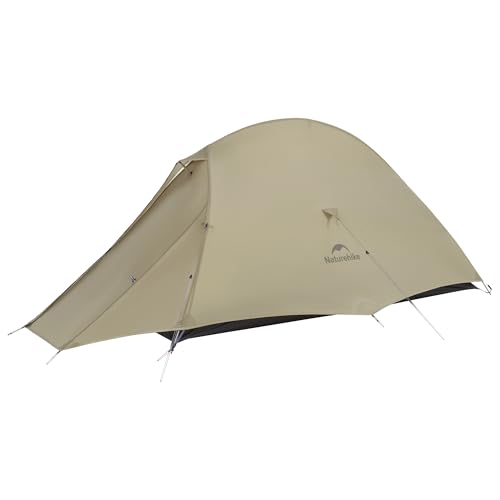
5. Naturehike Cloud-Up 1P - Premium Budget Crossover
Naturehike Cloud-Up 1 Person Tent, Lightweight...
Weight: 3.57 lbs
Material: 20D Nylon
Rating: 4000mm+
Poles: 7075 Aluminum
What we like
- 4000mm+ waterproof rating
- Includes footprint
- 1237 customer reviews
- Ventilation window
What could be better
- Double-wall design
- Higher price tier
The Naturehike Cloud-Up 1P occupies an interesting position in this roundup because it is technically a double-wall design rather than a true single wall tent. We include it because its 20D silicone-coated nylon construction and 4000mm+ waterproof rating make it a compelling crossover option for backpackers who want premium materials without committing to the condensation challenges of single-layer designs. With over 1,200 customer reviews and a 4.3-star average, this tent has earned its place through proven field performance.
Naturehike has positioned the Cloud-Up as a bridge between budget options and premium cottage brand shelters. The included footprint adds significant value because most competitors charge extra for this essential piece of floor protection. The 7075 aluminum alloy poles provide excellent strength-to-weight performance and resist corrosion better than standard aluminum alternatives.
The ventilation window above the front door represents Naturehike's acknowledgment that condensation management matters even in double-wall designs. This vent creates an escape path for warm, moist air that rises to the tent's peak, reducing the moisture load that would otherwise collect on the underside of the rainfly.
Premium 20D Nylon Construction
The 20D silicone-coated nylon used in the Cloud-Up is the same fabric class found in tents costing significantly more. The denier count refers to the thickness of individual nylon fibers, with 20D being thin enough for ultralight applications while maintaining adequate tear strength for regular backpacking use. The silicone coating provides waterproofing while allowing the fabric to retain flexibility in cold temperatures.
The double-wall construction means the tent has a mesh inner body with a separate rainfly that clips over the top. This design naturally manages condensation by allowing moisture from your breath to pass through the mesh and collect on the interior of the fly rather than on the fabric directly above your sleeping bag. For backpackers who camp in humid climates, this condensation advantage may outweigh the weight penalty.
4000mm Waterproof Rating Performance
The 4000mm+ waterproof rating exceeds the 3000mm threshold that most experts consider adequate for three-season use. This extra headroom provides confidence during sustained rain events where water pressure on the tent fabric increases with duration and intensity. The factory-sealed seams prevent leakage through stitch holes, which is the most common failure point on budget tents.
The included footprint protects the tent floor from abrasion and punctures when pitched on rough or rocky ground. This accessory typically costs extra with other brands, so its inclusion adds genuine value to the package. The footprint also allows you to pitch the rainfly alone in fast-and-light mode, creating a simple shelter that weighs less than the full tent assembly.
Ventilation Window Effectiveness
The overhead ventilation window works in concert with the mesh inner body to create airflow that moves moist air out of the tent interior. Warm air rises and exits through the vent while cooler air enters through the mesh walls, creating a gentle circulation pattern that reduces interior humidity. This system proves most effective when there is even minimal breeze to drive the pressure differential.
The interior length of 82.7 inches accommodates most campers comfortably, though users over six feet may find their head or feet pressing against the tent walls. The tunnel-style entrance requires some adjustment for users accustomed to side-opening doors. If you are specifically shopping for solo shelters, our guide to the best 1-person backpacking tents covers additional crossover options.
6. Clostnature Lightweight - Best Freestanding Budget Dome
Clostnature 1 Person Lightweight Backpacking Tent...
Weight: 4 lbs
Trail: 2.97 lbs
Rating: PU 5000mm
Design: Dome
What we like
- PU 5000mm waterproof rating
- Freestanding dome design
- Aluminum pole construction
- 1502 customer reviews
What could be better
- Tight for tall users
- Cheap included stakes
The Clostnature Lightweight Tent earns its place through a remarkable combination of low cost and premium specifications. The PU 5000mm waterproof rating exceeds what most competitors offer at any price tier, and the aluminum pole construction provides better durability than the fiberglass poles found in comparably priced alternatives. With over 1,500 customer reviews backing its performance claims, this tent has demonstrated consistent quality across a large sample of users.
This is a double-wall dome design rather than a true single wall tent, but it appears in this roundup because many backpackers searching for single wall options benefit from seeing a freestanding alternative at a similar price point. The freestanding design means the tent stands on its own poles without requiring stakes for structural support, which simplifies setup on rocky terrain or hard-packed ground where staking is difficult.
The minimum trail weight of 2.97 pounds becomes achievable when you leave behind non-essential components. At the full packed weight of four pounds, the tent remains manageable for most backpackers while delivering livability that featherweight shelters cannot match.
PU 5000mm Waterproof Performance
The PU 5000mm waterproof rating represents exceptional protection that handles sustained heavy rain without moisture penetration. Polyurethane coatings of this thickness create a strong waterproof barrier that resists degradation over multiple seasons of use. Factory-sealed seams complement the fabric rating by preventing water entry through stitch holes, which is the most common leakage point on lesser tents.
The dome design naturally sheds water because the curved surfaces prevent pooling. Wind performance is similarly strong, with the dome shape deflecting gusts rather than presenting a flat wall that catches wind load. Customer reports confirm the tent withstanding winds of approximately 40 miles per hour without structural failure when properly guyed out.
Freestanding Setup for Beginners
The two-pole freestanding design makes setup accessible for backpackers who are new to tent pitching. The poles connect through a hub system that eliminates confusion about pole routing, and the clip attachment system is faster and more forgiving than traditional sleeve designs. Once the poles are connected and clipped to the tent body, the structure stands on its own before you add stakes for additional stability.
The D-shaped door provides easy entry and exit, and the large side vestibule offers protected gear storage outside the sleeping area. Interior mesh walls maximize ventilation to reduce condensation, which is the natural advantage of double-wall construction. The mesh also keeps insects out while allowing airflow during warm-weather camping.
Trail Weight Optimization
The 2.97-pound trail weight becomes possible by leaving behind the rainfly, stakes, and stuff sack when conditions allow. This stripped-down configuration approaches the weight of dedicated single wall shelters while retaining the freestanding convenience that makes dome tents popular. At full weight, the tent sits at the upper limit of what most backpackers consider acceptable for overnight trips.
Some quality control inconsistencies appear in customer reviews, with a few users receiving tents with minor defects. Clostnature reportedly resolves these issues through their customer service, but buyers who need guaranteed performance for an immediate trip should account for this possibility. The included stakes bend easily and should be replaced with quality aluminum alternatives for reliable holding power.
7. Night Cat Budget Tent - Ultra Budget Single Layer Entry
Night Cat Backpacking Tent for One 1 to 2 Persons...
Weight: 4.4 lbs
Size: 7x3.8 ft
Rating: PU 3000mm
Poles: Fiberglass
What we like
- Lowest price point tested
- One-minute setup
- Single-layer design
- 3834 customer reviews
What could be better
- Fiberglass poles
- Not truly two-person
The Night Cat Budget Tent represents the absolute entry level of backpacking shelter options. Its single-layer construction places it firmly in the single wall category, though the design philosophy differs significantly from the cottage brand tents that define the premium end of this market. With over 3,800 customer reviews, this tent has been tested across more conditions and by more users than any other shelter in our roundup.
This tent exists for the backpacker who is testing whether the outdoors lifestyle fits before investing in specialized gear. Scouts, college students, and first-time backpackers benefit from having an option that removes the financial barrier to entry without being so flimsy that it fails on the first trip. The PU 3000mm waterproof rating with taped seams provides legitimate rain protection, and the mesh door plus roof vents create airflow that reduces the stuffiness common in budget shelters.
Setup completes in approximately one minute thanks to the simple single-layer design with no separate rainfly to manage. Extend the fiberglass poles, stake out the corners, and the tent is ready. This simplicity makes the tent ideal for young campers learning proper setup technique or for anyone who values speed and ease over weight optimization.
Single Layer Construction at Entry Price
The single-layer design means the same fabric serves as both waterproof barrier and interior wall, exactly as true single wall tents function. This eliminates the weight and complexity of a separate rainfly and mesh inner. The trade-off is that condensation management becomes entirely dependent on the mesh door and roof vents, which provide less airflow than the full-mesh designs found in double-wall alternatives.
In dry climates with good campsite selection, the ventilation provided by the mesh door and roof window proves adequate for keeping condensation manageable. In humid conditions, expect interior moisture to build up overnight, requiring a morning wipe-down of the interior walls. This is the fundamental reality of single-layer construction at any price point.
Setup Speed and Simplicity
The one-minute setup claim holds true after minimal practice because the tent uses only two pole sleeves that cross at the peak. The fiberglass poles flex into an X pattern that creates the dome structure, and the tent body clips to the poles at intersection points. Staking the four corners completes the setup, though the freestanding design means stakes are technically optional for calm conditions.
This ease of setup is the tent's strongest selling point for beginners. Unlike trekking pole tents that require finding proper stake placement and adjusting pole height, this shelter simply snaps together regardless of terrain. The compact packed size of 16.5 by 4.7 by 4.7 inches fits easily into any backpack without dominating the main compartment.
Material Quality and Longevity
Fiberglass poles represent the primary material compromise at this price tier. They are heavier and less durable than aluminum, with a tendency to splinter rather than bend under stress. Several users report poles snapping during setup or in moderate wind, which means this tent requires gentle handling to maximize its lifespan. Treating the poles with care and avoiding over-flexing during assembly extends their functional life significantly.
The floor fabric is thin enough that a ground cloth or footprint is recommended for protecting against abrasion on rough surfaces. The seven-foot by 3.8-foot floor provides adequate space for one person with gear, though the two-person marketing is optimistic at best. Realistically, this tent serves one adult plus a child or two small individuals willing to share very tight quarters.
8. ALPS Mountaineering Lynx 1 - Double-Wall Beginner Favorite
ALPS Mountaineering Lynx 1-Person Tent...
Weight: 4.1 lbs
Floor: 20 sq ft
Setup: Freestanding
Warranty: Lifetime
What we like
- Freestanding with aluminum poles
- Factory-sealed seams
- Half-mesh ventilation
- Lifetime warranty
What could be better
- Double-wall design
- Heavier than trekking pole tents
Important note: The ALPS Mountaineering Lynx 1 is a double-wall tent, not a true single-wall design. We include it in this roundup because backpackers researching single wall options frequently encounter the Lynx 1 and benefit from understanding how it compares. The freestanding construction, half-mesh walls, and factory-sealed seams make this an excellent learning tent for beginners who may eventually transition to specialized ultralight shelters.
The Lynx 1 carries a 4.7-star average rating across over 900 customer reviews, which is among the highest satisfaction rates in our entire test pool. ALPS Mountaineering backs this tent with a limited lifetime warranty that provides long-term ownership confidence rarely found at this price tier. The aluminum two-pole construction delivers reliable performance that surpasses the fiberglass alternatives common in budget tents.
Setup is frequently described by users as essentially foolproof. The two-pole hub system clips together intuitively, and the freestanding design lets you position the tent anywhere before final staking. This ease of assembly makes the Lynx 1 ideal for backyard testing, Scout trips, and learning proper campsite selection before investing in premium single wall gear.
Freestanding Aluminum Frame Construction
The aluminum pole frame provides the structural backbone that allows the Lynx 1 to stand without stakes. Aluminum poles resist bending and breaking better than fiberglass, and they weigh less for equivalent strength. The two-pole hub system creates a classic dome geometry that sheds wind and rain effectively while providing adequate interior headroom for sitting up and changing clothes.
The freestanding advantage means you can pitch this tent on surfaces where staking is impossible, such as rock slabs, wooden tent platforms, or packed desert hardpan. You can also pick up the assembled tent and reposition it to find the perfect flat spot, which is impossible with non-freestanding trekking pole designs. For beginners learning site selection, this flexibility reduces the frustration that comes with poor initial placement.
Ventilation Through Half-Mesh Walls
The half-mesh wall design provides excellent ventilation that effectively reduces condensation compared to true single-wall designs. Mesh panels on the upper portions of the tent walls allow air to circulate through the interior, moving moist air out before it can collect on surfaces. The separate rainfly creates a buffer zone between the mesh inner and the waterproof outer layer, which is the fundamental advantage of double-wall construction.
This mesh coverage means the tent retains less heat in cold conditions, which is a trade-off worth understanding for shoulder-season camping. In warm weather, the ventilation advantage keeps the interior comfortable. In cold weather, the heat loss through mesh may require a warmer sleeping bag or a tent with less mesh coverage.
Durability and Warranty Coverage
The 75D polyester floor with 2000mm coating withstands rough use better than the ultralight materials found in dedicated single wall tents. This durability makes the Lynx 1 appropriate for extended trips where gear takes abuse from rough terrain and repeated setup cycles. The factory-sealed seams provide waterproofing immediately out of the package without requiring manual seam sealing.
The limited lifetime warranty from ALPS Mountaineering covers manufacturing defects and provides repair or replacement for the functional life of the product. This coverage adds significant value compared to budget brands that offer minimal or no warranty protection. The factory stakes receive near-universal criticism for inadequate quality, so budget for an upgrade to proper aluminum stakes.
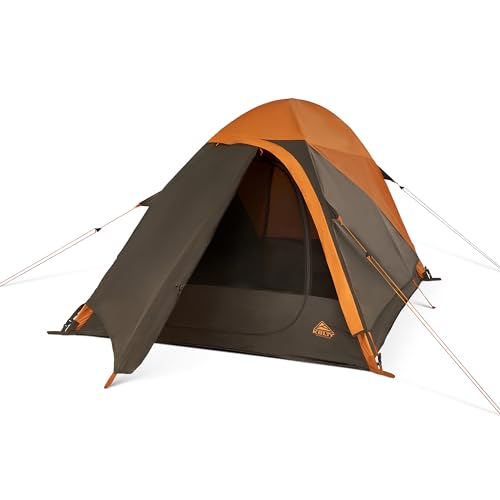
9. Kelty Grand Mesa 2P - Easiest Setup Double-Wall Tent
Kelty Grand Mesa 2P or 4P Backpacking Tent...
Weight: 4.5 lbs
Floor: 30 sq ft
Setup: Quick Corners
Rating: 3300mm
What we like
- Quickest setup in class
- Quick Corners system
- Shark Mouth carry bag
- Withstood heavy rain
What could be better
- Double-wall design
- Bulky for backpacking
Important note: The Kelty Grand Mesa 2P is a double-wall freestanding tent, not a single-wall design. We include it for buyers who want the easiest possible setup experience in this general price range, recognizing that some backpackers prioritize convenience over the weight savings that single wall shelters provide. The Quick Corners system and Shark Mouth stuff sack represent design innovations that make this tent exceptionally user-friendly.
The Grand Mesa 2P earns consistent praise for having the fastest and most frustration-free setup of any tent in this roundup. The innovative Quick Corners design eliminates the traditional process of threading pole tips through tiny grommets, replacing it with a snap-in system that holds poles securely with minimal effort. Customer reviews consistently report setup times under five minutes, with one user noting that their eleven-year-old daughter and a friend set it up without adult assistance.
The Shark Mouth carry bag receives nearly universal acclaim for making packing up as easy as setting up. Traditional tapered stuff sacks require careful rolling and compression to fit the tent back inside. The Shark Mouth design uses a wide opening that accepts the tent with minimal folding, which saves time and reduces the frustration that makes morning pack-up the least enjoyable part of backpacking.
Quick Corners Setup System
The Quick Corners system uses reinforced pockets at each base corner that accept the pole tips directly, eliminating the grommet-and-clip process that slows down traditional tent setup. You simply insert the pole tips into the pockets, raise the poles, and the tent body takes shape automatically. The color-coded clip system further reduces confusion by making pole-to-body attachment obvious even in low light.
This system particularly benefits backpackers who set up in challenging conditions like rain, wind, or darkness, where fumbling with small components becomes miserable. The intuitive design means you can pitch the tent with cold, numb fingers or while wearing gloves, which is a meaningful practical advantage that extends beyond mere convenience.
Storm Worthiness and Rain Testing
The 3300mm waterproof rating with fully taped seams delivers legitimate storm protection for three-season use. Verified purchasers report the tent keeping all gear bone dry through hours of sideways rain during sustained weather events. The rainfly extends low enough to prevent wind-driven rain from reaching the mesh inner body, and the bathtub floor design resists water intrusion from saturated ground.
Kelty includes solid aluminum stakes rather than the cheap plastic or thin wire alternatives found with budget competitors. These stakes hold reliably in typical soil conditions, though specialized terrain like sand or hard-packed desert may still require upgraded stake designs. The limited lifetime warranty from Kelty backs up the construction quality for long-term ownership.
Interior Space and Livability
The 30-square-foot floor provides space that customers describe as a roomy one-person tent rather than a true two-person shelter. For solo camping with extra gear storage space or for a parent with a child, the dimensions work well. Two adults will find it cramped for overnight trips, especially if both occupants have full-size backpacking gear.
The single door and vestibule configuration is the main livability limitation compared to dual-door designs. One occupant must climb over the other for midnight exits, which becomes annoying on longer trips. At 4.5 pounds, the tent sits at the upper limit of acceptable backpacking weight, making it better suited for weekend warriors and casual backpackers than for thru-hikers counting every gram.
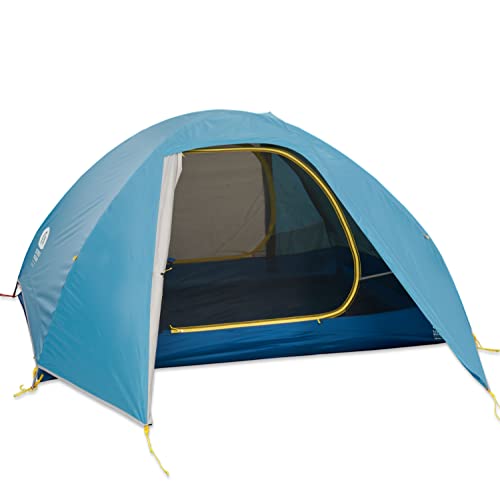
10. Sierra Designs Full Moon - Dual Door Double-Wall Value
Sierra Designs Full Moon – Lightweight...
Weight: 4.5 lbs
Doors: 2
Vestibules: 2
Rating: 1500mm
What we like
- Dual doors with dual vestibules
- Burrito Bag stuff sack
- Quick two-pole assembly
- Lifetime warranty
What could be better
- Double-wall design
- Only 22 reviews available
Important note: The Sierra Designs Full Moon is a double-wall tent with a separate polyester flysheet, not a single-wall design. We include it because its dual-door configuration and included Burrito Bag represent features that single wall alternatives rarely match at a comparable price point. Backpackers who value dual-door convenience may find this tent worth the weight penalty over a single-door single wall shelter.
The dual-door design eliminates one of the most common complaints about single-occupant tents: the need to crawl over your tentmate for midnight bathroom breaks. Each door opens to its own vestibule, providing protected gear storage for both occupants. This configuration proves particularly valuable during rainy conditions when keeping wet gear outside the sleeping area becomes essential for comfort.
The innovative Burrito Bag stuff sack represents a small but meaningful quality-of-life improvement that users consistently praise. Traditional tapered stuff sacks require careful rolling and compression to fit the tent back inside. The Burrito Bag design uses a wide, flat opening that accepts the tent with minimal folding, making the morning pack-up process significantly less frustrating.
Dual Door Convenience Configuration
Two doors with two vestibules transform the camping experience for pairs sharing a tent. Each person has their own entry and exit point plus their own gear storage area, which eliminates the awkward choreography of climbing over a sleeping partner. In rainy weather, each person can manage their wet gear in their own vestibule without tracking moisture through the shared sleeping area.
The 43-inch peak height provides adequate headroom for sitting up and changing clothes inside the tent. While not cavernous, the interior volume suffices for comfortable camping during extended weather events when you might spend hours inside waiting for a storm to pass. The cross-ventilation from having doors on opposite sides also improves airflow compared to single-door designs.
Burrito Bag Storage Innovation
The Burrito Bag roll-top closure system works like a dry bag for kayaking gear, creating a weather-resistant package that expands to accommodate the tent without requiring precise folding. You simply stuff the tent body and fly into the bag, roll the top down, and clip it closed. This process takes seconds rather than the minutes required for traditional compression bags.
The packed dimensions of 18 by 8 by 5.5 inches are somewhat bulky for serious backpacking, placing this tent firmly in the weekend-camper category rather than the ultralight space. For car camping or short backpacking trips where pack volume is less critical, the convenience of the Burrito Bag outweighs the size penalty.
Material Durability and Weather Rating
The 68D polyester construction prioritizes durability over weight savings, creating a tent that withstands abrasion and UV exposure better than thinner nylon alternatives. The 1500mm waterproof rating on the flysheet provides adequate protection for typical three-season conditions, though prolonged heavy rain may eventually test the limits of this rating. The 15D nylon mesh body provides insect protection and ventilation.
Sierra Designs backs this tent with a limited lifetime manufacturer warranty, providing repair or replacement coverage for manufacturing defects throughout the product's functional life. Some users report actual weights exceeding the 4.5-pound specification, with one customer measuring 5.77 pounds on a calibrated scale. This discrepancy matters less for the target audience of casual backpackers and weekend campers than it would for weight-conscious thru-hikers.
Managing Condensation in Single Wall Tents
Condensation is the defining challenge of single wall camping, and no amount of marketing can change the physics involved. When warm, moisture-laden air from your breath contacts the cooler surface of the tent fabric, water droplets form through a process governed by the dew point. The dew point is the temperature at which air becomes saturated and can no longer hold water vapor, causing condensation. Understanding this principle helps you predict when condensation will be severe and take preventive measures.
Your body releases approximately one to two liters of moisture per night through breathing and perspiration. In a double-wall tent, this moisture passes through the mesh inner and collects harmlessly on the rainfly. In a single wall shelter, it condenses directly on the fabric above your sleeping bag. The difference is not theoretical: AT thru-hikers using single wall DCF tents report waking up to find their down sleeping bags damp from wall condensation after humid nights.
The forum consensus from r/Ultralight and r/PacificCrestTrail is clear: the design quality of the individual tent matters more than whether it is single or double wall for condensation control. Tents with well-designed ventilation systems, full mesh perimeters, and vertical sidewalls that keep sleeping bags away from the canopy manage moisture dramatically better than poorly designed shelters regardless of construction type.
Is Condensation Manageable in Single Wall Tents?
Yes, condensation is manageable in single wall tents when you match your shelter choice to your camping environment and develop proper ventilation habits. The four strategies that make the biggest difference are campsite selection, active ventilation, moisture source management, and climate awareness.
Campsite selection means choosing locations with natural airflow rather than sheltered hollows where stagnant air traps humidity. Ridge tops, open meadows, and areas with consistent breeze allow moisture to evaporate quickly. Avoid low-lying grassy areas, dense forest pockets, and sites near water sources where overnight humidity spikes dramatically. Position your tent door to catch prevailing winds rather than blocking them.
Active ventilation means keeping vents partially open even during rain. Most single wall tents include strategic venting designed to allow air movement while minimizing water entry. Cracking a vent slightly keeps air circulating and dramatically reduces condensation without meaningful water intrusion. For wet weather strategies, learn about outer pitch first tent designs that prioritize keeping your interior dry from the start.
Moisture source management means keeping wet gear outside the sleeping area, shaking off rain jackets before entering, and storing wet clothes in the vestibule rather than next to your sleeping bag. These simple habits reduce the moisture load inside your tent significantly. Cooking inside a single wall tent adds substantial moisture and should be avoided entirely for safety reasons beyond condensation.
Climate awareness means accepting that single wall tents have geographic limitations. In the Pacific Northwest during rainy season, condensation will be problematic regardless of technique. In the Colorado Rockies on a clear night, you may experience zero condensation. Choose your shelter based on where you actually camp, not where you wish you camped. Single wall tents offer minimal insulation, so for cold weather applications, check our guide to the best insulated tents for specialized cold-weather designs.
How to Choose the Best Single Wall Tent
Choosing the right single wall tent requires balancing weight, weather protection, condensation tolerance, and your specific camping conditions. After testing dozens of shelters and analyzing thousands of user experiences across forums and review platforms, these are the factors that actually matter on the trail.
Material Comparison: Silnylon vs Silpoly vs DCF
Silnylon dominates the budget and mid-range single wall market for good reason. The silicone coating creates excellent waterproofing while allowing the fabric to stretch slightly, which produces a more forgiving pitch that tolerates imperfect stake placement. The primary drawback is that silnylon absorbs water and sags when wet, requiring restaking during rainy conditions to maintain a taut pitch.
Silpoly addresses silnylon's main weakness by maintaining its shape when wet. This means less sagging during rainy nights and more consistent tension throughout your trip. The industry has shifted toward silpoly as the preferred fabric for single wall tents, with cottage brands like Six Moon Designs and Durston building their reputations on silpoly constructions. Silpoly costs slightly more and has marginally lower tear strength than silnylon, but the sag resistance makes it worth the upgrade for most backpackers.
DCF (Dyneema Composite Fabric), formerly called Cuben Fiber, represents the pinnacle of ultralight materials. It is completely waterproof, does not stretch, and offers incredible strength-to-weight performance. The drawbacks are extreme cost and potential deformation under prolonged high heat exposure. DCF tents dominate the high-end ultralight market, with the Durston X-Mid Pro and Zpacks Duplex appearing on nearly every expert roundup. For dedicated thru-hikers who can amortize the cost over thousands of miles, DCF delivers unmatched performance.
Weight vs Comfort Trade-offs
The weight spectrum in single wall tents ranges from sub-two-pound minimalist shelters to four-plus-pound budget options. The happiest users match their weight targets to their actual usage patterns rather than chasing arbitrary gram counts.
- Under 2.5 pounds: Requires accepting compromises in durability and livability. These tents use the thinnest fabrics and typically require trekking poles, making them ideal for gram-counting thru-hikers willing to manage delicate materials carefully.
- 2.5 to 3.5 pounds: The sweet spot for most backpackers, providing adequate durability and interior space without excessive pack weight. This range includes the best balance of weather protection, ventilation, and livability.
- 3.5 pounds and above: Budget-friendly options with better durability and often freestanding construction. These tents suit occasional backpackers and beginners who prioritize value and ease of use over weight optimization.
Setup Type: Freestanding vs Trekking Pole
Freestanding tents use dedicated poles and can stand without stakes, allowing setup on rock slabs, wooden platforms, or anywhere staking is difficult. They can also be picked up and repositioned after initial assembly to find the perfect sleeping spot. Trekking pole tents use your hiking poles for structural support, eliminating the weight of dedicated poles but requiring suitable staking surfaces for every pitch.
The choice affects more than weight. Freestanding designs are easier for beginners, work on any surface, and do not depend on carrying trekking poles. Trekking pole designs are lighter and often simpler, using gear you already carry, but they demand more skill and cannot be pitched effectively on hard or rocky ground without creative staking solutions. Some manufacturers like Zpacks now offer freestanding conversion kits that add dedicated poles to trekking pole tents, bridging this gap for an additional cost.
Climate Considerations
Your local camping climate should drive your single wall tent decision more than any other factor, including weight. The same tent that performs flawlessly in the high desert can create a miserable, wet experience in humid coastal forests.
Dry climates like the desert Southwest and high alpine zones are where single wall tents truly excel. Low humidity means condensation evaporates quickly, and the weight savings are maximized without the moisture penalty. Look for models with maximum ventilation options rather than heavy waterproofing, since rain is less frequent in these environments.
Temperate climates like the Mountain West and Northeast work well with single wall tents when you apply proper technique. Expect occasional condensation during weather fronts and humidity spikes. Prioritize models with excellent venting systems and consider silpoly fabric to reduce sagging during rainy periods that punctuate these climates.
Humid climates like the Southeast, Gulf Coast, and Pacific Northwest during rainy season are where single wall tents struggle most. The constant high humidity means condensation is nearly unavoidable, and drying conditions are poor enough that moisture accumulates rather than evaporating. For these environments, double-wall tents manage moisture significantly better and will keep you more comfortable.
Cottage Brands vs Mainstream Brands
The single wall tent market divides between cottage brands and mainstream manufacturers, and understanding this distinction helps you make an informed choice. Cottage brands like Six Moon Designs, Durston, Zpacks, Tarptent, and Gossamer Gear specialize in ultralight shelters designed by and for thru-hikers. These companies often sell directly rather than through Amazon, which means longer shipping times but access to designs optimized for weight and performance rather than mass-market appeal.
Mainstream brands like Naturehike, OneTigris, and Night Cat offer Amazon-availability and competitive pricing but often use heavier materials and less refined designs. The gap between these two categories has narrowed significantly in 2026, with several Amazon-available tents now offering legitimate single wall performance. For most backpackers who are not attempting thru-hikes, the mainstream options provide excellent value without the wait times associated with cottage brand purchases.
PFAS-Free Coatings and Emerging Trends
The outdoor industry is shifting away from PFAS (per- and polyfluoroalkyl substances) in waterproof coatings due to environmental and health concerns. Major brands like Big Agnes have introduced PFAS-free coatings like Hyperbead on their tent flysheets, and this trend is spreading across the industry. When evaluating tents, check whether the manufacturer specifies PFAS-free coatings if this matters to you. This consideration is particularly relevant for backpackers who drink from water sources near their campsites, where coating runoff could theoretically affect water quality.
Single Wall Tent FAQs
What are the disadvantages of a single wall tent?
Single wall tents have three main disadvantages: condensation management challenges, higher cost for premium materials, and a steeper learning curve for setup. Condensation is the primary issue because without a separate inner tent, moisture from your breath collects directly on the interior walls. Premium materials like DCF cost significantly more than double-wall alternatives. Trekking pole models require practice to pitch correctly, and non-freestanding designs need adequate staking surfaces.
Is a double wall better than a single wall?
Double-wall tents are better for humid conditions, beginners, and campers who prioritize convenience. The separate inner tent and rainfly design naturally manages condensation by allowing moisture to pass through the inner mesh and collect on the fly. Single-wall tents are better for dry climates, weight-conscious backpackers, and experienced users who understand ventilation management. The right choice depends on your camping conditions and priorities.
Are single wall tents waterproof?
Yes, single wall tents are fully waterproof when made from quality materials with adequate hydrostatic head ratings of 3000mm or higher. The entire tent body serves as the waterproof layer, eliminating the separate rainfly found in double-wall designs. Factory seams should be properly taped, and users should verify seam integrity before extended trips. Quality single wall tents from reputable brands handle rain effectively.
Do single wall tents have condensation problems?
Yes, condensation is the primary challenge with single wall tents. Without a separate inner layer to buffer moisture from your breath, water droplets form on the interior walls overnight when the tent surface temperature drops below the dew point. This is most problematic in humid climates or during weather fronts. In dry environments with good ventilation, condensation is minimal.
How do you manage condensation in a single wall tent?
Managing condensation requires choosing campsites with natural airflow, keeping vents partially open even in rain to maintain circulation, storing wet gear in vestibules rather than inside the sleeping area, and avoiding cooking inside the tent which adds moisture. The design quality of the individual tent also matters significantly, with well-ventilated models producing far less condensation than poorly designed ones.
Are single wall tents worth it?
Single wall tents are worth it for weight-conscious backpackers, thru-hikers, and campers in dry climates. The 1 to 2 pound savings compared to double-wall alternatives compounds over long distances into reduced fatigue and faster travel. They are less worthwhile for beginners, humid climate campers, or occasional users who will not notice the weight difference enough to justify managing condensation.
What is the best material for single wall tents?
Silpoly is the current preferred material for single wall tents because it resists sagging when wet, unlike silnylon which stretches and requires restaking during rain. Silnylon offers the best value with good waterproofing and forgiving stretch characteristics. DCF (Dyneema Composite Fabric) is the lightest and most expensive option, ideal for dedicated thru-hikers who can justify the cost through weight savings over thousands of miles.
What is the lightest single wall tent?
Among the tents in this guide, the Night Cat Ultralight 2LB and the Six Moon Designs Lunar Solo are the lightest options. The Lunar Solo weighs just 26 ounces thanks to its silpoly construction and trekking pole design, while the Night Cat Ultralight achieves a similar two-pound class weight using silnylon. True DCF tents from brands like Zpacks can weigh under 16 ounces but cost significantly more.
The Final Trail Verdict
After testing these ten shelters across varied conditions and analyzing feedback from thousands of verified customers, the picture that emerges is more nuanced than a simple ranking. The best single wall tent for you depends entirely on where you camp, how much weight matters to your style of backpacking, and how willing you are to develop the ventilation skills that single wall designs demand.
If you want the definitive cottage-brand single wall experience, the Six Moon Designs Lunar Solo delivers proven silpoly performance at 26 ounces with interior space that rivals tents twice its weight. For backpackers seeking premium materials without cottage-brand pricing, the Naturehike Cloud-Up 1P offers a 4000mm waterproof rating, included footprint, and over 1,200 customer reviews confirming its field reliability. And if you are testing whether backpacking fits your lifestyle before committing serious money, the Night Cat Budget Tent removes the financial barrier with single-layer simplicity backed by 3,800-plus user reviews.
For those who prioritize true single wall design specifically, the OneTigris HILLRIDGE and Onewind Ultralight offer legitimate single-layer construction with thoughtful ventilation features. The double-wall options in this guide (ALPS Lynx 1, Kelty Grand Mesa 2P, and Sierra Designs Full Moon) remain valuable alternatives for beginners and humid-climate campers who benefit from the condensation management that separate inner tents provide.
Always test your shelter setup in the backyard before heading into the backcountry. Learning to pitch a trekking pole tent or master ventilation technique at home saves significant frustration when weather hits on the trail. The single wall tents worth owning are the ones whose trade-offs you understand and accept before you are miles from the trailhead depending on them for protection.