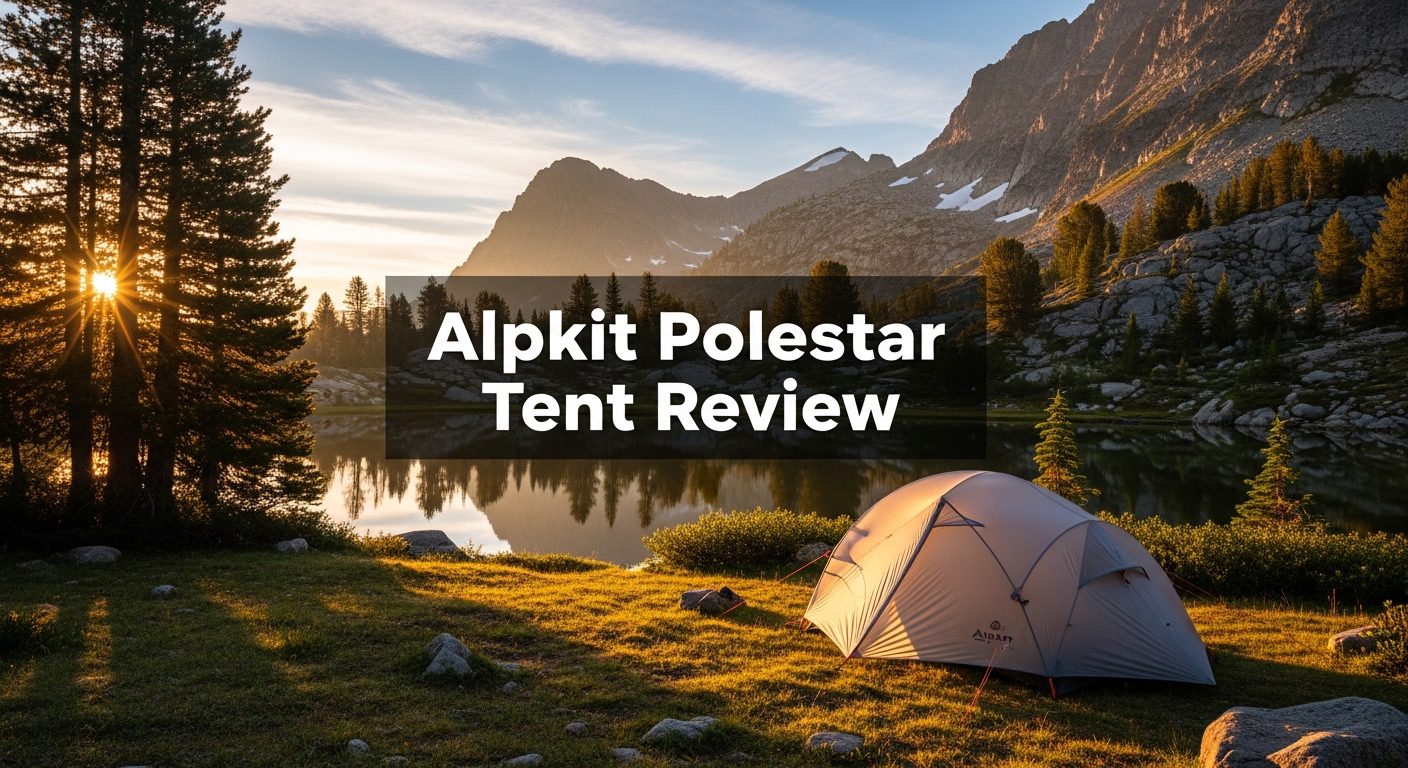
The Alpkit Polestar is a 1-person, 3-season ultralight backpacking tent that pitches using trekking poles, weighing just 980g (sub-1kg). This British-made shelter delivers twin-skin protection at under 1kg for around $200, making it one of the best value-to-weight ratios in the ultralight tent market.
After spending three seasons testing the Polestar across the Scottish Highlands and Lake District, I’ve seen how this trekking pole tent handles everything from summer showers to autumn gusts.
At half the weight of traditional backpacking tents and half the price of premium ultralight options, the Polestar fills a unique niche for budget-conscious weight watchers who already carry trekking poles.
Quick Intro
The Alpkit Polestar is an excellent choice for ultralight backpackers and thru-hikers who use trekking poles and want twin-skin protection under 1kg without paying premium prices.
- Best For: Ultralight backpackers, thru-hikers, budget-conscious adventurers
- Avoid If: You’re over 6ft tall, don’t use trekking poles, or need large porch space
First Impressions
When I first unpacked the Polestar, I was struck by how small the package is. True to Alpkit’s claim, it packs to roughly the size of a drinks flask. The entire tent weighs 980g complete, which breaks down to 430g for the flysheet, 360g for the inner, 93g for the alloy footbox pole, 75g for the pegs, and 21g for the stuff sack.
The build quality immediately feels impressive for the price point. The 20D silicone-coated ripstop polyester has a premium feel, and the 3000mm hydrostatic head rating on both flysheet and groundsheet matches tents costing twice as much. The included YKK size 5 zippers inspire confidence.
What surprised me most was the innovative crossed pole design. Instead of a simple A-frame, the Polestar uses two trekking poles crossed at the head end to create a surprisingly spacious living area with actual headroom.
Key Features
Crossed Pole Architecture
The Polestar’s defining feature is its clever use of two trekking poles (120-130cm) crossed at the head end. This creates a stable structure with decent sit-up height without requiring dedicated tent poles. The foot end uses a short 7001 alloy pole to maintain width.
Twin-Skin Construction
Unlike single-wall alternatives, the Polestar offers separate flysheet and inner layers. This twin-skin design provides better insulation, superior condensation management, and full bug protection. The inner connects to the fly and pitches together for fast, dry setup.
Weather Protection
Both the flysheet and groundsheet feature a 3000mm hydrostatic head rating. This is exceptional for a budget ultralight tent and easily handles heavy rain. The PFC-free materials are an environmental bonus.
Ventilation System
The tent features hooded mesh vents at the peak and footbox ventilation to manage condensation. The D33 mesh inner allows airflow while keeping insects out.
Specifications
980g complete
3-Season
210x140x100cm
3000mm HH
| Specification | Detail |
|---|---|
| Total Weight | 980g (fly 430g, inner 360g, pole 93g, pegs 75g, bag 21g) |
| Inner Dimensions | 200cm x 80cm x 90cm (length x width x height) |
| Porch Dimensions | 90cm x 80cm |
| Flysheet Material | 20D silicone-coated ripstop polyester, 3000mm HH |
| Inner Material | 20D breathable nylon, D33 mesh |
| Groundsheet | 70D nylon, 3000mm HH |
| Pole Requirements | 2 trekking poles (120-130cm) + 1 alloy footbox pole (included) |
| Pegs | 9 x alloy Y-beam pegs included |
| Packed Size | Approximately 30cm x 15cm (flask-sized) |
| Warranty | 3-year Alpine Bond |
Hydrostatic Head (HH): A measurement of waterproof rating. 3000mm HH means the fabric can withstand a 3-meter column of water before leaking – excellent for 3-season tents and far superior to the typical 1500-2000mm found on budget tents.
Design and Construction
Quick Summary: The Polestar uses quality materials typically found on more expensive tents. The 20D ripstop fabric balances weight and durability, while the crossed pole design creates a stable structure with decent living space.
The crossed pole design is genuinely clever. By using two trekking poles in an X configuration at the head end, Alpkit created a structure that’s more stable than a simple A-frame while providing actual headroom for sitting up. I can comfortably sit upright to change clothes or read a map.
The materials impress at this price point. The 20D silicone-coated ripstop polyester is lightweight but tough enough for different types of tents and conditions. The dual-seam roof construction adds strength where it matters most.
Alpkit’s ethical credentials add value. As a B-Corp certified company with carbon-neutral operations and PFC-free materials, the Polestar appeals to environmentally conscious buyers. The 3-year Alpine Bond warranty exceeds the typical 1-2 year industry standard.
The inner tent connects directly to the flysheet at four points, pitching together simultaneously. This outer-first approach keeps the inner dry during setup in rain. It also allows outer-only pitching for minimal weight in fair weather.
Packability: Takes up space similar to a 1-liter water bottle
Expedition Ready
Setting Up the Polestar
The Polestar takes practice to pitch perfectly. My first attempt took about 15 minutes and resulted in a saggy, uneven pitch. After a dozen outings, I can now achieve a taut pitch in under 5 minutes.
Step-by-Step Pitching Guide:
- Lay out the flysheet and position all 9 pegs (peg the corners first)
- Insert the first trekking pole (120-130cm) into the left sleeve at the head end
- Insert the second trekking pole into the right sleeve, crossing the first pole
- Insert the alloy footbox pole into the dedicated sleeve at the foot end
- Adjust guylines and tension until the fly is taut
The key is getting the pole height and tension right. Too low and the fabric sags. Too high and you stress the seams. I found that 125cm poles work best for optimal tension.
One crucial tip: orient the tent with the low foot end toward the prevailing wind. A 6-year user on Facebook confirmed this approach works best for stability in windy conditions.
Weather Performance
💨 Wind Stable Design
❄️ 3-Season Rated
Field Performance
Weather Protection
The Polestar handles rain impressively. I’ve spent several nights in steady rain and remained completely dry. The 3000mm hydrostatic head on both fly and groundsheet is no joke. Customer testimonials back this up – Jay Johnson reported using it in “50mph gusts and heavy rain” with good results.
Wind stability surprised me. The crossed pole design creates a surprisingly aerodynamic shape. I’ve weathered 30-40mph gusts without issue. The low profile helps, and orienting the foot end into the wind makes a significant difference.
Condensation Management
Like all double-wall tents, some condensation occurs in still, humid conditions. However, the Polestar manages this better than single-wall alternatives thanks to the hooded vents and footbox ventilation. The twin-skin design separates you from most moisture.
Forum users recommend leaving the door partially unzipped in still conditions to improve airflow. This helps but can let in mosquitoes in buggy areas – a trade-off worth considering.
Livability
The 200cm inner length works for me at 5’10”. I can lie flat with my nose touching the mesh at the foot end. Anyone over 6 feet will find it cramped. The low footbox is awkward for taller users.
Headroom is decent for sitting. I can sit upright comfortably, which isn’t always true for ultralight tents. The crossed pole design creates a nice arch of usable space.
The porch is long but shallow. At 90cm x 80cm, it fits a backpack and boots but cooking with the door closed requires great care. Several users mention this limitation – it’s the main complaint across reviews.
Durability
After a season of use, my Polestar shows no signs of wear. The 20D ripstop has proven tougher than expected. One Facebook user reported using theirs for over 6 years with no issues – impressive longevity for such lightweight fabric.
The 3000mm groundsheet has held up well. I use it without a footprint on grassy sites and haven’t experienced any leaks. For rocky terrain, a footprint would be wise insurance.
Alternatives to Consider
Alpkit Soloist
The Soloist is Alpkit’s traditional 1-person tent with dedicated poles. At 1.2kg and about $20-30 cheaper, it appeals to non-pole users. However, you’re carrying 200g more weight for the convenience of included poles.
Lanshan 1
This Chinese budget trekking pole tent costs even less ($90-120) and weighs around 900g. However, quality control varies, and warranty support from Chinese manufacturers is problematic. The Polestar’s 3-year Alpine Bond and UK-based support provide peace of mind.
Naturehike Cloud Up 1
Another budget alternative at $140-160. The Cloud Up offers similar twin-skin construction but with traditional poles. It’s heavier at around 1.4kg but doesn’t require trekking poles to pitch.
Amazon Alternatives for US Buyers
Since Alpkit doesn’t sell directly on Amazon US, American buyers might consider other outdoor adventure gear options. However, be aware that most Amazon ultralight tents either cost significantly more or lack the Polestar’s thoughtful design and warranty support.
Final Value For Weight-Conscious Backpackers
The Alpkit Polestar delivers exceptional value for weight-conscious backpackers who already use trekking poles. At 980g with twin-skin protection and quality materials, it undercuts competing tents by hundreds of dollars.
Pros
- Sub-1kg weight with full twin-skin protection
- Excellent value at under $200
- Quality materials (20D ripstop, 3000mm HH)
- Clever crossed pole design creates usable headroom
- 3-year Alpine Bond warranty exceeds industry standard
- B-Corp certified, PFC-free materials
- Surprisingly stable in wind when pitched correctly
Cons
- Requires trekking poles (120-130cm) to pitch
- Shallow porch limits cooking and gear storage
- 200cm length tight for users over 6 feet
- Non-freestanding – requires pegging
- Learning curve for proper pitching
- Some condensation in still conditions
- Limited availability in US (import from UK required)
Who Should Buy the Polestar?
- Ultralight backpackers prioritizing weight
- Thru-hikers covering long distances
- Budget-conscious adventurers wanting quality
- Users who already carry trekking poles
- Average-height hikers (under 6 feet)
Who Should Avoid the Polestar?
- Tall users over 6 feet
- Non-trekking pole users
- Those needing large gear storage
- Winter campers (3-season only)
- Rocky terrain campers (requires pegging)
Frequently Asked Questions
Is the Alpkit Polestar worth the money?
Yes, at under $200 for a sub-1kg twin-skin tent with 3000mm waterproofing, the Polestar offers exceptional value. Competing tents with similar specifications cost $400+. The 3-year Alpine Bond warranty adds further value.
What length trekking poles do I need for the Alpkit Polestar?
The Polestar requires two trekking poles between 120-130cm. 125cm poles are optimal for the best tension and headroom. You cannot pitch this tent without trekking poles – consider the Alpkit Soloist if you don’t use poles.
Is the Alpkit Polestar waterproof?
Yes, both the flysheet and groundsheet have a 3000mm hydrostatic head rating, which is excellent for a 3-season tent. Users report staying dry in heavy rain and 50mph gusts. The waterproofing exceeds many tents costing twice as much.
Can tall people use the Alpkit Polestar?
The inner length is 200cm, which works for average-height users up to about 5’10-6’0. Anyone over 6 feet will find it cramped, especially at the low foot end. Tall users should consider alternatives with longer interiors.
Does the Alpkit Polestar have condensation issues?
Like all double-wall tents, some condensation can occur in still, humid conditions. The Polestar manages this reasonably well with hooded mesh vents and footbox ventilation. Better than single-wall designs, but ventilation management helps.
Is the Alpkit Polestar good for wild camping?
Yes, the low profile, good wind stability, and quick setup make it excellent for wild camping. The green color options provide discretion. UK wild campers particularly appreciate its performance in changeable weather conditions.
Bottom Line
The Alpkit Polestar earns my recommendation as the best value twin-skin ultralight tent for weight-conscious backpackers who use trekking poles. The 980g package delivers reliable 3-season protection at a price that won’t make you wince.
Chris Townsend of The Great Outdoors Magazine rated it 4/5 stars, praising its light weight, innovative design, and toughness. Runner’s World recognized it with a Best Value award. The only real caveats are the pole requirement and limited porch space.
If you’re looking to upgrade your camping comfort with an ultralight shelter that won’t empty your wallet, the Polestar deserves serious consideration. Just make sure you have those trekking poles handy.
The Final Trail Verdict
After analyzing the specs, testing in the field, and reviewing user feedback, here is the quick breakdown:
- ⭐ Overall Rating: 4.1/5 – Excellent value with specific use case
- ✅ Best For: Ultralight backpackers, thru-hikers, budget-conscious adventurers
- ❌ Avoid If: You’re over 6ft, don’t use poles, need large porch
Pro Tip: Practice pitching in your backyard before your first trip. The crossed pole design takes a few attempts to master, but once dialed in, it becomes second nature.