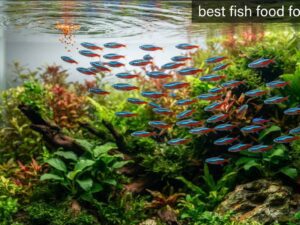
Neon Tetras remain one of the most beloved freshwater fish in the aquarium hobby, captivating beginners and seasoned aquarists alike with their shimmering blue and red stripes. These small but striking fish from the Amazon Basin have earned their reputation as ideal community tank residents, though their care requirements have evolved with our understanding of their natural habitat. This comprehensive Neon Tetra Care Guide covers everything you need to create a thriving environment for these peaceful schooling fish in 2026.
Whether you are setting up your first community aquarium or expanding an existing planted tank, understanding the specific needs of Paracheirodon innesi will help you avoid common pitfalls that shorten their lifespan. From proper tank size to water parameters and disease prevention, this guide draws on current best practices and the latest aquarium research.
Table of Contents
- Species Summary
- Neon Tetra Care Guide
- Neon Tetra Food & Diet
- Neon Tetra Diet Foods To Avoid
- Neon Tetra Feeding Schedule
- Neon Tetra Tank Mates
- Neon Tetra Tank Size
- Water Parameters
- Filtration
- Heating
- Lighting
- Co2 System
- Substrate
- Neon Tetra Aquascaping
- Decorations
- Other Tank Accessories For Neon Tetra
- Water Changes
- Cleaning The Tank
- Cleaning The Filter
- Testing The Water
- Common Possible Diseases In Neon Tetra
- Preventing Diseases
- Treatment And Medications Of Diseases
- Neon Tetra vs Cardinal Tetra: Key Differences
- Advantages Of Having Neon Tetra In Your Tank
- Disadvantages Of Having Neon Tetra In Your Tank
- Frequently Asked Questions
- Conclusion
Species Summary
| Scientific name: | Paracheirodon innesi |
| Other names: | Neon Tetra, Blue Neon Tetra |
| Family: | Characidae |
| Size: | 2.5-3.5 cm (1-1.5 inches) |
| Life span: | 3-8 years in captivity |
| Habitat: | Orinoco and Negro Rivers in the Amazon Basin, South America |
| Behavior: | Active schooling fish, peaceful community dweller |
| Tank size: | Minimum 20 gallons for proper schooling |
| Temperature: | 70-82°F (21-28°C) |
| pH: | 6.0-7.0 (acidic to neutral) |
| Water type: | Soft, slightly acidic freshwater |
| Water Hardness: | 2-10 dGH (general hardness), KH 1-2 dKH |
| Activity level: | Very active mid-level swimmers |
| Compatibility: | Peaceful community fish |
| Tankmates: | Other small, non-aggressive species |
| Care level: | Easy to moderate |
| Diet: | Omnivorous - flakes, pellets, live and frozen foods |

Neon Tetras originate from the blackwater streams and clearwater tributaries of the Amazon Basin, where they inhabit areas with dense vegetation and dim lighting. Most specimens available in the aquarium trade today are captive-bred, though wild-caught populations still enter the market. The distinction matters because wild-caught fish require more precise water parameters matching their natural soft, acidic habitat, while captive-bred specimens are generally more adaptable to standard tap water conditions.
Unfortunately, habitat destruction and deforestation in the Amazon region have impacted wild Neon Tetra populations in their native range. This makes sustainable captive breeding programs increasingly important for the aquarium hobby. When purchasing Neon Tetras, look for healthy specimens with bright coloration and active swimming behavior. Avoid fish with faded colors or those hanging near the surface, as these can be signs of stress or illness.
These fish are particularly sensitive to water quality changes, requiring careful acclimation when introduced to a new aquarium. The drip acclimation method over 30-45 minutes helps them adjust to differences in pH and temperature, reducing stress and preventing shock.
Neon Tetra Size & Growth Rate
Neon Tetras are small fish, typically reaching 2.5-3.5 cm (1 to 1.5 inches) in length when fully grown. Wild specimens may occasionally grow slightly larger than their captive-bred counterparts, but the difference is usually minimal. Their compact size makes them ideal for community aquariums, though this does not mean they can thrive in tiny tanks.
The growth rate of Neon Tetras is relatively slow, especially during the first few months of life. Juveniles may take 8-12 months to reach their full adult size under optimal conditions. Factors affecting growth include diet quality, water parameters, and tank size. Fish kept in larger aquariums with frequent water changes and varied nutrition typically grow faster and display more vibrant colors than those in cramped conditions with poor maintenance.
Breeding success often depends on selecting the largest, most vibrant specimens as breeding pairs, as these tend to produce healthier offspring with better growth potential.
Neon Tetra Lifespan
In optimal aquarium conditions, Neon Tetras typically live between 3 to 8 years. The wide range reflects variations in care quality, genetics, and environmental stability. While some exceptional specimens may reach 10 years, this is rare and requires near-perfect water conditions and excellent nutrition throughout their lives.
The most significant factor affecting Neon Tetra lifespan is water quality stability. These fish suffer from stress when parameters fluctuate, which weakens their immune system and shortens their lives. Consistent water changes, stable temperature, and proper filtration contribute significantly to longevity.
Tank size also impacts lifespan. Neon Tetras kept in appropriately sized groups of 10 or more in 20+ gallon tanks generally outlive those in smaller groups or cramped quarters. The security of a proper school reduces stress and promotes natural behaviors that keep fish healthy.
Neon Tetra Appearance
The Neon Tetra's appearance is unmistakable. A brilliant iridescent blue stripe runs horizontally from their gills to the adipose fin, shifting between blue and green depending on the viewing angle and lighting conditions. Below this, a vivid red stripe extends from the middle of the body to the tail fin, creating the iconic neon effect that gives these fish their name.

A thin black line runs beneath the blue stripe, adding contrast and depth to their coloration. The belly is silvery-white, while the rest of the body is largely translucent. This translucency serves a purpose in the wild, making them harder for predators to spot in dimly lit waters.
The large eyes of Neon Tetras reflect their need for keen vision in the dark waters of their native habitat. Their bodies are streamlined and torpedo-shaped, built for quick, darting movements. The fins are relatively small, with a forked tail fin that provides propulsion for their characteristic quick swimming bursts.
Sexual dimorphism in Neon Tetras becomes apparent as they mature. Males are typically slimmer with a more intense blue stripe and straighter neon line. Females have a rounder belly, especially when carrying eggs, and their colors tend to be slightly less vivid. The difference becomes most noticeable during breeding season when females plump with roe.
Some color variations exist in the hobby, including the Diamond Neon Tetra with longer fins and the Gold Neon Tetra with a metallic golden sheen instead of blue.
Neon Tetra Breeding
Breeding Neon Tetras presents a rewarding challenge for dedicated aquarists. Unlike many community fish, Neon Tetras have specific requirements for successful spawning that must be met precisely. Understanding these needs dramatically increases your chances of raising fry to adulthood.

The first step is setting up a dedicated breeding tank. A 10-gallon aquarium works well for this purpose. The water parameters require adjustment to trigger spawning: temperature should be raised to 78-80°F (26-27°C), pH lowered to 5.8-6.8, and water hardness kept very soft at 1-2 dGH. Many breeders use reverse osmosis water mixed with tap water to achieve these conditions.
To initiate breeding behavior, simulate the rainy season conditions of their Amazon habitat. Perform a 30-50% water change with slightly cooler water (2-3 degrees below tank temperature) in the evening. This temperature drop mimics tropical rains and often triggers spawning the following morning.
Provide spawning mops or fine-leaved plants like Java moss where eggs can be deposited. The breeding tank should have dim lighting, as bright light inhibits spawning behavior. A sponge filter provides gentle filtration without risking egg suction.
Once spawning occurs, remove the adult fish immediately, as they will eat the eggs. The eggs hatch in approximately 24-36 hours at 78°F. The fry remain attached to surfaces for 3-4 days, absorbing their yolk sacs. Once free-swimming, they require infusoria or specialized liquid fry food for the first week, progressing to baby brine shrimp and micro worms as they grow.
Fry development is slow, with the characteristic neon stripe not appearing until 4-6 weeks of age. Maintaining pristine water quality through frequent small water changes (10% daily) is essential during this vulnerable period. By 8-12 weeks, the young Neon Tetras will resemble miniature adults and can be transitioned to standard juvenile foods.
Keep in mind that Neon Tetras are egg scatterers that show no parental care. A single successful spawning can produce 50-150 eggs, though not all will hatch or survive to adulthood without careful attention to water quality and feeding.
Neon Tetra Behavior & Temperament
Neon Tetras exhibit some of the most engaging schooling behavior in the aquarium hobby. These active fish rarely stay still, constantly exploring their environment in coordinated groups that create mesmerizing displays of synchronized movement. Their peaceful nature makes them ideal residents in community tanks with other non-aggressive species.
The schooling instinct is strong in Neon Tetras. In the wild, they form groups numbering in the hundreds for protection against predators. In captivity, they require a minimum group of six to display natural behaviors, though ten or more creates a much more impressive and stable school. In smaller groups, individual fish become stressed, lose color, and may hide rather than swim openly.
Within the school, a loose hierarchy often develops. You may notice certain fish leading movements while others follow. This social structure helps maintain group cohesion and reduces aggression, which is minimal in properly maintained schools.
Neon Tetras occupy the middle water column, darting between plants and open swimming areas. They are neither strictly top nor bottom dwellers, making excellent use of the central tank space. Their activity level is highest during daylight hours when their colors appear most vibrant.
These fish can be skittish, especially in bare tanks without plants or hiding spots. Sudden movements near the aquarium or bright lights turning on may send the entire school darting for cover. Providing adequate cover and maintaining consistent lighting schedules helps reduce this nervous behavior.
Neon Tetra Care Guide
Creating a thriving environment for Neon Tetras requires attention to several key factors. While often marketed as beginner fish, they have specific needs that must be met for long-term health. This section covers the essential care requirements for maintaining healthy, colorful Neon Tetras in your aquarium.
Water quality stands as the most critical factor in Neon Tetra care. These fish evolved in stable, soft-water environments and remain sensitive to chemical fluctuations. Sudden changes in pH, temperature, or ammonia levels stress the fish and lead to disease. Regular monitoring and maintenance form the foundation of good Neon Tetra care.
Neon Tetra Disease (NTD) remains the most feared illness affecting these fish. Caused by the Microsporidian parasite Pleistophora hyphessobryconis, this disease is contagious and often fatal. Early symptoms include color loss, difficulty swimming, and the development of spinal deformities. Quarantine new fish for two weeks before adding them to your main tank to prevent introducing this parasite.
The following sections detail specific care requirements for diet, tank setup, and maintenance routines that will help your Neon Tetras thrive for years.
Neon Tetra Food & Diet
Neon Tetras are omnivorous fish with small mouths suited for tiny food items. In their natural habitat, they feed on small insects, insect larvae, crustaceans, and plant matter. Replicating this varied diet in captivity promotes optimal health and coloration.
High-quality commercial foods should form the dietary staple:
- Micro pellets and granules: These are sized appropriately for Neon Tetra mouths and sink slowly, allowing fish to feed at their preferred mid-water level.
- High-quality flakes: Crush standard flakes slightly to make them easier for small mouths. Look for formulations with fish meal and spirula as primary ingredients.
- Color-enhancing foods: Flakes and pellets containing astaxanthin and carotenoids help maintain the bright red and blue colors.
Supplemental live and frozen foods provide essential protein and stimulation:
- Brine shrimp: Both live and frozen varieties are readily accepted. Live brine shrimp encourage natural hunting behavior.
- Daphnia: Excellent for digestive health and accepted eagerly by Neon Tetras.
- Bloodworms: Frozen bloodworms make an excellent treat, though they should not form the bulk of the diet due to high fat content.
- Mysis shrimp: Nutrient-dense and particularly good for conditioning breeding pairs.
- Mosquito larvae: If available from safe sources, these provide excellent nutrition.
Some vegetable matter can be included:
- Spirulina flakes: Provide vegetable nutrition that aids digestion.
- Blanched vegetables: Small amounts of zucchini or spinach can be offered occasionally.
When selecting foods, prioritize protein content between 35-45% for adult fish, with higher protein levels for growing juveniles. Feed small amounts that can be consumed within two minutes, two to three times daily.
Neon Tetra Diet Foods To Avoid
Certain foods can harm Neon Tetras or create water quality issues. Understanding what to avoid is as important as knowing what to feed.
Foods to avoid include:
- Human table food: Bread, crackers, and processed human foods lack proper nutrition and can cause digestive blockages.
- Large pellets: Standard pellets designed for larger fish are too big for Neon Tetra mouths and will go uneaten, fouling the water.
- Feeder goldfish or large worms: These can introduce parasites and are inappropriate for small tetras.
- Excessive frozen foods: While nutritious, frozen foods should not exceed 20% of the total diet due to fat content.
- Expired or stale food: Fish food loses nutritional value after opening. Replace flakes and pellets every 3-6 months.
Overfeeding presents a greater danger than underfeeding. Uneaten food decomposes, releasing ammonia and encouraging bacterial growth. Neon Tetras have small stomachs and do better with frequent small meals rather than large feedings.
Neon Tetra Feeding Schedule
Establishing a consistent feeding schedule benefits both fish and aquarist. Neon Tetras thrive on routine and will learn to anticipate feeding times, becoming more interactive and visible.
A recommended feeding schedule includes two feedings daily: once in the morning and once in the evening. Morning feeding can occur after the aquarium lights have been on for 30 minutes, allowing fish to become active. Evening feeding should happen at least an hour before lights out, giving fish time to consume all food.
Each feeding should last approximately two minutes, with fish consuming all offered food within that time. If food remains after two minutes, you are overfeeding. Adjust portions accordingly at the next feeding.
One day per week, skip the evening feeding to allow fish to clear their digestive systems. This fasting day mimics natural conditions where fish may not find food daily and helps prevent constipation and bloating.
Watch your fish during feeding to ensure all individuals are eating. Neon Tetras should swim actively to the surface or mid-water when food enters the tank. Fish that remain hiding or show no interest in food may be stressed or ill.
Neon Tetra Tank Mates
Choosing compatible tank mates for Neon Tetras requires understanding their size, temperament, and water requirements. Ideal companions are peaceful, similarly sized fish that thrive in comparable water parameters.

Excellent tank mate choices include:
- Other small tetras: Rummy Nose Tetras, Ember Tetras, and Ember Tetras make ideal companions, sharing similar size and schooling behavior. They often school together, creating impressive displays.
- Rasboras: Harlequin Rasboras and Chili Rasboras share peaceful temperaments and water preferences with Neon Tetras.
- Corydoras catfish: These peaceful bottom-dwellers occupy a different tank level and help clean up uneaten food. Pygmy Corydoras work particularly well in smaller tanks.
- Small livebearers: Guppies, Endler's Livebearers, and Platies generally coexist peacefully, though fry may be eaten by Neon Tetras.
- Small plecos: Bristlenose Plecos and other small, peaceful pleco species work well, avoiding the nippy behavior of some larger plecos.
- Dwarf cichlids: Apistogramma and Rams can work in larger tanks (30+ gallons) with plenty of hiding spaces.
Fish to avoid include:
- Large or aggressive fish: Cichlids (except small dwarf varieties), large gouramis, and barbs may bully or eat Neon Tetras.
- Fin nippers: Tiger Barbs, Serpae Tetras, and some danio species may nip at the long fins of Neon Tetras, causing stress and injury.
- Predatory fish: Any fish large enough to fit a Neon Tetra in its mouth will eventually do so.
- Invertebrates: While shrimp like Cherry Shrimp generally coexist well, larger crayfish and crabs will prey on Neon Tetras.
When introducing new tank mates, monitor interactions closely for the first few days. Some fish that seem peaceful in stores may display aggression in a home aquarium. Always have a backup plan for separating incompatible fish.
Neon Tetra Tank Size
The minimum recommended tank size for Neon Tetras is 20 gallons, a significant increase from the outdated 10-gallon minimum often cited in older care guides. This change reflects a better understanding of their active swimming behavior and social needs.
In a 20-gallon tank, you can comfortably house a school of 10-12 Neon Tetras along with appropriate tank mates and plants. This group size allows for natural schooling behavior while providing enough swimming space for these active fish. The larger water volume also provides greater stability in water parameters, reducing stress on the fish.
For dedicated Neon Tetra displays or community tanks with multiple species, consider 30-40 gallons or larger. These sizes accommodate larger schools of 20+ fish, creating the stunning visual effect of a living river in your home. Larger tanks also allow for better aquascaping with driftwood, rocks, and dense plantings that mimic their natural habitat.
While 10-gallon tanks can technically support a small group of Neon Tetras in emergencies, they are not recommended for long-term housing. The limited swimming space stresses these active fish, and small water volumes experience rapid parameter fluctuations that can prove fatal.
Tank dimensions matter as much as total volume. Neon Tetras prefer longer tanks over tall ones, as they swim horizontally rather than vertically. A 20-gallon long provides better usable space than a 20-gallon high tank.
Always include a tight-fitting lid on Neon Tetra tanks. While not notorious jumpers like danios, they can leap from the water when startled, and accidents happen during maintenance or when chasing food.
Water Parameters
Proper water parameters form the foundation of Neon Tetra health. While captive-bred specimens are more adaptable than wild fish, maintaining conditions close to their natural habitat promotes the best coloration, behavior, and longevity.
Temperature: Neon Tetras thrive between 70-82°F (21-28°C), with the ideal range being 75-78°F. Unlike some tropical fish, they prefer slightly cooler temperatures and will show increased activity at the lower end of their range. Avoid temperatures above 82°F, which stress the fish and reduce oxygen levels in the water.
pH Level: The ideal pH range is 6.0-7.0, though captive-bred fish adapt to pH levels as high as 7.5. Avoid sudden pH changes greater than 0.2 units in 24 hours, as these cause pH shock. If your tap water is significantly different from their current conditions, use drip acclimation over several hours.
General Hardness (GH): Neon Tetras prefer soft water with GH between 2-10 dGH. Water that is too hard (above 15 dGH) stresses their osmoregulatory system and can lead to health issues over time.
Carbonate Hardness (KH): Maintain KH between 1-2 dKH. This low buffering capacity helps maintain the acidic conditions Neon Tetras prefer, though it requires careful monitoring to prevent pH crashes.
Ammonia and Nitrite: Both should remain at 0 ppm at all times. Any detectable level indicates insufficient filtration or an uncycled tank.
Nitrate: Keep below 20 ppm through regular water changes. Neon Tetras are sensitive to nitrate accumulation.
Regular testing with a reliable liquid test kit helps maintain these parameters. Test weekly during the first month of a new tank, then bi-weekly once the tank is established.
Filtration
Neon Tetras require gentle filtration that maintains water quality without creating excessive current. Their small size and preference for calm waters mean powerful filters can stress them by forcing constant swimming against strong flow.
Sponge filters represent the best choice for Neon Tetra tanks. They provide biological filtration through beneficial bacteria colonization while creating minimal water movement. The gentle flow allows Neon Tetras to swim naturally without expending excess energy fighting currents. Sponge filters also pose no risk of sucking up small fish or fry, making them ideal for breeding setups.
Hang-on-back (HOB) filters can work if you select models with adjustable flow rates and use baffles to disperse water return. Place a sponge pre-filter over the intake tube to prevent fish from being drawn against the grating. Position the filter return against the tank wall or add a spray bar to diffuse the flow.
Canister filters suit larger Neon Tetra tanks (40+ gallons) where substantial biological filtration is needed. Use the spray bar attachment and position lily pipes to create gentle, dispersed flow rather than strong directional currents.
Choose a filter rated for at least twice your tank's volume to ensure adequate biological filtration. For a 20-gallon tank, select a filter rated for 40+ gallons. This provides extra capacity for the bioload while allowing you to run the filter at reduced flow.
Clean filter media monthly by gently squeezing sponges in old tank water during water changes. Never use tap water, as chlorine will kill the beneficial bacteria essential for biological filtration.
Heating
Unless your home remains consistently between 72-78°F year-round, an aquarium heater is essential for Neon Tetras. Temperature fluctuations stress these fish and compromise their immune systems, making stable heating a critical component of their care.
Select a heater rated for your tank size with some extra capacity. For a 20-gallon tank, choose a 100-150 watt heater rather than the minimum 50-watt option. This ensures the heater does not run constantly, which extends its lifespan and provides more stable temperatures.
Adjustable heaters are preferable to preset models, allowing you to fine-tune the temperature within the 72-78°F range. Place the heater near the filter outflow to distribute heated water evenly throughout the tank. Position it vertically for best heat distribution.
Thermometer placement matters for accurate monitoring. Position a thermometer at the opposite end of the tank from the heater to verify even heat distribution. Digital thermometers with remote sensors provide the most accurate readings compared to stick-on strip thermometers.
During summer months, monitor tank temperatures closely. If ambient room temperature approaches the tank setpoint, the heater may not engage, but high temperatures stress Neon Tetras. Use a fan across the water surface or reduce lighting duration if tank temperature exceeds 80°F consistently.
Always unplug heaters during water changes if the water level will drop below the minimum water line marked on the heater. Running a heater exposed to air can cause glass to crack or internal components to fail.
Lighting
Neon Tetras evolved in the dim, tannin-stained waters of Amazon tributaries where sunlight filters through dense forest canopy. Replicating these subdued lighting conditions in captivity reduces stress and enhances their natural coloration. Under bright lights, Neon Tetras often appear washed out and may hide among plants rather than displaying their characteristic schooling behavior.
Lighting intensity should be moderate to low. Aim for 1-2 watts per gallon of full spectrum LED lighting, or less if your tank contains abundant floating plants that diffuse the light. Avoid high-output lighting designed for demanding plant species unless you can dim it significantly.
Photoperiod significantly impacts fish health and behavior. Maintain a consistent lighting schedule of 8-10 hours daily. Use an automatic timer to ensure consistency, as erratic lighting schedules stress fish and can trigger unwanted algae growth. A gradual dawn-dusk effect, if your lighting supports it, further mimics natural conditions.
Floating plants serve dual purposes for Neon Tetra tanks. Species like Amazon Frogbit, Water Lettuce, or even duckweed create shaded areas that make fish feel secure while their roots provide additional filtration. Neon Tetras often prefer swimming in the dappled light beneath floating plant cover.
Moonlight or blue night lighting can be used for evening viewing, though complete darkness for 8-10 hours is essential for fish health. If you enjoy watching your fish after sunset, dim blue LED strips provide visibility without disrupting their natural day-night cycle.
Consider the interaction between lighting and tank placement. Tanks near windows receive variable natural light that complicates maintaining consistent conditions. Position Neon Tetra tanks away from direct sunlight, which can cause temperature fluctuations and excessive algae growth while making fish feel exposed.
Co2 System
Carbon dioxide injection is not required for Neon Tetra health, though it becomes relevant if you maintain a heavily planted tank. These fish do not have specific CO2 requirements, but planted aquarium enthusiasts often add CO2 to support lush plant growth that benefits the overall ecosystem.
If you choose to run a CO2 system in a Neon Tetra tank, several precautions apply. Maintain CO2 levels appropriate for your plant needs without exceeding levels that lower pH dramatically. Sudden pH drops from excessive CO2 injection stress Neon Tetras and can be fatal if pH swings more than 0.5 units in a day.
Use a drop checker with 4 dKH reference solution to monitor CO2 levels. Aim for lime green coloration indicating 30 ppm CO2. If the drop checker shows yellow (indicating CO2 above 40 ppm), reduce injection rates immediately as this level risks harming fish.
Always use a timer to shut off CO2 injection 30-60 minutes before lights go out. Plants do not photosynthesize in darkness and cannot utilize CO2, causing pH to drop dangerously during the night if injection continues.
For tanks without demanding plants, liquid carbon supplements like Excel provide an alternative that benefits moderate plant growth without the complexity of pressurized systems. These products also help control algae, which can be beneficial in Neon Tetra tanks.
Substrate
Substrate selection for Neon Tetra tanks balances aesthetic preferences with practical considerations for water parameters and plant growth. Dark substrates create the most visually striking displays, making the bright blue and red stripes of Neon Tetras pop against the background.
Dark gravel in the 2-3 mm size range provides an excellent balance. The small size prevents food from falling too deep for fish to reach, while the dark coloration enhances fish colors. Choose smooth-edged gravel to avoid damaging the delicate barbels of any bottom-dwelling tank mates like Corydoras catfish.
Sand substrates like black diamond blasting sand or pool filter sand work well and create a more natural riverbed appearance. Neon Tetras do not interact significantly with the substrate, but sand allows plants to root more easily and facilitates the natural behavior of bottom-dwelling tank mates.
Active substrates such as ADA Aqua Soil or Fluval Stratum benefit planted tanks by lowering pH and softening water. These qualities align well with Neon Tetra preferences for acidic, soft conditions. However, active substrates eventually exhaust their buffering capacity (typically 1-3 years), after which parameters may shift.
A substrate depth of 2-3 inches provides adequate planting depth for most aquatic plants while allowing proper gas exchange at the gravel surface. Deeper substrates can develop anaerobic pockets that release harmful gases if disturbed.
Avoid bright white or light-colored substrates, which wash out Neon Tetra colors and can make them appear stressed. The natural intimidation factor of a bright environment causes these fish to lose their brilliant coloration as a defense mechanism.
Neon Tetra Aquascaping
Creating an appropriate aquascape for Neon Tetras involves replicating the densely vegetated edges of Amazonian streams and tributaries. These fish feel safest in environments with abundant plant cover, where they can dash into hiding when threatened while having open swimming areas for their active schooling behavior.

Plant selection should focus on species that thrive in the soft, acidic conditions Neon Tetras prefer while providing appropriate cover:
- Java Fern: Attach to driftwood or rocks using thread or glue. Its broad leaves create excellent shelter while tolerating low light conditions.
- Anubias species: Slow-growing and undemanding, Anubias Nana and variants provide long-lasting structure in the aquascape.
- Amazon Sword: A centerpiece plant that creates dense cover. Provide root tabs for best growth.
- Cryptocoryne: Various Cryptocoryne species create dense leafy areas that Neon Tetras appreciate for hiding.
- Vallisneria: This tall background plant creates a dense forest effect along the back glass.
- Java Moss: Excellent for covering hardscape and providing fry cover if breeding occurs.
Hardscape elements like driftwood and rocks add structure while serving functional purposes. Mopani or Malaysian driftwood releases tannins that acidify water and create the tea-stained appearance of natural Amazonian blackwater. Ensure driftwood is fully waterlogged or anchored to prevent floating.
Layout considerations: Create dense planting along the sides and back of the tank while leaving the center and front open for swimming. This arrangement mirrors their natural habitat edges where dense vegetation meets open water. The secure feeling of nearby cover encourages Neon Tetras to display more openly rather than hiding.
Decorations
While plants form the primary decoration in Neon Tetra tanks, additional decorative elements enhance the environment and provide necessary structure. The key is selecting items that serve functional purposes while creating an aesthetically pleasing display.
Caves and hiding spots help Neon Tetras feel secure, particularly when first introduced to the tank. Small driftwood caves, coconut shells with holes, or terra cotta pots (with sharp edges smoothed) provide retreats. These are especially valuable during the initial acclimation period or if housing with slightly larger tank mates.
Leaf litter creates an authentic Amazonian biotope appearance while serving practical functions. Indian Almond leaves or oak leaves release tannins that acidify water and provide natural antimicrobial properties. They also create grazing surfaces for infusoria that benefit breeding setups. Replace leaves every few weeks as they decompose.
Smooth rocks like river pebbles or slate pieces can anchor plants and create visual interest. Avoid sharp or rough rocks that might injure fish. Dark-colored stones complement the dark substrate and enhance the bright fish colors.
Position decorations to create distinct territories without blocking swimming lanes. Neon Tetras need open horizontal swimming space, so avoid cluttering the tank center. Place taller decorations toward the back and sides, leaving the front third of the tank relatively open.
Avoid decorations with small holes that could trap fish or sharp edges that could tear fins. Also avoid painted decorations unless specifically labeled aquarium-safe, as paints can leach chemicals into the water.
Other Tank Accessories For Neon Tetra
Several accessories enhance the functionality and safety of Neon Tetra tanks beyond the basic equipment. While not all are strictly necessary, they contribute to easier maintenance and healthier fish.
An air pump with air stone increases water surface agitation, improving oxygen exchange. This is particularly valuable in warm weather when oxygen solubility decreases, or in tanks with reduced surface movement from gentle filtration. The soft bubbling also creates a pleasant visual effect and can help prevent surface film accumulation.
Aquarium thermometer options include digital probes, glass submersible models, and adhesive strip thermometers. Digital versions offer the most accuracy and are worth the small additional cost for maintaining precise temperature control.
Aquarium net with fine mesh is essential for Neon Tetras. Their small size and delicate fins catch in coarse netting, causing injury. A soft, fine-mesh net specifically designed for small fish makes catching and transferring Neon Tetras much safer.
Timer outlets automate lighting schedules, ensuring consistency that benefits both fish and plants. Digital timers allow setting specific on/off times, while more advanced aquarium controllers can gradually dim lights to simulate dawn and dusk.
Water Changes
Regular water changes maintain the water quality essential for Neon Tetra health. These fish are particularly sensitive to accumulated nitrates and organic waste, making consistent maintenance more important than for hardier species.
Perform 25-30% water changes weekly in established tanks. This schedule removes accumulated nitrates and replenishes minerals without drastically altering water chemistry. In new tanks or those with higher stocking levels, increase changes to twice weekly until the tank fully matures.
Always treat tap water with a quality dechlorinator before adding it to the tank. Chlorine and chloramine in municipal water supplies kill beneficial bacteria and harm fish gills. Products like Seachem Prime or API Tap Water Conditioner neutralize these chemicals instantly while also binding ammonia and nitrite temporarily.
Match replacement water temperature to within 2 degrees of tank temperature to avoid shocking the fish. Use a thermometer to verify rather than guessing by touch. For sensitive Neon Tetras, matching pH and hardness between replacement water and tank water prevents osmotic stress.
During water changes, use a gravel vacuum to remove debris from the substrate surface. Neon Tetras produce minimal waste, but uneaten food and plant debris accumulate over time. Gentle vacuuming without digging deeply into plant-rooted areas maintains cleanliness without disturbing the biological balance.
Never change more than 50% of the water at once except in emergencies, as this risks crashing the nitrogen cycle or causing dramatic parameter shifts. If major cleaning is needed, perform multiple partial changes over several days.
Cleaning The Tank
Beyond regular water changes, periodic deep cleaning maintains a healthy environment for Neon Tetras. However, excessive cleaning disrupts beneficial bacteria, so balance thoroughness with biological preservation.
Glass cleaning should be performed weekly to remove algae buildup. Use an aquarium-safe algae pad or magnetic cleaner designed for glass or acrylic (depending on your tank material). Avoid household cleaning pads that may contain soap residues or abrasive materials that scratch acrylic.
Plant maintenance includes removing dead or dying leaves weekly. Decaying plant matter releases ammonia and creates organic waste. Trim overgrown plants to maintain the desired aquascape and ensure light reaches lower foliage. Remove any plants showing signs of disease to prevent spread.
Hardscape cleaning may be needed monthly if algae or debris accumulates on rocks and driftwood. Gently scrub these items with an aquarium brush during water changes when they are easily accessible. Avoid removing all items at once, as they host beneficial bacteria.
Never use soap, detergents, or chemical cleaners in or on your aquarium. These substances leave residues toxic to fish even in minute quantities. If equipment requires serious cleaning, use diluted white vinegar followed by thorough rinsing, or hydrogen peroxide for persistent algae that is then thoroughly rinsed before return to the tank.
Clean the aquarium lid and light fixture monthly to remove dust and salt creep that reduces lighting effectiveness and creates fire hazards with electrical equipment.
Cleaning The Filter
Filter maintenance ensures consistent water quality without disrupting the biological filtration essential for fish health. The goal is removing physical debris while preserving the nitrifying bacteria that process harmful ammonia and nitrite.
Clean mechanical filter media (sponges, filter floss) monthly by gently squeezing in old tank water removed during water changes. The brown sludge that accumulates is actually beneficial bacteria, so you want to keep as much as possible while removing debris that clogs water flow. Never rinse filter media under tap water, as chlorine kills the bacteria colony instantly.
Replace chemical media (activated carbon, Purigen) according to manufacturer recommendations, typically every 3-4 weeks as they become exhausted. Chemical media does not host significant bacteria, so replacement does not impact biological filtration.
Biological media (ceramic rings, bio-balls) should rarely need cleaning. If flow is restricted, gently rinse in old tank water only when necessary. These items host the majority of your beneficial bacteria and should be disturbed as little as possible.
When cleaning hang-on-back filters, check the intake tube and impeller for debris that restricts flow. Hair algae and small snails often clog these areas. Disassemble and clean with an old toothbrush if flow seems reduced.
Never clean all filter media simultaneously or clean the filter on the same day as a major water change. Spread maintenance tasks across different weeks to preserve bacterial colonies that maintain the nitrogen cycle.
Testing The Water
Regular water testing prevents problems before they harm your Neon Tetras. These sensitive fish show little warning before succumbing to poor water conditions, making proactive testing essential rather than waiting for visible symptoms.
Liquid test kits provide more accurate results than test strips and are worth the additional cost for serious fishkeeping. The API Freshwater Master Test Kit covers ammonia, nitrite, nitrate, and pH, which are the essential parameters for Neon Tetra care.
Testing schedule:
- New tanks (cycling): Test ammonia and nitrite daily until readings remain at 0 ppm for one week.
- Established tanks: Test weekly for the first month, then bi-weekly for ongoing monitoring.
- After any changes: Test within 24 hours of adding new fish, changing filter media, or performing major cleaning.
- When problems arise: Test immediately if fish show signs of stress, illness, or unusual behavior.
Target parameters to maintain:
- Ammonia: 0 ppm (any detectable level indicates a problem)
- Nitrite: 0 ppm (any detectable level indicates a problem)
- Nitrate: Below 20 ppm (perform water changes if higher)
- pH: 6.0-7.0 (stability matters more than exact value)
Keep a log of test results to track trends over time. Gradual pH drops or slowly rising nitrates indicate developing problems that can be addressed before reaching critical levels. Digital meters for pH and TDS provide continuous monitoring for advanced aquarists.
Record temperature daily with a thermometer, as heater malfunctions can kill an entire tank overnight if undetected.
Common Possible Diseases In Neon Tetra
Neon Tetras are susceptible to several diseases that aquarists should recognize early. Quick identification and treatment significantly improve survival rates. Quarantine new fish for two weeks before adding them to your main tank to prevent introducing pathogens.
Neon Tetra Disease (NTD): The most feared illness affecting these fish, caused by the Microsporidian parasite Pleistophora hyphessobryconis. Early symptoms include restlessness, loss of color in the blue and red stripes, and difficulty swimming. As the disease progresses, a spinal deformity develops, creating the characteristic "S" or "C" shaped curve. Cysts form within muscle tissue, giving affected areas a lumpy appearance. NTD is highly contagious and almost always fatal. Remove and euthanize affected fish immediately to prevent spread. There is no effective treatment.
False Neon Tetra Disease (Columnaris): Often confused with true NTD, this bacterial infection caused by Flavobacterium columnare presents similar initial symptoms including color loss and lethargy. However, Columnaris creates white or grayish patches on the skin, particularly around the mouth (appearing as "cotton mouth"), fins, and gills. Unlike NTD, Columnaris can be treated if caught early with antibiotics like Kanamycin or Nitrofurazone. The confusion between these diseases leads many aquarists to assume their fish have the incurable NTD when they actually have treatable Columnaris.
Ich (White Spot Disease): Caused by the protozoan Ichthyophthirius multifiliis, this presents as small white spots resembling grains of salt on the fish's body and fins. Affected fish may rub against decorations (flashing) and show rapid breathing. Treat by raising temperature to 86°F for three days (if fish can tolerate it) combined with aquarium salt or commercial ich treatments containing formalin or malachite green.
Fin Rot: A bacterial infection causing fins to appear ragged, frayed, or discolored at the edges. Advanced cases show fins receding toward the body with red or bloody areas. Usually caused by poor water quality. Improve water conditions through frequent changes and treat with antibiotics if severe.
Swim Bladder Disease: Affects the fish's ability to control buoyancy, causing them to float upside down, sink to the bottom, or swim at odd angles. Can result from bacterial infection, physical trauma, or constipation. Treatment depends on cause; try fasting for 48 hours followed by feeding cooked peas (skin removed) for constipation cases, or antibiotics for bacterial causes.
Early detection saves lives. Observe your fish daily during feeding, watching for abnormal swimming, color changes, or spots. Isolate sick fish immediately in a hospital tank to prevent disease spread and allow targeted treatment.
Preventing Diseases
Prevention is far more effective than treating sick fish. Establishing good practices from the start protects your Neon Tetras from most common ailments.
Quarantine all new additions: Set up a separate 10-gallon tank for new fish with a sponge filter seeded from your main tank. Keep new arrivals in quarantine for 2-4 weeks, watching for disease symptoms before introducing them to your main aquarium. This practice prevents the introduction of pathogens to established, healthy fish.
Maintain excellent water quality: Stable parameters prevent stress that weakens immune systems. Keep up with weekly water changes, filter maintenance, and substrate cleaning. Test water parameters regularly to catch problems early.
Avoid overstocking: Crowded tanks experience rapid waste accumulation and parameter swings. Follow the one-inch-per-gallon guideline loosely, remembering that Neon Tetras need swimming space more than floor area. A 20-gallon tank comfortably houses 10-12 Neon Tetras with appropriate tank mates.
Acclimate properly: Never float the bag for 15 minutes and dump fish into the tank. Use drip acclimation over 30-45 minutes to match temperature and water chemistry slowly. Sudden parameter changes shock fish and trigger disease outbreaks.
Feed quality nutrition: Varied, high-quality foods support strong immune systems. Avoid overfeeding, which fouls water, and never feed food that has been open for more than six months, as vitamin degradation reduces nutritional value.
Disinfect equipment: When using nets, gravel vacuums, or other equipment in multiple tanks, disinfect between uses with a diluted bleach solution (1 part bleach to 20 parts water) followed by thorough rinsing and air drying. This prevents cross-contamination between tanks.
Manage stress: Stress is the root cause of most disease outbreaks. Provide adequate hiding places, maintain stable groups of 10+ fish, avoid aggressive tank mates, and keep lighting subdued. Stressed fish have compromised immune systems that cannot fight off pathogens present in all aquariums.
Treatment And Medications Of Diseases
When prevention fails, prompt treatment saves fish lives. Having medications on hand before you need them allows immediate response to disease outbreaks.
Setting up a hospital tank: A bare 10-gallon tank with a seeded sponge filter provides the ideal environment for treating sick fish. The absence of substrate and decorations allows easy cleaning and ensures medication reaches effective concentrations without being absorbed by organic matter. Maintain temperature at the high end of the fish's range (78-80°F) to boost metabolism and immune function.
Common treatments:
- Ich treatment: Raise temperature to 86°F gradually over 48 hours and maintain for 72 hours after spots disappear. Combine with aquarium salt (1 tablespoon per 5 gallons) or commercial ich medication following label directions precisely.
- Bacterial infections (Columnaris, Fin Rot): Antibiotics containing Kanamycin, Nitrofurazone, or Tetracycline are effective. Treat in a hospital tank for 7-10 days, performing partial water changes between medication doses as directed.
- Parasitic infections: Praziquantel treats internal parasites. External parasites respond to copper-based treatments or formalin, though these must be used with caution as Neon Tetras are sensitive to copper.
- Fungal infections: Malachite green or methylene blue treats fungal growths. These dyes stain silicone and decorations but are generally safe for fish at proper doses.
Medication precautions: Always remove carbon filtration during treatment, as activated carbon absorbs medications and renders them ineffective. Aerate the water heavily during treatment, as many medications reduce oxygen levels. Never mix medications unless specifically directed, as chemical interactions can harm fish.
After treatment: Perform a large water change (50%) after completing the medication course to remove residual chemicals. Return carbon filtration to clear any remaining medication. Observe fish for 48 hours before returning them to the main tank to ensure the disease has cleared.
When in doubt about diagnosis or treatment, consult an aquatic veterinarian or experienced fish keeper. Misdiagnosis leads to incorrect treatment that wastes time while diseases progress.
Neon Tetra vs Cardinal Tetra: Key Differences
Aquarists often confuse Neon Tetras with their close relatives, Cardinal Tetras (Paracheirodon axelrodi). While both display brilliant blue and red stripes, several differences distinguish these species and influence which might be best for your aquarium.
| Feature | Neon Tetra | Cardinal Tetra |
|---|---|---|
| Scientific Name | Paracheirodon innesi | Paracheirodon axelrodi |
| Red Stripe | Runs from mid-body to tail | Runs from head to tail (full body length) |
| Size | Up to 1.5 inches (3.5 cm) | Up to 2 inches (5 cm) |
| Price | Typically $1-3 per fish | Typically $3-5 per fish |
| Hardiness | More adaptable to tap water | Requires softer, more acidic water |
| Origin | Orinoco and Negro Rivers | Upper Orinoco and Negro Rivers |
| Breeding | Easier in captivity | Very difficult; most are wild-caught |
| Lifespan | 3-8 years | 2-5 years |
The most visible difference lies in the red stripe. On Neon Tetras, the red color begins at the mid-body and extends to the tail. Cardinal Tetras display a red stripe that runs the full length of their body from head to tail. This distinction becomes obvious once you know to look for it.
Cardinal Tetras generally grow larger than Neon Tetras and often display more intense coloration, particularly under good lighting. However, they are less forgiving of water parameter variations and typically require softer, more acidic conditions to thrive long-term. If your tap water is moderately hard and alkaline, Neon Tetras are the more practical choice.
Both species school together readily when kept in the same tank, creating mixed displays that showcase both color patterns. The two species do not hybridize, so mixed groups present no breeding complications.
For beginners or those with standard community tank conditions, Neon Tetras offer greater adaptability at a lower price point. Experienced aquarists with soft, acidic water who want the most vivid coloration may prefer Cardinal Tetras despite their higher cost and sensitivity.
Advantages Of Having Neon Tetra In Your Tank
- Stunning visual appeal: The iridescent blue and red stripes of Neon Tetras create one of the most beautiful displays in freshwater aquaria. A school of these fish moving together under subdued lighting rivals marine aquariums for visual impact.
- Peaceful community behavior: Neon Tetras rarely show aggression toward tank mates, making them ideal for community tanks with other non-aggressive species. Their peaceful nature allows for diverse stocking options.
- Active and engaging: Unlike some shy fish that hide constantly, healthy Neon Tetras swim openly throughout the tank, providing constant activity and visual interest. Their schooling behavior is mesmerizing to watch.
- Moderate care requirements: While they have specific needs, Neon Tetras do not demand the extreme water conditions of some sensitive species. Captive-bred specimens adapt well to standard aquarium conditions.
- Compact size: At just over an inch fully grown, Neon Tetras fit comfortably in smaller tanks while still requiring adequate space for proper schooling behavior.
- Readily available: Nearly every pet store and online vendor stocks Neon Tetras, making them easy to find and replace if needed. Their popularity ensures consistent availability.
- Relatively inexpensive: Compared to many colorful aquarium fish, Neon Tetras remain affordable, allowing aquarists to purchase proper school sizes without breaking the budget.
- Prolific breeders: For those interested in fish breeding, Neon Tetras provide an accessible challenge. Successfully raising fry offers a rewarding experience.
Disadvantages Of Having Neon Tetra In Your Tank
- Schooling requirements: Neon Tetras require groups of at least six, preferably ten or more, to display natural behaviors and maintain low stress levels. Small groups result in hiding, faded colors, and shortened lifespans.
- Sensitivity to water parameters: Despite being marketed as beginner fish, Neon Tetras react poorly to ammonia, nitrite, and dramatic parameter swings. They require stable, well-maintained water conditions.
- Vulnerability to Neon Tetra Disease: The incurable NTD threatens every Neon Tetra collection. Once it enters a tank, the entire school is at risk, and affected fish must be removed and euthanized.
- Temperature requirements: Neon Tetras need heaters in most climates, adding equipment costs and electricity usage. Temperatures below 70°F stress the fish and lead to health problems.
- Not suitable for nano tanks: While small, Neon Tetras need at least 20 gallons for proper schooling. They are not appropriate for 5-10 gallon setups often marketed to beginners.
- Delicate handling: Their small size makes Neon Tetras vulnerable to being sucked into filter intakes, eaten by larger tank mates, or injured by rough handling during maintenance.
- Shy in bright tanks: Without adequate plant cover and subdued lighting, Neon Tetras may hide constantly rather than displaying their characteristic active swimming behavior.
- Susceptible to fin nipping: Their long fins attract attention from semi-aggressive fish like Tiger Barbs, which may harass Neon Tetras if housed together.
Frequently Asked Questions
Do neon tetras need to be fed every day?
Yes, Neon Tetras should be fed once or twice daily with small portions they can consume within two minutes. However, implement one fasting day per week where you skip the evening feeding. This fasting period allows their digestive systems to clear and helps prevent constipation and bloating. During regular feeding days, offer a varied diet including high-quality micro pellets, crushed flakes, and occasional frozen or live foods like brine shrimp and daphnia.
What makes neon tetras happy?
Neon Tetras thrive when kept in proper schools of 10 or more fish, which provides the security they need to display natural behaviors. They require subdued lighting, dense planting with hiding spots, and stable water parameters within their preferred range. A tank size of 20 gallons or larger allows adequate swimming space for their active nature. Additionally, maintaining soft, slightly acidic water and providing varied nutrition helps them display their brightest colors and most engaging behavior.
How many neon tetras should be together?
The absolute minimum group size for Neon Tetras is six fish, but they truly thrive in schools of 10 to 15 or more. Larger groups create more impressive displays and reduce individual stress. In smaller groups, Neon Tetras become shy, lose their vibrant colors, and may hide rather than swimming openly. When planning your tank, aim for 20 gallons minimum to accommodate a proper school along with any desired tank mates.
How to tell if neon tetras are hungry?
Hungry Neon Tetras swim actively near the surface or mid-water when you approach the tank, anticipating feeding. They will dart toward any food added to the water immediately. Fish that remain hiding, show no interest in food, or have sunken bellies may be stressed or ill rather than hungry. During feeding, all members of the school should actively participate. Any fish not eating warrants close observation for signs of disease.
What temperature do neon tetras need?
Neon Tetras thrive at temperatures between 70-82°F (21-28°C), with the ideal range being 75-78°F. Unlike many tropical fish that prefer temperatures above 80°F, Neon Tetras actually do better at slightly cooler temperatures and will show increased activity and coloration at the lower end of their range. Always use a reliable heater and thermometer to maintain stable temperatures, as fluctuations stress these sensitive fish.
Are neon tetras good for beginners?
Neon Tetras can work for beginners who understand their specific needs, but they are not the foolproof starter fish sometimes marketed as such. Success requires maintaining stable water parameters, providing a sufficiently large tank (20+ gallons), and keeping them in proper school sizes. Beginners who perform regular water changes, test water parameters, and avoid overstocking will find Neon Tetras rewarding. Those looking for truly hardy beginner fish might consider u003ca href=u0022https://aquamarinepower.com/green-neon-tetra/u0022u003eGreen Neon Tetrasu003c/au003e or Zebra Danios instead.
Conclusion
Neon Tetras continue to captivate aquarists 2026 with their brilliant coloration and engaging schooling behavior. These small Amazonian fish reward attentive keepers with years of enjoyment when provided appropriate care. Success hinges on understanding their specific needs: stable water parameters, proper school sizes, adequate swimming space, and subdued lighting that showcases their natural beauty.
This guide has addressed the critical updates necessary for modern Neon Tetra care, including the revised minimum tank size of 20 gallons, accurate temperature ranges of 70-82°F, and the distinction between true Neon Tetra Disease and treatable Columnaris infections. By applying these current best practices, you avoid the common pitfalls that shorten the lives of these sensitive fish.
Whether you are setting up your first community aquarium or expanding an existing collection, Neon Tetras offer a combination of beauty, activity, and accessibility unmatched by many freshwater species. Their peaceful nature allows for diverse community stocking, while their compact size fits homes where larger fish would be impractical.
Remember that Neon Tetras are living creatures dependent on your care and attention. Regular water testing, consistent maintenance schedules, and careful observation of your fish's behavior and appearance will catch problems before they become serious. The time invested in proper care returns dividends in the form of healthy, vividly colored fish that bring life and movement to your aquarium.
With the information in this Neon Tetra Care Guide, you now have the knowledge to create a thriving environment for these remarkable fish. Apply these principles consistently, and you will enjoy the shimmering beauty of a healthy Neon Tetra school for years to come.