Southern California's coastline stretches over 300 miles from Santa Barbara to San Diego, offering recreational crabbers access to abundant rock crab populations year-round. Unlike Northern California's famous Dungeness crab fisheries, SoCal waters host thriving communities of red rock, yellow rock, and spider crabs that provide consistent action without requiring long drives north.
Crabbing in Southern California presents unique opportunities and challenges distinct from other West Coast fisheries. The temperate climate allows year-round pursuit of these hard-shelled crustaceans, though success requires understanding local species, proven locations, and current CDFW crabbing regulations that govern how and where you can target them.
This comprehensive guide addresses everything you need to start catching crabs in SoCal waters. From identifying legal species and measuring your catch correctly to finding productive piers and handling gear safely, you'll discover the techniques that separate successful crabbers from frustrated beginners. By the end, you'll know exactly where to go, what equipment to bring, and how to stay compliant with California's evolving marine regulations.
Quick Start Guide for First-Time SoCal Crabbers
Before diving into detailed sections, here is what you need to know to start crabbing in Southern California this weekend. These fundamentals get you on the water fast without overwhelming detail.
- Best beginner spots: Balboa Pier (Newport Beach), Ventura Pier, or Goleta Pier require no fishing license and offer free parking
- Essential gear: A 36-inch hoop net ($25-40), 50 feet of rope, a bucket, and chicken legs for bait
- Legal basics: You can keep 35 rock crabs per day, minimum 4 inches across the shell. Measure immediately upon catching.
- Best times: Two hours before high tide through slack tide, especially during early morning or sunset
- Target species: Red rock crabs are most common, followed by yellow rock crabs. Forget about Dungeness crabs in SoCal - they rarely appear south of Santa Barbara.
With just this basic setup, you can legally crab from any public pier in Southern California without purchasing a license. Now let us explore each aspect in detail.
What Types of Crabs Can You Catch in Southern California?
Understanding which crab species inhabit Southern California waters helps you identify legal keepers and recognize when you have encountered something unusual. Three primary rock crab species dominate catches, with occasional surprises from deep-water dwellers.
Red Rock Crab (Cancer productus) - The Primary Target
The red rock crab represents the most abundant and desirable species for Southern California recreational crabbers. These crustaceans display distinctive brick-red shells with black-tipped claws, growing up to 8 inches across the carapace. Their meat quality rivals the more famous Dungeness, offering sweet, firm flesh perfect for steaming or crab cakes.
Red rocks inhabit diverse environments from the intertidal zone down to 300 feet. They prefer rocky structures, pier pilings, and jetties where they hunt small fish and mollusks. This adaptability makes them accessible from piers, boats, and shore throughout SoCal's coastline.
Yellow Rock Crab (Metacarcinus anthonyi)
Yellow rock crabs feature yellowish-brown carapaces marked with distinctive purple spots on their claws. Typically measuring 4-6 inches across, they run slightly smaller than red rocks but compensate with robust populations throughout the region.
These crabs favor sandy bottoms adjacent to rocky structures. Many crabbers report catching both red and yellow varieties in the same trap, particularly around pier pilings and jetty transitions where habitat types merge.
Brown Rock Crab (Romanleon antennarium)
Brown rock crabs complete the trio with mottled brown shells and characteristically hairy legs. Though less frequently encountered than their red and yellow cousins, brown rocks count toward your daily bag limit and provide excellent table fare when you find them.
Spider Crabs - Deep Water Giants
Spider crabs occasionally surprise crabbers with their impressive size, sometimes resembling small Alaskan king crabs with their long, spindly legs and triangular bodies. While not typically sought for eating, their dramatic appearance makes them a memorable catch.
These deep-water inhabitants normally occupy 60-80 foot depths but occasionally move into shallower areas during winter months. Boat crabbers working offshore structure most commonly encounter these prehistoric-looking crustaceans.
Why Dungeness Crabs Are Rare Below Santa Barbara
Many newcomers arrive expecting to catch Dungeness crabs in Southern California, but the California Department of Fish and Wildlife confirms these prized crustaceans rarely venture south of Point Conception near Santa Barbara. Water temperature drives this distribution, as Dungeness require the cooler waters characteristic of northern California habitat.
While isolated Dungeness catches occasionally occur during unusual cold-water events, planning your SoCal crabbing trip around rock crab species ensures consistent success. Consider the 6-hour drive to Half Moon Bay or Pacifica if Dungeness specifically motivates your trip.
Top 6 Crabbing Spots in Southern California
Success in Southern California crabbing depends heavily on location selection. These proven spots consistently produce limits for both beginners and experienced crabbers, spanning from Santa Barbara County south to San Diego. Each location offers distinct advantages depending on your proximity, preferred crabbing method, and tolerance for crowds.
Goleta Pier - Santa Barbara's Hidden Gem
Goleta Pier stands as one of Southern California's most productive yet underappreciated crabbing locations. Located approximately 10 miles west of Santa Barbara, this 1,500-foot pier extends into the Goleta Slough area where fresh water mixing creates nutrient-rich conditions that support dense crab populations.
The pier's pilings and surrounding rocky structure provide ideal habitat for red and yellow rock crabs. Local crabbers report consistent catches year-round, with peak productivity during fall and winter months when fewer anglers compete for space. The adjacent Goleta Beach Park offers restrooms, picnic areas, and convenient parking ($2-5 on weekends, free weekdays).
Target the mid-section pilings during incoming tides for best results. The relatively calm waters here make Goleta Pier ideal for families and beginners learning proper hoop net technique without battling heavy surf or surge.
Stearns Wharf - Santa Barbara's Historic Pier
Stearns Wharf in Santa Barbara Harbor offers crabbing opportunities combined with stunning coastal views and tourist amenities. As California's oldest working wharf, this 2,300-foot structure provides ample railing space for dropping hoop nets.
The harbor mouth location creates productive currents that concentrate bait scent and foraging crabs. Red rock crabs dominate catches here, with occasional legal-sized Dungeness crabs appearing during cold-water upwelling events. The nearby Sea Center provides educational opportunities if crabbing slows.
Parking at Stearns Wharf costs $2.50 per hour with validation available from wharf merchants. Arrive early on weekends, as the area attracts tourists and anglers competing for limited spaces.
Ventura Pier - The Uncrowded Productivity Champion
Ventura Pier distinguishes itself as the perfect balance of productivity and peacefulness. Extending 1,600 feet into Pierpont Bay, this location sees significantly less pressure than Orange County alternatives, translating to more crabs per angler and relaxed crabbing sessions.
The bay's geography creates ideal habitat where rocky areas meet sandy flats. Red rock crabs dominate catches, with yellow rocks mixed in regularly. The nearby restaurants provide convenient bait options when your supply runs low, and the beach offers easy access for shore-based crab snaring (where legally permitted).
Free parking fills quickly on weekends, so plan arrival before 7 AM for prime spots. The pier's wooden structure shows its age in places, so watch your footing when moving between fishing positions.
Balboa and Newport Piers - Orange County's Twin Hotspots
Huntington Beach and Newport Beach offer two exceptional piers within minutes of each other. Balboa Pier stretches 920 feet into productive waters, while Newport Pier extends even further at 1,032 feet. Both structures allow crabbing along their entire lengths, with end sections typically producing best.
The sandy bottom surrounding these piers hosts healthy populations of red rock and spider crabs. Local knowledge suggests targeting the south corners during outgoing tides, when currents concentrate crabs near the pilings. The Ruby's Diner at Newport Pier's end makes this location perfect for family outings combining crabbing with meals.
Free street parking near both piers fills rapidly on weekends. Consider arriving before 6 AM during summer months to secure spots within reasonable walking distance. Both piers sit within walking distance of each other, allowing you to switch locations if one underperforms.
Oceanside Pier - San Diego County's Longest Platform
At nearly 2,000 feet, Oceanside Pier ranks among California's longest fishing structures. This length advantage provides extensive territory to explore and reduces competition for productive spots. The pier's position between two harbor mouths creates diverse underwater structure that holds crabs consistently.
Both sides produce crabs, but locals favor the south side during incoming tides. The deep water at the pier's end attracts larger specimens, particularly during winter months when crabs move closer to shore. The historic Ruby's Diner at the end provides meals with panoramic ocean views.
The adjacent beach and harbor area offer additional crabbing opportunities for those with proper licenses. See our complete guide to San Diego fishing piers for additional southern county locations.
Santa Monica Bay and Redondo Beach Marina
Santa Monica Bay represents Los Angeles County's premier crabbing zone for boaters. While public pier access remains limited in this urbanized coastline, those launching from Redondo Beach Marina or King Harbor reach productive grounds within minutes of leaving the ramp.
Target depths of 30-60 feet along the bay's edges where rock piles meet sand. These transition zones hold impressive numbers of red rocks and occasional spider crabs that locals compare to king crab in size. GPS coordinates for productive spots spread through local fishing forums and tackle shop conversations.
Marina parking costs vary but expect $10-15 for day use. Launch ramps see heavy traffic during summer weekends, so arrive early or reserve slips in advance for multi-day trips.
Bonus: Santa Catalina Island - Offshore Adventure
Catalina Island provides a unique crabbing experience with crystal-clear water and healthy crab populations. The island's protected coves harbor large red rocks that grow bigger than mainland specimens due to reduced fishing pressure.
Several charter operators offer combination trips targeting both crabs and offshore species. Overnight options let you soak traps while fishing, maximizing catch potential. The Avalon area provides tourist amenities that complement serious crabbing excursions.
Essential Crabbing Gear for Southern California
Selecting proper equipment dramatically impacts your success rate and enjoyment. Southern California's conditions favor specific gear types that handle our unique environment better than generic alternatives. For detailed product recommendations and buying advice, see our complete guide to the best crab traps for different crabbing situations.
Hoop Nets vs. Crab Rings - Choosing Your Tool
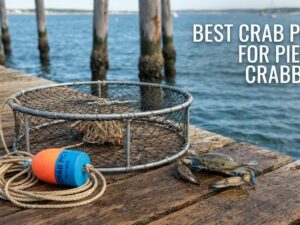
Pier crabbing demands different equipment than shore-based approaches. The Promar 2-ring rigid hoop net dominates pier fishing for good reason. Its collapsible design stores easily in vehicles, while the rigid frame prevents tangles during retrieval through pier railings.
For shore and jetty crabbing, single-ring nets excel when casting from angles. Their flexibility allows retrieval around rocks without constant snagging. Select models with heavy-duty netting that withstands barnacle-covered surfaces common on California jetties.
The 36-inch diameter provides optimal catching area without becoming unwieldy during retrieval. Smaller nets catch fewer crabs; larger nets become difficult to handle from elevated piers.
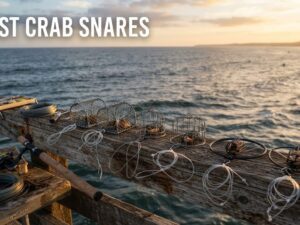
Crab Snares - Legality Clarification for SoCal
Significant confusion exists regarding crab snare legality in Southern California. Here is the definitive answer: crab snares are NOT legal for general rock crab fishing in California waters. The California Department of Fish and Wildlife specifies that recreational crabbers must use hoop nets, crab pots, or hand capture methods only.
Crab snares, which use loops that tighten around crab legs when retrieved, are restricted to specific commercial applications and certain experimental fisheries. Using them for recreational rock crabbing violates CDFW regulations and risks citations.
Many online forums and social media posts incorrectly suggest snares work for SoCal crabbing. Do not rely on this misinformation. Stick to approved hoop nets and crab rings to stay legal and avoid fines that can exceed $500 for gear violations.
Proper Buoy Setup and Whale-Safe Regulations
California law mandates specific buoy configurations that identify your gear and prevent whale entanglements. Each trap requires exact components that many beginners overlook:
- Main buoy displaying your GO ID number in 2-inch letters
- Red marker buoy attached for visibility
- Weighted line to prevent floating loops that could trap marine mammals
- Breakaway cotton twine (size 120 or less) that dissolves if gear becomes lost
Store-bought trap kits frequently include non-compliant buoys without proper ID requirements. Upgrade immediately to avoid citations and protect migrating whales that travel through SoCal waters. The breakaway cotton twine requirement specifically addresses ghost fishing prevention, ensuring lost gear does not continue catching crabs indefinitely.
Best Bait for SoCal Crabs - Unexpected Winners
Traditional wisdom suggests fish carcasses, but Southern California crabbers have discovered surprising alternatives that consistently outperform expectations. Understanding bait selection separates consistent producers from frustrated anglers.
Top-performing baits include:
- Chicken legs and thighs (freezer-burned works perfectly)
- Mackerel or bonito heads from local bait shops
- Rockfish carcasses from previous fishing trips
- Turkey necks from grocery stores
- Salmon scraps when available
The key factor is oil content rather than freshness. Crabs detect scent through water, and oily fish species native to our waters broadcast attractive smells further than fresh but low-oil alternatives. Many successful crabbers swear by chicken as their secret weapon, particularly the fatty skin portions that release scent gradually throughout the soak.
Comparing Crabbing Methods: Pier vs. Boat vs. Shore
Each crabbing environment requires different approaches, equipment, and expectations. Understanding these differences helps you choose the right method for your skill level, available time, and desired experience.
Pier crabbing offers the most accessible entry point. No license required, stable platforms eliminate balance concerns, and amenities like restrooms and food are typically available. However, you compete with other anglers for limited railing space, and productive depths may require longer rope than you initially expect.
Boat crabbing opens unlimited territory but demands significant investment. You need vessel access, proper licensing, knowledge of navigation rules, and ability to read charts and fish finders. The rewards include access to less-pressured populations and larger average crab sizes in deeper water.
Shore and jetty crabbing bridge the gap between accessibility and adventure. Jetties provide structure that concentrates crabs, but require physical agility and constant safety awareness. Beach crabbing demands specialized knowledge of tides and surf conditions. If you want to try crabbing without investing in equipment first, check out our guide on hand crabbing techniques that require no gear.
Step-by-Step Crabbing Techniques
Mastering the right technique for each environment dramatically improves your catch rate. These proven methods work consistently across Southern California waters when executed properly.
Pier Crabbing Method
Pier crabbing provides the easiest entry point for beginners. Start by securing your hoop net's rope to the pier railing using a proper cleat hitch. This prevents lost gear if you need both hands free suddenly.
Lower your baited net straight down, maintaining contact with the bottom. The technique involves keeping slack out of your line while allowing the net to rest flat on the seafloor. Every 10-15 minutes, retrieve smoothly and steadily without jerking motions that alert crabs to danger.
Position yourself where currents carry your scent trail past structure. Pier pilings create eddies that concentrate both bait scent and foraging crabs. Work different depths until you locate actively feeding crabs. For optimal results, learn when to check your traps based on conditions, soak times, and crab behavior patterns.
Time your retrieves with wave sets when possible. The slight surge helps prevent crabs from escaping during the critical first few feet of lifting.
Boat Crabbing in Deeper Waters (30-60 feet)
Boat crabbing opens vast territory unreachable from shore. Modern fish finders help locate rocky bottom structure where crabs congregate. Mark productive spots on your GPS for efficient return trips.
Deploy multiple traps in a line along depth contours rather than randomly. This pattern lets you efficiently work an area while determining preferred depths. Space traps at least 50 feet apart to prevent tangling during retrieval.
Soak times vary with conditions, but 45-60 minutes typically produces best results. Longer soaks do not necessarily yield more crabs and increase bait theft from sea lions, seals, and octopi that raid unattended traps.
Jetty and Shore Crabbing Strategies
Jetty crabbing demands specialized tactics due to rocky terrain and surge conditions. Scout your spot at low tide to identify channels and pockets where crabs shelter. These same areas produce during higher tides when crabs actively forage.
Cast hoop nets parallel to the rocks rather than straight out. Crabs patrol the edges where waves stir up food particles. Work your net slowly through productive zones, pausing frequently to let crabs investigate your bait.
Jetty Safety: Avoiding Sneaker Waves
Jetty safety requires constant vigilance. California's coastline experiences dangerous sneaker waves - unusually large waves that appear without warning during otherwise calm conditions. These waves have claimed lives on jetties throughout the state.
- Never turn your back on the ocean - maintain constant visual contact with approaching waves
- Wear appropriate footwear with aggressive tread patterns for wet, barnacle-covered rocks
- Carry a whistle for emergency signaling if swept off the jetty
- Check weather reports before jetty crabbing and avoid days with high surf advisories
- Fish with a partner when possible - someone should always watch the waves while the other handles gear
- Know your exit route - identify the fastest path to safety before starting
If you observe waves washing over the jetty surface where you stand, immediately move to higher ground. Conditions change rapidly, and what seems safe for ten minutes can become dangerous without warning.
Best Times - Tide Timing Matters
Crab activity peaks during specific tidal conditions. The two hours before high tide through the slack tide period consistently produces best results. During this window, crabs move from shelter into feeding areas without fighting strong currents.
Low light conditions - early morning and sunset - further improve success as crabs feel safer from predators. Night crabbing produces excellent action where legally permitted, as crabs abandon caution in darkness. Bring quality headlamps and backup batteries for safety.
California Crabbing Regulations You Must Know
Understanding current CDFW crabbing regulations keeps you legal and protects crab populations for future generations. California enforces strict rules with substantial penalties for violations. The CDFW website provides official documentation that supersedes any secondary source.
License Requirements and Public Pier Exemption
Anyone 16 or older needs a valid California fishing license with ocean enhancement stamp for crabbing outside of public piers. The single significant exception applies to public piers, where no license is required regardless of age or residency status.
This exemption makes public piers perfect for trying crabbing before investing in licenses and equipment. All other locations - jetties, beaches, boats, and private docks - require proper licensing. Purchase licenses online through the CDFW licensing system or at authorized tackle shops throughout the state.
Licenses run calendar year from January through December. Short-term options exist for visitors, including one-day, two-day, and ten-day licenses. Consider whether the cost of a full annual license versus short-term options makes sense for your planned crabbing frequency.
Size and Bag Limits - 35 Per Day, 4-Inch Minimum
Southern California maintains generous bag limits of 35 rock crabs per person daily. This limit combines all rock crab species - red, yellow, and brown. Measure crabs across the widest part of their shell, excluding spines. The 4-inch minimum applies to all rock crab species.
Carry a crab measuring device and check every crab immediately upon capture. Undersized crabs must be released immediately where caught. Holding undersized crabs in buckets or live wells violates regulations, even if you intend to release them later. Fish and Wildlife wardens regularly check catches and issue citations for size violations.
Trap Limits and Recreational Crab Trap Validation
Recreational crabbers may deploy up to 10 traps per person. This limit applies to all trap types combined - you cannot carry 10 hoop nets and 10 crab rings and use them alternately. Each trap requires servicing within 9 days, meaning you cannot leave gear soaking indefinitely while you wait for optimal conditions.
Current CDFW regulations require recreational crab trap validation in addition to your fishing license. This endorsement costs $2.25 and funds management programs that support sustainable crabbing opportunities. Display your GO ID number on all buoys in 2-inch lettering as required by law.
Abandoned gear creates navigation hazards and ghost fishing situations that kill marine life unnecessarily. Remove all traps when you finish crabbing, regardless of whether they produced catches.
Whale Protection Zones and Seasonal Closures
California's marine ecosystem includes migrating whales vulnerable to entanglement in crab gear. The CDFW Director may implement emergency closures when whale concentrations create entanglement risks. Check the CDFW website before trips during March through May when restrictions commonly occur in deep-water areas.
Commercial and recreational crabbers must avoid setting gear in known migration corridors during high-risk periods. The whale-safe fisheries protocols include specific depth restrictions and gear modifications designed to reduce entanglement probability. Stay informed about current zone status through official CDFW communications.
Month-by-Month Crabbing Calendar for Southern California
Southern California's mild climate enables year-round crabbing, but each season offers unique opportunities and challenges. Understanding these patterns helps you plan productive trips.
January-February: Winter storms stir up nutrients that trigger aggressive feeding. Cooler water temperatures bring crabs into shallower areas accessible from piers. Expect minimal competition at popular spots during weekday sessions. This period often produces the largest crabs of the year as they pack on weight before spring.
March-April: Spring conditions create excellent crabbing before summer crowds arrive. Watch for whale protection closures in deeper waters that may affect boat crabbing access. Pier fishing peaks as crabs move inshore to molt, making them hungry and aggressive.
May-June: Early morning sessions beat increasing recreational traffic as temperatures rise. Water clarity improves, making crabs more cautious about approaching bait. Switch to smellier baits as competition from natural bait fish increases.
July-August: Peak summer brings crowds but consistent crabbing for those willing to adapt. Night sessions avoid both heat and daytime anglers. Tourist areas like Catalina see heaviest pressure, so consider less-famous piers for better action.
September-October: Fall transition triggers aggressive feeding as crabs prepare for winter. Hurricane swells from southern storms can temporarily shut down jetty access. Lobster season preparation reduces crabbing pressure as anglers switch targets.
November-December: Cool-water species like spider crabs appear in greater numbers. Holiday weeks see minimal pressure at typically crowded spots. Storm swells bring large crabs close to shore following disturbance of the seafloor.
Common Mistakes to Avoid When Crabbing in SoCal
Learning from others' errors accelerates your success. These common mistakes frustrate beginners but prove easily avoidable with proper knowledge and preparation.
Expecting Dungeness crabs: Southern California lacks the cold water Dungeness require. Anglers arriving from northern states often waste time pursuing species that do not exist here in significant numbers. Focus on our abundant rock crab species instead, which offer excellent eating when prepared properly.
Wrong bait choices: Fresh bait seems logical but often underperforms aged alternatives. Crabs detect scent through water, and smelly offerings broadcast further than fresh but low-odor options. That freezer-burned chicken works better than fresh white fish for this reason.
Improper measuring techniques: Measure crabs immediately upon capture using a proper crab measuring device. Waiting until you are ready to leave risks citations if checked by wardens. Keep your measuring tool attached to your bucket so it remains handy.
Not checking traps frequently enough: Extended soak times do not equal more crabs. Sea lions, seals, and octopi raid unattended traps, stealing bait or becoming entangled. Check every 45-90 minutes for optimal results and to prevent wildlife conflicts.
Ignoring tide charts: Arriving at random times ignores the tidal patterns that govern crab movement. Check tide tables before planning trips, targeting the hours before high tide when crabs actively forage.
Alternative Options When Shore Crabbing Isn't Producing
When pier and shore spots disappoint, several alternatives keep you catching crabs without traveling to Northern California. For a complete list of crabbing locations throughout the state, including Northern California Dungeness crab spots, see our guide to the best crabbing spots in California.
Charter Boat Crabbing from Huntington Beach
Local charter services specialize in combination trips targeting crabs, fish, and lobster (in season). These experienced captains know productive spots unreachable by most private boaters, accessing depths and structure that hold consistent populations.
Half-day trips typically cost $75-95 per person including gear and bait. Many operators clean your catch, eliminating the messiest part of crabbing. Family-friendly boats accommodate all skill levels, making this option perfect for introducing children to crabbing without equipment investment.
Planning a Trip North to the Bay Area
Serious crabbers eventually make the pilgrimage north for Dungeness opportunities. The 6-hour drive from Los Angeles reaches productive waters around Half Moon Bay and Pacifica, where Dungeness crab season runs November through June.
Plan overnight trips to maximize driving investment. Many Bay Area piers allow overnight crabbing with proper lighting. Book accommodations early during peak Dungeness season, as coastal hotels fill quickly with recreational and commercial crabbers.
Combining Crabbing with Lobster Hooping
October through March offers unique opportunities to target both crabs and California spiny lobster during single trips. Use separate hoops for each species, as regulations differ significantly between crustacean types.
The same areas producing lobster often hold large rock crabs. Work shallower spots for crabs before moving deep for lobster after dark. This combination maximizes your seafood haul and provides variety for the dinner table.
Pro Tips from Local Southern California Crabbers
Veteran crabbers willing to share knowledge accelerate your learning curve. These insider tips come from decades of collective experience on SoCal waters.
Location-specific patterns: At Balboa Pier, fish the south corner during outgoing tides for best results. Ventura Pier's mid-section pilings consistently hold more crabs than the far end. Oceanside's south side produces better during Santa Ana wind conditions that push warmer water offshore.
Advanced baiting techniques: Create bait bags using pantyhose for slow scent release that lasts longer than loose bait. Mix chicken with canned cat food for an oily combination crabs find irresistible. Freeze bait in sealed containers to prevent freezer burn while maintaining oil content.
Reading conditions: Crabs feed aggressively before storm fronts as barometric pressure drops. Slightly murky water after rain outfishes crystal-clear conditions by masking your presence. Full moon nights see decreased activity as crabs avoid increased predator visibility.
Equipment modifications: Add weight to hoop net centers for faster drops to the bottom. Attach glow sticks to buoys for night identification. Use cable ties instead of rope for certain connections to prevent tangling on rough surfaces.
How to Clean and Cook Your Southern California Catch
Proper cleaning maximizes meat yield while minimizing mess. Rock crabs require slightly different techniques than Dungeness but prove equally delicious when handled correctly.
Start by humanely killing crabs using the spike method or ice water bath. Remove the top shell by gripping firmly and pulling away from the body. Discard the gills (called "dead man's fingers") and rinse the body cavity thoroughly under cold water.
Quarter large crabs using kitchen shears, cutting between leg joints. Smaller specimens cook whole after cleaning. Crack claws with a mallet before cooking to allow seasoning penetration and easier meat removal later.
Simple steaming method: Bring 2 inches of salted water to boil in a large pot. Add crabs, cover, and steam 8-10 minutes until shells turn bright orange. Serve immediately with melted butter and lemon wedges. Rock crab meat works excellently in crab cakes, dips, and pasta dishes where Dungeness recipes traditionally apply.
Frequently Asked Questions
What months are crabs in season in California?
Rock crabs are available year-round in Southern California due to the mild climate. The best catches typically occur from November through March when cooler water brings crabs into shallower areas and reduces angler competition. Dungeness crabs follow a more defined season from November through June north of Point Conception.
Can you crab for free in California?
Yes, crabbing is free from public piers in California. The public pier exemption eliminates fishing license requirements for all ages when crabbing from approved public piers. However, jetties, beaches, boats, and private docks all require proper licensing for anglers 16 and older.
What are the new regulations for crabbing in California?
Current CDFW regulations require recreational crab trap validation ($2.25) in addition to your fishing license. You may use up to 10 traps per person, each requiring your GO ID number on buoys in 2-inch letters. The daily bag limit is 35 rock crabs with a 4-inch minimum size. Traps must be serviced within 9 days.
Can you find Dungeness crabs in Los Angeles or San Diego?
No, Dungeness crabs require colder water than Southern California typically provides. These prized crustaceans rarely venture south of Santa Barbara according to CDFW data. Focus your efforts on abundant rock crab species instead, which offer excellent table fare when properly prepared.
Do I need a fishing license to crab from a public pier?
No, public piers exempt anglers from license requirements regardless of age or residency. This exception makes piers perfect for trying crabbing before investing in licenses and equipment. All other locations require proper licensing for anyone 16 or older, including jetties and beaches.
What's the best season for crabbing in Southern California?
Southern California offers year-round crabbing opportunities thanks to mild climate conditions. Late fall through early spring (November-March) typically produces the best catches as crabs feed heavily during cooler months and fewer anglers compete for prime spots.
How deep should I set my crab traps?
Pier crabbers find success in 15-30 feet of water directly below the structure. Boat crabbers should target 30-60 foot depths where rocky structure meets sand. Deeper sets to 80 feet produce during winter months when crabs migrate offshore following food sources.
Is night crabbing legal in California?
Yes, California allows 24-hour crabbing in most locations. Some city piers close after dark for safety reasons, so check local regulations. Night crabbing often produces better than daylight hours as crabs actively forage under darkness protection. Bring quality headlamps and backup batteries for safety.
Are crab snares legal in Southern California?
No, crab snares are not legal for recreational rock crab fishing in California waters. CDFW regulations specify hoop nets, crab pots, or hand capture methods only. Using crab snares violates regulations and risks citations exceeding $500. Stick to approved gear to stay legal.
What is the Recreational Crab Trap Validation?
The Recreational Crab Trap Validation is a $2.25 endorsement required in addition to your California fishing license. This validation funds crab management programs and helps maintain sustainable fisheries. You must purchase this before deploying any crab traps, and display your GO ID number on all buoys.
Conclusion
Southern California crabbing offers year-round opportunities for delicious seafood without fighting the crowds that descend on Northern California Dungeness fisheries. From Santa Barbara's Goleta Pier to San Diego's Oceanside Pier, abundant rock crab populations await both beginners and experienced crabbers willing to learn local techniques.
Remember these essentials: target red and yellow rock crabs at the six proven locations detailed above, use proper hoop nets with smelly bait, and follow California's regulations including the 35-crab daily limit, 4-inch minimum size, and required $2.25 Recreational Crab Trap Validation. Never use crab snares in SoCal waters, and always practice jetty safety when crabbing from rock structures.
This weekend, grab basic gear and head to your nearest public pier, where no license is required. Start with a simple hoop net, some chicken for bait, and patience. Soon you will join the ranks of successful Southern California crabbers filling buckets with these delicious crustaceans.
Most importantly, respect our marine resources by following CDFW regulations, releasing undersized crabs immediately, removing all gear when finished, and staying informed about whale protection closures. These practices ensure future generations can enjoy the same fantastic crabbing opportunities we experience today throughout the Southern California coast.