The best crabbing in Myrtle Beach SC happens at Veterans Pier in Murrells Inlet, Cherry Grove Pier, Apache Pier, Myrtle Beach State Park, and Pier 14. These prime locations along the 60-mile Grand Strand offer year-round blue crab opportunities with peak season running June through December when blue crabs are most active in the warm coastal waters and extensive salt marsh systems. No license is required when crabbing from fee-charging piers, but a saltwater fishing license is needed for free locations using more than three traps.
The Grand Strand's blue crab populations thrive because the region combines ideal habitat with responsible management by the South Carolina Department of Natural Resources. Callinectes sapidus, the Atlantic blue crab, represents one of the most economically and ecologically important species in these waters, supporting both commercial fisheries and recreational traditions that families have enjoyed for generations.
This updated guide for 2026 covers everything you need to start catching crabs, from understanding the difference between jimmies (mature males) and sooks (mature females) to mastering advanced techniques like trotlines and kayak crabbing. You will find detailed information on 11 crabbing locations, current SCDNR regulations, expert tips gathered from forum discussions, and expanded answers to every common question about crabbing in the Myrtle Beach area.
Top 6 Crabbing Spots in Myrtle Beach SC
The Myrtle Beach area offers diverse crabbing environments ranging from bustling piers teeming with families to secluded marshes where experienced crabbers pursue trophy specimens. These locations have earned their reputation through consistent catches, convenient facilities, and accessibility for crabbers of all experience levels.
Cherry Grove Pier - The Local Favorite
Cherry Grove Pier stands as one of the most beloved crabbing South Carolina beach destinations, built in the 1950s and offering walk-on access for just $3. The pier's bait shop stocks crab nets starting at $6, making it easy for visitors to get started without bringing their own equipment. Forum members note that the Cherry Grove Inlet near the water tower where boats launch produces excellent results for those who know the spot.
The pier extends into productive waters where the saltwater marsh meets the ocean, creating ideal conditions for blue crabs to congregate. Mid-pier sections prove most popular among local crabbers because currents carry bait scents throughout the area, attracting crabs from multiple directions.
Myrtle Beach State Park - Best for Families
Myrtle Beach State Park transforms crabbing into an educational adventure perfect for introducing children to coastal marine life. Located at 4401 South Kings Highway, the park offers the popular "A Crabby Experience" program that provides expert guidance and all necessary equipment.
No fishing license is required on the park's pier, making it one of the most accessible crabbing locations in SC for visitors. The program includes trap rental and instruction from park rangers who share fascinating facts about blue crab biology, including the remarkable fact that blue crabs molt approximately 20 times during their lifetime.
Apache Pier - The East Coast's Longest
Apache Pier holds the title as the East Coast's longest wooden pier, stretching far into productive crabbing waters. Adult walk-on access costs just $1, making it one of the most budget-friendly options among the best crabbing spots in SC.
The pier's exceptional length means crabbers can find spots away from crowds, which matters significantly during peak summer months when 50 or more people may be crabbing simultaneously at popular locations. The bait and tackle shop stocks ring nets and fresh bait, eliminating the need to transport equipment.
Veterans Pier at Murrells Inlet Marshwalk
Veterans Pier at Murrells Inlet deserves special attention because forum discussions consistently highlight it as a top performer, yet the original article failed to cover it adequately. This dedicated fishing pier extends into the inlet's rich estuary waters where tidal currents concentrate baitfish and the crabs that follow them.
Parking presents the main challenge here. Forum members warn that finding a spot can take forever, especially during summer weekends and evening hours when the Marshwalk restaurants draw crowds. Arriving 30 minutes before opening or planning your visit during off-peak hours significantly improves your parking situation.
Veterans Pier connects directly to the Murrells Inlet community, where the "Seafood Capital of South Carolina" reputation stems partly from the abundant blue crab populations in these marshes. The area around Sara J's restaurant features a local-favorite dock that experienced crabbers recommend for consistently good catches. Many serious crabbers report their largest jimmies from these waters, as the nearby salt marshes provide perfect nursery habitat while the main channel offers deeper water for larger specimens.
Pier 14 - Downtown Myrtle Beach
Pier 14 holds a unique distinction as the only pier located in downtown Myrtle Beach proper, making it a convenient option for visitors staying in the heart of the resort area. Discover South Carolina and Blue Crab Forum discussions both highlight this pier as a viable option that many visitors overlook in favor of the more famous locations north and south.
Located at 1306 Ocean Boulevard, the pier offers reasonable rates and provides access to waters that receive runoff from the nearby inlet systems, creating productive feeding grounds for blue crabs. While smaller than Apache or Cherry Grove, Pier 14 delivers consistent results when other spots are crowded, and its shorter length means less walking with gear.
The pier features a full-service bait shop stocked with chicken legs, necks, and frozen bait options. Its central location makes it ideal for families wanting to combine crabbing with other vacation activities, and the adjacent restaurant provides convenient dining options when the crabs are not cooperating.
Hidden Marsh Locations
Beyond the popular piers, experienced crabbers know that Murrells Inlet and the Litchfield causeway area harbor some of the most productive blue crab populations. These lesser-known spots offer excellent crabbing fishing in South Carolina opportunities without pier fees, though they require more local knowledge to access effectively.
Garden City Community Park's marsh pier provides free access to brackish waters where crabs congregate. The calm waters and abundant food sources in these areas attract larger jimmy crabs throughout the season. The surrounding marsh grass provides perfect nursery habitat for juvenile crabs, ensuring good catches for years to come.
Quick Comparison Table of Locations
| Location | Walk-On Fee | Equipment | License Required | Best For |
|---|---|---|---|---|
| Cherry Grove Pier | $3 | $6 nets available | No | All skill levels |
| Myrtle Beach State Park | $5 park admission | Programs include gear | No | Families with kids |
| Apache Pier | $1 | Bait shop on site | No | Budget crabbers |
| Veterans Pier | Free | Bring your own | Yes if over 3 traps | Serious crabbers |
| Pier 14 | $2 | Bait shop on site | No | Downtown visitors |
| Garden City Park | Free | Bring your own | Yes if 4+ traps | Local knowledge |
Understanding Blue Crab Season in South Carolina
Successful crabbing depends heavily on understanding seasonal patterns that govern blue crab behavior, migration, and availability. The Grand Strand's position along the Atlantic Flyway creates distinct windows when crabs are most active and easiest to catch. For a complete month-by-month breakdown of when to catch blue crabs in South Carolina, including peak months and off-season strategies, check out our detailed when to catch blue crabs in South Carolina guide.
Peak Crabbing Months (June-December)
June marks the beginning of peak season when warming waters above 70 degrees Fahrenheit trigger increased feeding and mating behaviors in blue crab populations. This warming period brings crabs out of their winter dormancy in deeper waters and into the shallow marshes and tidal creeks where they feed actively.
The absolute best catches typically occur from October through December when mature crabs are heaviest and most abundant. During these months, large male crabs, called jimmies by locals, congregate in rivers and creeks preparing for winter, while egg-bearing females migrate toward higher salinity ocean waters.
How Water Temperature Affects Crabbing Success
Water temperature serves as the primary factor determining crab activity levels throughout the year. When temperatures drop below 50 to 55 degrees Fahrenheit, blue crabs become dormant and burrow into mud, making them nearly impossible to catch. This dormancy period explains why winter crabbing produces poor results regardless of location or technique.
Optimal crabbing occurs when water temperatures range between 70 and 85 degrees Fahrenheit, typically from late spring through early fall. During extreme summer heat above 90 degrees, crabs often move to deeper, cooler waters during midday hours, making early morning and late afternoon sessions more productive than midday attempts.
Tidal Patterns and Best Times to Crab
Successful crabbers align their trips with tidal movements that bring crabs into feeding areas. The two hours before and after high tide produce the most consistent results as crabs ride currents searching for food. Moving water carries scent from bait further, attracting crabs from greater distances.
Forum members consistently confirm that low tide is often best because crabs come out of the mud when the tide starts coming in. Slack tide periods often result in slower catches as crabs become less active without current stimulation. Smart crabbers check local tide charts and plan their arrival to coincide with optimal tidal windows.
Migration Patterns in Myrtle Beach Waters
Understanding blue crab migration helps predict where to find the best catches throughout the season. Spring brings crabs from deep winter waters into shallow marshes and creeks for feeding and mating. The combination of warming temperatures and increasing day length triggers this annual movement.
By late fall, large males remain in brackish upstream areas while females carrying eggs, known as sponge crabs, migrate toward higher salinity ocean waters. This pattern explains why different locations produce better results at various times of year and why experienced crabbers rotate their spots seasonally.
Blue Crab Lifecycle and Molting
Blue crabs undergo remarkable transformation throughout their lives, molting their hard outer shell repeatedly as they grow. A blue crab molts approximately 20 times during its lifetime, which is why the PAA question "what do blue crabs do 20 times?" refers to this critical growth process that fascinates both scientists and crabbers alike.
During molting, a crab absorbs water to build pressure, then splits its old shell and emerges in a soft, vulnerable state. The new shell hardens over several days, during which the crab is particularly defenseless. Peeler crabs are those in the immediate pre-molt stage, recognizable by the pinkish separation line along the shell edges.
Understanding molting matters because some jurisdictions have specific regulations about harvesting soft-shell or peeler crabs, though South Carolina recreational crabbing focuses primarily on hard-shelled crabs meeting minimum size requirements. The lifecycle also explains why protecting egg-bearing females remains critical for population sustainability, as each female can produce multiple egg masses during her lifetime, potentially releasing over 8 million eggs.
Complete Guide to Crabbing Locations in SC
The Grand Strand offers diverse crabbing environments ranging from crowded ocean piers to secluded marsh areas. Each setting presents unique advantages, challenges, and techniques that successful crabbers learn to navigate. For even more crabbing options just south of Myrtle Beach, explore our guide to Murrells Inlet crabbing spots including the popular Veterans Pier at the Marsh Walk.
North Myrtle Beach Crabbing Spots
North Myrtle Beach offers some of the most productive crabbing waters along the Grand Strand. Cherry Grove Pier anchors this region with its ideal position where ocean meets marsh, creating optimal conditions for hungry blue crabs. The inlet's extensive grass beds harbor juvenile crabs and attract larger specimens during moving tides.
Beyond the pier, Cherry Grove Inlet provides excellent wade-fishing opportunities for those comfortable working in shallow waters. Local knowledge proves invaluable here, as underwater structure and current patterns significantly impact success. The residential canals throughout North Myrtle Beach also produce surprising results, especially during evening hours when many vacation rental properties include private docks where guests can drop south carolina crabbing traps directly from their backyard.
Just 25 miles north, Pawleys Island crabbing offers quieter marshes and less crowded conditions for those willing to venture further, making it an excellent day trip option for crabbers seeking different terrain.
Central Myrtle Beach Locations
Apache Pier dominates the central beach crabbing scene with its impressive length and established reputation. The pier's position allows access to varying water depths, letting crabbers target different areas as conditions change throughout the day. Second Avenue Pier serves as the southern anchor of Myrtle Beach's famous boardwalk, combining entertainment with excellent crabbing opportunities.
Pier 14 offers a convenient downtown alternative that many visitors miss. This smaller pier provides access to productive waters without the crowds found at larger facilities, making it particularly valuable during peak season when maintaining the recommended 10-foot spacing between crabbers becomes challenging at popular locations.
South Myrtle Beach and Garden City
Myrtle Beach State Park preserves a pristine coastal environment where blue crabs thrive in protected waters. The park's pier extends into Singleton Swash, a natural waterway that concentrates marine life and provides reliable catches throughout the season. Garden City Community Park surprises many visitors with its productive marsh pier tucked away from tourist areas, attracting serious crabbers who appreciate the calm waters and consistent catches.
Hidden Gems: Murrells Inlet and Litchfield
Murrells Inlet earns its reputation as the "Seafood Capital of South Carolina" partly due to exceptional crabbing opportunities. The inlet's extensive marsh system covers thousands of acres where blue crabs feed and breed in the protected estuary environment. Public boat landings provide free access to prime crabbing waters, though a boat greatly expands available territory.
The marshes behind Huntington Beach State Park offer particularly good results for those willing to explore beyond the main channels. Litchfield's causeway bridges create current breaks where crabs congregate to ambush prey. Forum members report that using crab pots at the Litchfield causeway works especially well during incoming tide, and early morning and evening sessions produce best results when boat traffic diminishes.
Kayak and Boat Crabbing
For experienced crabbers seeking adventure beyond the pier, kayak and boat crabbing opens up entirely new possibilities. Blue Crab Forum discussions highlight that seasoned locals use trotlines from boats for serious crabbing, catching significantly more than pier-based methods allow. The mobility advantage often results in dramatically higher catch rates compared to stationary pier fishing.
Kayaks provide access to shallow marshes inaccessible by larger boats, letting you position your traps in spots where crabs feel safest. Many crabbers report that paddling quietly into a marsh cove and setting a few traps produces remarkable results compared to crowded pier locations. This method has gained tremendous popularity among adventure-seeking anglers in the Murrells Inlet and Huntington Beach State Park areas.
Small boats, including jon boats and skiffs, expand crabbing territory even further. Crabbers can deploy trotlines across channels, set multiple traps in rotation, and access GPS-marked hotspots known only to locals. Safety considerations become paramount when kayak crabbing, as tide changes in South Carolina estuaries can create dangerous currents quickly. Always wear a personal flotation device, carry a whistle or horn, and check weather conditions before launching.
Interactive SC Crabbing Map Resources
Modern technology enhances traditional crabbing knowledge through interactive mapping tools. The South Carolina Department of Natural Resources provides detailed coastal maps showing public access points, water depths, and marked channels that help plan successful trips.
Several mobile apps now offer real-time tide information and GPS marking for productive spots. These tools prove especially valuable when exploring new areas or planning trips around optimal tidal conditions. The NOAA Tides and Currents website provides accurate predictions for the Grand Strand area.
Essential Crabbing Equipment and Best Crab Traps in SC
Having the right gear significantly impacts your crabbing success and enjoyment. The good news is that basic crabbing requires minimal investment compared to other outdoor activities. Many crabbers combine their trip with fishing, so see our guide to Myrtle Beach fishing spots on the same piers.
Pier Crabbing Gear (Ring Nets, Star Traps)
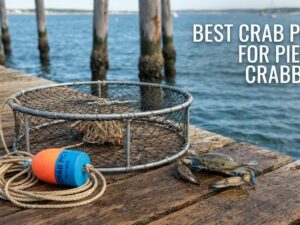
Ring nets reign supreme for pier crabbing due to their simplicity and effectiveness. These collapsible nets lay flat on the bottom, allowing crabs easy access to bait before being swiftly lifted when you see the line go taut. Most south carolina crabbing traps of this type cost between $15-25 and last multiple seasons with proper care.
Star traps offer similar benefits with added stability in strong currents. Their pyramid shape prevents rolling while multiple entrance points increase catch rates. Both designs work well when crabbing from elevated pier positions where you can lift traps quickly.
Box traps provide another option, particularly effective for overnight sets. However, most public piers prohibit unattended equipment, limiting their use to private docks or shoreline locations.
Shoreline Equipment (Handlines, Crab Snares)
Handline crabbing represents the most traditional and affordable method requiring only string, bait, and a dip net. This technique excels in shallow water where crabs can be slowly coaxed within netting range. Forum members confirm that a cheap crab net and raw chicken legs from the grocery store provides budget-friendly entry into the hobby.
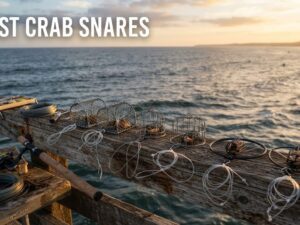
Crab snares attached to fishing rods allow greater casting distance from shore. These specialized rigs use loops that tighten around crabs when reeled in, though success requires practice and proper timing to avoid losing your catch at the surface.
Folding traps work well from low docks or when wading, combining portability with hands-free operation. Their compact size makes them ideal for vacation travelers with limited vehicle space.
Trotline Crabbing Technique
The trotline represents one of the most productive methods for serious crabbers, especially those with boats. A trotline is essentially a long horizontal line with drop strings attached at regular intervals, each holding bait. Forum discussions mention "a bucket of trotline" as a popular method among experienced crabbers that the original article completely omitted.
Setting a trotline involves anchoring one end, running the line across a channel or marsh area, and securing the other end. Crabs grab the baited hooks along the line, and you retrieve them periodically by pulling the main line and picking off the catch. A typical trotline setup spans 100-300 feet with baited lines every 6-8 feet.
This method excels when crabs are scattered over a large area, as a single trotline can cover territory that would require multiple stationary traps. Boat-based crabbers often run multiple trotlines simultaneously, dramatically increasing their catch potential compared to shore-based methods. Local etiquette requires maintaining at least 10-foot spacing between your trotline and any others in the area.
Where to Buy or Rent Equipment Locally
Most pier bait shops stock basic crabbing equipment at competitive prices, eliminating the need to transport gear. Cherry Grove Pier offers complete setups including nets and bait for under $15 total. Pier shops often provide better location-specific advice than generic sporting goods stores.
For those seeking quality gear, Boulineau's IGA True Value in North Myrtle Beach maintains an extensive fishing department with knowledgeable staff who can recommend appropriate best crab traps in SC for specific locations and conditions.
Grocery stores throughout the Grand Strand area carry chicken necks and chicken legs for bait. Forum members confirm that Food Lion and Piggly Wiggly typically stock these items in their meat departments, often at lower prices than tourist-area bait shops.
DIY Crab Trap Tips for Budget Crabbers
Creating homemade crab traps saves money while providing customization options for specific situations. Simple ring nets can be constructed using bicycle rims and fishing net material for under $10, delivering performance comparable to commercial products.
Weighted mesh bags work effectively as disposable traps when crabbing from bridges or piers. These biodegradable options eliminate retrieval concerns if snagged on underwater obstacles, making them ideal for exploring new locations.
South Carolina Crabbing Regulations 2026
Understanding and following South Carolina crabbing regulations protects blue crab populations for future generations while keeping you in good standing with wildlife authorities. Marine patrol officers regularly check crabbing activities for compliance, particularly during peak season when violations most impact crab populations.
License Requirements and Exceptions
South Carolina requires a saltwater fishing license for most crabbing activities, but important exceptions benefit casual crabbers. Using three or fewer drop nets, fold-up traps, or handlines exempts you from licensing requirements, making pier crabbing accessible for visitors without advance paperwork.
Licensed public fishing piers charging admission fees cover guests under their commercial permits. This exemption makes piers attractive for vacation crabbing without additional licenses or expense. Always confirm current policies with individual piers, as regulations may change seasonally.
Residents and visitors can purchase licenses online through the SCDNR website or at numerous retail locations throughout the Grand Strand. Annual licenses cost $35 for residents and $75 for non-residents as of 2026, while temporary options suit vacation schedules. Contact the SCDNR Information Center at 803-734-3883 with any regulatory questions before your trip.
Size and Catch Limits
Blue crabs must measure at least 5 inches from point to point across the shell to keep legally. This size limit ensures crabs reach reproductive maturity before harvest, sustaining populations for future generations. Measure across the widest points of the shell, not including the points themselves.
No daily catch limits apply to recreational crabbers using legal methods. However, responsible harvesting means taking only what you will use fresh, as blue crab meat quality deteriorates quickly after harvest. Experienced crabbers recommend keeping only what you can process within 24 hours for best quality.
Measuring devices should accompany all crabbing equipment to quickly assess legal size. Many crabbers mark the 5-inch measurement on trap handles or pier railings for convenient reference without constantly reaching for a ruler.
Protected Crabs (Sponge Crabs and Sooks)
Female crabs carrying egg masses, called sponge crabs, receive complete protection under South Carolina law. These orange egg masses contain up to 2 million developing crabs and represent the future of the blue crab population. Violations involving sponge crabs carry significant penalties because of their critical importance to population sustainability.
Understanding crab terminology helps identify protected specimens. A jimmy refers to a mature male blue crab, identifiable by the T-shaped apron on the underside. A sook is a mature female with a rounded U-shaped apron resembling the color of an apple. Sooks may be harvested if they meet the 5-inch minimum size and are not carrying eggs.
Sponge crabs appear most frequently from April through August during peak spawning season. The bright orange coloration makes identification straightforward even for beginners. Immediately returning sponge crabs unharmed carries serious importance beyond legal compliance.
Equipment and Method Restrictions
South Carolina law restricts recreational crabbers to specific gear types. Legal equipment includes handlines, dip nets, drop nets, fold-up traps, trotlines, and crab pots in certain areas. Each crabber may deploy no more than 10 traps total.
Commercial-style crab pots require specific permits and tagging. Recreational crabbers should avoid commercial-grade pots unless properly licensed. Traps must be attended or checked at least every 24 hours, though most public piers prohibit overnight sets anyway.
Peeler crab traps, designed to catch molting crabs, face additional restrictions in certain areas. Check local regulations before using specialized gear. The 2026 regulations maintain these restrictions to protect breeding populations during vulnerable molting periods.
Fines and Enforcement
Marine patrol officers regularly conduct compliance checks during peak season. Fines for violations start at $205 for first-time offenses and increase substantially for repeat offenses or egregious violations involving protected species. Keeping undersized crabs or sponge crabs results in immediate citations plus potential gear confiscation.
Forum members consistently report that SCDNR officers do actively patrol popular crabbing areas, particularly around Murrells Inlet and the state park. The SCDNR maintains a 24-hour violation hotline for reporting suspected illegal crabbing activities.
Responsible crabbers support enforcement efforts by reporting violations and educating newcomers about regulations. Protecting the resource ensures continued enjoyment for future generations. When in doubt about any regulation, contact SCDNR before your crabbing trip.
Expert Techniques for Crabbing South Carolina Beach Areas
Mastering blue crab techniques separates consistently successful crabbers from those who struggle despite optimal conditions. These expert approaches address common challenges and provide strategies for maximizing your catch in various situations.
Best Baits for Blue Crabs
Chicken necks reign as the traditional favorite bait due to availability, affordability, and effectiveness. Their tough texture withstands repeated crab attacks while releasing attractive oils into the water column. Grocery stores throughout Myrtle Beach sell chicken necks in the meat department, often at lower prices than tourist-area bait shops.
Chicken legs offer a practical alternative when necks are unavailable. Many successful crabbers prefer legs for their ease of attachment to trap lines. Fresh fish heads and backs provide excellent alternatives, especially menhaden or mullet common in local waters.
Turkey necks last longer than chicken in areas with strong current or numerous small crabs nibbling. Some experienced crabbers swear by slightly aged bait, claiming the stronger scent attracts crabs from greater distances, though fresh bait works adequately in most situations.
Reading the Water and Tides
Successful crabbing requires understanding how water conditions affect crab behavior and movement patterns. Clear water allows visual spotting of crabs approaching bait, while murky conditions require more patience and reliance on line tension to detect bites.
Current speed determines optimal trap placement and checking frequency. Fast currents require heavier weights to keep bait in position and more frequent checks before crabs finish feeding and leave with your offering. Position traps just upstream from structure where crabs wait in eddies for food to drift by.
Water color changes often indicate productive areas where fresh and salt water mix. These transition zones concentrate bait and attract feeding crabs throughout tidal cycles. Watch for darker water indicating deeper channels where crabs travel.
Night Crabbing Strategies
Blue crabs increase activity after dark, making night crabbing highly productive for those prepared with proper equipment and safety measures. Submersible lights attract baitfish that draw crabs into trap zones, creating excellent hunting opportunities unavailable during daylight hours.
Glow sticks attached to trap lines help track multiple sets in darkness while adding minimal disturbance to the area. Red-filtered flashlights preserve night vision while allowing you to see your gear and the surrounding environment.
Safety becomes paramount when night crabbing from piers or boats. Reflective clothing, reliable lighting, and buddy systems prevent accidents in challenging conditions. Forum members emphasize that low tide at night represents the optimal combination for serious crabbers seeking maximum success.
How to Handle Blue Crabs Safely
Proper handling techniques prevent painful pinches while minimizing stress on captured crabs. Approaching from behind allows secure grasping at the base of swimming legs where claws cannot reach you. This technique takes practice but quickly becomes instinctive.
Experienced handlers often use their thumb and middle finger to hold crabs at the widest point of the shell, keeping fingers clear of pinching range. If a crab does grab you, remain calm and slowly lower the crab toward the water. Crabs typically release their grip when they feel they can escape downward.
Regarding the common question about whether crabs can hear you, blue crabs detect vibrations through sensory hairs on their bodies and claws rather than true hearing. While they sense your movements in the water, they cannot hear airborne sounds the way humans do. Loud noises and vibrations can alert crabs to danger and make them less likely to approach bait.
How to Get a Crab to Release You
If a blue crab pinches you, the most effective release technique involves returning it to the water gradually. Crabs release their grip when they sense they are returning to their element. Lower the crab back toward the water surface slowly, and it will let go as soon as it contacts the water.
Never flick or shake a crab off, as this can cause the crab to hold tighter or injure itself. Running water over the crab's claws from a water bottle can also encourage release, as they sense the water and prepare to swim away. Patience is essential throughout the process.
Family-Friendly Crabbing Programs
Myrtle Beach area organizations offer structured programs that introduce children and beginners to crabbing in supportive, educational environments. These experiences create lasting memories while teaching responsible crabbing practices and marine biology.
"A Crabby Experience" at Myrtle Beach State Park
This innovative program transforms crabbing into an educational adventure perfect for families. Park naturalists combine hands-on catching with marine biology lessons that fascinate children and adults alike, creating understanding alongside enjoyment.
The program fee includes all necessary equipment and expert instruction. Programs run select mornings during the summer season, with advance registration required due to consistent popularity. Contact the park directly for current schedule and pricing for 2026.
Participants learn crab anatomy, lifecycle, and ecological importance while actively catching specimens. The catch-and-release format teaches conservation while providing exciting close encounters with marine life. Children especially love learning the difference between jimmies and sooks.
Educational Programs and Schedules
Beyond state park offerings, several organizations provide crabbing education throughout the season. Local libraries often host free "Crabbing 101" seminars covering basics for newcomers to the activity.
Many piers offer informal instruction during slower periods, with staff happy to demonstrate techniques and share local knowledge. These impromptu lessons provide insights unavailable in any guidebook.
Tips for Crabbing with Children
Starting young crabbers with simple handline techniques builds confidence before advancing to traps. The immediate feedback of feeling crabs grab bait creates excitement and teaches patience in ways that structured activities cannot match.
Short sessions prevent boredom while maintaining enthusiasm for future trips. Planning around snack times and combining crabbing with beach play creates positive associations that encourage continued interest in marine activities.
Child-sized gloves and long-handled nets allow participation while maintaining safe distances from pinching claws. Safety remains paramount with children near water and handling crabs with powerful claws capable of breaking skin.
From Pier to Plate: Preparing Your Catch
Transforming your catch into a delicious meal represents the ultimate reward for successful crabbing. Understanding proper preparation, storage, and cooking techniques ensures your hard work translates into memorable dining experiences.
How to Clean Blue Crabs
Proper cleaning begins immediately after catch to maintain meat quality and safety. Quick cooling in ice water humanely dispatches crabs while preserving freshness for several hours before you begin the actual cleaning process.
The traditional method involves removing the top shell by pulling it straight up from the front, then discarding the gills (called "dead man's fingers") and internal organs. Break the body in half along the center line to expose the sweet meat in body chambers and claws ready for cooking.
Many crabbers prefer cleaning at pier fish-cleaning stations where running water and disposal facilities simplify the process. YouTube tutorials provide visual guidance for first-time cleaners learning the technique.
Storage and Transportation Tips
Live crabs require cool, moist conditions during transport from pier to kitchen. Wet newspapers or seaweed in ventilated containers maintain humidity without drowning crabs in standing water. Never store live crabs in sealed containers or fresh water, which quickly kills them.
Properly maintained crabs survive 24 hours out of water when kept cool and damp. On average, you need about 2-3 pounds of live blue crabs to yield 6 ounces of picked meat, meaning a typical family meal requires 2-3 pounds of live crabs depending on appetites.
Cleaned crab meat requires immediate refrigeration or freezing to prevent spoilage. Vacuum sealing extends freezer storage to several months without significant quality loss. Fresh crab meat keeps refrigerated for up to three days.
Local Restaurants That Cook Your Catch
Several Myrtle Beach restaurants offer "cook your catch" services for customers bringing fresh crabs. This option provides professional preparation without home cooking challenges, letting you focus on enjoying your meal with family.
Pricing typically covers the steaming service with seasoning, with sides available as additional menu items. Some establishments include basic sides making complete meals affordable for families celebrating a successful crabbing day.
Call ahead to confirm current policies, pricing, and any seasonal limitations before making the drive. Many restaurants provide recipes and cooking tips for those preferring to prepare their catch at home.
Budget-Friendly Crabbing: Cost Breakdown
Smart budget planning makes crabbing accessible for everyone regardless of financial constraints. Understanding the true cost of different approaches helps families plan realistic vacation activities that deliver maximum fun for minimum expense.
Pier Fees and Parking Costs
Pier fees range from free at Garden City Park and Veterans Pier to $8 at premium locations. Myrtle Beach State Park annual passes include unlimited pier access plus other park amenities, providing exceptional value for those planning multiple visits.
Parking adds hidden costs at popular beaches, especially during summer when demand peaks. Early arrival secures free street parking near many piers, saving $5 to $15 daily in parking fees. Veterans Pier presents particular parking challenges during peak hours.
Equipment Rental vs. Purchase Analysis
Renting equipment makes sense for vacation crabbing or trying the activity before investing in personal gear. Most piers rent basic setups for $10 to $15 daily including traps and bait, eliminating any upfront equipment costs.
Purchasing personal gear pays off after just three to four trips. Basic ring nets cost $15 to $20 and last multiple seasons with proper care. Quality equipment improves success rates and enjoyment significantly.
Free Crabbing Locations
Budget-conscious crabbers find excellent opportunities without paying pier fees. Public boat landings provide free water access throughout the Grand Strand area, though a personal watercraft is necessary to reach the best spots.
Beach access points allow surf crabbing using simple handlines or crab snares. While requiring more skill, these methods cost virtually nothing beyond bait, making them ideal for travelers on tight budgets.
Common Mistakes to Avoid
Learning from common errors saves time, money, and frustration. These frequent mistakes cause most beginner failures and are easily avoided with proper knowledge and preparation.
Pulling crabs out of water too quickly ranks as the most common beginner error. Crabs release their grip on bait when sensing upward movement, requiring slow, steady retrieval until within netting range. Forum members confirm this frustration affects nearly every new crabber.
Using wrong trap types on piers wastes time and produces poor results. Ring nets and star traps work best from elevated positions, while box traps excel from low docks or shore. Matching gear to location matters significantly.
Crabbing during wrong tidal conditions guarantees poor results regardless of location or equipment quality. Slack tide periods see minimal crab movement, making success nearly impossible even in the most productive areas. Always check tide schedules before heading out.
Not checking local regulations before crabbing risks expensive fines and supports resource depletion. Size limits and licensing requirements exist to maintain sustainable crab populations for everyone's long-term enjoyment.
Ignoring 10-foot trap spacing etiquette creates conflict with other crabbers. Whether using trotlines or setting multiple traps, respect other anglers' space. This unwritten rule keeps the crabbing community friendly and prevents line tangling.
Frequently Asked Questions
Can you go crabbing in Myrtle Beach?
Yes, crabbing is permitted and popular throughout Myrtle Beach and the surrounding Grand Strand area. Multiple public piers offer designated crabbing areas, and shoreline access is available at numerous locations including Veterans Pier at Murrells Inlet, Garden City Community Park, and various boat landings. The activity is legal provided you follow South Carolina fishing regulations regarding size limits and licensing requirements.
What is the best month to go crabbing?
October through December typically produces the best crabbing results in Myrtle Beach because crabs are at their heaviest and most abundant during these months. June through September also offers excellent opportunities as water temperatures remain optimal for blue crab activity. Winter months see reduced catches as crabs become dormant when water temperature drops below 50-55 degrees Fahrenheit.
What is the best bait for crabbing in Myrtle Beach?
Chicken necks represent the most reliable bait for blue crabbing due to their durability and strong scent. Fresh chicken legs, turkey necks, and fish scraps also work well. Many experienced crabbers keep both chicken and fish bait available, switching based on conditions. Grocery stores throughout the area stock chicken necks in the meat department.
Is it better to go crabbing in the morning or afternoon?
Early morning and late afternoon generally produce better results than midday sessions, especially during summer when midday heat reduces crab activity. However, night crabbing often yields exceptional catches because blue crabs increase activity after dark when fewer predators are present. The best time ultimately depends on tidal conditions and whether you are willing to fish at night.
What time of day is best for blue crabbing?
The two hours before and after high tide during early morning or late afternoon provide optimal conditions for most situations. However, night crabbing from 9 PM to midnight often yields the largest catches because blue crabs are naturally more active after dark. The best time ultimately depends on tidal conditions, season, and whether you are willing to fish at night.
What do blue crabs do 20 times during their life?
Blue crabs molt approximately 20 times during their lifetime, shedding their hard outer shell each time to allow growth. During molting, a crab absorbs water to build pressure, then splits its old shell and emerges in a soft, vulnerable state. The new shell hardens over several days. This remarkable process explains why you might encounter peeler crabs with pinkish shell edges approaching their next molt.
How to get a crab to release you if pinched?
The most effective technique involves slowly returning the crab to water. Crabs release their grip when sensing they are returning to their aquatic environment. Lower the crab gradually toward the water surface, and it will let go as soon as it contacts water. Never shake or flick the crab, as this causes them to hold tighter. Patience is essential throughout the process.
Where can I catch blue crab in Myrtle Beach?
Cherry Grove Pier, Apache Pier, Myrtle Beach State Park, Veterans Pier at Murrells Inlet, Pier 14, and Garden City Community Park represent the most reliable locations. Free options include public boat landings throughout the area. Murrells Inlet marshes consistently rank among the most productive spots for experienced crabbers.
Can a crab hear you?
Blue crabs cannot hear airborne sounds the way humans do. They detect vibrations through sensory hairs located on their bodies and claws. While they sense your movements in the water and will react to vibrations on the line, they have no ears and cannot hear voices, splashing, or other airborne sounds.
What is the best depth for catching blue crabs?
Blue crabs are most commonly caught in water depths ranging from 2 to 15 feet. From piers, this typically means the area directly beneath and just beyond the pier structure. Crabs concentrate around structural features like pilings, riprap, and marsh edges where food is abundant. Boat-based crabbing allows targeting specific depth ranges based on current conditions.
How many blue crabs equal one pound?
Approximately 3-4 blue crabs make up one pound, depending on their size. Large jimmies might yield only 2 per pound, while smaller crabs require 5-6. A typical serving of crab meat for one person requires about 2-3 pounds of live crabs, which yields roughly 6 ounces of picked meat after cleaning.
Do I need a fishing license for crabbing in Myrtle Beach?
You do not need a license when crabbing from fee-charging piers like Cherry Grove, Apache, or Myrtle Beach State Park. However, crabbing from free locations using more than three traps, fold-up traps, or handlines requires a South Carolina saltwater fishing license. Annual licenses cost $35 for residents and $75 for non-residents as of 2026, with short-term options available.
Conclusion
Myrtle Beach offers unparalleled crabbing opportunities across diverse locations from family-friendly piers like Cherry Grove and Myrtle Beach State Park to secluded marsh areas in Murrells Inlet. Whether you are introducing children to marine life through educational programs, seeking trophy jimmies from Veterans Pier, or exploring the unique downtown access at Pier 14, success awaits those who understand local conditions and regulations.
The combination of accessible piers, free marsh locations, knowledgeable local communities, and healthy blue crab populations makes the Grand Strand a premier destination for best crabbing in myrtle beach sc. From handlining on the beach to running trotlines from a kayak, every skill level finds suitable methods and productive waters.
With proper preparation, respect for SCDNR regulations, and understanding of crab biology including the crucial difference between harvestable jimmies and protected sooks or sponge crabs, every tide brings new opportunities. Ready to explore beyond Myrtle Beach? Check out our complete South Carolina crabbing guide covering the best spots from the Lowcountry to the Grand Strand.
Grab your nets, check the tides, and head to the nearest pier. The crabs are waiting, and the memories you create pulling full traps of clicking blue crabs will last far longer than any beach souvenir.