South Carolina's coastal waters offer some of the Southeast's most productive blue crabbing, with thousands of miles of tidal creeks, salt marshes, and accessible piers teeming with the prized crustaceans. Whether you are a seasoned crabber or planning your first adventure, the Palmetto State delivers exceptional opportunities to catch these "beautiful swimmers."
The best crabbing in South Carolina can be found at locations like Sawmill Landing in Bluffton, Myrtle Beach State Park piers, James Island County Park, and countless tidal creeks throughout the Lowcountry. However, many visitors and residents do not know where to start or are not aware of the regulation changes that took effect in recent years and remain current for 2026.
This comprehensive guide covers everything you need for successful crabbing in 2026: proven hotspots from Charleston to Myrtle Beach, current regulations and licensing requirements, essential gear, expert techniques, and optimal seasonal timing. We will also explore family-friendly programs that make crabbing accessible to everyone, including new kayak-accessible locations that have become increasingly popular.
Where to Find the Best Crabbing in South Carolina?
Finding productive crabbing spots requires understanding where blue crabs congregate. These adaptable creatures thrive in brackish waters where rivers meet the sea, around structure like docks and pilings, and in shallow tidal areas where they hunt for food.
South Carolina's diverse coastal geography provides ideal habitat from the Grand Strand down to the Sea Islands. Let us explore the most reliable locations where locals and visitors consistently find success throughout 2026.
Bluffton and Hilton Head Island Areas
Sawmill Creek Landing stands out as a local favorite, offering excellent dock access and open marsh areas that blue crabs love. The lack of oyster bars here makes it easier to work your gear without snags, and the steady tidal flow brings crabs right to waiting crabbers. This location remains productive year-round, with peak catches during the spring and fall months.
The bridges connecting Hilton Head Island to the mainland create perfect crabbing conditions. Strong currents funnel baitfish and crabs through these areas, while the bridge pilings provide structure that attracts marine life. Early morning and late afternoon sessions here often yield impressive catches, especially during the summer months when crabs feed aggressively.
The May River system offers multiple access points for those seeking less crowded spots. These pristine waters support healthy crab populations, and the numerous small creeks branching off the main river provide sheltered areas where crabs feed actively during moving tides. Local crabbers know these waters produce some of the largest specimens in the region.
Myrtle Beach and Grand Strand Locations
Myrtle Beach State Park runs exceptional crabbing programs that provide all necessary equipment and expert guidance. Their pier extends into productive waters where blue crabs patrol the pilings searching for prey. The "Crabby Experience" program teaches proper techniques while ensuring sustainable catch-and-release practices. This program continues through 2026 with expanded summer sessions to meet growing demand.
The Grand Strand features eight public fishing piers, each offering unique crabbing opportunities. These structures attract baitfish and crustaceans, creating natural feeding zones. The steady foot traffic stirs up the bottom, often bringing curious crabs within easy reach of drop lines and nets. Understanding the differences between these piers helps you choose the best location for your crabbing style.
Grand Strand Pier Comparison for 2026:
| Pier Name | Length | Crabbing Access | Facilities | Best For |
|---|---|---|---|---|
| Apache Pier | 1,206 ft | Excellent - deep water | Bait shop, restrooms | Serious crabbers |
| Springmaid Pier | 1,060 ft | Excellent - rental gear | Full service, restaurant | Families, beginners |
| Cherry Grove Pier | 985 ft | Good - nearshore | Tackle shop, parking | Short visits |
| Pier 14 | 700 ft | Good - downtown | Restaurant, limited parking | Tourists |
| Second Avenue Pier | 900 ft | Good - variety | Snack bar, gear rental | Casual crabbers |
| Garden City Pier | 668 ft | Excellent - productive | Arcade, restaurant | All skill levels |
Springmaid Pier's impressive 1,060-foot length reaches deeper waters where larger crabs often lurk. Both Springmaid and Apache piers provide bait shops, equipment rentals, and comfortable facilities for all-day crabbing sessions. Cherry Grove Pier and Second Avenue Pier offer excellent alternatives with different atmospheres and fishing pressures.
Charleston and Lowcountry Hidden Gems
James Island County Park Pier has emerged as one of the most productive crabbing spots in the Charleston area for 2026. This location offers easy access, ample parking, and consistent catches throughout the crabbing season. The pier extends into the Stono River, where tidal currents concentrate crabs in predictable patterns. Local crabbers report excellent results here, particularly during early morning sessions.
Pitt Street Bridge in Mount Pleasant provides a unique crabbing experience on the site of the old Charleston bridge. This converted fishing pier offers free access and attracts serious local crabbers who know its productivity. The bridge spans the Intracoastal Waterway, providing deep water access without the crowds found at more tourist-oriented locations. The surrounding marsh areas offer additional shoreline crabbing opportunities.
Capers Island excursions combine crabbing with eco-tourism, offering pristine waters rarely pressured by recreational crabbers. Local charter operators know the secret spots where blue crabs gather, particularly around creek mouths and grass beds. These trips often include beachcombing opportunities and wildlife viewing, making them perfect for nature enthusiasts.
Public boat landings throughout Charleston County provide free access to productive crabbing waters. These locations offer parking, basic facilities, and easy entry to tidal creeks where crabs hunt in the shallows. Early risers often have these spots to themselves, especially on weekday mornings during the peak season.
The extensive salt marsh systems surrounding Charleston harbor countless small creeks and channels perfect for crabbing. These areas see less pressure than popular piers and often hold surprising numbers of blue crabs, especially during spring and fall migrations. The Wando River and Ashley River tributaries remain particularly productive throughout 2026.
Kayak-Accessible Crabbing Spots
Kayak crabbing has exploded in popularity across South Carolina's coastal waters, offering access to areas unreachable by larger boats or from shore. The quiet approach of a kayak allows crabbers to explore shallow creeks and grass flats without disturbing the crabs. This method has become increasingly popular in 2026 as more outdoor enthusiasts discover its advantages.
The tidal creeks around Hilton Head Island provide excellent kayak crabbing opportunities. Paddle through the marsh system to find secluded spots where motorized boats cannot reach. The Broad River and its tributaries offer particularly productive kayak crabbing, with numerous small creeks branching off the main channel.
In the Charleston area, Shem Creek and the numerous tidal creeks around Mount Pleasant offer ideal kayak crabbing conditions. Launch from public landings and explore the maze of marsh channels where crabs feed during moving tides. The shallow draft of a kayak allows you to set collapsible traps in areas too shallow for boats but too deep for effective handlining.
For kayak crabbers in 2026, collapsible traps and handlines work better than traditional crab pots due to space and weight constraints. A small cooler keeps your catch fresh while providing a seat during your adventure. Always check tide charts carefully, as some creeks become impassable at low tide.
South Carolina Crabbing Regulations 2026: What You Need to Know
Understanding current crabbing regulations in South Carolina ensures sustainable harvesting and avoids costly fines. The South Carolina Department of Natural Resources (SCDNR) maintains strict oversight of blue crab populations to ensure healthy stocks for future generations. All recreational crabbers must follow these regulations throughout 2026.
Current Blue Crab Regulations for 2026
The recreational harvest limit remains at one bushel per person per day or two bushels per boat, whichever is less. This regulation, implemented in recent years, represents South Carolina's commitment to sustainable crabbing practices. One bushel typically contains 80 to 100 crabs, far more than most recreational crabbers catch in a single outing.
All crab pots must feature escape rings allowing undersized crabs to exit freely. Single-chamber pots require at least one 2 and 3/8-inch escape ring, while double-chamber pots need two rings, with at least one in the upper chamber. These modifications reduce mortality of juvenile crabs and non-target species. SCDNR officers check for compliant escape rings during routine patrols.
The enhanced recreational crab pot endorsement continues in 2026, allowing serious recreational crabbers to fish up to five pots instead of the standard two-pot limit. This endorsement costs $5 annually and requires a valid Saltwater Recreational Fishing License. The endorsement provides flexibility for dedicated recreational crabbers without requiring a commercial license.
Important updates for 2026 include continued emphasis on proper float identification and pot placement. All recreational crab pots must display the owner's name and license number on the float. Pots must be checked at least once every five days, though daily checks yield better results and reduce crab mortality.
South Carolina Crabbing License Requirements
No license is required for casual crabbing when using three or fewer drop nets, fold-up traps, or handlines without hooks. This exemption allows families and tourists to enjoy crabbing without additional permits or fees. Children especially benefit from this provision, making crabbing an accessible family activity.
A Saltwater Recreational Fishing License becomes necessary when using crab pots. This license, required for anyone 16 and older, permits the use of two crab pots for personal use. As of 2026, the license costs $10 annually for residents and $35 for non-residents. The license covers all saltwater recreational fishing activities, not just crabbing.
Commercial operations require additional permits. Anyone using more than two pots for profit must obtain a Commercial Saltwater Fishing License, Vessel Decal, and Gear License. These requirements help monitor commercial harvests and ensure sustainable fishing practices. Commercial crabbers face additional reporting requirements and stricter pot limits.
Size Limits and Protected Crabs
Blue crabs must measure at least 5 inches across the shell from point to point to keep legally. Measure crabs carefully using the widest point of the shell, typically from spike to spike. Undersized crabs must be returned to the water immediately and unharmed. SCDNR officers carry measuring gauges and will cite crabbers with undersized catches.
Female crabs carrying eggs, known as "sponge crabs," receive special protection under South Carolina law. These crabs display a distinctive orange or brown egg mass beneath their apron. Sponge crabs appear most commonly from April through September and must be released immediately if caught. Removing sponge crabs from the population directly impacts future crab stocks.
Stone crabs follow different regulations than blue crabs. Harvesters may only take one claw from stone crabs possessing two claws, and the claw must measure at least 2 and 3/4 inches. The crab must be returned alive to the water, where it can regenerate the harvested claw. Stone crab season runs from October 15 through May 15 in 2026.
Cast Net Regulations
Cast net regulations for crabbing fall under general saltwater fishing rules in South Carolina. Recreational anglers may use cast nets up to 10 feet in radius without special permits. Nets larger than 10 feet require a commercial fishing license. Cast nets provide an effective method for catching crabs in shallow waters where pots cannot be deployed.
All cast net use follows the same harvest limits as other crabbing methods: one bushel per person per day. Using cast nets to harvest crabs does not exempt you from size limits or the prohibition on taking sponge crabs. Many crabbers prefer cast nets for quick sampling of an area before committing to pot deployment.
South Carolina Crabbing Season: When Blue Crabs Are Most Active
Understanding the South Carolina blue crab season patterns dramatically improves your success rate. Blue crabs remain active year-round in South Carolina waters, but their behavior and availability change with seasons, water temperature, and breeding cycles. Planning your trips around these natural patterns maximizes your catch.
Peak Crabbing Months
The famous "peeler run" occurs in early April when crabs preparing to molt move into shallow waters. These pre-molt crabs, identified by white or pink lines on their swimming legs, gather in remarkable numbers. This phenomenon lasts about two weeks and offers exceptional crabbing opportunities for those who time their trips correctly.
Summer months from June through September represent peak South Carolina crabbing season for recreational crabbers. Warm water temperatures keep crabs active and feeding aggressively. Female crabs move toward higher salinity waters to spawn during this period, while males remain in rivers and creeks. July and August typically see the highest recreational activity.
October through December yields the largest, heaviest crabs of the year. These "rusty" crabs have packed on weight preparing for winter. Cold fronts may temporarily slow activity, but patient crabbers targeting deeper channels often catch trophy-sized specimens during this period. Many experienced crabbers consider fall the best time for quality over quantity.
Best Times and Tides for Success
Low tide consistently produces the best crabbing results because crabs move into shallower water to feed. As water levels drop, crabs concentrate in remaining pools and channels where they are easier to locate and catch. Time your trips for two hours before and after low tide for optimal results.
Moving water, whether incoming or outgoing tide, triggers crab feeding activity. Slack tide periods see noticeably less crab movement and feeding. Strong tidal currents around full and new moons often produce excellent crabbing as crabs take advantage of increased prey movement. The three days surrounding each full moon typically produce exceptional catches.
Early morning and late afternoon offer ideal conditions during summer months. Crabs avoid the intense midday heat by moving to deeper, cooler waters. Overcast days often see extended feeding periods as crabs feel more secure in subdued light conditions. Night crabbing can also be productive, particularly during the warmer months when crabs feed continuously.
Essential Crabbing Gear and South Carolina Crab Trap Regulations
Success in crabbing depends on using proper equipment that meets South Carolina crab trap regulations. Whether you prefer traditional handlines or modern crab pots, understanding gear requirements ensures both effectiveness and legal compliance throughout 2026.
Crab Pots and Trap Requirements
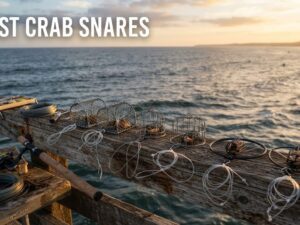
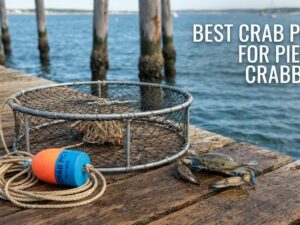
Recreational crab pots must display specific float markings for easy identification. Yellow floats are mandatory, with rectangular floats measuring at least 10 inches long and 5 inches wide. Round floats must be 6 inches in diameter minimum. These bright markers help prevent gear conflicts and aid SCDNR enforcement officers in identifying licensed gear.
Crab Pot Specifications Table for 2026:
| Component | Requirement | Purpose |
|---|---|---|
| Float Color | Yellow | Easy identification |
| Float Size | 10"x5" (rectangular) or 6" diameter (round) | Visibility |
| Buoy Line | Non-floating material | Prevents entanglement |
| Escape Rings | 2 3/8" diameter | Juvenile crab release |
| Owner ID | Name and license number | Legal requirement |
| Pot Check Frequency | Every 5 days maximum | Crab welfare |
Pot placement follows strict guidelines to ensure navigation safety and resource protection. Maintain at least 200 yards distance from public boat landings and launching areas. Never set pots in locations that become exposed at low tide, as this leads to crab mortality and gear damage. Channels marked for boat traffic are off-limits for pot deployment.
Alternative Methods and Equipment
Drop nets and collapsible traps offer simple, effective alternatives to crab pots. These pyramid-shaped devices lie flat on the bottom until lifted, trapping crabs feeding on the bait. Their portability makes them perfect for pier and dock crabbing without complex equipment needs. Many beginners start with these methods before investing in pots.
Handlining, locally called "chicken necking," remains the most traditional and engaging method. This technique requires only string, bait, and a long-handled dip net. Children especially enjoy the hands-on excitement of slowly retrieving the line while a partner stands ready with the net. This method requires no license and can be done anywhere with crab populations.
Chicken necks reign supreme as crab bait throughout South Carolina. Their tough texture withstands repeated dunking, while the strong scent attracts crabs from considerable distances. Freeze any spoiled chicken for even more effective bait, as the enhanced odor proves irresistible to hungry crabs. Turkey necks and fish heads serve as effective alternatives when chicken necks are unavailable.
How to Catch Blue Crabs in South Carolina: Step-by-Step Guide
Mastering crabbing techniques requires patience, proper timing, and understanding crab behavior. These proven methods work throughout South Carolina's diverse crabbing locations, from busy piers to secluded tidal creeks.
Pot Fishing Technique
Begin by selecting a location with good water flow and structure like pilings or grass beds. Bait your pot with fresh chicken necks or fish heads, securing them firmly in the bait box. The stronger the scent, the more crabs you will attract from the surrounding area. Some experienced crabbers add menhaden oil to enhance the scent trail.
Deploy pots during slack tide for easier handling, ensuring sufficient line length to prevent float submersion at high tide. Mark your GPS coordinates or use shore ranges to relocate pots easily. Space multiple pots at least 50 feet apart to avoid competition between traps and maximize your coverage area.
Check pots every few hours for optimal results, though South Carolina crab trap regulations allow up to five days between checks. Approach quietly and pull steadily without jerking, which can allow crabs to escape. Have a bushel basket ready for keepers and quickly release undersized or egg-bearing females. Check pots early morning and evening for best catches.
Handline and Drop Net Methods
The handlining technique starts with tying chicken necks or other bait to a weighted line. Cast the bait into likely spots around pilings, grass edges, or drop-offs. Let it settle completely on the bottom before beginning your retrieve. The weight keeps the bait stationary while the scent disperses in the current.
Feel for the distinctive tug of a feeding crab, then slowly and steadily retrieve the line. Avoid jerking or rapid movements that alert the crab to danger. Keep tension constant while your partner positions the dip net downstream of the crab's likely escape route. The key is patience: rushing the retrieve almost always results in lost crabs.
Essential Handlining Tips for 2026:
- Use 15-20 pound test line for durability against barnacle-covered pilings
- Add a small weight 18 inches above bait to keep it on the bottom
- Retrieve at consistent slow speed without sudden movements
- Net from behind the crab's position to catch escaping crabs
- Keep spare pre-tied rigs ready for quick rebaiting
- Use a long-handled net to reach crabs from piers and docks
Pro Tips from Local Crabbing Experts
Experienced South Carolina crabbers develop techniques through years of trial and error. Their insights can dramatically improve your success rate while avoiding common mistakes that frustrate beginners. These tips come from local experts who crab the same waters you will be exploring in 2026.
Double-checking crab pots significantly increases catches without additional licenses or gear. Morning and evening checks take advantage of peak feeding times when crabs actively seek food. This strategy works especially well during summer months when crabs feed aggressively. Many serious crabbers run their pots twice daily during peak season.
Reading water conditions separates successful crabbers from those who go home empty-handed. Look for slightly murky water indicating good plankton levels, which attract baitfish and subsequently crabs. Clear water often means poor crabbing as crabs become warier in high visibility conditions. After rainstorms, crabbing often improves as nutrients wash into the water.
Avoid these common mistakes: pulling pots too quickly creates water resistance allowing escapes; using rotten bait turns crabs away rather than attracting them; crabbing in freshwater areas where retention is illegal wastes your time. Understanding South Carolina blue crab regulations prevents citations and protects the resource for everyone.
Handle blue crabs safely by approaching from behind and grasping the rear swimming legs or back of the shell. Never grab from the front or sides where powerful claws can reach. If pinched, remain calm and submerge the crab in water, usually triggering release. Teach children proper handling techniques to prevent injuries and build confidence.
Family-Friendly Crabbing Programs and Tours
South Carolina offers numerous organized programs making crabbing accessible to all ages and experience levels. These guided experiences provide equipment, instruction, and local knowledge while ensuring sustainable practices. Many programs fill quickly during summer months, so advance booking is recommended for 2026.
State Park Programs
Myrtle Beach State Park's "Crabby Experience" runs Monday, Wednesday, and Friday from June through August 2026. This catch-and-release program costs just $5 per person and includes all equipment. Rangers teach proper techniques while sharing fascinating facts about blue crab ecology and importance to coastal ecosystems. The program accommodates families with children as young as five.
Huntington Beach State Park offers salt marsh seining programs combining crabbing with hands-on marine education. Participants drag nets through shallow waters, discovering various marine creatures beyond just crabs. These programs run seasonally with advance registration required. The park's pristine marsh environment provides excellent educational opportunities.
Program schedules vary by season and weather conditions throughout 2026. Most sessions last 1-2 hours, perfect for maintaining children's interest. Advance ticket purchase is recommended as popular programs fill quickly, especially during peak summer vacation periods. Check the South Carolina State Parks website for current schedules and availability.
Commercial Tours and Charters
Barrier Island Eco Tours in Charleston combines blue crabbing with barrier island exploration. Their experienced naturalists know productive spots while providing ecological education. Tours include a traditional Lowcountry crab boil featuring fresh local catches. The combination of education and fresh seafood makes these tours popular with visitors and locals alike.
Casual Crabbing with Tia operates from multiple Charleston-area locations, earning consistent 5-star reviews in 2026. These small-group experiences focus on hands-on crabbing instruction suitable for beginners. Many participants take their catch to local restaurants for preparation, creating a complete culinary experience.
Commercial tours typically cost $50-100 per person and include all necessary equipment and licenses. Most operate year-round weather permitting, with reduced schedules during winter months. Advanced booking is essential during peak tourist seasons, particularly from June through August when demand peaks.
Preparing and Cooking Your South Carolina Blue Crab Catch
After a successful crabbing trip, proper handling and preparation ensures the best eating experience. South Carolina blue crab regulations allow generous personal-use harvests, providing fresh seafood for memorable meals. Proper handling from catch to table preserves the delicate flavor of blue crabs.
Keep crabs alive until cooking by storing them in a cool, moist environment. A bushel basket covered with wet burlap works perfectly. Never store crabs in standing water or sealed containers, which quickly depletes oxygen. Cook crabs the same day as capture for optimal flavor and texture. Dead crabs spoil rapidly and should never be consumed.
Basic steaming brings out blue crab's natural sweetness. Use a large pot with a steaming rack, adding beer, water, and vinegar to create flavorful steam. Season crabs liberally with Old Bay or similar seafood seasoning. Steam for 20-25 minutes until shells turn bright orange. The crab meat should be opaque white when properly cooked.
Several Charleston-area restaurants will cook your catch for a reasonable fee. Charleston Crab House and similar establishments offer this service, typically charging per pound. They will professionally steam your crabs while you enjoy drinks and sides, creating a perfect end to your crabbing adventure. This option appeals to visitors staying in rentals without full kitchen facilities.
Frequently Asked Questions
Do I need a license for crabbing in South Carolina?
No South Carolina crabbing license is required when using three or fewer drop nets, fold-up traps, or handlines. However, a Saltwater Recreational Fishing License is mandatory for crab pot use. The enhanced endorsement allows up to five pots for serious recreational crabbers.
What are the blue crab size limits in South Carolina?
Blue crabs must measure 5 inches across the widest point of the shell from spike to spike. Measure carefully and return undersized crabs immediately. Female crabs with visible egg masses (sponge crabs) must be released regardless of size.
When is blue crab season in South Carolina?
Blue crabs remain active year-round in South Carolina, but peak recreational season runs April through December. The April peeler run offers exceptional crabbing, while October through December produces the largest crabs. Water temperatures below 50°F significantly reduce crab activity.
What is the best month to go crabbing?
September and October offer the best combination of large crab size, active feeding, and comfortable weather conditions. While the April peeler run provides high-volume catches, fall months produce the heaviest crabs with the most meat. Many experienced crabbers consider October the single best month for quality catches in South Carolina.
Can I use more than 2 crab pots with a recreational license?
Yes, the 2026 enhanced recreational crab pot endorsement allows up to five pots for just $5 annually. This endorsement requires a valid Saltwater Recreational Fishing License. Using more than five pots requires commercial licensing regardless of intent.
What is a crab's biggest enemy?
Humans represent the biggest threat to blue crabs through overfishing and habitat destruction. Natural predators include red drum, sea turtles, striped bass, and various shorebirds. Habitat loss from coastal development and pollution also significantly impacts crab populations. Conservation measures like size limits and sponge crab protection help maintain healthy populations.
What is the best bait for blue crabs in South Carolina?
Chicken necks consistently outperform other baits for blue crabbing. Their tough texture withstands repeated use while releasing irresistible scent. Other effective baits include turkey necks, fish heads, and razor clams. Fresher bait generally works better than spoiled options, though slightly aged chicken can produce stronger scent trails.
Where can I crab without a license in South Carolina?
You can crab without a license anywhere in South Carolina using handlines, drop nets, or up to three fold-up traps. Public piers like James Island County Park Pier, Pitt Street Bridge, and various boat landings allow license-free crabbing with these methods. Remember that size limits and sponge crab protections still apply regardless of license status.
Can you keep female blue crabs in South Carolina?
Yes, you can keep female blue crabs that meet the 5-inch minimum size requirement, except for egg-bearing females (sponge crabs). Female crabs without visible eggs are legal to harvest. However, many crabbers voluntarily release females to support population sustainability, keeping only males (Jimmies) for consumption.
How many crabs can I keep in South Carolina?
The daily harvest limit is one bushel per person or two bushels per boat, whichever is less. A bushel typically holds 80 to 100 blue crabs. This limit applies to the combined total from all methods, including handlines, pots, and cast nets. These regulations have been in effect since recent conservation measures were implemented and remain current for 2026.
Conclusion
South Carolina offers exceptional blue crabbing opportunities from the Grand Strand to the Lowcountry, with new locations like James Island County Park Pier and kayak-accessible spots adding to the traditional favorites in 2026. Understanding prime locations, following current regulations, and using proper techniques ensures both success and sustainability. The current regulations protect crab populations while maintaining generous recreational opportunities for everyone.
Whether you prefer the solitude of tidal creeks, the convenience of piers like Pitt Street Bridge, or the adventure of kayak crabbing, South Carolina's waters deliver memorable experiences. Take advantage of state park programs to learn proper techniques, or venture out independently armed with this guide's comprehensive knowledge of the best crabbing in South Carolina.
Remember that sustainable crabbing practices ensure future generations can enjoy this traditional coastal activity. Follow size and harvest limits, release egg-bearing females, and practice selective harvest. Now grab your gear, check the tide charts, and head out to discover why South Carolina offers some of the best crabbing in the Southeast.
Plan your 2026 South Carolina crabbing adventure today, and experience the excitement of catching these "beautiful swimmers" in some of America's most scenic coastal waters. From the peeler run in April to the trophy catches of October, every season offers unique rewards for those who take the time to learn and respect this cherished coastal tradition.