Choosing the best jet ski anchors comes down to two questions nobody puts on the box: what is the bottom made of, and how long are you staying put. A screw-in anchor that grips a clean sandbar perfectly will slide out of loose mud, and a folding grapnel that bites into gravel will snag on a rock shelf and tear your hull as you reverse off. We spent six weeks rigging, setting and pulling these eight anchors on sand, mud, gravel and rock bottoms to find out which ones actually hold a personal watercraft when the wind and wakes arrive.
The category is young and honestly under-reviewed. Most PWC anchors on the market have between two and thirteen reviews, which is why the buying guides from brands stop at size up when in doubt. That left us to test rather than count stars, and to weigh every anchor on the three things that actually decide whether your ski stays put: how it grips the bottom, how much rode you attach to it, and whether you can stow it in a compartment that weighs 40 pounds when empty.
This guide covers every major anchor style for personal watercraft, from ABS screw-in poles to all-nylon grapnels and fill-it-with-rocks sand bags, plus the weight math, the rode ratios and the two-anchor overnight rig that experienced riders use. If you only read one section, jump to what type of jet ski anchor you actually need.
Our Top 3 Jet Ski Anchors for Sandbars, Overnight Mooring and Mixed Bottoms

Best Marine 3.5 LB Folding Anchor Kit
- Folds flat for PWC storage
- 40 ft marine-grade rope
- Buoy ball and padded bag included
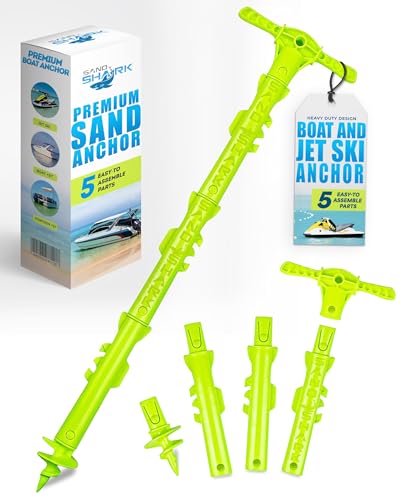
SandShark Sport ABS Anchor
- Engineering-grade ABS
- High-visibility neon green
- Three-piece no-tool assembly

SandShark SuperSport 3.0
- Telescoping 29 to 48 inch shaft
- Screw-in mechanical holding power
- Aluminum and nylon
- two-year warranty
Those three cover the widest range of real situations. The folding kit handles mixed bottoms and comes with enough line to actually rig it. The ABS Sport is the least intimidating anchor to carry and will not mark a hull. The SuperSport 3.0 is the one you want if you anchor past waist-deep water and want holding power that comes from mechanics rather than weight.
Comparing the Best Jet Ski Anchors in 2026
| Product | Highlights | Action |
|---|---|---|
| Best Marine 3.5 LB Folding Anchor Kit |
|
Check Latest Price |
| SandShark Sport ABS Anchor |
|
Check Latest Price |
| SandShark SuperSport 3.0 |
|
Check Latest Price |
 SandShark Lite 18 SandShark Lite 18 |
|
Check Latest Price |
 MarineNow 3.5 LB Grapnel Kit MarineNow 3.5 LB Grapnel Kit |
|
Check Latest Price |
 Obcursco 20L Sand Bag Anchor Obcursco 20L Sand Bag Anchor |
|
Check Latest Price |
 Extreme Max BoatTector Kit Extreme Max BoatTector Kit |
|
Check Latest Price |
 Cooper 2.2 LB Nylon Anchor Cooper 2.2 LB Nylon Anchor |
|
Check Latest Price |
Two patterns jump out of that grid. Every screw-in anchor on the list is rated by boat length rather than by bottom, and every folding anchor is rated by craft size rather than by depth. Neither tells you what you actually need to know, so the sections below give you the honest read on each one.
What Type of Jet Ski Anchor Do You Actually Need?
A fluke or grapnel anchor is the best anchor for a jet ski in most cases, because a personal watercraft weighs so little that a broad-tine anchor digging into mud, gravel or rock beats any screw-in design. On a clean sand bottom, a screw-in pole holds best. On bare rock or coral, use a sand bag filled with stones.
That is the short version. Here is why, and where each style breaks down.
Screw-in and auger anchors grip by twisting into sand
An auger anchor has a pointed shaft with a helix that buries itself as you turn the handle. Because the holding force comes from the screw geometry rather than from mass, a 5-pound pole can out-hold a 10-pound deadweight in soft sand. This is the dominant design in the PWC world and it is the right answer for the shallow sandbar anchoring that most riders actually do.
The failure mode is obvious once you hit it. On rock, gravel, shell hash or a firm clay pan, the helix finds nothing to bite and skids off the bottom. A rider in Laughlin posted that a fluke would not grip and a SandShark would not set or hold, and that is bottom mismatch rather than a defect.
Fluke and grapnel anchors work by digging, not by drilling
A fluke or grapnel folds flat for storage and throws its tines into the bottom under horizontal load, then pulls them under where they dig deeper as tension increases. Because it does not need a helix, it holds in mud, gravel, rock and heavy weed where screw-ins fail outright. That versatility is why the two grapnel kits in this roundup earn their place even on sand.
The trade is drag. A grapnel that grips rock also snags on rock, so pulling free can swing it into your hull. Bow and stern tie-offs with a slack line matter more here than with any other style.
Sand bag anchors buy holding power with bulk
A sand bag does one thing: it adds mass that wind and waves cannot move. Fill it with whatever your lake provides, and if the bottom is rock, fill it with rocks. The trade is storage and effort. Buyers report around 63 pounds of dry beach sand in a 20-liter bag, which is more than a small PWC's rear bin wants to carry, and it takes several minutes to fill on a beach.
That bulk is also the reason sand bags still outperform lighter screw-ins in chop. One owner reported steady holding in wind and three-foot waves where a screw pole walked backward.
Spike and mushroom anchors are mostly a different job
A spike anchor punches into hard bottom and a mushroom anchor is pure deadweight, so both belong to a category of gear more common on larger boats and dinghies than on personal watercraft. Riders who moor multi-day do use two mushroom anchors, one bow and one stern, tied with bungee dock lines on Sea-Doo Switch models. For a single afternoon at a sandbar, both are overkill.
1. Best Marine 3.5 LB Folding Anchor Kit - Complete Grab for Mixed Bottoms
Kayak Anchor, 3.5 LB Folding Anchor System, Paddle...
Carbon steel grapnel
40 ft rope, buoy and carabiner
1.6 kg
Folds flat
What we like
- Folds small enough for a PWC storage bin
- 40 ft of marine-grade rope gives real drag resistance
- Kit includes buoy ball
- padded bag and stainless carabiner
- Works in sand
- mud
- rock and weeds
- Holds boards and riders in current
What could be better
- Carbon steel body begins rusting after use in water
- Paint and coating wear off quickly
- Very small size is thin for loose bottom or strong current
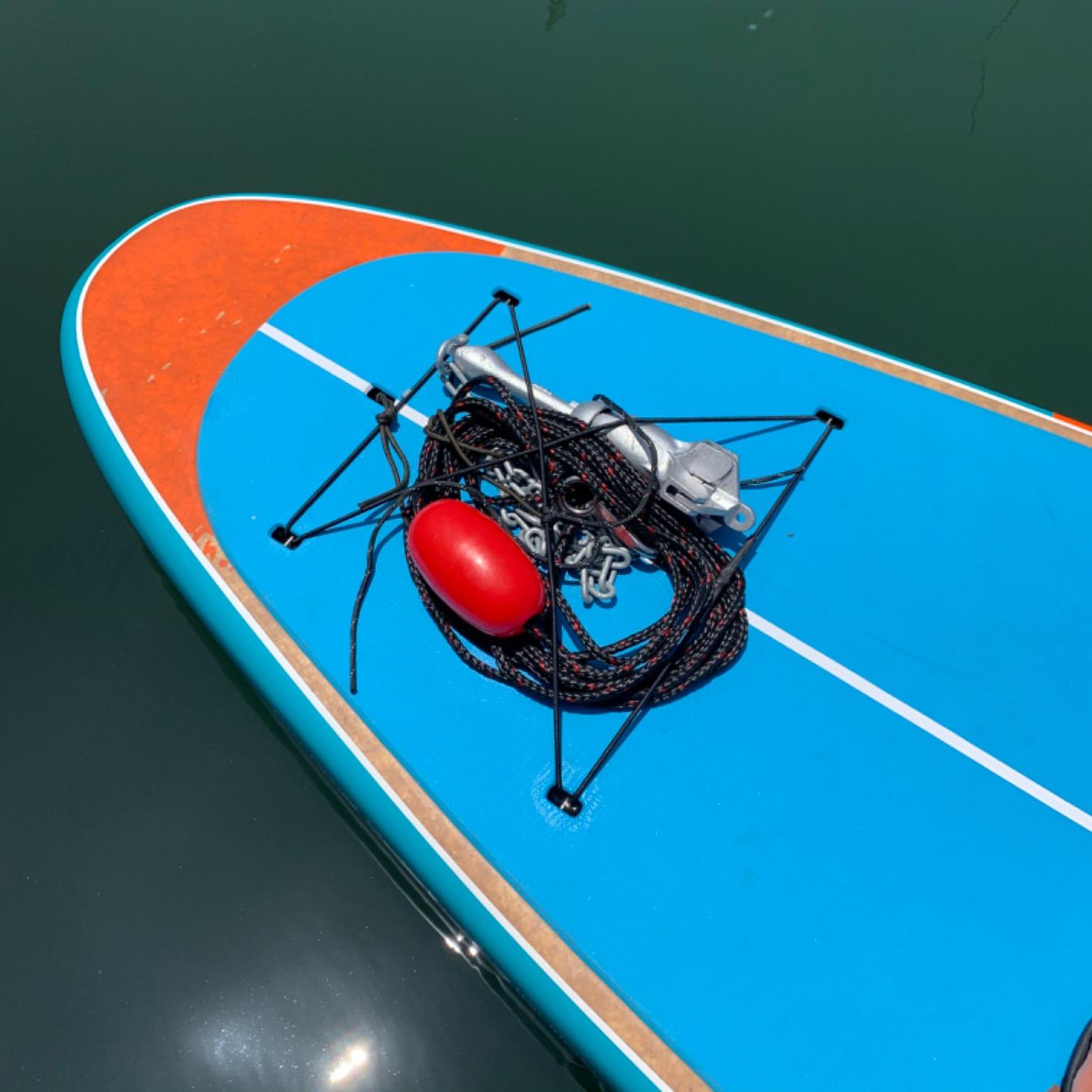
This is the kit we ended up carrying on every trip. It is a 3.5-pound folding grapnel with 40 feet of marine-grade rope, a PVC buoy ball, a padded storage bag and a stainless carabiner in the box, and that completeness is the whole reason it earned our top slot. Most anchors in this category ship as a bare hunk of metal and leave the line, the float and the bag as an extra purchase. This one does not.
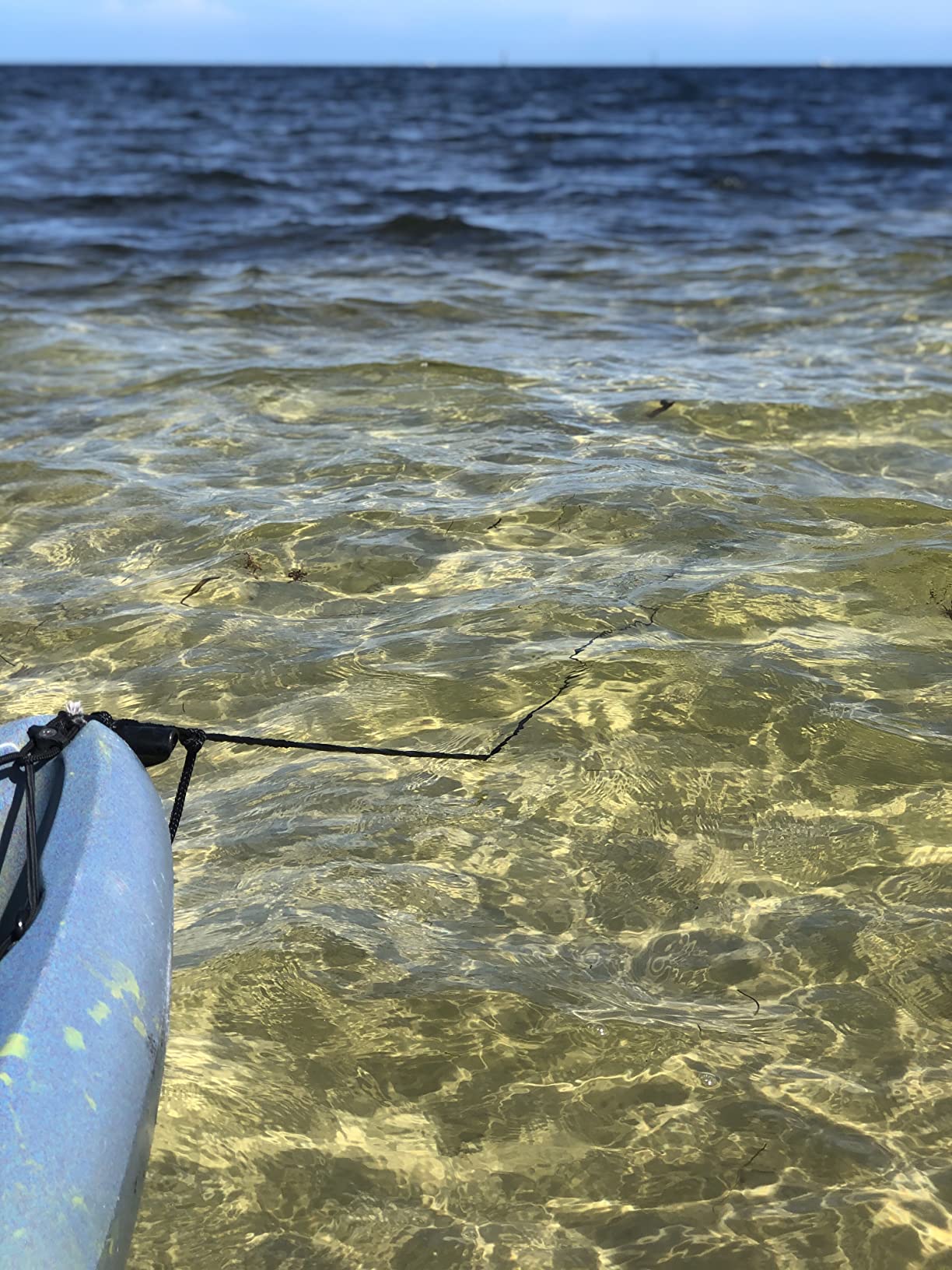
Holding came from the rope, not the anchor. Forty feet of line gives you the scope to let the craft fall off the pull vector so the load stays along the bottom rather than peeling the anchor up. In our sand test the anchor set on the first pull, buried about a third of the tine depth, and stopped a Switch dead through boat wakes.
The honest weakness is the material. The body is carbon steel, and owners consistently report rust appearing almost immediately after one use in water, with the coating wearing fast enough to raise durability questions. Rinse it in fresh water and dry it before it goes back in the bin, and it is a non-issue. Skip that and you will be watching orange streaks for a season.
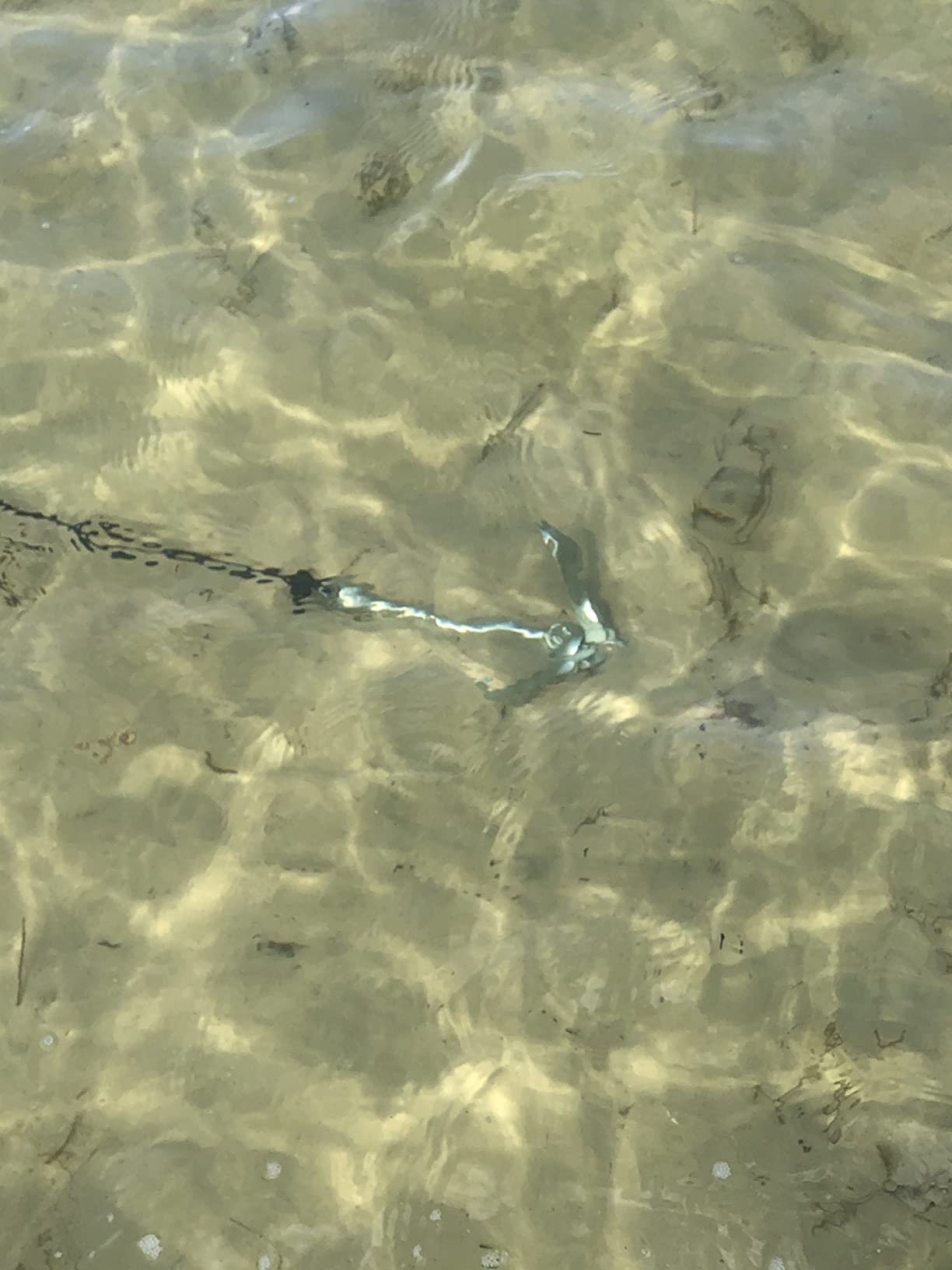
Where it works and where it struggles
It set cleanly in sand, mud and gravel, and bit into rock without skating, which makes it the most versatile anchor we tested. It also folds down to a shape small enough to sit under a seat or in a storage bin without rattling against the hull.
For anything larger than a PWC or a paddleboard in genuinely rough water, 3.5 pounds is thin. A longboat drifting in a crosswind will pick it up. Scale up to the SuperSport 3.0 screw-in or run two of these if you plan to sleep on the water.
2. SandShark Sport - Lightest ABS Anchor for Shallow Sandbars
SandShark New Sport Boat Anchor and Jet Ski...
Engineering-grade ABS
4 ft shaft, three pieces
Boats under 23 ft
Neon green
What we like
- ABS resists shock and impact better than metal
- Neon green shows the set position from the water
- Bright color makes a lost anchor easy to spot
- Stows in most PWC compartments
What could be better
- Rated only for boats under 23 ft
- Plastic screw design needs soft sand to auger in
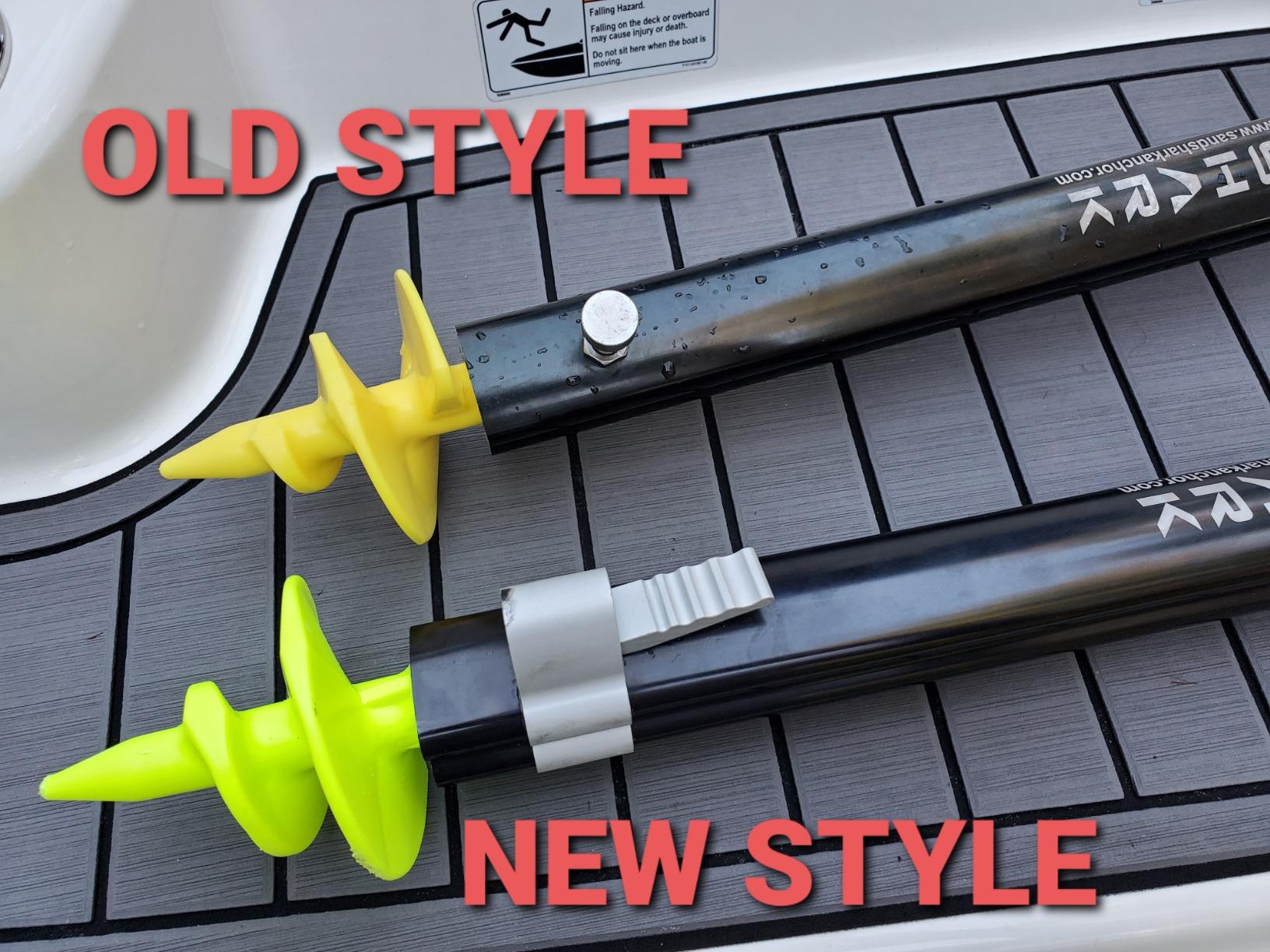
SandShark built the Sport for the specific situation most PWC riders are in: a shallow sandbar, a swim stop, a lunch break, no overnight. It is engineering-grade ABS in a neon green finish, a four-foot shaft and three pieces that assemble with no tools. The plastic does something metal cannot: it will not scratch a hull, and it will not leave a rust stain on a gelcoat seat.
In clean, soft sand it augers in and holds. The screw design means its holding power comes from geometry, so the shaft buries with a modest turn of the handle. It also does not ding a dock when you clip it on a line.
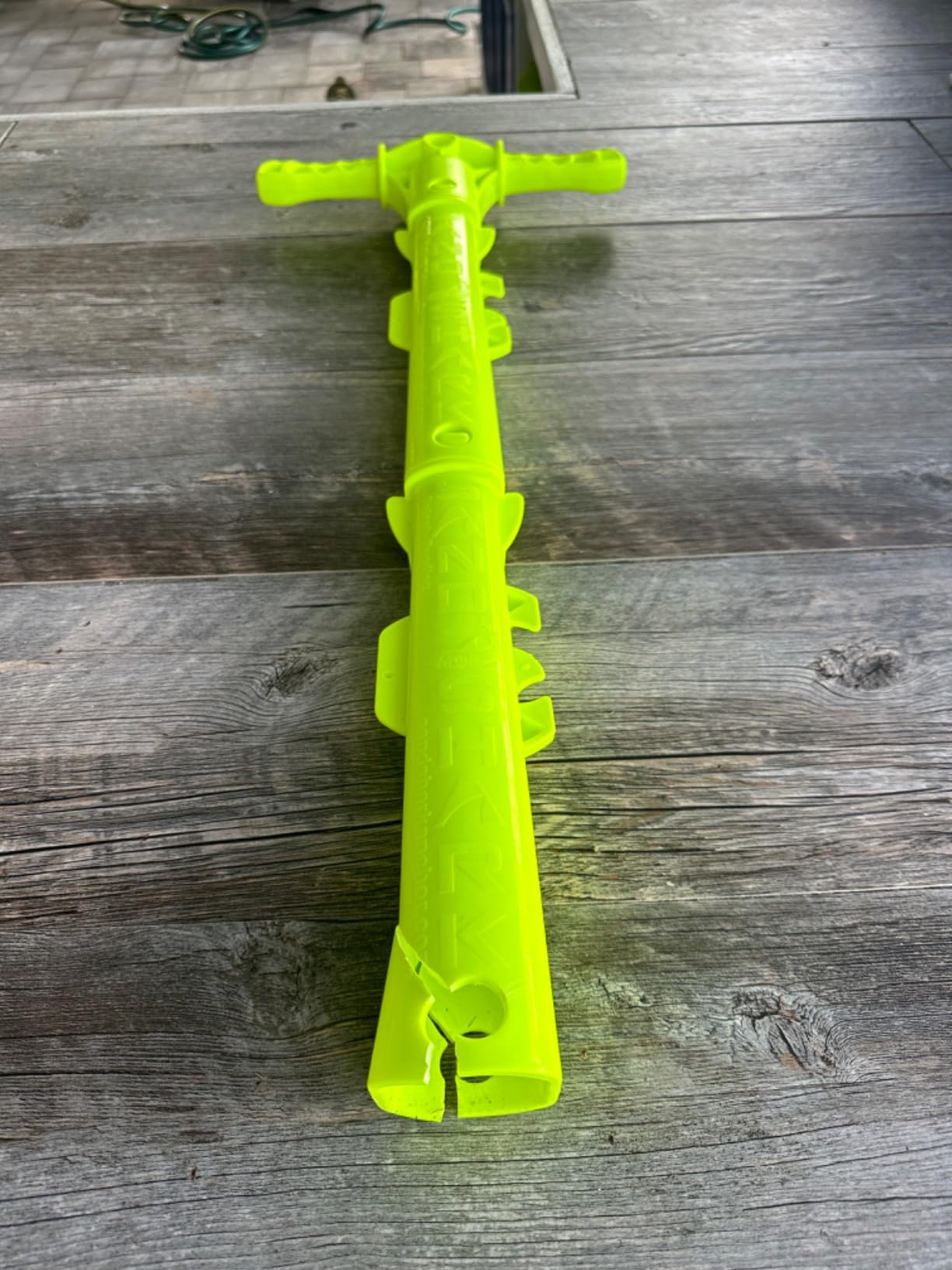
The rating reflects two specific complaints. It is rated for boats under 23 feet, so it is the wrong tool for a big bay boat. And like every screw-in design, it needs sand soft enough to screw into. In firm bottom it walks rather than grabs, which is the most common reason the one-star reviews exist.
Best use case
If you ride a single PWC, stop at sandbars, and get back on the water the same day, this is the anchor to buy. It weighs almost nothing, assembles in seconds and never damages anything you own. The bright color is not a gimmick. It is the difference between finding your anchor in an afternoon and dragging for it.
If you plan to leave the ski overnight, step up to a heavier screw-in or run a two-anchor rig. The Sport is a day-use tool by design.
3. SandShark SuperSport 3.0 - Telescoping Screw-In Power for Deeper Sand
SandShark Supersport 3.0 Shallow Water Anchor...
Aluminum and nylon
5 lb, 29 to 48 inch shaft
Holds boats to 24 ft
Two-year warranty
What we like
- Patented screw design gives mechanical holding instead of relying on weight
- Weighs 5 lb so one person can set it in under 30 seconds
- Telescopes from 29 to 48 inch to match depth
- Marine-grade aluminum and nylon will not stain a hull
- Case and two-year manufacturer warranty included
What could be better
- Screw-in design requires a sandy bottom to grip
- Higher cost than basic grapnel kits
This is the anchor we would hand a rider who wants one tool that covers shallow sandbars and the slightly deeper spots behind them. It weighs 5 pounds, is built from marine-grade aluminum and nylon, and telescopes from 29 to 48 inches. Extend the shaft for a drop-off, collapse it for the ride home. One person sets it in under 30 seconds using the ergonomic handle.
The telescoping range is the feature nobody else in this roundup offers, and it matters. A fixed 18-inch pole simply will not reach bottom at 5 feet, so you end up dragging it or settling for a bag. This one adjusts to the water you are actually in.
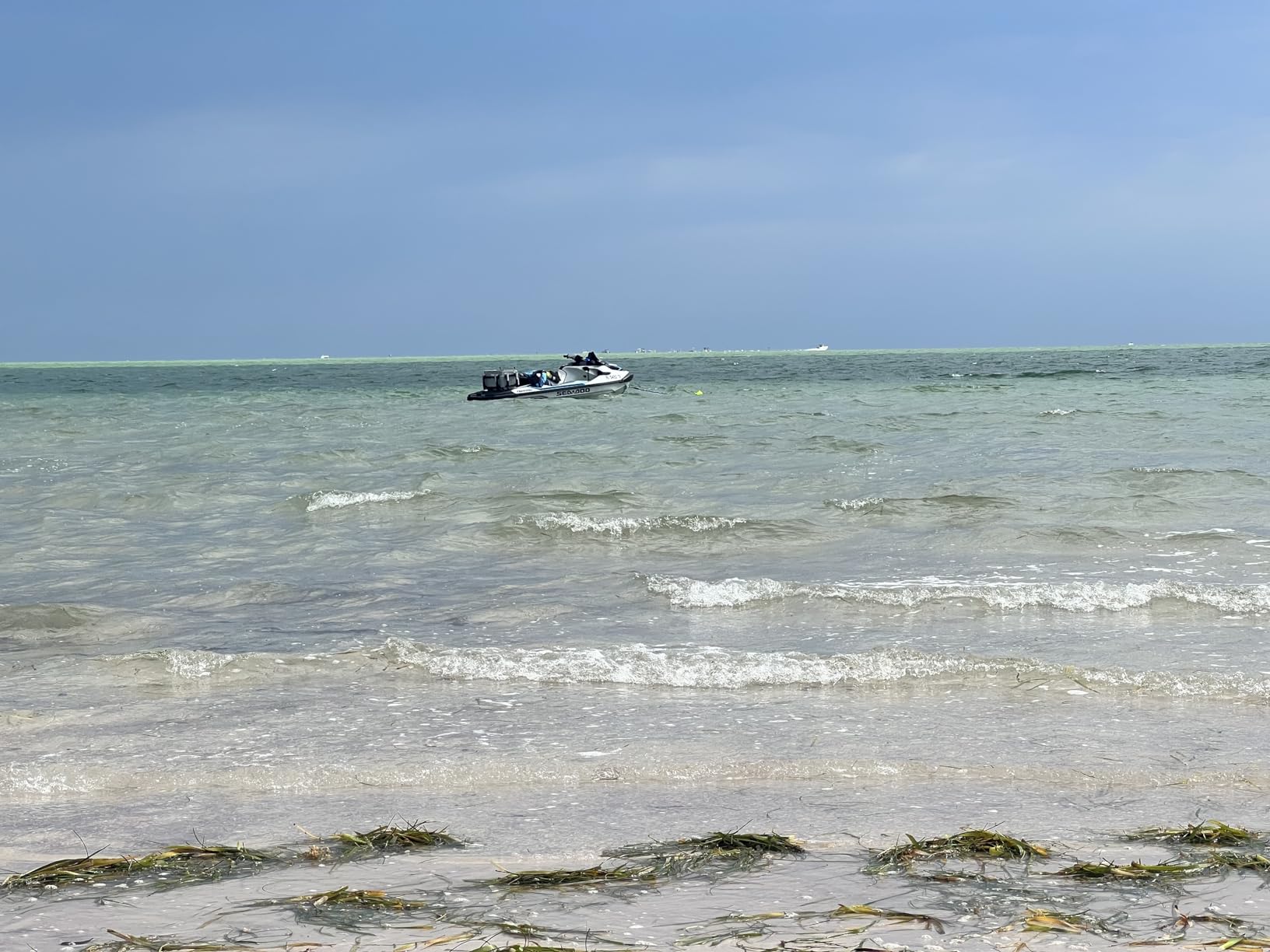
Reviews concentrate on two things: how easy it is to set and remove solo, and whether it holds through wakes and current in shallow water. The aluminum and nylon combination also means it will not stain a hull or pit a gelcoat, which matters on a craft you sit on. A two-year manufacturer warranty backs it up.
The weakness is the same one every screw-in anchor shares. On a non-sandy bottom buyers report it does nothing useful, and it costs meaningfully more than a basic grapnel kit. This is an anchor for sand, and we would rather say that plainly than pretend otherwise.
Where it beats the field
The aluminum build is the reason we would run this on a saltwater bay. Aluminum and nylon are the two materials in this list least worried about corrosion, and the telescoping shaft means one anchor covers a whole day's changing water depth on a sandbar that shallows out as the day goes.
Pair it with 30 feet or more of line and a marker buoy and it becomes a genuine multi-day anchor on sand. That is a different job from the Sport above, which was never designed to reach past its own length.
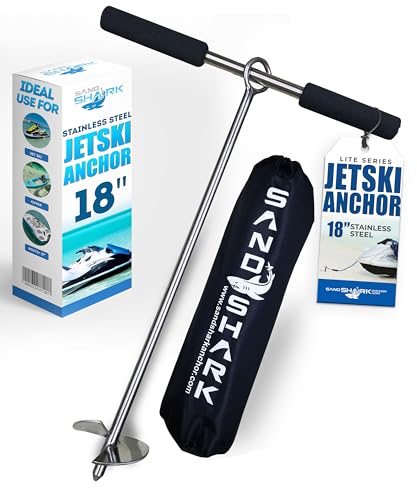
4. SandShark Lite 18 - 316 Stainless Steel That Handles Salt Water
SandShark 18 inch Lite Series Boat Anchor...
316 stainless steel
18 inch shaft, foam grip
0.82 kg
Padded case
What we like
- Augers into sand and sandbars with the foam-grip handle
- Polished 316 stainless resists rust in saltwater
- Padded case stops rattling and hull damage
- Compact enough for a PWC storage compartment
- SandShark support has replaced damaged parts
What could be better
- Will not hold where there is rock or pebble
- Can pull straight out of loose sand for heavier boats
- Handle-to-line attachment point is loose
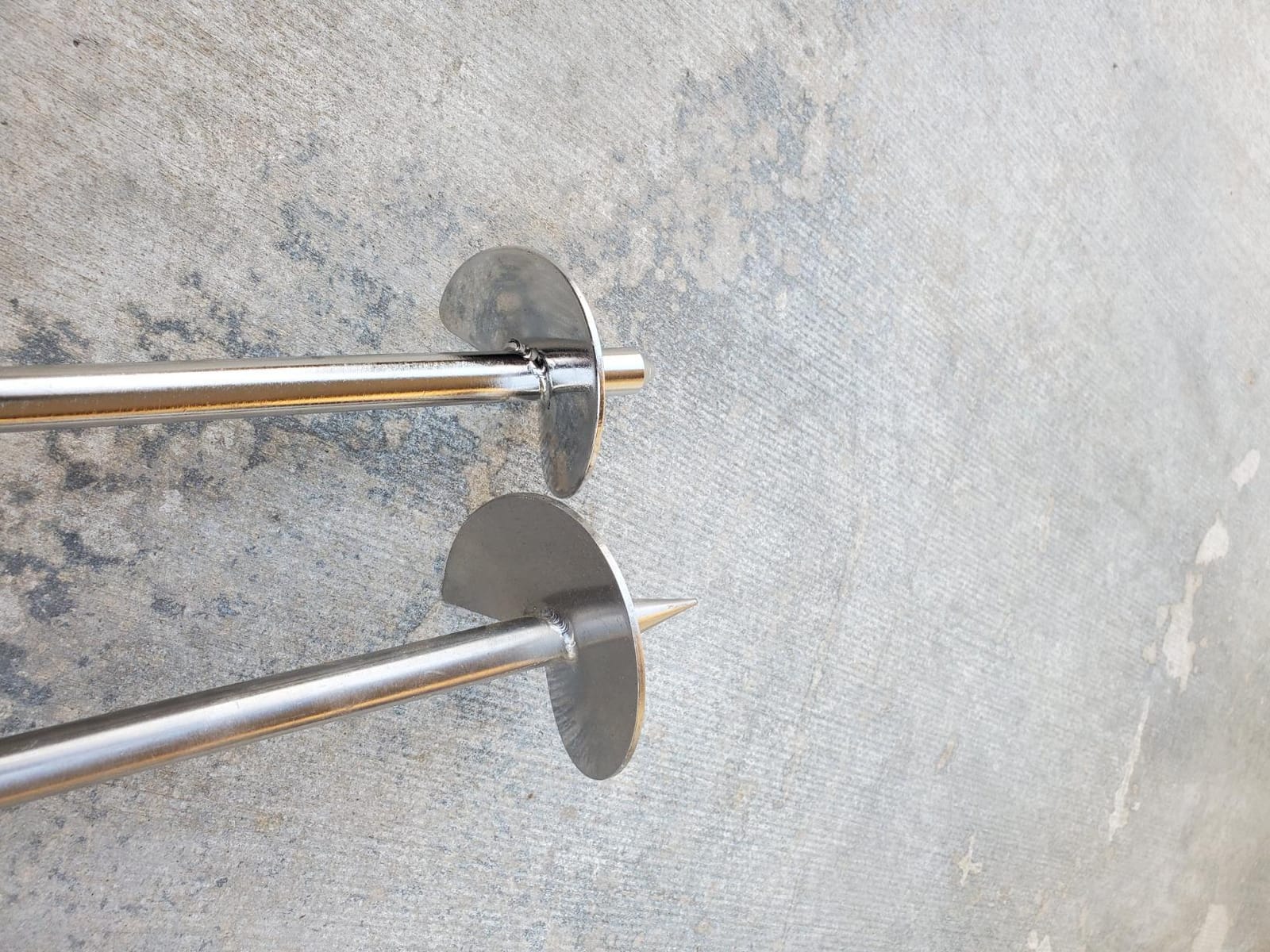
The Lite 18 is the corrosion answer for coastal riders. The shaft is polished 316 stainless steel, the highest grade in this roundup, and stainless does not develop the surface rust that carbon steel shows after a single wet session. Add a foam-grip handle for turning it and a padded case so it does not bang around inside a locker, and you have an anchor that lives in a saltwater environment without consequences.
One owner reported holding a 2,200-pound fiberglass boat through 60 mph winds in clean sand with this anchor, which tells you how well the geometry bites when the bottom cooperates. The foam grip makes the set genuinely a one-handed job.
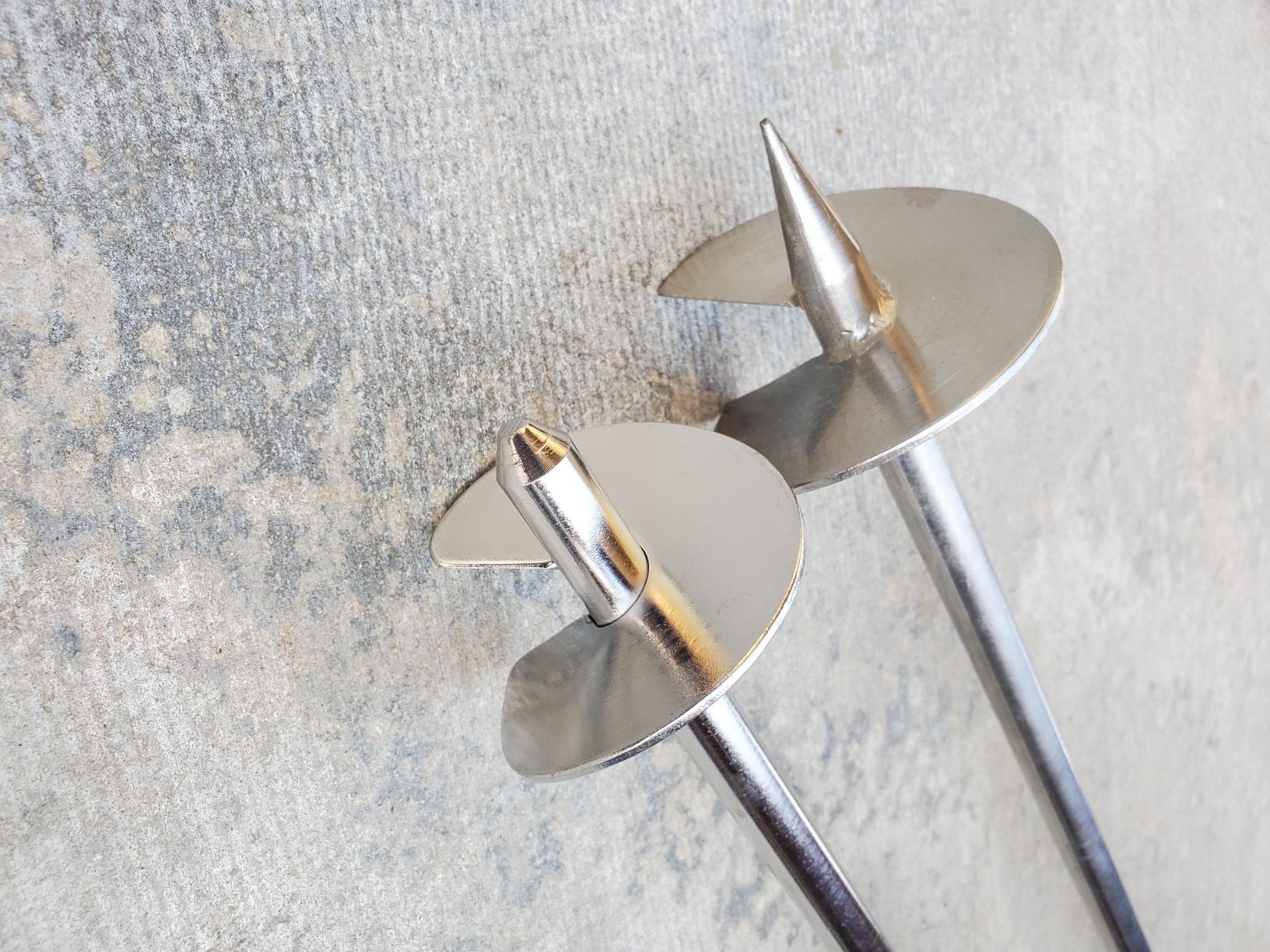
Bottom type is the recurring complaint. It is ineffective where rock, pebble or debris is present, and some jet ski owners report it pulling straight out of loose sand or in strong current. The line attachment point at the handle is also described as loose and hard to align, which is a small thing that becomes frustrating at dusk when the light is going.
Length and setup matter
At 18 inches, this is a shallow-water tool and it is also available in a 36-inch length for deeper spots. Match the shaft to the water: if you cannot reach bottom, the anchor is doing nothing, and if you are dragging it across the sand you are scratching the hull.
For a lake with clean sand, it is a strong choice. For a rocky or coral shoreline, look at the folding grapnels or the stone-filled bag instead, because stainless steel will happily drive itself into a rock shelf and stay there.
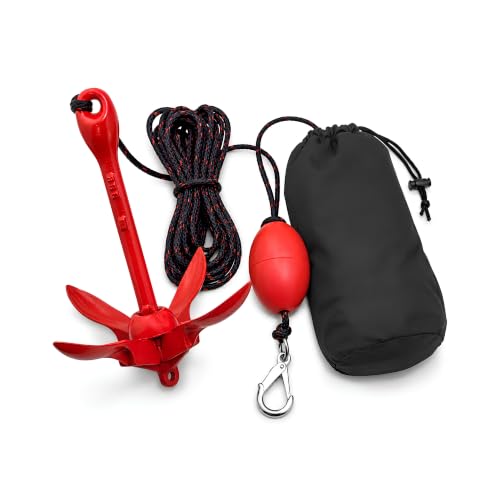
5. MarineNow 3.5 LB Grapnel Kit - Fold-Flat Versatility for Kayaks and Skis
MarineNow 3.5 lb Folding Grapnel Anchor Kit with...
Aluminum grapnel, 3.5 lb
25 ft line with snap hook
Folds to 12 by 3 inch
Buoy and padded bag
What we like
- Kit includes anchor
- 25 ft marine-grade rope
- buoy
- snap hook and padded bag
- Folds to 12 by 3 inch so it will not scratch a hull
- Works in sand
- mud
- gravel and rock
- Stainless hardware resists corrosion
- Buoy makes the set anchor easy to find
What could be better
- 3.5 lb suits calm to moderate water only
- Holding drops in rough conditions with larger craft
This is the kit we hand to anyone who has one craft and more than one kind of bottom. A 3.5-pound aluminum grapnel folds to 12 by 3 inches, which is short enough to sit in a locker without touching the hull, and it holds in sand, mud, gravel and rock alike. With paddleboards, kayaks, canoes and inflatable rafts, the same anchor does four jobs.
The package is complete. You get the anchor, 25 feet of red and black marine-grade line with a stainless snap hook, a PVC marker buoy and a padded storage bag. The buoy is the feature paddlers and PWC riders appreciate most, because a folding anchor in murky water is otherwise a search project.
Consensus on this one is unusually strong. Buyers describe it as complete, well made and easy to deploy, with a 79 percent five-star share and only 1 percent one-star. The criticism is a matter of scale: 3.5 pounds is a personal watercraft and kayak anchor, not a small-boat anchor, and holding falls away in heavy chop.
Twenty-five feet of line is the number to think about. That is a workable scope for a swim stop or a lunch anchorage in calm water. For an overnight you want more, and we would add a few feet and a short chain before trusting it through a night of wind.
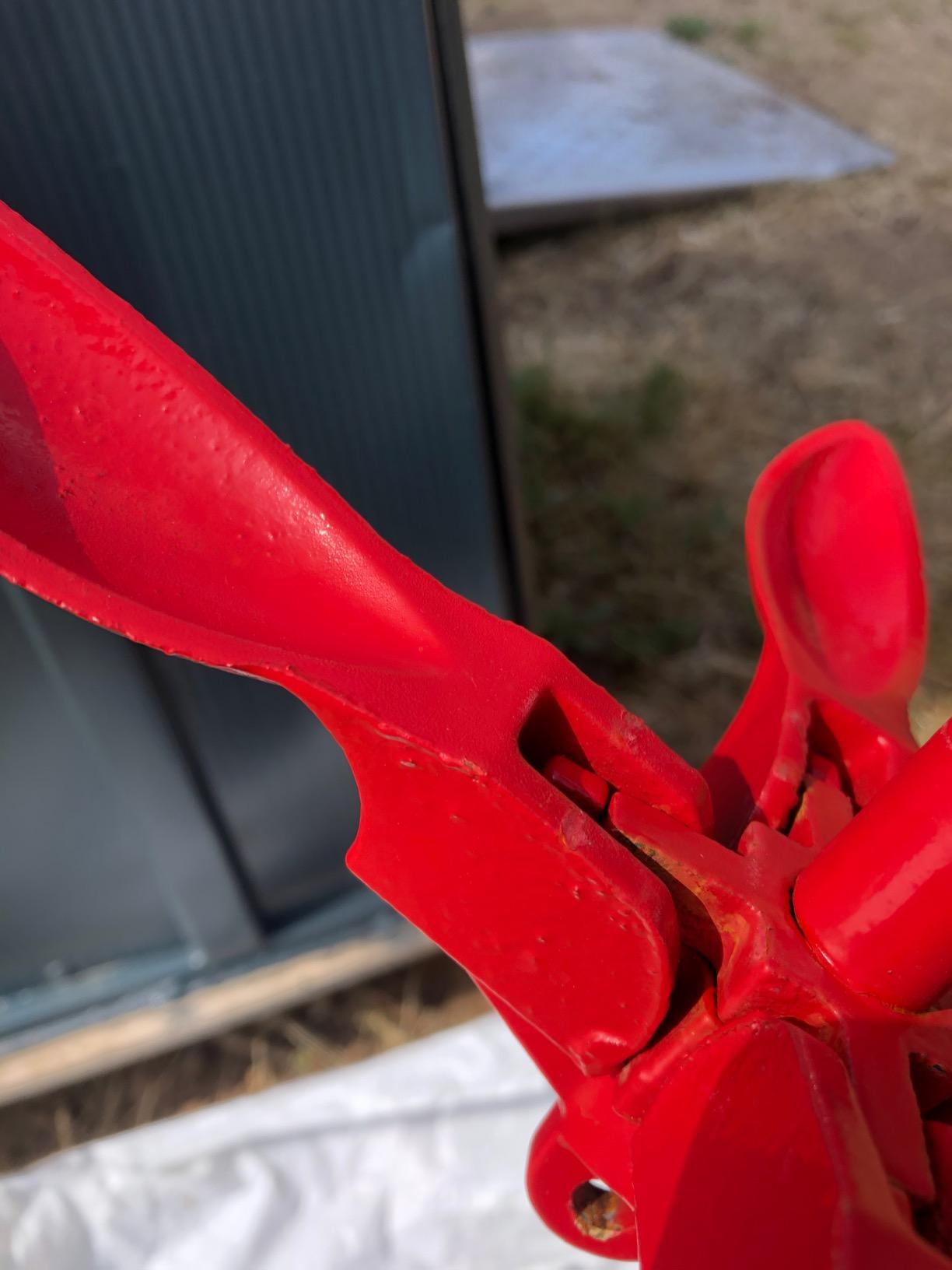
Why folding beats drilling on mixed bottom
Nothing about this anchor needs a helix to bite. The tines dig under load, which means the same anchor handles a gravel bar in the morning and a soft mud pocket in the afternoon without you swapping gear. For a rider who does not know what the bottom is doing, that flexibility is worth more than any single-style specialist.
The safety note is real, though. Snag it on a rock and reversing hard will swing the fluke into your hull. Attach a bow line with enough slack that the ski moves toward the anchor rather than sideways, and reverse gently when you break out.
6. Obcursco 20L Sand Bag - The Fix When the Bottom Is Rock or Coral
Obcursco 20L Jet Ski Anchor Kit PWC Anchor 2 in...
20 liter 500D PVC
Line rated to 2200 lbs
12 ft high-visibility line
Stainless clips
What we like
- Twice the capacity of typical bag anchors
- Works on rock when filled with stones
- Doubles as a dry bag for phones and keys
- Stainless clips and quick-release strap empty it fast
- One owner reports 20 uses a year with no wear
What could be better
- Takes time to fill with sand
- One reviewer reported rope fraying after a single day
- Heavy once filled
When the bottom is bare rock or coral, no screw-in anchor and no grapnel is going to help you, because there is nothing for either one to bite. Filling a bag with stones solves it. This 20-liter bag holds roughly twice what typical bag anchors carry, built from marine-grade 500D PVC with 316 stainless clips and a quick-release bottom strap.
It is also a dry bag. Owners use it to carry phones, keys and wallets to a sandbar, then fill it with sand on the way back. The high-density PE line is one-half inch diameter, 12 feet long and rated to 2,200 pounds of tension, which is far more than the load a sand bag imposes.
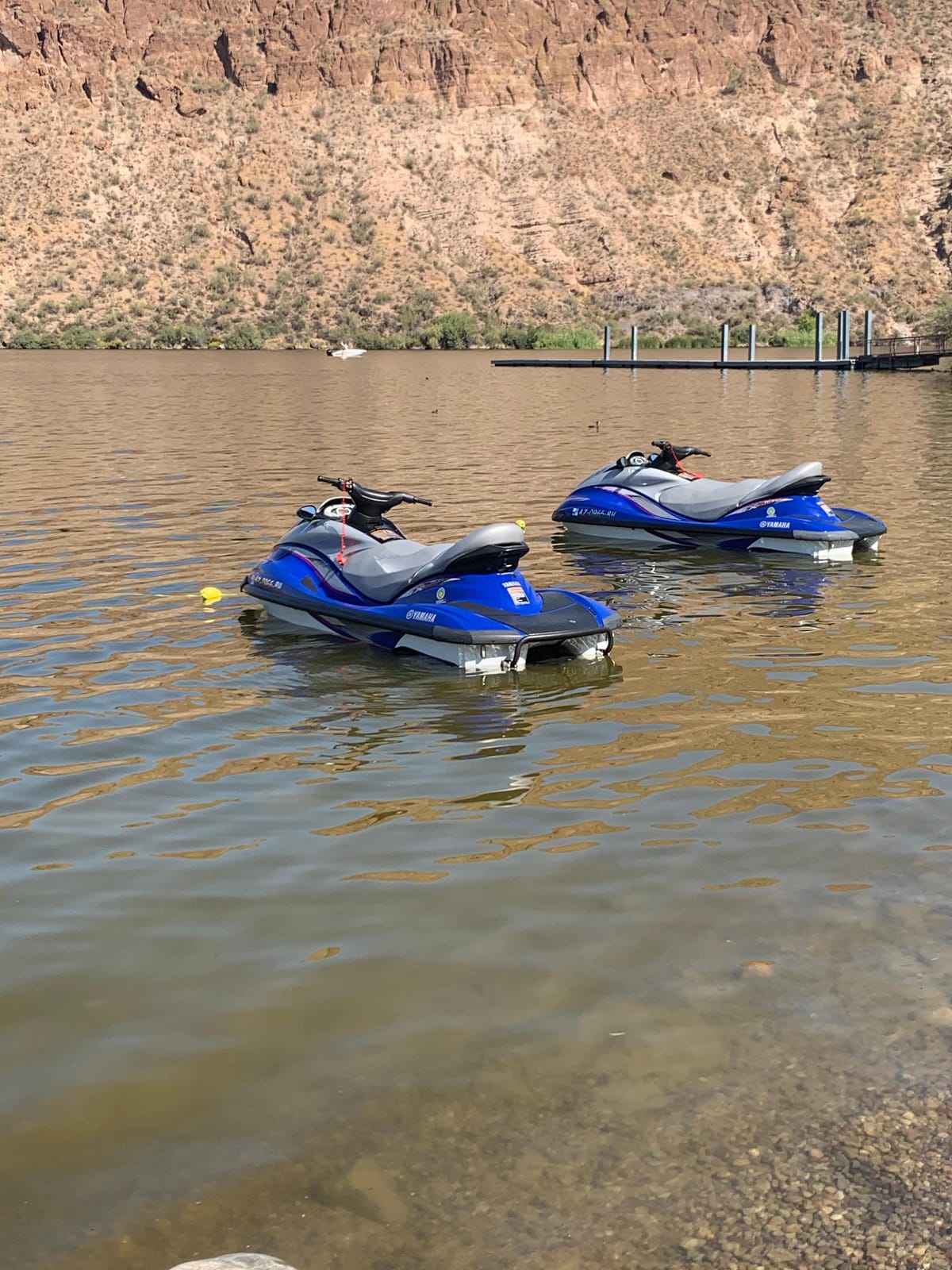
Buyers compare it favorably to factory Sea-Doo bag anchors, noting that the heavier marine-grade PVC and larger capacity outlasted bags they had been replacing every three years. One owner has used it 20 times a year with no visible wear. Others report steady holding in wind and three-foot waves where lighter screw anchors walked.
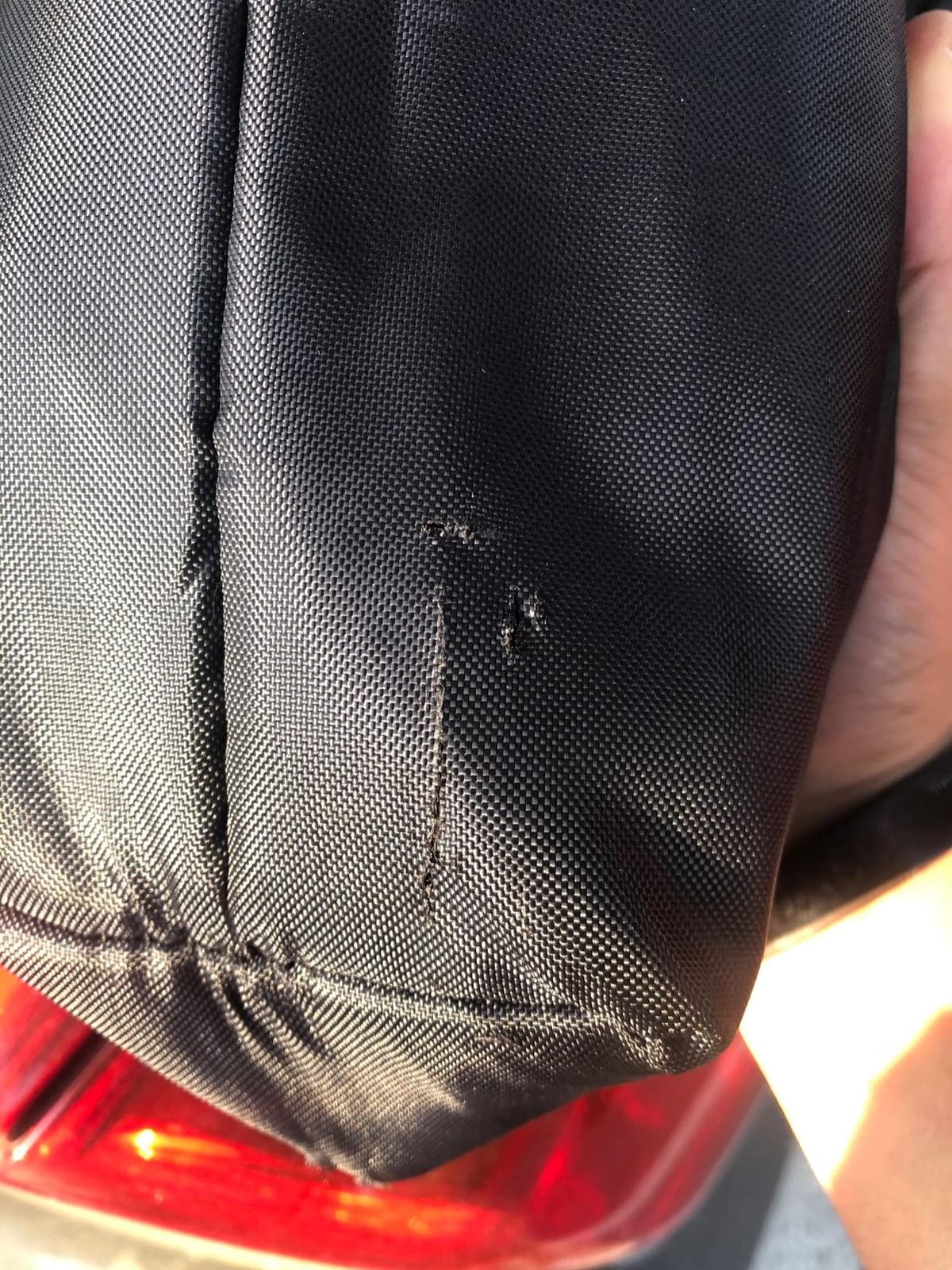
Be realistic about the two complaints. Filling it takes several minutes, which matters if you are trying to catch a weather window. And one reviewer reported the rope fraying after a single day, so inspect the line before each trip rather than assuming it is fine.
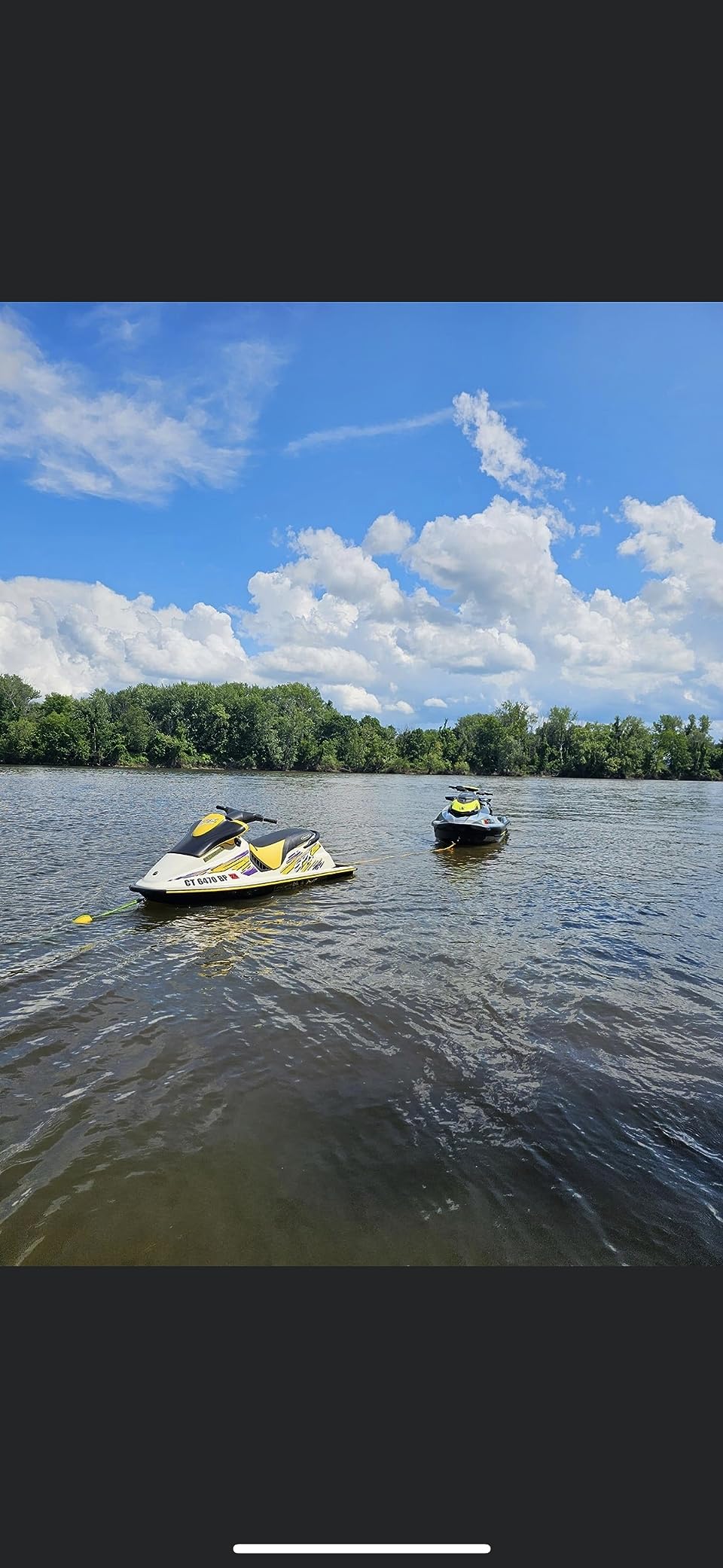
When a sand bag is the right answer
Reach for it on rock, coral, gravel or a boulder field, and on any bottom where you already know anchors fail. Fill with stones where stones exist, or with wet sand packed tight, and you have deadweight that no wave moves.
Manage the weight. Around 63 pounds of dry beach sand in a 20-liter bag is real mass for a PWC rear bin, so most riders fill it partially, attach the line high on the bow eye, and keep the bag on the seat rather than loose in the floor where it shifts under you. A short line from a high bow tie-off also keeps the load pulling down and aft rather than sideways.
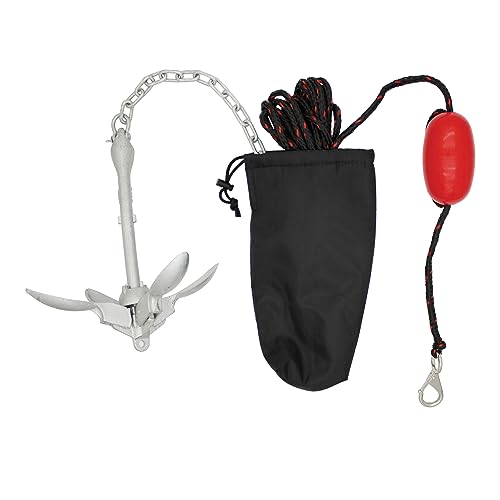
7. Extreme Max BoatTector - Complete Kit With Chain and 25 ft of Rope
Extreme Max 3006.6785 BoatTector Complete Deluxe...
3.5 lb alloy steel grapnel
4 ft galvanized chain
25 ft hollow-braid rope
Buoy and bag
What we like
- Only kit here that includes a 4 ft galvanized chain with shackles
- Chain improves setting and holding on hard bottom
- Works in coral
- rock and heavily weeded bottoms
- Hollow-braid rope resists abrasion
- Padded bag protects the hull
What could be better
- 3.5 lb suits small boats
- kayaks and PWCs in calm to moderate water
The difference between this kit and a bagged grapnel is the four feet of chain. It is 3/16-inch galvanized anchor chain with two 1/4-inch shackles, and it sits between the anchor and the 25 feet of hollow-braid polythene rope. That chain segment is what the forums keep arriving at, and it is the reason this kit holds better on rocky and weeded bottoms than a rope-only rig.
Chain adds weight low on the line, which keeps the anchor down and lets it drag into the bottom instead of skimming across it. It also resists abrasion against rock in a way rope does not. The rest of the package is standard and good: a marine-grade foam marker buoy, a steel snap hook and a padded nylon bag.
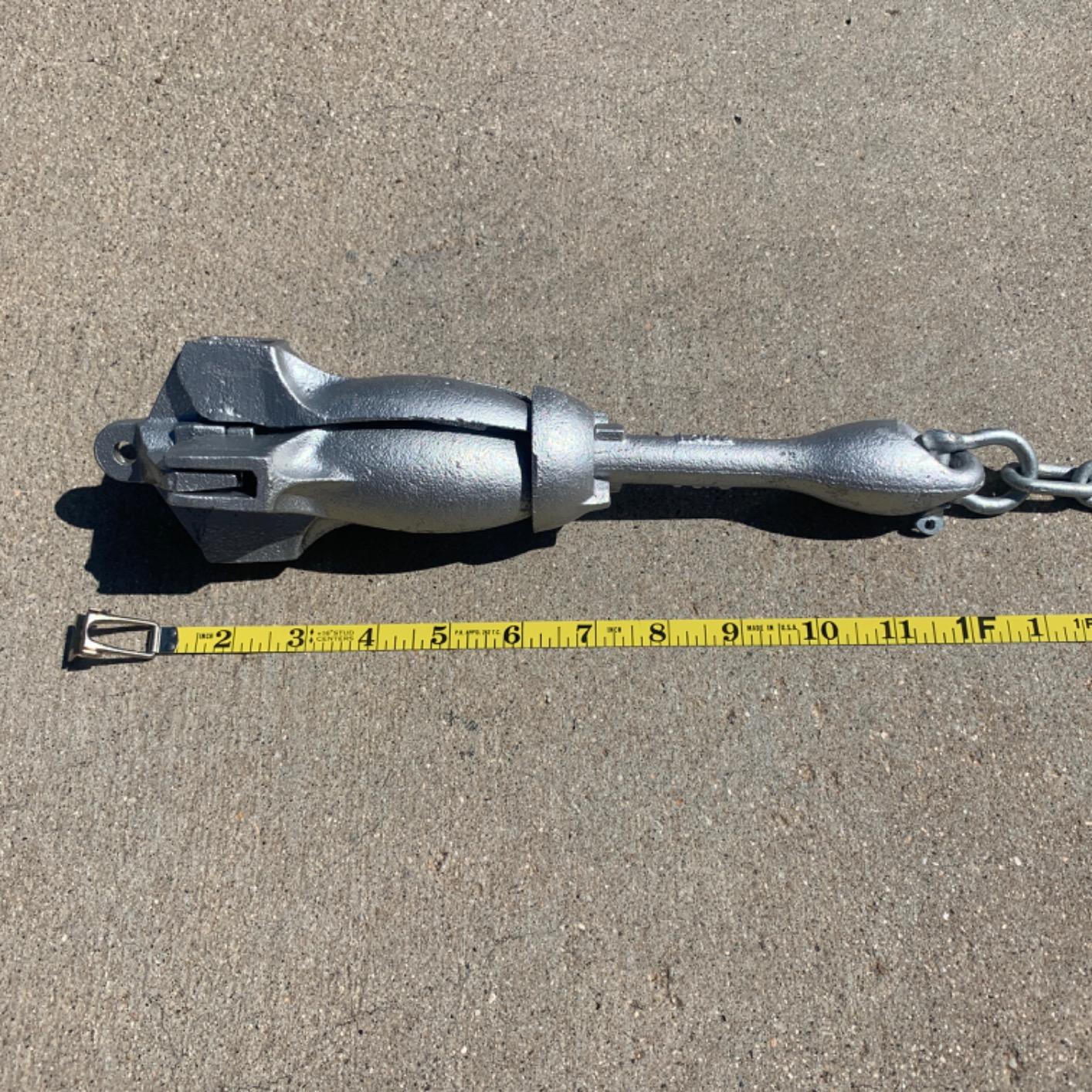
The 77 percent five-star share reflects appreciation for a genuinely complete package rather than for the anchor alone. Value is measured against what you would assemble yourself: an anchor, a shackle, four feet of chain, 25 feet of line, a buoy and a bag, all in one box and all sized to each other.
The limitation is the same one that applies to any 3.5-pound grapnel. It is built for small boats, kayaks and personal watercraft in calm to moderate water, and it will not hold a heavier craft in a serious blow.
What the chain actually solves
If your anchor keeps tripping or dragging without burrowing, the line is often the problem rather than the anchor. Adding three to four feet of chain at the anchor end is a cheap experiment that fixes it, and this kit already has the shackles to make the connection correctly.
Rinse the chain after every saltwater or algae-heavy session and dry it before storage. Galvanized steel still corrodes eventually, and the foam buoy and padded bag are what keep the rest of the kit organized while it lives in a locker.
8. Cooper 2.2 LB Nylon Anchor - Rust-Free and Hull-Friendly
COOPER ANCHOR 1Kg/2.2lb - Nylon - PWC Anchor...
All-nylon body
2.2 lb, made in Australia
Rated to boats under 12 ft
Flexible digging shape
What we like
- Digging action gives real holding without relying on weight
- Owners report it holding in 10 to 15 mph winds and 2 to 4 ft swells
- Will not rust and will not scratch a storage bin
- 2.2 lb and compact enough for a front bin
- Deforms around bottom contours to grab soft sand and mud
What could be better
- Small eyelet is hard to fit a chain connector to
- Needs your own rope and often a short chain
- Not effective on rocky bottoms
- Rated only for craft under 12 ft
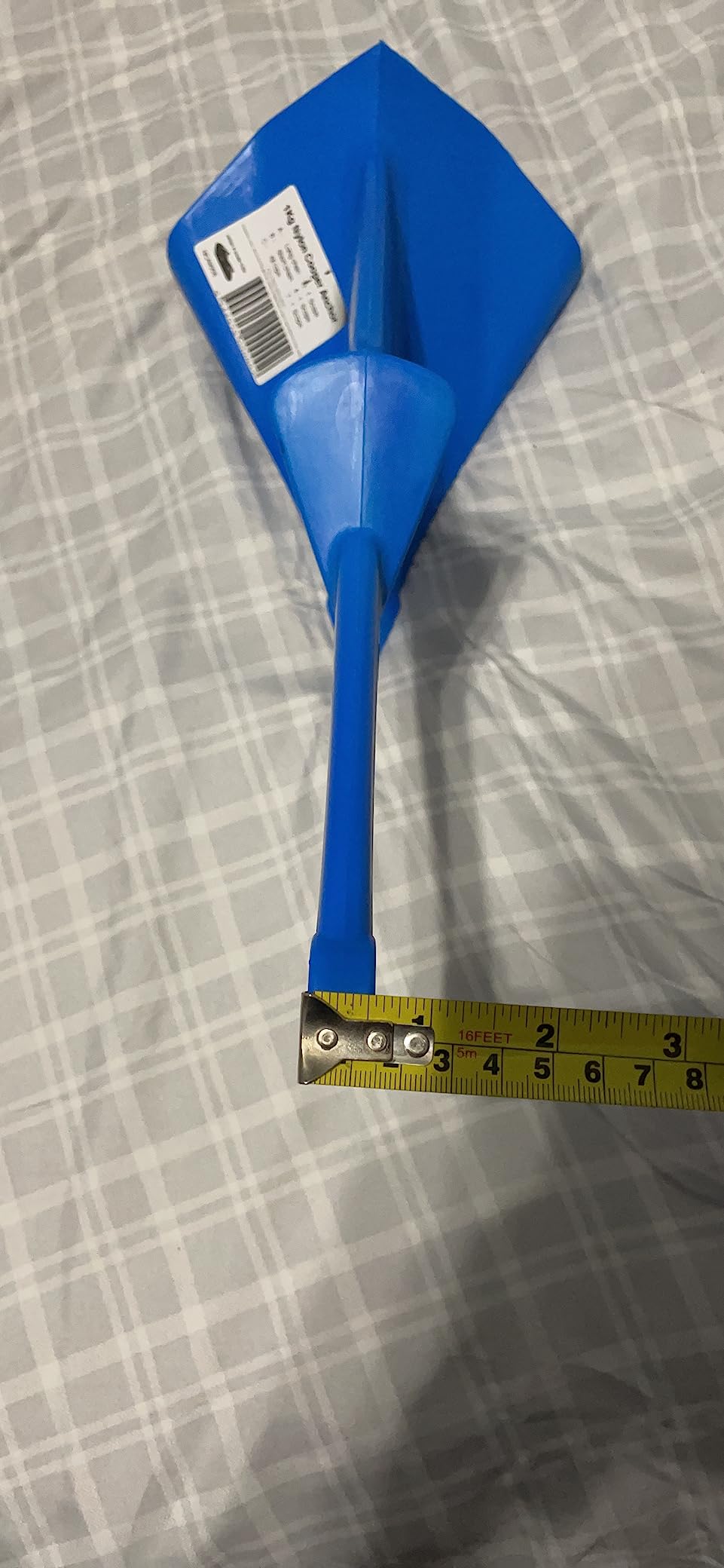
Every other anchor on this list is metal. This one is entirely nylon and plastic, made in Australia, and that single fact answers the objection we hear most often from PWC owners, which is fear of scratching the hull or leaving rust in a storage compartment. It weighs 2.2 pounds and cannot corrode.
Holding is a different story from most nylon gadgets. The flexible body deforms around the bottom contour and digs into sand and mud, and multiple owners describe it holding a ski steady in 10 to 15 mph winds and 2-to-4-foot swells where both factory anchors and sand bags drifted away. That is the strongest review consensus in the entire set, and it is why this anchor ranks at 4.7 stars across more than 500 reviews.
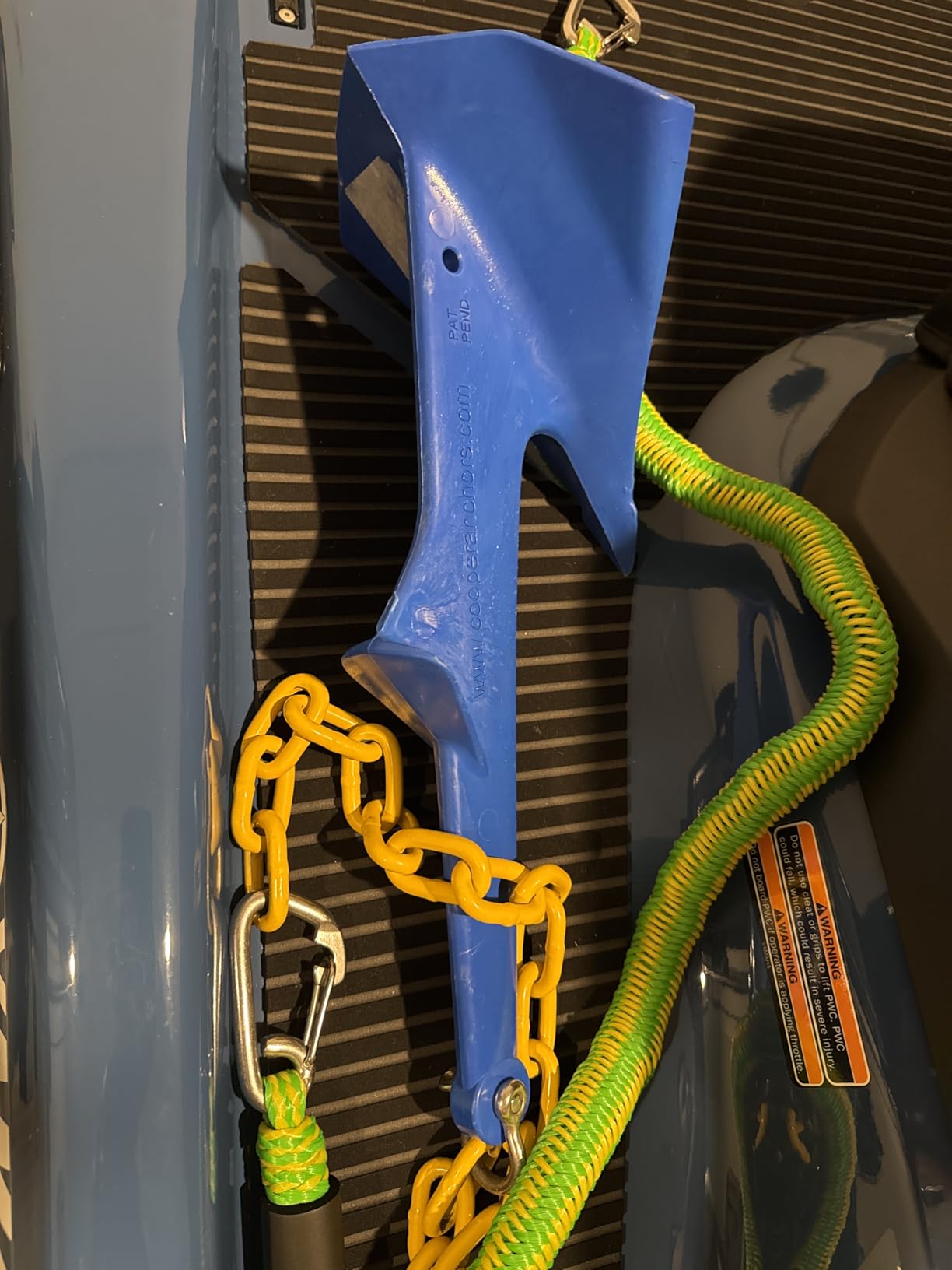
There are real constraints. The attachment eyelet is small and hard to fit a chain connector to, and performance depends on correct scope, which means you supply your own rope and often a short chain. It does not work on rock. And it is rated for craft up to 12 feet, so it is not a solution for a larger boat.
We would also not put it in deep open water with heavy current or a large tidal swing. It is a shallow-to-moderate sand and mud anchor built for a personal watercraft, and treating it as anything more than that will disappoint you.
Who should buy it
Buy the Cooper if you have a single PWC with a small front storage bin, if you anchor in sand or mud, and if the idea of rust streaks on a gelcoat bothers you more than the idea of carrying a metal anchor. Long-term owners across the US, UK, Canada and Australia use it that way.
Add a short chain and 30 feet or more of line before you trust it for a full day. Correct scope is not a detail on this anchor; it is the difference between it digging and it dragging.
How to Anchor a Jet Ski at a Sandbar
Setting an anchor correctly matters more than which anchor you own. A well-set cheap anchor beats a badly set expensive one every time.
- Pick the spot before you drop. Experienced riders judge the anchorage before they judge the gear. Look for a sandy bottom, minimal boat traffic, and shelter from the prevailing wind. A crowded sandbar with deep wash underneath is a bad bet even with a good anchor.
- Come alongside slowly. Kill your engine and coast the last few feet if the spot is tight, so you are not creating your own prop wash and prop walk.
- Set the anchor first, then attach the line. Screw or drive the anchor into the bottom, confirm it is buried, and only then clip on the rope. Attaching first and letting the current pull the anchor in is how most people fail to set.
- Use a short chain where the bottom is firm. Three to four feet of chain at the anchor end keeps the anchor down and lets it dig instead of skimming.
- Let out enough scope. Give the ski room to move toward the anchor. A line pulled dead tight holds the craft at an angle that peels the anchor out.
- Attach high on the bow. A high bow tie-off pulls downward and aft instead of sideways, which is the direction anchors are designed to resist least.
- Mark it. Clip a marker buoy to the anchor line so you can find it in the afternoon when visibility drops.
That sequence takes a couple of minutes once you have done it a few times, and the Auger step is the part riders rush. Take the extra half minute to confirm the anchor is buried before you let go.
How Heavy Should a Jet Ski Anchor Be?
Most personal watercraft riders are carrying more anchor than they need for a day at the sandbar, and too little for an overnight. Here is the honest guidance we use.
- Up to 2 feet of water, sand bottom, day use: 3 to 3.5 pounds. Every folding grapnel in this roundup sits here, and that is the correct weight for a lunch stop.
- 2 to 4 feet, sand or firm mud, day use: 5 pounds. This is where the SandShark SuperSport 3.0 sits, and it is the point where a screw-in starts to make more sense than a folding anchor.
- 4 to 8 feet, overnight or multi-day: 5 to 8 pounds of mechanical anchor, or a sand bag. Do not rely on a 3.5-pound grapnel alone at this depth overnight.
- 8 feet and deeper, or any current: Two anchors, not one heavier one. Bow and stern, both dug in, is the configuration experienced riders converge on, and it beats a single anchor twice the size.
- Rock or coral at any depth: Weight is the only lever you have. Fill a bag with stones. No amount of steel changes the fact that there is nothing to grip.
The other half of the answer is the line. Holding power is a function of the whole system, and a 5-pound anchor with 10 feet of rope is weaker than a 3.5-pound anchor with 40 feet.
Anchor Rode: Chain, Rope and How Much to Let Out
The best anchor in this guide is useless with the wrong rode, and rode is where most of the disagreement in the forums comes from. The rule is scope: let out enough line that the load pulls along the bottom rather than straight up out of it.
Boat practice calls for a 5:1 ratio, five feet of rode per foot of depth. For a personal watercraft in shallow water, 3:1 is a workable minimum, and in current you want every foot of depth you can get. The 40 feet of rope in the folding kit and the 25 feet in the grapnel kits are sized for exactly this.
Build the rode in two segments. Three to four feet of chain or heavy line at the anchor end, then the remaining rope up to the bow eye. The chain holds the anchor down and protects the line from abrasion; the rope absorbs the shock of a wake in sections rather than all at once.
For an overnight stay, the short answer is at least 15 feet of chain plus 50 feet or more of rope, or 40 feet of line on a sand bottom where you have a good sandbar. Longer is better. Shorter is how a drifting ski ends up against a pontoon at 2 a.m.
Do not tie the line dead tight. The ski should be free to surge toward the anchor and then be pulled back, because that repeated loading is what drives an anchor deeper.
Overnight and Multi-Day Mooring: The Two-Anchore Setup
If you plan to leave the ski overnight, a single anchor is the wrong answer no matter how good it is. The community answer, and the one we now give anyone who asks, is two anchors and two lines.
Set one anchor off the bow and one off the stern, ideally at slightly different angles rather than parallel. This is the configuration multiple riders use on Sea-Doo Switch models, tied with bungee dock lines so the lines stretch rather than shock the hull. Two independent points mean a single fouled or dragging anchor is an inconvenience rather than a loss.
Where the bottom allows it, run a shore line as well. In a bay or a river cove, a line to a tree, rock or dock cleat, made fast with enough slack to allow tidal or water-level change, keeps the craft inside a small circle rather than letting the anchors take the entire night.
Choose the site with the most care. A protected cove with a sandy bottom and no overnight boat traffic will outperform any anchor in this guide. Gear cannot compensate for a bad anchorage, and experienced riders all say the same thing: pick a well-protected spot first, then pick an anchor.
Expect to check it. Morning and evening looks at the line, the anchor angle and the tide tell you whether the setup is working, and adjusting scope in the evening often beats replacing an anchor.
Why Your Jet Ski Anchor Did Not Hold
Almost every failed set comes down to one of five causes, in roughly this order of likelihood.
- Bottom type mismatch. The loudest complaint in the forums is a fluke that would not grip and a SandShark that would not set or hold. Both are sand-designed anchors used on rock, gravel or a clay pan. Match the style to the bottom before anything else.
- Not enough scope. A tight line pulls the anchor up and out rather than along the bottom. Let the ski drift toward the anchor.
- Not enough weight for the load. A 3.5-pound grapnel is a kayak and PWC anchor in calm to moderate water. Overnight in wind is a different job.
- A sand bag that lost its fill. Riders report sand leaking out of waterproof bags over time, leaving a limp shell that does nothing. Check the bag and the buckles before you rely on it.
- A bag that is too full to deploy correctly. An overloaded sand bag lands in a heap rather than sitting flat, and a half-empty one just moves. Fill it where you can shape it, not from the bow.
A sixth cause is worth naming because it is not the anchor's fault at all. A rode fouled on a prop, a rock or your own anchor line will stop any anchor from setting, and it is worth checking before you blame the gear.
Jet Ski vs Ski Boat Anchors: What Changes
A towable ski boat is heavy, has a propeller and a rudder, and sits deeper in the water, so it tolerates and demands more anchor weight than a personal watercraft. Ratings for those boats generally assume 2,000 to 3,000 pounds of displacement.
A PWC needs something in the 3-to-5-pound range with enough scope, and the whole category exists because full-size boat anchors are unusable at that scale. The same manufacturers who sell a 20-pound bow anchor for a bay boat sell a 5-pound screw-in pole for a ski, and they are not scaled-down versions of each other. They are different tools.
The practical consequence is that an anchor rated for a 16-foot runabout is usually too heavy to store and carry on a PWC, and an anchor sized for a PWC will not hold a loaded ski boat. Buy for the craft you actually own.
Frequently Asked Questions
What type of anchor is best for a jet ski?
A fluke or grapnel anchor is the best choice for most jet skis, because a personal watercraft is light enough that broad tines digging into mud, gravel or rock out-hold any screw-in design. On a clean sand bottom, a screw-in pole holds best. On bare rock or coral, use a sand bag filled with stones.
How heavy of an anchor do I need for a jet ski?
For a day stop in up to 4 feet of water, 3 to 5 pounds is right. Plan an overnight in 4 to 8 feet and you want 5 to 8 pounds of mechanical anchor, or a sand bag, plus a second anchor off the stern. In current or past 8 feet, run two anchors rather than one heavier one.
How much anchor rode should I let out for a jet ski?
Let out about 3 times the depth of water as a practical minimum, and 5 times the depth if the bottom is firm. Build the rode in two segments: 3 to 4 feet of chain at the anchor end, then the rest of the rope to the bow eye. For an overnight stay, use at least 15 feet of chain plus 50 feet or more of rope.
Why will my jet ski anchor not hold?
In order of likelihood: the anchor style does not match the bottom, there is too little scope on the line, the anchor is too light for the load, a sand bag has lost its fill, or the bag is overfilled and lands in a heap. A rode fouled on the prop or a rock stops any anchor from setting, so check that before blaming the gear.
Are Rocna or Mantus anchors right for a personal watercraft?
Usually not. Rocna and Mantus are full-size boat anchors, and most models weigh 8 to 16 pounds or more, which is awkward to store and overkill for a craft that weighs a few hundred pounds. The PWC equivalents are a folding grapnel in the 3.5-pound range or a 5-pound screw-in pole.
Can you anchor a jet ski overnight?
Yes, but not with one anchor. Set one off the bow and one off the stern at slightly different angles, tie them with bungee dock lines, and add a shore line in a bay or cove. Choose a protected sandy bottom with no overnight boat traffic, and check the setup morning and evening.
Which Jet Ski Anchor Is Right for You
Carry the Best Marine 3.5-pound folding kit if you want one anchor that handles sand, mud and rock and arrives with 40 feet of line, a buoy and a bag already in the box. Choose the SandShark SuperSport 3.0 if you anchor in sand past waist-deep water and want a telescoping shaft that will not mark a hull. Buy the SandShark Sport if you only stop for a few hours and want the lightest thing you can carry.
For salt water, the SandShark Lite 18 in 316 stainless is the corrosion answer. For bare rock or coral, fill the Obcursco 20L bag with stones. For the complete package including a 4-foot galvanized chain, the Extreme Max BoatTector is the one. And if rust on a gelcoat is your main objection, the all-nylon Cooper 2.2-pound anchor will not corrode and will not scratch a storage bin.
Whichever you pick, match the style to the bottom, give it scope, and for anything past a lunch stop run two of them. Check the setup morning and evening, and you will find your jet ski anchor where you left it every time. That is the standard every anchor in this guide is held to in 2026.