A jet ski fish finder is a compact marine sonar unit, either a castable transducer paired with a handheld or phone display, or a small mounted console with built-in GPS, that shows water depth, bottom structure and fish location while you ride a personal watercraft. Jet skis have no factory depth sounder, a shallow draft and no radar, so a fish finder both protects the hull and the jet pump in unfamiliar water and turns riding time into actual fishing time.
I have spent the last few seasons matching sonar to personal watercraft, mostly Yamaha Waverunners and Sea-Doo FISH PRO models, and the failure pattern is consistent. Buyers ask which brand is best, then install a console unit that is too large, too slow to configure, or impossible to power cleanly from a ski's accessory wiring. Others buy a tiny handheld and give up because the screen is unreadable in sun.
So this roundup of the best jet ski fish finders starts from the platform rather than the spec sheet. We compared ten units across three distinct tiers: castable and phone-based sonar, small mounted console heads, and full GPS chartplotter combos. Along the way we weighed the details a PWC owner actually feels: screen size at speed, depth range, whether the transducer can live on a fiberglass hull, whether the unit can run off a 12V accessory lead, and whether the display survives salt spray.
This is the guide I wish I had before the first install. Updated for 2026 as new models land in the category.
Our Top 3 Tested Jet Ski Fish Finders for 2026
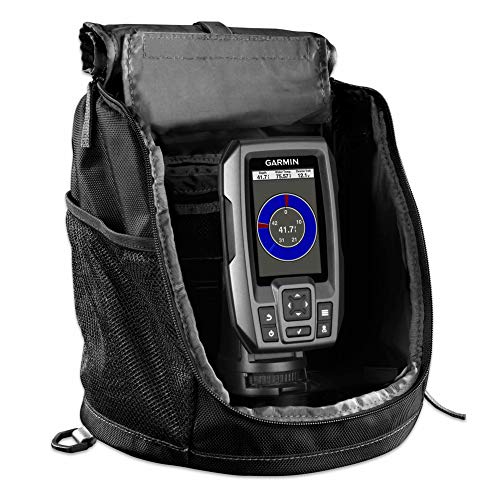
The Garmin STRIKER 4 with Portable Kit takes our top slot because it is the only unit here that works as both a console head and a standalone battery-powered device, and it carries a top rating and the largest review base in the group. The Garmin STRIKER Vivid 4cv is the smarter buy for anyone who will hard-mount and wants colour scanning sonar. The Humminbird PiranhaMAX 4 is the no-frills answer for anglers who only want to see depth and structure. Among castable units, the LUCKY 1108CP handheld is the cheapest way to add a real depth finder to a small craft.
Garmin STRIKER 4 with Porta...
- CHIRP traditional sonar
- 3.5-inch color LCD
- Built-in flasher
- GPS waypoint map

Garmin STRIKER Vivid 4cv
- 4-inch color LCD
- CHIRP ClearVu scanning sonar
- GT20-TM transducer included
- Quickdraw Contours mapping

Comparing All Ten Jet Ski Fish Finders in 2026
All ten models below are current-generation marine sonar. The table lists each one's sonar type, display, mapping capability and the situation we think it suits best, so you can sort the list by the decision you are actually making rather than by brand reputation.
| Product | Highlights | Action |
|---|---|---|
| Garmin STRIKER 4 with Portable Kit |
|
Check Latest Price |
 Garmin STRIKER Cast Garmin STRIKER Cast |
|
Check Latest Price |
| Garmin STRIKER Vivid 4cv |
|
Check Latest Price |
 Humminbird HELIX 5 G3 CHIRP GPS Humminbird HELIX 5 G3 CHIRP GPS |
|
Check Latest Price |
| Humminbird PiranhaMAX 4 |
|
Check Latest Price |
 Lowrance EAGLE 4X Lowrance EAGLE 4X |
|
Check Latest Price |
 Deeper PRO+ 2 Sonar Deeper PRO+ 2 Sonar |
|
Check Latest Price |
 Venterior Portable Fish Finder VT-FF005 Venterior Portable Fish Finder VT-FF005 |
|
Check Latest Price |
 LUCKY 1108CP Handheld LUCKY 1108CP Handheld |
|
Check Latest Price |
 DANOPLUS DP-104 Portable DANOPLUS DP-104 Portable |
|
Check Latest Price |
1. Garmin STRIKER 4 with Portable Kit - The All-Rounder That Works Console and Battery Powered
Garmin 010-01550-10 Striker 4 Fish-Finder with...
3.5-inch color LCD
CHIRP traditional sonar
1600 ft fresh and 750 ft salt
Rechargeable battery
What we like
- Works as a console head or a standalone battery unit
- Keyed buttons are easy to learn with gloves on
- Complete kit with battery transducer and mounts
- Screen stays readable in direct sun
What could be better
- Instruction manual is poorly organised
- Battery power cable has no quick-disconnect
- 3.5-inch screen is small at speed
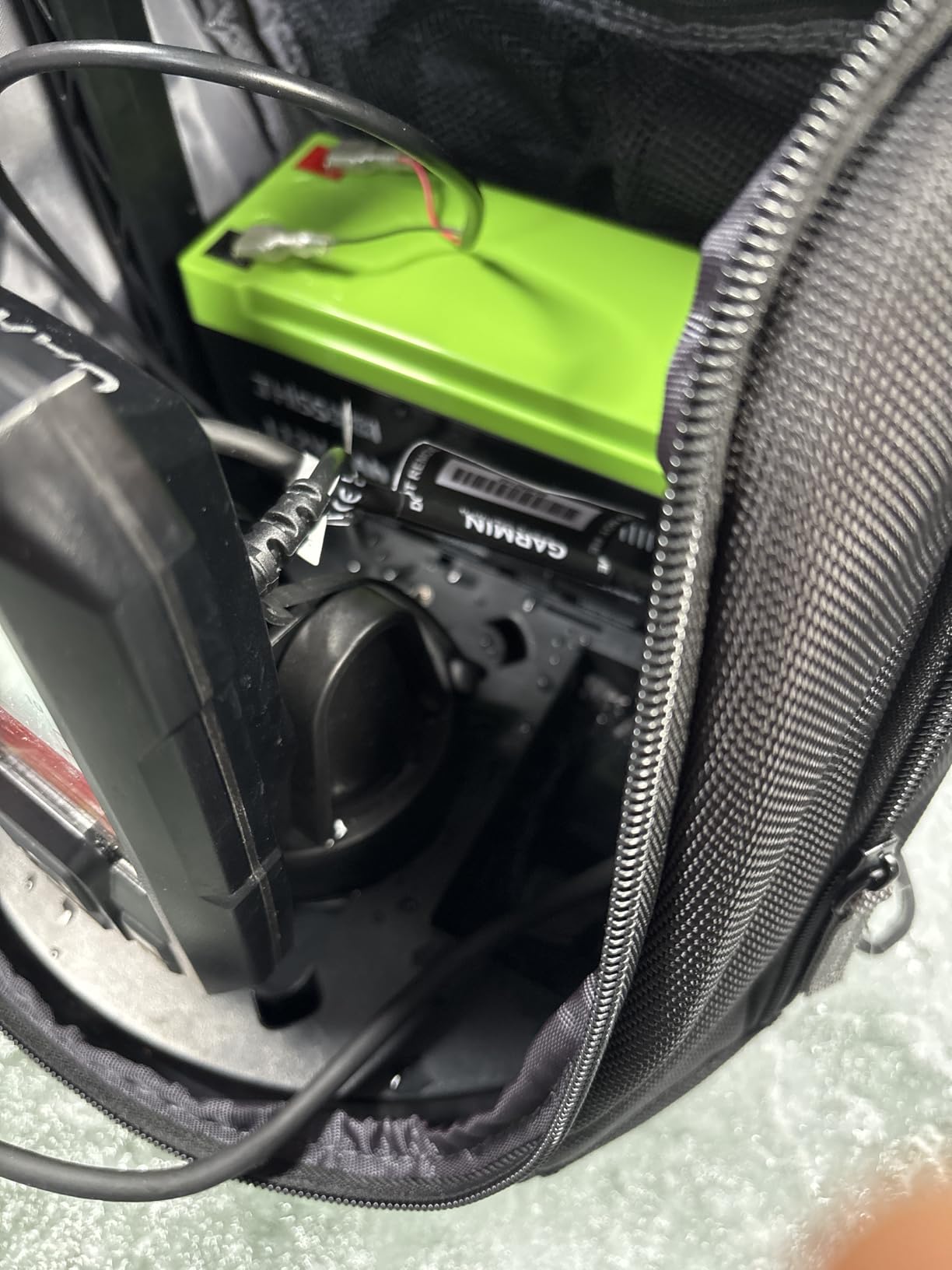
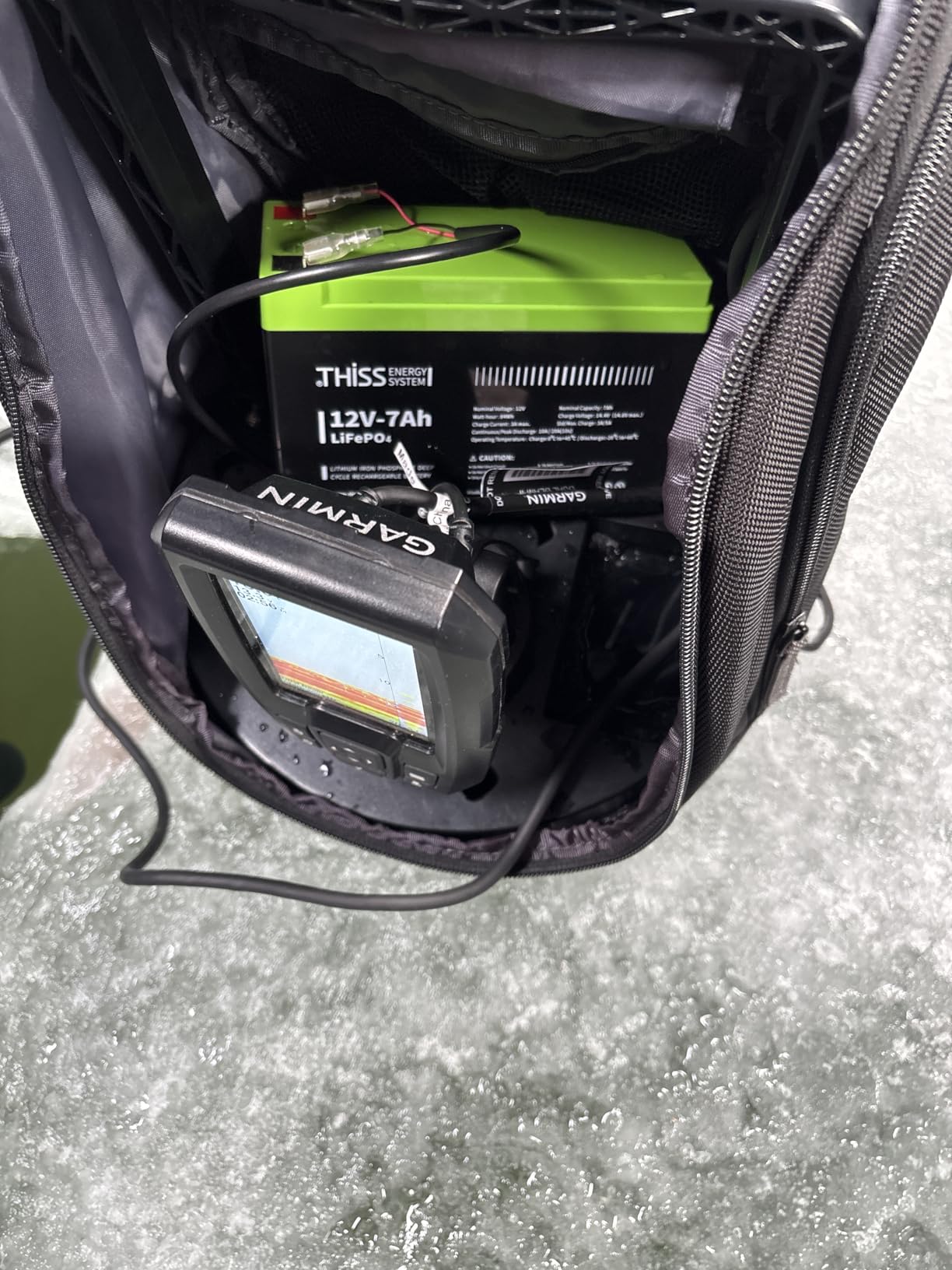
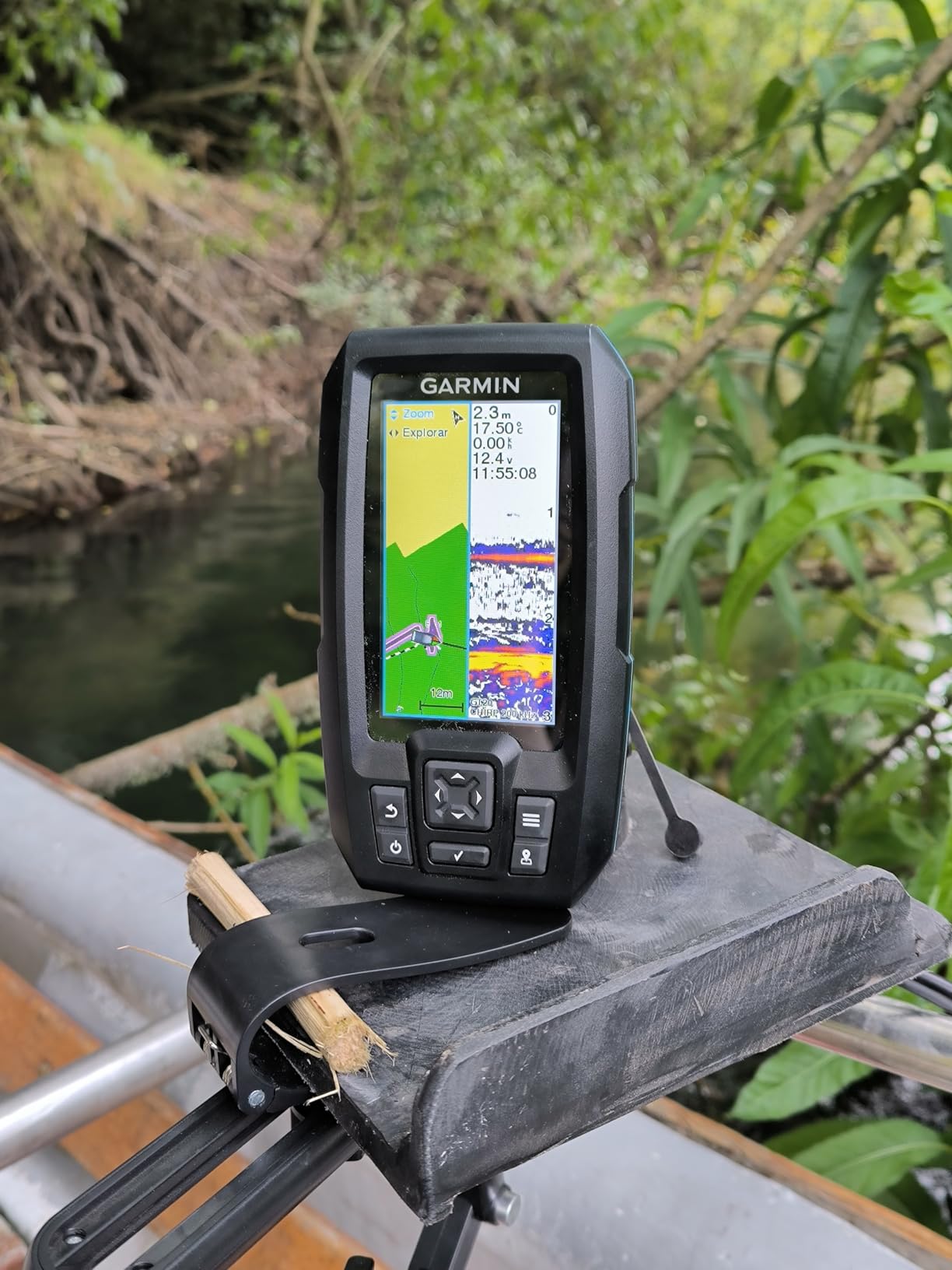
The Garmin STRIKER 4 is the unit I keep coming back to, and the reason is that it does not force a choice. It is a panel-mount capable console head, but the same box runs off the included rechargeable battery, so you can pull it off the bail bracket, clip it to a pocket and cast from a shoreline or a sandbar in the middle of a lake.
On a PWC that flexibility matters more than it does on a jon boat. Most personal watercraft owners share a machine between fishing, cruising and family use, and a permanently wired head with a hard-mounted transom transducer is awkward on a craft with limited storage. The kit includes the transducer, a tilt and swivel mount, transom and motor mounts, a foam float, a handle, a power and data cable and the rechargeable battery, so the install is genuinely complete out of the box.
CHIRP sonar and depth reach on a ski
The STRIKER 4 uses CHIRP traditional sonar, which sweeps a continuous range of frequencies instead of sending a single fixed frequency. That sweep produces cleaner fish arches and better target separation than a fixed-frequency ping, which matters when you are trying to separate a suspended school from a weed line at 25 feet on a moving craft.
Rated depth is 1600 feet in freshwater and 750 feet in saltwater, so a river run or an offshore trip will not out-range it. Transmit power is listed at 200 W RMS, and the keyed interface with dedicated buttons means you can change sensitivity or zoom without hunting through a menu, which is the right call on a ski where you are riding in chop and wearing a glove on one hand.
Battery life versus a wired mount
The unit weighs 8 ounces, so moving it between the console and your lap costs nothing. Runtime on the included rechargeable battery is adequate for a full morning of casting, and the built-in flasher mode gives you a classic vertical-jigging and ice-fishing view if you want to watch a lure in real time.
The weak spot is the power cable. It lacks a quick-disconnect, so if you run the head off the ski's 12V accessory lead you are pulling terminals off to charge the battery. Several owners solve this with an inline fuse and a permanent accessory connection. Reviewers also flag the manual as the biggest single weakness, since setup and configuration genuinely need an online tutorial.
Where it falls short on a personal watercraft
The 3.5-inch screen is the limiting factor. At 40 mph in bright sun, a 3.5-inch panel is workable for depth and arch confirmation but cramped for reading bottom contour. If your day is spent running between marks rather than sitting on one, step up to a larger head.
It also uses a keyed rather than touchscreen interface, which some owners love and others find dated. Owners report it holds up well in heavy rain, snow and sub-zero temperatures, and the waypoint map reliably returns you to brush piles, stumps and docks.
2. Garmin STRIKER Cast - Best Jet Ski Fish Finder When You Already Carry a Phone
Garmin Striker Cast, Castable Sonar with GPS, Pair...
Castable wireless sonar
Phone and tablet display
GPS with Quickdraw Contours
10+ hour battery
What we like
- Nothing to mount or wire
- Very quick app-based setup
- 10+ hour internal rechargeable battery
- IPX6 and IPX7 water resistance
- Custom contour maps from any watercraft
What could be better
- Dead phone ends the session
- 200 ft depth ceiling
- Cannot be permanently mounted on a console
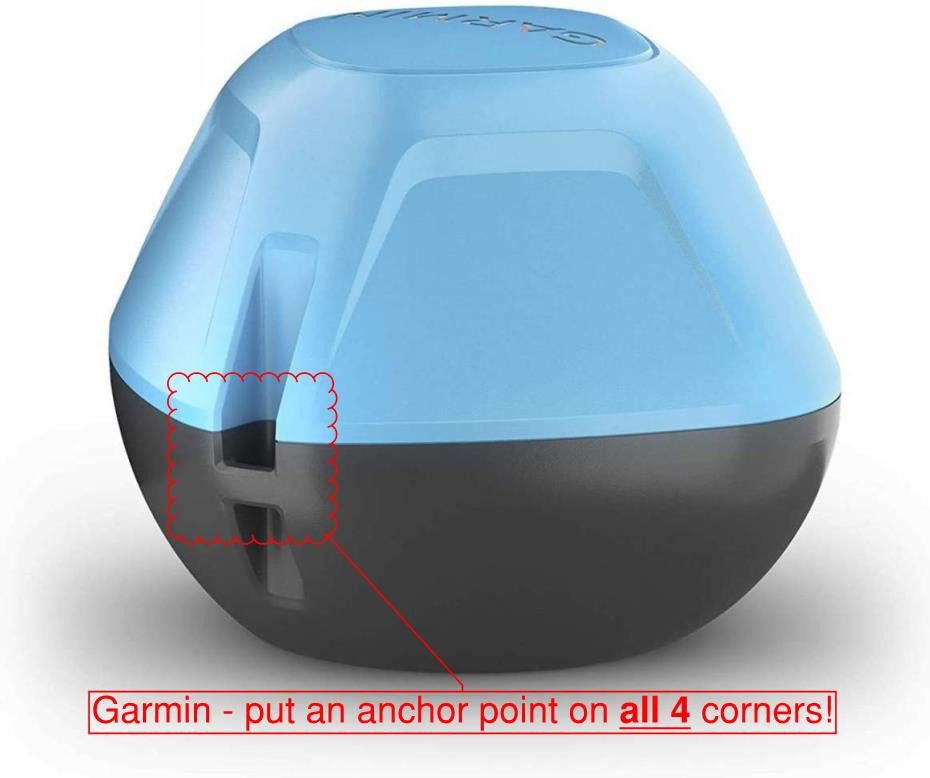
The Garmin STRIKER Cast inverts the usual arrangement. The sonar is a puck you cast, and the display is the phone or tablet already riding in your storage tunnel. For a jet ski owner who does not want to drill a hull or run wire, that is the cleanest install in this entire guide: there is none.
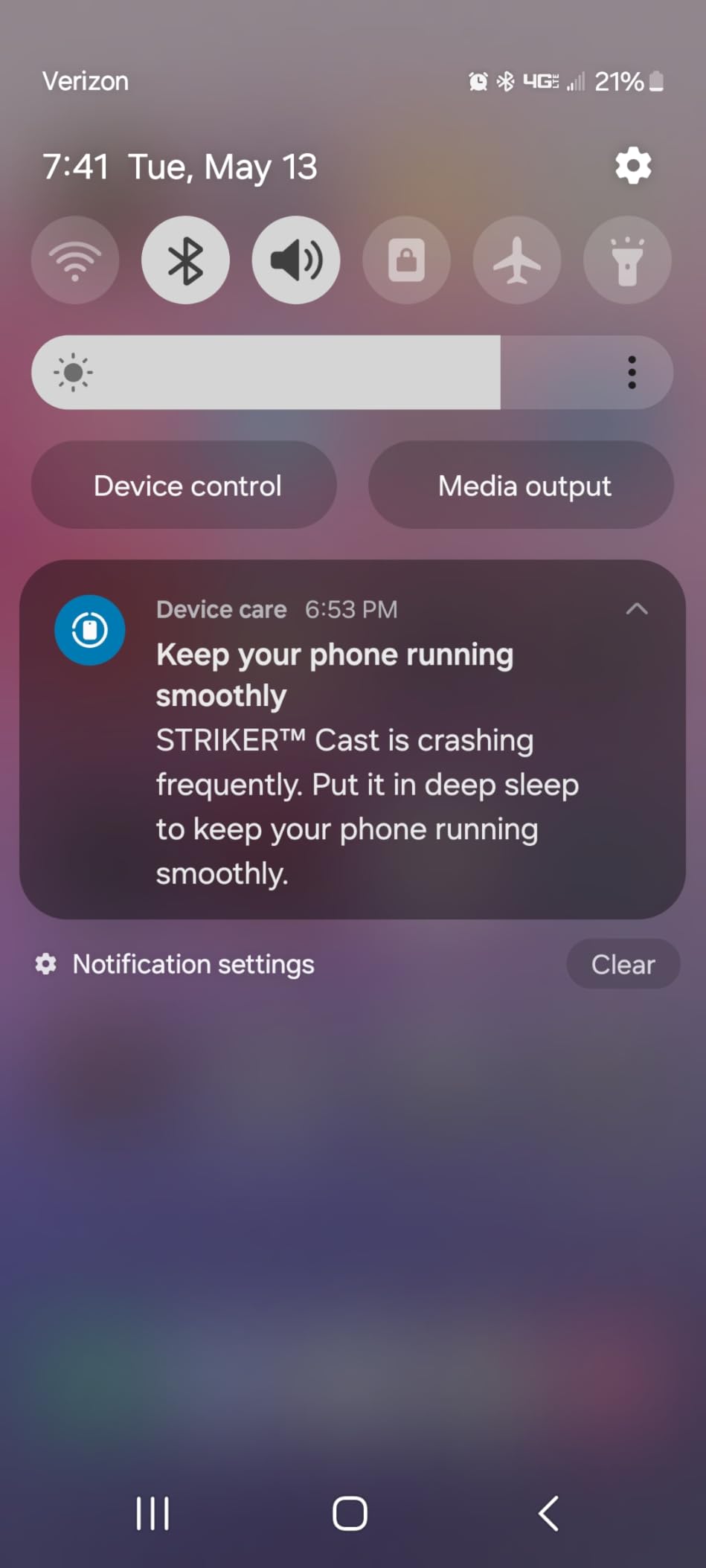
Setup takes about as long as downloading an app. Pair the STRIKER Cast in the free app, pick traditional 2D or the ice-fishing flasher mode, and you are reading sonar. The unit streams wirelessly from up to 200 feet away, which gives you room to cast well ahead of the ski and still see the arc form behind you.
GPS and Quickdraw Contours on a moving craft
Built-in GPS plus Quickdraw Contours is the feature that separates this from a basic Bluetooth puck. You can record your own one-foot contour maps at any visited spot and save them into the Quickdraw community library, which means a shoreline ramp or a specific stump field stays findable on the next trip even if you are in unfamiliar water.
That is genuinely useful for relocation fishing on a PWC, where your own recorded map is often more relevant than a chart. The unit weighs 75 grams, auto powers on the moment it hits the water and powers off when you pull it out, which protects battery life between casts.
Limits worth knowing before you buy
The maximum rated depth is 200 feet, which is a real constraint on deep lakes and any offshore drop. The design is castable only, so it cannot become a permanent console head later if you decide you want one.
Most critically, all data appears on a compatible phone or tablet. Reviewers are clear that this is a shore, kayak and small-boat tool rather than a full marine unit, and a flat or dead battery ends the session with no fallback display. The IPX6 and IPX7 rating covers immersion to one metre for 30 minutes once the connector is properly mated.
3. Garmin STRIKER Vivid 4cv - Best Value Mounted Colour Head with Scanning Sonar
Garmin Striker Vivid 4cv Fishfinder with...
4-inch color LCD
CHIRP traditional and ClearVu
GT20-TM transducer
Quickdraw Contours
What we like
- ClearVu scanning sonar separates fish from structure
- Transducer and tilt/swivel bailmount included
- 4-inch screen suits a small console
- Quickdraw Contours adds mapping at no cost
What could be better
- Menu controls can feel unintuitive
- No detailed charts beyond Quickdraw Contours
- Sun can wash out the screen without a visor
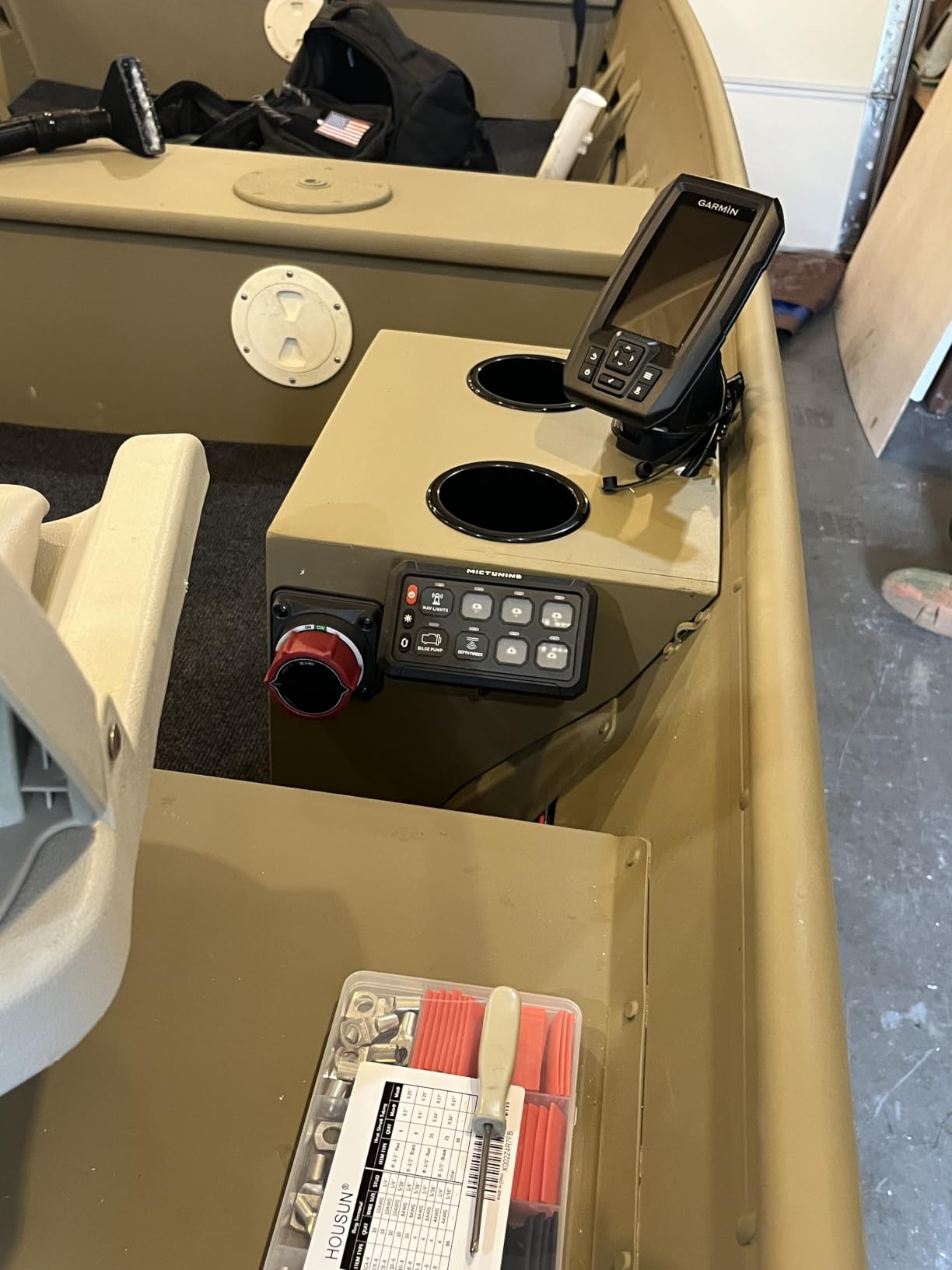
Hard-mounted to a ski console, the Garmin STRIKER Vivid 4cv is the balanced mounted option in this roundup. It pairs CHIRP traditional sonar with CHIRP ClearVu scanning sonar, then puts both on a 4-inch colour panel in vivid scanning colour palettes that make it straightforward to tell a fish arch from a stump.
The box includes the GT20-TM transducer, the tilt and swivel bailmount bracket, a power and data cable and hardware, so unlike several rival units there is nothing extra to buy before the install. High-sensitivity GPS handles waypoints, routes and a boat speed readout, which is one of the more useful things to have on a craft that covers a lot of water quickly.
Why scanning sonar matters on shallow water
ClearVu scanning sonar draws a wide band across the transom rather than the single narrow cone of a conventional 2D unit. On a PWC fishing a grass flat or a weed edge in 4 to 8 feet, that wider band is what lets you see a school spread out over structure instead of a single line of arches.
Owners frequently compare this favourably to more expensive Lowrance units after struggling with deeper menu trees on competing models. Quickdraw Contours is built in at no extra cost, so recorded mapping is available immediately rather than being a separate accessory decision.
Sunlight, menus and the case for a visor
Bright direct sun can wash out the panel, and a simple visor solves it. Menu-driven controls are the other recurring gripe: settings can need to be re-entered after a power cycle, which is worth knowing before you are standing on a ski trying to adjust gain in a hurry.
There are no preloaded or detailed charts beyond Quickdraw Contours, so if you want to see a coastline and a marked channel you need a separate mapping unit or an external chart source. For an angler marking their own spots, that is a fair trade for the scanning sonar picture.
4. Humminbird HELIX 5 G3 CHIRP GPS - The Pre-Mapped Console Head for Relocation Fishing
Humminbird Helix 5 G3 GPS Fish Finder with...
5-inch color TFT
Dual Spectrum CHIRP
Preloaded basemap of 10000+ lakes
AutoChart Live
What we like
- Preloaded basemap covers 10000+ lakes and the continental U.S. coast
- Dual Spectrum CHIRP wide and narrow modes
- AutoChart Live records contours and vegetation
- Softkeys usable in any weather
What could be better
- Power cable is short on smaller craft and the 3A inline fuse is not included
- A small number of owners reported dead units on arrival
- Keypad rather than touchscreen
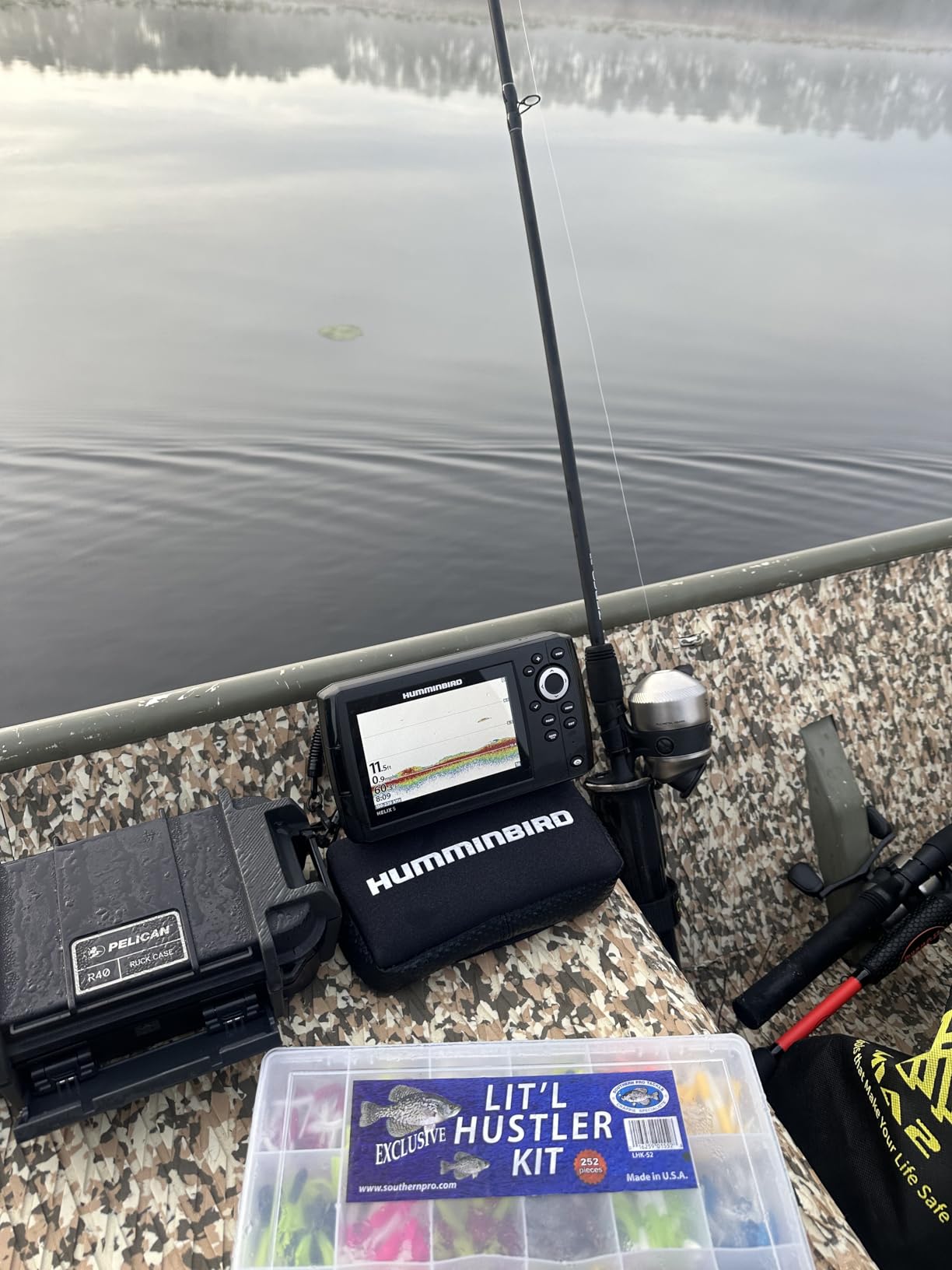
The Humminbird HELIX 5 G3 is the only pre-mapped chartplotter combo in this roundup, and that is the whole argument for it. If you fish water you do not know, the preloaded Humminbird Basemap with coverage of more than 10,000 lakes and the continental U.S. coastlines means you can find a ramp and a channel without any subscription at all.
Sonar comes from Dual Spectrum CHIRP with a wide mode for coverage and a narrow mode for detail, driven by the included XNT 9 HW T transom-mount transducer and a Low-Q sensor for tight two-dimensional target separation. The 5-inch colour TFT is the largest built-in screen in the group, and that size is exactly the fix for the complaint PWC forum owners raise most often about handhelds.
AutoChart Live and premium chart upgrades
AutoChart Live records depth contours, bottom hardness and vegetation as you move, with eight hours of built-in recording time, and it accepts AutoChart Zero Line SD cards when you want more capacity. On a PWC that turns a trip across an uncharted bay into a chart you keep.
For coastal work the unit accepts LakeMaster, CoastMaster and Navionics charts, which is the upgrade path a PWC owner raised on a Sea-Doo owners forum when they wanted detailed coastal mapping. Worth budgeting for: premium chart packages are an ongoing cost that does not come with the unit, and free basemap coverage is the reason to start with the HELIX 5 G3 as shipped.
Installation realities on a small hull
The recurring installation complaint is the power cable. It is short, and on a smaller craft it may not reach the battery without extra wiring, and a 3A inline fuse is not included so you will need to add one. That is a ten-minute job if you plan for it and a frustration at 6 a.m. if you do not.
Softkey controls work reliably in any weather and in bare or gloved hands, which is a real advantage over a touchscreen on a wet ski console. A small number of owners reported needing a return because a unit arrived non-functional, so inspect the head on arrival.
5. Humminbird PiranhaMAX 4 - Most Versatile That Does One Job Well
Humminbird PiranhaMAX 4 Fish Finder with...
4.3-inch LCD
Dual Beam narrow and wide
600 ft maximum depth
XNT 9 28 T transducer
What we like
- Dual Beam switches between detail and coverage
- 600 ft depth range
- Transducer and tilt and swivel mount included
- 4.3-inch screen suits a small console
What could be better
- No GPS or waypoint capability
- Basic menu-driven controls
- No colour imaging at this tier
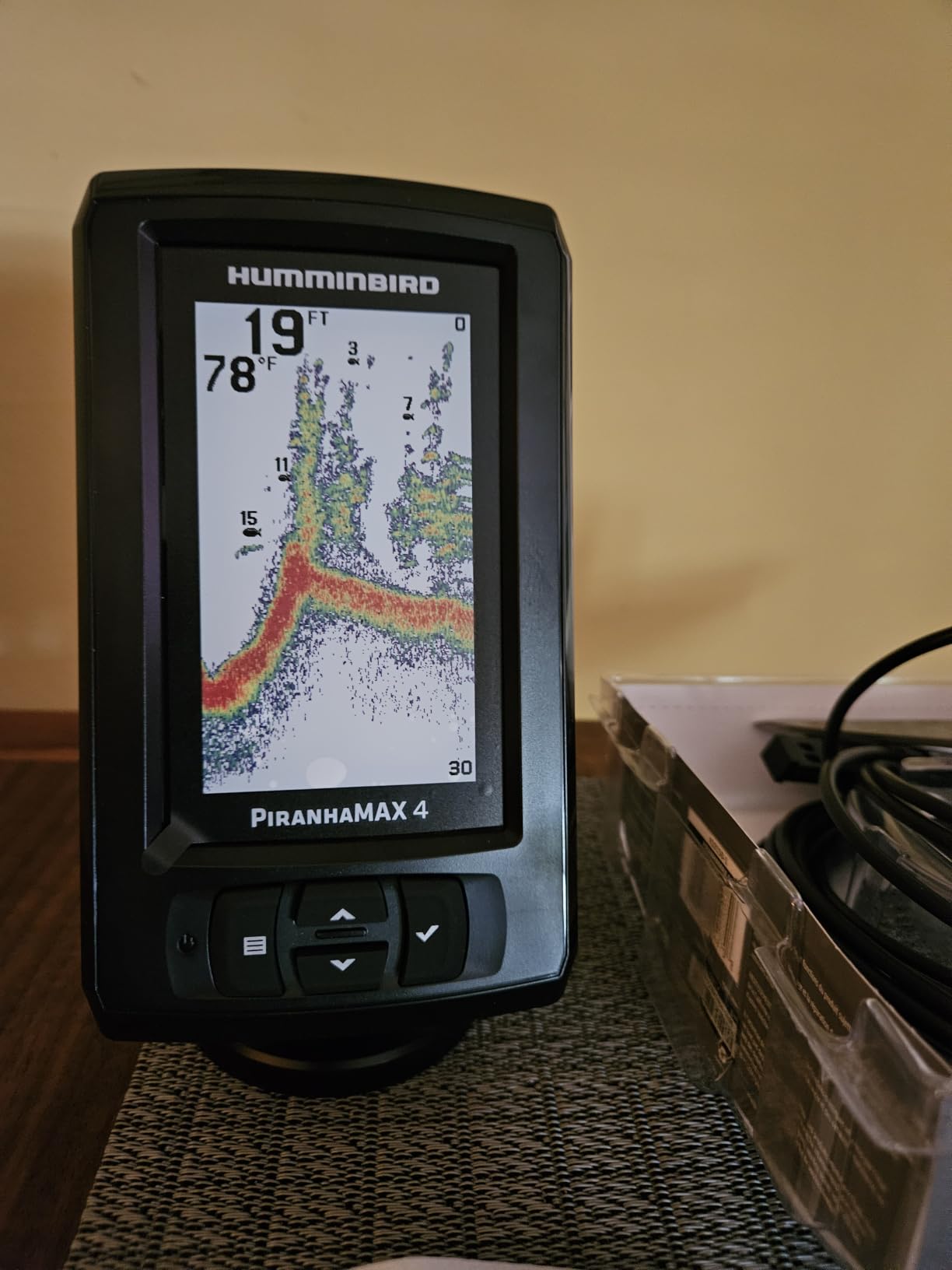
The PiranhaMAX 4 is what we recommend when someone asks for the best depth finder for a jet ski and nothing else. It is a pure fish finder and depth sounder: no GPS, no charting, no waypoint storage. What it does, it does cleanly on a 4.3-inch LCD that is a sensible size for a small console without crowding it.
Dual Beam sonar lets you switch between a narrow beam for detail and a wide beam for coverage, which is the single most useful control on a unit at this level. Maximum depth is 600 feet, comfortably past almost any inland lake and most coastal work, and the box includes the tilt and swivel mount and the XNT 9 28 T transom-mount transducer.
Reading ledges and structure at speed
Buyers consistently treat this as the dependable no-frills option that shows depth, structure and contours well without any mapping complexity. On a ski running a weed line or a drop-off, the wide beam covers more water per second than the narrow beam, and the narrow beam is what you switch to once you think you have something.
Because the tilt and swivel mount adjusts the viewing angle quickly, you can angle the panel toward the sun without repositioning the whole head. That matters on a low console where glare is the main reason anglers give up on a smaller screen.
What you give up by skipping GPS
There is no way to mark a spot and return to it later. If you fish the same lake repeatedly, that is a genuine loss, and it is the reason we would pair this with a paper chart or a phone GPS rather than call it a complete solution.
Menu-driven controls need a short learning period, and colour TFT plus mapping features simply do not exist at this tier. One year manufacturer warranty is standard for the brand. For a first unit on a ski that mostly stays on familiar water, none of those limitations is fatal.
6. Lowrance EAGLE 4X - Best Pick for a Portrait Screen in Harsh Sun
Lowrance Eagle 4X Fish Finder with Bullet...
4-inch IPS portrait display
Auto-Tuning sonar
44-degree beam
500 ft maximum depth
What we like
- IPS panel readable through polarized sunglasses
- Auto-tuning removes manual gain setup
- Broad 44-degree beam for small craft
- Twist-lock connector for quick removal
What could be better
- Sonar only with no imaging or GPS
- No audible fish alarm
- Fish size readings are inconsistent
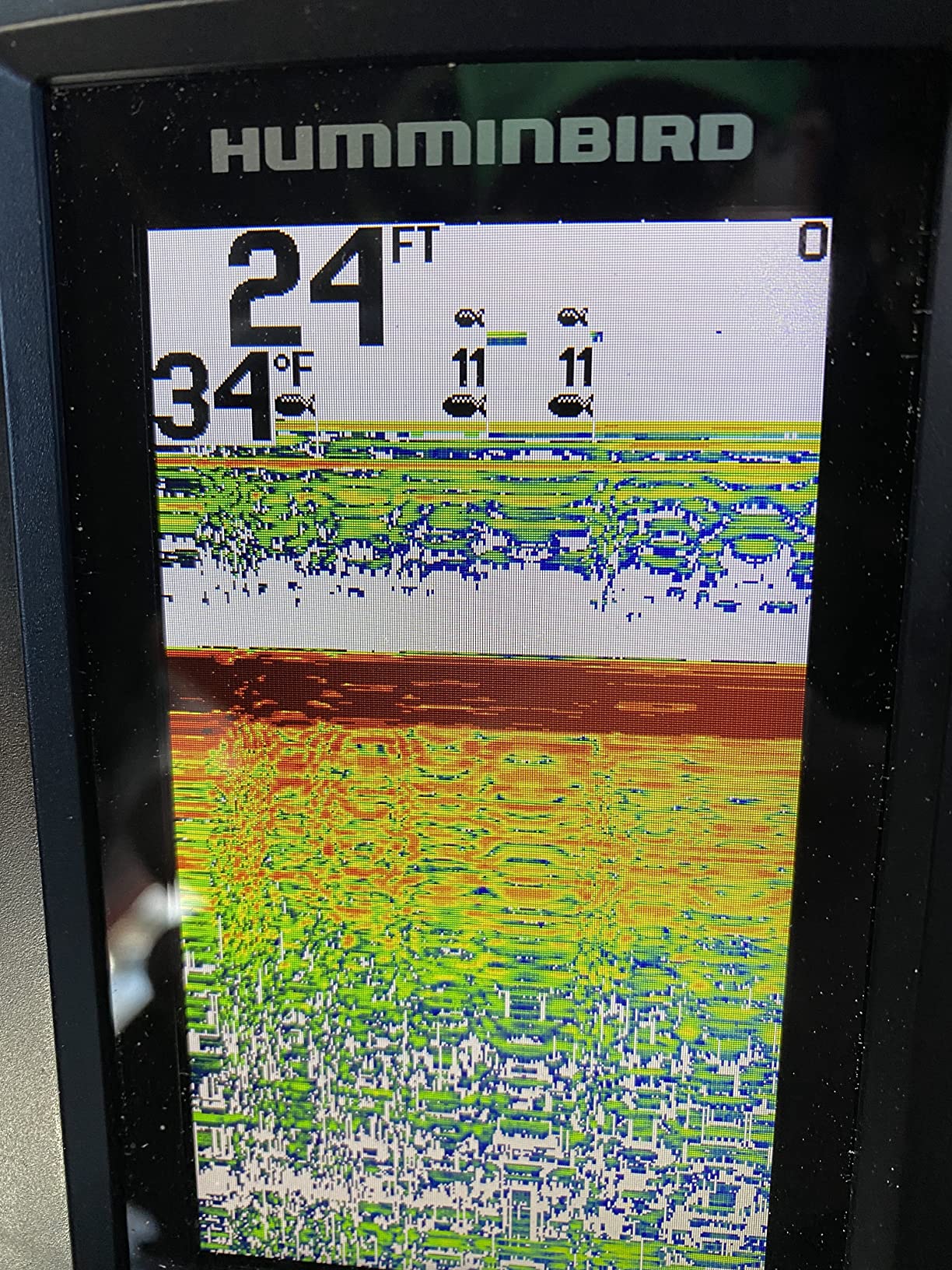
The Lowrance EAGLE 4X solves a very specific PWC problem: glare. Its 4-inch IPS portrait display stays clear in bright sunlight, from wide viewing angles and through polarized sunglasses, which is the complaint most often raised against smaller handheld panels in PWC forum threads.
The portrait orientation is deliberate. It fits into a narrow centre console where a landscape head would overhang, and Lowrance includes the bracket, hardware, locking collars, a fuse and a fuse holder in the box, so the install is complete. Auto-Tuning sonar sets its own gain and sensitivity, which means less time fiddling and more time moving.
Beam coverage on a personal watercraft
The included 200 kHz Bullet Skimmer transducer delivers a broad 44-degree beam, which covers a generous patch of water under a craft with a narrow console. Maximum depth is 500 feet. Fish ID icons show depth and zoom works for a closer look, though there is no audible fish alarm at all.
The twist-lock connector makes removing the display for a swim or a lockup fast, and the unit uses the same mount and screw holes as the older Chirp 4, so an existing install can be swapped rather than rebuilt.
Where this variant stops short
This is the sonar-only version. There is no side imaging, no GPS and no charting, so if you want to mark a wreck or a channel you need the higher tier. The 4-inch portrait panel also limits how much data you can view at once, and reviewers report the fish-size readings are inconsistent, with minnows registering as targets.
Review volume here is the smallest of the ten units we compared, and a few owners report uneven performance.
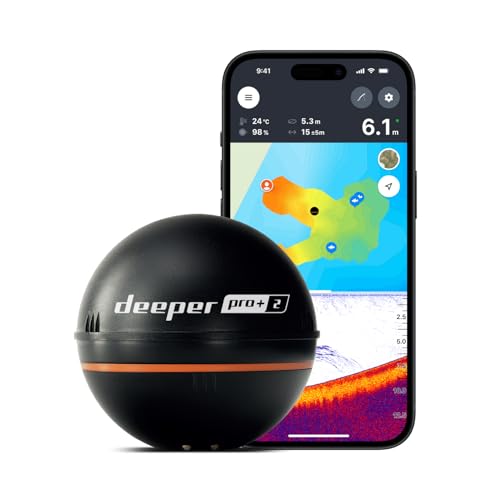
7. Deeper PRO+ 2 Sonar - The Portable That Records and Saves Bathymetric Maps
Deeper PRO+ 2 Sonar Fish Finder - Portable Fish...
Wide mid and narrow beams
Accuracy to 330 ft or 100 m
Built-in GPS with map saving
0.4 in target separation in narrow beam
What we like
- Creates and saves bathymetric maps from shore dock or bank
- Three beam modes for coverage and detail
- 0.4 in target separation resolves a jigging lure
- Built-in GPS saves cast locations
What could be better
- Requires a phone and the Fish Deeper app with no standalone display
- Wi-Fi dropouts are a recurring complaint
- Not rated for towing behind a moving boat
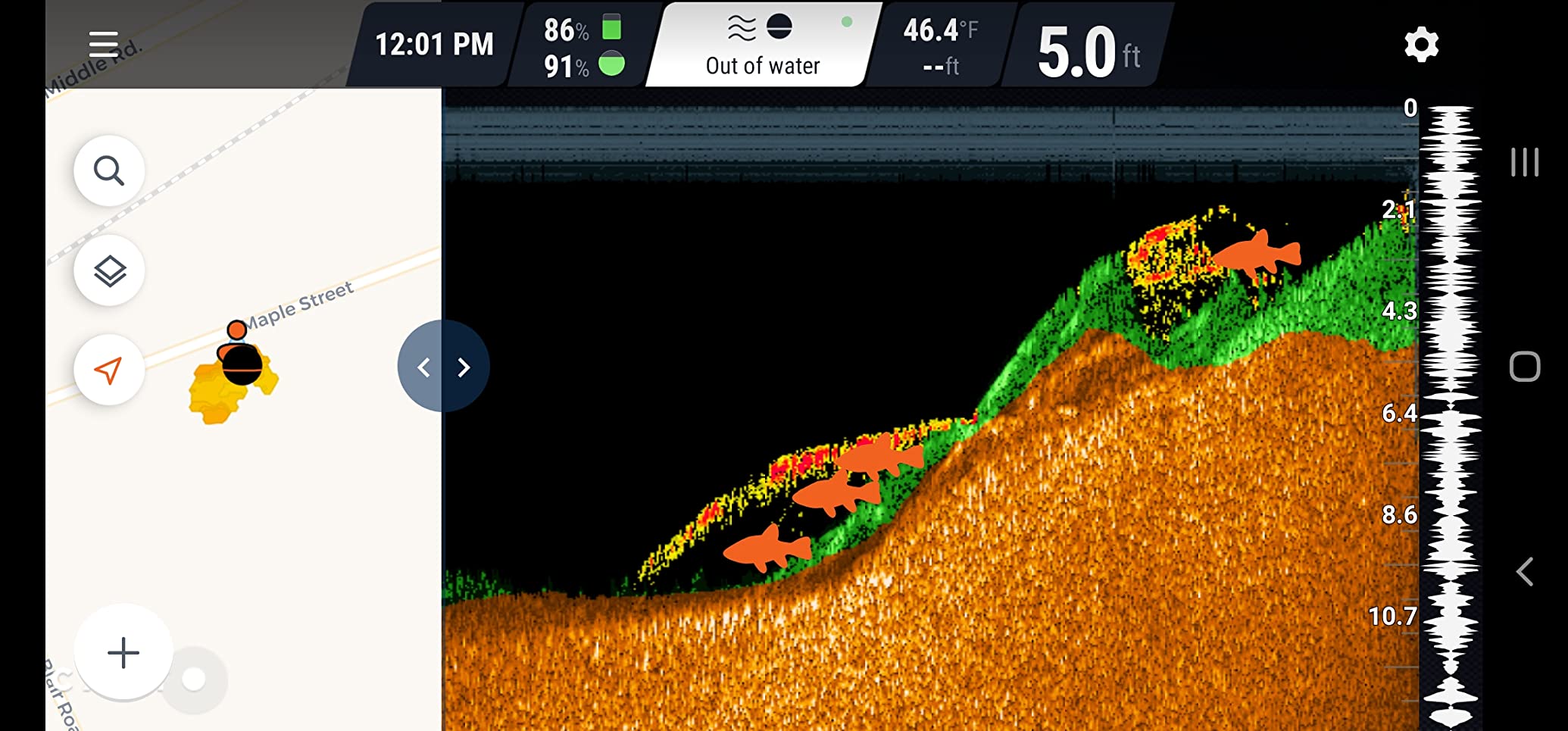
The Deeper PRO+ 2 is the most interesting portable in the group because of what it does after the trip. Built-in GPS and the Fish Deeper app let you create bathymetric maps from shore, dock or bank, then save every map, so a single session on an unfamiliar water body produces a chart you keep.
Sonar-wise it runs wide, mid and narrow beam modes, giving you both fast coverage and a tight cone for drilling down on one spot. Accuracy reaches 330 feet or 100 metres, and target separation is 0.4 inch in the narrow beam, fine enough to follow a single lure while vertical jigging. The whole unit weighs 3.2 ounces and includes a neoprene pouch, so it lives in a tackle box or a storage tunnel without ceremony.
Using it on a moving jet ski
Here is the honest limitation: this unit is not rated for use while trolling behind a moving boat, and that applies to riding with it. The practical use on a PWC is anchoring, idling over a mark or wading a shoreline, casting ahead and reading the screen once the water settles.
Wi-Fi connectivity between the unit and the phone is dependable when it holds and is the single most common failure complaint when it does not. There is no standalone display, so everything routes through the app, and the 2.4-inch OLED or small LCD inside the housing itself is too small to read on the water.
Reliability versus feature set
At a 4.2 average with 861 reviews, this sits below the other castable units here, and one-star reviews sit at 12 percent, which tracks directly to app reliability and connection drops. Budget for that if you are buying it as your only unit.
For the buyer who wants mapping, the 2-year limited manufacturer warranty and the saved GPS logs are worth more than the hardware. For everyone else, a wired console head is steadier at speed.
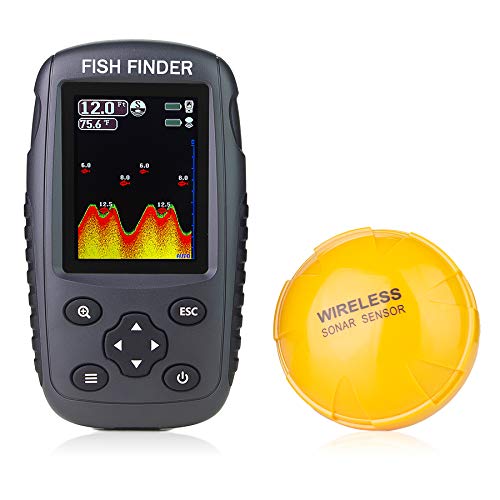
8. Venterior VT-FF005 - Best Standalone Handheld Display with No Phone Required
Venterior Portable Rechargeable Fish Finder...
Wireless sensor to 262 ft
2.6-inch color TFT
105-degree beam
2.6 to 164 ft depth range
What we like
- No phone or app needed
- Works immediately with no setup
- Switchable black and white backgrounds read well in sun and at night
- Shows depth temperature fish size and bottom contour
What could be better
- Wide 105-degree beam returns poor depth in an ice hole
- Receiver battery drains quickly in cold weather
- False readings when dragged at trolling speed
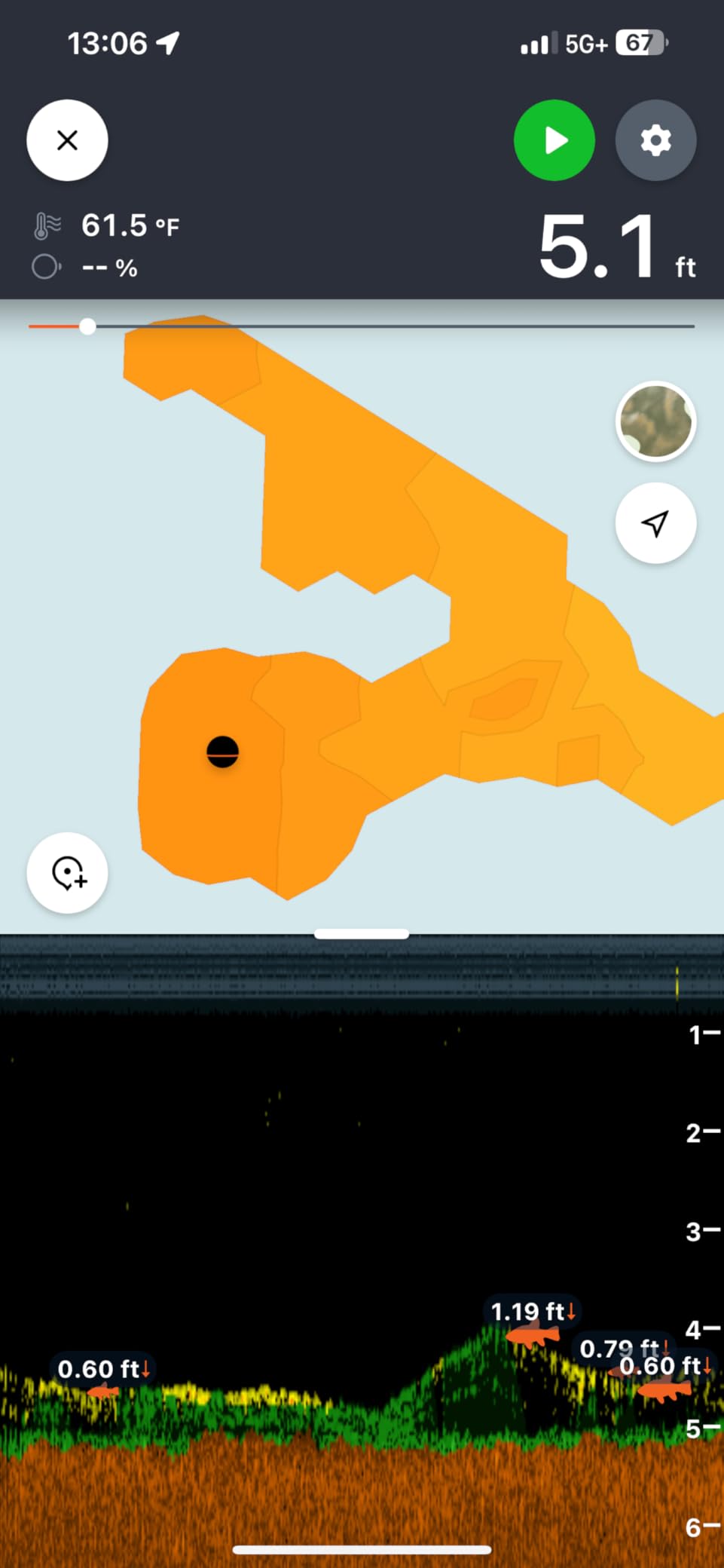
The Venterior VT-FF005 is the portable to buy if the phrase phone-based bothers you. The castable sensor streams to a handheld colour TFT unit over up to 262 feet, so there is no app, no pairing ritual and no dead phone ending the day. Owners value most that it works immediately out of the box.
The 2.6-inch screen shows depth, water temperature, fish size, fish depth and bottom contour, and you can switch between black and white backgrounds, which is a crude but effective trick for reading the display in bright sun or at night. Depth range is 2.6 to 164 feet with a 105-degree sonar beam, and both the sensor and the receiver are rechargeable, with the sensor powering on automatically when it hits the water.
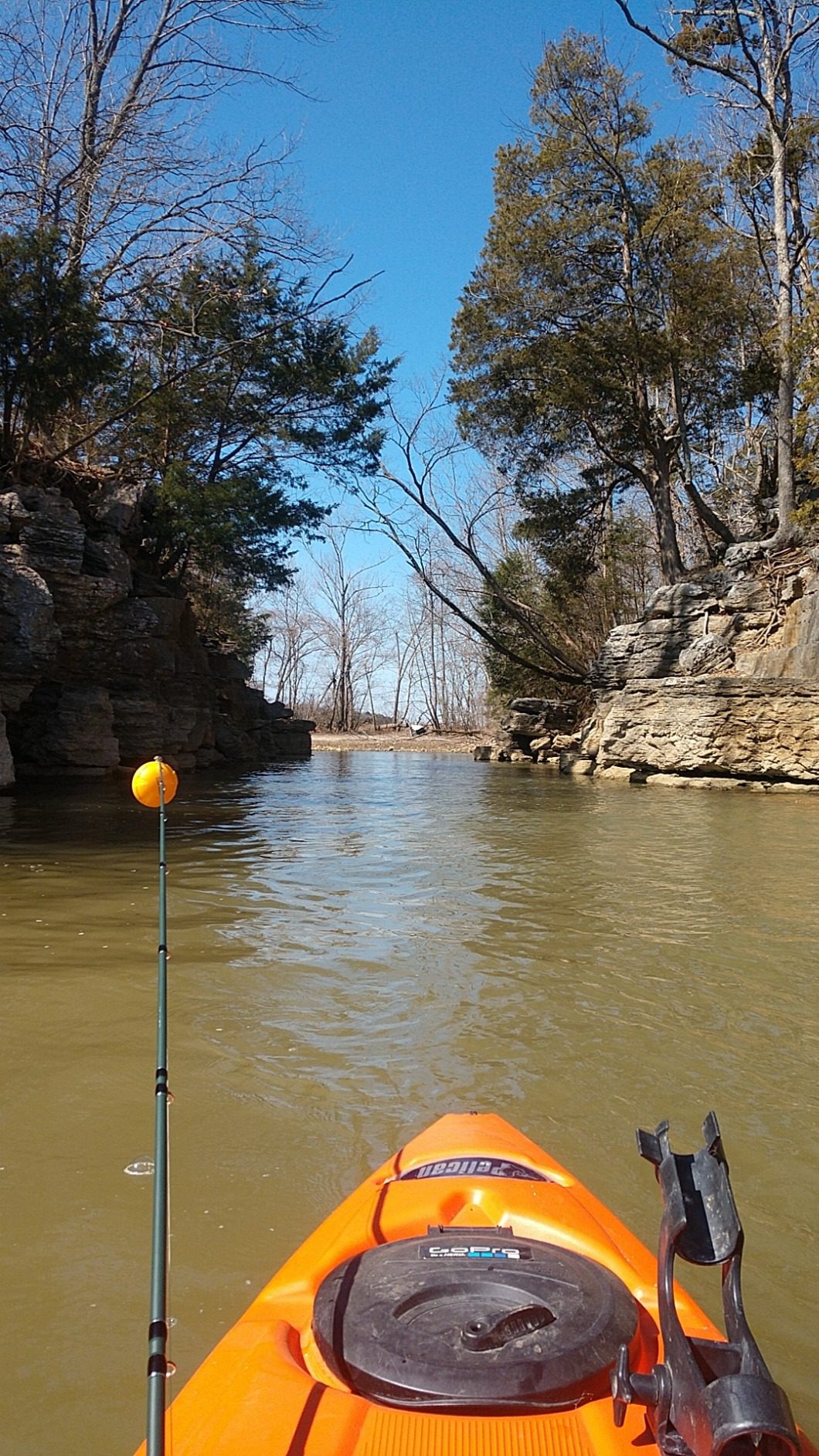
What 105 degrees of coverage actually means
A 105-degree beam is one of the wider coverage angles on the market, so it covers plenty of water per cast and finds shallow structure fast. The trade-off is precision. That width is why the unit returns poor depth readings in an ice hole, where the beam bounces off the walls, and why it is less reliable past roughly 120 feet.
It also produces false readings when dragged behind a moving boat at trolling speed, so the same caution as the Deeper applies: anchor or idle over your mark rather than towing it. Convertible feet and metre units and a simulation mode are small touches that make practice on dry land possible.
Cold weather and fish size limits
The receiver battery drains quickly in cold conditions, so bring a spare pack or use it intermittently. Fish size is reported as small, medium and big, which reviewers rightly point out is subjective and not calibrated, so treat it as a rough hint rather than a measurement.
At 1114 reviews and a 4.3 average, this is a well-used portable with a dedicated display, and the 2-year warranty with responsive brand support is better than most of the white-label crowd. The reported weakness is physical rather than functional: cold battery drain and the wide beam in an ice hole.
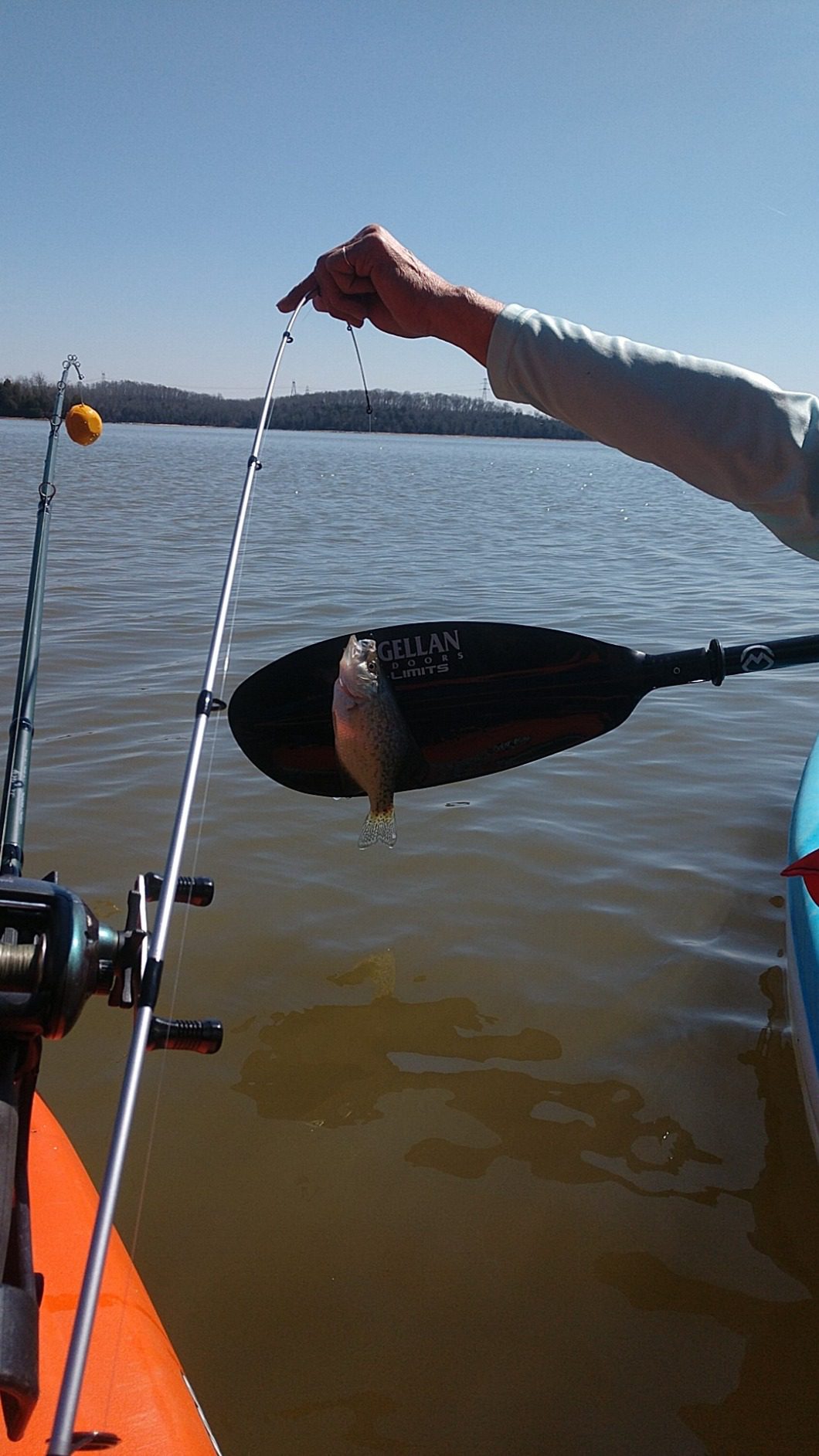
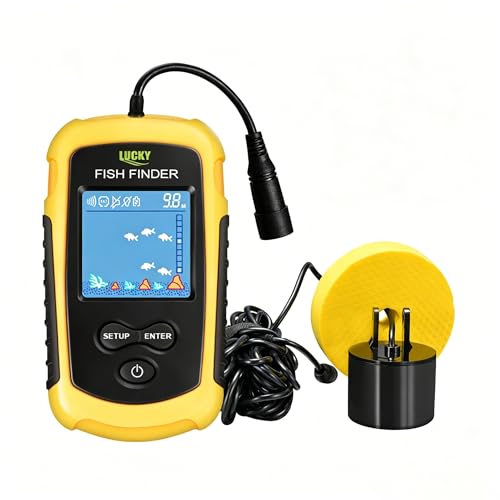
9. LUCKY 1108CP Handheld - The Inexpensive Entry Point With the Largest Installed Base
LUCKY Kayak Portable Fish Depth Finder Water...
2-inch backlit LCD handheld
3 to 328 ft depth range
Reads bottom type and fish depth
Five sensitivity levels
What we like
- Longest rated range among handheld units
- One-handheld form with neck strap suits a kayak or ski
- Backlit display works in sun and darkness
- Reads bottom type as weeds sand or rocks
What could be better
- Transducer must be mounted so it cannot be used from shore
- Does not read through a fiberglass hull
- 2-inch screen and basic interface
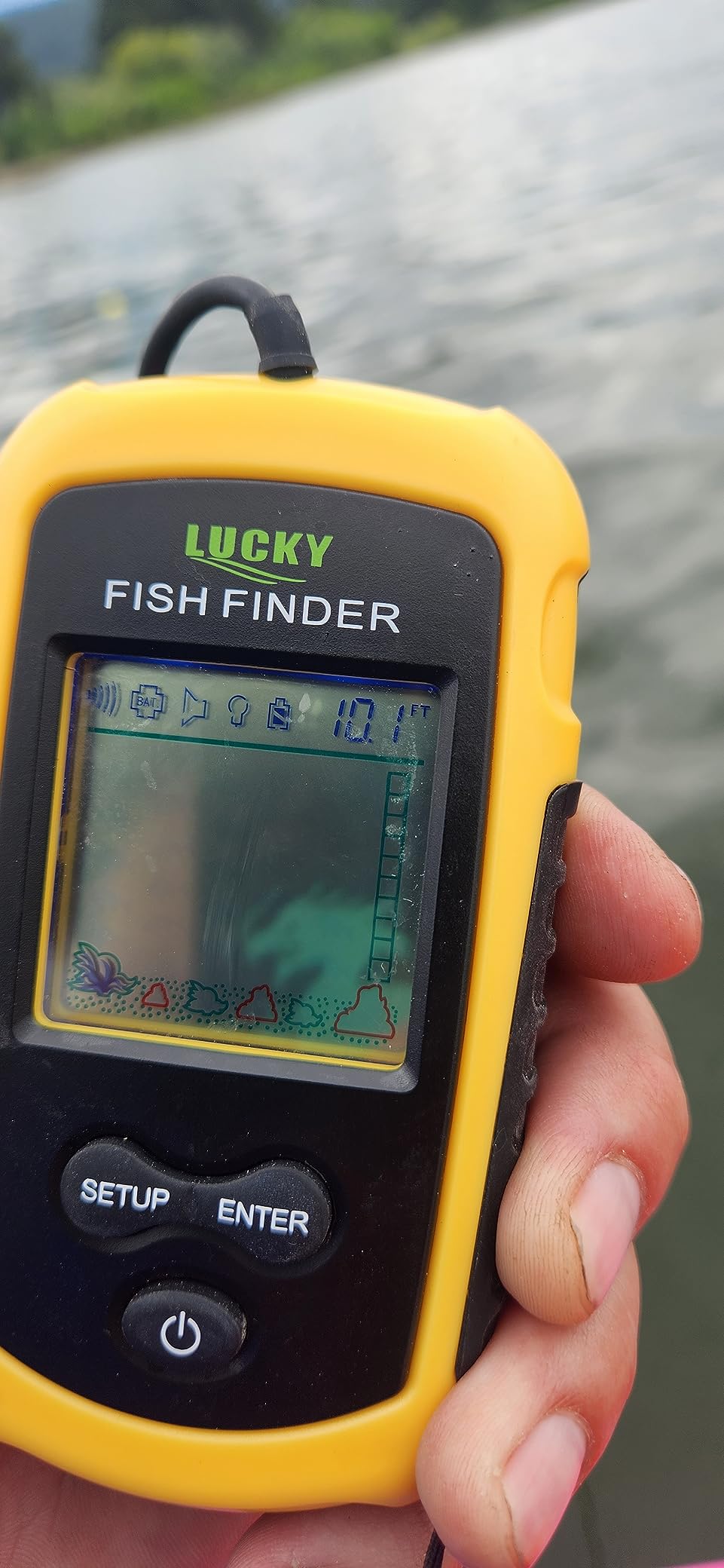
The LUCKY 1108CP is where most PWC anglers start, because it is an inexpensive way to add a real depth finder to a small craft. It has the longest rated range of any handheld here at 328 feet, though the reading depends entirely on how well the transducer is mounted, and 3284 owner reviews give you plenty of real-world feedback before you commit.
The transducer attaches to the hull of a kayak or boat, and the handheld unit hangs from the included neck strap for hands-free use. Five levels of sensitivity adjustment let you work clear or turbid water, the backlit display is visible in sunshine or darkness, and the bottom reading distinguishes short and tall weeds, sand and rocks.
The hull limitation that decides it for you
This is the caveat that comes up most often in reviews: the unit does not read through a fiberglass hull. It works from a kayak or on a compatible hull, and because the transducer must be mounted, it cannot be used from shore the way a castable puck can.
On a jet ski, test it on the hull before you commit to the mount. There is also no fish size discrimination, so minnows and larger fish register identically, and the 2-inch screen with a basic interface is a small, low-detail display.
Where it earns its place
Owners mainly use it to read ledges and bottom structure from a craft rather than to pick out individual fish, and at a 4.1 average across 3284 reviews it is the honest budget floor rather than a mistake. Four to five hours of continuous use per battery, extendable with battery-saver mode, covers a full morning.
There is a fish and school audible alarm, convertible feet and metre units, and a wide range of freshwater and saltwater use. Some owners have had units fail to power on after limited use, so buy from a seller with straightforward returns and test the unit the day it arrives.
10. DANOPLUS DP-104 - A Capable Shallow-Water Portable with a Light on the Sensor
Portable Fish Finder Large HD Display Wireless...
2.4-inch color LCD
Rechargeable wireless sensor
147 ft depth detection, 90-degree coverage
Fish size icons, alarm and lamp
What we like
- Light at 5.28 ounces for a kayak or small craft
- Sensor powers on automatically and has a lamp
- Fish size icons
- temperature and bottom contour
- Audible and on-screen fish alarm
What could be better
- 147 ft maximum depth is the shallowest rating here
- 90-degree coverage is narrower than most rivals
- No GPS mapping or waypoint storage
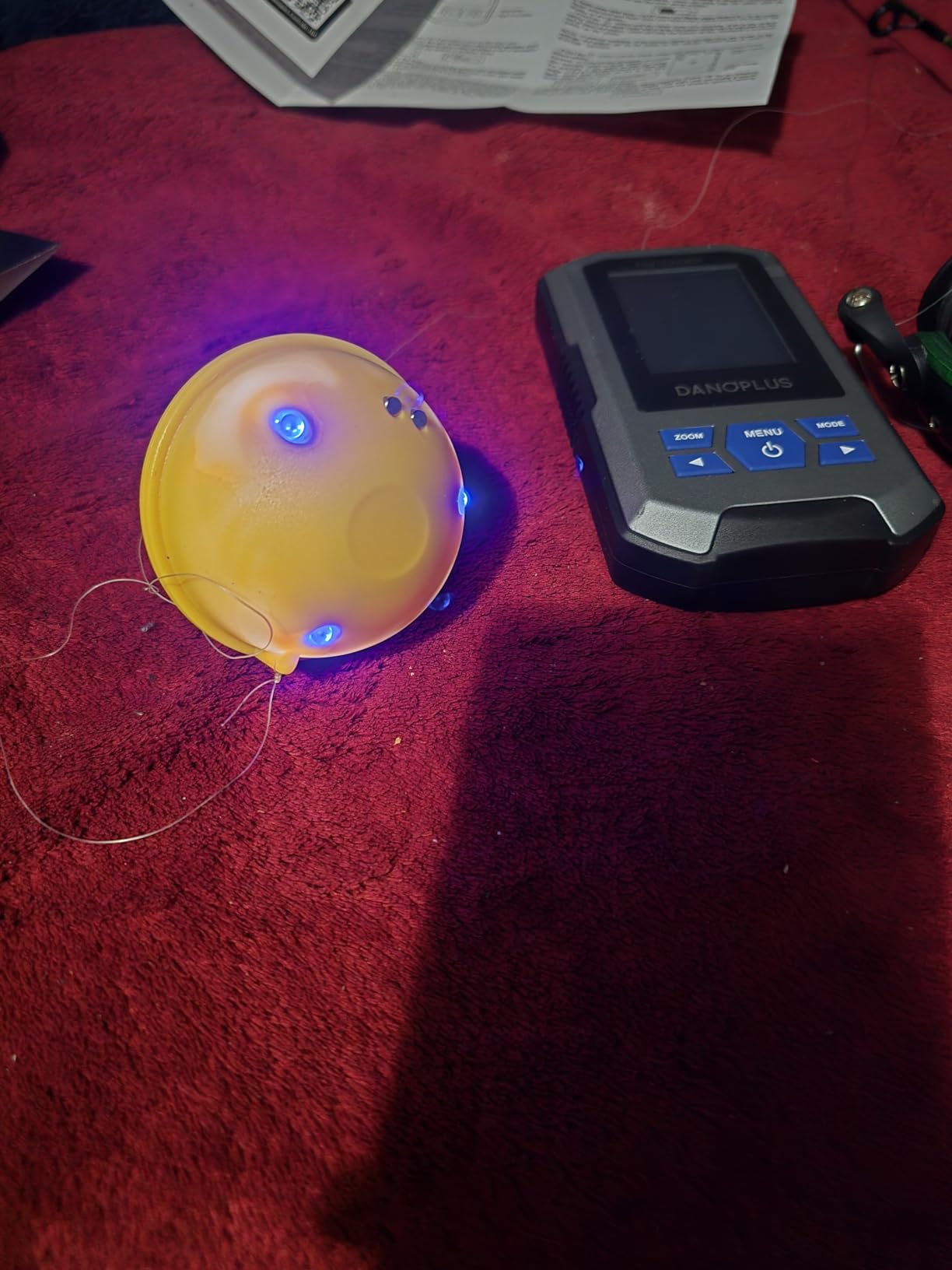
The DANOPLUS DP-104 is a straightforward inexpensive portable for anglers working shallow water, and one detail sets it apart: the sonar sensor has a lamp that switches on with an auto-on sensor the moment the sensor touches water. The manufacturer positions it as attracting fish, and regardless of whether it does, it makes the sensor easy to find in low light.
The 2.4-inch colour LCD supports 21 operating languages, shows fish size icons with depth, water temperature, depth, bottom contour and water surface, and sounds an alarm when a fish passes through the coverage area. The whole package weighs 5.28 ounces and includes a USB and AC adapter.
Where the 147-foot ceiling matters
That depth rating is the shallowest in this roundup and the reason this unit does not suit deep lakes or offshore work. The 90-degree coverage angle is narrower than the 105-degree beam on the Venterior, so you cover less water per cast but get slightly more precise returns in the zone you do cover.
There is no GPS, no mapping and no waypoint storage, so this is a see-the-bottom tool rather than a navigation tool. That is a fair trade for the target buyer, who is fishing rivers, flats, ice holes or the first 100 feet of a lake.
Verdict for shallow and multi-species use
Reviewers rate it as doing its job well, with the constrained depth ceiling and the lack of GPS accepted as the tradeoffs at this level. It covers kayak, ice, river, lake and sea fishing, which makes it the most flexible of the inexpensive units here.
One year of warranty is among the shortest in the group, which is the other reason to test it thoroughly on arrival. If you need deeper water or mapping, step up to a wired head.
How to Mount and Power a Fish Finder on Your Jet Ski
You can install a fish finder on a jet ski, and the whole job is a weekend project for anyone comfortable with a screwdriver and a crimp tool. The forum question that never gets answered properly is where the transducer goes and how the power comes off the craft, so here is the actual procedure.
- Pick your power source before you buy hardware. Most personal watercraft have a switched 12V accessory lead behind a storage lid, usually rated to 5 to 10 amps. If your model has none, a sealed battery in a dry compartment with a fused lead is the standard workaround.
- Add a fuse at the battery, not at the unit. For a 5-inch head, a 3A inline fuse protects the wiring run; for a 4-inch head, 2 to 3A is enough. Several owners of the Humminbird HELIX 5 G3 discover this fuse is not included, so buy it before the ski comes off the trailer.
- Route the cable away from the handlebars, the throttle and the trim switch. PWC steering cables move constantly, and a chafe point behind a console is the most common failure we see.
- Mount the transducer where the hull is smooth, clear of the intake grate, the jet pump and the sponsons. A through-hull or in-hull install needs a sealed bedding compound compatible with the hull, while a screw-on or suction mount is reversible and easier on a rented ski.
- Confirm the hull will pass sound. A fiberglass ski with a thick, cored deck will kill an in-hull transducer's return, and any unit in this roundup will look like a fish finder that finds nothing. External mounting solves it.
- Use the bail or tilt and swivel mount rather than a fixed bracket. On a PWC the angle changes constantly with your position, and a tilt mount is what lets you angle the panel away from glare.
- Fit a sun visor if the screen is not rated for bright light. The Lowrance EAGLE 4X's IPS panel is the exception here; most others wash out in direct sun.
- Seal every connector. Twist-lock displays and keyed sonar plugs are IPX6 or IPX7 rated when mated correctly, and a half-seated connector defeats the rating entirely. Wrap any splices in self-amalgamating tape and keep them away from the bilge.
- Test at idle before you leave the dock. Confirm the depth reading matches a paddle or a known marker, then confirm the reading holds at planing speed. If the picture collapses at speed, the transducer is seeing aerated water, usually from being mounted too high or too close to the intake.
- Add a fused accessory switch so the unit powers down when you shut the ski off. Leaving a head running flat drains the battery faster than anything else you own.
How to Read Your Sonar Screen
New buyers cannot tell a good reading from a bad one, and that is why so many of them think a fish finder is a gimmick. Five signals cover almost everything you need on the first few trips.
- Arches are fish, and their shape matters. A solid comma or arc that rises off the bottom and returns is a target with a body. A smear or a blob clinging to the bottom contour is structure. A crisp arc held a foot or two above a drop is a fish suspended over the ledge.
- Bottom contour is your map. The thick solid band along the bottom is the lakebed, and the shape of that band is the single most valuable thing on the screen. Steep rises are drop-offs, sudden plateaus are ledge edges, and a flat band over deep water is a safe lane.
- Shading and colour describe hardness. Bright returns are hard bottom, rock or shell. Weak returns are soft, silty or weeded. In vivid colour palettes and in a scanning sonar view this contrast is what separates a fish from a boulder.
- Depth is your safety margin, not a fishing metric. A personal watercraft draws very little, so a rising bottom line that climbs faster than your craft can turn is the signal to throttle back and head for the channel you marked on the way in.
- Sensitivity is the control you will actually touch. Turn it up until the bottom line just becomes continuous, then back it off a touch. Turn it too high and every minnow becomes a tree; too low and the fish vanish. On a shifting bottom, this is the only setting that needs constant attention.
Buying Guide: What to Look For in a Jet Ski Fish Finder
Beyond the sonar itself, there are seven decisions that determine whether a unit works on a personal watercraft. These are the criteria we used to rank the ten products above.
- Screen size versus console width. A 4-inch head fits a narrow centre console. A 5-inch head needs a wider bar or a ram mount. Below 3 inches, assume you will be reading it at rest rather than at speed.
- Mounted or castable. A console head with a wired transducer is always on and far more stable at 40 mph. A castable puck is cable-free and moves between craft, but it needs a phone or handheld and it cannot be trusted while towing.
- GPS and waypoints. If you fish the same water repeatedly, marking a spot and returning to it changes your day. A pure sonar unit like the PiranhaMAX 4 cannot do this.
- Depth range against your water. Inland lakes rarely exceed 100 feet. Coastal and deep-basin work can exceed 300. Match the rating to the deepest water you will actually reach, not to a headline number.
- Waterproofing. Look for a stated IP rating. IPX7 means immersion to one metre for 30 minutes, which covers spray, a dunk and a wash-down. A bare water-resistant label is not a rating.
- Chart cost. Preloaded basemaps like the Humminbird Basemap are free with the unit. Premium chart packages from Navionics, LakeMaster and CoastMaster are a recurring annual cost, which is the most common budget surprise in this category.
- Readability in direct sun. IPS panels such as the one in the Lowrance EAGLE 4X hold up without a visor. Most others need one, which is a five-dollar fix worth budgeting for.
On brand ecosystem, the three names that come up constantly in PWC forums are Garmin, Humminbird and Lowrance, and the practical difference is the accessory ecosystem rather than the sonar. Garmin leans on Quickdraw Contours for user-generated mapping. Humminbird includes the most preloaded basemap and the widest premium chart options. Lowrance is strongest at sunlight-readable screens and auto-tuning that removes menu setup. Cross-brand mixing is common, but a transducer and head from different brands rarely pair cleanly, so pick one ecosystem and stay in it.
Two more practical points. First, salt is harder on electronics than sun, so if you fish coastal water, rinse the head and every connector with fresh water after each trip. Second, most of them are rated for saltwater use only in the sense that they are waterproof; a unit with a 164-foot ceiling is not going to help you in an offshore drop, whatever its case is made of.
Frequently Asked Questions
What is a depth finder for a jet ski?
A depth finder for a jet ski is a marine sonar unit that measures water depth and shows bottom structure and fish location. It sends sonar pulses from a transducer and converts the return time into a depth reading. Personal watercraft have no factory depth sounder, so this is an add-on.
Do I need a special fish finder for a jet ski?
You need a marine-rated unit, but not a special one. Most of the fish finders in this roundup install on a jet ski without modification. What matters is a stated water-resistance rating, a small enough screen for your console and, if you fish the same water often, built-in GPS for waypoints.
What is the best depth sounder for a jet ski?
The Garmin STRIKER 4 with Portable Kit is the best all-round depth sounder for a jet ski because it works as a console head and as a battery-powered portable. For a pure no-frills sounder with the largest screen, the Humminbird PiranhaMAX 4 offers 600 feet of range and dual beam coverage.
Can I install a fish finder on my jet ski?
Yes, and it is a weekend job. Tap a switched 12V accessory lead, add an inline fuse at the battery, mount the transducer on a smooth section of hull clear of the intake grate, and use a tilt or bail bracket so the screen angle can be adjusted. Check that the hull will pass sonar before using an in-hull install.
Are depth finders waterproof?
Most marine units are, and you can confirm it by looking for an IP rating rather than a vague water-resistant label. IPX7 means the unit survives immersion to one metre for 30 minutes, which covers spray, wash-down and an occasional dunk. The Garmin STRIKER Cast and STRIKER 4 both carry IPX6 and IPX7 ratings.
Is Garmin better than Humminbird?
Neither is better in every case. Garmin leads on vivid colour scanning sonar and on user-generated mapping through Quickdraw Contours. Humminbird ships far more preloaded basemap coverage and supports the widest range of premium charts, including Navionics, LakeMaster and CoastMaster. Choose the ecosystem whose accessories and chart costs suit your water.
Conclusion: Which Jet Ski Fish Finder Should You Buy
If you want one unit that covers a mounted console and a portable backup, the Garmin STRIKER 4 with Portable Kit is the best jet ski fish finder for most owners, and it stays our top pick for 2026. If you will hard-mount and want the best picture, the Garmin STRIKER Vivid 4cv gives you ClearVu scanning sonar and a 4-inch colour panel in a box that includes everything you need. If you only want depth and structure with no complexity, the Humminbird PiranhaMAX 4 does that job and nothing else.
Move up to the Humminbird HELIX 5 G3 if you fish unfamiliar water and need a preloaded basemap and premium chart support. Choose the Lowrance EAGLE 4X if glare is your main problem. Among portables, the Garmin STRIKER Cast is the cleanest phone-based option, the Deeper PRO+ 2 records and saves maps, and the Venterior VT-FF005 is the one portable that needs no phone at all.
Whichever you pick, budget for a sun visor and an inline fuse before the first trip. Those two small things solve the majority of problems PWC owners report with fish finders.