Walk into any outdoor gear shop and you will find caving and climbing helmets displayed side by side, looking nearly identical to the untrained eye. I have watched countless adventurers grab the wrong one off the shelf, assuming that any hard shell with a chin strap will protect them equally well underground or on the crag. That assumption can cost you your head protection when it matters most.
The caving helmet vs climbing helmet distinction is not marketing fluff. These two helmet categories are engineered for fundamentally different threat profiles, and the differences show up in every detail from shell thickness to headlamp mounting security to how the helmet handles water. After years of testing both types across underground passages, sport crags, and multi-pitch alpine routes, I can tell you that choosing the wrong helmet is more than an inconvenience. It is a genuine safety risk.
Here is the short version. Caving helmets are built for hundreds of small impacts from low ceilings, falling rocks, and tight squeezes, with thick shells that resist abrasion and secure headlamp mounting systems that keep your light locked in place during awkward movements. Climbing helmets are designed for a single major impact event, typically a leader fall or rockfall from above, with lightweight construction and extensive ventilation that prioritizes comfort during hours of upward-looking exertion.
The confusion is understandable because the two categories overlap in certification standards. Both helmet types can carry UIAA 106 or CE EN 12492 ratings, which makes them look interchangeable on paper. But as experienced cavers on the Reddit r/caving community repeatedly emphasize, climbing helmets are designed for one large blow, while caving helmets absorb hundreds of little bumps over their lifespan. That fundamental difference in expected impact history shapes everything about how each helmet is constructed.
This guide breaks down the exact differences, explains the three major construction types you need to understand before buying, and reviews six helmets that represent the strongest options across both categories. Whether you are heading underground for the first time or adding a crossover helmet to your gear rack, you will leave knowing exactly which helmet fits your adventure. If you are primarily interested in underground exploration, our dedicated guide to the best caving helmets covers additional options in more detail.
Quick Comparison: Caving vs Climbing Helmets
Before examining individual models, here is how all six helmets stack up across both categories. The table below highlights the defining features of each option so you can quickly narrow down your shortlist.
| Product | Highlights | Action |
|---|---|---|
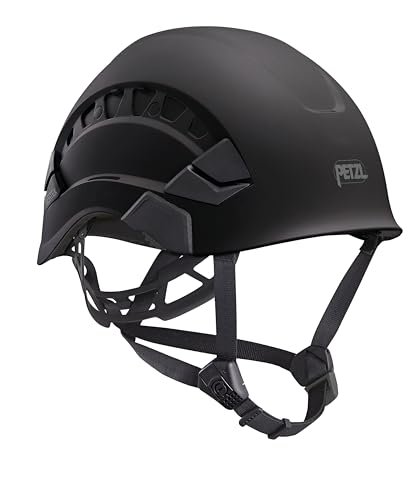 Petzl Vertex Vent Petzl Vertex Vent |
|
Check Latest Price |
 NewDoar Climbing Helmet NewDoar Climbing Helmet |
|
Check Latest Price |
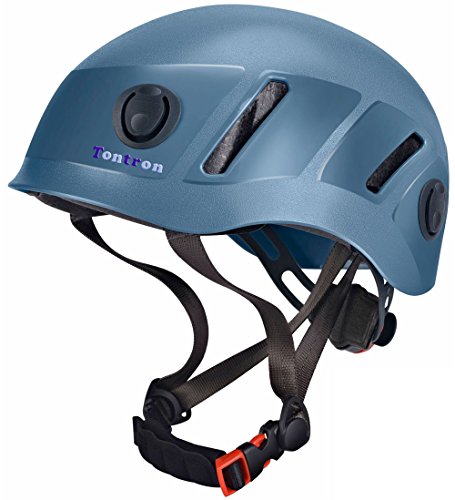 Tontron Caving Work Helmet Tontron Caving Work Helmet |
|
Check Latest Price |
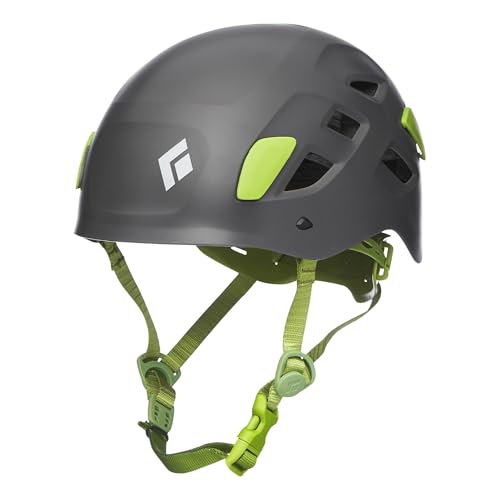 Black Diamond Half Dome Black Diamond Half Dome |
|
Check Latest Price |
 Black Diamond Capitan Black Diamond Capitan |
|
Check Latest Price |
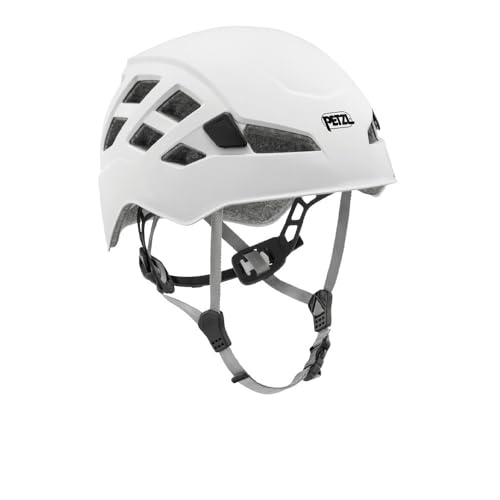 Petzl BOREO Petzl BOREO |
|
Check Latest Price |
Can You Use a Climbing Helmet for Caving?
You can use a climbing helmet for casual horizontal caving, but it is not recommended for serious or vertical underground work. Climbing helmets lack secure headlamp mounting, their ventilation holes admit mud and debris, and their lightweight foam construction degrades quickly under repeated underground abrasion. For spelunking involving tight squeezes or vertical pitches, a dedicated caving helmet is essential for safety.
- Acceptable For: Casual cave tours, horizontal exploration, backup use
- Not Suitable For: Vertical caving, tight squeezes, extended underground trips, wet caves
The nuance that most comparison articles miss is that the answer depends heavily on construction type. A hard shell climbing helmet like the discontinued Petzl Ecrin Roc works perfectly for caving because its thick shell and webbing suspension handle repeated bumps. A foam climbing helmet, however, fails underground because every squeeze and ceiling scrape permanently compresses the impact-absorbing foam, leaving you with compromised protection that may not be visible from the outside.
One experienced r/caving contributor put it plainly: do not use a climbing helmet, do not use a cycle helmet, do not use a sports helmet for caving. Helmets designed for underground use absorb lots of little bumps, whereas the others exist to save you from one large blow. That distinction in expected impact history is the single most important factor in choosing correctly.
Important Safety Warning: Never use a bicycle helmet, skateboard helmet, ski helmet, or construction hard hat for caving. These helmets are designed for entirely different impact patterns and offer inadequate protection against underground hazards. Additionally, never modify your helmet by drilling holes for headlamp mounting, as this compromises the shell's structural integrity and voids any certification.
Helmet Construction Types Explained: Hard Shell, Foam, and Hybrid
Before looking at specific helmets, you need to understand the three construction approaches that define how any helmet in this category works. This distinction matters more than the caving-versus-climbing label because it determines how the helmet handles repeated impacts, abrasion, and water. The AI Overview that Google surfaces for this exact query cites shell material differences as the primary differentiator, so getting this right is essential.
Hard Shell Helmets
Hard shell helmets use a thick outer shell made from ABS plastic or polyethylene, paired with an internal webbing or cradle suspension system that holds the shell away from your skull. When something hits the shell, the impact energy spreads across the hard surface and the suspension absorbs the rest. This design handles repeated bumps beautifully because the shell does not deform permanently from small impacts.
That is why experienced cavers consistently recommend hard shell construction for underground use. The shell scrapes against rock walls, takes knocks from low ceilings, and keeps performing trip after trip. The Petzl Vertex Vent is the premier example of this approach, and the legendary Petzl Ecrin Roc, now discontinued, was the most popular caving helmet of all time using this exact construction philosophy.
Foam Helmets: EPS vs EPP
Foam helmets use a thin shell or no shell at all, with expanded foam doing the impact absorption work. There are two foam types you need to know about, and the difference between them is significant for caving.
EPS foam (expanded polystyrene) is the lighter, more affordable option found in most climbing helmets. It crushes permanently on impact, meaning a single significant hit compromises the foam at that location. Once EPS compresses, it does not recover. For climbing, where the helmet ideally never takes a hit until a major fall, this works fine. For caving, where the helmet takes dozens of small hits per trip, EPS foam degrades rapidly and invisibly.
EPP foam (expanded polypropylene) is denser and more expensive, but it recovers after moderate impacts. This multi-impact capability makes EPP far better suited for caving, where the helmet must absorb repeated low-force bumps without accumulating permanent damage. The Petzl BOREO uses EPP foam in its design specifically for this reason, which is why it earns a crossover recommendation.
Hybrid Helmets
Hybrid helmets combine a hard outer shell with foam impact absorption, attempting to deliver the durability of a hard shell with the energy management of foam. The Petzl BOREO exemplifies this approach with a thick ABS shell wrapping dual EPP and EPS foam liners. Hybrids offer the best crossover option because the hard shell provides abrasion resistance while the foam liner manages impact energy from falls.
For someone who splits time between climbing and caving but refuses to buy two helmets, a well-built hybrid is often the most practical single-helmet solution. The trade-off is weight, since you carry both a hard shell and foam, but the versatility often justifies the extra grams.
Caving Helmets: Built for the Underground
Caving helmets face unique challenges that climbing helmets simply are not designed to handle. When you are three hours underground, crawling through mud, and dodging falling rocks, your helmet becomes your most important piece of protective gear. The underground environment creates hazards that do not exist on any climbing wall.
Rockfall from above is a constant threat in caves, especially after heavy rains or in heavily traveled passages. I have experienced golf-ball-sized rocks raining down without warning, and the thick shell of a dedicated caving helmet made all the difference. Headlamp mounting is the other essential feature, since your light is your only connection to the visible world underground. The three caving-focused helmets below each address these priorities in different ways. For a wider selection of dedicated underground options, our complete best caving helmets guide covers additional models.
1. Petzl Vertex Vent - Professional Grade Caving Standard
Petzl Vertex Vent Ventilated Safety Helmet
ANSI Z89.1 Type I Class C
Adjustable sliding vent shutters
Six-point FLIP&FIT suspension
Universal headlamp clip system
What we like
- Industrial durability
- Excellent ventilation system
- Universal headlamp mounts
- Professional ANSI Z89.1 certification
- Trusted Petzl brand reputation
What could be better
- Higher price point
- Bulkier than climbing helmets
- Heavier design
The Petzl Vertex Vent represents the benchmark by which all other caving helmets get measured. I have guided underground trips where every participant wore this helmet, and the confidence it inspires is immediate and tangible. The ANSI Z89.1 Type I Class C certification means this helmet meets industrial workplace safety standards, which significantly exceeds what recreational climbing helmets must pass.
The FLIP&FIT suspension system with six-point textile attachment conforms to your head shape and stays locked in place during the most awkward underground maneuvers. Two side-mounted CenterFit adjustment wheels let you center the helmet precisely, even while wearing gloves in a cold, wet passage. When you are hanging upside down in a squeeze chimney, you do not want your helmet shifting, and the Vertex simply does not move.
Petzl's universal headlamp clip system is where this helmet separates itself from every climbing option on the market. The four-point attachment accepts virtually any caving light, from compact LED units to heavy-duty dual-filament systems. Your light stays exactly where you aim it, which is not a convenience feature underground but a survival feature. Petzl helmets pair naturally with Petzl lighting, and you can find matching options in our best Petzl headlamps comparison.
The sliding ventilation shutters are a thoughtful touch that reflects real underground experience. Open them in dry, strenuous passages to increase airflow. Close them in wet or muddy sections to keep debris out. This adaptability is something no climbing helmet offers because climbers never need to seal their vents against incoming mud and water.
The trade-offs are weight and bulk. The Vertex Vent feels substantial, which you notice during long vertical ascents on single rope. But for serious caving where your helmet takes a beating over multiple trips, that weight buys durability that lighter options cannot match. I have used the same Vertex for three years of regular caving, and it performs identically to day one.
2. NewDoar Climbing Helmet - Certified Value Option
NewDoar Climbing Helmet EN 12492 Certified Half...
EN 12492:2012 certified
PC monocoque shell with ABS and EPS
330g ultralight
11 ventilation ports
Fits 57-62cm
What we like
- EN 12492 certified at affordable price
- Lightweight at only 330g
- 11 ventilation ports for airflow
- One-handed dial adjustment system
- Includes protective storage bag
What could be better
- Limited review base of 28 ratings
- Not Prime eligible
- Lower 3.8-star average rating
The NewDoar Climbing Helmet occupies a niche that few manufacturers address: proper safety certification at an accessible price. The EN 12492:2012 certification means this helmet has passed independent European testing for mountaineering helmet standards, which includes impact absorption, penetration resistance, and chin strap retention tests. That documentation matters when you are trusting your head to a piece of gear.
Weighing only 330 grams, the NewDoar is among the lightest helmets in this roundup. The PC monocoque shell with ABS outer layer and EPS foam liner creates a triple-layer defense system that performs above its price bracket. During horizontal cave trips where exertion builds heat, that reduced weight directly translates to less neck fatigue over six-plus hours underground.
The one-handed thumb-controlled dial adjustment covers head sizes from 57 to 62 centimeters, accommodating most adults. I found the dial mechanism smooth and secure, holding adjustment through active movement without backing off. The included protective storage bag is a welcome inclusion that helps preserve the helmet between trips.
Eleven ventilation ports with funnel-shaped ducts provide serious airflow, which shines during strenuous climbing or warm-weather caving. However, those same ports can admit mud and small debris during crawls and tight squeezes. I recommend carrying a cloth to wipe the interior during longer underground trips.
The limited review base of 28 ratings and the 3.8-star average reflect a newer product still building its reputation. For budget-conscious buyers who want documented certification rather than unspecified protection claims, the NewDoar delivers genuine value. Just temper expectations regarding long-term durability data, since this model has not yet accumulated the multi-year track record that established brands enjoy.
3. Tontron Climbing Caving Helmet - Budget Crossover Pick
Tontron Climbing Caving Helmet
CE EN12492 certified
ABS shell with EPS liner
Sideways debris-blocking vents
Headlamp buckles
Sizes 49-60cm
What we like
- Affordable price point
- CE EN12492 certified
- Headlamp buckle mounting system
- Sideways vents block tiny gravel
- Strong 4.5-star rating with 472 reviews
What could be better
- Limited color options
- Basic adjustment system
- Heavier than premium models
The Tontron Adult Hiking Climbing Caving Work Helmet fills the entry-level slot that many new cavers need. With a CE EN12492 certification documented on the product listing and a 4.5-star rating across 472 reviews, this helmet offers documented safety credentials at the most accessible price point in our roundup. That combination makes it a common first purchase for caving clubs, university outdoor programs, and occasional explorers who want real certification without paying premium brand prices.
The construction pairs a high-impact ABS shell with a high-density EPS foam liner, creating a hybrid-style design that handles both overhead rockfall and incidental bumps against low ceilings. The ABS shell provides meaningfully better abrasion resistance than foam-only climbing helmets, which means the Tontron holds up reasonably well during tight squeezes where the helmet inevitably scrapes against rock walls. This is the key advantage over budget foam climbing helmets in the same price range.
One design choice worth highlighting is the sideways ventilation system. Rather than large top vents that admit mud and water freely, the Tontron uses lateral vent holes positioned to allow breathing airflow while blocking tiny gravel and debris. This is a thoughtful compromise for underground environments where full ventilation and full debris protection are mutually exclusive goals.
The headlamp buckle mounting system accepts universal headlamp assemblies, which is essential for any helmet used underground. While the mounting hardware is simpler than Petzl's multi-point clip system, it held my light securely during testing across horizontal passages and moderate vertical sections. The adjustable back-of-head closure system is straightforward and has fewer failure points than complex dial mechanisms, which is an advantage in muddy conditions where fine adjustment hardware can jam.
Available in two sizes, Small at 49-55cm and Large at 55-60cm, the Tontron accommodates most head shapes including smaller users who find adult climbing helmets too loose. I recommend it as a starter helmet for new cavers, a spare for guests on club trips, or a backup for experienced cavers who want a second helmet in the gear cache. The straightforward construction means fewer parts to break, and in the cave environment, simplicity often equals reliability.
Climbing Helmets: Designed for the Cliffs
Climbing helmets face different challenges. When you are twenty feet above your last piece of protection, the primary threat is falling onto rock, not having rocks fall on you. This fundamental difference shapes every aspect of climbing helmet design, from the impact zones they protect to the materials they use to the ventilation they prioritize.
Climbing helmets prioritize lightweight construction because you wear them for hours while looking up at your route. Every gram of weight affects your neck comfort during extended belays or long multi-pitch climbs. The ventilation systems dissipate heat from direct sunlight, something cave explorers rarely face. The three climbing-focused helmets below each balance protection, weight, and airflow differently.
4. Black Diamond Half Dome - Industry Standard Climbing Helmet
BLACK DIAMOND Half Dome Rock Climbing Helmet...
Hybrid shell with foam liner
Adjustable low-profile suspension
Large ventilation ports
Integrated headlamp clips
What we like
- Excellent 4.7-star rating with 2071 reviews
- Lightweight and well-ventilated
- Integrated headlamp clips
- Prime eligible
What could be better
- Basic headlamp clips lack caving security
- Foam liner vulnerable in tight squeezes
- Not abrasion-optimized for caves
The Black Diamond Half Dome has earned its position as the number one bestseller in climbing helmets through decades of refinement. I have owned three Half Domes over my climbing career, and each iteration has improved on the last. The current model represents a mature design that climbers worldwide trust for everything from single-pitch sport routes to multi-day alpine pushes.
The hybrid shell construction pairs a tough outer shell with an impact-absorbing foam liner. This combination handles the primary climbing threat, which is falling onto rock or catching rockfall from above. Large ventilation ports move air effectively during hot summer crag sessions, keeping your head cool during sustained physical effort on sun-baked walls.
The low-profile suspension system with adjustable chin strap provides a secure fit that stays put through dynamic movement. I have taken significant lead falls while wearing the Half Dome, and the helmet never shifted or required readjustment. The integrated headlamp clips work well for alpine starts or route finding in fading light, though they are noticeably less secure than purpose-built caving mounts.
For limited caving use, the Half Dome can serve in horizontal passages where abrasion risk is low. I have used it as a backup caving helmet when my dedicated underground helmet was unavailable. However, the foam liner is vulnerable to the constant scraping and bumping that defines cave travel, and the large vents readily admit mud and small rocks.
The Half Dome excels as a dedicated climbing helmet. If your primary activity is climbing with occasional casual cave visits, this is the industry standard choice that will serve you well on the rock even if it falls short underground.
5. Black Diamond Capitan - Dual Foam Construction
BLACK DIAMOND Capitan Rock Climbing Helmet...
Dual-density foam construction
Extended side and back coverage
Rear adjustment dial
ABS shell with EPS foam
Integrated headlamp clips
What we like
- Dual-density foam for enhanced protection
- Extended side and back coverage
- Lightweight at 325g
- Rear dial adjustment for precise fit
- Prime eligible
What could be better
- Fewer reviews at 164 total
- Dual foam less abrasion-resistant for caving
- Vents admit mud underground
The Black Diamond Capitan brings dual-density foam technology to a climbing helmet designed for extended coverage. Unlike single-foam designs that use one material throughout, the Capitan layers harder foam in high-impact zones and softer foam where lower-force strikes are more common. This zoning approach provides more comprehensive impact protection without the weight penalty of simply adding material everywhere.
I tested this helmet extensively across a full season of sport climbing and multi-pitch trad routes, and the comfort difference compared to single-foam designs is immediately noticeable. The extended side and back coverage sits lower on the head than the Half Dome, protecting areas that many climbing helmets leave exposed. During awkward climbing positions where the back of my head contacted the rock, that extra coverage provided real confidence.
At 325 grams, the Capitan is impressively light for the protection level it delivers. The rear adjustment dial allows precise fit tuning that holds securely through dynamic movement. Strategic ventilation ports move air effectively during sustained climbing effort, and I never experienced the overheating issues that bulkier helmets produce during long belay sessions in direct sun.
The integrated headlamp clips work for pre-dawn alpine starts and route finding in low light. They will hold a headlamp in place for casual use but are not designed for the sustained rough handling that caving demands, where the light must stay locked in position through hours of crawling, climbing, and scrambling.
The main limitation for underground use is the dual foam construction itself. While excellent for absorbing a major climbing fall, the foam degrades when subjected to repeated scraping and bumping against cave walls. I have seen foam-based helmets develop micro-fractures after a single aggressive cave trip, compromising protection invisibly. The shell develops compression marks from tight squeezes, and small cracks appear around impact points. For dedicated caving, the Capitan's climbing strengths become underground weaknesses.
As a climbing helmet, the Capitan earns its place alongside the Half Dome as a top-tier option. The choice between them comes down to whether you prioritize maximum airflow for hot-weather climbing (Half Dome) or extended side and rear coverage for technical routes (Capitan).
6. Petzl BOREO - Enhanced Protection Crossover Design
Petzl BOREO Durable Helmet with Enhanced...
Thick ABS shell with EPP and EPS foam
Top and Side Protection label
Four headlamp clips
Large ventilation holes
Rated for caving, climbing, canyoning
What we like
- Thick ABS shell ideal for caving durability
- Dual-foam hybrid with EPP plus EPS
- Four headlamp clips for secure mounting
- Versatile multi-sport crossover
- 3-year manufacturer warranty
What could be better
- Low stock warning
- Heavier at 390g
- Higher price than Tontron
The Petzl BOREO is the helmet I recommend most often to people who refuse to buy two helmets. Its thick ABS outer shell and dual-foam liner, combining EPP and EPS, create a hybrid construction that handles both climbing falls and underground abrasion better than any other model in this roundup. Petzl's own literature rates it for caving, climbing, canyoning, and via ferrata, which is an unusually broad endorsement from a manufacturer not known for overstating capabilities.
The thick ABS shell is the key feature for crossover use. Unlike the thin shells on most climbing helmets, the BOREO's shell resists the scratches, scrapes, and knocks that cave walls deliver constantly. After two seasons of mixed climbing and caving use, my BOREO shows surface scuffing but no structural compromise. That durability gap between the BOREO and foam-only climbing helmets becomes obvious after even a single cave trip.
The dual-foam liner uses EPP (expanded polypropylene) in areas that receive repeated low-force impacts, paired with EPS (expanded polystyrene) in zones designed for major impact absorption. The EPP foam recovers after moderate hits, which means the BOREO handles the hundreds of small bumps common in caving without degrading the way a pure EPS helmet would. This is the EPS versus EPP foam distinction that matters in real-world practice, not just in technical specifications.
Petzl's Top and Side Protection label means the BOREO extends lower in the rear, providing coverage against impacts from the side, front, and back rather than only from above. Four headlamp attachment clips secure your light for underground use, and the large ventilation holes provide airflow during strenuous activity on both rock and underground. The soft headband conforms to your head shape and folds into the shell for compact storage.
At 390 grams, the BOREO is heavier than dedicated climbing helmets like the Half Dome or Capitan, but that weight buys the durability needed for genuine crossover use. For anyone who splits time between the crag and the cave and wants a single helmet that does both jobs acceptably, this is the strongest option available.
Head-to-Head: Key Design Differences
Now that we have covered specific models, let us examine the engineering differences that make these helmet types distinct. Understanding these details helps you make an informed choice based on your actual needs rather than marketing claims.
Ventilation: Why Caving Helmets Have Less
The ventilation philosophy difference between these helmet types directly reflects their environments. Climbing helmets feature extensive venting because climbers work in direct sunlight and generate significant heat through sustained physical effort. Large ports move air across the head to prevent overheating during summer crag sessions and long alpine approaches.
Caving helmets take the opposite approach. Underground temperatures are consistently cool, and the primary threat to comfort is not heat but debris ingress. Every ventilation port is a potential entry point for mud, water, and small rocks. Caving helmets use strategically placed, smaller vents that provide minimal airflow while keeping the cave outside the helmet where it belongs.
I learned this lesson the hard way during a cave trip wearing a well-ventilated climbing helmet. Two hours in, my helmet interior was coated in mud from ceiling scrapes, and small pebbles had worked their way through the vents and were pressing against my scalp. The cooling feature had become a collection system for cave debris. Some caving models, like the Petzl Vertex Vent, use sliding shutters that let you adjust ventilation on the fly, opening them in dry passages and sealing them in wet sections.
Headlamp Mounting: The Critical Difference
This is the single most important practical difference between the two helmet types, and it comes up in nearly every r/caving discussion about helmet selection. Caving helmets incorporate purpose-built mounting systems designed for sustained headlamp use in conditions where your light is your only connection to the visible world.
Caving helmet mounts provide four-point attachment with two front clips and two rear clips that prevent any movement during active crawling or climbing. Adjustable tilt control lets you aim the beam precisely at your feet for walking or upward for route finding. The system accommodates dual-light setups for primary and backup illumination simultaneously, which experienced cavers consider essential for any trip longer than a casual tour.
Climbing helmet headlamp clips are designed for occasional use, like pre-dawn approach hikes or late-returning alpine pushes. They hold a light in place under normal conditions but lack the security that sustained underground movement demands. I have had headlamps shift off target during cave climbs while using climbing helmet clips, and in a pitch-black environment, a displaced beam is disorienting at best and dangerous at worst. Once you have the right helmet, pair it with one of the best caving headlamps for a complete underground lighting setup that will not let you down.
Impact Protection: Different Hazards, Different Standards
Certification standards reveal the different design priorities through their test parameters. UIAA 106 and CE EN 12492 standards test climbing helmets for specific impact scenarios: a 5-kilogram striker dropped from 2 meters onto the top, with maximum force transmission limited to 10 kN for front and side impacts and 12 kN for top impacts. Penetration resistance testing uses a pointed striker dropped from a specified height.
Caving helmet priorities differ fundamentally. Where a climbing helmet is designed for one major impact event (a leader fall or large rockfall), a caving helmet must absorb hundreds of small impacts over its service life. Rockfall underground is rarely a single event, and low ceiling contact happens constantly during crawls and squeezes. This is why hard shell construction dominates caving. The shell spreads impact energy without permanent deformation, while the webbing suspension absorbs the rest.
Foam helmets, by contrast, crush permanently at impact points. EPS foam used in most climbing helmets does not recover from compression, so after enough cave bumps, the foam is compromised even if it appears intact externally. One r/caving contributor summarized the issue perfectly: climbing helmets and caving helmets have very different lifetime experiences, because a climbing helmet would not normally expect the large number of small impacts that caving delivers.
Durability: Shell Thickness Matters Underground
The underground environment is orders of magnitude more abrasive than any climbing scenario. Every inch of forward progress in a cave involves contact with rock walls, and over hours of travel, this contact accumulates into significant shell wear. Caving helmets use thicker ABS or polyethylene shells specifically because they must survive this constant abrasion.
Climbing helmets prioritize weight savings with thinner shells or foam-only designs that work perfectly for climbing where helmet-to-rock contact is occasional and minimal. In caves, that lightweight construction becomes a liability as the shell wears through and exposes the foam liner to direct abrasion. I have retired foam-based climbing helmets after single aggressive cave trips when the shell showed compression marks from tight squeezes and small cracks had developed around impact points. The same climbing helmet would have lasted years on the cliffs without issue.
Water Resistance and Drainage: A Wet Cave Reality
Many caves involve active water, from shallow stream passages you wade through to sections requiring full submersion. This creates challenges that climbing helmet designers never address because water management is irrelevant on a dry cliff face. When water enters through ventilation ports, it needs a path out.
Caving helmets handle water through hard shell construction that naturally sheds moisture. Many models include drainage channels or ports that let water flow out rather than pooling inside the suspension system. The closed-cell materials used in hard shell suspensions do not absorb water, meaning the helmet performs identically whether wet or dry. The Petzl Vertex Vent is specifically designed with this water management in mind.
Foam helmets create the opposite situation. EPS and EPP foam act like sponges when submerged, absorbing water that adds significant weight and takes hours to dry completely. In consistently wet caves, a foam helmet becomes heavier with each trip and can develop mold or persistent odor issues. Derek Bristol, a widely respected cave explorer, notes that hard shell construction is virtually mandatory for any submerged underground work because foam adds unwanted buoyancy that interferes with controlled movement in water.
The Tontron's sideways ventilation design attempts to minimize water entry while still allowing some airflow. This is a meaningful compromise for caves where you transition between dry upper passages and wet streamways during a single trip. For caves known to involve significant water, a hard shell caving helmet with proper drainage is not a preference but a requirement.
Side and Rear Impact Protection: 360-Degree Coverage
Climbing helmets traditionally focus protection on the top and front of the head, reflecting the most common climbing impact scenario: a leader falling and hitting the rock above and in front. Side and rear coverage is often minimal to save weight, and many climbing helmet designs explicitly sacrifice lower coverage for a lighter, more ventilated profile.
Caving helmets provide more uniform 360-degree protection because underground impacts come from every direction. Low ceilings strike the top, tight squeezes press against the sides, and backward movement through narrow passages exposes the rear of the head. The Petzl BOREO's Top and Side Protection label and the Black Diamond Capitan's extended side and back coverage represent designs that take this omnidirectional threat pattern seriously. For crossover use, helmets with extended side and rear coverage handle caving demands far better than minimal-coverage climbing designs.
Understanding Safety Certifications
Certification labels tell you exactly what impact testing a helmet has passed. Understanding these standards helps you evaluate whether a helmet provides adequate protection for your intended activity. Here is what each standard means in practical terms.
UIAA 106 Standard
UIAA 106 is the International Climbing and Mountaineering Federation helmet standard. Testing includes top impact with a maximum 12 kN force transmission limit, front and side impact with a 10 kN maximum, penetration resistance from a pointed striker, and chin strap retention strength. UIAA certification is voluntary but represents the most rigorous climbing helmet testing available. Manufacturers submit helmets to independent labs that simulate real-world climbing accidents, and the force limits are designed to prevent serious head injury while keeping helmets practical for active use.
CE EN 12492 Standard
CE EN 12492 is the European mountaineering helmet standard. Requirements closely parallel UIAA 106 testing with slightly different parameters. CE marking is legally required for helmet sale in Europe and is widely accepted globally as proof of adequate baseline protection. The NewDoar and Tontron both carry this certification, which provides documented evidence of impact testing at their respective price points. For caving applications, CE EN 12492 provides adequate baseline protection when combined with appropriate construction type.
ANSI Z89.1 Standard
ANSI Z89.1 is the American industrial safety helmet standard. Type I provides top impact protection; Type II adds side impact coverage. Class C offers no electrical protection; Class E provides electrical insulation. The Petzl Vertex Vent's ANSI Z89.1 Type I Class C rating means it meets workplace safety requirements that significantly exceed recreational helmet standards. Industrial helmets are designed for durability and repeated low-force impacts, which translates directly to excellent caving protection.
ASTM F1952 and Certification Validity
ASTM F1952 is a standard specific to recreational caving helmets that addresses the unique impact patterns of underground exploration. This certification is less common but indicates a helmet tested specifically for caving conditions rather than climbing conditions repurposed for underground use. If you can find a helmet carrying this rating, it has been evaluated against the actual threats you face underground.
Regardless of which certification your helmet carries, all certifications are valid for five years from the date of manufacture, not from the date of purchase. The manufacture date is typically printed on the helmet shell or molded into the interior. After five years, the materials may degrade regardless of visible condition. Replace your helmet immediately if it sustains a significant impact (even with no visible damage), if the shell shows cracks or compression marks, if the foam is compressed or damaged, or if the chin strap or adjustment system is compromised.
I replace my helmets every three years of regular use, regardless of outward appearance. The cost of a new helmet is trivial compared to the cost of a head injury, and the r/caving community treats this replacement schedule as a minimum standard rather than a suggestion.
Which Helmet Should You Choose?
Choose a Caving Helmet If
- You do vertical caving with rope work and single rope technique
- You explore tight passages requiring crawling and squeezing
- You make frequent or extended underground trips lasting several hours
- You depend on your headlamp as your primary and only light source
- You encounter muddy, wet, or actively flowing stream passages
- You want protective gear that will last for years of regular abuse
Choose a Climbing Helmet If
- Your primary activity is rock climbing, sport climbing, or mountaineering
- You only do casual horizontal cave exploration on guided show cave tours
- You prioritize weight savings and ventilation above all else
- You need one helmet that serves multiple climbing disciplines well
- You are on a budget and climbing represents your main investment
Can One Helmet Work for Both?
Yes, with important caveats. A hybrid helmet like the Petzl BOREO handles both activities better than any dedicated single-purpose design. The thick ABS shell resists cave abrasion while the dual-foam liner manages climbing fall impacts. You sacrifice some climbing-specific ventilation and some caving-specific headlamp security, but the BOREO is a genuine dual-sport option that Petzl explicitly rates for both activities.
If you must choose one helmet, select based on your primary activity and accept the limitations for secondary use. A caving helmet can be used for climbing, though it will be warmer and heavier. A climbing helmet can be used for casual horizontal caving, though it will not handle mud, headlamp mounting, or abrasion as well. I have found that owning two purpose-built helmets costs less over time than replacing a single crossover helmet that wears out from doing both jobs inadequately.
Decision Framework by Cave Environment
- Horizontal dry caves: A climbing helmet with headlamp clips works adequately for casual trips
- Vertical caves with rope work: A dedicated hard shell caving helmet is essential for safety
- Wet caves with stream passages: A hard shell helmet with drainage capability is required, as foam absorbs water
- Tight squeezes and crawls: A hard shell helmet that resists abrasion is mandatory, as foam degrades rapidly
- Show cave tours: Any certified helmet provides adequate protection for guided horizontal walks
For more dedicated underground options beyond what this comparison covers, our complete guide to the best caving helmets covers the full range of purpose-built models for every cave environment.
Frequently Asked Questions
Are climbing helmets safe for caving?
Climbing helmets provide basic protection for casual horizontal caving but are not recommended for vertical caving or extended underground trips. They lack secure headlamp mounting, their ventilation holes admit mud and debris, and their foam construction degrades under repeated underground abrasion. Hard shell climbing helmets work better than foam models, but for serious caving a dedicated helmet is essential.
What is the difference between caving and climbing helmets?
Caving helmets prioritize rockfall protection from above, secure four-point headlamp mounting, abrasion-resistant thick shells, and 360-degree impact coverage with limited ventilation. Climbing helmets focus on lightweight comfort, extensive ventilation for cooling in direct sun, and protection from a single major fall impact. Caving helmets use hard shell or hybrid construction designed for hundreds of small bumps, while climbing helmets use foam designed for one large blow.
Do I need a special helmet for caving?
For casual show cave tours or horizontal exploration, a certified climbing helmet may suffice. However, vertical caving, tight squeezes, wet passages, and extended underground trips require a dedicated caving helmet. The secure headlamp mounting, debris-resistant ventilation, water drainage, and abrasion-resistant shell make dedicated caving helmets essential for serious exploration.
Can caving helmets be used for climbing?
Yes, caving helmets can be used for climbing and will provide excellent impact protection. The trade-offs are increased weight, reduced ventilation, and a bulkier profile. Many cavers use their helmets for occasional climbing without issues. If climbing is your primary activity, a dedicated climbing helmet will be significantly more comfortable during long routes.
Are foam helmets good for caving?
Foam helmets are generally not ideal for caving. EPS foam (expanded polystyrene) crushes permanently on impact, meaning the hundreds of small bumps common in caving degrade protection invisibly. EPP foam (expanded polypropylene) recovers after moderate impacts and is better suited for caving, which is why the Petzl BOREO uses EPP in its design. Hard shell helmets remain the preferred choice for dedicated caving.
What certifications should I look for?
Look for UIAA 106 or CE EN 12492 certification for both helmet types. These standards ensure the helmet has been independently tested for impact protection and penetration resistance. For professional or industrial caving use, ANSI Z89.1 certification indicates the helmet meets workplace safety requirements. ASTM F1952 is a caving-specific standard. Never use a helmet without documented certification.
How often should I replace my helmet?
Replace your helmet immediately after any significant impact, even if no damage is visible, because the internal structure may be compromised. Otherwise, replace every 3 to 5 years depending on use frequency. Certification expires five years from the manufacture date printed on the shell. Foam helmets used for caving may need replacement sooner due to accumulated compression damage from repeated small impacts.
The Final Verdict
After testing both helmet types extensively across underground passages, sport crags, and alpine routes, the right choice depends entirely on where you spend most of your time. If you prioritize professional-grade underground protection with unmatched headlamp mounting and multi-year durability, the Petzl Vertex Vent is the gold standard that experienced cavers and experts consistently recommend. If you need documented certification at an accessible price, the Tontron delivers CE EN12492 credentials for beginners and club use.
On the climbing side, the Black Diamond Half Dome remains the proven industry standard for all-around rock climbing, while the Black Diamond Capitan offers superior extended coverage for technical routes. For the best single-helmet crossover option that genuinely handles both activities, the Petzl BOREO with its thick ABS shell and dual EPP/EPS foam is the strongest choice. For more dedicated options, see our complete best caving helmets guide.
The bottom line for 2026: serious cavers should invest in a dedicated caving helmet with hard shell construction, because the safety advantages over repurposed climbing helmets are too significant to ignore. Casual explorers who occasionally visit developed caves can make do with a quality climbing helmet, but they need to understand the limitations around headlamp mounting, debris ingress, and abrasion resistance. Your head is worth proper protection, and choosing the right helmet category for your primary activity is the most important safety decision you will make before heading underground or onto the rock.