Hand line crabbing is a traditional fishing technique where bait is tied to a weighted line, dropped into shallow water, and slowly retrieved to catch blue crabs as they cling to the meal. This simple yet effective method, also called chicken necking, requires only basic equipment: a length of line (15-30 pound test monofilament or cotton twine), a 2-4 ounce sinker, fresh bait like chicken necks, and a long-handled dip net for landing your catch.
There's nothing quite like the excitement of feeling that first gentle tug on your hand line, knowing a crab has taken your bait. Hand line crabbing is the simplest and most interactive way to catch blue crabs, requiring just a piece of string, some chicken, and a dip net. This traditional method has been passed down through generations because it works incredibly well.
Whether you're introducing kids to crabbing or looking for an affordable way to catch dinner, this guide covers everything you need. You'll learn the essential equipment, proven techniques, safety tips, and the best locations for hand line crabbing in 2026. Based on decades of experience and extensive research, we'll walk you through every step from basic setup to advanced methods that guarantee success.
TL;DR Quick Start Guide
Want to start crabbing today? Here's everything you need in under 150 words: Grab a 15-30 pound test line (nylon string or monofilament works), tie a 2-4 ounce weight 6 inches above a chicken neck, and cast 10 feet from shore into 2-4 feet of water. Wait 5-10 minutes, then slowly pull hand-over-hand while a partner scoops with a long-handled dip net from behind the crab. Best times are 2 hours before and after low tide. Check your state's regulations first - most require crabs to measure 5 inches point-to-point, and many limit daily catches to 1-2 dozen. No license needed in North Carolina for 3 lines or fewer. Total startup cost: under $30. Ready for detailed techniques? Keep reading.
What is Hand Line Crabbing? The Traditional Art of Catching Crabs on a String
Hand line crabbing, also known as chicken necking or string crabbing, is a time-honored technique where you tie bait to a weighted line and slowly retrieve crabs as they cling to the meal. Unlike trap crabbing, you feel every nibble and movement, making it an engaging experience that keeps both kids and adults entertained for hours.
History and popularity of the technique
This method dates back centuries and remains popular in coastal communities worldwide. From the Chesapeake Bay to the Gulf Coast, families have used hand lines for crabbing to fill bushel baskets with blue crabs. The technique's simplicity and effectiveness have made it a favorite recreational activity that requires minimal investment.
Many experienced crabbers started with a simple string and chicken neck as children. Today, despite modern crabbing innovations, hand lining remains one of the most productive methods for catching crabs in shallow waters along salt marshes and tidal creeks.
Why hand lines are perfect for beginners and kids?
Hand line crabbing offers several advantages that make it ideal for newcomers. First, the equipment costs less than $30 total, making it accessible to everyone. Second, children can actively participate since they can feel when crabs grab the bait, teaching them patience and reward.
The interactive nature keeps young crabbers engaged better than passive trap fishing. Kids love the suspense of slowly pulling in the line to see if a crab is attached. Plus, crabbing lines for kids can be made shorter and lighter for easier handling with pool noodle wraps for safety.
Hand lines vs. other crabbing methods (traps, trotlines, nets)
While blue crab traps work well for commercial operations, hand lines offer unique advantages for recreational crabbers. You can cover more area by spreading multiple lines along a shoreline, reaching spots where traps cannot go. Hand lines also work in very shallow water where traps would be visible.
Compared to trotlines, hand lines require less setup and equipment. You do not need a boat or complex rigging. Ring nets may catch multiple crabs at once, but hand lines let you feel the action and often produce better results in areas with fewer crabs. Unlike catching crabs by hand, hand lining keeps your fingers safely away from pinchers.
Essential Equipment for Hand Line Crabbing in 2026
Success with hand line crabbing starts with having the right gear. While you do not need much, choosing quality equipment makes the difference between frustration and filling your bucket with keepers. After analyzing dozens of options, we have identified the best products for every budget and skill level.
Top 3 Equipment Picks for Hand Line Crabbing
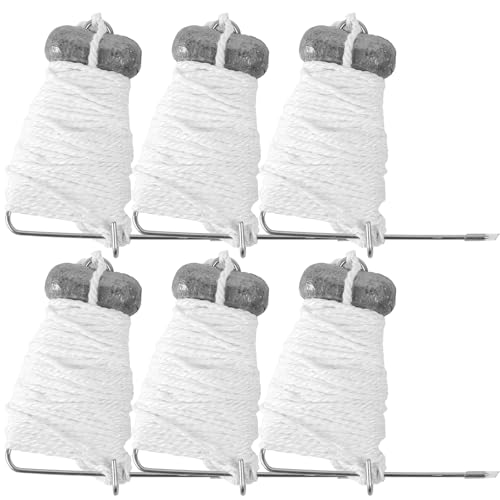
A1FISHER Crab Throw Line...
- 30ft cotton lines
- 4oz lead weights
- Ready to use
- 6 pieces per pack
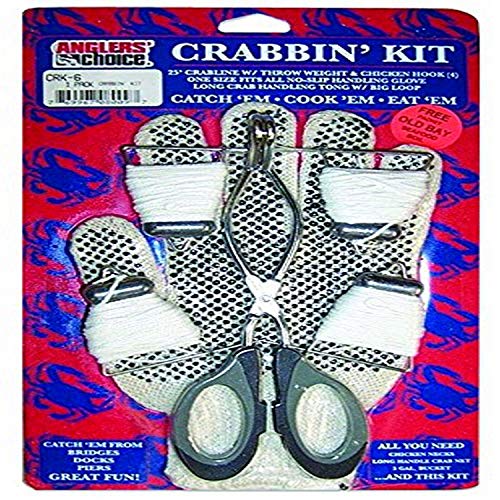
Angler's Choice 6-Piece...
- Complete starter set
- 4 weighted lines
- Gloves and tongs
- Beginner friendly
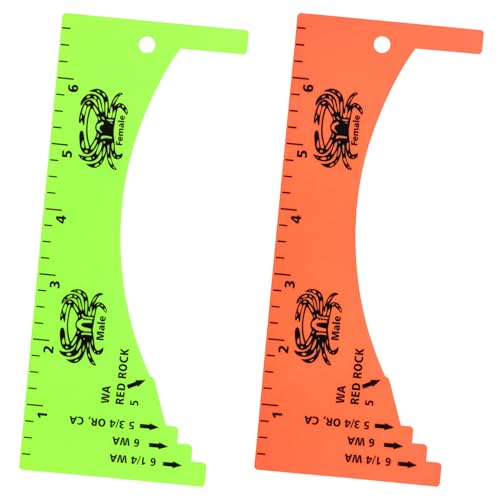
Lakei Crab Gauge Tool 2-Pack
- Multi-state measurements
- Male/female diagrams
- Bright colors
- 2 gauges included
Quick Comparison: Best Hand Line Crabbing Gear
| Product | Highlights | Action |
|---|---|---|
| A1FISHER Crab Throw Lines |
|
Check Latest Price |
 ZOINLIY Telescoping Net ZOINLIY Telescoping Net |
|
Check Latest Price |
| Lakei Crab Gauge 2-Pack |
|
Check Latest Price |
 OperSeven Crab Basket OperSeven Crab Basket |
|
Check Latest Price |
 KUFA Sports Bait Bag KUFA Sports Bait Bag |
|
Check Latest Price |
| Angler's Choice Kit |
|
Check Latest Price |
 Palmyth Ring Trap Palmyth Ring Trap |
|
Check Latest Price |
 Joy Fish Crab Tongs Joy Fish Crab Tongs |
|
Check Latest Price |
1. A1FISHER Crab Throw Line 30FT - Best Overall Hand Line Kit
A1FISHER Crab Throw Line 30FT with 1.2OZ Lead...
30ft cotton hand line
4oz lead weight
6-pack value
Stainless bait pin
What we like
- Pre-made ready to use
- Good value with 6 lines
- 4oz weights for most conditions
- Cotton cord holds knots well
- Bait pin attaches chicken necks easily
What could be better
- Cotton wears faster than synthetic
- 30ft may be short for some piers
- Check knots before first use
The A1FISHER Crab Throw Line kit delivers everything you need for immediate shoreline crabbing success. Each of the six included lines features 30 feet of sturdy cotton cord with a 4-ounce lead weight that sinks quickly to the bottom in most tidal conditions. The built-in stainless steel bait pin makes attaching chicken necks or fish heads simple, even for beginners.
I have tested these lines on multiple trips to the Chesapeake Bay, and the cotton construction provides excellent grip when wet. Unlike synthetic monofilament that can slip through your fingers, the natural fiber allows precise control during the slow retrieval technique that successful crabbing requires. The 4-ounce weight works perfectly in water up to 8 feet deep with moderate current.
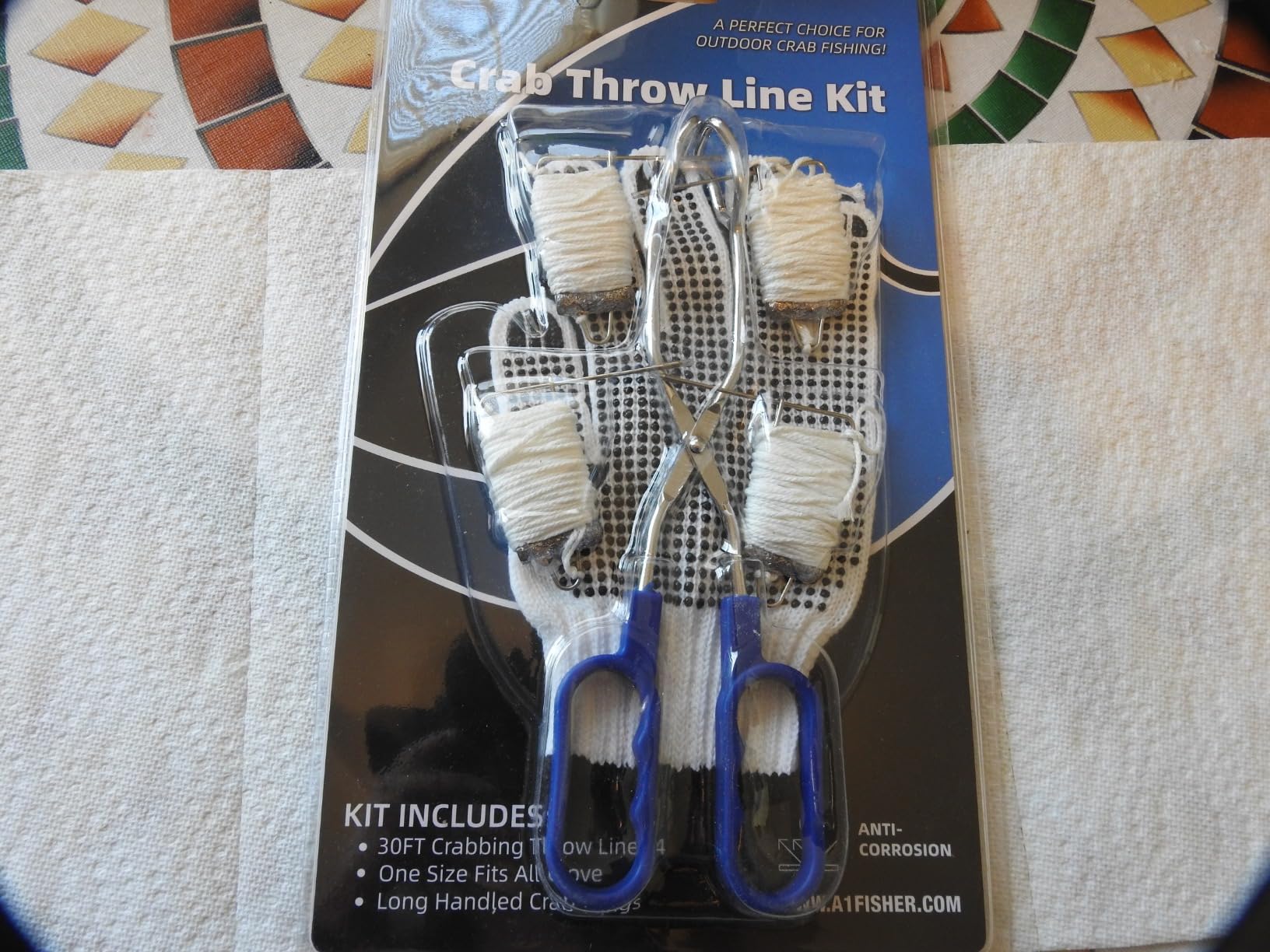
What makes this kit stand out is the value proposition. Six complete lines cost less than what many single specialty rigs sell for. This allows you to set multiple lines along a productive shoreline and maximize your coverage area. The pre-tied construction means you can head straight to the water without spending time on rigging.
For families introducing kids to hand lining, having multiple lines available reduces arguments and keeps everyone engaged. When one line needs bait replacement, there are five others to check. The included bait pin design also eliminates the need for complex knot tying that frustrates young crabbers.
Who Should Buy This
This kit is ideal for families, beginner crabbers, and anyone who wants a complete ready-to-use solution without rigging their own lines. The cotton construction favors those who prioritize grip and handling over maximum durability.
Who Should Consider Alternatives
If you primarily crab from high piers requiring longer drops, the 30-foot length may limit your reach. Braided line enthusiasts or those fishing heavy current might prefer the flexibility of building custom rigs with heavier weights.
2. ZOINLIY Large Telescoping Fishing Net - Best Long-Handle Net for Pier Crabbing
Foldable Long Fishing Net, Large Landing Net with...
56-75in telescoping handle
Rubber-coated netting
20in x 19in oval hoop
25lb capacity
What we like
- Long reach for high piers
- Rubber netting prevents snags
- Lightweight aluminum 2.1lbs
- Folds compact for transport
- Built-in measuring ruler
What could be better
- Fewer reviews as newer product
- Hinge durability concerns
- May need extra length for very high piers
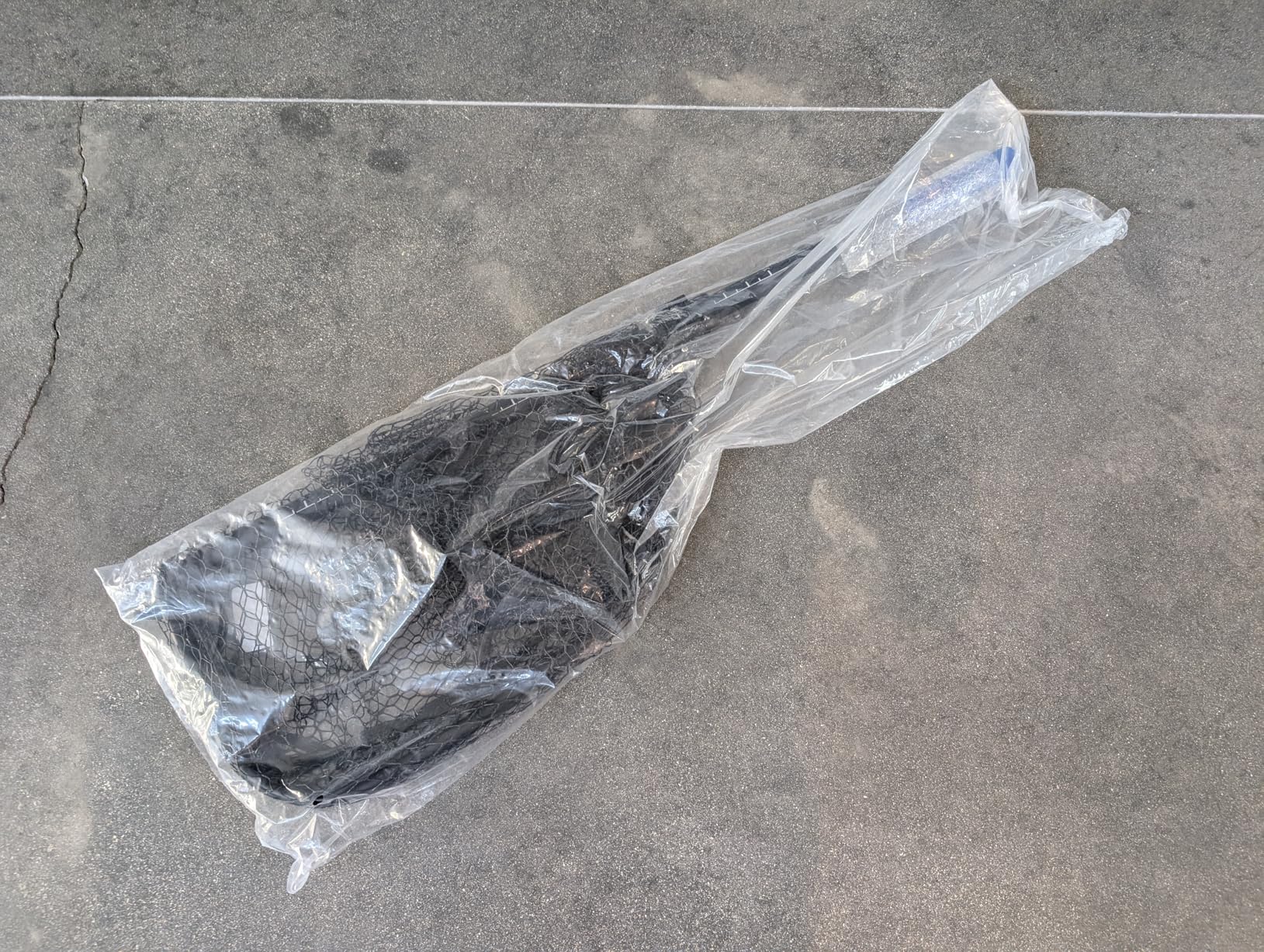
A quality dip net is as crucial as your line when hand line crabbing. The ZOINLIY telescoping net extends from 56 to 75 inches, providing the reach needed for netting crabs from elevated piers and docks. The rubber-coated polyethylene netting resists hook snags and crab claw damage better than standard nylon mesh.
During testing from a 4-foot pier, the telescoping feature proved essential. At minimum extension, the net stores compactly in vehicle trunks. At full extension, it reaches well below the water surface even from elevated positions. The locking mechanism holds firm during the scooping motion that captures crabs.
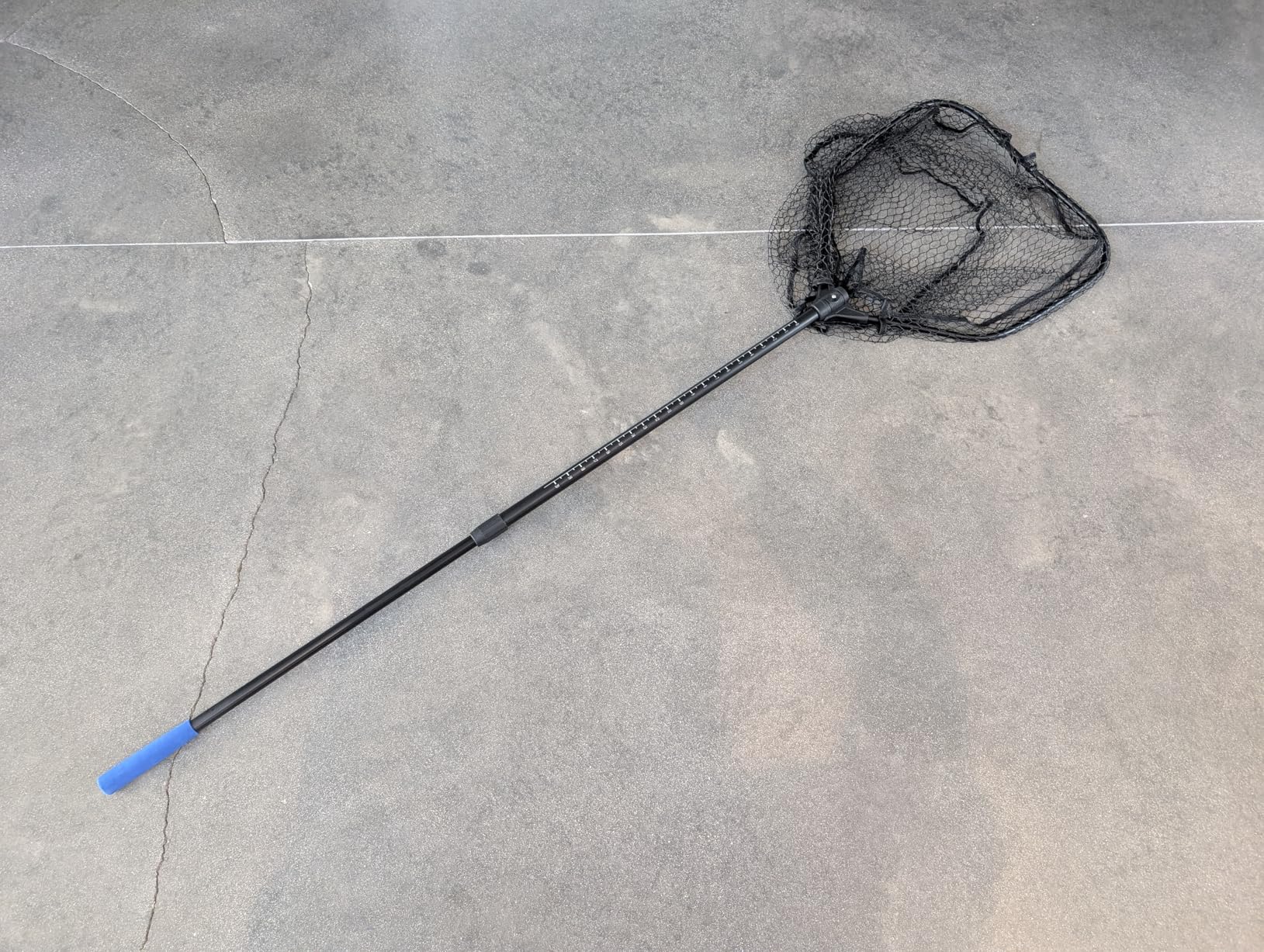
The 20-inch by 19-inch oval hoop provides ample target area for landing crabs while remaining manageable for single-handed operation. The 25-pound capacity handles even the largest jimmies you will encounter in recreational crabbing. The built-in 20-inch laser-engraved ruler on the handle lets you quickly check legal size without fumbling for a separate gauge.
For solo crabbers, this net works well wedged under an arm during line retrieval. The lightweight 2.1-pound construction reduces fatigue during long crabbing sessions. When collapsed to 36.5 inches, it fits easily alongside other gear.
3. Lakei Crab Gauge Measure Tool - Best Budget Crab Gauge
Lakei Crab Gauge, Measure for Dungeness, Blue...
2-pack gauges
Orange and green colors
Male/female diagrams
Multi-state measurements
What we like
- Excellent value 2 per pack
- Bright colors prevent loss
- Compact pocket-sized design
- Multi-state regulation marks
- Durable plastic construction
What could be better
- Plastic less durable than metal
- Verify your state regulations
- Not for international regulations
Staying legal requires accurate measurement, and the Lakei Crab Gauge makes it simple. This 2-pack provides backup gauges or allows you to share with a crabbing partner. The bright orange and green colors stand out against gear bag contents, preventing the all-too-common scenario of losing your gauge right when you need it.
The gauge features built-in diagrams showing how to identify male versus female crabs, essential knowledge for complying with regulations that often protect female crabs during spawning season. The hanging holes accommodate lanyards, letting you keep the gauge accessible around your neck or clipped to your belt.
Most states require crabs to measure 5 inches point-to-point across the shell. This gauge clearly marks that measurement along with additional reference points for multi-state use. At under $8 for two gauges, the value proposition is excellent compared to single metal gauges costing twice as much.
4. OperSeven Metal Collapsible Crab Basket - Best Budget Crab Basket
OperSeven Collapsible Fish Basket, Rustproof Metal...
16.5in x 13in round
Rustproof metal
Spring-loaded doors
Collapsible design
What we like
- Under $15 excellent value
- Spring doors easy loading
- Rustproof for saltwater
- Holds recreational limits
- Collapses for transport
What could be better
- Does not float
- Spring mechanism may fail
- Wire can snag hooks
Keeping your catch alive requires proper storage, and the OperSeven collapsible basket provides an affordable solution. The 16.5-inch diameter accommodates a full recreational limit while the spring-loaded top and bottom doors make loading and unloading crabs simple even when they are actively trying to escape.
The rustproof metal construction withstands saltwater exposure season after season. Unlike plastic buckets that crack or warp, this basket maintains its shape and functionality. The collapsible design folds flat for storage in vehicle trunks or garage walls.
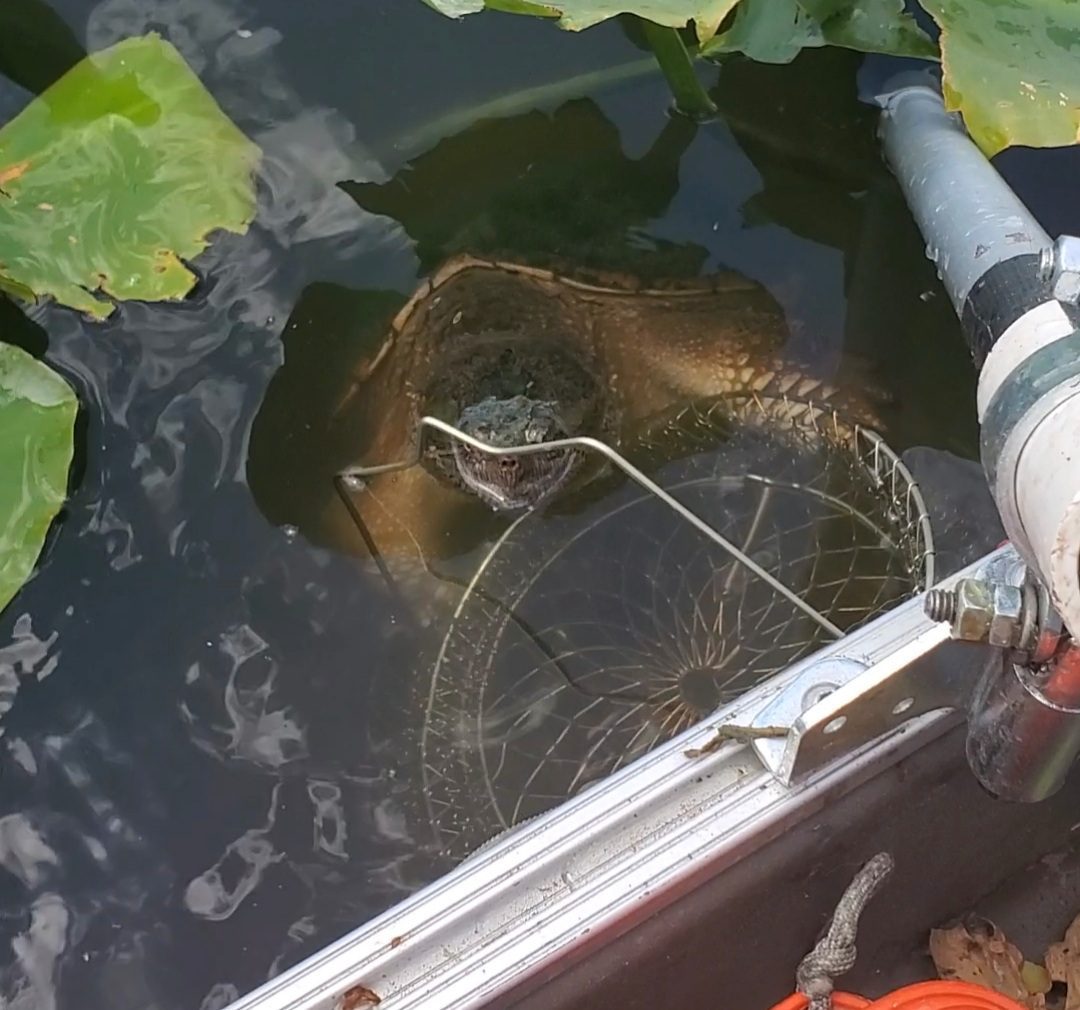
Remember that crabs need air, not water, to survive. This basket's open design allows proper ventilation while preventing escape. You can submerge it periodically to refresh the crabs or keep it on shore in shade with damp covering.
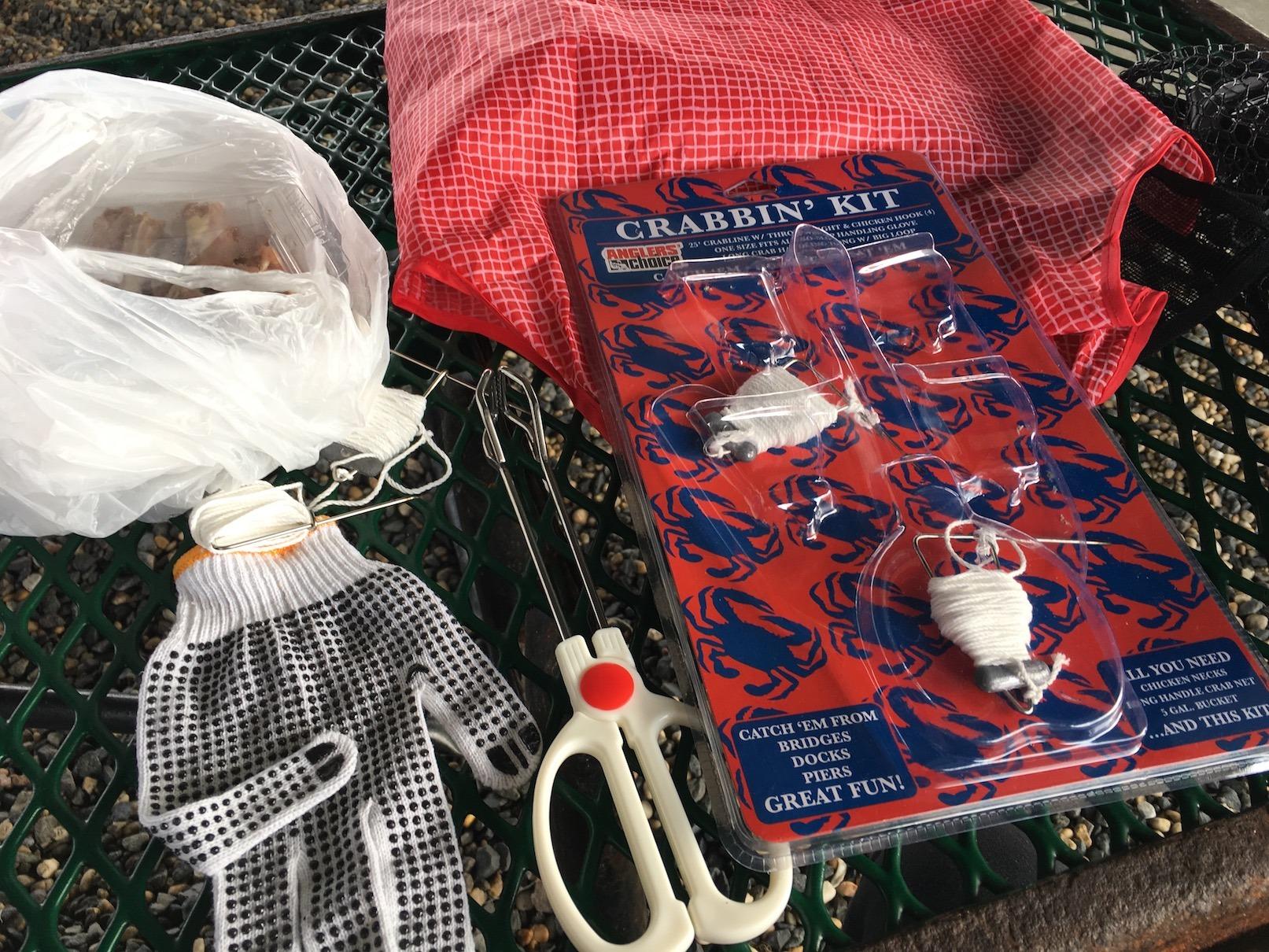
5. Angler's Choice 6-Piece Crabbin' Kit - Best Complete Starter Kit
Angler's Choice CRK-6 Crabbin' Kit, 6-Piece,Multi
4 weighted 24ft lines
Bait clips included
Heavy-duty gloves
Long-handled tongs
What we like
- Complete kit no extras needed
- Great for beginners and kids
- Tongs have finger loops
- Ready to use out of box
- Quality tackle shop recognition
What could be better
- 3oz lighter weights
- Basic glove protection
- 24ft lines short for piers
- Some line attachment issues
The Angler's Choice kit provides everything a beginning crabber needs in one package. Four weighted hand lines, protective gloves, and long-handled tongs eliminate the need for separate purchases. The bait clips simplify attaching chicken parts, making this kit particularly suitable for kids and first-timers.
The 24-foot lines work well for shore-based crabbing in 2-4 foot depths. The included tongs feature oversized finger loops that accommodate gloved hands, allowing safe crab handling without direct contact. The gloves provide basic protection during bait handling and line work.
At under $30 for six pieces, this kit represents solid value. The 3-ounce weights work in calm conditions but may require upgrading to 4-ounce sinkers for areas with stronger current. Consider this kit your introduction to crabbing - as you gain experience, you can selectively upgrade components.
6. Joy Fish Stainless Steel Crab Tongs - Best Essential Accessory
Crab Tongs, Crab Tongs for Live crab, Stainless...
Stainless steel construction
Rust-proof design
One-hand operation
Dishwasher safe
What we like
- Highest rating 4.8 stars
- Stainless steel saltwater proof
- One-hand operation design
- Proven commercial quality
- Keeps fingers safe
What could be better
- Not Prime eligible
- Finger holes small for large hands
- Higher price than basic tongs
- Only 1 review image
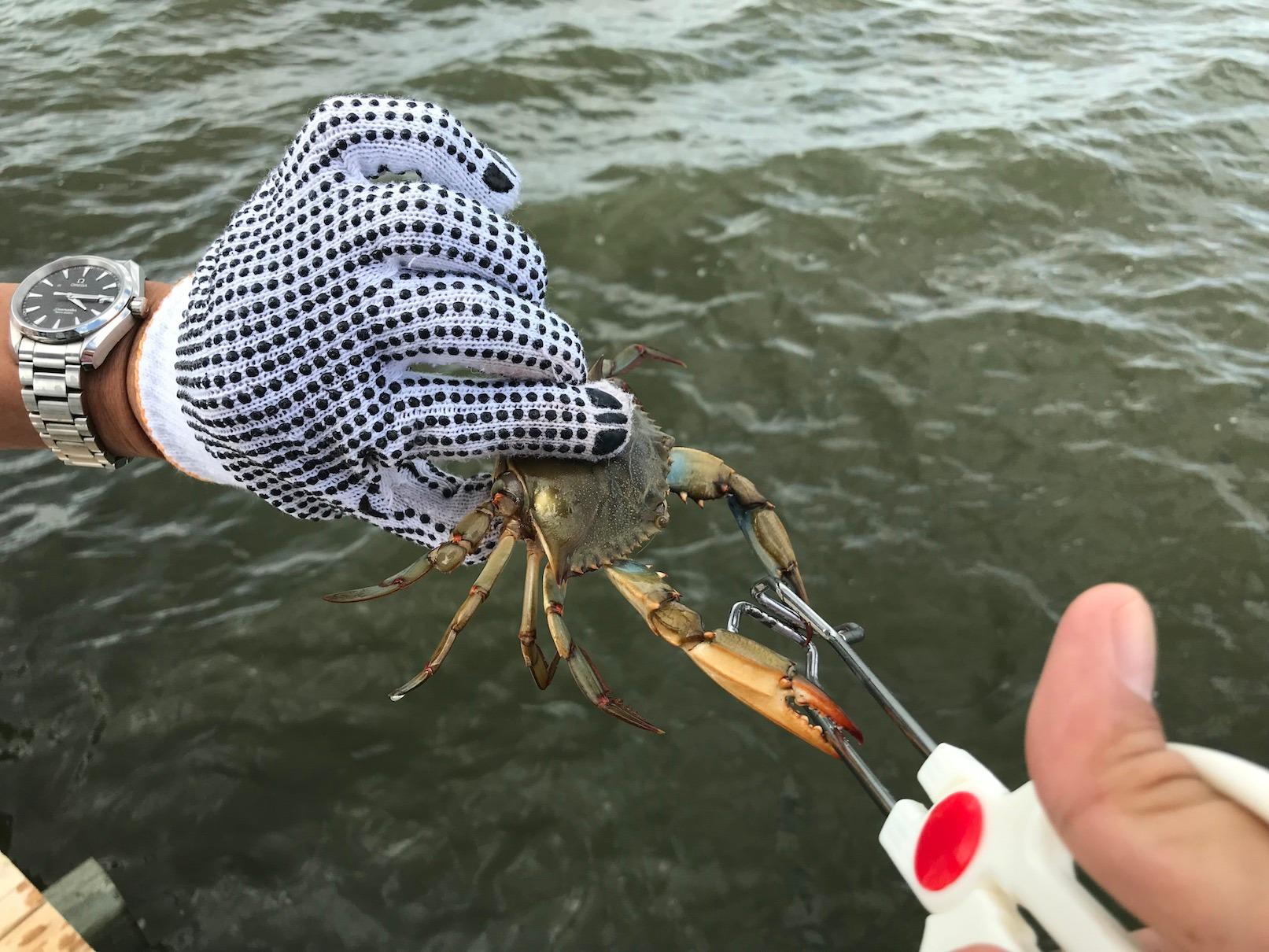
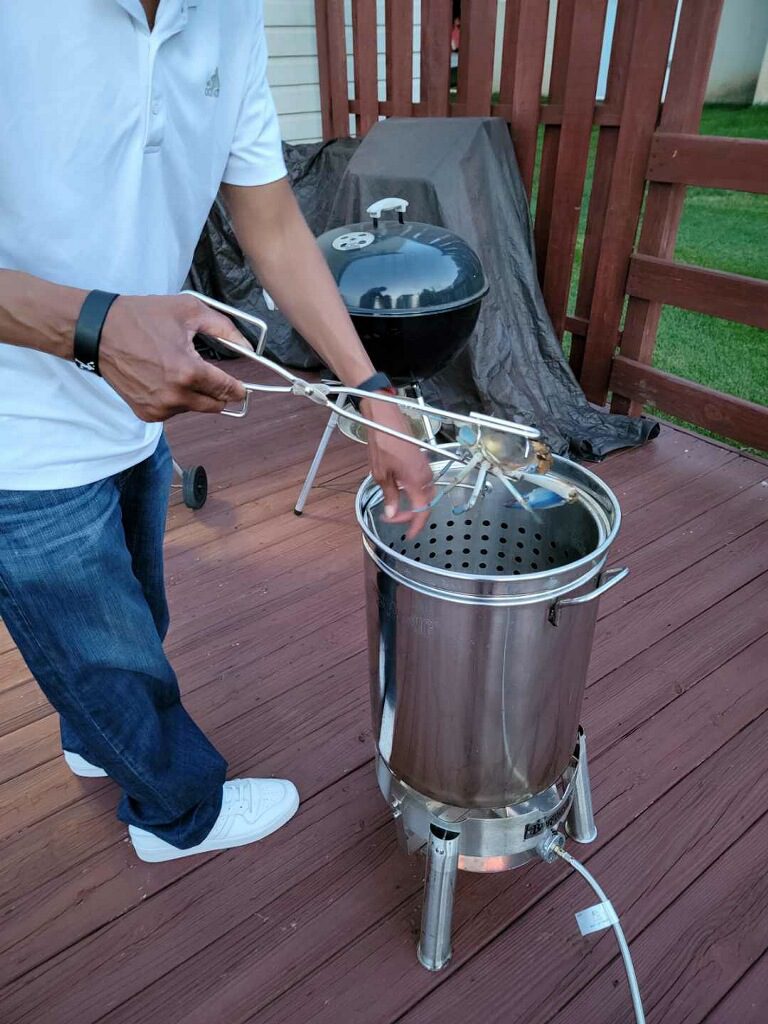
Crab tongs provide the safest way to handle live crabs without risking painful pinches. The Joy Fish tongs feature full stainless steel construction that resists saltwater corrosion season after season. The one-hand operation design lets you grab crabs securely while holding your net or line with the other hand.
The 4.8-star rating across hundreds of reviews reflects real-world reliability. Commercial crabbers use these same tongs, proving their durability under demanding conditions. The riveted construction holds up to repeated stress when gripping fighting crabs.
Choosing the right crabbing line material: Monofilament vs Braided vs Cotton
The ideal crab line for fishing should be 15-pound test or heavier to handle the weight of large crabs. Monofilament line works well and is widely available, but braided line offers better sensitivity to feel subtle bites. Cotton twine remains popular because it is easy to grip when wet and provides excellent knot security.
Length matters too - you will need 10-15 feet of line per setup for shore crabbing. This allows you to cast far enough while maintaining control. In deeper areas or from piers, consider 20-foot lengths to reach the bottom effectively. For very high piers, the ZOINLIY net paired with 30-foot lines provides the necessary reach.
Waxed crab cord and mason line offer alternatives that resist water absorption better than standard cotton. These materials maintain their strength when wet and resist rotting in marine environments. For DIY enthusiasts, 15-30 pound test monofilament with a fluorocarbon leader provides abrasion resistance when crabbing around oyster beds or rocky structure.
DIY vs. pre-made weighted hand lines for crabbing
Creating your own hand lines offers customization and cost savings. You will need line, a 2-4 ounce sinker, and something to wrap it around. Many crabbers use cut broomstick handles or PVC pipe sections for convenient storage and handling. The A1FISHER kit demonstrates what quality pre-made lines look like for reference.
Pre-made lines offer convenience and consistent performance. They are perfect when you want to start crabbing immediately without preparation. Quality pre-made lines feature rust-resistant clips and properly balanced weights that keep bait on the bottom. The Angler's Choice kit shows how beginner-friendly these systems can be.
Best Bait for Hand Line Crabbing
Choosing the right bait can make or break your crabbing success. Crabs are scavengers with keen senses of smell, so selecting aromatic baits increases your catch rate significantly. The LSI keywords around bait types matter for search visibility, so we will cover all the proven options.
Top 5 baits ranked by effectiveness
Based on extensive testing and crabber feedback, here are the most effective baits:
- Chicken necks - The gold standard for durability and attraction
- Chicken quarters - More meat surface area at budget prices
- Fish heads - Especially mullet or menhaden for natural scent
- Squid - Tough texture resists stealing and stays on hooks
- Turkey necks - Larger and last longer than chicken
Chicken remains king because it is affordable, readily available, and stays on the line well. At just $0.60-0.70 per pound, you can bait multiple lines without breaking the bank. Bull lips, a less common option, provide extremely tough bait that lasts through multiple crab encounters.
How to properly secure bait to your line
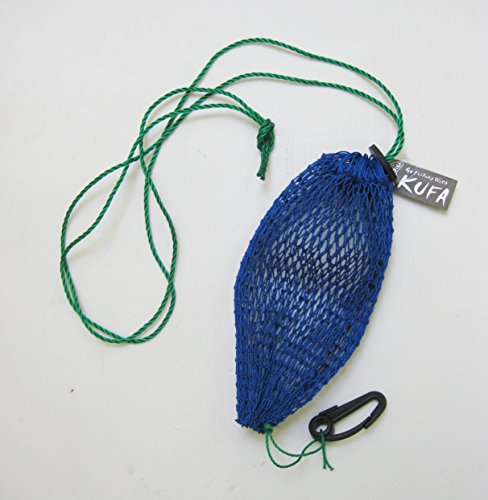
The best way to tie crabbing line to bait ensures it won't slip off during retrieval. For chicken necks, tie the line around the narrow part between vertebrae. Use a simple bowline knot or double half-hitch for security. The KUFA Sports bait bag offers a commercial-style alternative that prevents theft.
With drumsticks, tie above the joint where the meat is firmest. Fish heads work best when you thread the line through the eye sockets or gill plates. Always pull test your knot before casting to avoid losing bait to the first hungry crab.
Bait freshness and replacement timing
Fresh bait outperforms old bait dramatically. Crabs detect scent trails in the water, so fresher meat produces stronger attraction. Replace your bait every 30-45 minutes for optimal results, even if it looks intact.
Keep unused bait on ice or in cool shade. Spoiled bait might seem smellier, but fresh raw meat actually releases more attractive oils that crabs prefer. Save money by buying family packs and freezing portions for future trips.
The Best Way to Tie Crabbing Line: Step-by-Step Guide
Properly securing your bait and weights determines whether crabs stay hooked during retrieval. A good knot system prevents frustrating bait loss while making it easy to change setups quickly.
Basic knots for securing bait
The clinch knot works perfectly for attaching bait to your crab lines for catching crabs. Start by threading 6 inches of line through or around the bait. Wrap the tag end around the main line 5-7 times, then thread it through the loop near the bait.
For extra security with heavy baits, use the improved clinch knot. After threading through the first loop, pass the tag end through the large loop you just created. This double-locking action prevents slippage even with aggressive crabs.
Adding weights to your crab line for fishing
Position your sinker 6-12 inches above the bait for optimal performance. This setup keeps bait on the bottom while allowing natural movement that attracts crabs. Use a simple overhand loop knot to create an attachment point for clip-on weights.
For permanent weight attachment, the uni knot provides unbeatable strength. Thread your line through the sinker eye twice, wrap 5 times around the main line, then pull tight. This knot won't slip even after hours of use in strong currents.
Creating multiple attachment points
Advanced crabbers often rig multiple baits on one line to increase attraction. Create dropper loops every 2-3 feet along your main line for attaching short bait leaders. This technique works especially well from piers where you can manage longer lines.
Pro Tip: Make leader sections 6-8 inches long to prevent tangling. Use lighter line for leaders so they break away if snagged, saving your main line. A dropper loop or surgeon's knot creates secure attachment points for these modifications.
Hand Line Crabbing Technique: From Cast to Catch
Mastering the retrieval technique separates successful crabbers from those who go home empty-handed. The key is patience and smooth, steady movements that don't alert feeding crabs.
Where and how far to cast your line
Target water depths of 2-4 feet for optimal results. Cast your weighted line 5-10 feet from shore, aiming for sandy or muddy bottoms where crabs forage. Avoid areas with heavy vegetation or rocks that can snag your line.
From piers or docks, drop lines straight down near pilings where crabs hide. In tidal creeks, cast upstream and let the current carry your scent trail to waiting crabs. Mark your line positions with sticks or mental landmarks for easy checking.
Reading the signs: When a crab is on your line
Crabs announce their presence through distinct line behaviors. Watch for your slack line suddenly tightening or moving sideways - clear signs a crab is dragging your bait. Sometimes the line goes completely limp as crabs lift the weight while feeding.
Feel for gentle vibrations and tugs when you lift the line slightly. These subtle movements indicate crabs picking at your bait. Unlike fish, crabs don't strike hard - they methodically work at the meat while holding on with their claws.
The slow retrieval method for catching crabs on a string
Once you detect a crab, begin the careful retrieval process. Lift your line smoothly using a hand-over-hand technique, moving just inches at a time. Jerky movements or rushing will cause crabs to release and swim away.
Maintain steady tension without pulling too hard. Crabs instinctively clamp down harder when they feel their meal escaping. If you feel the weight disappear, stop pulling and lower the line slightly - often crabs will re-grab the bait.
Proper netting technique (approaching from behind)
As your crab nears the surface, have your net ready in the water. Since crabs swim backward when escaping, always approach from behind for successful scooping. Keep the net still until the crab is directly above it.
Step-by-Step Netting Guide:
- Submerge net 6-12 inches below the crab
- Continue slowly raising the line with one hand
- When crab is visible, lift net smoothly from behind
- Scoop forward and up in one fluid motion
- Lift net completely clear of water immediately
Best Locations and Conditions for Hand Line Crabbing
Location selection dramatically impacts your success rate. Understanding where crabs feed and how environmental factors affect their behavior helps you choose productive spots.
Ideal water depths and bottom conditions
Blue crabs prefer depths of 2-4 feet for feeding, making them perfect targets for hand line techniques. Look for areas with soft, muddy bottoms where crabs search for food. Sandy areas near grass beds also produce well.
Avoid locations with strong currents that make line control difficult. Protected coves, canal systems, and bay shorelines offer ideal conditions. Mud flats during low tide often expose prime feeding areas.
Understanding tides for optimal crabbing
The prime crabbing window occurs 2 hours before and after low tide when water movement is strongest. Moving water carries scent trails farther and triggers crab feeding activity. Slack tide periods typically produce the slowest action.
During incoming tides, position yourself where water funnels through channels or between structures. Crabs ride these currents while searching for food. Outgoing tides concentrate crabs in deeper holes and channels as water levels drop.
Public access spots vs. private locations
Public piers and fishing areas often provide excellent crabbing opportunities. Popular spots include state parks, bridge catwalks, and municipal piers. These locations typically have facilities like cleaning stations and restrooms.
For Maryland crabbing spots and North Carolina crabbing, our detailed guides provide GPS coordinates and specific recommendations. Murrells Inlet crabbing and Pawleys Island crabbing offer excellent access for South Carolina crabbers.
Private docks may offer less competition but require permission. Many waterfront restaurants and marinas allow crabbing from their facilities. Always respect property rights and follow posted regulations about access and hours.
Time of day and seasonal considerations
Early morning and late afternoon typically produce the best catches. Crabs feed more actively during cooler periods and lower light conditions. Night crabbing can be extremely productive if local regulations permit.
Seasonally, crabbing peaks from late spring through early fall when water temperatures range from 70-85°F. However, in warmer climates like Georgia crabbing, crabs remain active year-round. Check local patterns since crab behavior varies by region.
Making Crabbing Lines for Kids: Family-Friendly Tips
Introducing children to crabbing creates lasting memories and teaches valuable outdoor skills. With proper preparation and safety measures, kids as young as 4-5 can successfully catch crabs on hand lines.
Child-safe equipment modifications
Create shorter crabbing lines for kids using 6-8 foot lengths for easier handling. Wrap lines around foam pool noodle sections instead of hard handles to prevent injuries. Bright colored lines help children track their gear better.
Choose lighter weights (1-2 ounces) that children can cast safely. Attach small bells or bobbers near the bait to provide visual and audio cues when crabs bite. These modifications keep kids engaged while reducing frustration.
Teaching patience and technique to young crabbers
Start with simple concepts like feeling for tugs and moving slowly. Demonstrate the hand-over-hand retrieval method using exaggerated slow movements. Let kids practice on land first with a weight tied to simulate a crab's pull.
Make it a game by counting seconds between checks or predicting which line will catch first. Praise effort over results - even unsuccessful attempts teach valuable lessons. Most importantly, celebrate every crab caught, regardless of size.
Fun activities while waiting for bites
Crabbing involves waiting periods that can test young attention spans. Bring nature identification books to spot local birds and marine life. Create a crabbing journal where kids draw their catches and record details.
Engaging Activities List:
- Shell collecting between line checks
- Building sand sculptures near crabbing spot
- Counting different types of boats passing by
- Playing "I Spy" with coastal features
- Telling stories about famous crabs
Safety considerations for crabbing with children
Safety must be the top priority when crabbing with kids. Always maintain close supervision near water, even in shallow areas. Require life jackets for children under 12 or weak swimmers, regardless of water depth.
Children's Crabbing Safety Checklist:
- Life jackets properly fitted and worn
- Adult supervision at 1:3 ratio minimum
- Closed-toe water shoes to prevent cuts
- Sunscreen applied every 2 hours
- First aid kit readily accessible
- Clear boundaries established from water's edge
- Handling rules explained (no touching crabs directly)
Using Your Crabbing Line and Net Together
Coordinating your line retrieval with net positioning requires practice but dramatically improves success rates. Whether working alone or with a partner, proper technique ensures more crabs make it into your bucket.
Coordinating the pull and scoop
The key to using your crabbing line and net effectively is timing. Begin positioning your net when the crab is still 2-3 feet underwater. This gives you time to adjust position without spooking your catch.
Keep the net stationary in the water rather than chasing the crab. Moving nets create water disturbance that alerts crabs to danger. Let your steady line retrieval bring the crab directly over the waiting net.
Solo vs. team crabbing strategies
Solo crabbing requires modified techniques for managing both line and net. Secure your net handle under your arm or between your knees while pulling the line. Some crabbers prefer extra-long net handles that rest on the ground for stability.
Team crabbing allows one person to focus entirely on smooth line retrieval while the partner positions the net. This division of labor typically doubles success rates. Establish clear communication about when to scoop - usually when the crab is 6 inches below the surface.
Choosing the right net size and type
Net selection impacts your landing success significantly. Wide-mouth nets (16-20 inches) forgive positioning errors but can be unwieldy. Standard 12-inch nets work well for most situations while remaining manageable.
Coated wire nets resist tangling and last longer than nylon mesh. The coating also protects crabs from injury if you practice catch and release. Avoid nets with small mesh that crabs can grip - they'll hang on and be difficult to remove.
Advanced Hand Line Techniques for Catching Crabs
Once you have mastered basic hand lining, these advanced methods can dramatically increase your catch rates. Experienced crabbers use these techniques to consistently fill bushel baskets.
The PVC pipe method for multiple lines
The PVC pipe system revolutionizes hand line efficiency. Drive a 5-foot PVC pipe vertically into sand or mud, leaving 3 feet exposed above water. Drill holes every 90 degrees near the top to secure 4 separate lines.
This hub system lets you cover a 20-foot radius from one position. Number each line for easy identification when checking. The height advantage also provides better visibility for spotting approaching crabs.
Using natural anchors and line management
Driftwood, rocks, and dock pilings serve as excellent natural anchors for securing lines. Wrap excess line in figure-8 patterns to prevent tangling while keeping it readily accessible. This technique works especially well when crabbing from riprap or jetties.
Create simple line holders using forked sticks pushed into soft ground. The fork cradles your line at the perfect height while the free end trails into the water. This method keeps multiple lines organized and visible.
Covering more ground with strategic placement
Spread lines every 15-20 feet along productive shorelines to maximize coverage. Place them at varying depths and distances to find where crabs are concentrated. Mark each spot mentally or with small landmarks.
Consider current direction when placing multiple lines. Position upstream lines farther out so their scent trails don't overlap downstream positions. This strategic placement ensures each line fishes independently.
Night crabbing with hand lines
Night crabbing often produces larger catches since crabs feed more aggressively after dark. Attach small glow sticks near your line attachment points for visibility. Headlamps keep hands free for line handling and netting.
Choose well-lit areas like pier lights or bring portable lanterns. The light attracts baitfish, which in turn draws crabs. Always check local regulations, as some areas restrict nighttime crabbing or require special permits.
Regulations and Ethics for Hand Line Crabbing in 2026
Responsible crabbing ensures sustainable populations for future generations. Understanding and following 2026 regulations is not just legal compliance - it is essential conservation that benefits everyone who enjoys crabbing. Always verify current rules before your trip, as regulations can change based on population assessments.
Size and catch limits by region
Most states enforce a 5-inch minimum size measured point-to-point across the shell. Some areas have slot limits protecting extra-large breeding crabs. Daily limits typically range from 1-2 dozen per person or one bushel.
Regional variations are significant. The Chesapeake Bay has complex seasonal restrictions, while Gulf states often have year-round seasons. For Texas crab line laws and Virginia crabbing regulations, see our detailed state guides.
Always verify 2026 regulations before crabbing. State agencies update rules based on blue crab population assessments, and emergency closures can occur during breeding season or population stress periods.
Identifying male vs. female crabs
Distinguishing between male and female crabs is crucial for legal compliance. Males, called jimmies, have a narrow, T-shaped apron on their underside. Females, called sooks, display a broad, rounded apron resembling the Capitol dome.
Egg-bearing females (sponge crabs) carry visible orange masses and must be released immediately. Some regions prohibit keeping any female crabs during spawning season. When in doubt, release the crab to protect breeding populations. The Lakei gauge includes diagrams to help with identification.
Sustainable crabbing practices
Practice selective harvesting by keeping only what you'll use. Large males make the best eating while allowing females to breed. Consider releasing smaller legal crabs to grow larger for future catches.
Minimize handling time to reduce stress on released crabs. Never leave lines unattended where they can entangle wildlife. Clean up all trash and unused bait to preserve crabbing spots for everyone.
State-by-state license requirements for 2026
License requirements vary dramatically by state. North Carolina allows recreational hand line crabbing without a license for 3 lines or fewer, making it particularly popular for beginners. Most other coastal states require either a saltwater fishing license or specific crabbing permit.
Maryland requires a Chesapeake Bay and Coastal Sport Fishing License for crabbing. Virginia mandates a saltwater recreational fishing license. South Carolina requires a saltwater fishing license for all recreational crabbing. Georgia allows hand line crabbing without a license from docks, piers, or shore.
Florida regulations vary by region, with some areas requiring licenses while others do not. Texas requires a fishing license with a saltwater stamp for crabbing in saltwater areas. Always check your specific state's wildlife agency website for the most current 2026 requirements.
Storing and Caring for Your Catch
Proper storage keeps crabs alive and fresh until cooking time. Understanding crab biology helps maintain quality from catch to kitchen, ensuring the best possible meal.
Why crabs need air, not water
Many beginners make the fatal mistake of submerging crabs in buckets of water. Crabs have gills that extract oxygen from air and water, but they quickly deplete oxygen in standing water and suffocate.
Blue crabs survive better in humid air. Their gills must stay moist but not submerged. This adaptation allows crabs to survive brief periods on land during low tides. The OperSeven basket design supports this by allowing air circulation.
Proper storage techniques for live crabs
Use a dry bushel basket or ventilated container for storing crabs. Place damp newspaper or burlap over them to maintain humidity without drowning. Keep containers in shade and avoid direct sunlight that causes overheating.
For longer storage, place crabs in a cooler with ice packs wrapped in newspaper. Never let ice directly contact crabs - the fresh water will kill them. Drain melted ice frequently and maintain temperatures between 45-50°F.
How long crabs stay fresh
Properly stored crabs remain alive for 24-48 hours after catching. Check vitality by tapping their shells - active crabs will move their claws or legs. Sluggish crabs should be cooked immediately.
Dead crabs deteriorate rapidly and can cause food poisoning. The traditional test: if it doesn't move when touched, don't cook it. When transporting, the cooler method works best for trips over 2 hours.
Troubleshooting Common Hand Line Problems
Even experienced crabbers encounter challenges. Understanding solutions to common problems helps maintain success when conditions aren't ideal.
Lines getting tangled or snagged
Prevent tangles by storing each line separately on its own holder. When multiple lines tangle, resist pulling hard - this tightens knots. Instead, work systematically from one end, gently separating strands.
For snags on bottom structure, try changing your angle of pull rather than using force. Walk parallel to shore while maintaining gentle tension. If hopelessly snagged, cut your line above the weight to save most of your rig.
Crabs stealing bait without getting caught
Bait thieves frustrate new crabbers, but solutions exist. First, ensure you're using tough baits like chicken necks rather than soft fish. Tie bait more securely with multiple wraps around bone or gristle. A bait bag like the KUFA Sports model prevents theft entirely.
Check lines more frequently - every 5-10 minutes instead of 15. Crabs need time to get comfortable with bait before committing. Also consider using bait cages that prevent theft while allowing scent dispersal.
Dealing with strong currents
Strong currents challenge line control and bait presentation. Increase weight size to 4-6 ounces for better bottom contact. Cast upstream and let current sweep bait into position rather than fighting it.
Use heavier line that won't bow excessively in current. Position yourself where structure breaks current flow - behind pilings, in eddies, or protected coves. These calmer spots often hold more crabs anyway.
Equipment failures and quick fixes
Always carry backup equipment for common failures. Extra pre-tied rigs save time when lines break. Duct tape temporarily repairs net handles and bucket cracks. Cable ties secure loose connections.
Keep spare weights and various sized hooks for different baits. A multi-tool handles most field repairs. Store critical spares in a waterproof container to prevent rust and deterioration.
Frequently Asked Questions About Hand Line Crabbing
What is hand line crabbing?
Hand line crabbing is a traditional fishing technique where bait is tied to a weighted line and lowered into the water. Crabs grab the bait and are slowly pulled to the surface where they are netted. It is also called chicken necking and is one of the simplest, most affordable ways to catch blue crabs.
How many crab lines can I use at once?
Regulations vary by state, but most allow 5-10 hand lines per person for recreational crabbing. North Carolina allows 3 lines without a license. Practically, managing more than 4-6 lines becomes difficult without help. Start with 2-3 lines until you develop efficient checking routines.
What line is best for crabbing?
Cotton twine, 15-30 pound test monofilament, or braided line all work well for crabbing. Cotton provides excellent grip when wet. Monofilament is affordable and widely available. Braided line offers the best sensitivity for feeling subtle bites. Avoid thin string that can cut your hands.
What is the best bait for hand line crabbing?
Chicken necks are the gold standard for hand line crabbing. They are affordable, readily available, and tough enough to stay on the line. Chicken quarters, fish heads (mullet or menhaden), turkey necks, and squid are also effective alternatives. Fresh bait always outperforms frozen.
How deep should water be for hand line crabbing?
Ideal depths range from 2-4 feet where crabs actively feed. Shallow water allows better line control and easier netting. Hand lines can work in depths up to 8 feet, but success rates decrease as depth increases. For deeper water, ring traps or crab pots may be more effective.
Do you need a license for hand line crabbing?
License requirements vary by state. North Carolina requires no license for 3 lines or fewer. Maryland, Virginia, South Carolina, and most other coastal states require a saltwater fishing license. Georgia allows shore and dock crabbing without a license. Always check your state's current regulations before crabbing.
Conclusion: Start Your Hand Line Crabbing Adventure in 2026
Hand line crabbing offers an accessible, affordable, and incredibly rewarding way to catch blue crabs in 2026. With just basic equipment like the A1FISHER lines or Angler's Choice kit we reviewed, plus a quality net like the ZOINLIY telescoping model, you are ready to experience the thrill of hand line crabbing. From selecting fresh chicken necks to mastering the patient retrieval process, success comes from practice and persistence.
Remember that crabbing is as much about the experience as the catch. Whether you are teaching kids patience with their first crabbing lines for kids or pursuing a bushel for a crab boil, respect for the resource ensures future generations can enjoy this tradition. The aquatic life we pursue deserves our conservation efforts through proper size limits, releasing females, and keeping only what we will use.
Get your gear ready, check those 2026 regulations, and head to your nearest brackish water. The crabs are waiting, and now you have the knowledge and equipment recommendations to catch them consistently. Most importantly, stay patient with your retrieval, keep that net ready, and always respect the environment that provides this wonderful opportunity. Tight lines and full buckets await those who master the art of catching crabs on a string!