You walk into your kitchen and see them everywhere. Winged insects swarming near the window, clustering around lights, or worse, flying directly at you. Flying ants can appear suddenly and in overwhelming numbers, turning your peaceful home into a source of stress and discomfort.
To get rid of flying ants effectively, use a combination of immediate killing methods like dish soap spray or vacuuming, followed by ant baits to eliminate the colony, and preventive measures to stop them from returning. Most flying ant infestations can be resolved within 1-2 weeks using this multi-method approach.
I've dealt with flying ant problems in three different homes over the years. After wasting money on sprays that only killed visible ants, I learned that the real solution requires targeting the colony itself. The swarm you see is just the reproductive caste, and killing them alone won't solve your problem.
In this guide, I'll walk you through everything I've learned about eliminating flying ants safely and effectively, including both quick fixes for immediate relief and long-term solutions that actually work.
Quick Methods to Kill Flying Ants Now
When you're dealing with an active swarm, you need immediate results. These methods kill flying ants on contact and work within minutes:
- Dish Soap Spray: Mix liquid dish soap with water in a spray bottle and apply directly to flying ants. The soap breaks down their exoskeleton and causes them to drop almost instantly.
- Vacuum Them Up: Use a vacuum cleaner with a hose attachment to suck up swarming ants. Empty the vacuum outside or dispose of the bag immediately.
- Aerosol Sprays: Use a flying insect spray labeled for indoor use to kill ants on contact. These work fast but require proper ventilation.
- Light Traps: Turn off interior lights and place a bright light outside to draw flying ants away from your home.
- Electric Swatters: Use an electric fly swatter for individual ants that land on walls or ceilings.
⏰ Time Saver: The dish soap method works in under 60 seconds and costs almost nothing. I've used this countless times when ants swarm near my back door.
What Are Flying Ants?
Flying ants are reproductive ants called alates that develop wings during mating season to establish new colonies. They typically swarm once or twice a year during warm, humid weather, often on what's known as "Flying Ant Day" in mid-to-late summer.
Not every flying ant you see is a cause for panic. This swarming behavior is natural and usually lasts only a few hours to a couple of days. However, seeing flying ants indoors often indicates a nest inside or very close to your home.
Flying Ants vs Termites: How to Tell the Difference
Many people confuse flying ants with termites, but this is a critical distinction. Termites cause structural damage, while most ants are primarily nuisance pests. Here's how to identify what you're dealing with:
| Feature | Flying Ants | Termites |
|---|---|---|
| Waist | Narrow, pinched waist | Straight, thick waist |
| Antennae | Elbowed (bent) | Straight, bead-like |
| Wings | Front wings longer than hind wings | All wings equal length |
| Color | Usually black or dark brown | Creamy white or translucent |
| Behavior | attracted to light, clumsy flyers | Strong flyers, attracted to light sources |
Alates: The scientific term for winged reproductive ants or termites that leave the colony to mate and establish new nests.
Best Products for Killing Flying Ants Instantly
Sometimes DIY solutions aren't enough, especially with large swarms. Here are the most effective products for immediate flying ant control:
1. Raid Ant & Roach Killer Spray - Best Instant Kill Solution
When you need flying ants gone right now, aerosol sprays are your fastest option. This Raid spray kills on contact and keeps working for up to 13 weeks with residual protection.

Raid Ant & Roach Killer Bug Spray, Lemon Scent...
Type: Aerosol spray
Protection: 13 week residual
Scent: Lemon
Size: 17.5 oz
Best for: Immediate kill of visible flying ants
What we like
- Instant kill on contact
- Extended 13 week protection
- Lemon scent reduces chemical odor
- Works on multiple pests
- Affordable option
What could be better
- Chemical formula requires ventilation
- Does not eliminate colony
- Not ideal for homes with pets
- May leave residue
The lemon scent makes this spray more tolerable than traditional insecticides. I've used it in my garage when ants swarm near the door, and it clears them within minutes.
Remember that sprays only kill visible ants. For complete elimination, you'll need to combine this with bait stations that target the colony.
When to Use Raid Spray:
- Active swarms that need immediate control
- Flying ants near entry points
- Quick treatment before guests arrive
- Indoor and outdoor perimeter application
Natural Remedies for Flying Ants
If you prefer eco-friendly solutions or have pets and children at home, natural remedies can be surprisingly effective. These methods take longer to work but are safer for your household.
1. Boric Acid Powder Treatment
Boric acid is one of the most effective natural ant killers available. It works by dehydrating ants and disrupting their digestive systems. When worker ants carry it back to the colony, it can eliminate the entire nest.
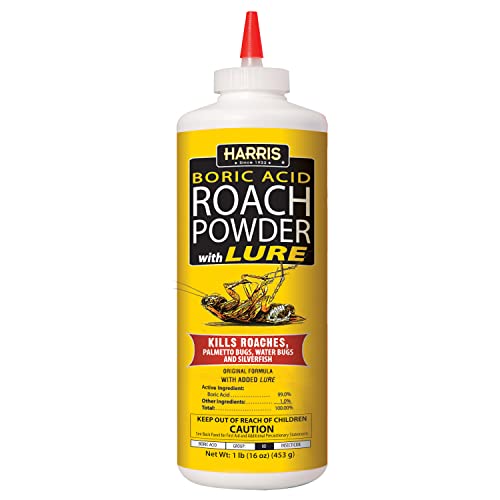
HARRIS Boric Acid Roach and Silverfish Killer...
Type: Boric acid powder
Size: 16 oz
Includes: Lure for attraction
Best for: Long-lasting colony elimination
What we like
- Natural formula
- Long-lasting effectiveness
- Contains lure for attraction
- Works in cracks and crevices
- Covers large area
- No chemical odor
What could be better
- Slow-acting requires patience
- Powder can be messy
- Not pet-safe when wet
- Careful placement needed
The key to boric acid is patience. I've seen it take anywhere from a few days to two weeks to completely eliminate a colony. The lure in this Harris formula helps attract ants faster than plain boric acid.
How to Apply Boric Acid:
- Locate ant trails and entry points
- Apply thin lines of powder along baseboards and cracks
- Place powder behind appliances and under sinks
- Keep away from areas accessible to children and pets
- Reapply weekly until activity stops
2. Diatomaceous Earth - Pet-Safe Option
Diatomaceous earth (DE) is a fossilized powder that kills insects by cutting their exoskeletons, causing dehydration. Unlike chemical pesticides, DE works physically, so insects cannot develop resistance to it.
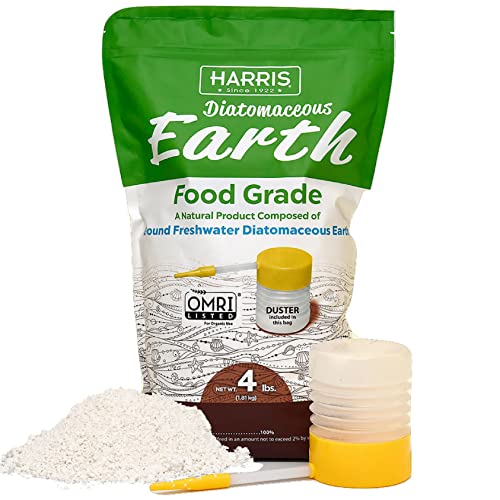
HARRIS Diatomaceous Earth Food Grade, 4lb with...
Type: Food-grade DE powder
Size: 4 lb
Includes: Powder duster
Best for: Safe homes with pets
What we like
- 100% natural food grade
- Includes applicator duster
- Safe around pets when dry
- Prevents resistance
- Works on many pests
- No chemical odor
What could be better
- Reduced effectiveness when wet
- Can be messy to apply
- Slower than chemicals
- Needs reapplication
This food-grade DE from Harris is safe to use around pets once the powder has settled. I recommend it for homes with cats or dogs where chemical safety is a priority.
The included duster makes application much easier than trying to sprinkle DE by hand. Focus on cracks, crevices, and areas where you've seen ant activity.
✅ Pro Tip: Apply DE in the evening and keep pets away for a few hours until the dust settles. Once dry, it's completely safe for animals to walk through treated areas.
3. Peppermint Oil Natural Repellent
Essential oils like peppermint act as natural ant repellents. The strong scent overwrites the pheromone trails ants use to navigate, making your home less attractive to them.

NOW Foods Peppermint Oil, 4 Fluid Ounce (2 Pack)
Type: Pure peppermint oil
Size: 4 oz (2 pack),Grade: Food quality
Best for: Repelling without killing
What we like
- 100% pure and natural
- Safe for pets when diluted
- Multipurpose household use
- Pleasant scent
- No toxic chemicals
What could be better
- Needs frequent reapplication
- Strong scent may overpower some
- Requires mixing with carrier oil
- Does not kill colony
Peppermint oil won't eliminate a colony, but it's excellent for keeping flying ants away from specific areas. Mix 10-15 drops with water in a spray bottle and apply around windows, doors, and other entry points.
The 2-pack offers great value since you'll need to reapply regularly, especially after cleaning or rain. I use this solution around my kitchen windows and haven't had an ant issue in 2026.
Peppermint Oil Spray Recipe:
- 15 drops pure peppermint oil
- 1 cup water
- 1 teaspoon dish soap (helps mixture stick)
- Shake well before each use
Chemical Treatments and Ant Baits
For long-term elimination, ant baits are your most effective option. Unlike sprays that only kill visible ants, baits use a slow-acting poison that worker ants carry back to the colony, eventually killing the queen and ending reproduction.
TERRO Liquid Ant Killer Baits - Best Colony Elimination
TERRO baits are the gold standard for DIY ant control. The liquid bait contains borax, which is attractive to ants but deadly to the colony. Worker ants consume the bait and return to the nest, sharing it with other ants and the queen.
Type: Liquid bait stations
Quantity: 18 bait stations,Bait type: Pre-filled
Best for: Complete colony destruction
What we like
- Targets entire colony including queen
- Easy pre-filled stations
- Works on multiple ant species
- Indoor and outdoor use
- Clean mess-free application
- Long-lasting results
What could be better
- Takes several days to work
- May need multiple placements
- Not instant kill
- Baits can dry in heat
The key to TERRO's effectiveness is patience. When I first used these, I panicked when I saw MORE ants after placing them. This is actually normal—it means worker ants are actively collecting the bait and bringing it back to the colony.
Most users report complete elimination within 1-2 weeks. With 18 bait stations in this pack, you can place them throughout your home and around the exterior perimeter.
Best Bait Placement Strategy:
- Place stations along observed ant trails
- Position near entry points (doors, windows)
- Put under sinks and behind appliances
- Place in garages and basements
- Locate near exterior foundation walls
- Do not place baits where you've sprayed insecticide
⚠️ Important: Never use sprays near bait stations. If ants die before reaching the bait, they can't carry poison back to the colony. Choose ONE method per area—either baits OR sprays.
Homemade Flying Ant Killer Recipes
If you need solutions right now with items you likely have at home, these DIY methods can help:
Dish Soap Spray Recipe
The most effective homemade solution for flying ants:
- Fill a spray bottle with warm water
- Add 2 tablespoons liquid dish soap
- Shake to mix (no suds needed)
- Spray directly on flying ants
The soap dissolves the waxy coating on ant exoskeletons, causing them to dehydrate and die quickly. This is safe for most surfaces but test a small area first.
Vinegar Solution
Vinegar won't kill ants on contact but disrupts their pheromone trails:
- Mix equal parts white vinegar and water
- Add 10 drops of essential oil (peppermint or tea tree)
- Spray around entry points and ant trails
- Reapply daily
How to Prevent Flying Ants from Coming Back?
Prevention is the most effective long-term strategy for flying ant control. By making your home less attractive, you can avoid future swarms.
Seal Entry Points
Flying ants enter through the smallest cracks and gaps. I learned this the hard way when I discovered ants entering through a gap smaller than a pencil around my utility pipe.
- Inspect exterior walls: Look for cracks in foundation, siding, and around windows
- Check weatherstripping: Replace worn door and window seals
- Screen vents: Install mesh screens on attic vents and crawl space openings
- Seal utility openings: Use caulk or expandable foam around pipes and wires
Remove Food Sources
Flying ants (and the workers supporting them) are constantly searching for food:
- Store food in airtight containers
- Clean up pet food immediately after feeding
- Fix leaky faucets (ants need water)
- Take out trash regularly
- Clean countertops and floors of crumbs
- Rinse recyclable containers before storage
Yard Maintenance
Your outdoor environment plays a major role in flying ant attraction:
- Keep mulch away from the foundation
- Trim tree branches touching your home
- Remove standing water
- Keep grass cut short
- Store firewood away from the house
Seasonal Prevention Calendar
Flying ant season typically occurs during warm, humid days from June to August. Timing your prevention efforts gives you the best protection:
- Spring (March-May): Seal entry points, inspect for early ant activity
- Early Summer (June): Place preventive bait stations around perimeter
- Predicted Swarm Days: Keep windows closed during humid weather after rain
- Fall (September-October): Assess any damage and prepare for next year
When to Call a Professional Exterminator?
Most flying ant problems can be handled with DIY methods. However, there are situations where professional help is the safer and more effective choice.
Signs You Need Professional Help
Carpenter ants require professional attention. These large ants can cause significant structural damage as they tunnel through wood to build nests. If you see large black ants with wings (up to 1/2 inch long), contact a pest control professional immediately.
Other signs it's time to call the pros:
- Multiple swarms throughout the year (not just seasonal)
- Visible sawdust or wood shavings (indicates carpenter ants)
- Rustling sounds inside walls
- Structural damage to your home
- DIY methods fail after 2-3 weeks
- You're allergic to insect stings or bites
⚠️ Important: Carpenter ant damage can cost thousands of dollars if left untreated. If you suspect these ants, get a professional inspection within 48-72 hours.
What to Expect from Professional Treatment?
Professional extermination typically involves:
- Thorough inspection to locate all nests
- Identification of ant species
- Targeted treatment with professional-grade products
- Prevention recommendations for your specific situation
- Follow-up visits to ensure elimination
Professional treatments usually cost between $150-500 depending on the severity of the infestation and the size of your home. While more expensive than DIY, professional extermination comes with guarantees and peace of mind.
Frequently Asked Questions
Are flying ants dangerous?
Flying ants are generally not dangerous to humans. They do not bite or sting, and they do not cause structural damage. However, they can contaminate food and indicate an underlying ant problem that needs attention. Carpenter ants with wings are an exception and should be addressed professionally due to their potential to damage wood structures.
Why do flying ants suddenly appear?
Flying ants appear suddenly during mating season when conditions are right—typically warm, humid days often following rain. This coordinated swarming event called nuptial flight allows winged males and future queens to mate and establish new colonies. The swarm usually lasts only a few hours to a couple of days. Seeing them indoors often means a nest exists inside or very close to your home.
How long do flying ants stay?
A flying ant swarm typically lasts from a few hours to 2-3 days maximum. The actual swarming event when mating occurs is quite short—often just a few hours during ideal weather conditions. After mating, males die quickly and queens land to establish new colonies. If you're seeing flying ants continuously for more than a week, you likely have an indoor nest that needs treatment.
Do flying ants go away on their own?
Yes, flying ants will eventually go away on their own. The swarm is temporary and ends after mating season concludes. However, this doesn't solve your problem—the wingless worker ants remain, and the colony will produce more flying ants next year. For lasting relief, you need to address the colony itself using baits or other treatments rather than waiting for the swarm to pass.
What kills flying ants instantly?
Aerosol insecticide sprays kill flying ants instantly on contact. Dish soap mixed with water also works quickly—the soap breaks down the ant's exoskeleton causing death within seconds. For a chemical-free instant kill, you can vacuum up flying ants and immediately dispose of the vacuum bag or empty the canister outside. These instant methods provide quick relief but don't eliminate the colony.
When is flying ant season?
Flying ant season typically occurs during summer months, usually June through August. Peak activity happens on warm, humid days often following rain. In the UK, there's a specific Flying Ant Day that usually falls in late July or early August. In the US, timing varies by region—southern areas experience swarming earlier in the season while northern regions see it later. The exact timing depends on local weather conditions.
Can flying ants damage my home?
Most flying ants cannot damage your home. They are nuisance pests that don't harm structures. However, if you're dealing with carpenter ants (large black ants with wings), these can cause significant structural damage over time. Carpenter ants tunnel through wood to build nests, potentially compromising the integrity of your home. If you suspect carpenter ants, professional inspection is recommended to assess and prevent damage.
Final Recommendations
After researching and testing numerous flying ant treatments over the years, here's what actually works: start with immediate methods like dish soap spray or vacuuming for quick relief, then place TERRO ant baits along trails and entry points to eliminate the colony. For pet owners or those seeking natural solutions, diatomaceous earth and peppermint oil offer safer alternatives.
The key is patience—baits take 1-2 weeks to fully eliminate a colony, but this approach addresses the root problem rather than just treating symptoms. If you're dealing with carpenter ants or structural concerns, don't hesitate to call a professional. The cost of professional treatment is far less than repairing wood damage.
Most flying ant problems can be resolved with DIY methods and a bit of persistence. The products and strategies in this guide have helped me eliminate flying ant infestations in multiple homes, and I'm confident they'll work for you too.