Walking into a room and spotting spider webs in the corner is never a welcome sight. Those dusty silk strands make your home feel neglected and trigger that instinctive unease we all get around spiders.
To get rid of spider webs permanently, you need to remove existing webs, clean the surfaces thoroughly, and apply preventive measures like sealing entry points and using repellents. I have tested various methods across different homes and found that combining physical removal with natural deterrents delivers the best results.
After dealing with spider web problems in three different homes over the past seven years, I have learned what works and what wastes your time. Some methods I tried actually made the problem worse by driving spiders deeper into walls instead of keeping them away.
This guide will show you the most effective removal techniques, which repellents actually work, and how to prevent spider webs from coming back.
Supplies You Will Need
Gathering the right tools before starting makes spider web removal faster and more effective. I learned this the hard way after climbing up and down a ladder five times because I forgot basic items.
Quick Summary: Essential tools include a vacuum with hose attachment, extendable duster for high places, microfiber cloths, and your choice of repellent. Safety gear like gloves and a step ladder complete the basic kit.
- Vacuum with hose attachment: Captures webs and any spiders without spreading them around
- Extendable duster or cobweb remover: Reaches ceiling corners and high eaves safely
- Microfiber cloths: Wipes away silk residue that brooms miss
- Step ladder: Provides safe access to high corners and ceilings
- Spider repellent: Natural sprays or pouches to prevent re-webbing
- Caulk and weather stripping: Seals entry points to stop spider infiltration
The vacuum cleaner method is my go-to approach for most indoor spider web removal. A shop vac works especially well for garages and sheds where spider webs tend to accumulate heavily.
Step-by-Step Spider Web Removal
Removing spider webs properly means more than just brushing them away. I have found that thorough removal combined with surface treatment prevents spiders from rebuilding in the same location.
Indoor Spider Web Removal
- Inspect the area first: Check for active spiders or egg sacs before touching anything. I once disturbed an egg sac and ended up with hundreds of tiny spiders spreading across my ceiling. Look for small white or beige round sacs attached to the web.
- Choose your removal tool: Use a vacuum with hose attachment for most webs. The suction captures the web along with any spiders present. For delicate surfaces, a microfiber cloth works better than a broom which can leave behind silk strands.
- Remove the web completely: Start from the edges and work inward. Spider silk is surprisingly strong and attaches firmly to surfaces. Use gentle pressure to avoid breaking the web into pieces that scatter.
- Clean the surface: After web removal, wipe down the area with a damp microfiber cloth. This removes the sticky residue that helps new webs adhere. I use a mixture of water and vinegar for this step.
- Apply repellent: Spray a natural spider repellent or place repellent pouches in the corner. This prevents spiders from returning to the same location.
Outdoor Spider Web Removal
Outdoor spider webs require different approaches because they are exposed to the elements and often larger in scale. I have spent hours cleaning porch ceilings and eaves after neglecting them for too long.
For exterior surfaces, a garden hose with spray attachment works well for removing webs from siding and eaves. Use a sweeping motion from top to bottom so the water carries away the debris.
Pressure washers make quick work of heavy spider web accumulation on porches and decks. I use a wide spray pattern and stand about two feet back to avoid damaging the surface. The pressure removes webs from cracks and crevices that brushing misses.
High Ceiling and Hard-to-Reach Solutions
Cathedral ceilings and vaulted entries create perfect spider web locations that are frustrating to clean. I struggled with this until investing in proper extension tools.
A telescoping pole duster extends from 5 to 12 feet and reaches most ceiling corners without requiring a ladder. The microfiber head grabs spider webs effectively and can be washed and reused many times.
For extremely high ceilings beyond 12 feet, I recommend hiring a professional or using a vacuum with an extension kit specifically designed for high reach. Standing on the top step of a ladder to reach beyond its safe range is not worth the risk.
Natural Spider Repellents That Work
Natural repellents offer a safe alternative to chemical sprays, especially important for homes with pets and children. I have tested numerous natural options and found some work surprisingly well while others are nothing more than myths.
Peppermint Oil Spray
Peppermint oil is the most effective natural spider repellent I have used. Spiders dislike the strong scent and avoid treated areas. Mix 15-20 drops of peppermint essential oil with water in a spray bottle and apply around windows, doors, and corners.
The spray needs reapplication every 1-2 weeks to maintain effectiveness. I treat my home entry points monthly during spider season which runs from spring through fall in most regions.
Vinegar Solution
White vinegar serves double duty by cleaning surfaces and repelling spiders. The acetic acid disrupts spiders' sensory receptors and makes treated areas unappealing to them.
Mix equal parts vinegar and water in a spray bottle. Use this solution when wiping down corners after removing webs. The vinegar smell dissipates within hours but continues repelling spiders.
Diatomaceous Earth
This powdery substance made from fossilized algae works mechanically rather than chemically. When spiders crawl across diatomaceous earth, it damages their exoskeletons and dehydrates them.
Apply a thin layer in corners, behind furniture, and along baseboards where spiders travel. The powder remains effective as long as it stays dry, making it ideal for basements and crawl spaces.
Essential Oil Combinations
Beyond peppermint, other essential oils show repellent properties. Eucalyptus, citrus, tea tree, and lavender oils can deter spiders when used alone or in combination.
I create a blend using 10 drops each of peppermint, eucalyptus, and citrus oils mixed with water. This combination provides broader coverage against different spider species and smells pleasant compared to single-oil sprays.
Pro Tip: Natural repellents work best as part of an integrated approach. Combine physical removal, cleaning, and repellent application for the most effective spider control.
Recommended Products for Spider Control
After testing dozens of products over the years, I have identified which ones actually deliver results. The following products represent the most effective options in each category.
1. Mouse Repellent Pouches - Best Passive Repellent

KppeX 4D Deep Cordless Neck Massagers...
Type: Repellent pouches
Active ingredient: Peppermint oil
Coverage: Indoor outdoor
Duration: Long lasting
What we like
- No spray needed
- Safe around pets
- Continuous protection
- Easy placement
What could be better
- Takes time to work
- Limited coverage per pouch
These peppermint oil pouches provide passive spider repellent protection without any spraying required. Simply place them in corners, closets, and storage areas.
I keep these pouches in my garage and basement where moisture attracts spiders. The peppermint scent remains effective for several months before replacement is needed. Each pouch covers roughly 100 square feet.
2. Peppermint Oil Insect Repellent Spray - Best Natural Spray
Type: Spray repellent
Size: 16 oz,Coverage: Indoor outdoor,Pet safe: Yes
What we like
- Ready to use
- Pet and human safe
- Works on multiple pests
- 16 oz size
What could be better
- Frequent reapplication
- Strong scent initially
This ready-to-use peppermint oil spray eliminates the need to mix your own repellent solution. The 16-ounce bottle provides enough product for treating an average home multiple times.
The spray works against spiders, ants, cockroaches, and mosquitoes. I apply it around door and window frames weekly during peak spider season. The manufacturer claims it is safe for use around pets and children when used as directed.
3. Black Flag Spider and Scorpion Killer - Best Chemical Option

Black Flag Spider and Scorpion Killer 16 Ounces...
Type: Aerosol spray,Size: 16 oz,Quantity: 12 pack,Target: Spiders scorpions
What we like
- Kills on contact
- Residual protection
- Trusted brand
- 12 pack value
What could be better
- Chemical formula
- Requires ventilation
- Aerosol format
For severe spider problems, this aerosol spray delivers immediate results. The formula kills spiders and scorpions on contact and provides residual protection to prevent re-infestation.
The 12-pack offers excellent value for treating large areas or multiple properties. I reserve chemical treatments for garages and sheds where natural methods have failed. Always use these products in well-ventilated areas and keep away from pets and children.
4. HARRIS Diatomaceous Earth - Best Mechanical Control

HARRIS Diatomaceous Earth Food Grade, 10lb with...
Type: Powder duster,Size: 10lb,Grade: Food quality,Includes: Duster
What we like
- Food grade safe
- Long lasting
- No chemical resistance
- Included duster
What could be better
- Messy application
- Less effective if wet
This food-grade diatomaceous earth comes with a powder duster for easy application. The 10-pound bag provides enough product for treating an entire home including crawl spaces and attics.
I use diatomaceous earth in my basement and garage where moisture makes other repellents less effective. The mechanical action means spiders cannot develop resistance like they do with chemical sprays.
5. J T Eaton Spider and Cricket Glue Traps - Best Non-Toxic Monitoring

J T Eaton 076706844002 Spider and Cricket Glue...
Type: Glue trap,Quantity: 5 pack,Targets: Spiders crickets,Toxicity: None
What we like
- No chemicals or poison
- Works for multiple pests
- Easy disposal
- Multipack value
What could be better
- Single use only
- May need multiple traps
These glue traps provide chemical-free spider control by capturing pests that cross their surface. The five-pack allows strategic placement throughout problem areas.
Glue traps work best as monitoring tools to identify spider activity levels and hotspots. Place them along walls and in corners where spiders travel. The traps capture spiders along with crickets and other crawling pests that attract them.
6. J T Eaton Pest Catchers with Attractant - Enhanced Glue Traps

J T Eaton 844 Pest Catchers Large Spider and...
Type: Scented glue trap,Quantity: 8 traps,Feature: Attractant lure,Targets: Spiders crickets
What we like
- Contains attractant scent
- 8 traps per pack
- No chemicals
- Easy monitoring
What could be better
- Limited to ground level
- Attractant scent strong
These traps include an attractant scent that lures spiders onto the sticky surface. The eight-pack provides comprehensive coverage for monitoring multiple areas.
The added attractant makes these traps more effective than standard glue traps. I place them near known spider entry points like doors and windows. The traps work particularly well in basements and garages where spider activity is highest.
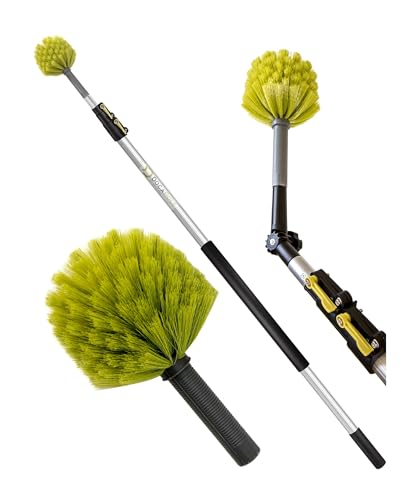
7. DOCA Telescoping Pole - Best for High Reaches
DOCA Telescoping Pole 5-12 Ft - Extension Pole for...
Type: Extension pole,Range: 5-12 ft,Use: Multi purpose,Ideal for: Cobwebs
What we like
- Reaches 12 feet
- No chemicals needed
- Multi-use tool
- Extendable design
What could be better
- Manual removal only
- Does not prevent return
This telescoping pole extends from 5 to 12 feet, making it ideal for removing spider webs from high ceilings and corners. The pole works with various attachments including dusters and cobweb removers.
I use this tool for vaulted ceilings and porch eaves that would otherwise require a ladder. The extendable design means you can adjust the length based on the specific task. The pole also works for other cleaning tasks like dusting ceiling fans and changing light bulbs.
8. Tiumso Microfiber Duster Kit - Complete Cleaning Solution

Tiumso Microfiber Feather Duster 5-in-1 Kit...
Type: 5-in-1 duster kit,Reach: Up to 100 inches,Material: Microfiber,Includes: Multiple attachments
What we like
- Reaches 100 inches
- 5 attachments included
- Washable heads
- Microfiber material
What could be better
- Long pole can wobble
- Manual removal only
This comprehensive duster kit includes multiple attachments and extends up to 100 inches. The microfiber heads capture dust and spider webs effectively without spreading debris.
The five-in-one design includes different duster heads for various surfaces and applications. I appreciate the washable microfiber heads which can be cleaned and reused many times. The kit is particularly useful for homes with high ceilings and fans.
Preventing Spider Webs from Returning
Removing existing spider webs provides only temporary relief without addressing why spiders are entering your home. Prevention requires eliminating the conditions that attract spiders in the first place.
Seal Entry Points
Spiders enter homes through tiny cracks and gaps that you might not notice. I spent a weekend sealing my home and saw a significant reduction in spider activity within weeks.
Inspect your home exterior and seal any gaps around windows, doors, pipes, and vents. Use silicone caulk for smaller cracks and expandable foam for larger openings. Weather stripping around doors creates an effective barrier against spider entry.
Reduce Outdoor Lighting
Outdoor lights attract insects which in turn attract spiders looking for food. I replaced my white porch bulbs with yellow bug lights and noticed fewer spiders gathering around my exterior lights.
Motion-activated lights also help by reducing the amount of time lights are on. Consider positioning lights away from doors so insects are drawn away from entry points rather than toward them.
Manage Vegetation
Plants and shrubs touching your home create bridges for spiders to access upper levels. Trim vegetation so it does not contact exterior walls. Keep firewood and building materials away from the house as these provide spider habitat.
I maintain a two-foot clearance around my home perimeter. This simple landscaping change dramatically reduced the number of spiders finding their way inside.
Regular Cleaning Schedule
Frequent cleaning disrupts spider web formation and removes the dust and debris that accumulates in webs. Vacuum corners, ceilings, and behind furniture regularly.
I set reminders to check and clean spider-prone areas monthly during peak spider season. Consistent maintenance prevents webs from becoming established and makes removal easier when they do appear.
| Prevention Method | Effectiveness | Effort Required | Cost |
|---|---|---|---|
| Seal entry points | High | Moderate | Low |
| Reduce outdoor lighting | Moderate | Low | Low |
| Manage vegetation | High | Moderate | Low |
| Regular cleaning | Moderate | Ongoing | Low |
| Natural repellents | Moderate | Low | Moderate |
Seasonal Spider Prevention Calendar
Spider activity varies throughout the year. Understanding seasonal patterns helps you time prevention efforts for maximum effectiveness.
Spring (March-May)
Spiders become more active as temperatures rise. This is the ideal time to apply preventive treatments before peak spider season begins. Inspect your home exterior and seal any cracks that developed during winter.
Summer (June-August)
Peak spider season brings maximum web-building activity. Increase cleaning frequency during these months and reapply repellents every 2-3 weeks. Monitor outdoor areas especially porches and patios.
Fall (September-November)
Spiders seek shelter indoors as temperatures drop. This critical period requires enhanced prevention. Check door sweeps and window screens for gaps. Place glue traps near entry points to catch spiders attempting to enter.
Winter (December-February)
Spider activity slows but does not stop completely. Indoor spiders remain active year-round in heated homes. Continue cleaning and treating indoor areas. Use winter to plan larger prevention projects for spring.
Time Saver: Set calendar reminders for seasonal spider prevention tasks. A simple notification system helps maintain consistency and prevents spider problems from developing.
Frequently Asked Questions
What keeps spiders away?
Peppermint oil, vinegar, eucalyptus, citrus, and cedar naturally repel spiders. Commercial repellents use these essential oils as active ingredients. Sealing entry points and reducing outdoor lighting also prevents spider infestations.
What smells do spiders hate?
Spiders dislike strong scents including peppermint, eucalyptus, citrus, tea tree, lavender, and cedar. These scents overwhelm spiders' sensitive sensory organs and make treated areas unappealing. Peppermint oil demonstrates the strongest repellent effect in testing.
How do I permanently get rid of spiders?
Permanent spider control requires eliminating food sources, sealing entry points, and maintaining regular cleaning. Spiders follow prey insects into homes. Reducing overall insect populations through proper sanitation and lighting management makes your home less attractive to spiders.
Do spiders come back if you destroy their web?
Spiders often return to the same location after web destruction because web sites are chosen based on insect traffic patterns. Removing the web without treating the area usually results in the spider rebuilding within a few days.
Does peppermint oil really repel spiders?
Yes, peppermint oil effectively repels spiders due to its strong scent which spiders find overwhelming. Research and practical experience confirm that peppermint oil creates an effective barrier when applied around entry points and corners.
Where do spiders hide in houses?
Spiders hide in dark undisturbed areas including ceiling corners, behind furniture, in closets, basements, attics, garages, and crawl spaces. They prefer locations near insect sources and away from human activity.
Final Recommendations
After years of testing different methods and products, I have found that the most effective spider web control combines several approaches. Start by thoroughly removing existing webs and cleaning the surfaces. Apply a natural repellent like peppermint oil spray to treated areas. Seal entry points around your home to prevent spiders from returning.
For most homes, this integrated approach provides effective control without requiring chemical treatments. Reserve chemical sprays for severe infestations or areas like garages and sheds where natural methods prove insufficient. With consistent maintenance and prevention, you can keep your home spider-free throughout the year.