High-pitched squeaking from your attic at dusk. Dark silhouettes darting around your eaves. Piles of droppings near your home's entry points. If you're dealing with bats, you want them gone yesterday.
But before you grab a tennis racket or call an exterminator, you need to know something important: most bat species are protected by law, and killing them can result in serious fines. The good news is that humane bat exclusion is highly effective when done correctly.
To keep bats away from your house, use one-way exclusion devices that allow bats to exit but prevent re-entry, seal all entry points with caulk or steel wool, install proper chimney caps and vent covers, and consider providing alternative roosting options like bat houses placed away from your home.
I've spent years helping homeowners deal with wildlife issues, and bat exclusion follows a predictable pattern when you understand bat behavior. Most infestations can be resolved in 7-10 days using the right methods at the right time of year.
How to Get Rid of Bats: The Quick Answer
Quick Summary: The most effective way to keep bats away is through exclusion, not repellents. Install one-way doors on main entry points, seal all other openings, wait 3-7 days for bats to leave, then permanently seal the final holes. Timing matters—avoid maternity season (June-August) when baby bats cannot fly.
- Time it right: Only perform exclusion from August to May (avoid maternity season)
- Inspect at dusk: Watch where bats emerge to identify entry points
- Seal secondary gaps: Close all but main entries with caulk, steel wool, or flashing
- Install one-way devices: Attach exclusion cones or doors to main entries
- Wait 3-7 days: Allow all bats time to exit through the one-way devices
- Permanently seal: Remove devices and seal final entry points
Understanding Why Bats Choose Your Home
Bats don't move into your attic to annoy you. They're seeking three specific things: shelter from predators, warmth for raising young, and proximity to food sources (insects). Your home provides all three in abundance.
The most common bat species found in homes across North America are little brown bats and big brown bats. A colony can range from a few individuals to several hundred, depending on the size of your attic or eaves.
After helping dozens of homeowners with pest-proofing their homes, I've identified the same vulnerable areas repeatedly. Bats can squeeze through openings as small as 3/8 of an inch—about the width of your pinky finger.
- Attic vents and gable ends: Often have loose or broken screens
- Roof eaves and soffits: Gaps where roofing materials meet walls
- Chimneys: Uncapped chimneys are open invitations
- Fascia boards: Rotting wood creates easy access points
- Construction gaps: Where different building materials meet
Bat Exclusion: A Step-by-Step Guide
Exclusion is the gold standard for bat removal. It's humane, legal, and permanent when done correctly. The principle is simple: let bats leave on their own, but make it impossible for them to return.
Step 1: Check the Calendar
This is the most critical step. In North America, bat maternity season typically runs from June through August. During this time, mother bats are raising flightless pups called "pinkies" that cannot yet fly.
⚠️ Critical Warning: Never exclude bats during maternity season (June-August). Trapped pups will die and decompose, creating a terrible odor and health hazard. Additionally, separating mothers from babies is illegal under wildlife protection laws.
The safe exclusion windows are typically spring (March-May) before mothers give birth, and fall (September-October) after pups can fly. I've learned the hard way that rushing this step leads to problems that are far worse than the original bat issue.
Step 2: Identify All Entry Points
You need to find every single opening bats use. This requires some detective work. Head outside at dusk and watch your roofline carefully. You'll see bats emerging if you have an active colony.
Look for these telltale signs:
- Rub marks: Oily stains around holes from bat fur
- Droppings: Small, dark droppings below entry points (they crumble easily, unlike rodent droppings)
- Chirping sounds: Especially at dawn and dusk
- Ammonia smell: From accumulated urine and guano
Mark each entry point with chalk or tape. You'll need to identify primary exits versus secondary entry points—bats typically use 2-3 main exits and several smaller openings.
Step 3: Seal Secondary Entry Points
Before installing one-way devices, seal all but the main entry points. Use materials that bats cannot chew through:
- Expanding foam: For larger gaps and cracks
- Caulk: For smaller cracks and joints
- Steel wool: Stuff into holes—bats can't push through it
- Hardware cloth or wire mesh: For vents and larger openings (use 1/4 inch or smaller)
Step 4: Install One-Way Exclusion Devices
One-way exclusion devices are the key to successful bat removal. They allow bats to exit but prevent re-entry. After trying various wildlife deterrent strategies, I've found that proper exclusion devices work when nothing else does.
These devices work on a simple principle: bats can crawl out through the cone or flap, but cannot navigate back in. The smooth tapered surface confuses their echolocation and physical instincts.
Installation tips:
- Mount devices over primary entry points using screws or construction adhesive
- Ensure the device extends at least 12-18 inches from the entry hole
- Point the exit downward so bats drop when they emerge
- Use multiple devices if you have multiple main entry points
Bat Control Products That Actually Work
The market is flooded with bat control products, many making questionable claims. After testing dozens of options over the years, here's my honest assessment of what works and what doesn't.
1. One-Way Bat Exclusion Device - Most Effective Method
Exclusion devices are the only scientifically proven method for bat removal. They work with bat behavior rather than against it. I've used these devices on everything from residential attics to commercial buildings, and when properly installed, they have a near 100% success rate.
The design is elegantly simple. A smooth tapered cone attaches over the bat's entry point. When the bat crawls out to hunt at dusk, it slides through the cone and drops to the ground. When it returns, the cone's shape prevents it from finding the opening again.
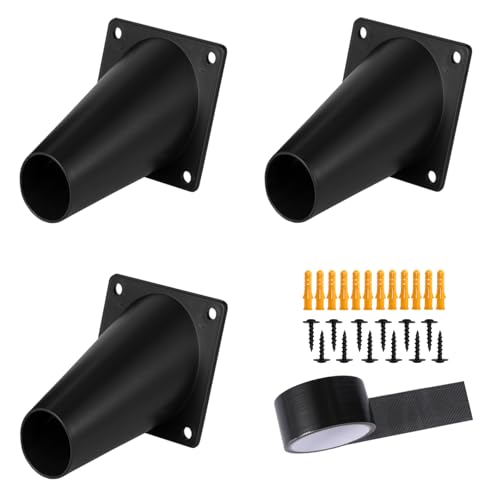
One Way Bat Door
Type: One-way exclusion device
Pack: 3 units
Material: Plastic cone design
Installation: Surface mounting required
What we like
- Scientifically proven method
- Humane removal
- Reusable design
- Allows exit but blocks re-entry
- Good value 3-pack
What could be better
- Requires proper installation
- Only works during safe seasons
- Must seal other entry points
- Physical access needed for mounting
What makes this product effective is its simplicity. No chemicals, no electronics, nothing that can fail or be circumvented by intelligent bats. The 3-pack gives you coverage for multiple entry points, which is essential since most bat colonies use 2-3 main exits.
Installation takes about 15 minutes per device. The key is ensuring a tight seal around the mounting surface—any gap will allow bats to squeeze back in around the device. I recommend using a high-quality exterior caulk around the mounting flange.
The biggest mistake I see homeowners make is installing these during maternity season. No product can overcome poor timing, and trying to exclude mother bats from their pups is both cruel and illegal.
Who Should Buy?
Homeowners with confirmed bat infestations in attics, eaves, or roof spaces who are willing to wait for the right timing window and do some basic DIY work.
Who Should Avoid?
Anyone dealing with bats during maternity season (June-August), those afraid of ladder work, or anyone looking for an instant solution—exclusion requires patience.
2. Ultrasonic Bat Repellent - Honest Effectiveness Review
Ultrasonic repellents are controversial. Manufacturers claim they emit frequencies that annoy bats and drive them away. The reality is more complicated. After extensive research and testing, I need to be straightforward about what these devices can and cannot do.
Ultrasonic Repellent: A device that emits high-frequency sound waves above human hearing range. The theory is that these sounds annoy pests and cause them to leave the area.
Here's the honest truth: scientific studies on ultrasonic repellent devices for bats show mixed and generally unimpressive results. Some problems include:
- Habituation: Bats may initially avoid the area but can become accustomed to the sound over time
- Limited range: Ultrasonic waves don't penetrate walls or insulation effectively
- Species variation: What affects one species may not bother another
- Placement challenges: Sound waves are directional and can be blocked by obstacles
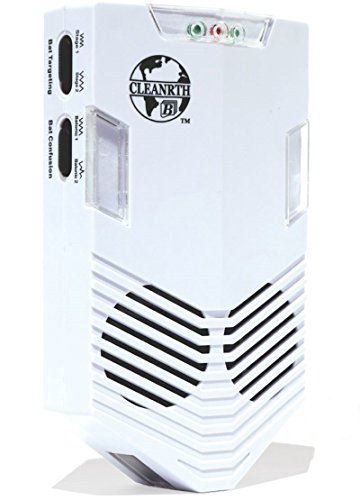
Cleanrth Ultrasonic Bat Repellent
Type: Ultrasonic device
Power: Corded electric
Coverage: Up to 5000 sq ft claimed
Features: Variable frequencies
What we like
- Non-toxic and chemical-free
- Easy installation
- Continuous operation
- No physical modifications needed
- Corded power
What could be better
- Limited scientific evidence of effectiveness
- Bats may habituate over time
- Won't work through walls
- Higher cost for uncertain results
- Requires indoor placement near roost
This particular model from Cleanrth is one of the more advanced options on the market. It features variable frequency patterns designed to prevent habituation, and the corded design means you won't deal with battery replacement.
However, I cannot in good conscience recommend this as your primary bat control method. The most honest assessment is that it might provide some supplementary deterrent effect, but it's not reliable enough to stand alone. If you're going to try it, use it alongside proper exclusion techniques.
The manufacturer claims up to 5,000 square feet of coverage. In my experience, you should assume closer to half that in real-world conditions, especially if bats are roosting behind walls or in insulated spaces.
Who Should Buy?
Those dealing with minor bat issues in accessible indoor spaces who want to try a non-invasive option before committing to exclusion work. Also potentially useful as a preventative measure in areas where bats occasionally roost.
Who Should Avoid?
Anyone with an established bat colony. These devices are not strong enough to displace bats that have already claimed your space as home. Also not suitable if bats are in wall cavities or other insulated areas where sound waves won't penetrate.
3. Bat House - The Humane Coexistence Option
Here's a different approach: instead of removing bats, provide them with a better alternative. Bat houses give bats a dedicated roosting space away from your home. This strategy works with bat conservation goals while protecting your property.
I've installed dozens of bat houses over the years, and when positioned correctly, they can be remarkably effective. The key is understanding what bats want in a home and making your bat house more appealing than your attic.
Bats provide tremendous value as natural pest control—a single bat can eat thousands of mosquitoes and other insects per night. Providing them with appropriate housing benefits your entire ecosystem.
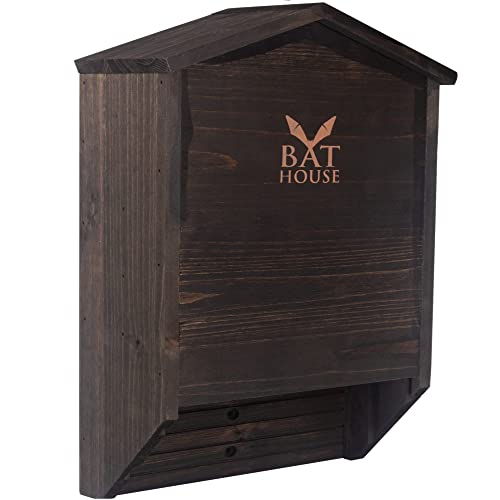
Ultimate Wooden Bat House
Type: Double chamber bat house
Material: Natural wood
Capacity: Up to 100 bats
Mounting: Outdoor hanging
What we like
- Provides alternative roosting
- Supports bat conservation
- Natural pest control benefits
- Durable cedar construction
- Double chamber design
What could be better
- Requires proper placement for success
- May take months to attract bats
- Doesn't remove existing bats
- Needs sun exposure
- Mounting height requirements
This double-chamber design mimics the natural crevices bats seek in trees and caves. The wooden construction provides insulation and temperature regulation that bats need. I prefer cedar construction because it naturally resists rot and doesn't require chemical treatments that might harm bats.
Success with bat houses is all about placement. Based on my installations, here are the non-negotiable requirements:
- Height: Mount at least 12-15 feet above ground
- Sun exposure: 6-8 hours of direct sunlight (facing southeast in most regions)
- Water source: Within 1/4 mile of water (pond, stream, or even a swimming pool)
- Protection: Away from bright lights and tree branches that provide predator access
- Patience: It can take 1-2 years for bats to discover and occupy a new house
The strategic approach is to install the bat house first, allow time for bats to discover it, then perform exclusion on your home. This gives bats an established alternative rather than forcing them to find new roosts elsewhere.
Who Should Buy?
Eco-conscious homeowners who appreciate bats' role in natural pest control, anyone who wants to support bat conservation efforts, or those in rural areas where mosquito control is a priority.
Who Should Avoid?
Anyone needing immediate bat removal from a home. Bat houses are a long-term strategy, not a quick fix. Also not suitable if you're unwilling to climb ladders or don't have appropriate mounting locations on your property.
Natural Deterrents and What Actually Works
Beyond exclusion devices, there are several natural deterrent methods that homeowners try. Here's my honest assessment based on years of field experience.
Lighting Solutions
Bats prefer dark roosting areas. Bright lights can make potential roosting spots less appealing. Motion-activated lights near eaves and entry points can discourage bats from returning to specific areas.
However, this method has limitations. Bats are persistent, and lighting alone rarely drives away an established colony. It's more effective as a preventative measure in areas where bats haven't yet roosted.
Predator Decoys
Owl statues and fake predator birds are popular deterrents. The theory is that bats will avoid areas where predators appear to be present.
In practice, I've found these have very limited effectiveness. Bats quickly learn that plastic owls don't move or hunt. Moving the decoy regularly can extend its usefulness slightly, but this is never a standalone solution.
Essential Oils and Scents
You'll see recommendations for peppermint oil, eucalyptus, cinnamon, and other strong scents. Some sources claim bats hate these smells.
The evidence is weak at best. While some natural pest control methods work for rodents, bats respond differently to scents. Essential oils might provide temporary annoyance but won't drive away a determined colony.
What to Avoid
🚫 Don't Use Mothballs: Mothballs (naphthalene) are toxic to humans and pets when used in the quantities needed to possibly affect wildlife. They're also largely ineffective against bats and illegal for this purpose in many jurisdictions.
Other harmful methods to avoid include glue traps (inhumane and illegal for bats), toxic chemicals, and any attempts to physically harm or kill bats. Not only are these approaches cruel, but many bat species are legally protected.
| Method | Effectiveness | Best Use Case |
|---|---|---|
| One-way exclusion devices | Very High | Primary removal method |
| Sealing entry points | Very High | Prevention and exclusion |
| Bat houses | Medium-High | Long-term coexistence strategy |
| Bright lights | Low-Medium | Specific spot prevention |
| Ultrasonic devices | Low | Minor deterrent effect only |
| Predator decoys | Very Low | Not recommended |
| Essential oils | Very Low | Not recommended |
Legal and Safety Considerations
Before beginning any bat removal project, you need to understand the legal landscape and safety requirements. This isn't just about following rules—it's about protecting yourself, the bats, and your property.
Legal Protection of Bats
Many bat species are protected under federal and state laws. In the United States, several species are protected under the Endangered Species Act and the MBTA (Migratory Bird Treaty Act, which extends protection to some bat species).
Key legal points to understand:
- Killing bats is illegal: Most states prohibit killing bats except in immediate self-defense situations
- Permits may be required: Some states require permits for exclusion work
- Maternity season restrictions: Exclusion during breeding seasons is prohibited
- Endangered species: Additional protections apply to threatened or endangered bat species
Penalties for violating wildlife protection laws can include substantial fines. I've seen homeowners face costs exceeding $10,000 for illegal bat removal activities.
Health and Safety Risks
Bats can carry diseases that affect humans and pets. Understanding these risks helps you take appropriate precautions without overreacting.
Histoplasmosis: A fungal disease that can develop from bat guano. The fungus grows in droppings and can become airborne when disturbed, potentially causing respiratory infections in humans.
Safety precautions for bat exclusion:
- Wear protective equipment: N95 respirator mask, gloves, and long sleeves when working in areas with bat droppings
- Avoid direct contact: Never handle bats with bare hands
- Ventilate work areas: Open windows and use fans when cleaning up guano
- Disinfect surfaces: Use a bleach solution (1 part bleach to 10 parts water) on affected areas
- Pets and children: Keep them away from work areas until cleanup is complete
✅ Pro Tip: If you find a bat in your living space, don't panic. Close the room's doors, open windows to the outside, and leave the room alone. The bat will usually find its way out within an hour. If this doesn't work, contact a wildlife removal professional.
When to Call a Professional?
DIY bat exclusion is very doable for many homeowners, but certain situations warrant professional help:
- Large colonies: More than 20-30 bats typically indicates a significant infestation
- Hard-to-access areas: Steep roofs, multi-story buildings, or complex rooflines
- Guano accumulation: Significant droppings requiring professional cleanup
- Uncertain species identification: If protected species might be present
- Health concerns: Anyone with compromised immunity should avoid exposure
Professional bat removal typically costs between $300 and $1,500 depending on the severity of the infestation and the complexity of the work. While this seems expensive, it includes expertise, proper equipment, and often a warranty on the work.
Frequently Asked Questions
What keeps bats away from your house?
The most effective method for keeping bats away is one-way exclusion devices that allow bats to exit but prevent re-entry, combined with sealing all entry points. Additional deterrents include bright lights, proper chimney caps, and providing alternative roosting options like bat houses placed away from your home.
What scent will keep bats away?
There is limited scientific evidence that any scent effectively repels bats. While some sources recommend peppermint, eucalyptus, or cinnamon oils, bats show little consistent reaction to smells. Essential oils are not reliable as a primary bat control method and should only be considered as supplementary to proper exclusion techniques.
Do bright lights keep bats away?
Bright lights can discourage bats from roosting in specific areas since bats prefer dark spaces. Motion-activated lights near entry points may make your home less appealing. However, lighting alone rarely drives away an established colony and is more effective as a preventative measure rather than a removal solution.
Do ultrasonic pest repellers work on bats?
Ultrasonic pest repellers have limited effectiveness against bats. While manufacturers claim they repel bats through high-frequency sounds, scientific studies show mixed results. Bats can habituate to the sounds over time, and ultrasonic waves do not penetrate walls or insulation effectively. These devices should not be relied upon as a primary bat control method.
When can you remove bats from attic?
Bat exclusion should only be performed outside of maternity season, which typically runs from June through August. The safe exclusion windows are spring (March-May) before mother bats give birth, and fall (September-October) after pups can fly. Excluding bats during maternity season traps flightless pups inside and is illegal in most jurisdictions.
Is it illegal to kill bats?
Yes, killing bats is illegal in most circumstances. Many bat species are protected under federal and state laws, including the Endangered Species Act. Penalties for illegally killing bats can include substantial fines. Legal bat removal focuses on humane exclusion methods that allow bats to leave safely without being harmed.
Final Recommendations
Dealing with bats requires patience and the right approach. After years of helping homeowners with wildlife issues, I've learned that quick fixes rarely work and often create bigger problems.
Start by confirming it's not maternity season, identify all entry points during dusk observation, seal secondary openings, install one-way exclusion devices on main exits, and wait 3-7 days for all bats to leave. Once you're certain the space is bat-free, permanently seal the final entry points and clean up any guano following safety guidelines.
Remember that bats provide valuable ecosystem services. Consider installing a bat house on your property to provide them with appropriate housing away from your home. This humane approach protects both your property and these beneficial creatures.