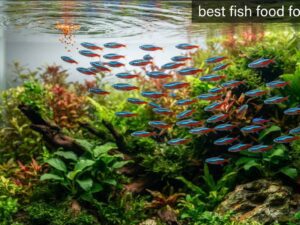
If you've ever wondered which fish could tell you instantly when something's wrong with your aquarium water, let me introduce you to the rummy nose tetra (Hemigrammus rhodostomus). After keeping these remarkable fish for over a decade, I can tell you they're not just beautiful - they're your aquarium's early warning system.
The rummy nose tetra has earned its reputation as the "canary in the coal mine" of the aquarium world. When I first started keeping them, I was amazed at how quickly their bright red noses would fade at the slightest water quality issue - often before my test kits showed any problems. This unique characteristic, combined with their stunning schooling behavior and peaceful nature, makes them one of the most valuable additions to any freshwater aquarium fish collection.
In this comprehensive guide, I'll share everything I've learned about caring for these sensitive yet rewarding characins. We'll explore their natural habitat, tank requirements, feeding habits, and the secrets to maintaining their vibrant coloration. Whether you're a beginner considering your first school of tetras or an experienced aquarist looking to perfect your rummy nose care, this guide covers all the essential information you need.
Species Overview and Scientific Classification
The taxonomy of rummy nose tetras often confuses hobbyists, and for good reason - there are actually three distinct species commonly sold under this name. Understanding these differences has helped me provide better care for each variety in my tanks.
The Three Rummy Nose Species
First, we have Hemigrammus rhodostomus, the "true" rummy nose tetra originally described by Ahl in 1924. This species inhabits the lower Amazon basin in Brazil and the Orinoco River in Venezuela and Colombia. I find this species slightly less common in the trade but still readily available from specialized importers.
Second is Hemigrammus bleheri, often called Bleher's rummy nose or firehead tetra. Named after explorer Heiko Bleher, this species comes from the Rio Negro and Rio Meta basins. In my experience, this is the most commonly available species in aquarium stores, and it tends to display the most intense red coloration when properly cared for.
Third, we have Petitella georgiae, the false rummy nose tetra. Native to the upper Amazon basin in Peru, this species is distinguishable by the black markings extending further into the tail fin. I've kept all three species, and while their care requirements are nearly identical, P. georgiae seems slightly hardier in my tanks.
Taxonomic Classification
According to the Animal Diversity Web at the University of Michigan, rummy nose tetras belong to the family Characidae, which includes over 1,000 species of characins. They're part of the subfamily Stethaprioninae, sharing this classification with other popular aquarium species. The Global Biodiversity Information Facility (GBIF) documents their wide distribution across South American river systems, highlighting their adaptability to various blackwater and clearwater habitats.
Physical Characteristics and Identification
After years of observing these fish daily, I've become quite adept at identifying the subtle differences between species and recognizing their health status through physical appearance.
Size and Body Shape
Adult rummy nose tetras typically reach 1.75 to 2.25 inches (4.5 to 6 cm) in length, with females being slightly larger and more robust than males. Their torpedo-shaped body allows for efficient swimming, which you'll appreciate when watching them dart through the water column. I've noticed that well-fed specimens in optimal conditions can reach the upper size range, while stressed fish often remain stunted.
Coloration and Markings
The most distinctive feature is, of course, the bright red coloration on the head. In healthy specimens, this red extends from the snout through the gill covers and sometimes onto the body. The intensity of this coloration serves as a real-time health indicator - I check my school every morning, and any pale noses immediately alert me to investigate water parameters.
The body displays a silvery-white base color with an iridescent sheen that catches light beautifully. The horizontal black stripe running from the middle of the body into the tail creates the distinctive "rummy nose" pattern. The tail fin features bold black and white horizontal stripes, with three black bands separated by white spaces in H. rhodostomus and H. bleheri, while P. georgiae shows more extensive black markings.
Sexual Dimorphism
Distinguishing males from females requires a keen eye. Females are generally plumper, especially when viewed from above, and this becomes more pronounced when they're carrying eggs. Males tend to be slimmer and slightly smaller. During breeding condition, I've observed males displaying more intense coloration and engaging in elaborate courtship displays.
Natural Habitat and Wild Behavior
Understanding where rummy nose tetras come from has been crucial in recreating optimal conditions in my aquariums. These fish inhabit some of South America's most pristine water systems, and replicating these conditions is key to their long-term success.
Geographic Distribution
According to FishBase, rummy nose tetras are found across multiple river systems in South America. The Rio Negro, famous for its tea-colored blackwater, provides the archetypal habitat for H. bleheri. These waters are extremely soft and acidic, with pH values often below 5.0 and virtually no measurable hardness. The tannin-stained water creates a unique environment that I try to replicate in my biotope setups.
The Orinoco River system, home to H. rhodostomus, offers slightly different conditions with clearer water and marginally higher mineral content. Meanwhile, P. georgiae inhabits the upper Amazon's whitewater and clearwater tributaries, adapting to seasonal flooding cycles that dramatically alter their environment.
Ecological Niche
In their natural habitat, rummy nose tetras occupy the middle to lower water column, forming large schools that can number in the hundreds or thousands. Recent research published in PubMed Central reveals fascinating insights into their schooling behavior. The study found that these fish require a minimum light level of 1.5 lux to maintain proper schooling formation, using both visual cues and their lateral line system for coordination.
They inhabit areas with submerged roots, fallen branches, and leaf litter, which provide shelter from predators and create the acidic conditions they prefer. During my visits to public aquariums with Amazon biotope exhibits, I've observed how rummy nose tetras utilize these structures, weaving through root systems in perfect synchronization.
Aquarium Requirements and Tank Setup
Setting up the perfect environment for rummy nose tetras requires attention to detail. I've refined my approach over the years, learning from both successes and failures.
Tank Size and Dimensions
While many sources suggest a 20-gallon tank as minimum, I strongly recommend starting with at least 30 gallons for a proper school. Rummy nose tetras are active swimmers that appreciate horizontal swimming space. My most successful setup is a 55-gallon long tank (48" x 13" x 21") housing a school of 15 rummy nose tetras along with compatible tank mates.
The tank dimensions matter as much as volume. These fish swim continuously and need length more than height. A standard 29-gallon tank (30" x 12" x 18") works better than a 29-gallon tall because it provides more swimming room.
Filtration and Water Flow
I've found that rummy nose tetras thrive with moderate to strong filtration that creates gentle current throughout the tank. In my setups, I use canister filters rated for at least double the tank volume. The key is creating flow without excessive turbulence. I position the output to create a circular flow pattern, which the tetras love to swim against.
Biological filtration is crucial given their sensitivity to ammonia and nitrite. I always use mature filter media when setting up a new rummy nose tank, and I never clean all filter media at once. Maintaining stable bacterial colonies has been essential for keeping these sensitive fish healthy.
Substrate and Decoration
For substrate, I prefer dark sand or fine gravel that mimics their natural riverbed habitat. Dark substrates also enhance their coloration - the contrast makes their red noses appear even more vibrant. I've tried various substrates, and pool filter sand mixed with a small amount of peat has given me the best results.
Decorating for rummy nose tetras means creating open swimming spaces while providing visual barriers and shelter. I use driftwood pieces to create interesting aquascapes while naturally softening the water. Malaysian driftwood and mopani wood work particularly well, releasing beneficial tannins that replicate blackwater conditions.
Plant Selection
While rummy nose tetras don't require planted tanks, I've noticed they display better coloration and more natural behavior in well-planted aquariums. I focus on plants that thrive in soft, acidic water: Amazon swords (Echinodorus species), various Cryptocoryne species, and Java fern (Microsorum pteropus). Floating plants like Amazon frogbit provide shade and help maintain water quality by absorbing nitrates.
I arrange plants along the back and sides, leaving the front and center open for swimming. This design gives the school space to display their synchronized swimming while providing retreat areas when needed.
Water Parameters and Chemistry Management
This is where rummy nose tetra care becomes more challenging than other types of tetra fish. Their sensitivity to water conditions means maintaining pristine water quality isn't optional - it's essential.
Temperature Requirements
I maintain my rummy nose tanks between 75-82°F (24-28°C), with 78°F (25.5°C) being the sweet spot. Temperature stability is crucial; fluctuations of more than 2°F in a day will stress these fish. I use reliable heaters with built-in thermostats and always keep a spare heater on hand. During summer months, I sometimes need to use fans or chillers to prevent overheating.
pH and Hardness
Rummy nose tetras prefer acidic to neutral water, with pH between 5.5 and 7.0. I've had the best success maintaining pH around 6.5. They thrive in soft water, with general hardness (GH) between 2-8 dGH and carbonate hardness (KH) below 4 dKH. Understanding aquarium water chemistry is essential for keeping these parameters stable.
I use reverse osmosis (RO) water remineralized with specific salts to achieve these parameters. This gives me complete control over water chemistry and eliminates variables from tap water. For those using tap water, peat filtration or Indian almond leaves can help lower pH naturally.
Nitrogen Compounds
Rummy nose tetras have zero tolerance for ammonia and nitrite. Even trace amounts will cause their red coloration to fade. I keep nitrates below 20 ppm, though lower is better. My maintenance routine includes 30-40% weekly water changes, and I test parameters twice weekly.
The bioload in the tank affects how quickly nitrates accumulate. I've learned to stock conservatively and feed carefully to minimize waste production. Live plants help absorb nitrogen compounds, contributing to the stable environment these fish need.
Diet and Feeding Requirements
Proper nutrition is essential for maintaining the health and vibrant coloration of rummy nose tetras. Through years of experimentation, I've developed a feeding regime that keeps my fish healthy and breeding regularly.
Natural Diet
In the wild, rummy nose tetras are micro-predators and opportunistic feeders. They consume small invertebrates, insect larvae, zooplankton, algae, and plant matter. This varied diet provides essential nutrients that we need to replicate in captivity.
Captive Feeding
I feed my rummy nose tetras twice daily with portions they can consume in 2-3 minutes. Overfeeding is a common mistake that degrades water quality - remember, these fish have small stomachs and don't need large amounts of food.
My staple diet consists of high-quality micro pellets or crushed flakes formulated for tropical fish. I look for foods with at least 40% protein content and added color enhancers like astaxanthin and spirulina. The small mouth size of rummy nose tetras means food must be appropriately sized - I often crush larger flakes between my fingers.
Supplemental Foods
Variety is crucial for optimal health. Three times per week, I substitute one feeding with frozen or live foods. Baby brine shrimp, daphnia, and bloodworms are eagerly accepted. I've found that regular feeding of live foods intensifies their red coloration and triggers breeding behavior.
Freeze-dried foods offer convenience while providing nutritional variety. Freeze-dried bloodworms, tubifex, and brine shrimp work well, though I always soak them before feeding to prevent digestive issues. Occasionally, I offer blanched vegetables like cucumber or zucchini, which provides fiber and mimics their natural plant consumption.
Behavior and Social Requirements
The schooling behavior of rummy nose tetras is perhaps their most captivating feature. Understanding their social needs has been crucial for maintaining healthy, active fish that display natural behaviors.
Schooling Dynamics
Rummy nose tetras are obligate schoolers, meaning they must be kept in groups. I recommend a minimum of 8 individuals, though 12-15 creates a more impressive display. In smaller groups, they become stressed, lose color, and hide constantly. My main display tank has 20 rummy nose tetras, and watching them move as one entity never gets old.
The research from PubMed Central on their schooling behavior reveals they use both visual and lateral line sensory systems to maintain group cohesion. This dual sensory system allows them to school effectively even in low light conditions, though they require at least 1.5 lux of illumination for proper visual coordination.
Swimming Patterns
These tetras are constantly in motion, swimming in the middle to lower regions of the tank. They exhibit a unique swimming pattern I call "hover and dart" - maintaining position against the current with minimal fin movement, then suddenly darting forward in unison. This behavior is most pronounced in the morning and evening.
During feeding, the school temporarily breaks formation as individuals compete for food. Once feeding ends, they quickly reform their school. I've noticed that newly introduced rummy nose tetras take about a week to fully integrate with an established school.
Stress Indicators
Learning to read stress signals in rummy nose tetras has helped me prevent many problems. The most obvious indicator is color loss - stressed fish lose their red nose coloration within minutes. Other stress signs include: isolation from the school, hovering near the surface or bottom, clamped fins, rapid breathing, and erratic swimming patterns.
Common stressors include poor water quality, aggressive tank mates, insufficient school size, bright lighting without cover, and sudden environmental changes. I've found that addressing stress quickly usually results in full recovery within 24-48 hours.
Compatible Tank Mates
Choosing appropriate tank mates for rummy nose tetras requires understanding their peaceful nature and specific requirements. I've successfully kept them with various species over the years.
Ideal Community Fish
Other peaceful tetras make excellent companions. Cardinal tetras, ember tetras, and black neon tetras share similar water requirements and temperaments. I currently have a mixed tetra community that schools beautifully together while maintaining species-specific groups.
Corydoras catfish are perfect bottom-dwelling companions. They share the South American origin and thrive in similar water conditions. My tank includes a group of panda corydoras that peacefully coexist with the rummy nose school. For those interested in catfish options, freshwater catfish species offer many compatible choices.
Dwarf cichlids like German blue rams and Apistogramma species work well if the tank is large enough. These cichlids occupy different tank regions and generally ignore the fast-moving tetras. I've had particular success with Apistogramma cacatuoides in my 75-gallon setup.
Discus Compatibility
Rummy nose tetras are classic discus fish care companions. They share the same water parameter requirements and geographic origin. The constant movement of the tetras helps shy discus feel more secure. In my discus breeding tank, rummy nose tetras serve as dither fish while also indicating water quality issues before they affect the more valuable discus.
Species to Avoid
Avoid keeping rummy nose tetras with large, aggressive, or predatory fish. Oscars, jack dempseys, and large catfish will eat them. Fin-nippers like tiger barbs and serpae tetras will harass them constantly. Even semi-aggressive fish like angelfish can be problematic once they reach adult size.
I also avoid keeping them with fish requiring different water parameters. African cichlids, livebearers, and goldfish need harder, more alkaline water that would stress rummy nose tetras.
Breeding Rummy Nose Tetras
Breeding rummy nose tetras presents a significant challenge that I've only recently mastered after years of attempts. Success requires precise conditions and patience.
Breeding Preparation
Conditioning potential breeders starts weeks before spawning attempts. I separate males and females, feeding them heavily with live and frozen foods. Black mosquito larvae, white worms, and brine shrimp nauplii work particularly well. This conditioning period typically lasts 2-3 weeks.
The breeding tank should be at least 10 gallons with very soft (1-2 dGH), acidic (pH 5.5-6.0) water. I use RO water with a small amount of peat extract. Temperature should be raised to 82-84°F (28-29°C). The tank needs dense fine-leaved plants or spawning mops where eggs can fall and be protected from the parents.
Spawning Behavior
I introduce a conditioned pair or trio (two males, one female) to the breeding tank in the evening. Spawning typically occurs at dawn. Males display intensified coloration and chase females through the plants. The female releases eggs among the plants while the male fertilizes them. A single spawning can produce 100-200 eggs.
Parents must be removed immediately after spawning as they will eat the eggs. I darken the tank completely as the eggs and fry are light-sensitive. Adding methylene blue or Indian almond leaves helps prevent fungal growth on eggs.
Raising Fry
Eggs hatch in 24-36 hours, and fry become free-swimming after 4-5 days. Initial feeding is critical - I use infusoria and green water for the first week, then graduate to vinegar eels and microworms. After two weeks, newly hatched brine shrimp can be introduced.
Fry growth is slow, taking 3-4 months to reach saleable size. Water quality is critical during this period; I perform small daily water changes using aged water matching the exact parameters. Survival rates are typically low (20-30%) even under optimal conditions.
Health Management and Disease Prevention
Prevention is always better than treatment with rummy nose tetras. Their sensitivity means that medications can sometimes cause more harm than the disease itself.
Common Health Issues
Ich (white spot disease) is the most common problem I encounter. Early signs include flashing against objects and tiny white spots on fins and body. I treat ich by gradually raising temperature to 86°F (30°C) and adding aquarium salt at 1 tablespoon per 5 gallons. This method avoids harsh medications that rummy nose tetras don't tolerate well.
Bacterial infections manifest as fin rot, body fungus, or red streaks on the body. These usually result from poor water quality or injury. I've had success treating mild cases with increased water changes and Indian almond leaves. Severe cases may require antibiotics, though this risks damaging the biological filter.
Neon tetra disease, despite its name, can affect rummy nose tetras. Symptoms include restlessness, loss of coloration, and spinal curvature. Unfortunately, there's no cure, and affected fish should be humanely euthanized to prevent spread.
Quarantine Protocol
I quarantine all new rummy nose tetras for at least three weeks. The quarantine tank matches the main tank's parameters to minimize stress during transfer. I observe for signs of disease and treat prophylactically with a gentle anti-parasitic treatment.
During quarantine, I gradually adjust new fish to my tank parameters if they differ from the store's. This slow acclimation over several days prevents shock and reduces stress-related disease susceptibility.
Preventive Measures
Maintaining pristine water quality is the best disease prevention. I test parameters twice weekly and perform religious water changes. Avoiding overcrowding, providing varied nutrition, and minimizing stress through proper tank setup all contribute to disease resistance.
I also maintain hospital tanks ready for immediate use. Having cycled media and matching water parameters on hand means I can isolate and treat sick fish quickly without affecting the main tank's biological balance.
Advanced Care Techniques
After mastering basic care, I've developed advanced techniques that enhance the health and appearance of my rummy nose tetras.
Blackwater Biotope Creation
Creating a true blackwater biotope has given me the best results with rummy nose tetras. I use botanicals like Indian almond leaves, oak leaves, and alder cones to naturally tint the water and lower pH. The tannins provide antimicrobial properties while replicating natural conditions.
I maintain a "botanical bank" - containers of soaking leaves and pods that I rotate into the tank. This ensures consistent tannin levels without sudden parameter shifts. The decomposing botanicals also support microfauna that serve as supplemental food for the tetras.
Seasonal Simulation
Mimicking seasonal changes has improved breeding success and overall fish health. I gradually adjust photoperiod from 10 hours in "winter" to 13 hours in "summer." Temperature fluctuates between 75°F in winter and 82°F in summer over several months.
During the "rainy season," I increase water changes and slightly cool the replacement water. This triggers breeding behavior and seems to boost immune system function. The fish display more intense coloration and increased activity during these simulated seasonal transitions.
Group Dynamics Optimization
I've experimented with school composition and found that mixed-age groups display more interesting behaviors. Having fish at different life stages creates a natural hierarchy and more complex social interactions. The younger fish learn from adults, while the presence of juveniles seems to invigorate older fish.
The ratio of males to females also affects behavior. A slight female bias (40% males, 60% females) reduces male competition while maintaining active displays. This ratio also improves breeding success when I select pairs for spawning attempts.
Troubleshooting Common Problems
Over the years, I've encountered and solved numerous issues with rummy nose tetras. Here are solutions to the most common problems.
Loss of Red Coloration
When rummy nose tetras lose their distinctive red nose, water quality is usually the culprit. I immediately test all parameters, focusing on ammonia, nitrite, and nitrate. Even if parameters test acceptable, a large water change often restores coloration within hours.
Stress from incompatible tank mates or insufficient school size also causes color loss. I observe fish interactions and consider adding more rummy nose tetras if the school is small. Sometimes, simply rearranging decorations to break sight lines reduces territorial stress.
Refusing Food
New rummy nose tetras often refuse food for several days. I don't panic - healthy fish can go a week without eating. I offer small amounts of varied foods, removing uneaten portions promptly. Live baby brine shrimp usually triggers feeding response in stubborn fish.
In established fish, refusing food indicates illness or water quality issues. I check parameters and observe for other symptoms. Sometimes, fish become bored with the same food - varying the diet usually solves this problem.
Schooling Breakdown
When the school stops swimming together, something is wrong. Insufficient lighting can disrupt visual coordination - I ensure at least 2 lux reaches all tank areas. Strong, chaotic water flow also breaks up schools; adjusting filter output usually helps.
Disease or parasites affecting some fish will cause school fragmentation as healthy fish avoid sick individuals. Careful observation identifies affected fish for isolation and treatment.
Scientific Research and Behavioral Studies
Recent scientific research has revealed fascinating insights about rummy nose tetras that enhance our understanding of their care requirements.
Sensory Systems Research
The PubMed Central study on schooling behavior demonstrated that rummy nose tetras use multimodal sensory integration. They combine visual information with lateral line sensing to maintain precise positioning within the school. This research explains why they need both adequate lighting and stable water flow for proper schooling.
Scientists found that these fish adjust their swimming patterns based on neighbor positions with millisecond precision. This remarkable coordination inspired biomimetic robotics research, where engineers study rummy nose schools to develop coordinated autonomous vehicles.
Stress Physiology Studies
Research into their color-changing ability revealed that stress hormones directly affect chromatophores (color cells) in the head region. Cortisol release causes rapid red pigment aggregation, making the nose appear pale. This physiological response is faster than in most fish species, occurring within 5-10 minutes of stress onset.
Understanding this mechanism helps aquarists use rummy nose tetras as biological indicators. I consider them my "aquarium health monitors" - any paleness sends me immediately to check equipment and test water.
Conservation Status
While not currently threatened, wild rummy nose tetra populations face pressure from habitat destruction and collection for the aquarium trade. Responsible hobbyists should purchase captive-bred specimens when possible. I've noticed captive-bred fish are often hardier and adapt better to aquarium conditions than wild-caught individuals.
Frequently Asked Questions
How many rummy nose tetras should I keep together?
I recommend a minimum of 8 rummy nose tetras, though 12-15 creates a much more impressive and natural display. In my experience, larger schools exhibit more interesting behaviors and show better coloration. The fish feel more secure in larger groups, spending less time hiding and more time actively swimming.
Can rummy nose tetras live in hard water?
While they can survive in moderately hard water, they won't thrive or show optimal coloration. I've kept them temporarily in water with 12 dGH, but they were noticeably paler and less active. For long-term success and potential breeding, soft water (2-8 dGH) is essential. Using RO water or peat filtration helps achieve suitable conditions.
Why do my rummy nose tetras keep dying?
In my experience, the most common causes are ammonia/nitrite poisoning, sudden parameter changes, and insufficient acclimation. These fish are extremely sensitive to nitrogen compounds - even traces will kill them. Always test water parameters and ensure the tank is fully cycled. When introducing new fish, I drip acclimate for at least 2 hours to prevent shock.
What temperature do rummy nose tetras need?
I maintain my tanks between 75-82°F (24-28°C), with 78°F (25.5°C) being ideal for everyday care. For breeding, I raise it to 82-84°F. Temperature stability is crucial - fluctuations stress these sensitive fish. Use a reliable heater and monitor temperature daily.
How can I make my rummy nose tetras' red color more vibrant?
Pristine water quality is the foundation for vibrant coloration. I also feed color-enhancing foods containing carotenoids and maintain slightly acidic, soft water. Darker substrates and backgrounds make the red appear more intense. Indian almond leaves and other botanicals seem to enhance coloration, possibly due to the stress-reducing properties of tannins.
Do rummy nose tetras eat plants?
While they may nibble on soft plants occasionally, they don't cause significant damage. I've kept them with various plants including delicate species like Cabomba without issues. They might eat algae off plant leaves, which is beneficial. If you notice excessive plant damage, they're likely underfed - increase feeding slightly.
Can rummy nose tetras live with bettas?
I don't recommend this combination. While some report success, the fast movement of rummy nose tetras can stress bettas, and some bettas will attack the tetras. Additionally, bettas prefer calmer water while rummy nose tetras appreciate current. If you want tetras with a betta, consider more sedate species like ember tetras.
How long do rummy nose tetras live?
With proper care, rummy nose tetras live 5-8 years. My oldest specimen reached 8.5 years. Longevity depends on water quality, diet, and stress levels. Fish kept in stable, appropriate conditions with varied diets consistently reach the upper age range.
Are rummy nose tetras good for beginners?
I consider them intermediate-level fish. While not difficult if you maintain good water quality, their sensitivity makes them unforgiving of beginner mistakes. Start with hardier tetras like black neons or pristella tetras, then try rummy nose once you're comfortable maintaining stable parameters.
Why are my rummy nose tetras swimming at the surface?
Surface swimming usually indicates oxygen deficiency or ammonia poisoning. I immediately test water and increase aeration. Check filter function and perform a water change. In planted tanks, this sometimes happens at night when plants consume oxygen - adding an airstone running at night solves this.
Conclusion: The Rewarding Challenge of Rummy Nose Tetras
After years of keeping rummy nose tetras, I can confidently say they're among the most rewarding fish in the hobby. Yes, they require more attention than hardy species, but the payoff is tremendous. Their synchronized swimming, vibrant coloration, and role as water quality indicators make them invaluable additions to appropriate aquariums.
Success with rummy nose tetras comes down to understanding and meeting their specific needs. Soft, acidic water, pristine conditions, appropriate school sizes, and proper tank mates are non-negotiable requirements. When these needs are met, you're rewarded with active, colorful fish displaying fascinating natural behaviors.
For aquarists ready to take their skills to the next level, rummy nose tetras offer an excellent challenge. They teach you to maintain stable parameters, observe fish behavior closely, and create naturalistic environments. The knowledge gained from successfully keeping these sensitive characins applies to many other demanding species.
Whether you're setting up a biotope aquarium, a planted community tank, or a discus display, rummy nose tetras bring movement, color, and life to the aquarium. Their unique ability to indicate water quality problems before they become serious has saved many of my more expensive fish from potential disasters.
Remember, the key to success is patience and consistency. Start with a mature, stable tank, choose healthy specimens from reputable sources, and maintain religious attention to water quality. The slight extra effort required for these beautiful tetras is worth it when you see a school of vibrant rummy nose tetras gliding through your aquarium in perfect synchronization.
For those ready to embrace the challenge, rummy nose tetras offer years of enjoyment and a constant reminder of the incredible diversity and adaptation found in South American waters. They've taught me more about aquarium keeping than any other species, and I believe they can do the same for you.