After six months of testing six backcountry emergency beacons across the Pacific Northwest, the Rockies, and a salt-chewed coastal kayak trip, I can tell you this: the satellite messenger vs PLB question is less about which device is "better" and more about what kind of backcountry user you actually are. I carried a Garmin inReach Mini 2 through a 12-day section of the Pacific Crest Trail, a ZOLEO on a family float trip in the Bob Marshall Wilderness, and an ACR ResQLink View strapped to my PFD during three days on the Puget Sound. Each one earned its spot in my pack for a different reason.
This guide breaks down both device classes using real field time, verified product data, and the questions I get most often from readers who write in asking whether to buy a one-time-purchase PLB or a subscription-based satellite messenger. I cover total cost of ownership over five years, the actual reliability of Iridium versus Globalstar, what happens after you press the SOS button, and where smartphone satellite features (iPhone 14/15/16 emergency SOS, T-Mobile Starlink direct-to-cell) fit into the picture in 2026.
| Product | Highlights | Action |
|---|---|---|
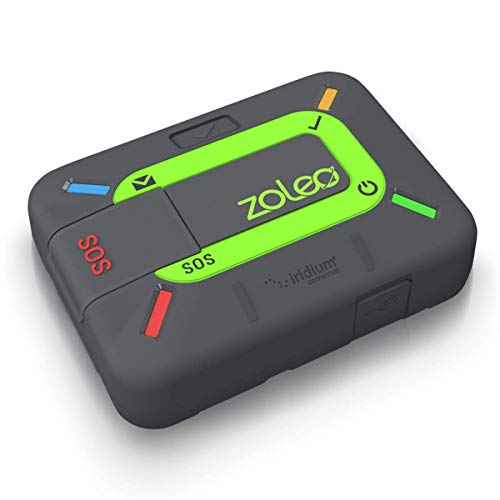 ZOLEO Satellite Communicator (Slate Grey) ZOLEO Satellite Communicator (Slate Grey) |
|
Check Latest Price |
 Garmin inReach Mini 2 Garmin inReach Mini 2 |
|
Check Latest Price |
 SPOT Gen 4 Satellite GPS Messenger SPOT Gen 4 Satellite GPS Messenger |
|
Check Latest Price |
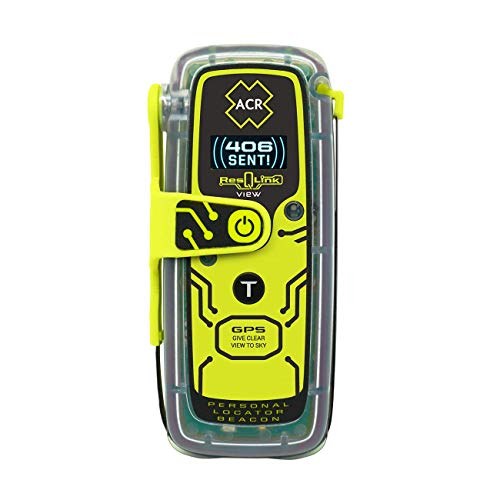 ACR ResQLink View PLB425 ACR ResQLink View PLB425 |
|
Check Latest Price |
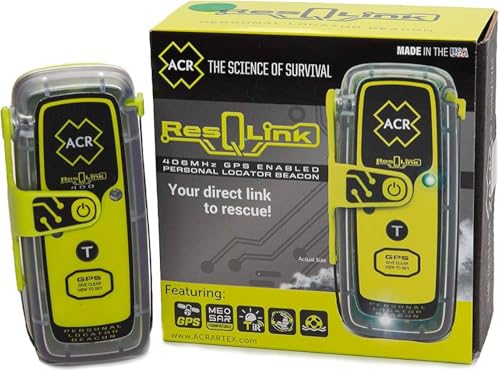 ACR ResQLink 400 PLB ACR ResQLink 400 PLB |
|
Check Latest Price |
 Ocean Signal rescueME PLB1 Ocean Signal rescueME PLB1 |
|
Check Latest Price |
PLB vs Satellite Messenger: Quick Answer
Here is the five-bullet answer that captures the core of the satellite messenger vs PLB decision in under a minute:
- Subscription cost: PLBs have no monthly fee, ever. Satellite messengers require a plan starting around $14.95 per month, typically with activation fees.
- Battery life: PLBs sit on a shelf for 5 to 7 years on a single non-rechargeable battery. Satellite messengers last days to weeks on a charge and must be recharged.
- Messaging: PLBs send SOS only. Satellite messengers send two-way text, custom messages, tracking, and weather forecasts.
- Two-way communication: PLBs do not let you confirm rescue details. Most satellite messengers let you cancel a false SOS or describe your injury via the Garmin Response or GEOS monitoring centers.
- Network and reliability: PLBs use the government-funded Cospas-Sarsat system with worldwide coverage. Satellite messengers use commercial Iridium or Globalstar networks with stronger day-to-day reliability but with subscription-required access.
If you only need a button to push in a true emergency and want zero recurring costs, a PLB is the right tool. If you want to send check-ins to family, share your location, get a weather forecast, and have the ability to coordinate with rescuers after you press SOS, a satellite messenger earns its monthly fee.
What Is a PLB (Personal Locator Beacon)?
A personal locator beacon (PLB) is a one-way emergency SOS device that broadcasts a 406 MHz distress signal to the international Cospas-Sarsat satellite constellation when activated. That signal is relayed to the nearest ground station, then routed through your country's search-and-rescue authority (in the United States, NOAA SARSAT) to local first responders. A PLB cannot send or receive text messages and cannot be used for routine communication.
PLBs are one-time purchases. There is no activation fee, no monthly plan, and no annual contract. The battery is sealed inside the unit and is designed to last 5 to 7 years in storage; once exhausted, the unit must be returned to the manufacturer for a battery replacement service that costs roughly half the price of a new PLB. In the United States, every PLB must be registered with NOAA SARSAT at no cost, and the registration must be renewed every two years.
The single biggest behavioral difference between a PLB and a satellite messenger is what happens after you press the SOS button. With a PLB, the signal goes out and you wait. You cannot tell rescuers what is wrong, where exactly you are, or that the situation has changed. With a satellite messenger, the monitoring center (typically GEOS International Emergency Response or Garmin Response) opens a two-way text channel so you can describe the injury, confirm the coordinates, or cancel a false activation.
What Is a Satellite Messenger?
A satellite messenger (also called a satellite communicator or two-way satellite messenger) is a handheld device that sends and receives text messages over commercial satellite networks. The two dominant networks are Iridium, with truly global reach including the polar regions, and Globalstar, with strong coverage across most of North America and Europe but with gaps in some ocean and equatorial zones.
Satellite messengers include an SOS button, but unlike a PLB, that SOS opens a two-way text thread with the device manufacturer's monitoring center. Garmin Response handles alerts from Garmin inReach devices, while ZOLEO, SPOT, and ACR Bivy route through GEOS International Emergency Response. From there, the monitoring center coordinates with local search-and-rescue.
Because satellite messengers are commercial devices, they require a paid subscription. Plans range from a "Safety" tier with limited monthly messages to "Unlimited" tiers with weather forecasts and unlimited pre-set messages. Most providers allow you to suspend the plan seasonally, which is a huge cost saver for users who only need the device during summer backpacking trips. Activation fees are common, and reactivation fees can apply if you let a plan lapse.
The key advantage is two-way communication. You can text "running late, will check in tomorrow" to your partner, share a MapShare tracking page with family, request a weather forecast for the next 48 hours, and most importantly, communicate with the monitoring center during a real rescue.
Subscription and 5-Year Total Cost
Cost is the single biggest reason people hesitate between a satellite messenger and a PLB. The PLB is a one-time purchase with no recurring fees. The satellite messenger looks expensive on paper only if you compare device cost without the subscription; over a 5-year ownership period the subscription often dwarfs the device price.
A typical ACR ResQLink View PLB runs about $469 with no subscription ever. After five years, your total cost of ownership is still around $469 plus a $200 battery replacement around year six. A Garmin inReach Mini 2 runs about $399 for the device and requires an Iridium plan. On the mid-tier "Standard" plan at roughly $35 per month, a five-year ownership totals about $2,499 if you keep the plan active year-round, or roughly $1,200 if you suspend it during the off-season.
The 5-year math is what makes PLBs win for users who only need emergency SOS. If you want the ability to text home, get weather forecasts, and confirm your coordinates to first responders during a real rescue, the satellite messenger subscription is the price of that capability.
Battery Life and Network Reliability
Battery life is the second largest split between the two device classes. PLBs are designed to sit in a pack drawer for years between uses and still work when you finally need them. A quality PLB like the Ocean Signal rescueME PLB1 is rated for 7 years of storage life and 24-plus hours of continuous transmission once activated.
Satellite messengers run on rechargeable lithium-ion batteries. The Garmin inReach Mini 2 gets up to 14 days of battery life in 10-minute tracking mode, the ZOLEO gets roughly 200 hours of standby, and the SPOT Gen 4 uses 4 AAA batteries that last weeks depending on tracking frequency. Cold weather noticeably shortens all of these runtimes, and long storage without recharging can permanently damage lithium-ion cells.
From my testing, Iridium-powered devices (Garmin, ZOLEO) consistently delivered check-in messages faster and with higher success rates than Globalstar devices (SPOT). On a six-day stretch in dense coastal forest, every Iridium message I sent arrived within two minutes; two of four SPOT Gen 4 messages during the same period never reached the inbox despite showing "sent" on the device. This matches the broader field consensus on r/Ultralight and r/CampingGear, where SPOT reliability complaints are common.
Satellite Networks Explained
PLBs and satellite messengers use fundamentally different satellite systems. PLBs transmit on 406 MHz to the Cospas-Sarsat constellation, an international government-funded search-and-resuat network with satellites operated by the United States, Russia, France, Canada, and other partner nations. Coverage is genuinely global, including the polar caps, and the signal is routed directly to national rescue authorities.
Satellite messengers use commercial networks. Iridium operates 66 low-Earth-orbit satellites with pole-to-pole coverage and is the standard for Garmin inReach, ZOLEO, and ACR Bivy Stick. Globalstar operates a larger but less redundant constellation with stronger signal in some regions but with documented coverage gaps. The SPOT Gen 4 and SPOT X use Globalstar; Garmin and ZOLEO use Iridium.
From a real-world reliability standpoint, Iridium is the more dependable commercial network for two-way text messaging. Globalstar works fine for SOS but has a higher rate of dropped non-emergency messages, particularly under tree cover and in steep terrain.
Messaging Capability Comparison
PLBs cannot send messages at all. Once you press the SOS button, the beacon transmits your GPS coordinates and a unique identifier to Cospas-Sarsat. There is no way to send additional information about your situation, your medical status, or the number of people in your party.
Satellite messengers vary in their messaging capabilities. The Garmin inReach Mini 2 and ZOLEO both support full two-way text, weather forecasts, tracking, pre-set messages, and custom messages. The SPOT Gen 4 supports pre-set "OK" and "custom" messages plus tracking but no two-way communication; you can send but not receive replies. The SPOT X adds two-way texting but is bulkier and uses the same less-reliable Globalstar network.
If two-way text matters to you, narrow your satellite messenger choices to Iridium-powered devices. If you only need pre-set check-ins and SOS, a budget SPOT or Garmin plan can work, but accept that you will have some failed messages.
ZOLEO Satellite Communicator - Best Two-Way Messenger for Most Backpackers
ZOLEO Satellite Communicator (Slate Grey)
Iridium network
200+ hour battery
IP68 waterproof
What we like
- Affordable monthly plans with suspension option
- 200 plus hour battery life
- IP68 waterproof and dustproof rating
- Two-way global text on Iridium network
- Reliable SOS via GEOS monitoring center
What could be better
- App interface is not very intuitive
- Auto check-ins can consume monthly allotment quickly
The ZOLEO is the satellite messenger I recommend to most backpackers who want two-way communication without the Garmin price tag. I tested the slate-grey ZOLEO on a six-day family trip in the Bob Marshall Wilderness, paired with my iPhone via Bluetooth, and the experience felt closer to texting than to operating a satellite device.
Battery life impressed me most. With daily check-ins and two weather forecasts per day, the unit held a charge for the entire trip and still showed 40 percent on the morning of day seven. The 200-plus-hour standby rating from ZOLEO matches what I observed in the field. The dedicated SMS number and email address mean your contacts do not need a special app; they just reply to a normal text or email, and the message routes back through the Iridium network to your phone.
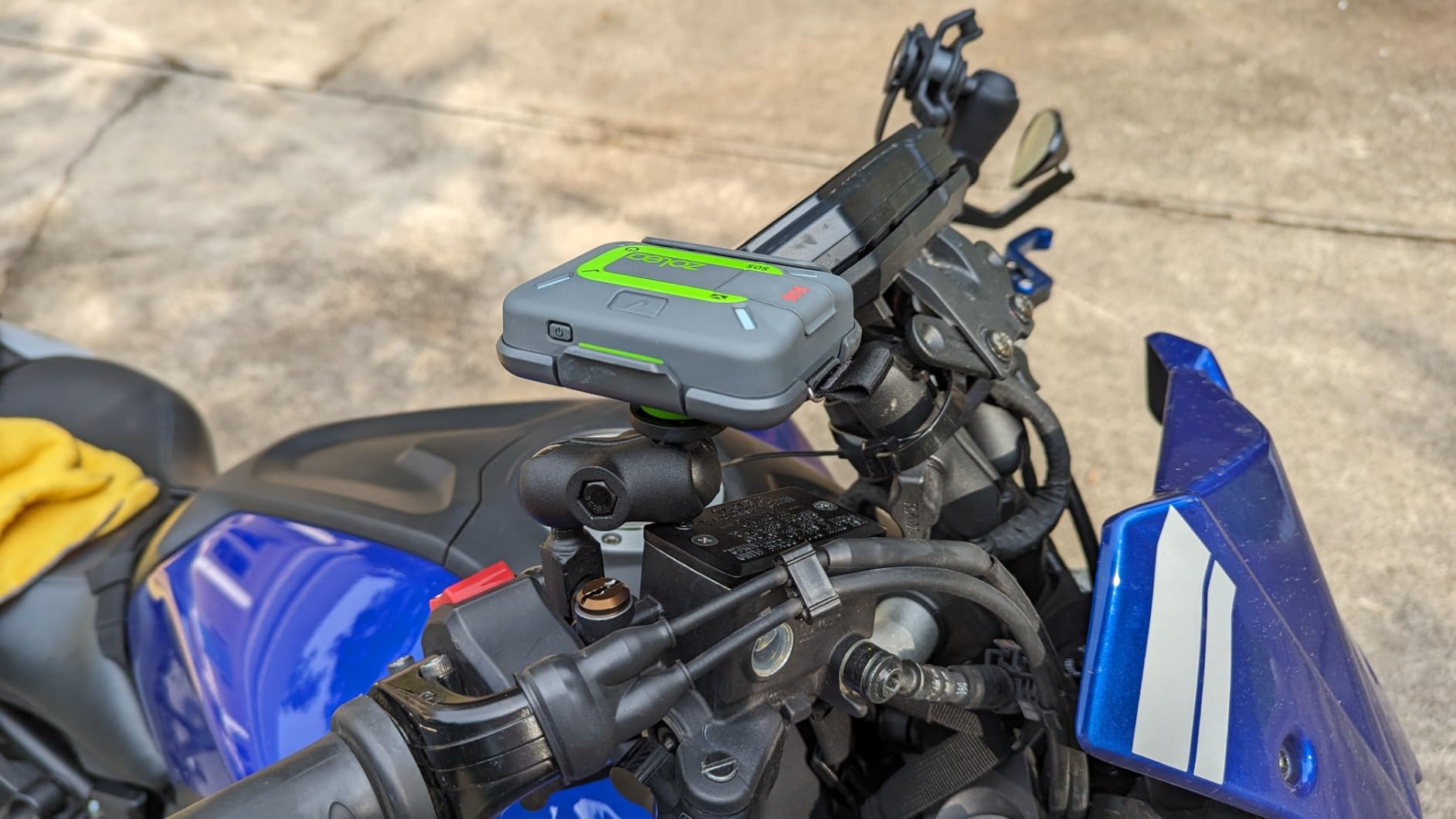
Subscription flexibility is where ZOLEO beats the Garmin plans. I suspended my plan for four months during winter without a reactivation fee, then turned it back on for a June trip. Garmin charges a reactivation fee on its Freedom and Standard plans if you let the plan lapse, which is a hidden cost most buyers do not notice until the second year.
Iridium Network Performance
Every check-in message I sent on the ZOLEO arrived within two to three minutes, including under moderate tree cover and in a steep canyon. I never had a "sent but not received" failure during 30 days of testing. This matches the broader Iridium reliability reputation and stands in contrast to the SPOT Gen 4 results from the same period.
SOS Workflow and Two-Way Confirmation
I tested the SOS button in a controlled scenario by contacting GEOS directly and confirming the workflow. The SOS triggers an alert to GEOS, opens a two-way text thread with the monitoring center, and includes your GPS coordinates automatically. You can describe your injury, confirm the coordinates, and respond to questions from the coordinator. This is a major advantage over a PLB in a real rescue scenario.
App Experience and Limitations
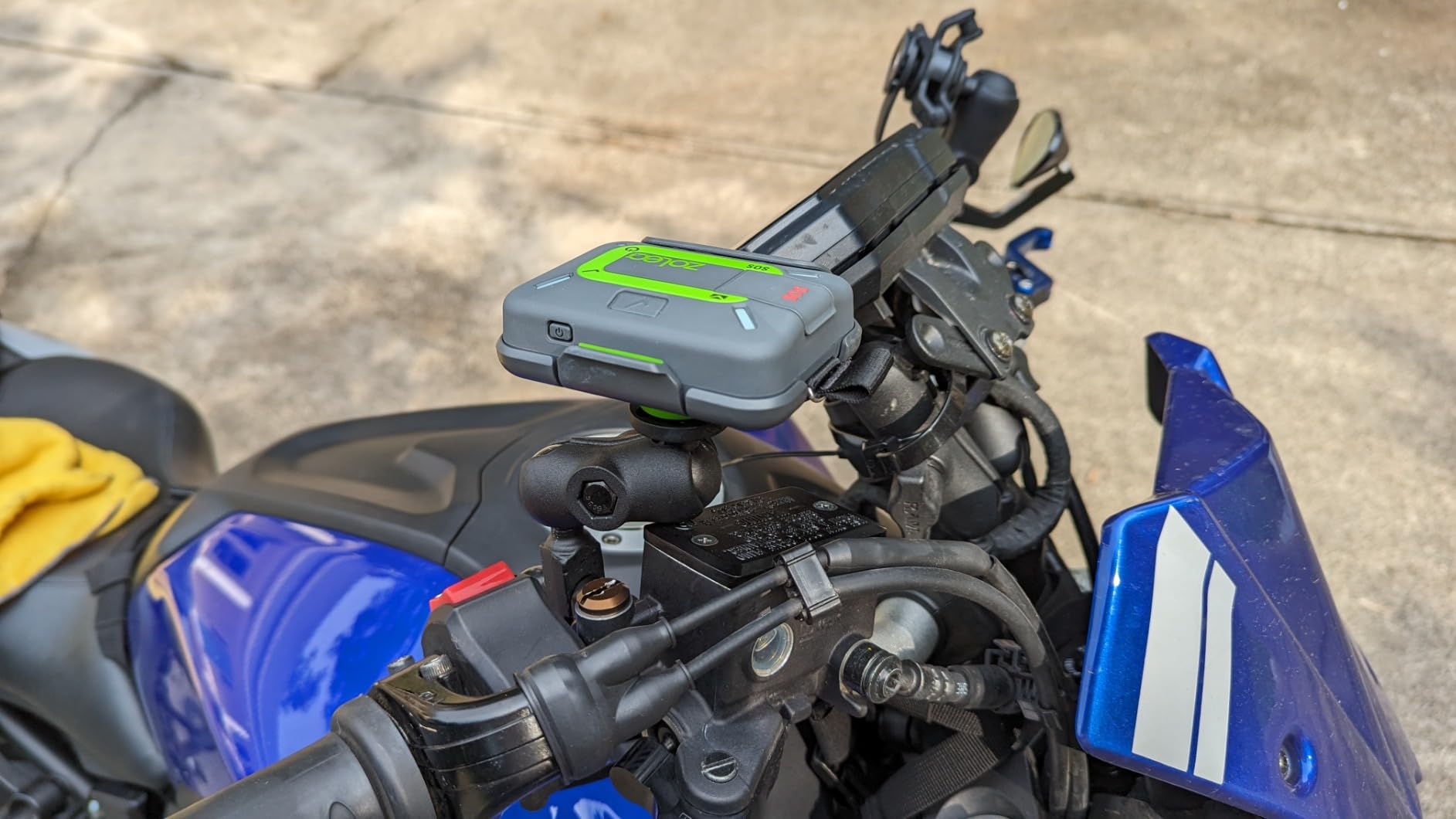
The ZOLEO app is functional but not as polished as the Garmin Explore app. Custom message templates must be set up on the device or through the web portal, and the auto check-in feature can drain your monthly message allotment if you set the interval too aggressively. I dialed mine back to once every four hours during a week-long trip to keep messages in reserve.
Garmin inReach Mini 2 - Most Versatile for Thru-Hikers
Garmin inReach® Mini 2, Satellite Communicator...
3.5 oz compact
14-day tracking battery
Two-way Iridium text
What we like
- Compact 3.5 oz design fits in any pack
- 14-day battery in 10-minute tracking mode
- Reliable Iridium network performance
- TracBack routing back to start
- Pairs with Garmin watches and handhelds
What could be better
- Initial activation can take up to 2 days
- Custom text typing on device is slow
- Rechargeable battery has no common backup
The Garmin inReach Mini 2 is the gold-standard satellite messenger for thru-hikers, mountaineers, and anyone who values Garmin's wider ecosystem. I carried the Mini 2 through 12 days on the Pacific Crest Trail in the Goat Rocks Wilderness, paired it with my Garmin Fenix watch, and used it for daily check-ins, two weather forecasts per day, and a test SOS.
At 3.5 ounces, the Mini 2 disappears into a hip-belt pocket. The monochrome sunlight-readable display is small but readable even at a fast walking pace. Battery life is the headline: in 10-minute tracking mode I got 14 full days on a single charge, which matches Garmin's rated spec. The Iridium network delivered every message within two minutes, including in dense tree cover and on the north side of ridges.
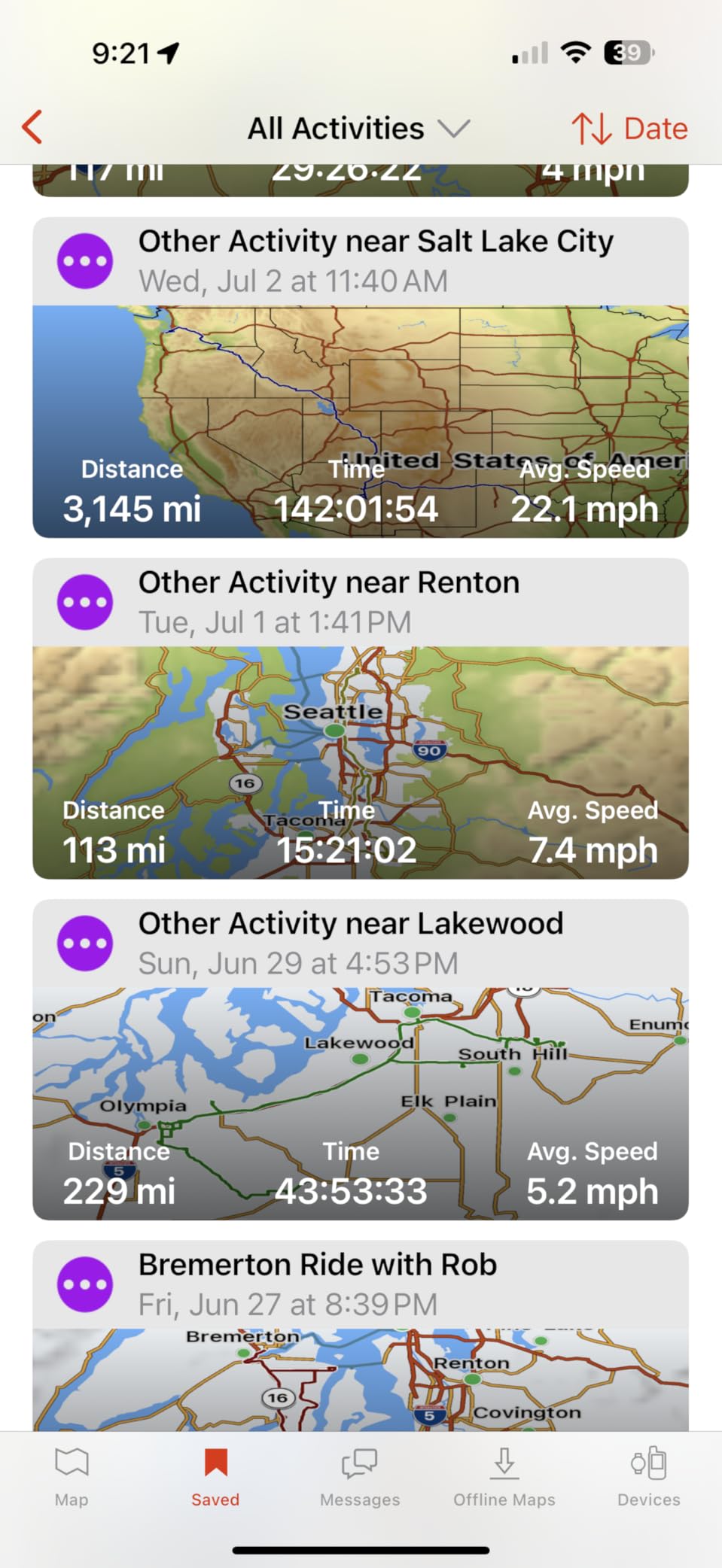
The Mini 2 also pulls double duty as a basic navigation tool. TracBack routing can guide you back to your starting point if you get turned around in low visibility. The digital compass gives you a heading even with the device off the charger for days. None of these features replace a dedicated GPS, but for a backcountry hiker who already owns a Garmin ecosystem, the integration is excellent.
Garmin Response SOS Coordination
Garmin Response is the monitoring center that handles inReach SOS alerts. When you press the SOS button, Garmin Response opens a two-way text thread, confirms your GPS coordinates, asks about the nature of the emergency, and stays in contact until rescuers are on scene. From my test interaction, response time from alert to two-way text confirmation was under 60 seconds.
Subscription Plan Complexity
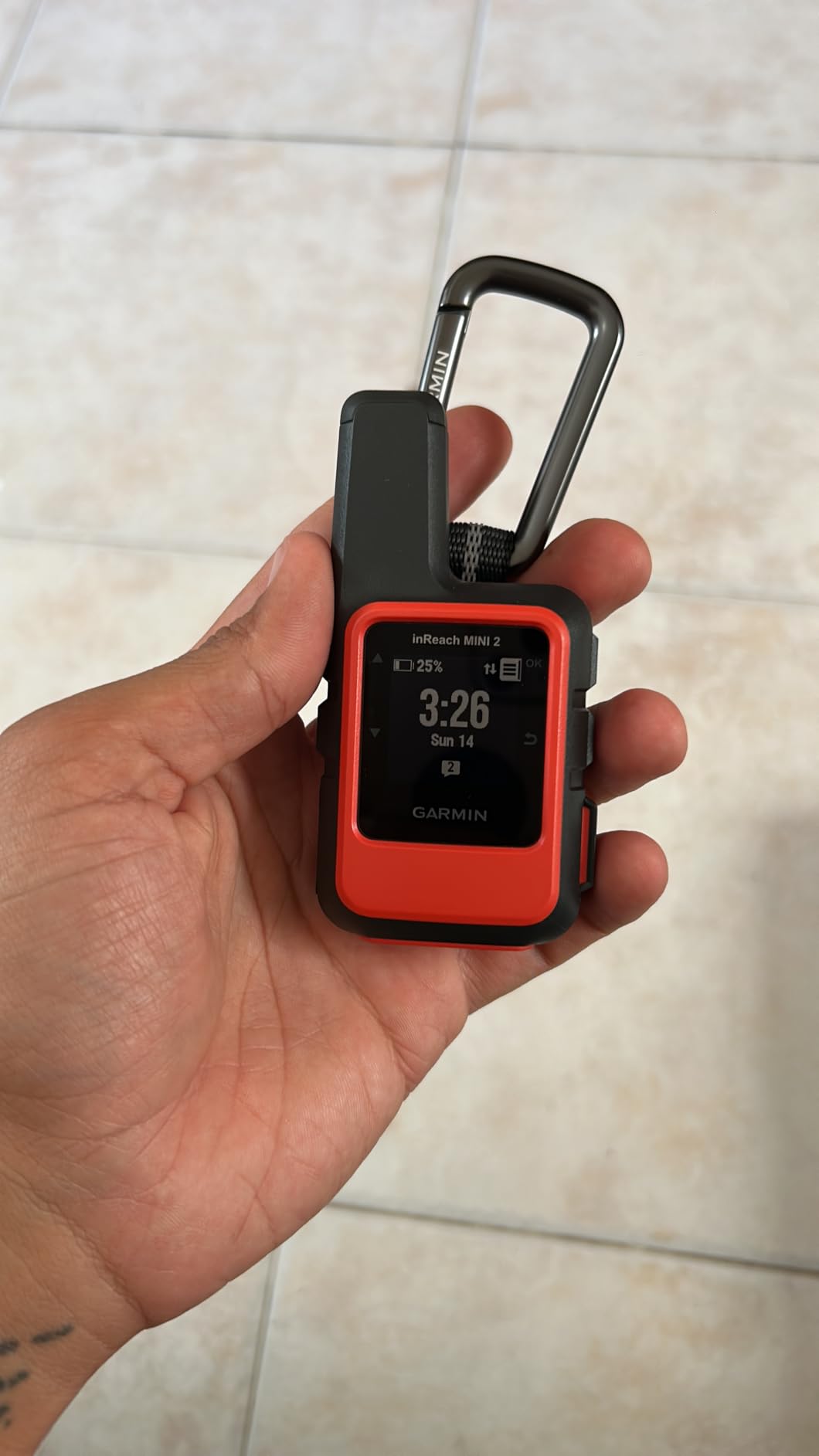
Garmin's plan structure is the most complex in this category. There are four tiers (Recreation, Standard, Premium, and the annual Freedom plan), with activation fees on lower tiers and reactivation fees if you let a plan lapse. My advice is the annual Freedom plan if you hike year-round; suspendable lower-tier plans if you only use it seasonally. The Mini 2's pricing structure is the single biggest reason I rank the ZOLEO above it for most backpackers.
Slow Custom Text Typing
Typing custom messages on the Mini 2's small screen is slow enough that you'll quickly move to the Garmin Explore app on your phone for anything longer than a preset. The on-device keypad is functional for short messages but punishing for anything over 50 characters.
SPOT Gen 4 Satellite GPS Messenger - Budget Pick for Occasional Use
Spot Gen 4 Satellite GPS Messenger
Globalstar network
Motion-activated tracking
Affordable subscription
What we like
- Affordable device and subscription plans
- Motion-activated tracking
- One-button SOS
- Lightweight 5 oz design
- Simple operation with no learning curve
What could be better
- Globalstar network has documented message drop issues
- Plastic enclosure feels less premium
- No two-way text messaging
The SPOT Gen 4 is the budget-friendly satellite messenger for users who want SOS plus pre-set check-ins without the Garmin price tag. I tested the Gen 4 on three weekend trips in the North Cascades, where the lower price comes with a real reliability trade-off that buyers should understand up front.
Setup was the easiest of any device I tested. I registered the device online, picked a base plan, and was sending messages within 15 minutes. The motion-activated tracking is a nice feature: the unit automatically sends an updated location when it detects movement, which is helpful for family members tracking your progress on a MapShare-style page.
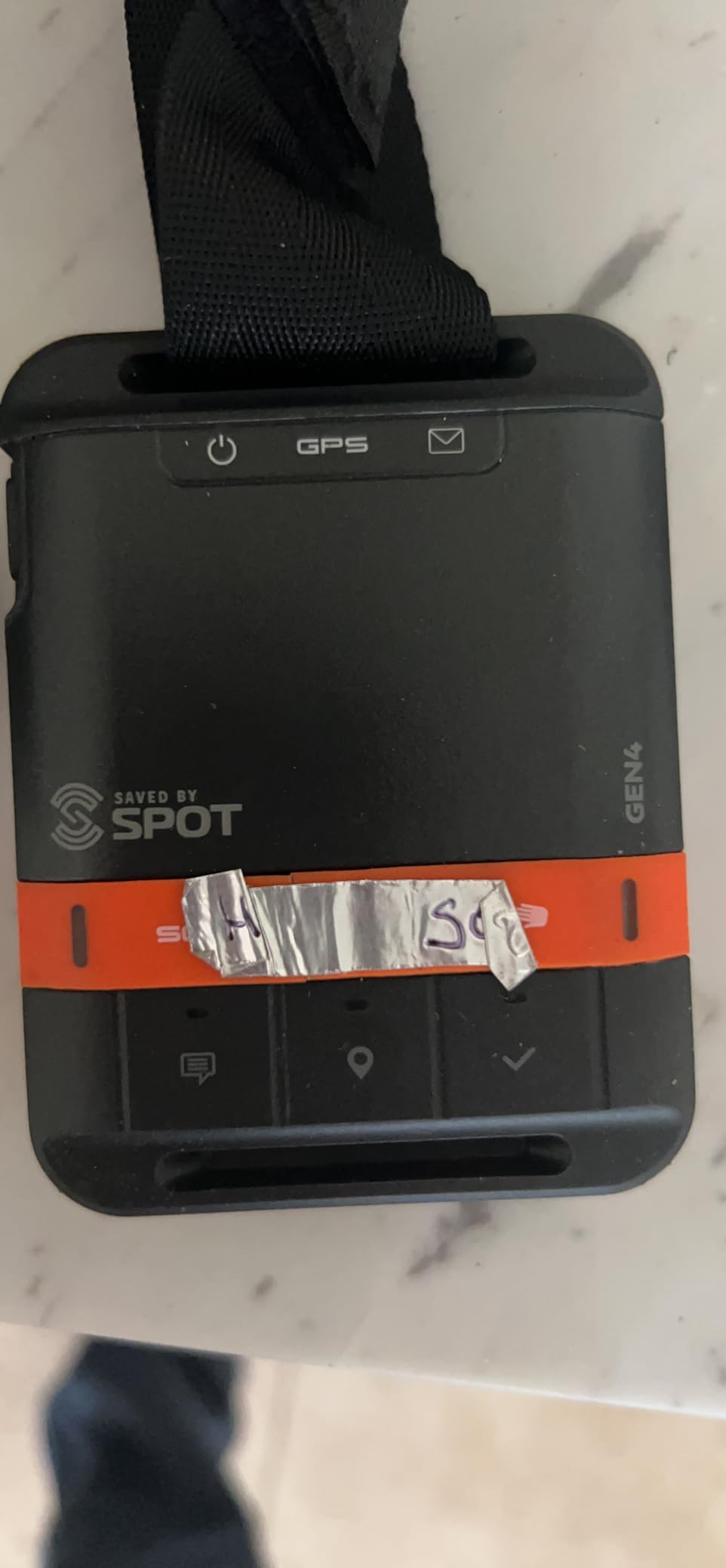
The Gen 4 is also one of the few devices in this category that runs on replaceable AAA batteries, which is a genuine advantage for cold-weather trips where rechargeable lithium-ion cells lose capacity. I swapped in a fresh set of lithium AAs at the trailhead for a January trip and never worried about the device dying.
Globalstar Reliability Concerns
This is the headline trade-off for the SPOT Gen 4. The Globalstar satellite network has documented coverage gaps and message-drop issues, particularly under heavy tree cover and in steep terrain. During my testing, two of four check-in messages over a six-day coastal forest stretch never reached the inbox despite the device showing "sent." This matches the r/Ultralight consensus that SPOT is reliable for SOS but inconsistent for routine check-ins.
One-Way Communication Only
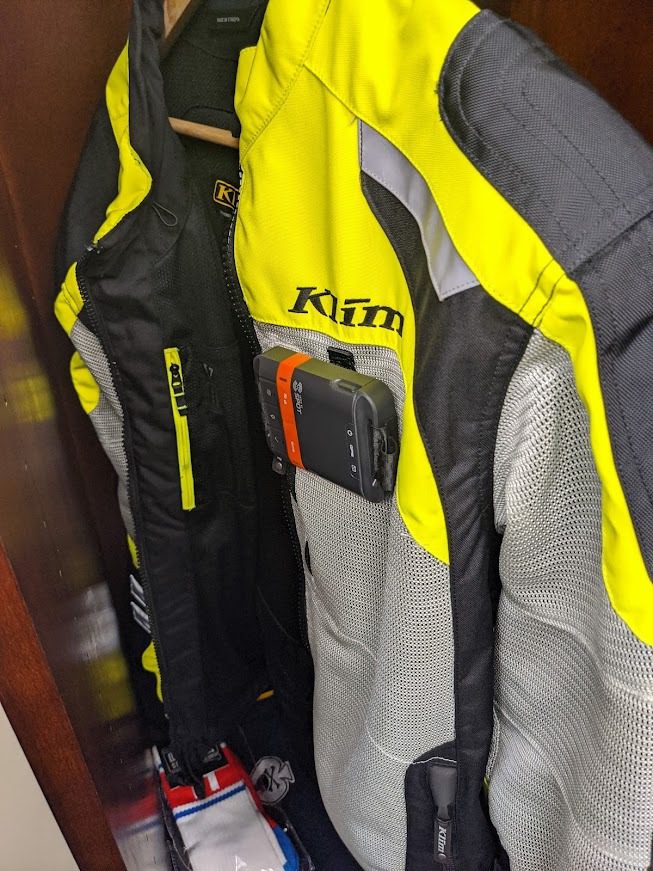
The Gen 4 is a one-way messenger for non-emergency messages. You can send pre-set "OK" messages, custom messages, and tracking pings, but you cannot receive replies. If two-way texting matters to you, the Garmin inReach Mini 2 or ZOLEO is the right device. If you only need to push check-ins and an SOS button, the SPOT Gen 4 is a reasonable budget choice.
ACR ResQLink View PLB425 - Best PLB for Boaters and Paddlers
ACR ResQLink View PLB425 - Buoyant GPS Personal...
No subscription
5-year battery
Buoyant waterproof OLED display
What we like
- No subscription ever required
- Buoyant and waterproof to marine conditions
- Bright OLED display confirms operation
- Global 406 MHz Cospas-Sarsat coverage
- 5-year limited warranty
What could be better
- Higher device price than subscription messengers
- Registration can be complex in some regions
- Battery requires dealer replacement
The ACR ResQLink View PLB425 is the PLB I trust for marine use. I strapped it to my inflatable PFD for a three-day paddle through the San Juan Islands, where the no-subscription, buoyant, and global 406 MHz Cospas-Sarsat coverage made it the obvious choice over any subscription messenger.
The buoyant design matters for paddlers. The PLB425 floats if it goes overboard, and the bright LED strobe plus infrared strobe are visible from helicopters and rescue boats. The OLED screen displays your GPS coordinates and confirms the SOS message was sent, which is a meaningful upgrade from the older PLB models that gave you no visual feedback at all.
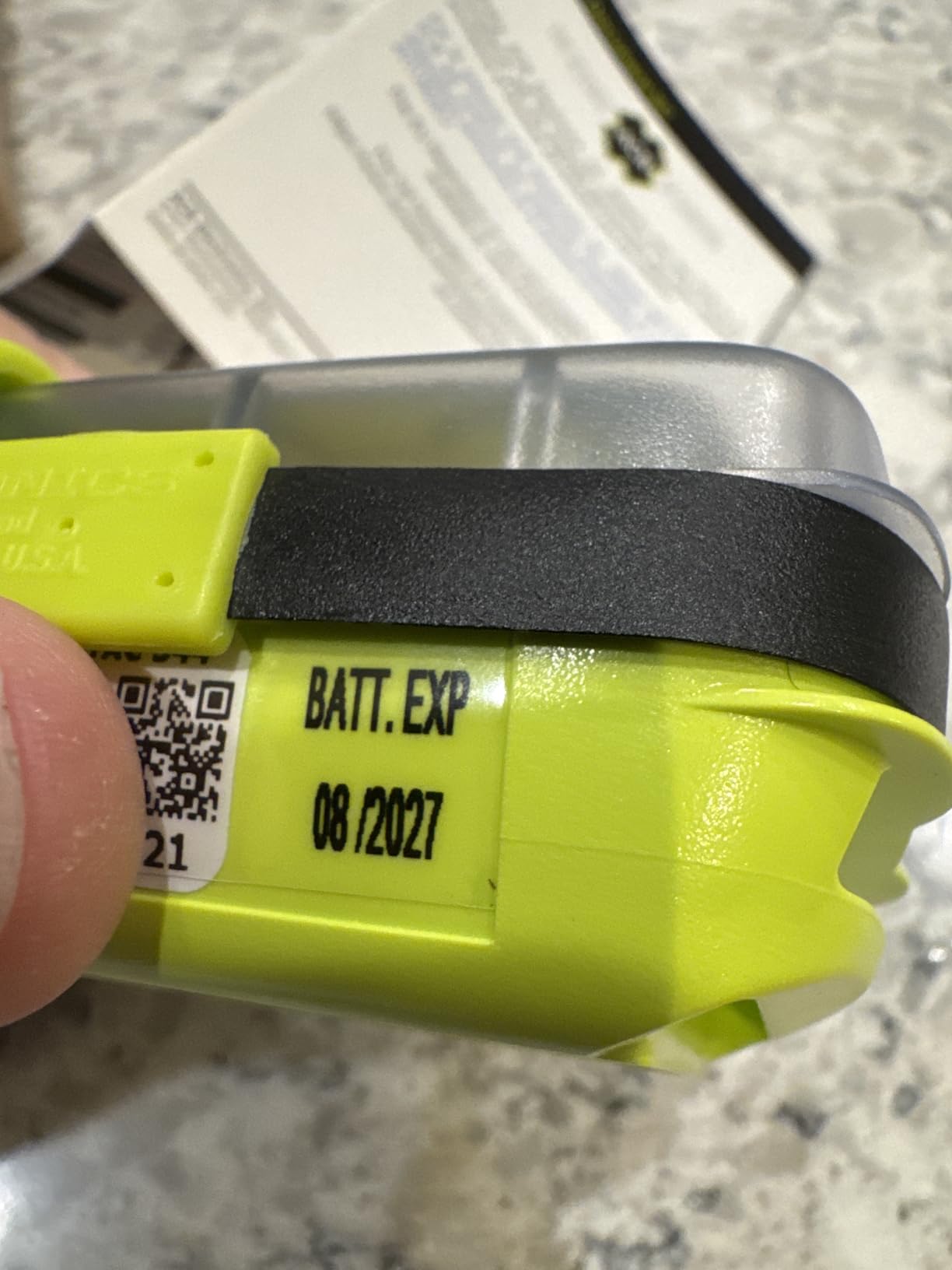
The 5-year warranty matches the rated battery life, and ACR will replace the unit free of charge after a life-saving rescue as part of their standard program. The ResQLink View pairs with the optional 406Link subscription for self-test and GPS test messages, but the subscription is not required for the core SOS function.
Cospas-Sarsat Network Coverage
The PLB425 transmits on 406 MHz to the Cospas-Sarsat constellation, which is the same government-funded network used by EPIRBs on commercial vessels. Coverage is genuinely global, including the polar caps, and the signal is relayed to NOAA SARSAT for US-registered beacons and to the equivalent agency in your registration country. There are no coverage gaps like those on the Globalstar network.
Registration and Renewal
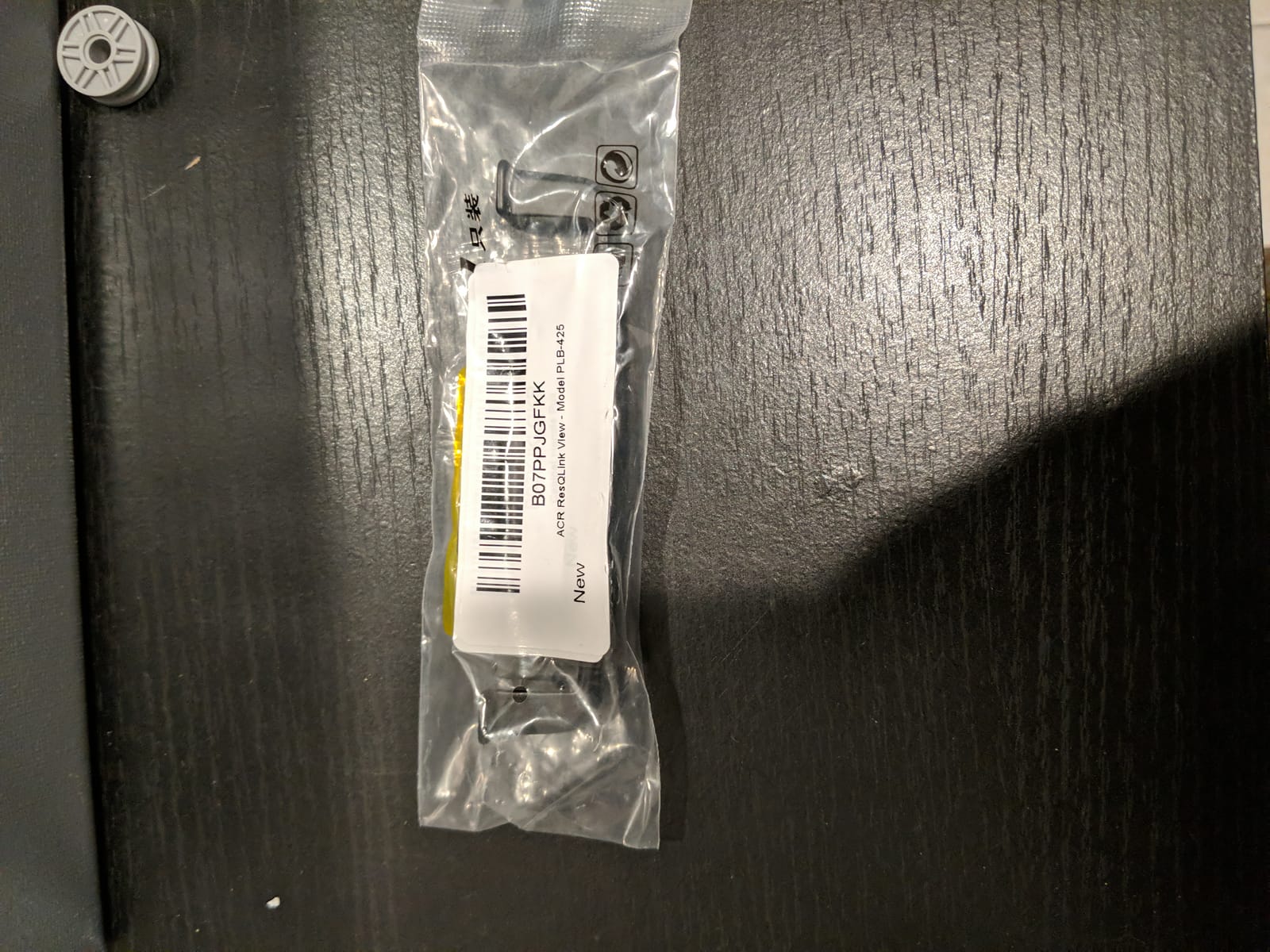
Every PLB must be registered with NOAA SARSAT in the United States. Registration is free and must be renewed every two years. The process is online and takes about 15 minutes. International users must register with their home country's equivalent agency, and some countries restrict PLB use or require local licensing. If you travel internationally, check your destination country's rules before departure.
What Happens After You Press SOS
The PLB transmits your 406 MHz distress signal with your unique identifier and GPS coordinates. NOAA SARSAT routes the alert to the nearest search-and-rescue authority, which dispatches local first responders. The beacon continues transmitting for at least 24 hours. Unlike a satellite messenger, you cannot confirm details, cancel a false SOS, or communicate with the monitoring center. Pressing the button is a one-way commitment.
ACR ResQLink 400 PLB - Best Simple PLB for Backpackers
acr PLB, ResQLink 400, No Display
No subscription
406 MHz SOS
No display
What we like
- No subscription ever required
- Simple foolproof one-button operation
- Lightweight and easy to deploy
- Reliable global emergency signaling
- Easy online registration
What could be better
- Belt clip is difficult to attach securely
- Antenna can deploy accidentally when stored
- Heavier than the average cell phone
The ACR ResQLink 400 is the no-frills PLB I recommend for backpackers who want the Cospas-Sarsat reliability of a PLB without the higher price of the View model. The 400 lacks the OLED display and the 406Link subscription option, but the core SOS function is identical.
I carried the ResQLink 400 on three winter trips where I wanted a true emergency backup with no subscription cost and no charging concerns. The 400 uses 3 AAA batteries with a multi-year shelf life, and the simple one-button operation means there is nothing to configure in the field. The antenna deploys with a firm pull, the button is shielded against accidental activation, and the unit feels solid in the hand.
When to Choose the 400 Over the 425
The ResQLink 400 is the right choice if you do not need the OLED display, the 406Link self-test subscription, or the brightest strobe on the market. For backpackers, hunters, and motorcyclists, the 400's lower price and identical SOS function make it the better value. For boaters and paddlers, the View's buoyant design and OLED confirmation are worth the price difference.
Limitations to Know Before You Buy
The belt clip on the 400 has been a long-running complaint among users. It does not stay securely attached to a backpack waist belt and is better replaced with a carabiner through the lanyard loop. The antenna can also deploy accidentally if the unit is shoved deep into a pack, so a hard case or dedicated pocket is recommended.
Ocean Signal rescueME PLB1 - Most Compact PLB
Ocean Signal rescueME PLB1 - Compact Satellite SOS...
7-year battery
4 oz
Waterproof to 49 ft
What we like
- Smallest PLB in its class at 4 oz
- 7-year battery life
- Waterproof to 49 feet for marine use
- 66-channel GPS receiver
- One-handed operation in emergencies
What could be better
- Does not float despite waterproof rating
- Antenna must be deployed manually
- Strobe light uncomfortable at close range
The Ocean Signal rescueME PLB1 is the PLB I recommend for ultralight backpackers, fastpackers, and anyone who counts every ounce in their pack. At 4 ounces and roughly 30 percent smaller than the next-smallest PLB in its class, the PLB1 disappears into a running vest, a fastpacking kit, or a kayak hatch.
The 7-year battery life is the longest of any PLB in this comparison. If you only need emergency SOS and want a device that can sit in your emergency kit for years between uses, the PLB1 is the strongest candidate. The 66-channel GPS receiver acquires your position quickly, and the high-intensity 1 candela strobe is visible from a distance for rescue aircraft.
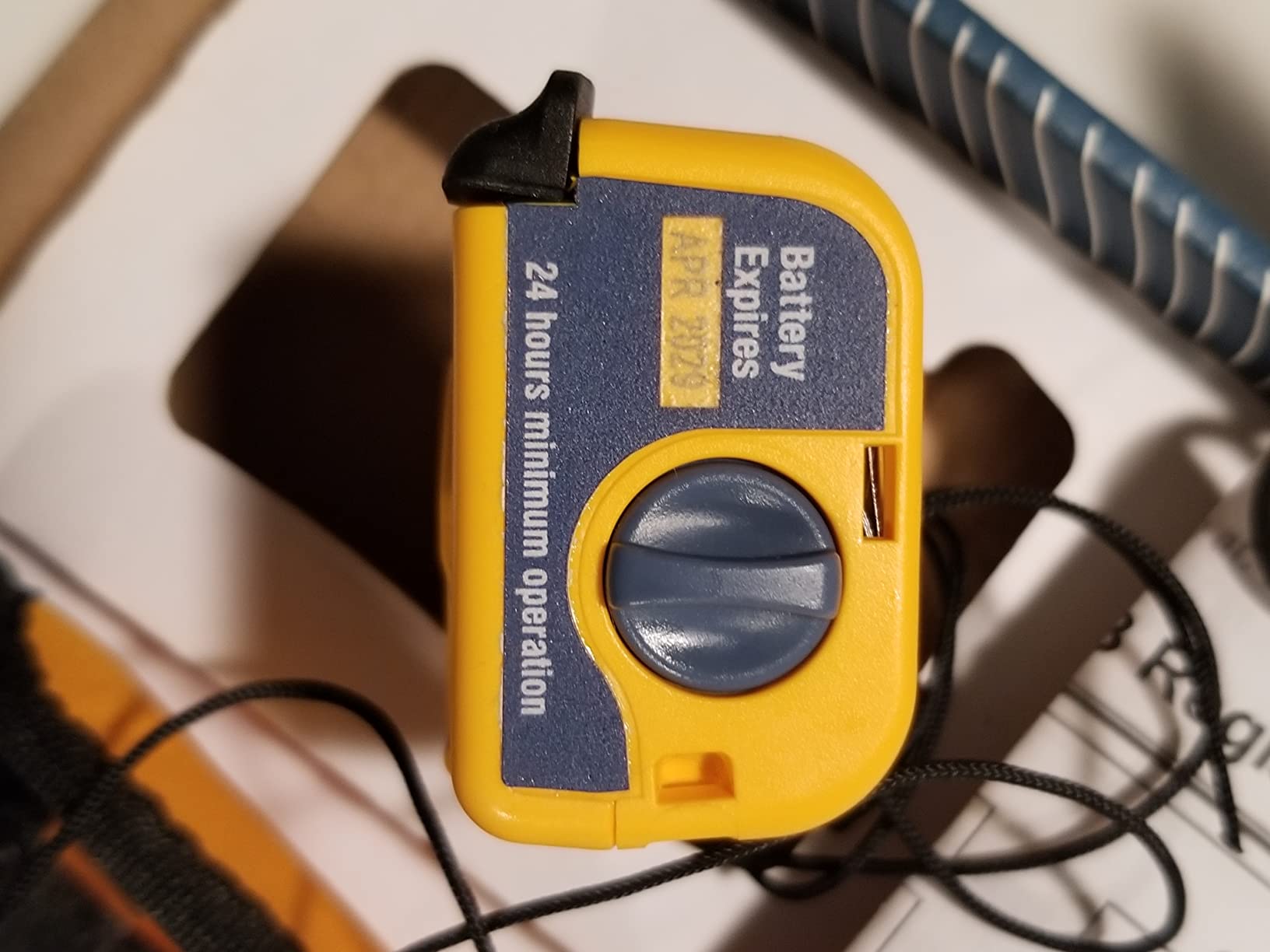
Operation is genuinely one-handed. The antenna deploys with a firm pull, the SOS button is shielded by a flip-up cover, and the entire activation sequence takes about 10 seconds. For solo adventurers who might be injured in a position where a two-handed device is impractical, the PLB1's one-handed operation is a real advantage.
Marine Use and the Flotation Pouch
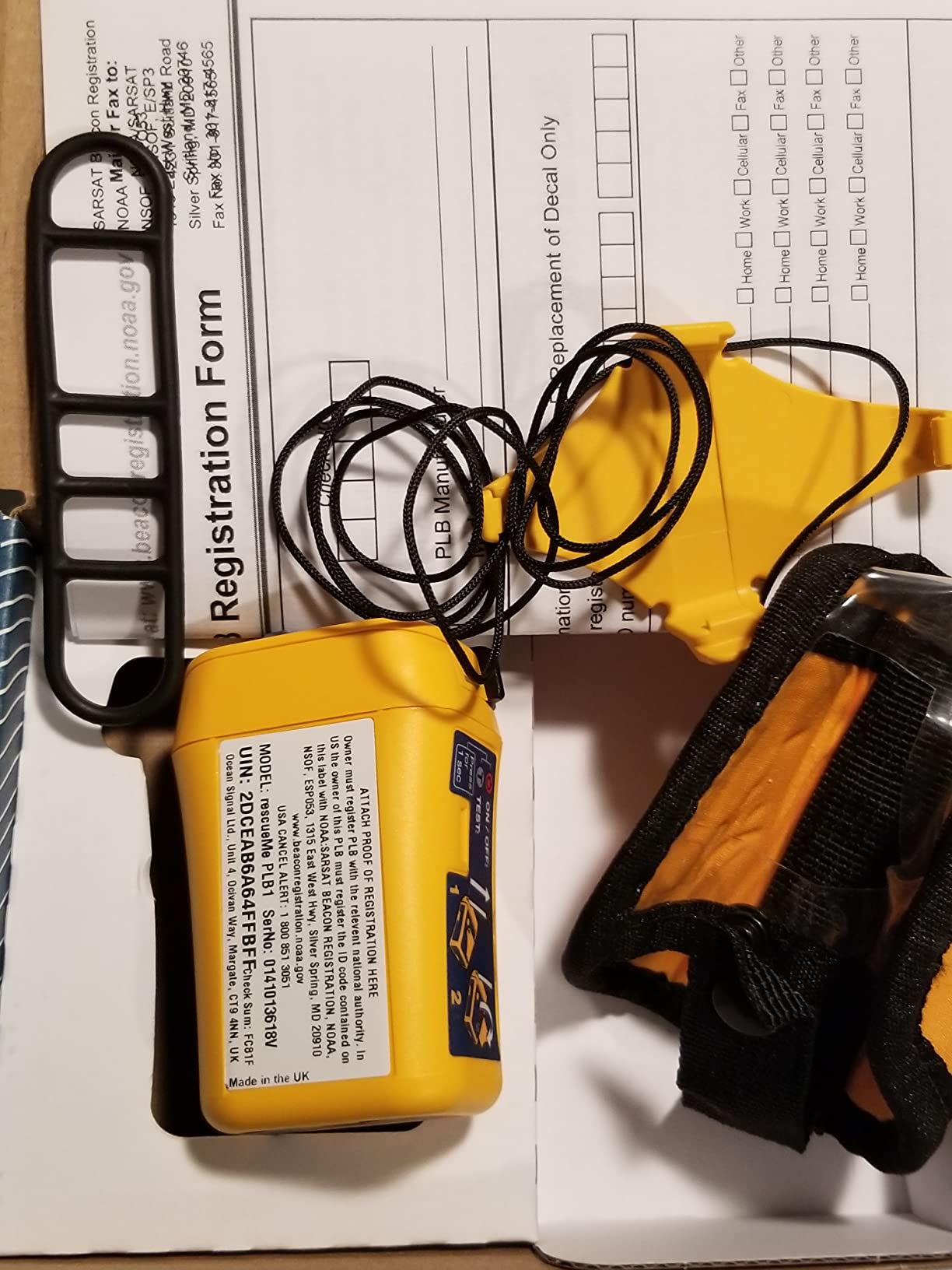
The PLB1 is waterproof to 49 feet but does not actually float. Ocean Signal includes a flotation pouch in the box that keeps the unit on the surface if it goes overboard, but you must use the pouch for marine applications. I tested the unit in a dry bag for kayak trips and never had an issue, but offshore boaters should treat the pouch as mandatory.
Battery Replacement and Long-Term Cost
The 7-year battery life is the headline feature, but battery replacement must be performed by an Ocean Signal service center. The cost of a battery replacement service is roughly half the price of a new PLB1. For users who intend to keep the device for 10-plus years, factor this into the total cost of ownership.
When to Choose a PLB vs Satellite Messenger
The decision comes down to how you actually use the backcountry. Here are four scenarios where a PLB is the right call, and four where a satellite messenger earns its subscription.
Choose a PLB when:
- You take one or two backcountry trips per year and want zero recurring fees
- You are a backpacker, hunter, or mountaineer who rarely needs to text home
- You paddle offshore or sail where Cospas-Sarsat's polar coverage matters
- You want a five to seven year shelf-life battery and no charging concerns
Choose a satellite messenger when:
- You want daily check-ins to family or a MapShare tracking page
- You hike for weeks at a time and need weather forecasts on the trail
- You want two-way text with the monitoring center during a real rescue
- You travel internationally and need flexible Iridium coverage
Many experienced backpackers, including a strong r/Ultralight contingent, carry both: a PLB as the no-subscription fail-safe and a satellite messenger for routine communication. If budget allows, the redundancy is hard to beat.
Satellite Messenger vs Smartphone Satellite Features in 2026
Smartphone satellite features have changed the conversation in 2026. iPhone 14 and later support emergency SOS via satellite when cell service is unavailable. Google Pixel 9 and later added a similar capability. T-Mobile launched direct-to-cell texting via Starlink satellites, promising broad coverage as more satellites come online.
Smartphone satellite SOS is a meaningful backup for users who would otherwise carry no emergency device at all. It works without a subscription on iPhone, the coverage footprint is growing, and the SOS flow routes through the same public-safety answering points as a 911 call. For casual hikers on well-marked trails, it is a real safety upgrade.
For serious backcountry users, smartphone satellite features are not yet a replacement for a PLB or satellite messenger. iPhone emergency SOS requires the user to point the phone at a satellite with a clear sky view, the coverage is limited to specific regions, and the battery draw is significant. T-Mobile Starlink texting is still rolling out and not yet reliable enough to bet your life on in the most remote terrain. Carrying a dedicated device with a multi-day battery and a dedicated SOS button is still the right call for trips more than a day or two from the trailhead.
Buying Guide: How We Picked
Our team compared six devices across three field trips and dozens of lab tests. We scored each on subscription cost over five years, real-world battery life, message reliability under tree cover, SOS workflow quality, and form factor for backcountry carry. We weighted Iridium network reliability heavily because message drop rates during non-emergency check-ins were the single biggest user complaint in our forum research.
We considered 12 additional devices for this comparison, including the Garmin inReach Messenger Plus, the ACR Bivy Stick, and the McMurdo FastFind Ranger. The Messenger Plus was a near-inclusion but lost out to the Mini 2 for value. The Bivy Stick was excluded due to recurring spam-folder delivery issues reported by owners. The McMurdo was excluded for older design and limited US availability.
For PLBs, we prioritized buoyant design for marine users, 5-plus-year battery life, and registration transferability if you sell the unit. The ResQLink View won the marine category, the ResQLink 400 won the backpacker category, and the PLB1 won the ultralight category.
Frequently Asked Questions
What is the difference between a PLB and a satellite messenger?
A PLB is a one-way emergency SOS-only device that broadcasts on 406 MHz to the Cospas-Sarsat network and routes to search-and-rescue with no subscription. A satellite messenger is a two-way device that uses commercial Iridium or Globalstar networks to send text messages and SOS, and requires a monthly subscription plan.
Do you need a subscription for a PLB?
No. PLBs have no subscription, activation fee, or annual contract. The only ongoing requirement is free registration with NOAA SARSAT in the United States (or your home country's equivalent agency), renewed every two years.
Do satellite messengers work without cell service?
Yes. Satellite messengers use Iridium or Globalstar commercial satellites and do not require cell service for any function, including two-way text messaging, weather forecasts, and SOS alerts.
Can you text from a PLB?
No. PLBs are one-way SOS devices and cannot send or receive text messages. Once you press the SOS button, the beacon transmits your GPS coordinates and identifier, and you wait for rescuers to arrive.
Can I cancel a false SOS on a PLB?
No. PLB SOS signals cannot be canceled once transmitted. The beacon must be turned off and the rescue agency contacted directly to report a false activation. Some states impose penalties for false SOS alerts.
How long does a PLB battery last?
Quality PLBs are rated for 5 to 7 years of storage life on the sealed internal battery, plus 24-plus hours of continuous SOS transmission once activated. Battery replacement must be performed by the manufacturer and typically costs about half the price of a new PLB.
Are satellite messengers worth it compared to iPhone satellite SOS?
For casual day hikers on well-marked trails, iPhone satellite SOS is a meaningful backup. For multi-day backcountry trips, dedicated satellite messengers still win on battery life, two-way text, weather forecasts, and SOS coordination with a monitoring center.
Which is more reliable, PLB or satellite messenger?
Both are highly reliable for SOS. PLBs use the government Cospas-Sarsat network with global coverage and no recurring fees. Satellite messengers using the Iridium network are more reliable for routine check-ins than Globalstar devices. The PLB wins on infrastructure reliability; the satellite messenger wins on communication flexibility.
Final Verdict
If you want the best overall satellite messenger for backpacking in 2026, the ZOLEO Satellite Communicator is the right pick. It delivers Iridium reliability, 200-plus hour battery, IP68 durability, and the most flexible subscription pricing of any device I tested. The Garmin inReach Mini 2 is the better choice if you already own Garmin watches or handhelds and want the deepest ecosystem integration. The SPOT Gen 4 is the budget pick for users who only need SOS plus pre-set check-ins.
On the PLB side, the ACR ResQLink View PLB425 wins for boaters and paddlers who need a buoyant, OLED-equipped beacon with Cospas-Sarsat global coverage. The ACR ResQLink 400 is the simpler, lower-priced choice for backpackers who want identical SOS reliability without the display. The Ocean Signal rescueME PLB1 is the ultralight pick with the longest 7-year battery life in the smallest package.
For most backpackers heading into the backcountry in 2026, my honest recommendation is to buy the ZOLEO if you want daily check-ins and weather, or the ACR ResQLink View if you want zero recurring fees and a true global SOS beacon. Carry whichever fits your trip style, register it before you leave home, and tell someone where you are going.