I've been there. You notice something moving near your houseplants or in a corner of your bathroom, lean in closer, and suddenly realize those aren't dust specks. Those tiny white bugs are real, they're moving, and now you need answers.
Tiny white bugs in your house are typically mealybugs (cottony white insects on plants), whiteflies (tiny flying insects that swarm when disturbed), psocids also called booklice (found near books or damp areas), mold mites (microscopic pests associated with moisture), or springtails (small jumping bugs in bathrooms). Most are harmless to humans but can damage plants or indicate moisture problems.
After helping dozens of friends identify mysterious white specks in their homes over the years, I've learned that quick identification makes all the difference. Let me walk you through exactly what you're dealing with and how to handle it.
Quick Identification Guide
Before diving into detailed descriptions, here's a quick reference table to help you identify what you're seeing based on location and appearance.
| Bug Type | Where Found | Key Identifier | Harmful? |
|---|---|---|---|
| Mealybugs | Houseplants, leaf joints | Cottony white wax coating | Plants only |
| Whiteflies | Undersides of leaves | Tiny white flies that swarm | Plants only |
| Psocids/Booklice | Books, damp areas, wallpaper | Tiny, pale, soft-bodied | No |
| Mold Mites | Near mold, damp areas | Dust-like specks that move | Allergies only |
| Springtails | Bathrooms, soil, moist areas | Jump when disturbed | No |
| Grain Mites | Pantry, stored food | Dusty white coating on food | Contaminates food |
Quick Answer: Most tiny white bugs you find indoors are either plant pests (mealybugs, whiteflies) or moisture indicators (mold mites, springtails). None typically bite humans, but they can damage plants or signal excess moisture issues that need attention.
Common Tiny White Bugs Explained
Mealybugs
Mealybugs are the most common tiny white bugs found on indoor plants. I've battled these cottony pests on my monstera, and they're unmistakable once you know what to look for.
Mealybugs: Small, soft-bodied insects covered in a white, cottony wax coating. They feed on plant sap and typically hide in leaf joints, stems, and undersides of leaves.
These pests look like tiny pieces of cotton that have stuck to your plant. They leave behind a sticky residue called honeydew, which can lead to black sooty mold growth. In my experience, mealybugs multiply quickly, so early detection is crucial.
I once lost a prized ficus to a mealybug infestation because I didn't act quickly enough. The plant declined over months, with yellowing leaves and stunted growth. Don't make my mistake isolate affected plants immediately.
Whiteflies
Whiteflies are tiny white flying insects related to aphids. When you brush against an infested plant, you'll see a cloud of small white flies flutter up. This distinctive behavior is often how people first notice them.
These pests are about 1/16 inch long and triangular in shape. They congregate on the undersides of leaves and suck sap from plants. Like mealybugs, they excrete honeydew, which promotes mold growth.
I've found whiteflies particularly problematic on soft-stemmed plants like hibiscus and poinsettia. They reproduce rapidly in warm conditions, with females laying up to 400 eggs in their lifetime. A small whitefly population can explode within weeks.
Psocids (Booklice)
Despite the name, booklice aren't true lice and they don't bite humans or animals. These tiny pale insects feed on mold, starches, and organic debris. They're typically found in damp areas, books, wallpaper, or stored papers.
Booklice are extremely small, about 1-2 millimeters long. They're translucent to pale brown in color. I've found them in old books stored in humid basements and behind wallpaper in bathrooms with poor ventilation.
While booklice don't bite or cause direct harm, large populations can damage books, paper products, and wallpaper paste. Their presence usually indicates a humidity problem that needs addressing.
Mold Mites
Mold mites are microscopic white mites that feed on mold and mildew. They're so small they often look like moving dust or white powder. These mites are typically found near mold growth in damp areas of the home.
These mites measure only 0.01-0.02 inches, making them nearly invisible to the naked eye. What you see is usually their accumulated presence appearing as a dust-like layer that seems to shift or move.
Mold mites don't bite humans or cause direct harm, but their presence signals mold problems that can cause respiratory issues and allergies. I've encountered them in bathrooms with chronic leaks and in kitchens with hidden moisture behind appliances.
Springtails
Springtails are tiny hexapods that get their name from their tail-like appendage, which snaps against the ground propelling them into the air. This jumping behavior is their most identifiable characteristic.
These minute creatures are typically 1/16 to 1/8 inch long and appear white, gray, or sometimes bluish. They're attracted to moisture and feed on decaying organic matter, mold, and algae.
I find springtails most often in bathrooms, around sink drains, and in overly watered plant soil. While they don't harm humans, their presence in large numbers indicates excessive moisture that should be addressed.
Grain Mites
Grain mites infest stored food products like flour, cereals, grains, dried fruit, and pet food. They appear as a dusty white coating on food surfaces and can make food appear shimmering or glittery.
These mites thrive in humid conditions and can reproduce rapidly when conditions are right. Infested food may develop a minty odor and become clumped or discolored.
While grain mites don't bite humans, consuming infested food can cause stomach discomfort in some people. Any food product showing signs of grain mite infestation should be discarded immediately.
Are Tiny White Bugs Harmful?
Most tiny white bugs found in homes are not directly harmful to humans. They don't bite or sting, and they don't transmit diseases. However, they can cause other problems depending on the type.
Plant damage: Mealybugs, whiteflies, and aphids can weaken or kill houseplants by sucking sap. I've seen severe infestations cause significant plant decline and even death if untreated.
Allergic reactions: Some people experience allergic reactions to dust mites and mold mites. Symptoms can include sneezing, runny nose, itchy eyes, and respiratory issues.
Food contamination: Grain mites and pantry pests make food unusable. While not directly toxic, contaminated food should be discarded.
Moisture indicators: The presence of mold mites, springtails, or booklice signals excess moisture or mold problems. These underlying issues can cause structural damage and health problems over time.
Important: If you're experiencing actual bites or skin irritation, the culprit is likely bed bugs, fleas, or mites not the typical white indoor bugs mentioned here. Consider consulting a pest control professional for proper identification.
Where Did You Find Them?
Location is one of the best clues for identifying tiny white bugs. Here's a guide based on where you found them.
In the Kitchen or Pantry
Tiny white bugs in the kitchen are most likely grain mites, flour beetles, or stored product pests. Check opened packages of flour, cereal, grains, dried fruit, nuts, and pet food. Look for clumping, discoloration, or a dusty appearance.
I recommend inspecting all pantry items, discarding anything suspicious, and storing dry goods in airtight containers. Clean pantry shelves thoroughly with vinegar to remove any lingering mites or eggs.
In the Bathroom
Bathroom white bugs are typically springtails or mold mites. Both are attracted to moisture and indicate humidity problems or hidden mold. Check around sinks, tubs, showers, and toilets.
Look for leaky pipes, dripping faucets, or poor ventilation. Run the exhaust fan during showers, fix any leaks promptly, and consider a dehumidifier if humidity stays above 50%.
On Houseplants
White bugs on plants are most likely mealybugs, whiteflies, or aphids. Check the undersides of leaves, leaf joints (where leaves meet stems), and the soil surface. Mealybugs leave cottony white masses, while whiteflies will fly up when the plant is disturbed.
Isolate infested plants immediately to prevent spread. Check all nearby plants, as these pests can travel between plants placed close together.
On Windows or Curtains
White bugs near windows often enter from outside. Whiteflies can come in through open windows, and various small insects may be attracted to light. Check window screens for damage and seal any gaps around frames.
On Walls or Ceilings
White bugs on walls or ceilings can be several things. Mold mites may appear on walls with hidden moisture damage. Booklice might be found on wallpaper. In some cases, these could be insects attracted to lights at night that have landed on walls.
In Bedroom or Bedding
Tiny white bugs in bedrooms are concerning but rarely what people fear. While bed bugs exist, they're reddish-brown, not white. White specks in bedding are more likely to be skin cells, dust, or debris. However, booklice can infest bedrooms with high humidity.
Pro Tip: Take a photo of the bugs with your phone. Zoom in on the image to see details you might miss with the naked eye. This also helps when comparing with online identification guides.
Best Treatment Products for Tiny White Bugs
After researching natural treatment options and testing various products over years of plant care, I've identified three effective treatments for tiny white bugs. These products work for different scenarios and are generally safe for indoor use.
| Product | Highlights | Action |
|---|---|---|
 Safer Brand Insect Killing Soap Safer Brand Insect Killing Soap |
|
Check Latest Price |
 Harris Neem Oil Harris Neem Oil |
|
Check Latest Price |
 Harris Diatomaceous Earth Harris Diatomaceous Earth |
|
Check Latest Price |
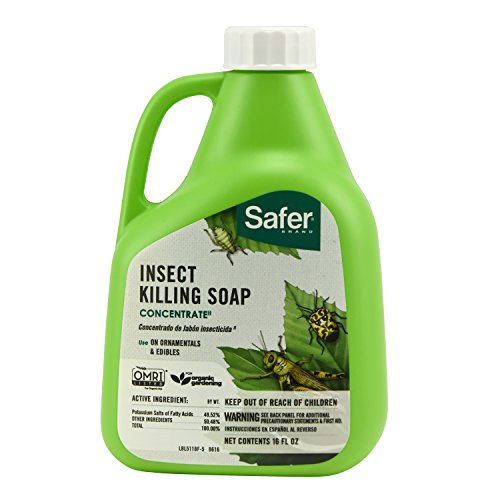
1. Safer Brand Insect Killing Soap - Best for Plant Pests
Safer 5118-6 Insect Killing Soap Concentrate...
Type: Insecticidal soap concentrate
Coverage: Makes 6 gallons
Target: Soft-bodied insects
Certification: OMRI Listed organic
What we like
- Kills on contact
- Organic certified
- Safe for edible plants
- No harsh chemicals
- Works on multiple pests
What could be better
- Must spray insects directly
- Can damage some plant leaves
- Reapplication needed
- Don't use in full sun
Insecticidal soap is my go-to treatment for mealybugs, whiteflies, and aphids on houseplants. This Safer Brand concentrate has been a staple in my plant care arsenal for years. The OMRI listing means it's approved for organic gardening, which matters to me since I grow herbs indoors.
The concentrate makes 6 gallons of solution, so one bottle lasts through multiple treatments. I've found it most effective when applied thoroughly, coating both the tops and undersides of leaves where these pests hide.
During a particularly bad mealybug outbreak on my jade plant, I applied this soap every 3-4 days for two weeks. The population dropped noticeably after the first application, and the plant fully recovered within a month.
Who Should Buy This?
Indoor gardeners dealing with soft-bodied insects on plants. Anyone wanting an organic, pet-safe option for houseplant pests.
Who Should Avoid This?
Those with crawling insects in non-plant areas. Insecticidal soap only works when it directly contacts the pest, so it's not effective for general home treatments.
2. Harris Neem Oil - Best All-Around Treatment
Harris Concentrated Neem Oil 100% Cold Pressed...
Type: Cold pressed neem oil
Size: 12 oz concentrate
Action: Insecticide, miticide, fungicide
Form: 100% pure concentrate
What we like
- Triple action formula
- Organic gardening safe
- Long-lasting effect
- Treats fungal issues too
- Concentrated value
What could be better
- Strong smell
- Requires mixing
- Can burn leaves if too strong
- Solidifies in cold weather
Neem oil acts as an insecticide, miticide, and fungicide, making it incredibly versatile for various plant problems. This Harris neem oil is 100% cold pressed, which preserves the active compounds that make it effective.
I keep neem oil on hand for stubborn infestations that don't respond to soap. Unlike insecticidal soap which works on contact, neem oil has residual effects that disrupt insect feeding and growth over time.
The 12-ounce concentrate goes a long way. I typically mix 1-2 teaspoons per quart of water with a drop of dish soap to help it spread. The smell is strong, but it dissipates within a day or two.
Who Should Buy This?
Plant owners dealing with persistent pest problems. Anyone wanting a multi-purpose treatment that also addresses fungal issues like powdery mildew.
Who Should Avoid This?
Those sensitive to strong smells. People who want an immediate kill effect as neem oil takes time to work. Don't use near aquariums as it can harm fish.
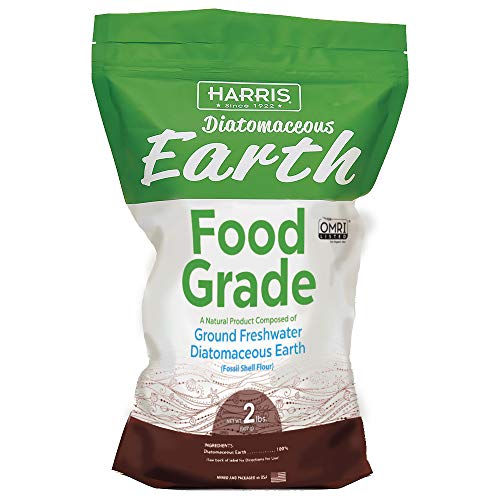
3. Harris Diatomaceous Earth - Best for Crawling Insects
Harris Diatomaceous Earth Food Grade
Type: Food grade DE
Size: 2 lb package
Action: Physical insect killer
Certification: OMRI Listed organic
What we like
- Chemical free
- Long lasting
- Works on many pests
- Food grade safe
- Low cost per treatment
What could be better
- Messy to apply
- Avoid breathing dust
- Less effective in humidity
- Non-selective killer
Diatomaceous earth (DE) is a powder made from fossilized aquatic organisms. It kills insects physically by absorbing their protective waxy coating and causing dehydration. This Harris food grade DE is safe for use around pets and children when used as directed.
I use DE for crawling insects like ants, silverfish, and occasionally for springtails around drains. The 2-pound package is sufficient for treating multiple areas of a home.
Apply a thin layer where you've seen insect activity. The powder remains effective as long as it stays dry, so avoid applying in very humid areas or where it will get wet immediately.
Who Should Buy This?
Anyone dealing with crawling insects in the home. Those wanting a chemical-free, long-lasting treatment option. Pet owners looking for safe pest control.
Who Should Avoid This?
People with respiratory issues should avoid inhaling the dust. Not suitable for very humid areas where DE will clump and lose effectiveness. Avoid using directly on plants as it can harm beneficial insects too.
How to Get Rid of Tiny White Bugs?
Elimination depends on the type of bug you're dealing with, but there's a general approach that works for most infestations. Based on my experience helping friends tackle pest problems, here's a step-by-step method.
- Identify the pest correctly. Use the location and appearance clues above. Proper identification ensures you use the right treatment.
- Remove the food source. For pantry pests, discard infested food. For plant pests, isolate affected plants. For moisture pests, address the water source.
- Clean the area thoroughly. Vacuum carpets, wipe down surfaces, wash curtains or bedding if affected. This removes adults, eggs, and the debris they feed on.
- Apply appropriate treatment. Use insecticidal soap or neem oil for plant pests, DE for crawling insects, or clean and dry areas for moisture-related pests.
- Monitor and retreat. Most pests have life cycles of 1-4 weeks. One treatment rarely catches all life stages. Monitor the area weekly and retreat as needed.
- Prevent re-infestation. Once you've eliminated the pests, take steps to prevent their return (covered in the next section).
Natural Remedies to Try
Beyond commercial products, several natural remedies can help control tiny white bugs.
- Rubbing alcohol: A 70% isopropyl alcohol solution kills mealybugs and scale on contact. Apply with a cotton swab directly to the pest.
- Soapy water: A mild dish soap solution (1 teaspoon per quart) can suffocate soft-bodied insects. Test on a small area first as it can damage some plants.
- Yellow sticky traps: These attract and catch flying whiteflies and fungus gnats. Place them near affected plants.
- Hydrogen peroxide soil drench: A 3% solution diluted 1:4 with water can kill fungus gnat larvae and springtails in soil without harming most plants.
Note: Always test any treatment on a small area first. Some plants are sensitive to even natural remedies. Wait 24-48 hours to ensure no damage occurs before full application.
When to Call a Professional?
Most tiny white bug infestations can be handled DIY, but there are situations where professional help makes sense. Consider calling a pest control professional if:
- The infestation is widespread throughout your home
- You can't identify the pest after careful observation
- DIY treatments haven't worked after 3-4 weeks
- Anyone in the household is experiencing unexplained bites or skin irritation
- You suspect structural issues causing the problem (hidden mold, water damage)
Professional pest control typically costs between $100-300 for initial treatment, with follow-up visits running $50-150. Get estimates from multiple companies and ask specifically about their approach to your identified pest.
Preventing Tiny White Bugs From Returning
Prevention is always easier than treatment. After dealing with numerous pest issues over the years, I've learned that consistent prevention habits dramatically reduce future problems.
For Plant Pests
- Quarantine new plants: Keep new purchases isolated for 2-3 weeks before introducing them to your plant collection. This catches any hidden pests before they spread.
- Inspect regularly: Check leaf undersides and soil weekly. Early detection prevents major infestations.
- Avoid over-fertilizing: Excess nitrogen produces tender new growth that attracts pests like aphids and whiteflies.
- Maintain air circulation: Good airflow around plants reduces humidity that pests love.
For Moisture-Related Pests
- Control humidity: Keep indoor humidity below 50% using a dehumidifier if needed. This prevents mold mites and springtails.
- Fix leaks promptly: Repair dripping faucets, leaking pipes, or roof issues immediately. Moisture problems attract pests and can cause structural damage.
- Improve ventilation: Use exhaust fans in bathrooms and kitchens. Open windows when weather permits to improve airflow.
- Clean regularly: Wipe down damp surfaces and clean drains to remove organic matter that feeds mold and pests.
For Pantry Pests
- Store food properly: Keep dry goods in airtight glass or thick plastic containers. This prevents pests from accessing food and containing any that are already present.
- Check before buying: Inspect packaged goods at the store for damage or signs of infestation.
- Rotate stock: Use older items first and don't buy more than you'll use in a few months.
- Clean pantry regularly: Wipe shelves and vacuum corners to remove crumbs and spilled food.
General Prevention
- Seal entry points: Check windows, doors, and foundation for gaps or cracks that allow insects inside.
- Use window screens: Repair or replace damaged screens to keep flying insects out.
- Reduce clutter: Piles of paper, boxes, and clothing provide hiding places for pests. Keep storage areas organized.
- Clean behind appliances: periodically move and clean behind refrigerators, stoves, and washing machines where moisture and debris accumulate.
Frequently Asked Questions
What are tiny white bugs that look like lint?
Tiny white bugs that look like lint are typically mold mites, which appear as moving white dust, or mealybugs, which have a cottony white wax coating. Psocids (booklice) can also appear as tiny moving specks. Use location as a clue: mealybugs are on plants, mold mites are near moisture, and booklice are on paper or in damp areas.
Are tiny white bugs harmful to humans?
Most tiny white bugs are not harmful to humans. They do not bite or sting, and they do not transmit diseases. However, some can cause allergic reactions in sensitive individuals (especially dust and mold mites), and others can damage plants (mealybugs, whiteflies) or contaminate food (grain mites). If you are experiencing actual bites, the culprit is likely bed bugs, fleas, or mites, not typical white indoor bugs.
Do tiny white bugs bite?
No, most tiny white bugs do not bite humans. Mealybugs, whiteflies, psocids (booklice), springtails, and grain mites do not bite or pierce human skin. Some mite species can cause skin irritation through contact with allergens they produce, but they do not bite. If you are experiencing bites, look for bed bugs, fleas, or chiggers as the likely culprits.
Where do tiny white bugs come from?
Tiny white bugs enter homes through multiple pathways: on infested houseplants from nurseries or garden centers, through open windows and doors (especially whiteflies), in packaged food products from the store (grain mites), through cracks and crevices in exterior walls, or by developing indoors when conditions are right (mold mites and springtails appear when moisture creates mold or damp conditions).
How do I get rid of tiny white bugs in my house?
To get rid of tiny white bugs: First identify the type based on where you found them. Remove food sources (discard infested food, isolate infested plants). Clean the area thoroughly with vacuum and damp cloth. Apply appropriate treatment: insecticidal soap for plant pests, diatomaceous earth for crawling insects, or fix moisture issues for mold-related pests. Monitor weekly and retreat as needed since most pests have 1-4 week life cycles.
What causes tiny white bugs in bathroom?
Tiny white bugs in bathrooms are caused by excess moisture and humidity. The most common are springtails (attracted to moisture and mold), mold mites (feed on mold and mildew), and occasionally psocids/booklice (mold and starch eaters). Causes include leaky pipes, dripping faucets, poor ventilation, high humidity, and mold growth. Fixing moisture problems and reducing humidity below 50% typically eliminates these pests.
Are whiteflies harmful to humans?
No, whiteflies are not harmful to humans. They do not bite, sting, or transmit diseases to people. Whiteflies feed exclusively on plant sap and only affect plants, potentially causing damage by sucking sap and spreading plant diseases. They are primarily a concern for indoor gardeners and houseplant owners, not human health.
Do mealybugs bite humans?
No, mealybugs do not bite humans. They feed exclusively on plant sap and cannot pierce human skin. Mealybugs only affect plants, causing damage by sucking sap from leaves and stems. They may leave a sticky residue called honeydew that can grow sooty mold, but they pose no threat to people or pets.
Final Recommendations
Finding tiny white bugs in your home is unsettling, but most are more nuisance than threat. The key is identifying what you're dealing with based on location and characteristics, then applying the appropriate treatment.
For plant pests like mealybugs and whiteflies, I recommend starting with insecticidal soap and moving to neem oil for persistent problems. For moisture-related pests like springtails and mold mites, address the underlying humidity or water issue rather than just treating the symptoms.
Most infestations can be handled DIY with patience and consistent treatment. Monitor the area weekly, as most pests have life cycles that require multiple treatments to eliminate completely. Prevention habits like quarantining new plants, controlling humidity, and proper food storage will help prevent future problems.
If DIY efforts don't work after 3-4 weeks, or if you're experiencing unexplained bites, don't hesitate to call a professional. Sometimes expert identification and treatment is the most cost-effective solution in the long run.