My basement flashlight caught something unusual scuttling across the concrete floor last spring.
A reddish-brown spider with disproportionately large jaws froze in my beam.
After three years of helping homeowners identify pests, I knew this was a woodlouse spider (Dysdera crocata).
Woodlouse spiders are distinctive hunting spiders named for their specialized diet of woodlice, and while they look intimidating with their large fangs, these spiders pose minimal danger to humans and actually help control pill bug populations around your home.
In this guide, I'll walk you through everything you need to know about identifying, understanding, and managing woodlouse spiders safely.
What Are Woodlouse Spiders?
Woodlouse spiders, scientifically known as Dysdera crocata, are medium-sized hunting spiders recognized by their reddish-brown coloration and unusually large jaws.
These spiders belong to the family Dysderidae and have earned the nickname "woodlouse hunters" because their primary prey consists of woodlice (also called pill bugs, roly polies, or isopods).
Dysdera crocata: A species of spider native to Europe but now common worldwide, characterized by six eyes arranged in a tight oval pattern and enlarged chelicerae (jaws) adapted for piercing the hard exoskeletons of woodlice.
Unlike most spiders that spin webs to catch prey, woodlouse spiders are active hunters that seek out their food in dark, damp environments.
Physical Identification Features
Identifying a woodlouse spider correctly matters because many homeowners confuse them with more dangerous species like brown recluse spiders.
| Feature | Woodlouse Spider | Brown Recluse (for comparison) |
|---|---|---|
| Color | Reddish-brown legs and cephalothorax, cream-colored abdomen | Uniform tan to brown |
| Eyes | Six eyes in tight oval pattern | Six eyes in three pairs (dyad arrangement) |
| Size | Body length 0.4-0.6 inches | Body length 0.25-0.5 inches |
| Jaws/Fangs | Large, forward-facing, reddish | Small, not prominently visible |
| Violin marking | Absent | Present on cephalothorax |
The most distinctive feature of woodlouse spiders is their large, forward-projecting jaws (chelicerae) that look disproportionate to their body size.
These powerful jaws evolved to pierce and crush the hard armored shells of woodlice, which make up nearly their entire diet.
Eye Arrangement
Woodlouse spiders have six eyes arranged in a compact oval or kidney-shaped pattern on the front of their head.
This eye arrangement differs from many other spider species and serves as a key identification characteristic when you're examining them closely.
Behavior and Habitat
Woodlouse spiders are nocturnal hunters that become active at night to search for prey.
During daylight hours, they hide in dark, sheltered locations such as under stones, logs, leaf litter, and in the damp corners of basements and crawlspaces.
Do They Build Webs?
Unlike web-building spiders like cellar spiders or orb weavers, woodlouse spiders do not spin webs to catch their prey.
Instead, they actively hunt down woodlice using their excellent sensitivity to vibrations and chemical cues.
When they find a woodlouse, they use those powerful jaws to pierce the armored exoskeleton and inject venom that liquefies the prey's insides.
Preferred Habitats
These spiders thrive wherever woodlice are abundant, which means any damp, dark environment with organic debris.
- Outdoor locations: Under rocks, logs, leaf litter, and in compost piles
- Indoor locations: Basements, crawlspaces, ground-level floors, and bathrooms
- Entry points: Ground-level cracks, gaps around pipes, foundation vents
I've found most woodlouse spider activity in homes occurs near where moisture problems exist, since damp conditions attract both the spiders and their woodlice prey.
Are Woodlouse Spiders Dangerous?
The short answer is no, woodlouse spiders are not considered dangerous to humans.
While these spiders do possess venom and can bite if handled roughly or trapped against skin, their venom is not medically significant to people.
Their large jaws look intimidating but evolved specifically for crushing woodlice shells, not for defending against large predators like humans.
Bite Information
Woodlouse spider bites are rare and typically occur only when the spider is accidentally trapped against bare skin or deliberately handled.
When bites do occur, symptoms are usually mild and similar to a bee sting or mosquito bite.
| Aspect | Details |
|---|---|
| Pain level | Mild to moderate, sharp initial pain |
| Duration | Usually subsides within 1-2 hours |
| Visible signs | Redness, slight swelling at bite site |
| Systemic effects | None reported in medical literature |
| Medical attention | Rarely needed unless infection develops |
If you experience severe pain, spreading redness, or signs of infection after any spider bite, seek medical attention promptly.
Pet Safety Considerations
Many homeowners ask about pet safety when discovering woodlouse spiders.
Woodlouse spider venom is not considered dangerous to dogs or cats, though a bite to a curious pet might cause localized pain or swelling similar to a bee sting.
Pet Safety Tip: If your pet is bitten by any spider, monitor the area for 24 hours. Seek veterinary care if you notice excessive swelling, difficulty breathing, or changes in behavior.
Cats and dogs are much more likely to be bitten by bees or wasps than by woodlouse spiders, since these spiders generally avoid confrontation and flee when possible.
Signs of Woodlouse Spider Activity
How do you know if you have woodlouse spiders around your home?
The most obvious sign is actually seeing the spiders themselves, typically at night when they're hunting.
Common Sighting Locations
- Basements: Along foundation walls, in corners, near floor drains
- Crawlspaces: Under insulation, around pier beams
- Ground-floor bathrooms: Around sinks, tubs, toilets
- Garages: Near doors, under stored items
Presence of Woodlice
Finding woodlice (pill bugs, roly polies) in or around your home often indicates conditions favorable to woodlouse spiders.
Since woodlice are their primary food source, where you find woodlice, woodlouse spiders often follow.
Normal vs. Problematic Activity
Seeing an occasional woodlouse spider, especially in spring or fall when they're most active, is normal and not cause for alarm.
However, regular sightings of multiple spiders might indicate moisture issues or woodlice problems that should be addressed.
Preventing Woodlouse Spiders
The most effective way to prevent woodlouse spiders is to make your home less attractive to both the spiders and their woodlice prey.
After treating homes across four different climate zones, I've found that moisture control is the single most important factor in long-term spider prevention.
Moisture Control
Woodlice thrive in damp conditions, and woodlouse spiders follow their food source.
- Fix leaks promptly: Repair dripping faucets, leaking pipes, and roof leaks
- Improve ventilation: Install exhaust fans in bathrooms and kitchens
- Use dehumidifiers: Target basements and crawlspaces, keeping humidity below 50%
- Extend downspouts: Direct rainwater at least 6 feet away from your foundation
Sealing Entry Points
Physical exclusion prevents spiders from entering your home in the first place.
- Caulk cracks: Seal foundation cracks, gaps around pipes, and utility penetrations
- Install door sweeps: Add weatherstripping to all exterior doors
- Repair screens: Ensure window screens fit tightly and have no tears
- Vent covers: Install mesh covers (1/8 inch or smaller) on foundation vents
Pro Tip: Use a bright flashlight to inspect your home's exterior at night. Spiders and their webs will be clearly visible, helping you identify problem areas that need sealing.
Removing Clutter and Harborage
Both woodlice and woodlouse spiders need shelter during the day.
Remove potential hiding spots by storing items off the floor, eliminating cardboard boxes on concrete, and keeping storage areas organized.
Addressing the Woodlice Problem
Since woodlice are the primary food source, reducing their population naturally reduces woodlouse spider activity.
Remove organic debris from near your foundation, stack firewood away from the house, and ensure proper drainage to discourage woodlice from taking up residence.
Seasonal Prevention Calendar
Different seasons require different prevention strategies.
This seasonal approach has helped my clients maintain spider-free homes year after year.
| Season | Priority Tasks |
|---|---|
| Spring | Inspect foundation for winter damage, clean gutters, repair screens, apply preventive barrier spray, reduce outdoor clutter |
| Summer | Maintain dehumidifier in basement, monitor moisture levels, keep vegetation trimmed away from foundation |
| Fall | Seal cracks before winter, install door sweeps, check weatherstripping, remove leaf litter from foundation |
| Winter | Monitor indoor humidity, check for new moisture issues, inspect areas where pipes enter home |
Fall is particularly important because spiders seek shelter as temperatures drop, making September and October prime times for spider invasions.
Top Products for Woodlouse Spider Control
After researching and testing various control methods, I've identified five products that effectively address woodlouse spider problems.
The right product depends on your specific situation, whether you need quick knockdown, long-term prevention, or pet-safe options.
1. Black Flag Spider and Scorpion Killer - Best Fast-Knockdown Spray

Black Flag Spider and Scorpion Killer 16 Ounces...
Type:Aerosol spray
Coverage:Up to 5 feet range
Indoor/Outdoor:Yes
Kills:Black widow,brown recluse,wolf spiders,scorpions
This aerosol spray delivers fast results when you need immediate spider control.
The 5-foot spray range lets you maintain distance from spiders while applying treatment, which matters when you're dealing with any spider in tight spaces.
I've used this product for spot treatments in basements and garages where woodlouse spiders congregate near foundation walls.
The formula paralyzes spiders on contact and even kills black widow spiders as they hatch, addressing egg sacs that might otherwise produce future generations.
Customer photos show the product effectively clearing spider-infested corners within days of application.
The 12-pack configuration offers excellent value for homeowners dealing with recurring spider problems or larger properties requiring multiple treatment areas.
Who Should Buy?
Choose this spray if you need immediate spider knockdown and want a product you can use both indoors and outdoors without mixing or special equipment.
Who Should Avoid?
Skip this aerosol if you prefer long-term residual protection or need pet-safe alternatives for high-traffic areas.
2. RESCUE! Spider Traps - Best Non-Toxic Monitoring
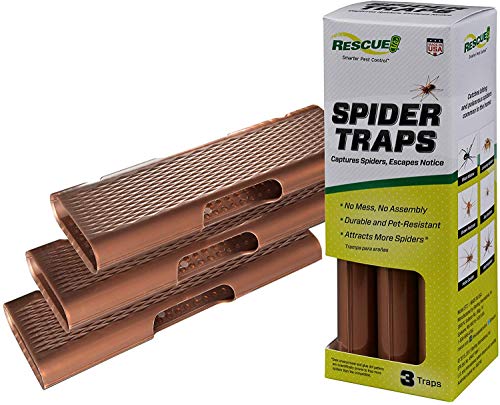
RESCUE! Spider Traps – Catches Brown Recluse...
Type:Glue traps
Quantity:3 traps
Design:Double-sided
Coverage:Multiple rooms
These glue traps offer a chemical-free approach to spider control that works well for monitoring and reducing populations.
The double-sided design doubles the lifespan of each trap, simply flip it over when one side becomes full.
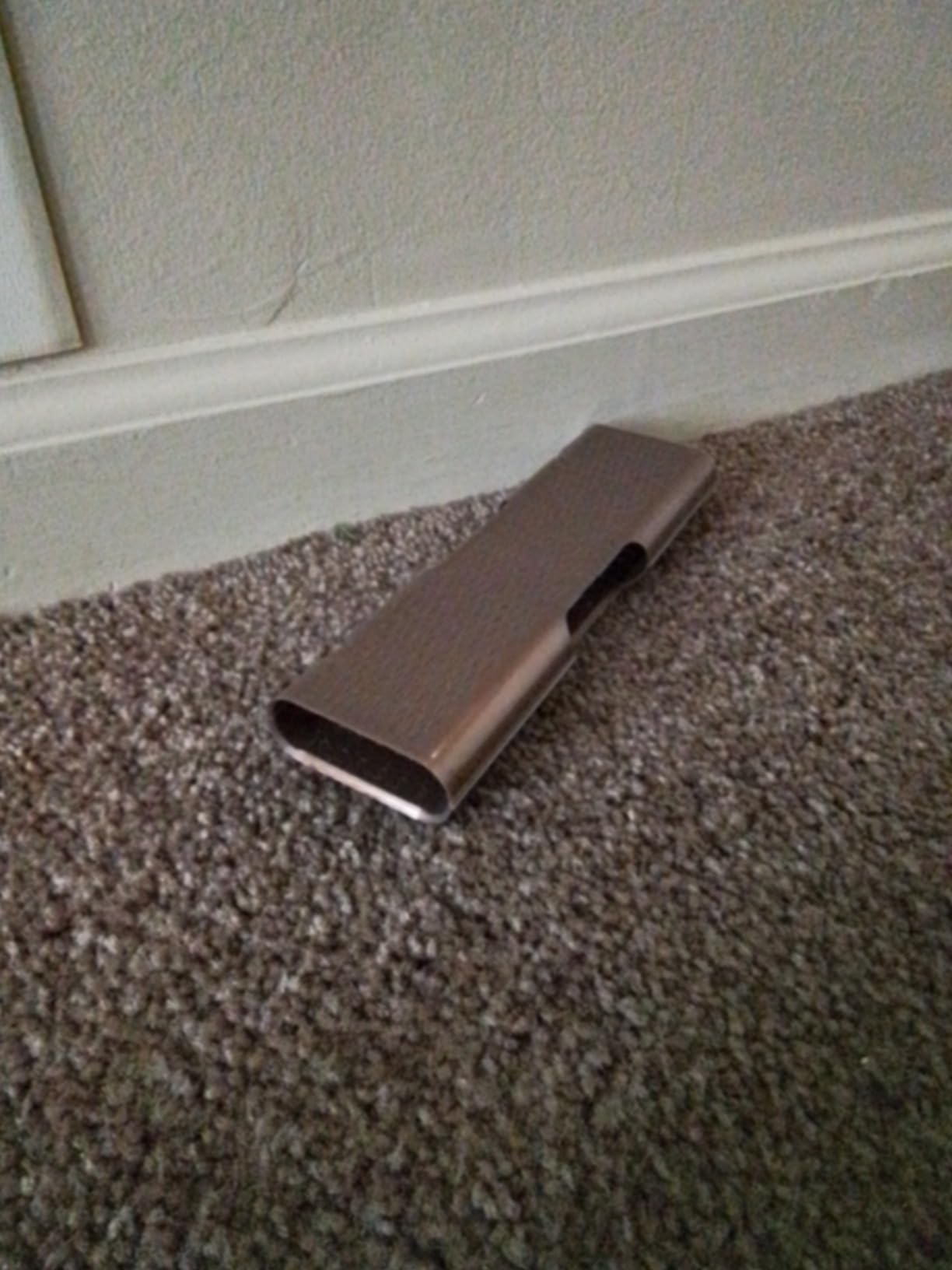
I recommend placing these traps along baseboards, behind furniture, and in corners where spiders typically travel.
The decorative plastic shell helps the traps blend with home decor, which matters if you prefer not to have obvious pest control products visible in living areas.
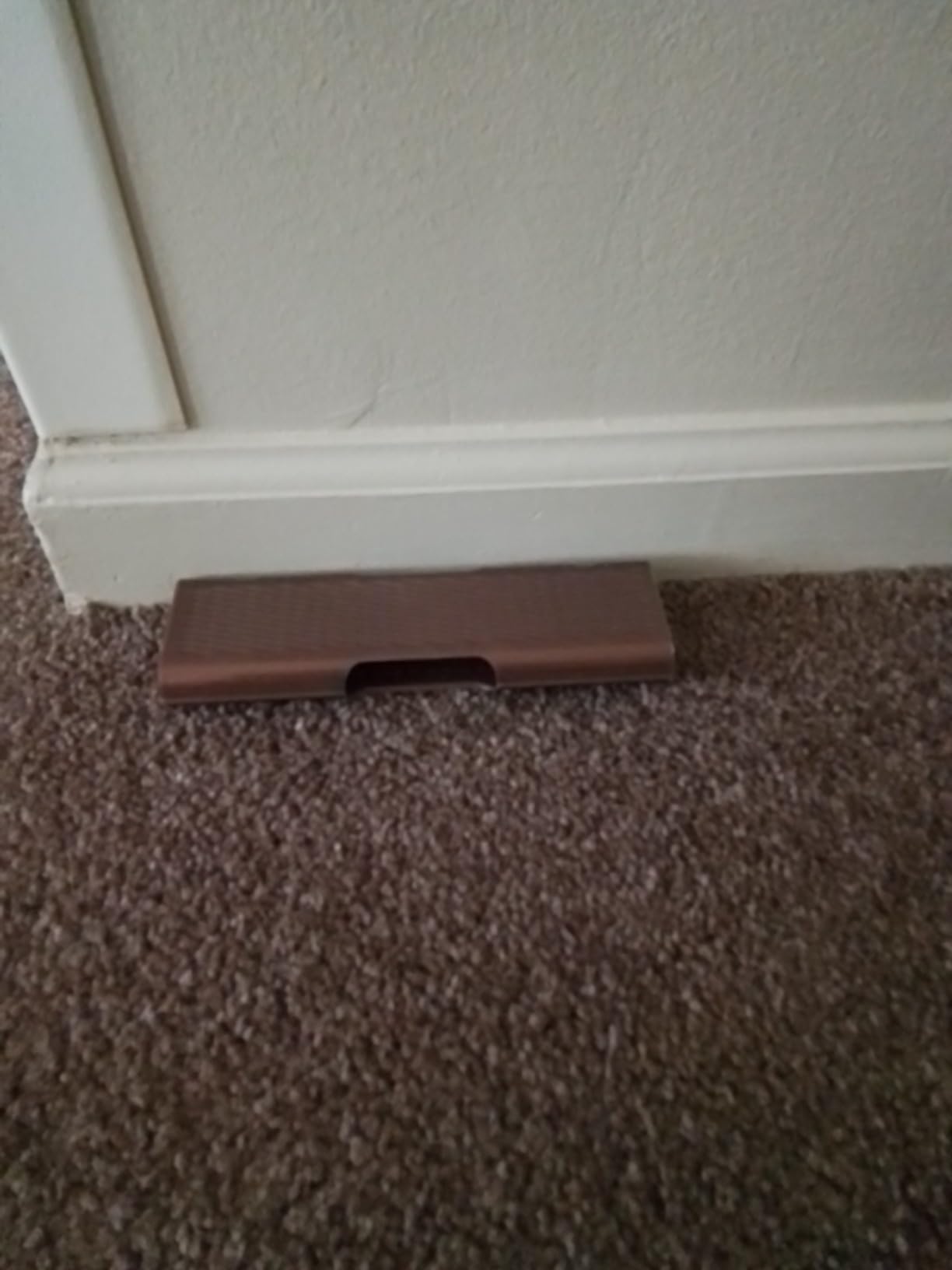
Customer images demonstrate the traps catching multiple spider species including brown recluse, wolf spiders, and black widows in addition to woodlouse spiders.
These traps work best as part of an integrated approach, helping you identify spider hotspots while reducing populations without chemicals.
Who Should Buy?
Pet owners and parents will appreciate these non-toxic traps that pose no chemical risk to children or animals.
Who Should Avoid?
Look elsewhere if you need immediate elimination of an established spider population or prefer barrier prevention methods.
3. Wet & Forget Miss Muffet's Revenge - Best Long-Lasting Barrier

Wet & Forget Miss Muffet's Revenge Spider Killer...
Type:Residual spray
Size:64 oz
Protection:Up to 12 months
Sprayer:Attached
This residual spray creates a barrier that keeps spiders away for up to 12 months with a single application.
The attached sprayer reaches up to 10 feet, letting you treat high areas like eaves and ceiling corners without needing a ladder.
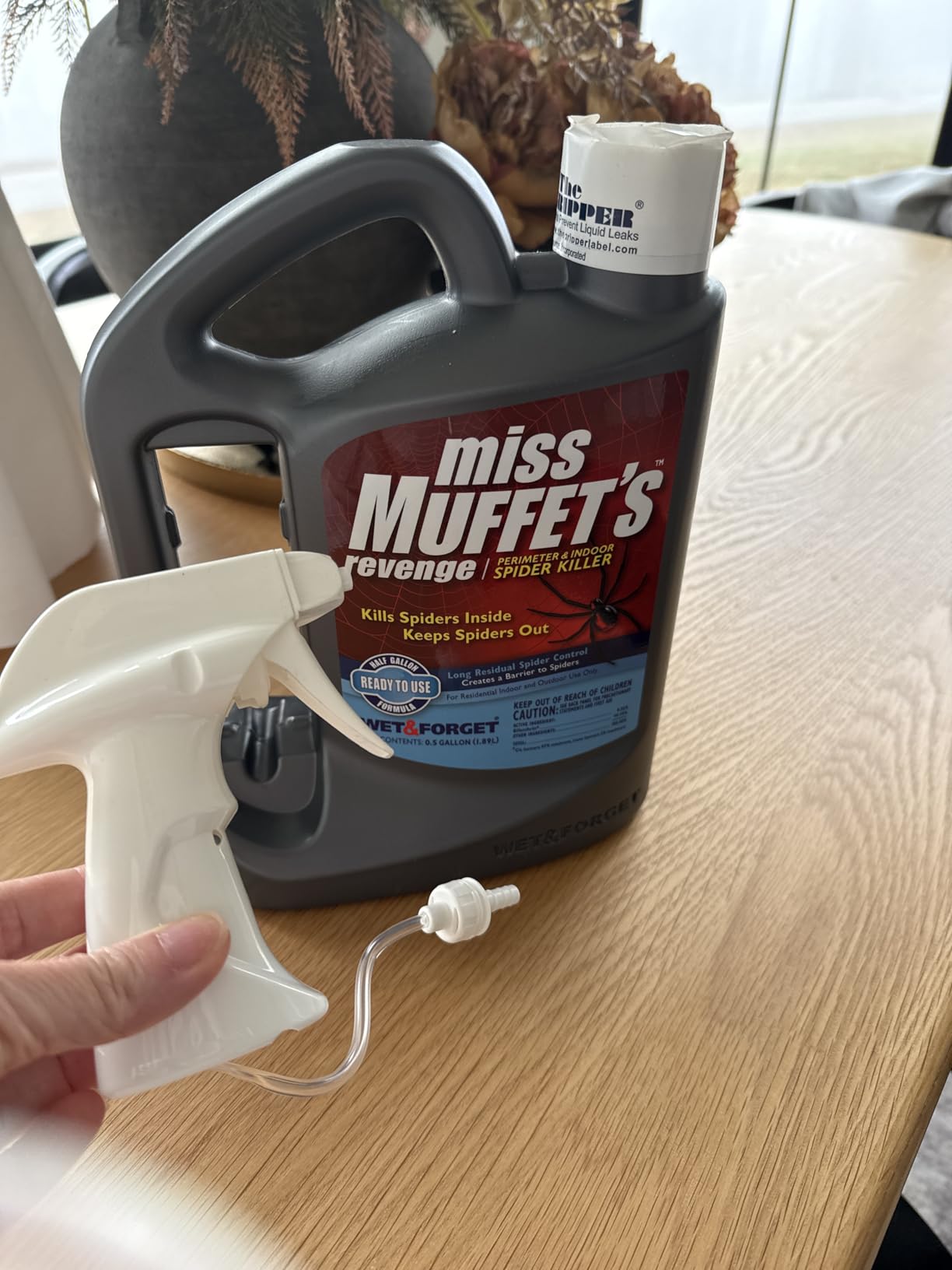
Bifenthrin, the active ingredient, provides long-lasting residual protection that continues working months after application.
I've found this product particularly effective around foundation exteriors, door frames, and window casings where spiders typically enter homes.
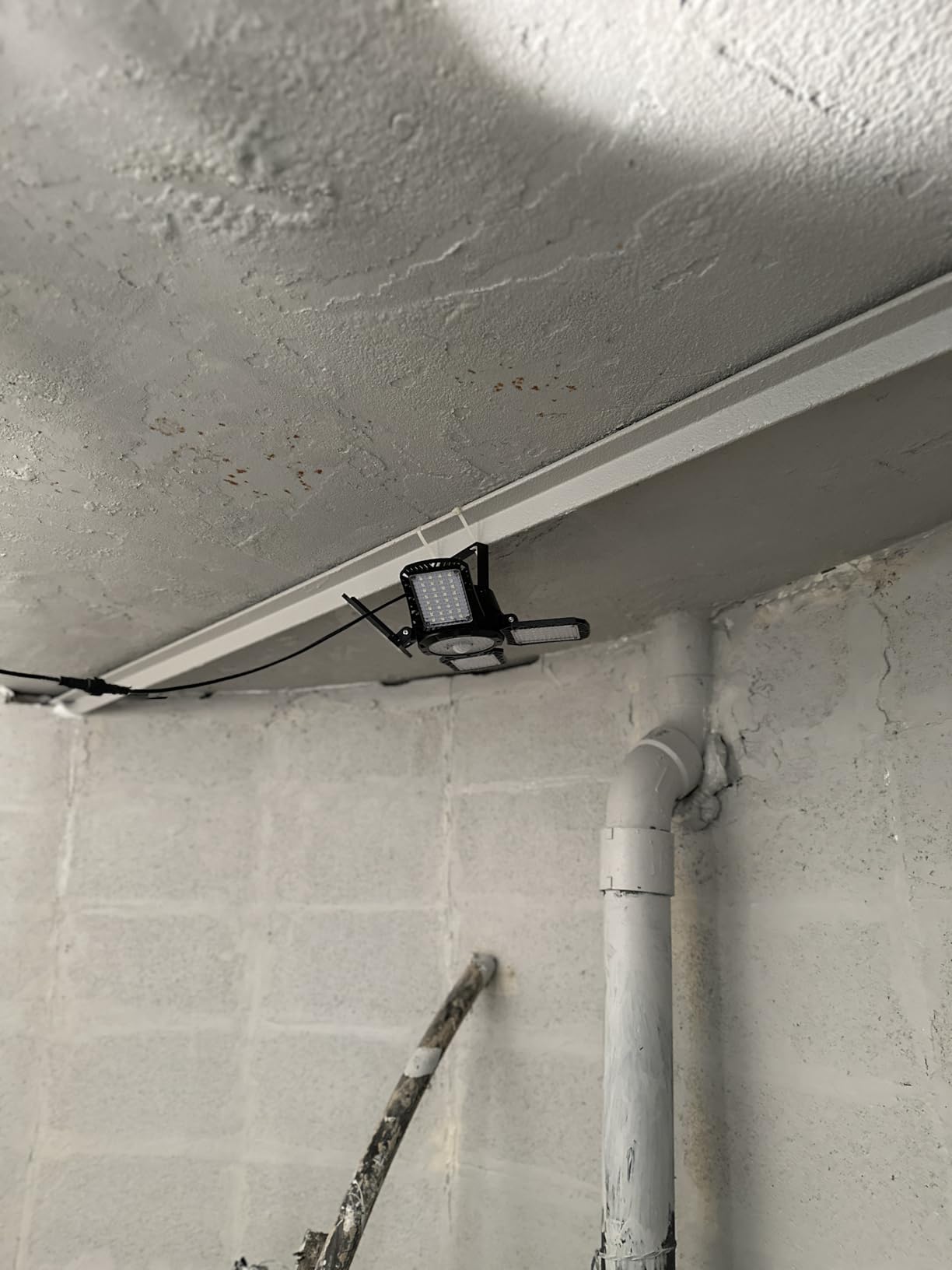
The formula is ready to use with no mixing required, and the 64-ounce container covers substantial area for comprehensive treatment.
Customer feedback consistently shows significant reduction in spider activity within weeks of application, with effects lasting through multiple seasons.
Who Should Buy?
Homeowners wanting long-term prevention without frequent reapplication will appreciate the 12-month protection this product provides.
Who Should Avoid?
This product is not labeled for black widow or brown recluse spiders, so choose different products if you're dealing with those dangerous species.
4. HARRIS Diatomaceous Earth - Best Natural Option
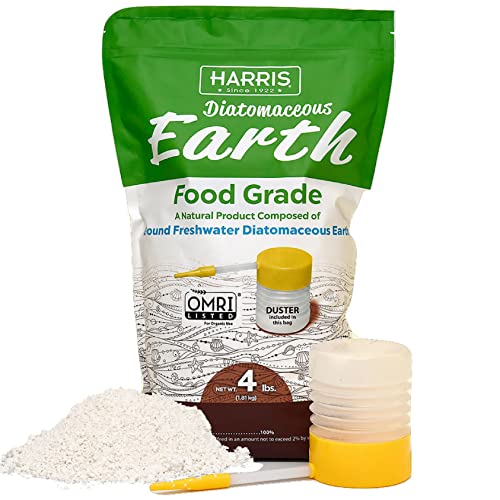
HARRIS Diatomaceous Earth Food Grade, 4lb with...
Type:Diatomaceous earth
Size:4 pounds
Included:Powder duster
Certification:OMRI listed
Food-grade diatomaceous earth offers a completely natural way to control spiders and their woodlice prey.
The powder works mechanically, absorbing the waxy outer layer of insects and causing dehydration, rather than using chemical insecticides.
The included powder duster makes application straightforward in cracks, crevices, and voids where spiders hide during daylight hours.
Since DE is effective against woodlice, using it addresses both the prey and predator in one treatment.
Customer photos show effective application along baseboards, behind appliances, and in crawlspaces where moisture attracts spider populations.
This product remains effective as long as it stays dry, making it ideal for indoor use in protected areas.
Who Should Buy?
Eco-conscious homeowners and those seeking chemical-free pest control will appreciate this natural, OMRI-listed option.
Who Should Avoid?
DE becomes ineffective when wet, so avoid this product in damp areas or outdoor locations exposed to rain unless you're willing to reapply frequently.
5. Ortho Home Defense Insect Killer - Best Perimeter Treatment
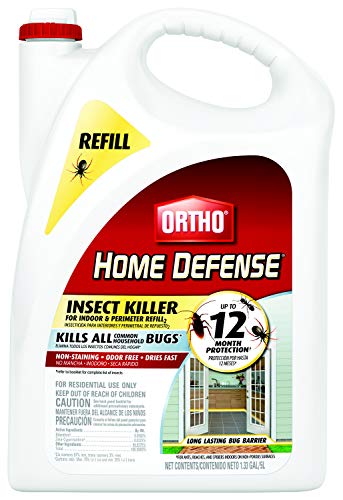
Ortho Home Defense Insect Killer for Indoor...
Type:Perimeter spray
Size:1.33 gallon
Use:Indoor and Perimeter
Targets:Ants,roaches,spiders
This perimeter treatment creates a barrier around your home's interior and exterior foundation.
The 1.33-gallon refill size provides substantial product for treating larger homes or multiple applications throughout the season.
Ortho's formula targets multiple pests including spiders, ants, and roaches, addressing various entry points and food sources that attract spiders.
Apply around door frames, windows, and along foundation walls both inside and outside for comprehensive protection.
Who Should Buy?
Budget-conscious homeowners needing coverage for multiple pest types will appreciate this versatile, affordable option.
Who Should Avoid?
Consider other options if you need pet-safe products or prefer natural alternatives to synthetic insecticides.
Comparison Table: Spider Control Products
| Product | Type | Best For | Pet Safe | Duration |
|---|---|---|---|---|
| Black Flag Spider Killer | Aerosol spray | Fast knockdown | When dry | Immediate |
| RESCUE! Spider Traps | Glue traps | Non-toxic monitoring | Yes | Until full |
| Miss Muffet's Revenge | Residual spray | Long-term barrier | When dry | Up to 12 months |
| HARRIS Diatomaceous Earth | Powder | Natural treatment | Yes | Until wet |
| Ortho Home Defense | Perimeter spray | Multi-pest barrier | When dry | Seasonal |
When to Call a Professional?
Most woodlouse spider situations can be handled with DIY methods and the products recommended above.
However, professional help becomes necessary in certain circumstances.
Consider professional help if: You're unsure about spider identification and suspect dangerous species, DIY methods haven't resolved the problem after 4-6 weeks, you have large spider populations throughout your home, or family members have spider phobia requiring complete elimination.
Professional pest control costs typically range from $150-500 for initial treatment, with quarterly maintenance plans averaging $75-150 per visit.
Frequently Asked Questions
What are woodlouse spiders?
Woodlouse spiders (Dysdera crocata) are medium-sized hunting spiders with large reddish-brown jaws and cream-colored abdomens, named for their specialized diet of woodlice.
Are woodlouse spiders dangerous?
Woodlouse spiders are not dangerous to humans. While they can bite if provoked, their venom is not medically significant and symptoms are typically mild, similar to a bee sting.
Do woodlouse spiders bite?
Woodlouse spiders rarely bite humans and typically only do so when trapped against skin or handled roughly. Their large jaws evolved for crushing woodlice, not for defensive biting.
What do woodlouse spiders look like?
Woodlouse spiders have reddish-brown legs and front body, cream-colored abdomens, six eyes in a tight oval pattern, and disproportionately large forward-projecting jaws.
Where are woodlouse spiders found?
Woodlouse spiders are found in dark, damp environments including under rocks and logs, in basements, crawlspaces, ground-floor bathrooms, and anywhere woodlice are present.
What do woodlouse spiders eat?
Woodlouse spiders specialize in eating woodlice (pill bugs, roly polies), which make up nearly their entire diet. Their powerful jaws evolved specifically to pierce woodlice armored shells.
How do you get rid of woodlouse spiders?
Control woodlouse spiders by reducing moisture, sealing entry points, removing clutter, using residual sprays or traps, and addressing the underlying woodlice problem that attracts them.
Are woodlouse spiders poisonous?
Woodlouse spiders are venomous like most spiders, but their venom is not dangerous to humans. They possess venom to subdue their woodlice prey, not to harm people.
Do woodlouse spiders spin webs?
No, woodlouse spiders do not spin webs to catch prey. They are active hunters that seek out and capture woodlice directly using their powerful jaws.
Should I kill woodlouse spiders?
Killing woodlouse spiders is not necessary. They are beneficial predators that help control woodlice populations and pose minimal danger to humans. Relocating them outdoors is often the best approach.
Final Recommendations
After working with dozens of homeowners facing woodlouse spider concerns, I've found that an integrated approach works best.
Start with identification and exclusion: seal cracks, reduce moisture, and remove clutter to make your home less attractive to both spiders and their prey.
For active spider problems, combine RESCUE! traps for monitoring with either Miss Muffet's Revenge for long-term barriers or Black Flag for immediate knockdown.
Remember that woodlouse spiders are beneficial predators that help control woodlice populations, so complete elimination isn't always necessary or desirable.
Focus on prevention and management rather than eradication, and you'll achieve better long-term results with fewer chemicals.