Bristle worms represent one of the most misunderstood creatures in marine aquariums. With over 8,000 named polychaete species discovered and countless more awaiting classification, these segmented marine worms play crucial roles in ocean ecosystems worldwide. Whether you're dealing with an unexpected visitor in your reef tank or studying marine biology, understanding bristle worms helps you make informed decisions about their presence in aquatic environments.
According to the Smithsonian Magazine, bristle worms have thrived in Earth's oceans for over 500 million years, demonstrating remarkable adaptability from shallow coastal waters to the deepest ocean trenches. Their evolutionary success story includes fascinating regeneration abilities that modern science studies for potential medical applications. In 2026, researchers continue discovering new species, particularly in extreme environments like hydrothermal vents where these resilient creatures flourish in conditions that would destroy most marine life.
This comprehensive guide explores everything you need to know about bristle worms, from basic identification to advanced management strategies. We'll examine the scientific classification that helps distinguish beneficial species from potentially harmful ones, provide practical removal techniques when necessary, and explain why many bristle worms actually benefit your aquarium's ecosystem. Whether you're a seasoned reef keeper or new to marine aquariums, this guide provides the knowledge needed to confidently manage bristle worm encounters.
What Are Bristle Worms? Understanding Polychaete Biology
Bristle worms belong to the class Polychaeta, meaning "many bristles" in Greek, which accurately describes their most distinctive feature. These marine annelids possess numerous hair-like structures called chaetae protruding from paddle-like appendages known as parapodia along their segmented bodies. Each body segment contains a pair of parapodia that serve multiple functions including locomotion, respiration, and in some species, defense mechanisms.
The anatomy of bristle worms showcases remarkable evolutionary adaptation. Their segmented structure allows incredible flexibility and regeneration capabilities - many species can regrow entire body sections if damaged or severed. The head region typically features sensory organs including eyes, antennae, and palps that help detect food and navigate their environment. Some species possess powerful jaws capable of capturing prey, while others have specialized feeding structures for filter feeding or scavenging organic matter.
Bristle worms exhibit extraordinary diversity in size, ranging from microscopic species measuring just millimeters to giant specimens exceeding three meters in length. The Monterey Bay Aquarium Research Institute (MBARI) continues documenting deep-sea polychaetes that challenge our understanding of marine biodiversity. Their research reveals species adapted to extreme pressures, temperatures, and chemical environments that push the boundaries of what we consider habitable conditions.
Most bristle worms function as detritivores, consuming dead organic matter, leftover food, and waste products that would otherwise decompose and pollute aquarium water. This cleaning service makes them valuable members of marine ecosystems, both natural and artificial. Their nocturnal behavior means aquarium owners often remain unaware of their presence until spotting them during nighttime observations or when populations grow large enough for daytime sightings.
Comprehensive Identification Guide: Recognizing Different Bristle Worm Species
Accurate identification of bristle worms requires careful observation of several key characteristics. Body coloration provides the first identification clue, with species displaying various shades including pink, orange, red, gray, brown, or iridescent patterns. The arrangement and appearance of bristles offer critical identification markers - beneficial species typically have uniform, fine bristles, while potentially harmful species like fireworms possess hollow, venom-filled bristles that appear more pronounced and often display warning coloration.
Size and body proportions help narrow identification further. Common beneficial bristle worms in aquariums rarely exceed 6 inches in length and maintain relatively thin body profiles. Larger specimens or those with unusually thick bodies may indicate different species requiring closer examination. The head structure provides definitive identification features - examine the number and arrangement of antennae, presence or absence of eyes, and jaw configuration when visible.
Behavioral patterns offer additional identification clues that complement physical characteristics. Beneficial scavenger species typically flee when exposed to light, rapidly retreating into rock crevices or substrate. Predatory species may display more aggressive behavior, remaining exposed longer or investigating disturbances rather than immediately hiding. Observing feeding behavior helps confirm identification - scavengers consume detritus and leftover food, while predators actively hunt small invertebrates or even fish.
Movement patterns distinguish different bristle worm groups effectively. Most aquarium bristle worms exhibit undulating swimming motions when moving through open water, using their parapodia like tiny oars. Some species demonstrate remarkable speed and agility, while others move more deliberately. Burrowing species create distinctive trails in sand substrates, and their tunneling behavior differs from surface-dwelling varieties that prefer rock crevices and coral structures.
Types and Classification: Understanding Bristle Worm Diversity
The scientific classification of bristle worms reveals incredible diversity within the class Polychaeta. Marine biologists divide polychaetes into two main groups: Errantia (free-moving) and Sedentaria (sedentary or tube-dwelling), though recent molecular studies suggest more complex evolutionary relationships. Understanding these classifications helps aquarists identify which species inhabit their tanks and predict their ecological roles.
Errant polychaetes represent the mobile bristle worms commonly encountered in aquariums. This group includes the family Syllidae, tiny worms often arriving as hitchhikers on live rock, and Nereidae, larger swimming worms sometimes called ragworms. The notorious fireworms belong to the family Amphinomidae within this group, distinguished by their painful defensive bristles. Most errant species actively patrol reef tanks at night, consuming detritus and maintaining ecological balance.
Sedentary polychaetes construct tubes or burrows where they spend most of their lives. Feather duster worms (Sabellidae) and Christmas tree worms (Serpulidae) represent popular ornamental species from this group. While these filter feeders differ dramatically in appearance from typical bristle worms, they share the fundamental polychaete body plan. Their modified parapodia form elaborate feeding crowns that capture suspended particles from water currents.
Within reef aquariums, several bristle worm families commonly appear. Eunicidae includes both beneficial scavengers and the occasionally problematic bobbit worm. Phyllodocidae members, known as paddle worms, actively hunt small prey but rarely threaten fish or corals. Cirratulidae species, called hair worms, extend numerous thin tentacles from their burrows to collect organic particles. Each family occupies specific ecological niches that contribute to overall tank health when properly balanced.
Recent deep-sea expeditions continue discovering extraordinary bristle worm diversity. The Smithsonian Ocean Portal reports that expert taxonomists estimate thousands of undescribed species await discovery, particularly in unexplored ocean regions. These discoveries reveal adaptations including bioluminescence, extreme temperature tolerance, and chemosynthetic partnerships with bacteria that challenge traditional classification systems.
Beneficial vs Harmful Species: Making Informed Decisions
Understanding which bristle worms benefit your aquarium versus those requiring removal prevents unnecessary intervention that could disrupt ecological balance. Most bristle worms encountered in marine aquariums provide valuable cleaning services, consuming detritus, uneaten food, and dying organisms before they decompose and compromise water quality. These beneficial species typically remain hidden during daylight, emerging at night to perform their janitorial duties without bothering tank inhabitants.
Common beneficial bristle worms include small pink or gray species from the families Syllidae and Nereidae that rarely exceed 4 inches in length. These scavengers process organic waste efficiently, reducing nutrient loads that fuel unwanted algae growth. Their burrowing activities aerate substrate, preventing anaerobic zones where harmful bacteria proliferate. Studies indicate healthy bristle worm populations correlate with improved water quality parameters and reduced maintenance requirements in established reef systems.
Potentially problematic species require careful consideration rather than automatic removal. Fireworms (Hermodice carunculata) possess venomous bristles causing painful stings, but they primarily scavenge like their harmless relatives. Large eunicid worms, including the infamous bobbit worm, actively prey on fish and mobile invertebrates but remain relatively rare in aquarium settings. Even these predatory species play ecological roles in their natural habitats, though their presence in confined aquarium spaces often necessitates removal.
Population explosions sometimes occur when excess nutrients provide abundant food for bristle worms. While alarming, these blooms typically indicate underlying husbandry issues rather than bristle worm problems. Overfeeding, inadequate filtration, or accumulating detritus creates conditions favoring rapid reproduction. Addressing root causes through improved maintenance practices naturally reduces bristle worm numbers without eliminating beneficial populations entirely.
The decision to remove bristle worms should consider their actual impact rather than aesthetic preferences or unfounded fears. Beneficial species consuming detritus and aerating substrate provide services worth preserving. Only when bristle worms demonstrably harm tank inhabitants, such as consuming coral tissue or attacking fish, does removal become necessary. Even then, targeted removal of problem individuals often proves more effective than attempting complete eradication.
Safe Removal Methods: Techniques and Best Practices
When bristle worm removal becomes necessary, several safe and effective methods minimize risk to both aquarist and aquarium inhabitants. Physical removal using long aquarium tweezers or tongs provides immediate results for visible specimens. This method works best during nighttime when bristle worms actively forage. Red light illumination helps observe without triggering their escape response, allowing easier capture. Always wear protective gloves and avoid direct contact, as even non-venomous species can cause skin irritation.
Trapping offers a passive removal approach that captures multiple bristle worms without constant monitoring. Commercial bristle worm traps feature one-way entrances that allow worms to enter but prevent escape. Homemade traps using plastic bottles with small entrance holes and bait work equally well. Place traps near known bristle worm hiding spots before lights out, using meaty foods like shrimp or fish as bait. Check and empty traps each morning, repeating until population levels decrease satisfactorily.
Natural predation provides biological control for bristle worm populations. Several fish species actively hunt bristle worms, including arrow crabs, coral banded shrimp, and certain wrasse species like the six-line wrasse. However, these predators may also consume beneficial invertebrates or display aggressive behavior toward tank mates. Research compatibility carefully before introducing biological controls, ensuring they suit your specific aquarium community and long-term goals.
Chemical treatments targeting bristle worms exist but carry significant risks to other invertebrates and beneficial bacteria. These methods should remain absolute last resorts when other approaches fail. If considering chemical treatments, remove sensitive corals and invertebrates to separate holding tanks, closely monitor water parameters, and prepare for potential tank cycling disruption. Most experienced aquarists recommend avoiding chemical treatments entirely, focusing instead on addressing underlying causes of bristle worm proliferation.
Prevention through proper tank maintenance proves more effective than reactive removal efforts. Regular substrate vacuuming removes accumulated detritus that feeds bristle worm populations. Controlling feeding amounts ensures minimal excess food reaches scavengers. Maintaining appropriate bioload prevents waste accumulation that supports population explosions. These preventive measures create balanced ecosystems where bristle worm populations remain manageable without intervention.
Prevention Strategies: Maintaining Balanced Populations
Preventing excessive bristle worm populations begins with understanding why these opportunistic feeders proliferate in certain conditions. Overfeeding remains the primary driver of population explosions, as excess food provides abundant resources for rapid reproduction. Implementing controlled feeding schedules where fish consume all food within 2-3 minutes significantly reduces available nutrients for scavenger populations. Consider using feeding rings or target feeding techniques that minimize food dispersion throughout the tank.
Quarantine procedures for new additions prevent introducing unwanted bristle worm species while preserving beneficial populations already established. Inspect live rock thoroughly before adding it to display tanks, examining crevices where bristle worms commonly hide. Brief freshwater dips can encourage hidden worms to emerge without harming beneficial bacteria or coralline algae. For particularly valuable or sensitive additions, extended quarantine periods allow observation and selective removal of any problematic species before introduction to main systems.
Substrate management plays a crucial role in controlling bristle worm habitat and food availability. Deep sand beds provide extensive burrowing space and can harbor large populations if organic matter accumulates. Regular substrate stirring or vacuuming removes detritus before it becomes food for growing populations. Consider sand-sifting gobies or conches that naturally process substrate, competing with bristle worms for resources while providing additional biological activity.
Water quality optimization creates conditions favoring diverse, balanced ecosystems rather than boom-bust cycles of single species. Maintaining stable parameters including temperature, salinity, and pH reduces stress on all inhabitants while promoting natural population regulation. Efficient protein skimming removes dissolved organics before they contribute to detritus accumulation. Regular water changes export nutrients and replenish trace elements essential for coral health and natural biological processes.
Monitoring and early intervention prevent minor bristle worm presence from becoming problematic infestations. Regular nighttime observations using red light reveal population levels and species composition. Document changes over time, noting correlations with feeding changes, new additions, or maintenance modifications. When populations begin increasing, evaluate and adjust husbandry practices before considering removal. This proactive approach maintains ecological balance while preventing the need for drastic interventions.
Bristle Worms in Marine Ecosystems: Ecological Importance
The ecological significance of bristle worms extends far beyond their role as aquarium cleaners. In natural marine environments, these polychaetes form critical links in food webs, serving as prey for numerous fish species, crustaceans, and even seabirds. Their bioturbation activities - burrowing and sediment processing - oxygenate seafloor sediments and facilitate nutrient cycling essential for marine productivity. The Chesapeake Bay Program recognizes certain bristle worm species as environmental indicators, with their presence or absence reflecting ecosystem health.
Scientific research increasingly focuses on bristle worm regeneration capabilities for biomedical applications. According to National Geographic, researchers study how certain species regrow entire body sections, hoping to unlock regenerative medicine secrets. Some polychaetes regenerate complete heads including complex neural structures, abilities that could revolutionize treatment for human spinal cord injuries and neurodegenerative diseases. This research exemplifies how understanding marine biodiversity directly benefits human health and technology.
Deep-sea bristle worms demonstrate extraordinary adaptations that expand our understanding of life's possibilities. Species thriving near hydrothermal vents withstand temperatures exceeding 80°C, while others survive in near-freezing polar waters. Some harbor chemosynthetic bacteria that convert chemical energy into nutrients, supporting entire communities independent of sunlight. MBARI's ongoing research reveals how these adaptations might inform biotechnology development and even astrobiology studies searching for life in extreme extraterrestrial environments.
Climate change impacts on bristle worm populations provide early warning signals for broader ecosystem changes. Temperature fluctuations and ocean acidification affect polychaete reproduction and survival rates, cascading through marine food webs. Monitoring bristle worm diversity and abundance helps scientists track ecosystem responses to environmental changes. Their relatively short generation times make them valuable indicators for assessing both negative impacts and ecosystem recovery following conservation efforts.
Biomimicry applications inspired by bristle worm adaptations continue emerging across various industries. Engineers study their segmented locomotion for soft robotics development, creating machines capable of navigating complex environments. Their bristle structures inspire new materials with selective adhesion properties useful in medical devices and manufacturing. Even their efficient filter-feeding mechanisms inform water treatment technology design, demonstrating how nature's solutions developed over millions of years can address modern challenges.
Modern Aquarium Technology and Bristle Worm Management
Advances in aquarium technology provide new tools for managing bristle worm populations while maintaining system balance. Automated feeding systems deliver precise food quantities at scheduled intervals, eliminating overfeeding that fuels population explosions. These programmable devices ensure consistent nutrition for display animals without creating excess resources for scavenger proliferation. Smart feeders with portion control and feeding verification through connected apps allow remote monitoring and adjustment based on observed bristle worm activity.
LED lighting systems with customizable spectrums and moonlight modes facilitate natural bristle worm observation without disrupting their behavior. Programmable controllers simulate natural photoperiods including lunar cycles that influence reproductive patterns. Red spectrum settings enable nighttime viewing when bristle worms emerge, helping aquarists assess populations and identify species without triggering escape responses. This technology transforms bristle worm monitoring from disruptive flashlight searches to systematic observation programs.
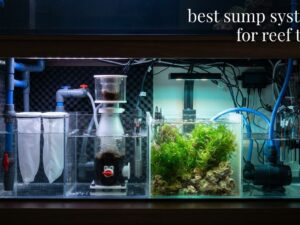
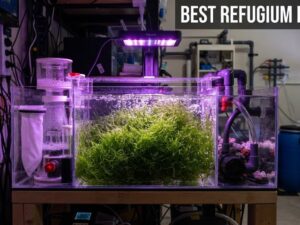
Refugium systems provide controlled environments where beneficial bristle worm populations thrive without impacting display tanks. These separate chambers connected to main systems allow bristle worms to process detritus and excess nutrients while protecting sensitive corals and fish. Chaetomorpha algae grown in refugiums competes for nutrients while providing habitat for small bristle worms that serve as live food for fish and corals. This approach harnesses bristle worm benefits while maintaining aesthetic preferences in display areas.
Advanced filtration technologies including tunable protein skimmers and mechanical filters reduce organic accumulation that supports excessive bristle worm growth. Modern skimmers with precise adjustment capabilities remove dissolved organics before they contribute to detritus formation. Automatic filter roll systems continuously remove particulate matter, reducing settlement in areas where bristle worms congregate. These technologies address root causes of population imbalances rather than treating symptoms through repeated removal efforts.
Digital monitoring and automation systems track parameters influencing bristle worm populations, enabling predictive management strategies. Sensors measuring oxidation-reduction potential (ORP) indicate organic load changes that precede population shifts. Automated dosing systems maintain stable chemistry that supports diverse ecosystems resistant to single-species dominance. Integration with aquarium management apps allows tracking correlations between husbandry practices and bristle worm observations, building knowledge bases for optimized long-term management.
Scientific Research and Future Discoveries
Current research into bristle worm biology continues revealing surprising discoveries with practical applications. Scientists at major marine research institutions study polychaete nervous systems, finding unexpected complexity in creatures once considered simple. These investigations reveal distributed neural networks enabling sophisticated behaviors and rapid regeneration of neural tissue. Understanding these mechanisms could lead to breakthroughs in treating human neurological conditions and developing neural interface technologies.
Genomic studies of bristle worms uncover evolutionary secrets spanning 500 million years. Researchers sequence DNA from diverse species, mapping relationships and identifying genes responsible for extraordinary adaptations. This genetic information reveals how bristle worms survived mass extinctions and adapted to extreme environments. Comparative genomics between species with different regenerative capabilities identifies key genetic switches that might be activated in other organisms, including humans, to enhance healing and tissue repair.
Environmental monitoring programs increasingly incorporate bristle worm assessments as pollution and climate change indicators. Certain species accumulate heavy metals and toxins in their tissues, serving as biological sensors for environmental contamination. Changes in bristle worm community composition signal ecosystem stress before other indicators become apparent. This early warning capability makes them valuable for marine conservation efforts and environmental impact assessments.
Biotechnology applications derived from bristle worm research continue expanding into unexpected fields. Their adhesive secretions inspire underwater glues functioning in wet conditions where traditional adhesives fail. Structural proteins from their bristles inform development of new composite materials combining flexibility with strength. Even their digestive enzymes that break down complex organic matter interest researchers developing waste treatment and recycling technologies.
Future discoveries promise to further highlight bristle worm importance in marine science and technology. Deep-sea exploration using advanced submersibles and sampling techniques reveals new species weekly, each potentially harboring unique adaptations valuable for human applications. As climate change drives species migrations and ecosystem shifts, understanding bristle worm responses helps predict and mitigate impacts on marine resources essential for human survival. Their study connects seemingly disparate fields from medicine to materials science, demonstrating how basic marine biology research yields unexpected benefits across disciplines.
Frequently Asked Questions About Bristle Worms
Are bristle worms dangerous to humans?
Most bristle worms pose minimal danger to humans, though certain species require careful handling. Common aquarium bristle worms may cause minor skin irritation if handled directly, similar to fiberglass exposure. Fireworms possess venomous bristles causing painful stings comparable to bee stings, with effects including burning sensations, swelling, and occasional nausea. Always use tools like long tweezers or wear thick gloves when handling any bristle worm. If stung, remove visible bristles with tape, apply vinegar or isopropyl alcohol, and seek medical attention for severe reactions or persistent symptoms.
How do bristle worms get into aquariums?
Bristle worms typically enter aquariums as hitchhikers on live rock, coral fragments, or other marine additions. Their small size and cryptic behavior allow them to remain hidden during inspection. Eggs and larvae can arrive in water from coral suppliers or fish stores. Once introduced, they reproduce rapidly under favorable conditions. This introduction method means most reef aquariums eventually host bristle worm populations regardless of prevention efforts. Rather than attempting complete prevention, focus on managing populations through proper husbandry practices.
What do bristle worms eat in aquariums?
Bristle worms primarily consume detritus, dead organisms, and uneaten fish food in aquarium environments. They process organic waste that would otherwise decompose and degrade water quality. Some species supplement their diet with algae, bacteria films, and microscopic organisms. Larger predatory species may hunt small invertebrates, though these remain uncommon in typical aquarium settings. Their varied diet makes them effective members of the cleanup crew, though excess food availability can trigger population explosions requiring management intervention.
How fast do bristle worms reproduce?
Bristle worm reproduction rates vary significantly between species and environmental conditions. Under optimal conditions with abundant food, some species produce new generations within 2-3 months. Many species reproduce through epitoky, where specialized reproductive segments break off and swarm to release gametes. Others reproduce asexually through fragmentation, with broken segments regenerating into complete worms. Temperature, food availability, and photoperiod influence reproductive timing and success. Population explosions typically indicate excessive nutrients rather than unusual reproductive behavior.
Should I remove all bristle worms from my tank?
Complete bristle worm removal is neither necessary nor beneficial for most aquarium systems. Beneficial species provide valuable services including detritus removal, substrate aeration, and nutrient cycling. Attempting total eradication often disrupts ecological balance and can harm beneficial invertebrates. Instead, focus on maintaining balanced populations through proper feeding, regular maintenance, and targeted removal of problem individuals. Only consider aggressive removal when specific species demonstrably harm tank inhabitants or when populations reach levels indicating underlying husbandry issues.
What fish eat bristle worms naturally?
Several fish species naturally prey on bristle worms, providing biological population control. Six-line wrasses actively hunt small bristle worms throughout rock work. Arrow crabs and coral banded shrimp capture bristle worms with their pincers. Certain dottyback species and hawkfish consume small worms when encountered. However, these predators may also eat beneficial invertebrates or display aggression toward tank mates. Research compatibility thoroughly before adding bristle worm predators, ensuring they suit your specific aquarium community and won't create additional problems.
How can I observe bristle worms without disturbing them?
Observing bristle worms requires patience and proper lighting techniques. Use red LED lights or cover flashlights with red film, as bristle worms cannot detect red wavelengths effectively. Begin observations 1-2 hours after main lights extinguish when bristle worms emerge to forage. Avoid sudden movements or vibrations that trigger escape responses. Consider installing moonlight LEDs for regular observation without disruption. Document sightings including size, coloration, and behavior to track population changes and identify different species in your system.
Do bristle worms harm corals?
Most bristle worms do not harm healthy corals, instead consuming dead tissue and detritus around coral bases. However, they may irritate corals through physical contact, causing polyps to retract temporarily. Large populations competing for space can stress corals indirectly. Rare predatory species might consume coral tissue, though these typically target already damaged or dying colonies. If you observe bristle worms consistently on coral tissue, investigate underlying coral health issues rather than assuming bristle worm predation. Healthy corals rarely fall victim to common aquarium bristle worms.
Conclusion: Embracing Bristle Worms as Part of Marine Ecosystems
Understanding bristle worms transforms them from feared pests into appreciated ecosystem contributors. These remarkable polychaetes, with their 500-million-year evolutionary history, demonstrate nature's incredible adaptability and resilience. Whether managing populations in home aquariums or studying their roles in ocean ecosystems, bristle worms deserve respect for their ecological importance and scientific value. As we continue discovering new species and applications for their unique adaptations, bristle worms remind us that even seemingly simple creatures harbor complexities worth preserving and studying.
The key to successful bristle worm management lies not in eradication but in understanding and balance. By recognizing beneficial species, addressing root causes of population imbalances, and implementing preventive maintenance strategies, aquarists can harness bristle worm benefits while maintaining aesthetic preferences. Modern technology and improved understanding of marine ecology provide tools for achieving this balance without harsh interventions that disrupt entire ecosystems.
As marine science advances in 2026, bristle worms continue contributing to human knowledge and technology development. From regenerative medicine research to environmental monitoring applications, these diverse polychaetes offer insights extending far beyond aquarium management. Supporting research institutions studying bristle worms and sharing observations from home aquariums contributes to broader scientific understanding that benefits both marine conservation and human innovation. The next time you spot a bristle worm in your aquarium, remember you're observing a survivor from before the age of dinosaurs, a creature whose secrets we're only beginning to unlock.