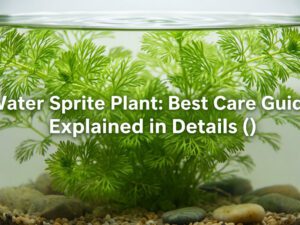
Lysimachia nummularia 'Aurea', commonly known as Golden Creeping Jenny or Moneywort, is a vibrant perennial plant prized for its chartreuse to golden-yellow foliage. This versatile ground cover native to Europe and Asia has become a favorite among both gardeners and aquarium enthusiasts for its trailing growth habit and adaptability to various growing conditions.
Whether you are looking to brighten a shady garden corner, create a stunning container display, or add a unique stem plant to your aquarium, understanding the proper care requirements for this fast-spreading perennial is essential. This guide covers everything you need to know about Aurea plant care, from its botanical characteristics to propagation methods and potential challenges.
Before adding Golden Creeping Jenny to your garden or tank, it is important to note that this plant is classified as invasive in many regions. Proper containment and responsible growing practices are necessary to prevent it from escaping into natural waterways and local ecosystems.
Species Summary
| Scientific Name: | Lysimachia nummularia 'Aurea' |
| Common Names: | Golden Creeping Jenny, Moneywort, Twopenny Grass |
| Family: | Primulaceae |
| Origin: | Europe, western Asia, and northern Africa |
| USDA Hardiness Zones: | 3-9 |
| Height: | 2-4 inches (ground cover), up to 12 inches in aquariums |
| Habitat: | Damp meadows, riverbanks, pond edges, wetlands |
| Water Temperature: | 18-25°C (64-77°F) for aquariums |
| pH Range: | 6.0-7.5 |
| Light Requirements: | Moderate to high (full sun to partial shade) |
| Propagation: | Rhizome division, stem cuttings |
Lysimachia nummularia 'Aurea' is a cultivated variety of the standard green Creeping Jenny, distinguished by its bright golden-yellow to chartreuse foliage. The species name "nummularia" derives from the Latin word for coin, referencing the plant's distinctive round, coin-shaped leaves. This cultivar was selected specifically for its vibrant foliage color that provides stunning contrast in garden beds and aquariums alike.
In its natural habitat, this plant thrives in moist, marshy areas including wet meadows, ditches, and along stream banks. Its preference for consistently damp conditions makes it an excellent choice for bog gardens, pond margins, and water features. When adapted to aquariums, it performs best as a stem plant in cool water conditions with adequate lighting and nutrient supplementation.
What Does Aurea Plant Look Like
The Aurea cultivar displays striking bright yellow to chartreuse foliage that instantly draws attention in any setting. The leaves are small, round, and coin-shaped, measuring approximately 0.5 to 1 inch in diameter, arranged in opposite pairs along trailing stems that can reach lengths of 12 to 24 inches.
The plant produces small, bright yellow flowers with five petals that bloom from late spring through early summer. These cheerful blossoms appear singly in the leaf axils along the stems, creating a carpet of color when the plant is grown as ground cover. When cultivated underwater in aquariums, flowering is rare but may occur if the plant reaches the surface or is grown in emersed conditions.
Stems are slender and creeping, rooting at the nodes wherever they contact moist soil or substrate. This rooting habit allows the plant to spread rapidly and form dense mats. In garden settings, the trailing growth makes it an excellent "spiller" plant for containers and hanging baskets, cascading gracefully over edges.
Underwater, the leaves may appear slightly smaller and more compact, with the golden color intensifying under strong lighting. The plant maintains its trailing growth pattern in aquariums, making it suitable for midground or background placement depending on tank size.
How Long Does Aurea Plant Live
Golden Creeping Jenny is a hardy perennial that can live for 5 to 10 years or more when provided with proper care and growing conditions. In garden settings, established plants often return reliably year after year, spreading and filling in spaces as they mature. The plant is evergreen in mild climates but may die back to the ground in colder regions, regrowing from the root system when spring arrives.
In aquarium environments, individual stem cuttings typically remain productive for 1 to 3 years before showing signs of decline. Regular propagation through stem cuttings ensures a continuous supply of healthy, vibrant plants. As stems age and become woody or leggy, replacing them with fresh cuttings maintains the visual appeal and vigor of the aquarium display.
With proper winter protection in colder zones, potted specimens can be overwintered indoors or in protected areas, extending their lifespan significantly. Container-grown plants may require division every 2 to 3 years to prevent overcrowding and maintain healthy growth.
Aurea Plant Propagation
Unlike many flowering plants, Lysimachia nummularia 'Aurea' does not reliably propagate from seed. The cultivar rarely produces viable seeds, and seedlings that do appear typically revert to the green form of the parent species. Instead, propagation occurs primarily through vegetative methods including rhizome division and stem cuttings, both of which preserve the golden foliage characteristic of the Aurea variety.
Propagation by Stem Cuttings: This is the most common and reliable method for both garden and aquarium settings. Simply cut a healthy stem section 4 to 6 inches long, ensuring it has several leaf nodes. Remove the lower leaves to expose the nodes, then plant the cutting directly into moist soil or substrate. In aquariums, stem cuttings can be planted directly into the substrate or floated until roots develop. Roots typically emerge within 1 to 2 weeks under favorable conditions.
Propagation by Division: For established garden plants, dig up a clump in spring or early fall and carefully separate the rooted sections. Each division should have adequate roots and several growing stems. Replant immediately at the same depth, water thoroughly, and keep consistently moist until established.
Aquarium Propagation Tips: When planting stem cuttings in aquariums, take care not to crush or damage the delicate stems. Insert cuttings gently into the substrate, burying at least one node to encourage root development. High humidity and good lighting encourage faster rooting. Once established, the plant will produce side shoots that can be trimmed and replanted to expand coverage.
Aurea Plant Trimming And Pruning
Regular trimming keeps Golden Creeping Jenny looking tidy and prevents it from overtaking other plants or garden spaces. In garden settings, prune back vigorous growth in spring to encourage bushier, more compact development. Throughout the growing season, trim trailing stems that extend beyond desired boundaries.
In aquariums, trim stems that become too tall or leggy, cutting just above a leaf node. This encourages the plant to branch and creates a fuller appearance. Remove any yellowing or decaying leaves promptly to prevent them from affecting water quality. Pruned stem tips can be replanted immediately, making maintenance and propagation a simultaneous process.
For container plantings, occasional pinching of growing tips promotes denser, more attractive growth. Trimming also prevents the plant from becoming too woody at the base, which can lead to sparse, unattractive lower sections.
Aurea Plant Size And Growth Rate
Golden Creeping Jenny is a fast-growing plant that can spread aggressively under favorable conditions. As a ground cover, individual stems trail 12 to 24 inches and root at the nodes, creating mats that can spread several feet across within a single growing season. The plant typically reaches only 2 to 4 inches in height when grown as ground cover, making it ideal for edging and filling gaps between taller plants.
In aquariums, growth rates depend heavily on lighting, CO2 availability, and nutrient levels. Under optimal conditions with moderate to high lighting and supplemental CO2, stems can grow 1 to 2 inches per week. Without CO2 injection, growth is considerably slower but still steady. The plant can reach 8 to 12 inches in height when grown vertically in aquariums, though it naturally maintains a trailing habit.
The rapid growth rate makes this plant excellent for quickly establishing coverage in new aquariums or garden beds. However, this same characteristic requires regular monitoring and maintenance to prevent it from becoming invasive or overwhelming slower-growing neighbors.
Emersed vs Submerged Growth Forms
Understanding the difference between emersed and submerged growth is crucial for successfully keeping Golden Creeping Jenny in aquariums and paludariums. Emersed growth refers to plants growing partially or fully above water, while submerged growth describes plants living entirely underwater.
Emersed Growth: When grown emersed, Aurea displays its most vibrant coloration, with bright golden-yellow leaves that are slightly larger and more robust than their underwater counterparts. The plant produces abundant flowers in this form and grows more vigorously. Emersed cultivation is common in nurseries and is ideal for bog gardens, pond margins, and paludariums where the plant can transition between wet and dry areas.
Submerged Growth: Underwater adaptation requires a transition period during which the plant may shed emersed leaves and develop new submerged foliage. Submerged leaves are typically smaller, thinner, and slightly more greenish-yellow than emersed leaves. The plant grows more slowly underwater and rarely flowers, but can thrive indefinitely with proper lighting and nutrients.
When transitioning plants from emersed to submerged conditions, expect some leaf loss and adjustment time. Gradual submersion and stable water parameters minimize stress and encourage successful adaptation.
How Is The Aurea Plant Different From Other Species Of The Family
Lysimachia nummularia 'Aurea' stands out from other members of the Primulaceae family primarily through its distinctive golden-yellow foliage. While the standard green form of Creeping Jenny (Lysimachia nummularia) offers similar growth habits and care requirements, the Aurea cultivar provides dramatically brighter color that creates eye-catching contrast in plantings.
Other popular cultivars include 'Goldilocks', which features more compact growth and slightly paler yellow foliage, and 'Golden Globes', which forms a more mounded, less trailing habit. The standard green form tends to be slightly more vigorous and shade-tolerant than the golden varieties, which require adequate light to maintain their bright coloration.
Compared to other Lysimachia species commonly used in gardens, such as Gooseneck Loosestrife (Lysimachia clethroides) or Fringed Loosestrife (Lysimachia ciliata), Aurea remains much lower growing and more suited to use as ground cover or container spiller. These taller relatives produce upright flower spikes rather than the low, trailing habit characteristic of Creeping Jenny.
Aurea Plant Care Guide
Providing proper care for Lysimachia nummularia 'Aurea' requires understanding its native habitat preferences and adapting them to your specific growing situation. Whether grown as a terrestrial ground cover, pond marginal, or aquarium stem plant, this versatile species responds well to consistent moisture, adequate lighting, and regular nutrient availability.
For aquarium keepers, this plant thrives in cool water temperatures between 18°C and 25°C (64°F to 77°F) with moderate to high lighting and a pH range of 6.0 to 7.5. Gardeners should provide consistently moist, well-draining soil with exposure to full sun or partial shade depending on climate. In hotter regions, afternoon shade helps prevent leaf scorch and maintains vibrant coloration.
Regular fertilization supports the fast growth rate and bright coloration that make this plant desirable. In aquariums, liquid fertilizers and root tabs provide essential nutrients, while garden plantings benefit from compost amendments and occasional feeding during the growing season.
Lighting Requirements
Aurea requires moderate to high lighting to maintain its characteristic golden coloration. In garden settings, full sun produces the brightest yellow foliage, though partial shade is preferable in hot climates to prevent scorching. In shaded conditions, the leaves may turn greener and growth may become leggy as the plant stretches toward light sources.
For aquarium applications, provide moderate to high lighting with full spectrum LEDs or fluorescent fixtures running 10 to 12 hours daily. Without adequate light, the plant loses its golden hue, reverting toward green, and growth becomes sparse and weak. High lighting combined with CO2 injection produces the most compact, colorful growth underwater.
Monitor new growth for color intensity as an indicator of lighting adequacy. Pale, elongated stems suggest insufficient light, while compact, brightly colored new growth indicates proper illumination. Adjust lighting intensity or duration as needed based on plant response.
Water Requirements
Consistent moisture is essential for healthy Golden Creeping Jenny. In garden settings, the plant thrives in boggy conditions and tolerates brief periods of shallow standing water. However, prolonged submersion of the crown in stagnant water can lead to root rot. Well-draining soil that remains consistently damp provides ideal conditions for terrestrial growth.
For aquarium cultivation, maintain water temperature between 18°C and 25°C (64°F to 77°F), with cooler temperatures preferred. The pH should remain between 6.0 and 7.5, though the plant tolerates slightly wider ranges. Water hardness of 3 to 8 dGH (soft to moderately hard) supports optimal growth without causing mineral deficiencies or toxicities.
Regular water changes in aquariums help prevent nutrient depletion and maintain stable parameters. Weekly changes of 25 to 50 percent of the tank volume remove accumulated waste and refresh essential minerals. In garden settings, supplemental watering during dry periods keeps the soil consistently moist and supports continuous growth.
Substrate And Soil
For garden and container plantings, Aurea prefers rich, humus-laden soil that retains moisture while draining well. Heavy clay soils should be amended with compost or peat moss to improve drainage and aeration. Sandy soils benefit from organic matter additions to increase water retention. A slightly acidic to neutral pH between 6.0 and 7.0 produces the best results.
In aquariums, nutrient-rich planted tank substrates such as aqua soil or laterite provide an excellent base. Alternatively, gravel or sand substrates supplemented with root tabs work well for this adaptable plant. The substrate should be at least 2 to 3 inches deep to accommodate the shallow root system and provide anchoring for the trailing stems.
When planting stem cuttings in aquariums, insert them gently into the substrate to a depth of at least one inch, ensuring at least one node is buried to encourage root development. Avoid crushing or damaging the delicate stems during planting, as this can lead to rotting and failed establishment.
Fertilization
The fast growth rate of Golden Creeping Jenny demands regular nutrient supplementation to maintain vigor and coloration. In garden settings, incorporate compost or well-rotted manure into the soil before planting. A balanced slow-release fertilizer applied in spring supports seasonal growth, while liquid feeds every 4 to 6 weeks during the growing season provide additional nutrition.
Aquarium plants require both macro and micronutrients for optimal health. Comprehensive liquid fertilizers dosed according to manufacturer instructions supply nitrogen, phosphorus, potassium, and essential trace elements. Root tabs placed near the base of stem clusters supplement the liquid feeding regime and support robust root development.
CO2 injection significantly enhances growth rate and color intensity in aquariums, though the plant can survive without supplemental carbon. With high lighting and CO2, expect noticeably faster growth and brighter foliage. Without CO2, reduce lighting intensity slightly to prevent algae issues and adjust fertilizer dosing accordingly.
Aurea Plant Tank Size
Golden Creeping Jenny adapts to a wide range of aquarium sizes, from nano tanks to large displays. Minimum recommended tank size is 10 gallons, which provides adequate space for the plant to establish and spread without overwhelming the entire scape. In smaller tanks, frequent trimming keeps growth contained and maintains aesthetic balance.
In larger aquariums, Aurea works well as a midground or background plant, depending on tank height. Its trailing habit allows it to drape over hardscape features or cascade down rocky slopes, creating natural-looking aquascapes. The bright color provides excellent contrast against darker substrates and green plants.
For garden ponds and water features, no minimum size restrictions apply beyond common sense for the scale of your project. The plant works equally well in small container water gardens and large naturalistic ponds, though containment measures are essential to prevent uncontrolled spread in open water systems.
Aurea Plant Tank Mates And Companion Plants
In aquariums, Golden Creeping Jenny pairs well with peaceful community fish that appreciate planted environments. Compatible tank mates include small tetras such as Neon Tetras and cardinal tetras, peaceful bottom dwellers like Corydoras Catfish, and colorful livebearers including Guppies, Platies, and mollies. Harlequin Rasboras also make excellent companions.
Avoid keeping Aurea with large, herbivorous fish that may consume the delicate foliage. Goldfish, Angelfish, Oscars, and many Cichlids will likely damage or destroy the plant. Even Bettas may occasionally nip at soft leaves, though individual temperament varies.
In garden settings, excellent companion plants include hostas, ferns, and other shade-loving perennials for partially shaded beds. In sunnier locations, pair with ornamental grasses, heucheras, and colorful annuals. The trailing habit makes Aurea an ideal "spiller" plant in mixed containers, beautifully complementing upright "thriller" plants and mounding "filler" companions.
Algae And Maintenance
The dense, fast-growing nature of Golden Creeping Jenny helps suppress algae by competing for nutrients and light. However, slow-growing or stressed specimens may accumulate algae on leaf surfaces, particularly in aquariums with imbalanced lighting or excess nutrients. Regular water changes and proper fertilization routines prevent most algae issues.
Maintenance for aquarium specimens includes weekly water changes of 25 to 50 percent, gravel vacuuming to remove debris, and trimming of overgrown stems. In garden settings, remove fallen leaves that may smother the plant and divide crowded clumps every 2 to 3 years to maintain vigor. Consistent monitoring for invasive spread into unwanted areas is essential for responsible cultivation.
Occasional pest issues may include aphids in garden settings, treatable with insecticidal soap or neem oil applications. In aquariums, watch for signs of plant melt during the transition from emersed to submerged growth, and remove affected portions promptly to prevent decay from affecting water quality.
Potential Plant Problems
Golden Creeping Jenny is generally resilient but can experience several common issues. Plant melt, characterized by yellowing, transparent, or dissolving leaves, frequently occurs when transitioning plants from nursery emersed conditions to submerged aquarium environments. This is normal and typically resolves as the plant develops new submerged growth adapted to underwater conditions.
In gardens, rust fungus and leaf spot diseases may develop during periods of high humidity and poor air circulation. These appear as orange pustules or brown spots on foliage. Improve air circulation, avoid overhead watering, and remove affected leaves to manage these issues. Severe infections may require fungicide applications.
Root rot results from poorly drained soil or excessive standing water around the crown. Affected plants wilt despite adequate moisture and may show blackened, mushy roots. Prevent this by ensuring proper drainage and avoiding overwatering. In aquariums, excessive organic waste accumulation can cause similar symptoms.
Nutrient deficiencies manifest as pale or yellowing new growth (nitrogen deficiency), purple-tinged older leaves (phosphorus deficiency), or pinhole spotting (potassium deficiency). Adjust fertilization routines and test water parameters or soil nutrient levels to address these issues.
Advantages Of Having Aurea Plant
Golden Creeping Jenny offers numerous benefits for both garden and aquarium applications. The vibrant golden-yellow foliage provides striking visual contrast against green plants and dark substrates, creating eye-catching displays in any setting. Its fast growth rate quickly establishes coverage, making it ideal for new aquariums or bare garden beds needing immediate visual interest.
As a ground cover, it suppresses weed growth and stabilizes soil, preventing erosion on slopes and banks. The trailing growth habit works beautifully in containers, hanging baskets, and over pond edges, softening hard lines and adding natural appeal. In aquariums, the plant helps filter water by absorbing excess nutrients and provides cover for small fish and shrimp.
The versatility of this plant allows it to thrive in multiple environments including terrestrial gardens, bog filters, pond margins, aquariums, and paludariums. Easy propagation through stem cuttings means a single purchase can eventually fill multiple spaces. The plant is also tolerant of a wide range of conditions, making it suitable for beginners while still rewarding experienced growers.
Disadvantages And Warnings
INVASIVENESS WARNING: Lysimachia nummularia is classified as invasive in multiple states including Connecticut, Massachusetts, New Hampshire, and Vermont, and is considered a noxious weed in several regions. The plant spreads aggressively through rhizomes and self-rooting stems, easily escaping cultivation and displacing native vegetation in natural wetlands and waterways.
Responsible growing practices are essential to prevent ecological harm. Never dispose of plant material in natural waterways, compost piles that may spread to wild areas, or outdoor areas where it can escape. In regions where it is invasive, consider native alternatives or grow strictly in containers with proper containment measures.
Management Challenges: The rapid growth that makes this plant useful also creates maintenance demands. In gardens, it requires vigilant monitoring and regular trimming to prevent overtaking slower-growing neighbors. In aquariums, frequent pruning is necessary to prevent the plant from dominating the scape and blocking light to other plants.
Container-grown specimens need division every 2 to 3 years to prevent overcrowding and declining vigor. The plant can become leggy and woody at the base if not regularly maintained, resulting in sparse, unattractive lower growth. Additionally, the bright foliage requires adequate lighting to maintain its color; shaded specimens revert to green and become leggy.
Frequently Asked Questions
Is Lysimachia nummularia invasive?
Yes, Lysimachia nummularia (Creeping Jenny) is classified as invasive in several northeastern states including Connecticut, Massachusetts, New Hampshire, and Vermont. It spreads aggressively through rhizomes and self-rooting stems, readily escaping gardens and colonizing natural wetlands. Never dispose of plant material in waterways or natural areas. Container growing with proper containment is recommended in regions where it is problematic.
Can Creeping Jenny grow fully submerged in aquariums?
Yes, Creeping Jenny can adapt to fully submerged growth in aquariums, though it requires a transition period. The plant may lose its emersed leaves and develop new submerged foliage better suited to underwater life. Provide moderate to high lighting, cool water temperatures between 18-25°C (64-77°F), and nutrient supplementation for best results. Growth is slower underwater compared to emersed conditions.
How do you propagate Aurea plants?
Aurea (Golden Creeping Jenny) propagates primarily through stem cuttings and rhizome division, not seeds. Take 4-6 inch stem cuttings with several nodes, remove lower leaves, and plant in moist soil or substrate. Roots typically develop within 1-2 weeks. For garden plants, divide established clumps in spring or fall, ensuring each division has adequate roots and stems.
What USDA hardiness zones can grow Creeping Jenny?
Golden Creeping Jenny is hardy in USDA zones 3 through 9, making it suitable for most temperate regions. It is evergreen in mild climates but dies back to the roots in colder zones, regrowing in spring. In zones 3-5, provide mulch protection for winter survival. Container specimens can be overwintered indoors in the coldest regions.
Why is my Creeping Jenny melting in the aquarium?
Plant melt typically occurs during the transition from emersed (above water) to submerged (underwater) growth conditions. The emersed leaves are not adapted to underwater life and will die off as the plant develops new submerged foliage. This is normal. Trim away melting portions, maintain stable water parameters, and provide adequate lighting and nutrients to support new growth.
Does Aurea plant need CO2 in aquariums?
While Aurea can survive without supplemental CO2, it grows significantly better with injection or liquid carbon supplementation. CO2 enhances growth rate, color intensity, and overall plant health, especially under high lighting. Without CO2, growth is slower and lighting should be moderate to prevent algae issues while still maintaining the golden coloration.
Will Creeping Jenny kill other plants?
Creeping Jenny can outcompete slower-growing or less vigorous plants by shading them and consuming available nutrients. Its aggressive spreading habit may overwhelm delicate neighbors in both garden and aquarium settings. Regular trimming and monitoring prevent problems, but the plant requires active management to coexist peacefully with other vegetation.
Conclusion
Lysimachia nummularia 'Aurea' is a versatile and visually striking plant that brings bright golden color to gardens, containers, ponds, and aquariums. Its adaptability across multiple environments and easy propagation make it accessible to beginners, while its rapid growth and vibrant foliage satisfy experienced growers seeking impact and coverage.
Success with Golden Creeping Jenny requires understanding its true nature as a temperate perennial native to Europe and Asia, not a tropical Amazon species. Providing moderate to high lighting, consistent moisture, cool water temperatures for aquariums, and regular maintenance ensures healthy, colorful growth. The plant spreads readily through stem cuttings and rhizomes, making propagation simple but containment essential.
The invasive potential of this plant demands responsible cultivation practices. Never release it into natural waterways, and contain garden plantings to prevent ecological harm. With proper care and mindful management, Aurea remains a rewarding addition to aquatic and terrestrial plantings, offering years of golden beauty to those who appreciate its unique characteristics.