Red Eye Tetras (Moenkhausia sanctaefilomenae) are among the most underrated gems in the aquarium hobby. With their striking silver bodies, bright red eyes, and peaceful disposition, these South American characins have earned a dedicated following among both beginners and experienced aquarists. Also known as the Yellowhead Tetra or Yellowhead Characin, this species hails from the São Francisco, Paraná, Paraguay, and Uruguay river basins in eastern and central South America.
What sets Red Eye Tetras apart from other popular tetra species is their hardiness and adaptability. They tolerate a wider range of water conditions than their delicate cousins like Cardinal Tetras, making them an excellent choice for someone setting up their first community tank. Their schooling behavior creates a mesmerizing display as they move together through the water column, catching light on their metallic scales.
In this comprehensive Red Eye Tetra care guide for 2026, I will cover everything you need to know about keeping these beautiful fish. From tank setup and water parameters to breeding techniques and compatible tank mates, this guide provides the most current information to help your Red Eye Tetras thrive for years to come.
Table of Contents
- Species Summary
- Care Guide
- Tank Size
- Tank Mates
- Water Parameters
- Tetra 100W Submersible Aquarium Heater For...
- Filtration And Water Quality
- Tetra Whisper IQ Power Filter, 175 GPH, with Stay...
- API Freshwater Master Test Kit 800-Test Freshwater...
- Pawfly Aquarium 15-40 GPH Compact Air Pump Quiet...
- Lighting And Aquascaping
- Java Fern and Anubias Aquarium Plant Bundle - Live...
- Red Eye Tetra Food And Diet
- TetraMin Tropical Flakes Fish Food, 2.2 oz
- Tetra BloodWorms Freeze-Dried Fish Food Dietary...
- Hikari Bio-Pure Freeze Dried Brine Shrimp for...
- Potential Fish Diseases
- Advantages Of Having Red Eye Tetra In Your Tank
- Disadvantages Of Having Red Eye Tetra In Your Tank
- Frequently Asked Questions
- Conclusion
Species Summary
Red Eye Tetras belong to the Characidae family and share many characteristics with other popular tetras. However, their unique coloration and hardy nature make them stand out in any freshwater aquarium. The most distinctive feature is their namesake red eye, which contrasts beautifully against their silver body and creates a striking visual effect.
Here are the key specifications for Red Eye Tetras at a glance:
| Scientific Name: | Moenkhausia sanctaefilomenae |
| Common Names: | Red Eye Tetra, Yellowhead Tetra, Yellowhead Characin |
| Family: | Characidae |
| Origin: | South America (Brazil, Paraguay, Uruguay river basins) |
| Average Size: | 2.75 inches (7 cm) |
| Maximum Size: | 3 inches (rare specimens) |
| Lifespan: | 3-5 years average, up to 7 years with excellent care |
| Temperament: | Peaceful, schooling |
| Water Temperature: | 72°F to 82°F (22°C to 28°C) |
| pH Levels: | 6.0 to 7.5 (ideal), tolerates 5.5 to 8.0 |
| Water Hardness: | 4 to 15 dGH (soft to moderately hard) |
| Tank Size Minimum: | 20 gallons for a school of 6 |
| Recommended Group Size: | 6 minimum, 10-15 for best behavior |
| Diet: | Omnivore - flakes, pellets, frozen and live foods |
These fish are true schooling fish that require group living to display their best behaviors. When kept in adequate numbers, they establish a fascinating hierarchy and move through the tank as a coordinated unit. Their torpedo-shaped bodies are built for speed, allowing them to dart quickly when startled.
Red Eye Tetra Lifespan
Understanding the realistic lifespan of Red Eye Tetras helps set proper expectations for your aquarium journey. In captivity, these fish typically live between 3 to 5 years under standard care conditions. This represents the average experience for most aquarists keeping Red Eye Tetras in well-maintained community tanks.
With exceptional care, optimal water parameters, and a stress-free environment, some Red Eye Tetras can reach 5 to 7 years of age. Achieving this maximum lifespan requires dedication to maintaining stable water conditions, providing a varied nutritious diet, and minimizing stress factors that can shorten their lives.
Several factors directly impact how long your Red Eye Tetras will live. Water quality stability matters more than chasing perfect parameters. These fish prefer consistency over fluctuating ideal conditions. Genetics also play a role, with wild-caught specimens sometimes showing different longevity patterns than tank-bred fish. Finally, group dynamics affect lifespan significantly. Fish kept in schools too small often experience chronic stress that reduces their life expectancy.
Red Eye Tetra Size And Growth Rate
Red Eye Tetras reach an average adult size of 2.75 inches (7 cm). While some sources mention 3 inches as a maximum size, this is relatively uncommon and typically only achieved by exceptional specimens under optimal conditions with abundant food and space. For practical planning purposes, expect your fish to reach approximately 2.5 to 2.75 inches at maturity.
The growth timeline for Red Eye Tetras spans several months rather than weeks. Young fry hatch at barely a few millimeters and grow steadily through their first year. By 6 months of age, they reach about half their adult size. Sexual maturity occurs around 9 to 12 months, at which point growth slows considerably. Full adult size is typically achieved by 12 to 18 months of age, though fish may continue filling out and developing richer coloration beyond this point.
Proper nutrition directly affects growth rates and final size. Fish fed only basic flake food may reach smaller adult sizes than those receiving varied diets including frozen and live foods. Water quality and tank size also influence growth, with fish in cramped conditions sometimes exhibiting stunted development compared to those in spacious, well-maintained aquariums.
Red Eye Tetra Appearance
The appearance of Red Eye Tetras is both distinctive and elegant. Their bodies display a silver metallic sheen that reflects light beautifully as they swim through the water. A faint horizontal stripe runs along their flanks, adding subtle definition to their profile. The fins are typically clear or pale, with the dorsal fin sitting slightly taller than the anal fin and the caudal fin distinctly forked.
The most captivating feature is undoubtedly their bright red eyes. This heterochromatic coloration creates a striking contrast against their silver body and gives the species its common name. The eye color intensifies as the fish matures and reaches peak vibrancy in healthy, well-conditioned adults.
Sexual dimorphism in Red Eye Tetras is subtle but noticeable once you know what to look for. Males typically grow slightly larger than females and develop more pronounced fins. During breeding season, males often display more intense coloration and may show a slightly slimmer body profile compared to the rounder females carrying eggs. Females have a fuller, more rounded belly when gravid with eggs.
Red Eye Tetra Behavior And Temperament
Red Eye Tetras are primarily peaceful community fish that generally coexist well with other non-aggressive species. Their schooling nature means they feel safest and display their most natural behaviors when kept in adequate group sizes. A minimum of six individuals is essential, though groups of ten or more produce significantly better results in terms of natural behavior and reduced stress.
Within their school, Red Eye Tetras establish a gentle hierarchy with a dominant male typically leading the group. This hierarchy rarely results in serious aggression but manifests as positioning within the school and mild chasing during feeding times. The social structure adds fascinating dynamics to watch as an observer.
One important behavioral consideration is their shyness during the initial acclimation period. Newly introduced Red Eye Tetras often hide for several days while adjusting to their new environment. Providing plenty of plants and hiding spots helps them establish confidence more quickly. Once settled, they become active mid-water swimmers that boldly explore their territory.
Fin nipping is a behavior sometimes associated with Red Eye Tetras, though this usually occurs only when the fish are kept in insufficient group sizes or with inappropriate tank mates. When maintained in proper schools, fin nipping behavior significantly diminishes. Avoid keeping them with slow-moving, long-finned species like Betta fish or fancy guppies to prevent any temptation for fin nipping.
Red Eye Tetra Breeding
Breeding Red Eye Tetras in the home aquarium is achievable with proper preparation and attention to detail. These egg scatterers typically spawn in groups, though pairs can also be conditioned for breeding. The breeding process involves conditioning the adults, setting up an appropriate spawning environment, and then caring for the resulting fry.
Successful breeding begins with conditioning the parents on high-quality foods. Live or frozen foods like brine shrimp and bloodworms help bring fish into breeding condition. Females will visibly round with eggs over 1-2 weeks of conditioning. Males may display more intense coloration and increased chasing behavior as they prepare to spawn.
The spawning tank should be at least 10 gallons with slightly acidic water (pH 6.0-6.5), temperature around 78-80°F, and very soft water (4-8 dGH). Include plenty of fine-leaved plants or a spawning mop to catch the eggs. Java moss works excellently for this purpose. A layer of mesh or marbles on the bottom can protect eggs from being eaten by the parents.
Spawning typically occurs in the morning hours. Females lay up to 100 eggs, which the males immediately fertilize. Parents should be removed immediately after spawning to prevent egg predation. The eggs hatch within 24-48 hours, and the fry become free-swimming after another 2-3 days.
Fry care requires attention to feeding progression. Newly hatched fry are tiny and need infusoria or powdered fry food for the first week. After 7-10 days, they can transition to baby brine shrimp and microworms. By 3-4 weeks, crushed flake food becomes acceptable. Maintain pristine water quality with frequent small water changes to support their development.
How Are They Different From Other Tetras
Red Eye Tetras occupy a unique niche among popular aquarium tetras. Compared to Neon Tetras and Cardinal Tetras, they are significantly hardier and more adaptable to varying water conditions. While Neons prefer very soft, acidic water and can be sensitive to parameter fluctuations, Red Eye Tetras handle a wider range with less stress.
Size-wise, Red Eye Tetras fall in the middle of the tetra spectrum. They are larger than Ember Tetras and Neon Tetras but smaller than Congo Tetras or Diamond Tetras. This medium size makes them suitable for standard community tanks while still being substantial enough to avoid becoming prey for moderately sized community fish.
Their red eye coloration distinguishes them visually from silver-bodied tetras like the Silvertip Tetra or from the striped tetras like the Serpae Tetra. They lack the neon stripe of Cardinal and Neon Tetras, instead relying on their eye color and metallic body sheen for visual impact. This makes them excellent alternatives for aquarists wanting a different aesthetic while maintaining the schooling behavior tetras are known for.
Care Guide
Proper care for Red Eye Tetras involves creating a stable environment that mimics their natural habitat while accommodating their social needs. This section covers all aspects of their care requirements from tank specifications to equipment recommendations.
Tank Size
Red Eye Tetras need adequate space to display their natural schooling behavior. A 20-gallon aquarium represents the absolute minimum for a group of six fish. This provides just enough swimming room for basic movement but limits the full expression of their social dynamics.
A 30-gallon tank or larger is strongly recommended, especially if you plan to keep more than six individuals or want to include tank mates. Larger groups of 10-15 fish truly shine in 40-gallon setups where they can form impressive shoals without feeling cramped. The additional water volume also provides greater stability for water parameters, reducing the maintenance burden on the aquarist.
These active swimmers utilize the middle and upper portions of the water column. Long tanks provide better usable space than tall, narrow tanks of the same volume. Standard 20-gallon long or 30-gallon breeder dimensions work better than equivalent volumes in cube or column configurations.
Tank Mates
Choosing compatible tank mates for Red Eye Tetras requires balancing their peaceful nature with their active swimming style. Their mid-water activity level means they coexist best with fish that occupy different tank regions or share similar energy levels.
Excellent tank mate choices include other peaceful tetras such as Neon Tetras, Ember Tetras, or Pristella Tetras. These species share similar water requirements and create beautiful multi-species schooling displays. Livebearers like Platies, Mollies, and Swordtails also work well, occupying different tank zones and adding variety.
Bottom-dwelling species make ideal companions since they utilize different tank areas. Corydoras catfish, small loaches, and peaceful dwarf cichlids like Apistogramma coexist beautifully. Dwarf shrimp such as Cherry Shrimp or Amano Shrimp can work in planted tanks, though very tiny shrimp may be viewed as food by adult tetras.
Avoid slow-moving, long-finned fish like Betta fish, fancy Guppies, or Angelfish. The active nature and potential fin-nipping tendencies of Red Eye Tetras make these combinations risky. Similarly, avoid large or aggressive fish that might view tetras as food, including most cichlids larger than three inches.
Water Parameters
Maintaining appropriate water parameters is essential for Red Eye Tetra health and longevity. While they tolerate a wider range than many tetra species, stability matters more than achieving perfect numbers. Frequent small fluctuations cause more harm than maintaining consistent acceptable parameters.
Temperature should remain between 72°F and 82°F, with the ideal range being 75-78°F. Sudden temperature swings stress these fish and compromise their immune systems. A reliable heater maintains steady temperatures even in cooler environments. Consistent monitoring with an aquarium thermometer ensures your heater functions properly.
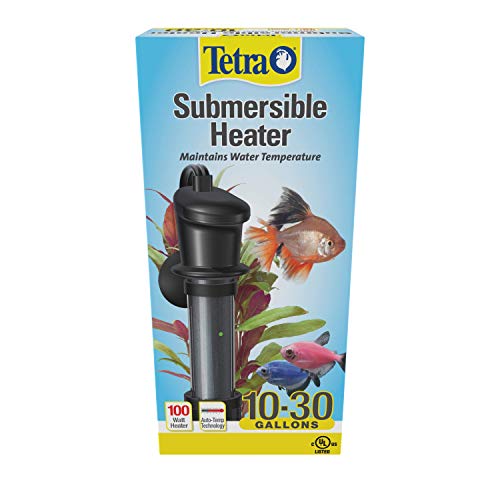
Tetra 100W Submersible Aquarium Heater For...
Electronic thermostat maintains 78°F
Indicator light shows heating status
100-watt for 10-30 gallon tanks
UL Listed for safety
What we like
- Maintains consistent temperature
- Easy to read indicator light
- Secure suction cup mounting
- Affordable price point
What could be better
- Preset temperature not adjustable
- May run slightly warm in small tanks
pH levels between 6.0 and 7.5 represent the ideal range, though Red Eye Tetras can adapt to conditions between 5.5 and 8.0. Avoid attempting rapid pH adjustments, as the fluctuation causes more harm than a slightly suboptimal stable pH. Gradual acclimation when introducing new fish helps them adjust to your specific water chemistry.
Water hardness should stay between 4 and 15 dGH. These fish originate from waters with varying hardness levels, making them adaptable to both soft and moderately hard conditions. Carbonate hardness (KH) between 4 and 8 helps buffer pH stability.
Filtration And Water Quality
Proper filtration keeps water clean and provides the stable environment Red Eye Tetras need. A filter rated for your tank size should provide mechanical, chemical, and biological filtration. Gentle water flow suits these fish best, as they come from slow-moving streams and rivers rather than turbulent waters.
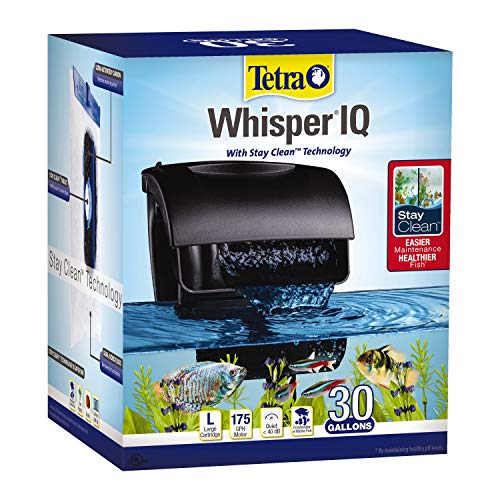
Tetra Whisper IQ Power Filter, 175 GPH, with Stay...
Quiet operation under 40 dB
175 GPH capacity for up to 30 gallons
Self-priming submerged motor
Stay Clean technology maintains pH
What we like
- Extremely quiet operation
- No manual priming needed
- Large filter cartridge capacity
- Maintains stable water chemistry
What could be better
- Replacement cartridges add cost
- Intake may need pre-filter sponge for fry
Ammonia and nitrite levels must remain at zero ppm at all times. These compounds are toxic even at low concentrations. A properly cycled tank with established beneficial bacteria processes these waste products before they reach harmful levels. Never add fish to an uncycled aquarium.
Nitrate levels should stay below 20-40 ppm through regular water changes. Weekly 25-30% water changes typically maintain appropriate nitrate levels for stocked community tanks. Testing your water regularly helps catch problems before they affect fish health.

API Freshwater Master Test Kit 800-Test Freshwater...
Complete 800-test freshwater kit
Tests pH, ammonia, nitrite, nitrate
Liquid tests more accurate than strips
Includes test tubes and color card
What we like
- Highly accurate liquid tests
- 800 tests provide great value
- Essential for cycling new tanks
- Clear color comparison charts
What could be better
- Requires careful technique
- Color interpretation takes practice
Oxygen levels between 6 to 8 ppm support healthy respiration. While filters provide surface agitation for gas exchange, an air pump with airstone adds supplemental oxygenation and creates attractive bubble displays. This is especially beneficial in warmer tanks where oxygen solubility decreases.
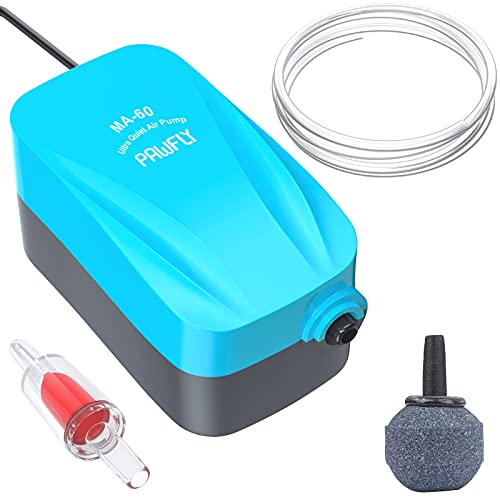
Pawfly Aquarium 15-40 GPH Compact Air Pump Quiet...
Compact 3.3 inch design
30 GPH airflow at 2W power
Quiet under 45 dB operation
Complete kit with accessories
What we like
- Very affordable price
- Quiet operation
- Complete accessory kit included
- Small footprint
What could be better
- Not suitable for large tanks
- Airline tubing could be longer
Lighting And Aquascaping
Red Eye Tetras do not require special lighting beyond standard aquarium illumination. LED fixtures providing between 6500K and 8500K color temperature showcase their metallic bodies and red eyes beautifully. Moderate lighting supports plant growth without encouraging excessive algae.
Creating an appropriate aquascape involves balancing hiding spots with open swimming areas. In their natural habitat, Red Eye Tetras inhabit areas with submerged vegetation, driftwood, and leaf litter while maintaining access to open water for schooling. Replicate this by placing plants and hardscape along the sides and back, leaving the center open.
Plant selections should include both rooted varieties and floating plants. Java Fern, Anubias, and Cryptocoryne provide excellent low-maintenance options that tolerate the water conditions preferred by these fish. Floating plants like Water Sprite or Amazon Frogbit dim the lighting slightly and make tetras feel secure while adding natural beauty.

Java Fern and Anubias Aquarium Plant Bundle - Live...
Low maintenance, low to medium light
No CO2 setup required
Attach to driftwood or rocks
Safe for all aquatic life
What we like
- Extremely easy to care for
- Perfect for beginners
- Versatile placement options
- Natural aquascape look
What could be better
- May arrive with some melting
- Longer establishment period
Red Eye Tetra Food And Diet
Red Eye Tetras are omnivores that accept a wide variety of foods in captivity. A balanced diet combining quality prepared foods with supplemental frozen or live options promotes optimal health, coloration, and breeding condition. Variety prevents nutritional deficiencies and keeps the fish interested in feeding.
High-quality flake foods serve as an excellent dietary staple. Look for formulations designed for tropical community fish that include both plant and animal ingredients. Quality flakes provide balanced nutrition and are readily accepted by Red Eye Tetras. Feed small amounts 2-3 times daily, offering only what the fish can consume within 2-3 minutes.

TetraMin Tropical Flakes Fish Food, 2.2 oz
Nutritionally balanced complete diet
Active Life Formula with antioxidants
Clear-Water Formula won't cloud tank
Feed 2-3 times daily
What we like
- Complete balanced nutrition
- Highly digestible formula
- Won't cloud water
- Trusted brand for decades
What could be better
- May lose freshness if stored improperly
- Not as protein-rich as frozen foods
Frozen and freeze-dried foods make excellent supplements to the staple diet. Bloodworms, brine shrimp, and daphnia provide protein enrichment that enhances coloration and supports breeding condition. These foods closely mimic natural prey items and stimulate the hunting instincts of the fish.

Tetra BloodWorms Freeze-Dried Fish Food Dietary...
Nutritious energy-boosting supplement
For freshwater and saltwater fish
Specially processed for safety
Feed 2-3 times per week
What we like
- Excellent protein source
- Fish love the taste
- Convenient dry storage
- Affordable price
What could be better
- Should be supplement not staple
- Container could be larger
Live foods represent the most natural option and are especially valuable for conditioning fish for breeding. Cultured live foods like brine shrimp, microworms, and vinegar eels provide movement that triggers feeding responses. Ensure live foods come from reputable sources to avoid introducing parasites or diseases to your aquarium.

Hikari Bio-Pure Freeze Dried Brine Shrimp for...
Patented ratcheting dispenser top
Multi-vitamin rich formula
Free of parasites and bacteria
Won't cloud water when used properly
What we like
- Excellent for conditioning fish
- Clean feeding with dispenser
- Vitamin enriched for health
- Trusted by breeders
What could be better
- Higher price per ounce
- Strong odor when opened
Avoid overfeeding, as uneaten food decomposes and degrades water quality. Red Eye Tetras have small stomachs and benefit from multiple small feedings rather than one large meal. Remove any uneaten food after feeding sessions to maintain pristine water conditions.
Potential Fish Diseases
Red Eye Tetras are relatively hardy fish but can succumb to common aquarium diseases when stressed or kept in poor conditions. Prevention through good husbandry proves far more effective than treatment. Quarantine new fish for 2-3 weeks before adding them to your main tank to prevent disease introduction.
Ich (Ichthyophthirius multifiliis) appears as white spots resembling grains of salt across the body and fins. Affected fish may rub against objects and show increased breathing. This parasitic infection responds to elevated temperatures and copper-based medications. Early detection and treatment prevent serious harm.
Velvet disease (Piscinoodinium pillulare) causes a dusty golden or rust-colored coating on the fish. Infected fish often clamp their fins and may swim erratically. Treatment requires copper-based medications or specific anti-parasitic treatments. The disease progresses rapidly and demands immediate attention.
Fin rot manifests as frayed or disintegrating fins with white or red edges. This bacterial infection typically follows physical damage or poor water quality. Clean water conditions and antibacterial medications usually resolve mild cases. Severe infections affecting the body require more aggressive treatment.
Dropsy presents as a bloated appearance with raised scales giving a pinecone-like texture. This symptom indicates internal organ failure rather than a specific disease. Prognosis is generally poor, though antibiotics and excellent water conditions occasionally help if caught very early.
Swim bladder disease causes buoyancy problems, with fish floating at the surface, sinking to the bottom, or swimming at odd angles. Causes include constipation, physical trauma, or bacterial infection. Treatment varies by cause but often includes fasting, feeding peas for constipation, or antibiotics for infections.
Advantages Of Having Red Eye Tetra In Your Tank
Red Eye Tetras offer numerous benefits that make them standout choices for community aquariums. Their combination of hardiness, beauty, and peaceful nature checks many boxes for aquarists seeking rewarding fish-keeping experiences.
- Exceptional Hardiness: Red Eye Tetras tolerate a wider range of water conditions than many popular tetras, making them forgiving for beginners still mastering water chemistry.
- Peaceful Community Nature: Their non-aggressive temperament allows them to coexist with most similarly sized peaceful fish without territorial disputes.
- Stunning Visual Appeal: The combination of metallic silver bodies and bright red eyes creates an eye-catching display, especially when kept in properly sized schools.
- Active Schooling Behavior: Watching a group of Red Eye Tetras move in coordinated patterns provides endless entertainment and showcases natural fish behavior.
- Reasonable Affordability: These fish are widely available at reasonable prices, making it affordable to purchase the school size needed for best behavior.
- Manageable Size: At 2.75 inches, they are substantial enough to avoid predation by medium-sized community fish without requiring massive aquariums.
- Breeding Potential: Home breeding is achievable with basic equipment and preparation, offering the rewarding experience of raising fry.
- Plant Compatibility: Unlike some tetras that nibble plants excessively, Red Eye Tetras generally leave vegetation alone while benefiting from planted aquascapes.
Disadvantages Of Having Red Eye Tetra In Your Tank
- Minimum Group Requirements: The need for at least six individuals increases initial stocking costs and requires larger tanks than single fish would need.
- Potential Fin Nipping: When kept in inadequate group sizes or with inappropriate tank mates, they may nip fins of slow-moving, long-finned fish.
- Jumping Tendencies: Red Eye Tetras are known jumpers and require covered tanks to prevent unfortunate accidents.
- Shyness During Acclimation: New additions often hide for several days when first introduced, which can concern first-time owners expecting immediate activity.
- Not Ideal for Nano Tanks: Their active nature and group requirements rule them out for tanks under 20 gallons, limiting placement options.
- Availability Variations: While generally available, they are less common than Neon Tetras or Cardinal Tetras, requiring more effort to source in some regions.
- Subtle Coloration: Compared to the neon stripes of Cardinal Tetras, their coloration is more subdued and may disappoint aquarists seeking bright colors.
Frequently Asked Questions
Are red eye tetras easy to care for?
Yes, Red Eye Tetras are considered easy to care for and make excellent beginner fish. They tolerate a wide range of water parameters and are more forgiving than sensitive species like Cardinal Tetras. Their hardiness, peaceful nature, and adaptability to various conditions make them ideal for new aquarists learning the fundamentals of fish keeping.
How many red eye tetras should be kept together?
Keep Red Eye Tetras in groups of at least six individuals. This minimum number allows them to establish proper schooling behavior and reduces stress. For the best display of natural behavior and more impressive schooling, aim for 10-15 fish. Larger groups show more confident, active behavior and reduced fin-nipping tendencies.
How long do red eye tetras live?
Red Eye Tetras typically live 3-5 years in home aquariums with standard care. With exceptional water quality, optimal nutrition, and stress-free conditions, they may reach 5-7 years. Factors affecting lifespan include stable water parameters, adequate group size, proper diet, and protection from aggressive tank mates.
Are red eye tetras fin nippers?
Red Eye Tetras can develop fin-nipping behavior when kept in inadequate group sizes or with inappropriate tank mates. This behavior typically disappears when they are maintained in proper schools of six or more. Avoid keeping them with slow-moving, long-finned fish like Bettas or fancy Guppies to prevent temptation for fin nipping.
What is the behavior of the red eye tetra?
Red Eye Tetras are peaceful, active schooling fish that occupy the middle and upper water column. They establish a gentle hierarchy within their group and move in coordinated patterns. During initial acclimation, they may be shy and hide, but become bold explorers once comfortable. They are generally non-aggressive toward other species when kept in appropriate group sizes.
Are red-eyed tetras aggressive?
No, Red Eye Tetras are not aggressive. They are peaceful community fish that get along with most similarly sized non-aggressive species. Mild hierarchy behavior within their own school is normal but rarely escalates to serious aggression. Their peaceful nature makes them excellent choices for community aquariums with compatible tank mates.
Are Red Eye Tetras shy?
Red Eye Tetras can appear shy during the first few days after introduction to a new tank. This is normal acclimation behavior as they assess their new environment for safety. Providing plenty of plants and hiding spots helps them establish confidence faster. Once settled, typically within 3-7 days, they become active and bold swimmers.
Conclusion
Red Eye Tetras represent an outstanding choice for aquarists seeking beautiful, hardy, and engaging community fish. Their striking appearance, combining silver metallic bodies with bright red eyes, adds visual interest to any planted aquarium. When kept in proper schools of six or more, their coordinated swimming behavior creates a captivating display that brings life and movement to the middle and upper water columns.
Success with Red Eye Tetras in 2026 comes down to understanding their fundamental needs. Provide a tank of at least 20 gallons, maintain stable water parameters within their tolerant ranges, and feed a varied diet combining quality flakes with frozen or live supplements. Select compatible tank mates that share their peaceful nature and avoid slow-moving, long-finned species that might trigger fin-nipping behavior.
These adaptable South American characins reward proper care with 3-5 years of aquarium enjoyment, with some individuals living even longer under optimal conditions. Whether you are establishing your first community tank or adding to an existing aquascape, Red Eye Tetras offer a perfect blend of beauty, personality, and manageable care requirements that make them enduring favorites in the aquarium hobby.