Are you looking for an entertaining and low-maintenance addition to your freshwater aquarium? Look no further than the Otocinclus Catfish!
This small, peaceful fish is a great source of entertainment and helps keep your tank clean by eating algae.
With the right care and maintenance, you can have a healthy and happy Otocinclus Catfish in no time.
Table of Contents
Otocinclus Catfish: Species Summary
Otocinclus catfish are small, peaceful fish that are great for cleaning up unwanted algae in the freshwater aquarium. Their diet, tank size, and breeding habits are all important to consider when caring for them.
To find out more, take a look at the table below for an overview of their characteristics.
| Scientific name | Otocinclus Vestitus |
| Common name | Dwarf suckers, otos |
| Family | Loricariidae |
| Origin | South America |
| Habitat | Freshwater streams, rivers |
| Origin | South America |
| Size | 1.5-2 inches |
| Life span | 3 to 5 years |
| Tank size | Around 10 gallons |
| Temperature | 72-79 degrees Fahrenheit |
| pH range | 6.8 to 7.5 |
| Water type | Soft to hard |
| Tank mates | Any small fish |
| Water hardness | Either soft or hard |
| Temperament | Peaceful |
| Care type | Easy |
| Diet | Feed on algae |
| Ease of breeding | Easy to breed in the home aquarium |
Otocinclus Catfish Appearance and Characteristics
You'll find that most Otocinclus varieties are small, with adults rarely exceeding two inches in size. They have a cylindrical body shape that narrows at the caudal fin and head region. A larger mouth suctions onto surfaces, allowing them to feed on algae. They also have a distinctive brown stripe running down their body and rows of armor plating for protection.
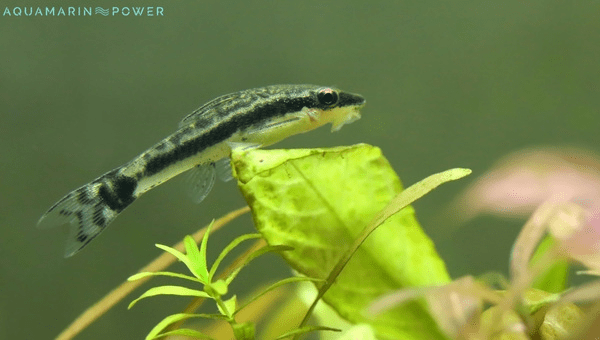
Here's a quick list of common Otocinclus varieties:
- Common Otocinclus
- Zebra Otocinclus
- Dwarf Oto
- Golden Oto
These small fish have a range of features that make them an interesting addition to any tank. Their size and unique behavior make them a great choice for people looking for a peaceful and low-maintenance pet.
Also Read: Redtail Catfish Care Guide: Diet, Breeding & More
Otocinclus Catfish Origin and Distribution
You can find Otocinclus natively throughout South America, particularly in Venezuela and the upper region of Argentina. These small, peaceful catfish thrive in freshwater environments, and they're most commonly found in shallow streams and tributaries.
Otocinclus are an excellent addition to any aquarium, as they help keep algae levels in check while also providing a unique and attractive appearance. They're easy to care for and require minimal maintenance. They're also quite hardy and can adapt to a variety of water conditions. With proper care, these fish can live for up to five years, making them ideal for long-term aquariums.
Otocinclus Catfish Lifespan
With proper care, Otocinclus can live up to five years. Proper nutrition, balanced diet, and a stress-free environment are necessary for a long and healthy life.
To keep your Otos happy and healthy, it's important to monitor water quality, perform regular water changes, and provide plenty of hiding places for them.
Eating algae is their main source of food, but you can also supplement their diet with algae wafers and other kitchen staples. A sandy substrate is highly recommended, as it will help protect their delicate bodies.
Otocinclus Catfish Behavior and Temperament
You'll find that Otos are calm and docile, but can be easily harassed or eaten by larger, aggressive fish, so be sure to provide adequate hiding places. With the right care, they can live up to five years.
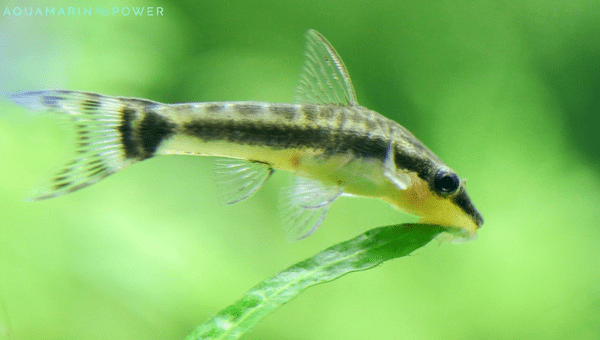
They usually travel in schools, so it's best to have multiple Otos in the same tank. Although they're small, they can swim very quickly and seek refuge when disturbed. Decorations like larger rocks or plants can serve as refuges for tired or stressed Otos.
They also appreciate a balanced diet and regular monitoring. When it comes to tank mates, choose peaceful, non-aggressive fish and invertebrates like freshwater snails or cherry shrimp.
Also Read: Redtail Catfish Care Guide: Diet, Breeding & More
Otocinclus Catfish Care Guide
Caring for Otocinclus catfish is an important part of their long-term health and happiness. Ensuring that their tank size, water quality, and other conditions are optimal is essential.
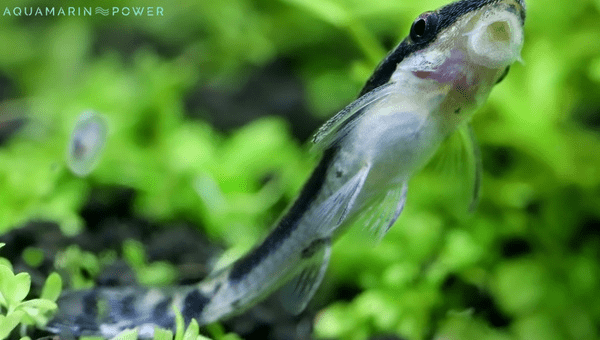
Food and Diet
Taking care of your Otocinclus catfish means making sure that they're well-fed and get a balanced diet.
Diet and Nutrition in Captivity
To ensure your Otocinclus's optimum health, you'll want to provide them with a balanced and varied diet. Feed them live plants, algae wafers, and kitchen staples like zucchini, lettuce, and spinach. Offer different types of food a few times a week and be sure to remove any leftovers within 24 hours.
Feeding Frequency
Feed your Otos several times a week to ensure their good health. Regularly providing a balanced diet of algae, vegetables, and other food sources is essential to their well-being. Provide a variety of food to keep them interested and to ensure they're getting all the nutrients they need.
Monitor the amount of food they consume and remove any leftovers. This will help maintain the water quality in the tank and create an optimal environment for your Otos. Keep an eye on their behavior to ensure they're getting enough food.
Feeding Methods
Feeding your Otos requires providing a variety of food sources, such as algae, vegetables, and other items. Live plants in the aquarium offer a great food source as well as hiding places.
You can also feed them algae wafers and kitchen staples like zucchini, lettuce, and spinach. When you feed these little fish, make sure to give them a balanced diet and feed them several times a week.
Tank Size
When it comes to tank size, Otocinclus are small catfish and require a tank of at least 20 gallons to have adequate space to swim and hide. This species will feel most comfortable if you provide plenty of areas for them to hide, so you can add some driftwood, rocks, and other decorations for them to explore.
You'll also need to create a home for them that's well oxygenated, as Otocinclus are sensitive to low oxygen levels. Make sure to use a quality filter to keep the water clean. A good rule of thumb is to have a filter that can cycle 4-5 times the total volume of your tank in an hour. This will ensure your Otos are healthy and happy.
Lastly, be sure to keep up with regular water changes to maintain good water quality. Keeping your Otos in the ideal environment will guarantee your fish have a long and healthy life.
Water Quality
Maintaining good water quality is essential for your Otocinclus' longevity. The water should be soft with a reading no greater than 15dH and should be tested regularly to ensure optimal conditions. Perform water changes every week to two weeks to prevent dangerous accumulations of nitrates and ammonia. Adding a water conditioner can help keep your Otocinclus healthy and happy.
You also want to make sure that the substrate is soft and not too rough to avoid damaging their sensitive bodies. Providing adequate hiding spots for your Otocinclus is also important in helping them feel secure and content. Decorations like larger rocks or artificial plants can serve as great hiding places for your Otos.
Also Read: Upside Down Catfish Care101: Look, Diet, Size, & More
Water Changes
Regularly performing water changes can help keep your fish healthy and happy. This is especially true for Otocinclus catfish, whose delicate bodies require clean, soft water to thrive. Water changes should be done once a week to two weeks, depending on the level of nitrates and ammonia in the tank.
It's important to use dechlorinated water when performing a water change to ensure the fish are safe from any harmful chemicals. When doing a water change, make sure to remove 25-30% of the water from the tank. This will help to keep the tank clean and reduce the build-up of nitrates and ammonia.
Water Conditioner
Water conditioner is an important part of keeping your Otocinclus healthy and happy. You'll need to use it when you set up your tank and every time you do a water change. Here's what you need to know:
- Use a water conditioner that's specifically designed for aquariums. It will remove chlorine, chloramines, and other contaminants that could be harmful to your Otos.
- Test the water regularly to make sure the levels are within the recommended range.
- Follow the instructions on the packaging for the best results.
- Consider adding a few drops of aquarium salt to the water to help reduce stress and promote better health.
Cleaning the Tank
Cleaning your tank regularly is essential for your Otos' health and well-being. Cleaning should be done every two weeks or more often if needed. Make sure to use a gravel cleaner to remove all debris from the bottom of the tank.
You can also use a siphon to remove built-up waste and uneaten food. Once the tank is cleaned, it's important to rinse or replace the filter to ensure proper water flow. This will also help to keep the water clean and oxygenated.
Gravel Vacuuming
You should use a gravel cleaner to remove debris from the bottom of your tank every two weeks or more often if needed. Gravel vacuuming is an important part of tank maintenance as it helps keep the water quality high. A gravel cleaner is a long tube-like device with a suction pump at one end. When submerged in the tank, it sucks up debris, dirt, and uneaten food. This helps keep the water clean and free of harmful bacteria and algae. It's essential to use a gravel cleaner regularly as it prevents any buildup of debris and keeps the water oxygenated and free-flowing.
When vacuuming, be sure to move the tube slowly and steadily around the tank to avoid disrupting the substrate or disturbing the fish. Make sure to cover the entire bottom of the tank while vacuuming. Afterward, be sure to rinse the gravel cleaner in clean water before putting it back into the tank.
Algae Scraper
An algae scraper is an essential tool for keeping your aquarium free from the build-up of algae and other debris. It's important to ensure there's no excessive accumulation of debris, as this can create a poor environment for your Otocinclus and other tank mates.
Algae scrapers are designed to effectively remove algae from glass and other surfaces. They come in various sizes and styles, ranging from manual scrapers to electric ones. The manual ones are more affordable, while the electric ones are more efficient and require less effort.
Sponge
Sponge filters are an ideal way to keep your aquarium clean and provide an appropriate environment for your Otos. They're a great way to maintain water quality and remove harmful bacteria.
Sponge filters are easy to install and maintain, and can be used with a variety of aquarium setups. They help create a healthy environment for your Otos by trapping debris and detritus, while also providing oxygenation.
Sponge filters are also inexpensive and can be used with a variety of tank sizes. It's important to clean the sponge filter regularly to ensure optimal water quality and to remove any accumulated debris or detritus. This will help keep your Otos healthy and happy.
Protein Skimmer
A protein skimmer can help keep your Otos healthy by removing toxic materials from the water. It works to trap and remove harmful organic compounds like ammonia and nitrates. A protein skimmer also improves water clarity, making it easier to spot any potential problems. It's an essential piece of equipment for any aquarium with Otos.
Setting up and maintaining a protein skimmer is an easy process and can be done with minimal effort. You'll need to make sure the skimmer is properly sized and installed to ensure the best results. Regularly clean the protein skimmer to maintain its effectiveness. This will help keep your Otos healthy and happy in the long run.
Also Read: Panda Cory (Panda Catfish) Care Guide: Look, SIze & All
Filtration
To keep your Otos healthy, you'll need to maintain a quality filtration system. Without proper filtration, the water quality can quickly become toxic, causing stress and illness. Your filter should be strong enough to turn the tank's water over at least three times an hour and should be able to filter out waste particles.
Use a powerful filter that can keep up with the Otocinclus' feeding habits, as they're voracious algae eaters. Regularly check and clean your filter to ensure it's working properly. Keep an eye out for any signs of ammonia or nitrate, as elevated levels can be dangerous for the fish.
Aquarium Decor and Plants
Decorate your aquarium with larger rocks and hiding places for your Otos to feel secure. This will provide them with a safe space to retreat to when they feel threatened or stressed. Consider adding plants, too, as they offer cover and food in the form of algae.
Use aquarium-safe rocks and plants to avoid any potential harm to the Otos. Also, sandier substrates are ideal for Otos, as they keep their bodies safe from harm. Adding decorations like driftwood, rocks, and plants can provide a more natural environment for your Otos to explore.
Tank Mates & Breeding
When planning your setup for Otocinclus, it's important to consider the tank mates you choose. Otocinclus can be harassed or eaten by larger, aggressive fish, so it's best to select compatible tank mates like Corydoras Catfish, Harlequin Rasbora, Dwarf Gourami, and more.
- Zebra Loaches: These loaches are very peaceful and will get along well with oto's. They are also great algae eaters and will help to keep the tank clean.
- Siamese Algae Eaters: These fish are also great algae eaters and will help to keep the tank clean. They are very calm and will not bother other tank mates.
- Mollies: These fish are also peace-loving and will not fuss other tank mates. However, they are not good algae eaters and will not help to keep the tank clean.
- Cherry Barbs: These little fish are very quiet and will not bother other tank mates. They are also great algae eaters and will help in tank cleaning.
- Guppies: These fishes are also peaceful. However, they are not good algae eaters and will not help to keep the tank clean.
- Corydoras catfish: These bottom-dwelling fishes are calm and make good tank mates for oto's. They are also good algae eaters.
- Bristlenose plecos: These small plecos are peaceful and make good tank mates for oto's. They are also good algae eaters.
- Kuhli loaches: These small fishes are very shy but make good tank mates for oto's. They are also good algae eaters.
Breeding
Breeding Otocinclus can be difficult, so it's essential to maintain the tank and water in excellent condition to ensure successful breeding. To get started, here are some tips for successful Otocinclus breeding:
- Provide plenty of live plants for food and hiding places.
- Monitor water parameters closely and perform regular water changes.
- Keep the temperature slightly elevated to signal mating.
- Look out for male Otos chasing female ones during mating.
With the right conditions, you can help your Otocinclus flourish and enjoy successful breeding.
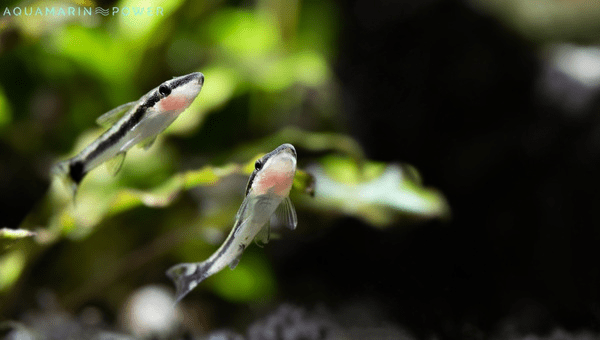
Keep in mind that these fish are social and prefer to travel in schools, so it's best to keep several together. You can also add some invertebrates like Amano or Cherry shrimp for additional companionship.
How Many Otocinclus Catfish Can be Kept in One Tank?
You can keep up to 6 Otocinclus in one tank. That way, they get to enjoy each other's company and benefit from the safety of being in a group. Having too many of them in a tank, however, can create overcrowding and stress, so it's important to keep the number to 6 or below.
You can also add other smaller, peaceful tank mates such as Corydoras Catfish, Harlequin Rasbora, Dwarf Gourami, Zebra Loaches, or Cherry Barbs. To ensure the safety of the Otocinclus, you should provide plenty of hiding places like rocks and plants and avoid any rough surfaces.
Keeping the Otocinclus in a school can help them feel secure and comfortable in their environment. Feeding them a variety of food several times a week is essential for their health and wellbeing.
Also Read: Best 9 Types Of Corydoras Catfish Care Guide: Look, Size, Etc
Diseases, Symptoms, Treatment, and Medications
If you notice any sudden changes in behavior or physical appearance in your Otos, they may be suffering from a disease. Common Otocinclus diseases include Ichthyophthirius, Costia, and Oodinium—all of which can be identified by their symptoms.
Ichthyophthirius causes white spots on the fish's body, Costia causes a cloudy appearance on the skin, and Oodinium causes a velvet-like film on the fish. To properly treat these diseases, use medications specifically designed for Otos, such as medications containing formalin, malachite green, or acriflavine. Keep in mind that these medications can be toxic to Otos, and should be used with caution.
Regular water changes and tank maintenance will also help to prevent disease outbreaks. If you're unsure about any symptoms or treatments, be sure to consult a veterinarian.
With care and attention, your Otos should remain healthy and happy.
Advantages of Having Otocinclus Catfish in Your Tank
Having Otocinclus in your tank can be a great advantage as these small fish help keep algae levels low and water quality high. Not only do they consume debris and leftover food, but they also help keep the tank clean. Plus, they're peaceful and don't bother other tank mates.
As they're small, they don't require much space and can be kept in smaller tanks. They're also very hardy and can adapt to a variety of tank conditions. They don't require any special care and are easy to look after.
Plus, they're beautiful to look at and add a bit of color to the tank. Keeping Otocinclus can be a rewarding experience and can make your aquarium a more enjoyable place.
Disadvantages of Having Otocinclus Catfish in Your Tank
Despite their many benefits, having Otos in your tank can present some disadvantages too. These small fish are sensitive to water changes and require a stable environment. If the water parameters aren't monitored closely, the Otos can become sick or die.
Additionally, they aren't suitable for tanks with large aggressive fish, as they can be easily eaten. Otos also need to be kept in groups of at least three or four, as they're social creatures and prefer to school.
Lastly, Otos may not be able to keep up with the amount of algae growth in some tanks, so additional food must be provided. However, with the right care, you can provide your Otos with a safe and healthy environment, and enjoy the benefits of having them in your tank.
Wrapping Up
As you can see, there are both advantages and disadvantages to having oto's in your tank. If you are looking for a peaceful, algae-eating fish, then oto's make a great choice.
However, if there is a lot of algae in your tank, they may not get enough to eat. So it is important to weigh the pros and cons before deciding whether or not to add oto's to your tank. So what do you think? Are oto's right for you?
![Bumblebee Catfish Ultimate Care Guide: Origin, Look, Breeding | [cy]](https://www.aquamarinepower.com/wp-content/uploads/2026/07/featured-update-2741-1783184752028-300x225.jpg)