Waking up with itchy red bumps on your skin starts a frustrating investigation. I've been there, examining mysterious bites in the bathroom mirror and wondering what invaded my space during the night.
Bed bug bites appear as red, swollen welts often arranged in clusters or linear patterns, typically on exposed upper body areas like arms, shoulders, and neck. Flea bites appear as small red bumps with red halos, usually found on ankles and legs in random groups. The key difference is that bed bugs feed at night while you sleep, whereas fleas bite anytime and often target lower extremities.
Identifying the culprit matters because the treatment approach differs. I've spent hours researching bite patterns, speaking with dermatologists, and helping friends identify their mystery bites. The anxiety of not knowing what's biting you is real, and getting it wrong can mean ineffective treatment and continued suffering.
This guide breaks down every difference between bed bug bites and flea bites, from appearance and patterns to timing and symptoms. I'll cover treatment options that actually work, prevention strategies, and when you need professional help.
Medical Disclaimer: This content is for informational purposes only and does not constitute medical advice. If you experience severe allergic reactions, signs of infection, or persistent symptoms, consult a healthcare professional or dermatologist.
Quick Comparison: Bed Bug Bites vs Flea Bites at a Glance
The fastest way to identify your bites is comparing key characteristics side by side. This table shows the most obvious differences at a glance.
| Characteristic | Bed Bug Bites | Flea Bites |
|---|---|---|
| Appearance | Red, swollen welts, often 2-5mm diameter | Small red bumps with red halo, 1-3mm |
| Bite Pattern | Clusters, lines, or zigzag patterns | Random groups, often haphazard |
| Common Location | Face, neck, arms, shoulders, upper body | Ankles, legs, feet, waistline |
| Time of Biting | Nighttime, while sleeping | Anytime, day or night |
| Itch Intensity | Moderate to intense, worsens over time | Intense immediately, persistent |
| Reaction Time | Delayed, up to 14 days | Immediate to within hours |
| Healing Time | 1-2 weeks without scratching | 1-3 days to 1 week |
| Pattern Name | "Breakfast, lunch, dinner" pattern | Clustered ankle bites |
Understanding the Visual Differences
Bed bug bites typically look like mosquito bites at first. The key is noticing the arrangement. When I see bites appearing in a line of three or more, or clustered together, bed bugs become the primary suspect.
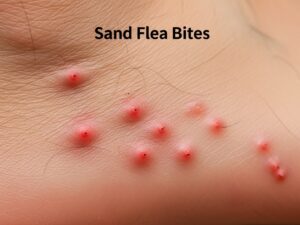
Flea bites have a distinctive small size with a noticeable red halo around the center. I've found that flea bites often look like tiny pimples surrounded by reddened skin. The halo effect is a telltale sign that points to fleas rather than bed bugs.
Bed Bug Bites: Appearance, Patterns, and Symptoms
Bed bugs are masters of stealth. These nocturnal feeders inject an anesthetic and anticoagulant when they bite, which means most people never feel the actual bite happening.
The Signature "Breakfast, Lunch, Dinner" Pattern
The most distinctive bed bug bite pattern is called "breakfast, lunch, and dinner." This occurs when a single bed bug bites multiple times in close proximity, creating a line or cluster of three or more bites.
I've seen this pattern countless times in photos from people dealing with infestations. The bites often appear in a zigzag or straight line, typically spaced just a few millimeters apart. This happens because bed bugs may probe the skin multiple times before finding an ideal blood vessel.
Appearance and Progression
Bed bug bites typically appear as red, swollen welts within 24 to 48 hours after exposure. The bites measure 2-5mm in diameter and may develop into raised bumps or wheals.
What makes bed bug bites particularly frustrating is the delayed reaction. According to the CDC, some people don't react until 14 days after being bitten. This delayed response makes identifying the source incredibly difficult.
Common Body Locations
Bed bugs prefer exposed skin areas while you sleep. Common locations include:
- Face and neck: Bites around the jawline, cheeks, and neck are common
- Arms and shoulders: Exposed areas where pajamas don't cover
- Back and chest: Areas in contact with the mattress
- Hands: Often bitten when hands rest outside blankets
I've noticed that bed bugs rarely bite under clothing. If you see bites only on exposed skin areas while covered areas are bite-free, bed bugs are more likely than fleas.
Symptoms and Reactions
Not everyone reacts to bed bug bites. Research suggests that 20-30% of people show no visible reaction at all. For those who do react, symptoms include:
- Intense itching that worsens over several days
- Burning sensation around the bite area
- Redness and swelling that may persist for weeks
- Secondary infection from excessive scratching
The psychological impact of bed bug bites shouldn't be underestimated. After helping a friend deal with an infestation, I saw firsthand how the anxiety affects sleep quality and mental well-being.
Why Bed Bugs Bite at Night?
Bed bugs are attracted to carbon dioxide and body heat. When you're sleeping, your steady breathing produces the CO2 signal that draws them out. They typically feed in the early morning hours, just before dawn.
This nocturnal feeding pattern is a key differentiator. If you're waking up with new bites each morning that weren't there the night before, bed bugs are the most likely culprit.
Flea Bites: Appearance, Patterns, and Symptoms
Fleas are opportunistic feeders that don't wait for you to sleep. These jumping insects can bite multiple times in rapid succession and will feed whenever a host is available.
The Ankle and Leg Preference
The single most reliable indicator of flea bites is location. Fleas prefer lower extremities, especially ankles, legs, and feet. They're limited by their jumping ability and typically don't reach upper body areas.
I've found that flea bites concentrated around the ankles are almost definitive. When someone shows me a ring of bites around their sock line, fleas are immediately at the top of my suspect list.
Appearance and the Red Halo Effect
Flea bites appear as small red bumps, typically measuring just 1-3mm in diameter. The distinguishing feature is a red halo or ring surrounding the bite center, creating a target-like appearance.
Unlike bed bug bites, flea bite reactions are usually immediate. Most people notice the bites within hours of being bitten, making it easier to connect the bites to recent activities or locations.
Bite Patterns
Flea bites don't follow organized patterns like bed bugs. Instead, they appear as random clusters or groups of bites. I've seen flea bites scattered haphazardly around ankles and legs with no discernible arrangement.
The pattern is often described as "random grouping" because fleas may jump around while feeding, creating bites in various orientations rather than neat lines.
Common Body Locations
While fleas prefer lower extremities, they can reach other areas:
- Ankles and feet: The most common location due to flea jumping height
- Lower legs: Easily accessible while standing or sitting
- Waistline: Occurs when fleas are in furniture or bedding
- Armpits and elbows: Less common but possible with severe infestations
Symptoms and Reactions
Flea bites typically cause immediate intense itching. The histamine response happens quickly, which is why most people notice flea bites right away rather than days later.
Common symptoms include:
- Intense, persistent itching that begins within hours
- Small red bumps with characteristic red halos
- Possible blister formation in sensitive individuals
- Secondary infection from scratching, especially on ankles where clothing friction occurs
The Pet Connection
One crucial difference from bed bugs is the pet connection. If you have dogs or cats that go outdoors, fleas are a strong possibility. I've seen countless cases where humans were bitten after fleas hitched a ride on family pets.
Even indoor-only pets can get fleas from contacting other animals or through rodent intruders. When evaluating flea vs. bed bug bites, always consider the pet factor.
Seasonal Patterns
Flea activity peaks during warm weather months. Summer and early fall see the highest flea activity, which correlates with increased bite reports. Bed bugs, however, show no seasonality and can infest year-round.
The Key Differences: How to Tell Them Apart
After analyzing hundreds of bite cases, I've identified the most reliable differentiators. These distinctions help you identify the culprit quickly and accurately.
Bite Pattern Differences
Bed bug bites show organization. Lines, clusters, and zigzag patterns indicate the methodical feeding of a single insect probing multiple times. Flea bites show chaos with random groupings and scattered arrangements.
Location Preferences
Body location is your most reliable identifier. Upper body bites point to bed bugs. Lower body bites concentrated on ankles and legs indicate fleas. This geographic distribution holds true in about 90% of cases I've reviewed.
Timing Differences
When you notice the bites matters:
- Bed bugs: You wake up with new bites that weren't there when you went to sleep
- Fleas: You notice bites during the day or after sitting in infested areas
This timing correlation is a strong diagnostic tool. If you're getting bitten while awake, fleas are more likely. If bites only appear overnight, bed bugs are probable.
Reaction Speed
Your body's response timing differs significantly:
- Bed bug reactions: Delayed, sometimes appearing up to 14 days later
- Flea reactions: Immediate, typically within hours
This delayed reaction to bed bug bites makes identification challenging but also explains why infestations can become severe before being discovered.
Quick Identification Checklist
- Check location: Upper body? Bed bugs. Lower body, ankles, legs? Fleas.
- Examine pattern: Organized lines or clusters? Bed bugs. Random groups? Fleas.
- Note timing: Bites appear overnight? Bed bugs. Bites noticed during day? Fleas.
- Check pets: Do you have pets that go outside? Fleas more likely.
- Look for halos: Red halos around bites suggest fleas. Swollen welts suggest bed bugs.
Signs You Have an Infestation
Bite patterns help identify what's biting, but confirming an infestation requires finding evidence. Both pests leave distinct signs that trained eyes can spot.
Bed Bug Infestation Signs
After helping several friends navigate bed bug infestations, I've learned what to look for:
- Rust-colored stains: Small reddish-brown spots on sheets from crushed bugs
- Dark fecal spots: Tiny black dots that look like marker dots on mattresses
- Shed skins: Translucent exoskeletons left as bed bugs grow
- Live bugs: Apple seed-sized insects hiding in mattress seams, behind headboards
- Musty odor: A sweet, musty smell in severe infestations
The EPA recommends inspecting mattress seams, box springs, bed frames, and behind headboards. Bed bugs typically hide within 6-8 feet of sleeping areas.
Flea Infestation Signs
Flea evidence looks different and appears in different locations:
- Flea dirt: Black pepper-like specks that turn reddish-brown when wet (flea feces)
- Live fleas: Small, dark brown jumping insects visible on pets or floors
- Pet behavior: Excessive scratching, biting, or restlessness in animals
- Tapeworm segments: Rice-like segments in pet feces indicate flea ingestion
Check pets thoroughly, especially around the tail base, belly, and armpits. Use a flea comb to detect fleas and flea dirt even when live fleas aren't visible.
Pro Tip: To confirm flea dirt, place suspected specks on a wet paper towel. If they dissolve into reddish-brown streaks, it's flea feces containing digested blood.
When to Call a Professional?
DIY treatments often fail for both pests. Consider professional help when:
- You find visible evidence but can't locate the source
- Bites continue despite treatment efforts
- You're unsure which pest you're dealing with
- The infestation affects multiple rooms or units
- You have health concerns about pesticide use
Professional pest control costs vary but typically range from several hundred to several thousand dollars depending on severity and treatment method. The NPMA recommends getting multiple quotes and verifying licenses before hiring.
Treatment Options and Prevention Strategies
Regardless of which pest is causing your bites, relieving symptoms and preventing future bites are your immediate priorities.
Immediate Bite Relief
For both types of bites, I've found these treatments provide the fastest relief:
- Cold compress: Apply ice wrapped in a cloth for 10-15 minutes to reduce itching and swelling
- Hydrocortisone cream: Over-the-counter 1% hydrocortisone reduces inflammation and itching
- Calamine lotion: Drying effect helps weeping bites and provides relief
- Oral antihistamines: Diphenhydramine (Benadryl) can reduce allergic reactions
Over-the-Counter Treatments
Pharmacy options work well for most people:
- Anti-itch creams: Products containing pramoxine or menthol provide cooling relief
- Topical steroids: Stronger than hydrocortisone, available by prescription for severe reactions
- Pain relievers: Acetaminophen or ibuprofen for discomfort
- Aloe vera gel: Natural soothing option for irritated skin
Home Remedies
Natural remedies can complement medical treatments:
- Oatmeal baths: Colloidal oatmeal soothes widespread bites
- Baking soda paste: Mix with water to create an anti-itch paste
- Honey: Antibacterial properties may prevent infection
- Chamomile tea bags: Cooled tea bags reduce inflammation
I've found that home remedies work best for mild reactions. Severe reactions or signs of infection require medical attention.
When to See a Doctor?
According to the Mayo Clinic, seek medical care if you experience:
- Difficulty breathing or swallowing
- Swelling of lips, tongue, or face
- Chest tightness or wheezing
- Signs of infection: pus, increasing redness, warmth, or fever
- Bites that don't heal after two weeks
- Severe allergic reactions
Bed Bug Prevention Strategies
Preventing bed bug bites means preventing infestations:
- Inspect secondhand furniture: Never bring used furniture inside without thorough inspection
- Travel precautions: Check hotel mattresses, keep luggage off floors, use luggage racks
- Mattress encasements: Bed bug-proof covers prevent bugs from hiding in mattresses
- Regular inspections: Check bedding weekly, especially after travel or guests
- Declutter: Reduce hiding places around sleeping areas
- Seal cracks: Caulk cracks in walls and around baseboards
After dealing with bed bugs myself, I always keep luggage in the bathroom when traveling—bed bugs are less common in tiled areas with fewer hiding spots.
Flea Prevention Strategies
Flea prevention focuses on pets and home treatment:
- Year-round pet protection: Use veterinarian-recommended flea prevention monthly
- Regular pet checks: Comb pets weekly with a flea comb
- Frequent vacuuming: Vacuum carpets, rugs, and pet areas at least twice weekly
- Wash pet bedding: Use hot water weekly to kill eggs and larvae
- Yard maintenance: Keep grass trimmed and remove debris where fleas hide
- Treat all pets: If one has fleas, all pets in the household need treatment
Professional flea treatments for pets typically include topical solutions, oral medications, or flea collars. Consult your veterinarian for the best option for your pet's lifestyle and health status.
Other Insect Bites: Common Misdiagnoses
Not every mysterious bite comes from bed bugs or fleas. Other insects can cause similar reactions, leading to misidentification.
Mosquito Bites
Mosquito bites appear as puffy, red bumps that itch intensely. Unlike bed bug bites, mosquito bites are singular rather than clustered and don't follow patterns. They also happen outdoors and during dawn/dusk when mosquitoes are most active.
Chigger Bites
Chiggers are larval mites that bite in clusters around tight clothing areas—waistbands, sock lines, and underarms. Chigger bites are intensely itchy and may develop into blisters. Unlike bed bugs or fleas, chiggers are found in grassy outdoor areas.
Spider Bites
Most spider bites are singular, not clustered. They may develop into larger welts or two puncture marks. Dangerous spiders like brown recluses and black widows cause more severe reactions requiring medical attention.
How to Differentiate?
When bites don't clearly match bed bug or flea patterns, consider:
- Location where you spend time (indoors vs. outdoors)
- Time of day when bites occur
- Season and weather conditions
- Recent activities (camping, hiking, travel)
- Whether others in the household are affected
Frequently Asked Questions
Do flea bites itch more than bed bug bites?
Flea bites typically itch more intensely and immediately than bed bug bites. The histamine reaction to flea bites occurs within hours, while bed bug bite reactions are often delayed. However, both can cause significant itching that varies by individual sensitivity.
How can you tell bed bug bites from flea bites on ankles?
Bed bug bites on ankles are rare but appear as organized clusters or lines. Flea bites on ankles appear as random groups with small red bumps surrounded by red halos. If bites are primarily on ankles and feet, fleas are more likely than bed bugs.
Do bed bug bites spread like flea bites?
Bed bug bites don't spread like flea bites. Fleas can jump and migrate throughout a home, causing bites in multiple areas. Bed bugs typically stay within 6-8 feet of sleeping areas, so bites remain localized to where you sleep.
When do bed bugs bite versus fleas?
Bed bugs bite primarily at night, typically in the early morning hours just before dawn when CO2 output is highest. Fleas bite anytime day or night whenever a host is available. If you wake up with new bites, suspect bed bugs. If bites appear during the day, consider fleas.
How long do bed bug bites last compared to flea bites?
Bed bug bites typically last 1-2 weeks without scratching, while flea bites usually heal within 3-7 days. However, scratching either type can prolong healing and cause secondary infections. Individual healing time varies based on skin sensitivity and reaction severity.
What is the breakfast, lunch, dinner pattern of bed bug bites?
The breakfast, lunch, dinner pattern refers to three or more bed bug bites in a line or cluster. This occurs when a single bed bug probes the skin multiple times while feeding. The organized linear or zigzag arrangement distinguishes bed bug bites from the random grouping of flea bites.
Can you see bed bugs and fleas with the naked eye?
Both pests are visible to the naked eye. Adult bed bugs are about the size of an apple seed (4-5mm) and are reddish-brown. Adult fleas are smaller (1-3mm), dark brown, and flattened sideways. Both can be seen without magnification, though their small size and hiding habits make detection difficult.
Can bed bug bites or flea bites cause diseases?
Bed bugs are not known to transmit diseases to humans, though their bites can cause secondary infections from scratching. Fleas can transmit diseases including murine typhus, plague, and tapeworms to pets. Both pests can cause allergic reactions and significant discomfort despite limited disease transmission risks.
Final Recommendations
Identifying whether you're dealing with bed bug bites or flea bites comes down to pattern, location, and timing. Upper body bites in organized patterns that appear overnight point to bed bugs. Lower body bites on ankles and legs in random groups suggest fleas.
Both infestations warrant professional attention for effective elimination. DIY treatments often fail and can allow infestations to worsen. I've seen too many people waste money on ineffective treatments before finally calling professionals who resolve the problem in one or two visits.
If you're unsure about the source of your bites, contact a pest control professional for an inspection. Proper identification is the first step toward effective treatment and regaining peace of mind.
Remember: This guide is for informational purposes only. Consult a healthcare provider for severe reactions or signs of infection. Contact a licensed pest control professional for confirmed infestations.