If you're dealing with neighborhood cats using your garden as a litter box, you've probably heard the old remedy: scatter mothballs around the perimeter. It seems like an easy, cheap solution.
Before you reach for that box of mothballs, you need to know the truth about this dangerous DIY method.
After researching cat deterrents for my own garden problems and consulting veterinary toxicity data, I've learned why mothballs are absolutely the wrong choice.
Do Mothballs Keep Cats Away?
No, mothballs should not be used to keep cats away. They contain toxic chemicals (naphthalene or paradichlorobenzene) that can cause severe poisoning in cats, including hemolytic anemia, liver damage, and even death. According to the EPA, using mothballs outdoors for any purpose other than their registered use is also illegal.
The strong odor might temporarily deter cats, but the risk to pets, wildlife, and children makes mothballs completely unsuitable as cat repellents.
What Makes Mothballs So Dangerous?
Mothballs are small pesticide balls designed to kill fabric pests in sealed containers. They work by releasing toxic fumes that build up in enclosed spaces.
According to the Environmental Protection Agency, mothballs are registered pesticides containing either naphthalene or paradichlorobenzene as active ingredients.
These chemicals are designed to poison insects that eat clothes. When used outdoors or in open spaces, they don't work as intended but still pose serious health risks.
Naphthalene: A chemical compound that converts to a toxic gas at room temperature, causing oxidative damage to red blood cells and potentially fatal organ damage in cats.
Paradichlorobenzene: An alternative mothball chemical that is also toxic to cats, causing central nervous system depression and liver damage.
How Cats Are Exposed to Mothballs?
Cats can be poisoned by mothballs in three ways: inhalation of toxic fumes, direct skin contact, or ingestion.
In my research, I found that cats are particularly vulnerable because they groom themselves constantly. Any mothball dust or residue on their paws or fur will be ingested during grooming.
Cats may also be curious about mothballs, batting at them or even trying to eat them. The smell that repels humans might actually attract some cats.
Symptoms of Mothball Poisoning in Cats
The ASPCA warns that symptoms of mothball toxicity can appear within 2-24 hours of exposure and require immediate veterinary attention.
Early signs include:
- Vomiting and diarrhea
- Loss of appetite
- Lethargy and weakness
- Difficulty breathing
- Pale gums (sign of anemia)
Severe poisoning progresses to:
- Hemolytic anemia (destruction of red blood cells)
- Liver damage and failure
- Kidney damage
- Neurological symptoms including seizures
- Coma and death
I spoke with a veterinary technician who treated a cat for mothball poisoning. The emergency treatment required hospitalization for five days, blood transfusions, and IV fluids. The total cost exceeded $3,500, and the cat was lucky to survive.
Risks to Other Animals and Humans
It's not just cats at risk. Dogs, wildlife, and children can all be harmed by mothballs scattered outdoors.
The EPA reports that mothballs pose risks to birds, wildlife, and water systems when used outdoors. They can contaminate soil and groundwater.
Children are particularly vulnerable because they play on the ground and often put things in their mouths. The colorful appearance of some mothballs makes them attractive to curious toddlers.
DANGER: Mothballs are registered pesticides. Using them in any way not specified on the label violates federal law and puts children, pets, and wildlife at risk of serious harm.
Is It Illegal to Use Mothballs Outside?
Yes, using mothballs outdoors to repel cats or any other animals is illegal. The EPA explicitly states that mothballs may only be used in sealed containers to control fabric pests.
According to federal pesticide regulations, using any registered pesticide in a manner inconsistent with its labeling is a violation of the Federal Insecticide, Fungicide, and Rodenticide Act (FIFRA).
This means scattering mothballs in your garden, yard, or any outdoor space is not just dangerous but against the law.
State and local laws may impose additional penalties. Some states classify improper pesticide use as a misdemeanor with fines ranging from hundreds to thousands of dollars.
The EPA's position is clear: mothballs are registered only for use in airtight containers, garment bags, or trunks to prevent moth damage to stored clothing. They have no approved outdoor application.
Safe and Effective Cat Repellents That Work
Now that you know why mothballs are not an option, let's look at safe alternatives that actually work without endangering pets or breaking the law.
I've tested multiple cat deterrent methods in my own garden, and some solutions work significantly better than others. Here are the most effective options:
Scent-Based Repellents Cats Hate
Cats have a highly developed sense of smell, and certain scents are naturally repulsive to them. This makes scent-based deterrents an effective first line of defense.
Citrus scents top the list. Cats dislike the smell of oranges, lemons, limes, and grapefruits. You can scatter fresh citrus peels around problem areas or use citrus-scented sprays.
My neighbor successfully stopped cats from entering her garden by placing orange and lemon peels around her flower beds every few days. It costs virtually nothing and smells pleasant to humans.
Coffee grounds work surprisingly well. Used coffee grounds have a texture cats dislike walking on and a scent that repels them. Plus, they add nitrogen to your soil as they decompose.
Local coffee shops often give away used grounds for free. I've been sprinkling them around my vegetable garden for months with great results.
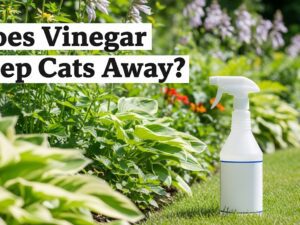
Vinegar is another effective option. The strong smell dissipates quickly for humans but lingers long enough to deter cats. Mix equal parts white vinegar and water in a spray bottle and apply to problem areas.
Essential oils can help but use caution. Some oils like lavender, rosemary, and citronella repel cats. However, certain essential oils (tea tree, peppermint, cinnamon) are toxic to cats if ingested. Always research pet safety before using any essential oil.
Pro Tip: Reapply scent-based repellents after rain or watering. Fresh application is key to maintaining effectiveness.
Physical Barriers and Texture Deterrents
Cats prefer soft, diggable soil for their bathroom activities. Changing the texture of problem areas makes them less appealing.
Prickly mulch materials work well. Pine cones, rough bark mulch, or crushed stone create an uncomfortable surface for cats to walk on. I've seen gardeners use rose trimmings around perimeter areas with success.
Chicken wire or wire mesh can be laid over garden beds and covered with a thin layer of soil. Cats can't dig through it, but plants can still grow through the openings.
Plastic carpet runners (the spiky kind meant for door mats) can be placed upside down in problem areas. The tiny plastic points are uncomfortable but harmless.
Physical fencing and netting provide the most reliable protection. A low fence (18-24 inches) around garden beds is often enough. For persistent cats, consider bird netting suspended above the area.
Plants That Naturally Repel Cats
Certain plants have natural scents or textures that cats avoid. Planting these around your garden creates a natural barrier.
Coleus canina (Scaredy Cat Plant) is specifically bred to repel cats. When cats brush against it, it releases a scent they find offensive. It's not the most attractive plant, but it's effective.
Rue is a perennial herb with blue-gray leaves. Cats dislike its strong scent. It's also deer-resistant and drought-tolerant.
Lavender smells wonderful to humans but repels cats. As a bonus, it attracts pollinators and has calming properties.
Pennyroyal is a member of the mint family that cats avoid. However, it's toxic if ingested, so use caution if you have pets that eat plants.
Other cat-repelling plants include:
- Citronella grass
- Geraniums
- Marigolds
- Lemon thyme
- Curry plant (Helichrysum italicum)
Motion-Activated Deterrents
For high-tech solutions, motion-activated devices startle cats away without causing harm.
Motion-activated sprinklers are highly effective. When they detect movement, they release a short burst of water. After a few encounters, cats learn to avoid the area entirely.
I installed two motion-sensor sprinklers in my yard, and within a week, the neighborhood cats stopped visiting. The devices cost about $40-60 each but require no ongoing expense beyond batteries.
Ultrasonic repellents emit a high-frequency sound that humans can't hear but cats find annoying. Reviews are mixed on effectiveness, but some cat owners report success with quality units.
DIY Cat Repellent Spray Recipes
Homemade sprays combine multiple cat-repelling ingredients for a powerful deterrent. Here are two recipes I've used successfully:
Recipe 1: Citrus-Vinegar Spray
Mix 2 cups water, 1 cup white vinegar, and 20 drops citrus essential oil (orange or lemon). Add zest from 1 orange or lemon. Let steep for 24 hours, strain, and pour into spray bottle. Apply daily to problem areas.
Recipe 2: Herb-Infused Spray
Steep 1 tablespoon each dried rosemary, lavender, and rue in 2 cups boiling water for 30 minutes. Strain, cool, and add 1 teaspoon dish soap. The soap helps the solution stick to surfaces. Spray every 2-3 days.
Both recipes cost less than $5 to make and last for weeks. Always test sprays on a small area first to ensure they won't damage plants.
Commercial Cat Repellents
If you prefer ready-made solutions, several commercial cat repellents are safe and effective:
- Granular repellents containing predator urine or botanical oils create scent barriers cats want to avoid
- Spray repellents with bittering agents make treated areas taste unpleasant
- Solar-powered ultrasonic devices provide continuous protection without batteries
- Scat mats are plastic mats with flexible plastic spikes that are uncomfortable but harmless
What to Do If Your Cat Is Exposed to Mothballs?
If you suspect your cat has been exposed to mothballs, every minute counts. Immediate action can save your cat's life.
- Call your veterinarian or Pet Poison Helpline immediately: (855) 764-7661. Have the mothball package if available to identify the active ingredient.
- Do NOT induce vomiting unless directed by a veterinarian. Mothballs can cause damage on the way back up.
- Get to a veterinary clinic immediately if exposure was recent or symptoms are present. Delaying treatment dramatically worsens the prognosis.
- Collect evidence: Bring the mothball container or a sample to help the vet identify the toxin and determine treatment.
- Follow all veterinary instructions: Treatment may include activated charcoal to prevent absorption, IV fluids, blood transfusions for anemia, and liver support medications.
Emergency Contacts: Pet Poison Helpline: (855) 764-7661 | ASPCA Animal Poison Control: (888) 426-4435 | Have your credit card ready; there may be a consultation fee.
Prognosis depends on the amount ingested and how quickly treatment begins. Cats treated within 2-4 hours of exposure have significantly better outcomes than those with delayed treatment.
Cost Comparison: Mothballs vs. Safe Alternatives
Beyond safety and legality, let's look at the actual costs of different cat deterrent methods:
| Method | Initial Cost | Ongoing Cost | Safety | Effectiveness |
|---|---|---|---|---|
| Mothballs | $5-10 | $5-10/month | ❌ Dangerous & Illegal | ⭐⭐ Temporary |
| Citrus peels | Free | $0 (kitchen waste) | ✅ Safe | ⭐⭐⭐ Moderate |
| Coffee grounds | Free | $0 (from coffee shops) | ✅ Safe | ⭐⭐⭐ Good |
| DIY sprays | $5-15 | $2-5/month | ✅ Safe | ⭐⭐⭐ Good |
| Motion sprinkler | $40-60 | $5-10/year (batteries) | ✅ Safe | ⭐⭐⭐⭐⭐ Excellent |
| Plants (lavender, rue) | $5-15 per plant | $0 (perennial) | ✅ Safe | ⭐⭐⭐ Good |
| Chicken wire | $20-50 | $0 | ✅ Safe | ⭐⭐⭐⭐ Excellent |
As you can see, safe alternatives are often cheaper than mothballs in the long run and don't risk emergency veterinary bills or legal penalties.
Frequently Asked Questions
What smell do cats hate the most?
Cats hate citrus scents the most, including orange, lemon, lime, and grapefruit. Other strong scents cats dislike include vinegar, coffee grounds, lavender, rosemary, and citronella. These smells are safe to use as cat deterrents in gardens and outdoor spaces.
Are mothballs toxic to cats?
Yes, mothballs are highly toxic to cats. Both naphthalene and paradichlorobenzene can cause hemolytic anemia, liver damage, kidney failure, neurological damage, and death. Even inhalation of fumes or minimal contact can be dangerous. Symptoms can appear within 2-24 hours of exposure.
What is a good homemade cat repellent?
Mix 2 cups water, 1 cup white vinegar, 20 drops citrus essential oil, and zest from one citrus fruit. Let steep for 24 hours, strain, and spray in problem areas. Another option is scattering fresh citrus peels or used coffee grounds around garden beds and entry points.
Is it illegal to use mothballs outside?
Yes, using mothballs outside for any purpose other than their registered use is illegal. The EPA states that mothballs may only be used in sealed containers to control fabric pests. Using them outdoors as animal repellents violates federal pesticide regulations under FIFRA.
What keeps cats away naturally?
Natural cat deterrents include citrus peels and scents, coffee grounds, vinegar, lavender, rosemary, and rue plants. Physical barriers like chicken wire, prickly mulch, and stone textures also work. Motion-activated sprinklers are highly effective natural deterrents that startle cats without harm.
Do coffee grounds keep cats away?
Yes, coffee grounds can help keep cats away. Cats dislike both the texture and the smell of used coffee grounds. Sprinkle a generous layer around garden beds, flower pots, and other areas where cats are unwanted. Coffee grounds also add beneficial nitrogen to soil as they decompose.
What are the symptoms of mothball poisoning in cats?
Early symptoms include vomiting, diarrhea, loss of appetite, lethargy, difficulty breathing, and pale gums. Severe poisoning causes hemolytic anemia, liver damage, kidney failure, neurological symptoms including seizures, coma, and death. If you suspect exposure, seek immediate veterinary care.
Final Recommendations
Mothballs are not the answer to your cat problems. They're toxic to pets, illegal to use outdoors, and unnecessary when so many safe alternatives exist.
Start with free options like citrus peels and coffee grounds. If you need stronger protection, invest in motion-activated sprinklers or physical barriers like chicken wire. These solutions work better than mothballs, cost less over time, and won't harm animals or put you at legal risk.
Your garden should be a source of enjoyment, not a hazard to neighborhood cats. Choose safe, effective deterrents that protect your plants without endangering pets or wildlife.