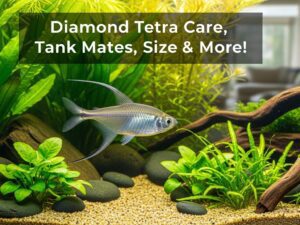
Are you looking for a vibrant and easy-to-care-for fish to add to your aquarium? Look no further than the flame tetra! These colorful fish have been a favorite among aquarists since the 1940s and 1950s.
Here, you'll find all the details on flame tetra care, including size, tank mates, diet, water requirements, and more. With the right setup and regular maintenance, you'll be sure to have a healthy and thriving tank of flame tetras!
Table of Contents
Flame Tetra: Species Summary
The flame tetra is a beautiful and vibrant fish with an eye-catching coloration and look. They're popular among aquarists due to their easy care and peaceful temperament.
| Scientific name | Hyphessobrycon flammeus |
| Family | Characidae |
| Origin: | Southeast Brazil |
| Other Name: | Red tetra or Rio tetra, Flame tetra, Von Rio tetra, Fire tetra, Red tetra |
| Care Level | Easy |
| Temperament | Peaceful |
| pH Level: | 5.5-7.5 |
| Water Temperature: | 72°-82°F |
| Water hardness: | 3-15 dGH |
| Color Form | Silver and Red |
| Lifespan | 3-5 years |
| Size | 0.8-1 inch |
| Diet | Omnivore |
| Minimum Tank Size | 10 gallons |
| Compatibility | Peaceful |
Flame Tetra Appearance and Characteristics
You'll love the vibrant red coloration and trapezoidal body shape of the flame tetra. They have a silver or bronze-colored body with a splash of red on the lower rear part, creating a flame-like effect. Their fins are vibrantly colored, with an elongated anal fin boasting a black stripe on the tip. Females are rounder and plumper than males.

Here are some of the features of flame tetras:
- Vibrant red coloration
- Trapezoidal body shape
- Elongated anal fin with black stripe
Flame tetras are a stunning species that will be a welcome addition to any fish tank. They're relatively small in size, with an average length of one inch, and can live up to five years with proper care. They thrive in tropical conditions and prefer a pH range of 5.5 to 7.5. A well-maintained tank with plants, driftwood, and plenty of hiding places will keep them healthy and active.
Also Read: Pristella Tetra (X-Ray) 101: Care, Diet, Size & More
Flame Tetra Origin and Distribution
Native to coastal rivers in Brazil, flame tetras are a popular choice in the aquarium trade. First gaining recognition in the 1940s and 1950s, these vibrant fish are known for their bright red coloration and trapezoidal body shape. Females are rounder than males, and they can reach lengths of up to 1.6 inches.
You can create a beautiful, natural-looking tank for your flame tetras with the right substrate, decor, and filtration. With proper care, these fish can live up to five years. When choosing tank mates, pick peaceful fish, as flame tetras can easily become stressed and become targets for larger fish.
Flame Tetra Lifespan
With the right environment and care, your flame tetras can live up to five years. Their average lifespan is between three to five years, and this number can be influenced by tank conditions and nutrition.
To prolong their life, be sure to keep their water clean and provide them with a healthy diet. Make sure to check the tank's parameters regularly with a reliable test kit. Additionally, don't overcrowd the tank, as this can cause stress and illnesses.
To ensure they live their longest, give them plenty of space, hiding places, and enrichment items. A larger tank will provide more possibilities for these things. A 15-gallon tank is suitable for a shoal of flame tetras, and with the right attention, they can live happily and healthily in your home.
Flame Tetra Behavior and Temperament
Flame tetras are generally peaceful and can get along with other fish, though males may compete for female attention. This can lead to some aggression, but it rarely causes injury or serious issues. They're best kept in groups of six or more of their kind, but they can also live happily with other small tetras and docile species. Avoid larger and aggressive fish that might prey on or bully the flame tetras.

Good tank mates include rasboras, neon tetras, danios, guppies, mollies, and peaceful plecos. They'll thrive in an environment with plenty of hiding places, so provide them with driftwood, twisting roots, and plants.
Also Read: Bucktooth Tetra 101: Care, Diet, Habitat, Look & More
Flame Tetra Care Guide
Providing proper care for your flame tetra is essential for its health and longevity.

To ensure your flame tetra is thriving, it's important to understand the basics of tank size, water quality, water changes, water conditioner, and cleaning the tank.
Food and Diet
Flame tetras are relatively easy to feed in captivity. You can provide them with a variety of nutritious foods, and they should be fed two to three times a day.
Here are three tips to ensure they get the best diet possible:
1) Feed a variety of foods.
2) Stick to a regular feeding schedule.
3) Use suitable feeding methods.
Diet and Nutrition in Captivity
You need to provide your flame tetras with a nutritious diet in captivity to ensure their health and well-being. Offer a variety of foods such as quality flakes, pellets, and frozen or live foods like brine shrimp or daphnia.
Feed your fish several times a day, but only enough food that they can consume in a few minutes. Avoid overfeeding, as this can cause water quality issues and lead to health problems. Supplement their diet with occasional treats like freeze-dried bloodworms or tubifex.
To keep them active, provide enrichment items like driftwood or aquarium plants. Lastly, always monitor their diet and adjust accordingly. With the right nutrition, your flame tetras can thrive in captivity.
Feeding Frequency
Feed your flame tetras several times a day to ensure they get the nutrition they need. Offer them a variety of high-quality foods such as flakes, pellets, frozen, freeze-dried, and live foods. A varied diet gives your flame tetras the best nutrition while also providing enrichment.
Feed them small amounts; they can't eat a lot at once. Don't forget to remove any uneaten food to avoid water pollution.
Feeding Methods
To keep your flame tetras healthy, they should be fed a variety of nutritious, high-quality foods. Offer them a mix of small, live foods, such as brine shrimp, daphnia, or bloodworms. Frozen food is also a good option, like freeze-dried bloodworms, tubifex, or algae.
Pellets and flakes are okay, but be sure to supplement with live or frozen foods. Variety is key, so mix up their diet and feed them two or three times a day. Offer only what they can eat in a few minutes, and remove any uneaten food.
Tank Size
The recommended tank size for flame tetras is at least 15 gallons. This is important for their health and well-being, as well as ensuring they've enough space to swim and explore. A larger tank also allows for a larger shoal and more decor flexibility.
If you're looking to keep a larger group, you should aim for a tank of 20 gallons or larger. Smaller tanks can pose health and enrichment problems for the fish.
Be sure to provide a suitable substrate, decor (driftwood, roots, and plants), and a reliable filtration system. Flame tetras also appreciate tropical water conditions that mimic their natural habitat. Temperature should be around 64-85 degrees Fahrenheit, pH should be between 5.5-7.5, and the water hardness should be 3-15 dGH.
Also Read: Serpae Tetra Species Profile: Look, Care, Size & All
Water Quality
Maintaining the right water quality is key for keeping your flame tetras healthy. The ideal pH range for flame tetras is 5.5 to 7.5, and the water hardness should be 3 to 15 dGH. Regularly monitoring water parameters with a reliable test kit is essential.
If the levels are off, you should act immediately to adjust them back to the recommended range. This can be done by adding aquarium salt, increasing water movement, or changing the filtration system.
You should also avoid sudden changes in the water parameters, as this can be stressful and even fatal for the fish. If you're unsure about the water quality, don't hesitate to ask an expert for advice.
Flame tetras are a great option for aquarists of all levels, but it's important to make sure their environment is suitable for them. With the right care and knowledge, you can keep your flame tetras happy and healthy for many years to come.
Water Changes
Water changes are an important part of keeping your flame tetras healthy and happy. Doing regular water changes will help maintain optimal water conditions and prevent the buildup of toxins. It's recommended that you do a 25-50% water change every two weeks. However, if your tank is heavily populated, you may need to do more frequent water changes.
Before you start, make sure you prepare the water in advance by testing for pH, nitrates, and other parameters. You should also acclimate the new water to match the temperature and chemistry of the tank.
Water Conditioner
A water conditioner is essential for achieving the right water chemistry for your flame tetras. It helps to reduce the chlorine and heavy metals in tap water and can also help balance out the pH levels.
Here are three important things to consider when using a water conditioner:
- Choose a water conditioner specifically formulated for freshwater tanks, as some products are designed for saltwater tanks.
- Always follow the directions on the package.
- Add the conditioner to the tank after each water change.
Taking the time to use a quality water conditioner is essential for your flame tetras' health and well-being. It will help maintain the ideal water parameters, which in turn will ensure your fish have a safe and healthy environment.
Cleaning the Tank
To ensure your flame tetras stay healthy, it's important to clean their tank regularly. This will help keep the water conditions optimal and minimize the risk of disease.
You'll want to remove any debris, such as uneaten food, decaying plants, and any other substances that can accumulate over time. Depending on the size of the tank, you'll want to do a partial or full water change every two weeks or so.
Use a gravel vacuum to clean the substrate, and replace the filter media every two months. Make sure to use dechlorinated water when washing and refilling the tank, and don't forget to stir up the substrate to ensure the bacteria have access to oxygen.
Gravel Vacuuming
Cleaning your tank's substrate is important for flame tetras. Use a gravel vacuum every two weeks or so to help keep the water clean and free of debris and decaying plant matter. Gravel vacuuming is also a great way to spot-clean the substrate and take out any uneaten food, which can lead to an ammonia spike. Remember to vacuum gently, as a powerful suction can disturb the substrate and cause stress to the fish. You should also avoid vacuuming any live plants in the tank, as this can damage their roots. As flame tetras are sensitive to high levels of nitrates, it's important to keep the tank clean. Taking the time to vacuum the substrate regularly will help keep your flame tetras healthy and happy.
Algae Scraper
Keeping your flame tetras' tank free of algae is important. Be sure to use an algae scraper every two weeks. Algae scrapers are designed to remove algae from the glass of the tank, as well as the decorations and substrate. Make sure to use a scraper specifically designed for aquariums. Some scrapers can be too abrasive and damage the glass.
To avoid over-scraping, examine the tank before each use. Only scrape the areas that need to be cleaned. Along with regular water changes, this will keep your tank looking its best.
After each use, rinse the scraper to prevent the spread of bacteria or disease. With the right care and maintenance, you and your flame tetras will be able to enjoy your aquarium for years to come.
Sponge
Adding a sponge filter to your aquarium is an easy way to ensure your flame tetras' water stays clean and healthy. A sponge filter is a great addition to any tank that houses small, delicate fish like flame tetras. It provides biological filtration and creates a balanced environment for the fish to thrive.
The sponge filter is filled with beneficial bacteria that help break down waste and keep the water clean. It also creates a gentle current that helps oxygenate the water and provide a natural flow. The filter is easy to install and requires minimal maintenance. Just rinse it off with tank water every few weeks to keep it working properly.
Sponge filters are an excellent choice for flame tetras as they don't cause too much water movement that could stress out the fish. They're also affordable and come in a variety of sizes, making it easy to find one that fits your tank. With the right setup and care, your flame tetras will be happy and healthy for years to come.
Transportation and Handling
When transporting or handling flame tetras, it's important to take extra precautions to ensure their safety. Always handle the fish carefully as they're sensitive to sudden changes in temperature and water quality. Use a cup or net to carefully scoop them out of the tank, and be sure to fill the cup or net with tank water.
Place the fish in a secure container with an air-tight lid, and make sure the container is filled with tank water. Transport the fish in a vehicle with the windows rolled down to keep the temperature consistent.
Also Read: Black Phantom Tetra Care Guide 101: Look, Diet, & All
Lighting and Heating
When it comes to your flame tetras, lighting and heating are essential for their health and well-being.
Your flame tetras need a light source to provide them with a natural day and night cycle. A full-spectrum LED or fluorescent light is recommended for your tank.
Heating is also necessary for your flame tetras, as they come from warmer climates. A submersible aquarium heater with a temperature range between 64 and 85 degrees Fahrenheit is best. Be sure to monitor your tank temperature with a reliable thermometer.
Aquarium Decor and Plants
To create a natural environment for your flame tetras, choose carefully among aquarium decor and plants. Items such as driftwood and twisting roots can help create an authentic environment. Live plants are great for providing oxygen and hiding spots, and Indian almond leaves can be a great addition.
Flame tetras prefer a dark substrate that resembles grime and detritus found in their natural environment. This type of substrate also helps promote healthy bacteria in the tank. Make sure the tank is well-lit, but avoid direct sunlight and intense light fixtures.
Flame tetras are peaceful fish that need hiding spots and plenty of places to explore. Adding a variety of decor and plants will create a more natural environment and help them feel at home. Make sure to choose items that won't be harmful to them or create a hazardous environment.
Substrate and Gravel
Choosing the right substrate and gravel is important for your flame tetra's health and well-being. A fine sand substrate, dark-colored substrate resembling grime, and plant detritus is recommended. Substrate and gravel provide physical and biological filtration, as well as surface area for beneficial bacteria to colonize.
Adding Indian almond leaves can create a more authentic environment. This can help to maintain a natural pH balance and provide beneficial tannins and other nutrients. The substrate and gravel should be rinsed thoroughly before adding to the tank to reduce the risk of introducing contaminants.
The substrate should be deep enough for fish to swim through and hide in. Too much gravel can reduce the oxygen levels, leading to stress and disease, so it's important to avoid over-filling the tank. If you're looking for a more natural look, you can use gravel or natural rocks to create a more natural-looking environment.
Ammonia and Nitrate level
When setting up a tank for your flame tetras, it's important to keep an eye on the ammonia and nitrate levels. These two parameters are key for the health and well-being of your fish.
Ammonia is produced as a byproduct of fish waste and decaying matter, and it can quickly build up and become toxic to fish. Test your water regularly for ammonia levels, and make sure they're always at 0 ppm.
Nitrates are also produced as a result of fish waste and decaying matter, but they're much less toxic than ammonia. The ideal nitrate level in a tank is between 5 and 10 ppm. If the levels exceed 10 ppm, it's best to do a partial water change to bring them down.
Also Read: Candy Cane Tetra (HY511) Species Profile
Tank Mates & Breeding
When it comes to tank mates and breeding, flame tetras are generally peaceful and can live with other fish of similar size.
- Guppies
- Mollies
- Platies
- Swordtails
- Danios
- Tetras
- Barbs
- Rainbowfish
- Corydoras catfish
- Kuhli loaches
- Snails
- Shrimps
Breeding
Breeding flame tetras is a great way to get started in the aquarium hobby, and with the right conditions, it can be a rewarding experience. Here's what you need to know:
- Create a breeding tank with fine-leaf plants like java moss.
- Condition male and female fish with high-protein foods before introducing them to the tank.
- Raise the temperature to about 80 degrees Fahrenheit for breeding.
It's easy to get started with breeding flame tetras. Setting up the perfect environment and providing the right care will help ensure that you and your fish have a positive, enjoyable experience.

Additionally, learning about the species' needs and behaviors can bring you closer to your fish, creating a sense of belonging. With a little patience and knowledge, you can create a healthy and happy tank for your flame tetras.
How Many Flame Tetra Can Be Kept in One Tank?
You can keep a large group of six or more flame tetras in one tank! Keeping a larger group of flame tetras is the best way to ensure they're happy and healthy. They're small fish, so having a larger tank allows for more decor, a greater variety of water conditions, and a larger shoal.
It also provides more opportunities for enrichment and stimulation. To keep a larger group of flame tetras, you'll need a tank that's at least 15 gallons. You'll also need to provide a suitable substrate, decorations (like driftwood, roots, and plants), and an appropriate filtration system.
Monitoring water parameters regularly is important for keeping the fish healthy and happy. With the right care, these vibrant little fish can bring joy and happiness to your home.
Also Read: Mexican Tetra Care Guide: Appearance, Size, Diet & All
Diseases, Symptoms, Treatment, and Medications
If you notice any signs of illness or disease in your flame tetras, it's important to provide prompt treatment to ensure they stay healthy. Common diseases include parasites, bacterial infections, and Ich.
Poorly maintained tanks can lead to disease and premature death, so be sure to monitor water parameters regularly. Ich causes white spots on the fish and spreads quickly, so treat it right away. Quarantine sick fish and use medication to treat Ich.
Maintaining appropriate tank conditions and providing enrichment items can help prevent disease. If you're unsure of what to do, don't hesitate to contact a professional for help.
Advantages Of Having Flame Tetra In Your Tank
Flame Tetras are very colorful fish and add a lot of beauty to a tank. They are also very peaceful and get along well with other fish. The other advantages are that they are easy to care for and they are not expensive.
Also Read: Bellus Angelfish Care: Appearance, Size, Lifespan, Diet & All
Disadvantages Of Having Flame Tetra In Your Tank
The only disadvantage of having Flame Tetras is that they are susceptible to changes in water conditions. If the water in their tank is not kept clean, they can get sick and die.
Other Disadvantages are that they are not very resistant to disease and are not very tolerant of changes in water conditions.
Summary
Flame Tetras are good fish for both beginners and experienced aquarium keepers. They are easy to care for, and they are lovely. However, they are susceptible to changes in water conditions, so keeping the water in their tank clean is essential.
They are also easy to breed, so Flame Tetras are an excellent choice if you want to explore this aspect of fishkeeping.
Thank you for reading my guide on Flame Tetra care. I hope that you have found it helpful and that you will be able to provide your fish with the best possible care.