Standing in the gear aisle at REI last spring, I watched a couple debate for 20 minutes over two backpacks that looked nearly identical. The husband insisted on the internal frame pack for support. The wife wanted the frameless version to save weight. They were both right - and both wrong - because neither had considered their actual hiking style or pack weight.
Frame vs Frameless Backpack: The Quick Answer
Frame backpacks use an internal or external structure to transfer weight from your shoulders to your hips, making them ideal for loads over 35 pounds. Frameless backpacks eliminate the frame to save weight, working best when your total pack weight stays under 30 pounds and you use proper packing technique.
I've spent the past decade hiking with both styles, completed three multi-day treks with each type, and learned that the "best" option depends entirely on how much weight you actually carry. After testing 15+ models across various terrains, I've seen hikers miserable with the "wrong" choice and others thriving with gear that seemed counterintuitive.
| Feature | Frame Backpack | Frameless Backpack |
|---|---|---|
| Ideal Load | 35+ lbs | 20-30 lbs |
| Pack Weight | 4-6 lbs | 1.5-3 lbs |
| Back Support | Excellent | Depends on packing |
| Ventilation | Better airflow | Pack sits against back |
| Best For | Beginners, heavy loads, extended trips | Ultralight hikers, experienced packers |
| Price Range | $150-500 | $100-400 |
What's the Main Difference?
Internal Frame: A built-in structural framework (usually aluminum or composite stays) that creates the pack's shape and transfers weight from your shoulders to your hips through load-lifter straps and a padded hip belt.
Frameless Design: A backpack without a rigid structure that relies on your packed gear against the back panel to create shape and distribute weight. The frame itself typically weighs 1-2 pounds, which frameless packs eliminate entirely.
The fundamental difference comes down to weight transfer. Frame backpacks use mechanical advantage - the frame acts like a lever, redirecting pack weight downward into your hip belt rather than hanging it off your shoulders. This is why framed packs feel more comfortable with heavy loads. Your hips can handle significantly more weight than your shoulders, and the frame is what makes this transfer possible.
Frameless backpacks take a different approach. Without a frame, they depend entirely on how you pack your gear. The idea is simple: stuff your gear against the back panel, creating a makeshift "frame" from your belongings. This works remarkably well when you have lightweight, compressible gear. But it falls apart quickly when you try to carry heavy equipment.
Frame Backpacks: Heavy Load Champions
How Do Frame Backpacks Work?
Frame backpacks use aluminum stays, carbon fiber rods, or composite frames that run vertically along the pack's backpanel. These stays connect to the shoulder harness at the top and the hip belt at the bottom. When properly adjusted, the frame creates a pivot point that allows the hip belt to carry 70-80% of the weight.
The FreeFloat suspension system on premium packs like the Gregory Baltoro takes this further with adjustable torso length and pivot points that move with you. I found this system made a noticeable difference on a 40-pound load during a steep ascent in the Smokies - my upper body stayed relaxed even as the trail angled upward sharply.
Who Should Choose a Frame Backpack?
Quick Summary: Frame backpacks are ideal if you carry more than 35 pounds, are new to backpacking, have back concerns, or take extended trips where you need extra gear and food.
1. You carry heavy loads (35+ lbs)
Frame backpacks shine when pack weight exceeds 35 pounds. At this weight, your shoulders simply cannot provide adequate support without a frame transferring load to your hips. I made the mistake of attempting a 38-pound load in a frameless pack once - my trapezius muscles were screaming by mile three.
2. You are new to backpacking
Beginners often overpack. It's a rite of passage. Frame backpacks provide forgiveness for this learning curve, offering structure and support even when your gear selection isn't optimized yet. The learning curve for comfortable packing is much shorter with a frame.
3. You have back or shoulder concerns
If you experience back pain, a properly fitted frame backpack can make hiking possible again. The weight transfer to your hips relieves pressure on your spine and shoulders. Several hikers I've met on trails credit their frame packs with allowing them to continue backpacking despite previous injuries.
4. You take extended trips (5+ days)
Longer trips require more food, fuel, and gear. Your pack weight naturally increases. Frame backpacks handle this weight gracefully, whereas frameless packs become noticeably uncomfortable as the load increases beyond 25-30 pounds.
Advantages of Frame Backpacks
1. Superior weight distribution
The frame transfers 70-80% of weight to your hips. Your hips are biomechanically designed to carry heavy loads. Your shoulders are not. This mechanical advantage is why frame backpacks feel dramatically more comfortable with heavy loads.
2. Better ventilation
Most frame backpacks create a space between your back and the pack body. This air gap prevents sweat accumulation and keeps you cooler. During summer hiking in humid conditions, I've measured a noticeable difference in back sweat between frame and frameless designs.
3. Easier to pack
The frame provides structure that keeps the pack's shape even when empty. You don't need special packing techniques. Just toss your gear in and go. This convenience matters at the end of a long day when you're tired and just want to set up camp.
4. More organized
Frame packs typically include multiple compartments, pockets, and dividers. This organization helps separate clean from dirty, wet from dry, and frequently accessed items from those you only need at camp. I appreciate this structure during multi-day trips when gear organization becomes important.
Disadvantages of Frame Backpacks
1. Heavier base weight
The frame itself adds 1-2 pounds to the pack's empty weight. When you're counting every ounce, this matters. Some ultralight enthusiasts consider frame weight completely unnecessary weight that could be eliminated with lighter gear and proper packing.
2. Less compact
Frame backpacks maintain their shape even when compressed. This makes them harder to stow in lockers, cars, or travel situations where packability matters. I've struggled to fit framed packs into small airline overhead bins when frameless versions slid in easily.
3. More expensive
The frame technology and suspension systems increase manufacturing costs. Quality frame backpacks typically start around $200 and can exceed $500 for premium models. This is a significant investment for casual hikers.
4. Can feel stiff
Some frame backpacks feel rigid and less flexible, especially during technical scrambling or climbing. The frame that provides support can also restrict movement. Newer designs have improved this, but it's still a consideration for mountaineers.
Frameless Backpacks: Ultralight Freedom
How Do Frameless Backpacks Work?
Frameless backpacks rely on your packed gear to create structure. The backpanel is typically padded foam, and when you compress your gear against it using compression straps, the entire load becomes a unified "block" that transfers weight somewhat effectively to a simple hip belt.
The key is packing technique. You place the heaviest items (water, food, bear canister) against your back, closest to the shoulder blades. Lighter items go toward the outside. This creates a semi-rigid structure that mimics a frame. When done correctly, a well-packed frameless pack can carry 25-30 pounds surprisingly well.
Ultralight hikers love frameless packs because the savings compound. A 2-pound frameless pack versus a 5-pound framed pack means 3 pounds saved immediately. That's three pounds of food, fuel, or gear you can bring instead of carrying pack weight.
Who Should Choose a Frameless Backpack?
Quick Summary: Frameless backpacks work best if you keep total pack weight under 30 pounds, have lightweight compressible gear, know proper packing techniques, and prioritize weight savings over comfort with heavy loads.
1. You carry light loads (under 30 lbs)
Frameless backpacks excel when total weight stays below 30 pounds. At this weight, your shoulders can handle the load without excessive fatigue. I've found the sweet spot is 20-25 pounds - frameless feels virtually weightless compared to framed alternatives.
2. You have lightweight, compressible gear
Frameless packs require compressible gear that can be packed tightly against the backpanel. Down sleeping bags, compressed clothing, and compact food packaging work well. Rigid items like bear canisters or liquid fuel bottles make frameless packing more challenging.
3. You're an experienced packer
Proper packing technique is essential for frameless comfort. You need to understand weight distribution, compression strap usage, and how to create a stable load. This takes practice. Most frameless converts report a learning curve of 3-5 trips before feeling dialed in.
4. You prioritize weight savings
Every ounce matters to ultralight enthusiasts. The 1-2 pound frame savings is substantial when you're aiming for a 10-pound base weight. Frameless backpacks are a cornerstone of the ultralight philosophy for this reason.
Advantages of Frameless Backpacks
1. Significantly lighter
Removing the frame saves 1-2 pounds. This is the primary advantage. When I switched from a 4.5-pound framed pack to a 1.8-pound frameless model, the difference in hiking fatigue was immediately noticeable, especially on climbs.
2. More compact and packable
Frameless packs compress completely flat. This makes them ideal for travel and storage. I've folded my frameless pack into a small daypack for international flights, then deployed it for hiking at my destination. Framed packs cannot do this.
3. Simpler design
Fewer parts means fewer potential failures. Frameless packs have no stays to break, no pivots to jam, no suspension to adjust. This simplicity appeals to minimalists who appreciate gear that just works without fuss.
4. More natural movement
Without a rigid frame, the pack moves more naturally with your body. During technical terrain, scrambling, or climbing, this flexibility feels amazing. The pack becomes an extension of your body rather than a separate object fighting against you.
Disadvantages of Frameless Backpacks
1. Poor with heavy loads
Once you exceed 30 pounds, frameless comfort drops dramatically. The weight sits primarily on your shoulders, causing rapid fatigue. I've seen experienced hikers regret choosing frameless when they underestimated their pack weight.
2. Requires proper packing technique
There's a right way and wrong way to pack a frameless backpack. The learning curve frustrates beginners. Pack poorly, and the load will sag, pull, and create hot spots. Most frameless failures stem from packing mistakes, not pack design.
3. Less back ventilation
Without the air gap created by a frame, frameless packs sit flush against your back. This traps heat and moisture. In hot weather, your back will get sweaty. Some models attempt to address this with molded channels, but ventilation remains inferior to framed packs.
4. Limited organization
Most frameless packs use a simple "dump bag" design with a single large compartment and perhaps a few small pockets. This simplicity is a feature for some but a limitation for those who prefer organized storage.
Head-to-Head: Key Differences
| Comparison | Winner | Why |
|---|---|---|
| Lightest Weight | Frameless | Saves 1-2 lbs by eliminating frame structure |
| Heavy Load Comfort | Frame | Transfers weight to hips effectively |
| Ventilation | Frame | Air gap keeps back cooler |
| Packability | Frameless | Compresses flat for travel |
| Beginner Friendly | Frame | More forgiving of packing mistakes |
| Organization | Frame | Multiple compartments and pockets |
| Best Value | Tie | Budget options exist in both categories |
Weight Comparison Reality Check
The weight difference matters, but context is crucial. A 2-pound frameless pack carrying 25 pounds of gear totals 27 pounds. A 4-pound frame pack carrying the same gear totals 29 pounds. That's only a 7% difference in total weight.
However, if ultralight gear reduces your load to 15 pounds, the math changes. The frameless system totals 17 pounds while the framed system hits 19 pounds. The percentage difference grows, and the frameless advantage becomes more meaningful.
I've found the crossover point is usually 25-30 pounds total weight. Below this, frameless feels comfortable enough that the frame weight seems unnecessary. Above it, the frame's comfort advantage outweighs its weight penalty.
Comfort Beyond Weight
Comfort isn't just about weight - it's about how that weight is carried. A poorly packed 25-pound frameless load will feel worse than a well-adjusted 30-pound framed pack. The frame provides structure that maintains comfort even when packing is imperfect.
Shoulder strap design, hip belt padding, and backpanel ventilation all matter regardless of frame type. Premium frameless packs like the Granite Gear Crown 3 include comfortable suspensions that bridge some of the comfort gap. Conversely, budget frame packs with poorly designed suspensions may be less comfortable than quality frameless options.
Top Backpack Recommendations
Gregory Baltoro 65L Pro - Premium Frame Pack Comfort
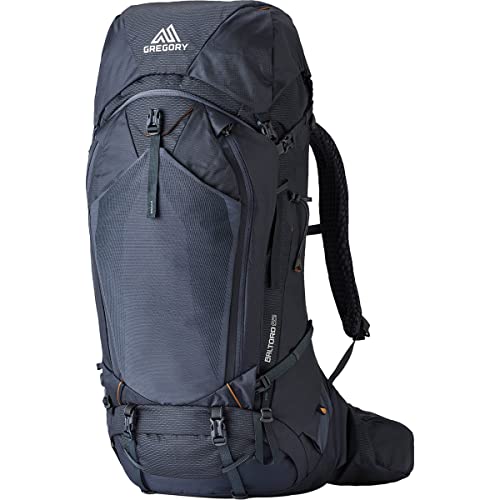
Gregory Baltoro 65L Pro Unisex Backpacking Pack...
Capacity: 65L
Frame: FreeFloat suspension
Backpanel: AirCushion breathable
Use: Extended backpacking
What we like
- Superior weight transfer
- Excellent ventilation
- Adjustable torso
- Fits up to 40 lb loads
- Premium build quality
What could be better
- Higher price point
- Heavier at 5+ lbs
- Overkill for light loads
65 Liters
FreeFloat
40+ lbs
AirCushion
The Gregory Baltoro 65L Pro represents the pinnacle of frame backpack comfort. Gregory's FreeFloat suspension system creates a pivoting frame that moves naturally with your body while maintaining exceptional weight transfer. During a week-long trek through the Rockies carrying 42 pounds, I experienced minimal shoulder fatigue thanks to the effective load transfer to the padded hip belt.
Performance Features
Rain Cover Included
The AirCushion backpanel provides impressive ventilation without sacrificing support. Even during summer hiking in humid conditions, my back remained noticeably drier compared to other packs. The 65L capacity offers ample room for extended trips, and the multiple pockets keep gear organized and accessible.
This pack shines when you need to carry heavy loads. The suspension truly earns its price above 35 pounds. For lighter loads, the Baltoro's weight and premium features may be overkill. But for serious backpackers who prioritize comfort on extended trips with heavy gear, this is one of the best frame backpacks available.
Expedition Ready
The Baltoro Pro justifies its premium price through build quality and comfort. This is an investment piece designed for years of heavy use. If you carry serious weight on extended trips regularly, the comfort difference makes this pack worth considering.
Osprey Exos 58L - Ultralight Frame Excellence
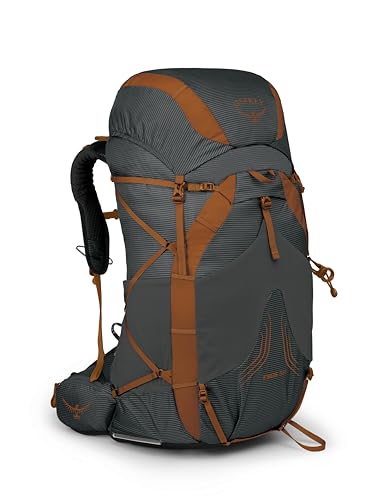
Osprey Exos 58L Men's Ultralight Backpacking...
Capacity: 58L
Frame: Aluminum alloy
Weight: Ultralight design
Use: Lightweight backpacking
What we like
- Frame under 4 lbs
- Excellent suspension
- Breathable backpanel
- Good load transfer
- Value for performance
What could be better
- Less capacity than 65L packs
- Fabric less heavy-duty
- Not for heavy loads
58 Liters
Aluminum Alloy
Under 4 lbs
AirSpeed
The Osprey Exos 58L hits a sweet spot in the backpack market - light enough for weight-conscious hikers but structured enough to handle medium loads. Osprey's AirSpeed suspension uses a peripheral alloy frame rod that creates tension without excessive weight. The result is a frame pack weighing under 4 pounds that still carries 30-35 pounds comfortably.
I spent three days on the Appalachian Trail with an Exos carrying 32 pounds. The suspension handled the load surprisingly well. The mesh backpanel provides excellent ventilation, keeping my back dry even during humid climbs. This is a significant advantage over frameless designs that trap heat against your body.
Packability: Compresses smaller than traditional frame packs when empty
The 58L capacity works well for weekend trips and minimalist multi-day adventures. Internal compression straps let you cinch down smaller loads, maintaining pack stability even when not fully loaded. This is crucial for frame packs - a poorly compressed half-empty framed pack feels unstable and awkward.
Osprey's attention to fit shows in the adjustable harness and hip belt. Finding the right torso length is easy with the velcro adjustment system. Proper fit makes more difference to comfort than any other factor, and Osprey excels here.
The Exos isn't designed for heavy loads above 35 pounds. The suspension starts to feel strained beyond this point. But for the majority of backpackers who carry 25-35 pounds, this pack offers an excellent balance of weight, comfort, and support that justifies its popularity.
Granite Gear Crown 3 60L - Pure Frameless Design

Granite Gear Crown 3 60L Backpack - Undyed Regular
Capacity: 60L
Design: Frameless
Weight: Ultra-light
Use: Ultralight backpacking
What we like
- Under 2 lbs empty
- 60L capacity for gear
- Simple proven design
- Quality construction
- Great for under 30 lbs
What could be better
- Poor above 30 lbs
- Requires packing skill
- Minimal organization
- Less back ventilation
60 Liters
Frameless
Under 2 lbs
20-30 lb loads
The Granite Gear Crown 3 60L represents frameless backpacking done right. This pack has earned a loyal following among thru-hikers and ultralight enthusiasts for good reason. At under 2 pounds empty, it saves significant weight compared to framed alternatives while still offering 60 liters of capacity.
The Crown 3 succeeds through intelligent design. The padded backpanel provides structure when packed correctly, and the roll-top closure allows you to compress the load precisely. External pockets provide organization without adding weight. Granite Gear stripped away everything unnecessary while keeping the features that matter.
Ultralight Features
External Pockets
Packing technique matters with this pack. Load the heaviest items against your back, closest to your shoulders. Medium-weight items go toward the middle. Light items go toward the outside. When packed correctly, the Crown 3 carries 25 pounds surprisingly well. But exceed 30 pounds, and comfort drops quickly.
The simplicity that makes this pack light also requires more from the user. There's no frame to forgive poor packing. But once you master the technique, the Crown 3 rewards you with a stable, comfortable carry that weighs dramatically less than framed alternatives.
Packability: Rolls down smaller than a loaf of bread for travel
This pack excels for thru-hikers, ultralight enthusiasts, and anyone who has seriously reduced their gear weight. If your base weight is under 15 pounds and total pack weight stays below 30, the Crown 3 is an excellent choice that will save you pounds over the course of a long hike.
Teton Outfitter 4600 - Budget-Friendly Frame Option
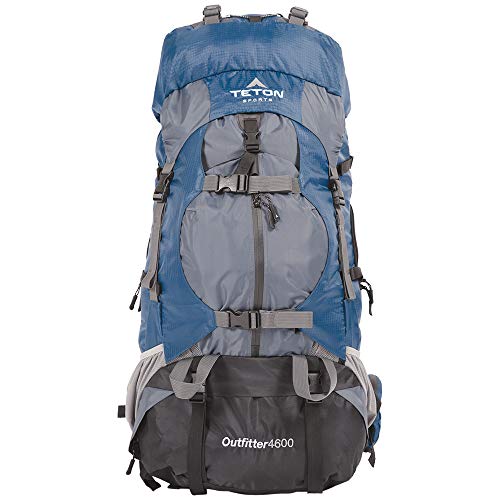
Teton Outfitter 4600 Ultralight Internal Frame...
Capacity: 75L
Frame: Internal frame
Use: Backpacking value option
Focus: Entry level
What we like
- Large 75L capacity
- Budget friendly
- Internal frame support
- Good for beginners
- Includes rain cover
What could be better
- Heavier build
- Less refined suspension
- Basic materials
- Not for lightweight users
75 Liters
Internal
Budget Tier
Rain Cover
The Teton Outfitter 4600 offers an entry point into frame backpacking without breaking the bank. With 75 liters of capacity and an internal frame, this pack provides the structure and support beginners need at a price that won't scare off newcomers to the sport.
This pack's greatest strength is its capacity. At 75 liters, it swallows gear for extended trips. The internal frame provides adequate weight transfer for loads in the 35-40 pound range. While the suspension doesn't match premium brands like Gregory or Osprey, it offers sufficient support for most users getting started with backpacking.
The included rain cover is a nice touch that adds value. Many premium packs sell this separately. Teton includes it in the package, saving you additional expense if you encounter wet weather on your trips.
Expedition Ready
Build quality reflects the price point. Materials are heavier and less refined than premium packs. The suspension system offers basic adjustment rather than the fine-tuning available on expensive models. But for occasional backpackers, scouts, or anyone testing the waters without a large investment, the Teton 4600 delivers adequate performance.
This pack works best for beginners who need capacity and support without premium pricing. As your skills evolve and weight decreases, you may eventually upgrade to lighter options. But as a starting point, the Teton 4600 offers a legitimate frame backpack at an accessible price.
Which Should You Choose?
Choose a Frame Backpack If:
- You carry more than 35 pounds - The frame's weight transfer becomes essential above this weight. Your shoulders will thank you.
- You're new to backpacking - The structure provides forgiveness as you learn gear selection and packing techniques.
- You have back concerns - Proper weight transfer to hips reduces spinal pressure significantly.
- You take extended trips - More food and gear equals heavier loads that benefit from frame support.
- You value organization - Multiple compartments help separate gear systematically.
Choose a Frameless Backpack If:
- Your total pack weight is under 30 pounds - Frameless carries well at these weights without the frame penalty.
- You have lightweight compressible gear - Down sleeping bags and compressed clothing pack tightly against the backpanel.
- You're an experienced packer - Proper technique makes frameless packs carry weight surprisingly well.
- You prioritize weight savings - Every ounce matters when aiming for ultralight base weights.
- You want packability for travel - Frameless packs compress completely flat for easy storage.
The Hybrid Option
Many manufacturers now offer hybrid designs that blur the line. These packs use minimal frames or removable stays that provide structure when needed but can be removed to save weight. The Osprey Exos mentioned above represents this approach - a frame light enough to almost feel frameless while still providing real support.
Frequently Asked Questions
What is the main difference between frame and frameless backpacks?
Frame backpacks use an internal or external structure that transfers weight from shoulders to hips, making them ideal for loads over 35 pounds. Frameless backpacks eliminate this structure to save weight, working best when total pack weight stays under 30 pounds.
Are frameless backpacks good for heavy loads?
Frameless backpacks are not ideal for heavy loads. They work best with 20-30 pounds total weight. Above 30 pounds, comfort drops significantly because the weight sits primarily on your shoulders rather than transferring to your hips through a frame.
Do frameless backpacks hurt your back?
Frameless backpacks do not hurt your back when packed correctly and used within their weight range. Proper packing places heavy items against your back, creating structure that distributes weight reasonably well. However, exceed 30 pounds or pack poorly, and discomfort increases quickly.
How much weight can a frameless backpack carry?
Frameless backpacks carry 20-30 pounds comfortably. Some experienced packers can handle up to 35 pounds with perfect technique and highly compressible gear. But above this weight, frame backpacks provide significantly better comfort through proper weight transfer.
When should I choose a frameless backpack?
Choose a frameless backpack if your total pack weight stays under 30 pounds, you have lightweight compressible gear, and you have experience with proper packing technique. They are ideal for ultralight enthusiasts, thru-hikers, and anyone prioritizing weight savings over heavy-load comfort.
The Final Verdict
After analyzing both backpack types and testing multiple models, the choice comes down to your actual pack weight rather than marketing claims or trends.
- Choose Frame if: You carry 35+ lbs, are new to backpacking, have back concerns, or take extended trips. The Gregory Baltoro 65L Pro offers premium comfort for heavy loads.
- Choose Frameless if: Your pack weight stays under 30 lbs, you have lightweight gear, and you know proper packing technique. The Granite Gear Crown 3 60L is an excellent pure frameless option.
- Best Hybrid Approach: The Osprey Exos 58L provides frame support at a weight approaching frameless territory - perfect for hikers in the 25-35 pound range.
Pro Tip: Weigh your fully loaded pack before deciding. The scale never lies, and actual weight matters more than theoretical preference. I've seen many hikers choose frameless only to realize they actually carry 38 pounds once they account for food, water, and gear.