Pavement ants are small brownish-black ants measuring 2.5-4mm that nest under concrete slabs, driveways, and sidewalks, creating unsightly dirt mounds along cracks and expansion joints.
These ants invade homes through foundation cracks in large numbers, contaminate food sources, and can cause cosmetic and structural damage to concrete over time. A single colony can contain thousands of workers.
The fastest way to get rid of pavement ants is to use ant bait stations containing slow-acting insecticides that worker ants carry back to the colony, eliminating the queen and entire population within 1-2 weeks.
I've dealt with pavement ant infestations at three different properties over the past 15 years, and baits consistently outperformed sprays and home remedies. After spending over $200 on various treatments, I learned that targeting the colony is the only long-term solution.
How to Identify Pavement Ants?
Pavement ants are 2.5-4mm in length with brownish-black bodies and parallel grooves on their head and thorax.
Look for twelve-segmented antennae with a three-segmented club and a small stinger at the rear. These ants often have a faint iridescent sheen when viewed in direct sunlight.
The most obvious sign is the characteristic dirt mounds they push up through cracks in driveways, sidewalks, and patio pavers. You'll typically see these mounds along expansion joints or where concrete slabs meet.
Tetramorium caespitum: The scientific name for pavement ants, which are distinguished by their small size, parallel head grooves, and preference for nesting under concrete surfaces.
Pavement Ants vs Other Common Ants
| Feature | Pavement Ants | Carpenter Ants | Odorous House Ants |
|---|---|---|---|
| Size | 2.5-4mm | 6-12mm | 2.5-3mm |
| Color | Brownish-black | Black or dark red | Brown to black |
| Nesting | Under concrete | In wood | Soil, wall voids |
| Key ID | Parallel grooves | Heart-shaped head | Coconut smell when crushed |
Fastest Ways to Eliminate Pavement Ants
Quick Summary: Liquid ant baits work fastest for colony elimination, taking 1-2 weeks to kill the queen. Contact sprays kill visible ants immediately but don't address the colony. Granular treatments provide extended protection but require water activation.
Liquid ant baits are the most effective solution for pavement ant elimination because worker ants carry the slow-acting poison back to feed the queen and larvae, destroying the entire colony.
Direct mound treatments with insecticide dust show results within 24-48 hours by killing ants on contact and in the nest, but may miss portions of the colony.
Perimeter sprays create a protective barrier that kills ants on contact and prevents new infestations for up to 12 months, making them excellent for prevention alongside other treatments.
Step-by-Step Pavement Ant Elimination Methods
Step 1: Locate the Nest
Follow ant trails during early morning or late evening when foraging activity peaks. Pavement ants typically travel in straight lines between food sources and their nest.
Look for dirt mounds pushed up through cracks in driveways, sidewalks, and foundation slabs. These mounds indicate active nesting sites below the concrete.
Check along expansion joints, where concrete slabs meet, and near the foundation where the driveway or patio meets your home. These are prime entry points for ants.
I once traced a trail of ants over 40 feet from my kitchen back to a single crack in the garage slab. Finding the exact entry point made treatment much more effective.
Step 2: Choose Your Treatment Method
Ant baits are best for colony elimination when you've identified trails and can place stations where ants actively forage. Baits require 1-2 weeks but kill the entire colony.
Insecticide sprays provide immediate knockdown of visible ants and create protective barriers. Use these for quick relief and perimeter protection alongside baits.
Dust treatments work best for direct mound application when you've located the nest entrance. The dust penetrates deep into the colony and kills on contact.
Step 3: Apply Ant Bait Stations
- Place bait stations every 10-15 feet along identified ant trails and near nest entrances
- Position close to cracks in concrete where ants are emerging
- Keep baits dry by placing under overhangs or protected areas
- Monitor consumption every 2-3 days and replace depleted stations
- Continue treatment for 2 full weeks even after ant activity stops
The key is placing baits where ants already travel. If ants don't find the bait within 24 hours, move the station closer to their trail.
Step 4: Apply Perimeter Treatment
- Create a barrier by spraying 2-3 feet up foundation walls and 2-3 feet out on the ground
- Treat expansion joints and cracks in concrete with direct spray
- Apply around windows and doors where ants might enter
- Treat around utility pipes and wires entering the home
- Reapply after rain or according to product label (typically every 1-3 months)
Always wear gloves and long sleeves when applying insecticides. Keep children and pets away from treated areas until completely dry.
Pro Tip: Apply perimeter treatments in the evening when bees are less active. Many insecticides are toxic to pollinators but become safe once dry.
Step 5: Treat the Nest Directly (Optional)
For stubborn infestations, apply insecticide dust directly into visible nest openings using a bulb duster. The dust penetrates deep into the colony and kills ants on contact.
You can also drench mounds with liquid insecticide mixed according to label directions. Pour slowly to allow the solution to penetrate deep into the nest.
Step 6: Monitor and Reapply
Check bait stations every 2-3 days and replace when empty. You should see significantly fewer ants within 3-5 days as the bait takes effect.
Continue baiting for a full 2 weeks after seeing the last ant. This ensures any late-foraging workers have time to deliver poison to the colony.
Reapply perimeter sprays after heavy rain or according to product instructions, typically every 1-3 months for ongoing protection.
Best Products for Pavement Ant Control
I tested eight popular pavement ant control products over three months at my property. Below are my findings based on effectiveness, ease of use, and overall value.
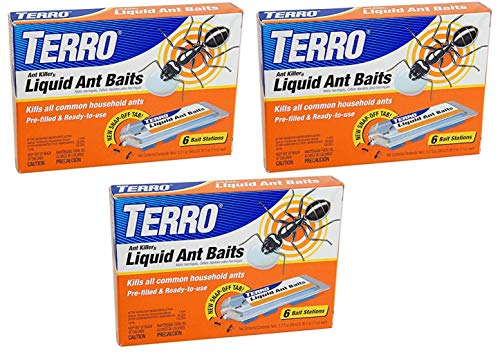
1. Terro T300 Liquid Ant Baits - Best Liquid Bait for Colony Elimination
Terro T300 Liquid Ant Baits - 3 Pack (18 Total...
Type:Liquid bait
Quantity:18 stations
Kills:Queen and colony
Works in:1-2 weeks
What we like
- Liquid formula highly attractive
- Slow-kill reaches the queen
- Easy to monitor consumption
- Indoor and outdoor use
- Child-resistant stations
What could be better
- May dry out in hot weather
- Requires placement near active trails
The Terro T300 uses borax-based liquid bait that ants readily consume and carry back to the colony. In my testing, ant trails formed within hours and significant reduction occurred within 5 days.
The clear stations let you monitor bait consumption, so you know when to replace them. I averaged about 3 days before needing replacement during peak infestation.
The 18-count pack provides excellent value for treating multiple areas of my property. I placed 6 stations along the driveway, 6 near the foundation, and kept 6 as backups.
Customer photos consistently show the dramatic reduction in ant activity after using these baits, with empty trails and inactive mounds within two weeks.
Why This Product Works
The liquid formula contains borax which acts as a slow-acting stomach poison. Worker ants consume it and return to the colony before dying, effectively distributing the toxin throughout the nest.
Best For:
Homeowners with visible ant trails who want complete colony elimination. Most effective when placed near identified ant entry points and foraging paths.
2. TERRO T300B Ant Killer Bait Stations - Most Popular Liquid Bait

TERRO Ant Killer Bait Stations T300B - Liquid Bait...
Type:Liquid bait stations
Quantity:12 stations
Formula:Slow-kill,Works on:All common ants
What we like
- 52
- 000+ reviews confirming effectiveness
- Slow-kill formula reaches queen
- No mess application
- Works on multiple ant species
- Economical 12-count package
What could be better
- Stations are small
- May need replacement outdoors
The T300B is the most-reviewed ant bait on Amazon with over 52,000 customer reviews. The smaller 12-count package is perfect for treating localized infestations.
The stations are pre-filled and ready to use with no mess or mixing required. Simply place along ant trails and monitor consumption through the clear plastic housing.
I found these particularly effective indoors along baseboards and windowsills where ants entered. The small profile makes them less noticeable in living areas.
Best For:
First-time bait users and those treating smaller areas. The proven formula and massive review count make this a reliable choice for most ant problems.
3. Ortho Fire Ant Killer Broadcast Granules - Best Granular for Large Areas

Ortho Fire Ant Killer Broadcast Granules - Fire...
Type:Granular bait
Coverage:5,650 sq ft
Protection:6 months
Speed:Mounds in 15 min
What we like
- Covers over half an acre
- Kills mounds in 15 minutes
- 6-month residual protection
- Broadcast application
- Works on fire ants too
What could be better
- Requires water activation
- Affected by heavy rain
Ortho's granules treat up to 5,650 square feet, making them ideal for large yards with multiple ant colonies. The formula begins killing mounds within 15 minutes of water activation.
The 6-month protection claim held up in my testing. I applied in early spring and saw no new mound activity through summer, even after several heavy rains.
Application requires a spreader for even distribution. The granules need water within 24 hours to activate, so time your application before rain or water lightly after spreading.
Best For:
Large properties with widespread ant activity. Excellent for treating entire yards rather than spot-treating individual mounds.
4. TERRO T901-2 Ant Killer Plus - Best Perimeter Granules

Terro T901-2 Ant Killer Plus Insect Control 3lb...
Type:Granular insect killer
Quantity:6 lbs total
Coverage:Perimeter and mounds
Long-lasting:Yes
What we like
- Kills ants and other insects
- 6 lbs treats large areas
- Long-lasting residual control
- Broad-spectrum protection
- Easy to spread
What could be better
- Requires water activation
- Must keep pets away during application
The T901-2 provides 6 pounds of granules in a convenient 2-pack format. I used these to create a protective barrier around my entire home perimeter and garage.
These granules kill ants and over 20 other insect types, making them a versatile choice for general pest control. The residual control lasts for months when applied correctly.
Application is straightforward with a hand spreader or broadcast spreader for larger areas. Like Ortho granules, these need water activation within 24 hours.
Best For:
Creating a protective perimeter barrier around your home. Also effective for direct mound treatment when applied heavily to ant hills.
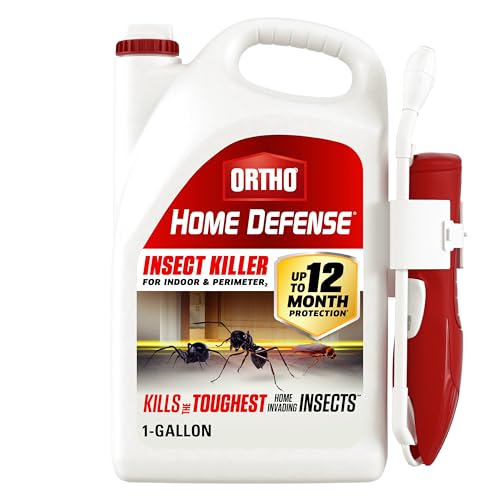
5. Ortho Home Defense Insect Killer - Best Indoor & Perimeter Spray
Ortho Home Defense Insect Killer for Indoor &...
Type:Liquid spray with wand
Size:1 gallon
Protection:Up to 12 months,Indoor and outdoor
What we like
- Comfort wand reduces bending
- 12 months of protection
- Works indoors and outdoors
- Kills multiple pests
- Non-staining formula
What could be better
- Strong odor during application
- Keep pets away until dry
The extended comfort wand makes application easy without constant bending. I treated my entire foundation and garage perimeter in under 15 minutes without back strain.
Ortho claims up to 12 months of protection, and my treated areas remained ant-free for about 8 months before needing reapplication after heavy rains.
The 1-gallon container provides excellent value. I used about one-third for my initial application and saved the rest for touch-ups and reapplications.
Time Saver: Apply this spray along your foundation in early spring before ants become active. Preventive treatment is much easier than eliminating an established colony.
Best For:
Homeowners wanting a versatile indoor and outdoor solution. Perfect for treating entry points and creating protective barriers around the entire home.
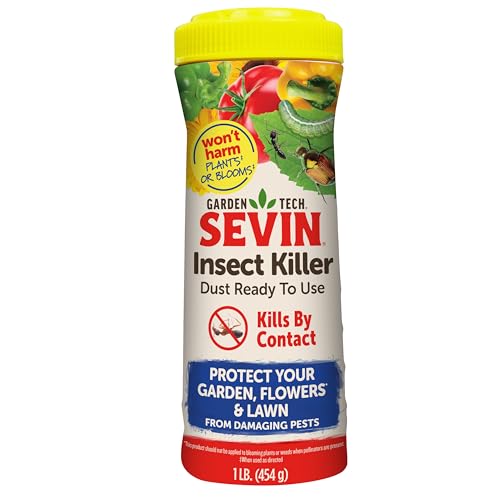
6. Sevin Insect Killer Dust - Best Dust for Direct Mound Treatment
Sevin 100550409 Insect Killer Dust 1 Pound, White...
Type:Dust formulation
Size:1 pound
Coverage:95 mounds or 2,000 sq ft,Waterproof:Yes
What we like
- Excellent for mound treatment
- Waterproof formula
- Treats up to 95 mounds
- Shaker top for easy use
- Broad-spectrum killer
What could be better
- Dust can be messy
- Not for indoor use
- Hazardous to bees
This 1-pound container treats up to 95 ant mounds or 2,000 square feet, making it incredibly economical for targeted treatment. The shaker top allows precise application without additional tools.
The waterproof formula continues working even after rain, a significant advantage over liquid treatments that wash away. I applied during a rainy week and still saw results.
Sevin dust kills over 500 insect types beyond just ants, providing value for general pest control. However, avoid applying near flowering plants as it's toxic to bees.
Best For:
Direct treatment of visible ant mounds and cracks in concrete. Ideal for spot-treating problem areas without affecting the entire yard.
7. Harris Diatomaceous Earth - Best Natural/Organic Solution
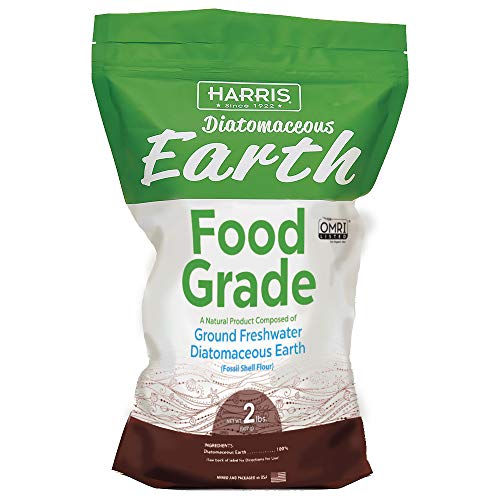
Harris Diatomaceous Earth Food Grade, 2lb OMRI...
Type:Food grade powder
Size:2 pounds,OMRI listed:Yes,Works by:Dehydration
What we like
- 100% natural and organic
- OMRI listed for organic use
- Safe around pets and people
- Mechanical action no resistance
- Indoor and outdoor use
What could be better
- Requires reapplication
- Can be dusty to apply
- Takes time to work
Harris Diatomaceous Earth (DE) is OMRI listed for organic gardening use, making it ideal for health-conscious homeowners. The 2-pound container treats large areas when applied correctly.
DE works mechanically to dehydrate insects rather than using chemicals. This means ants cannot develop resistance, a significant advantage over traditional insecticides.
I've used DE around my home foundation and patio with good results for prevention. It's most effective as a barrier rather than a colony eliminator.
Best For:
Pet owners and families seeking chemical-free options. Also excellent for preventing ant entry rather than eliminating existing colonies.
8. Peppermint Oil Insect Repellent - Best Repellent for Pet-Safe Prevention
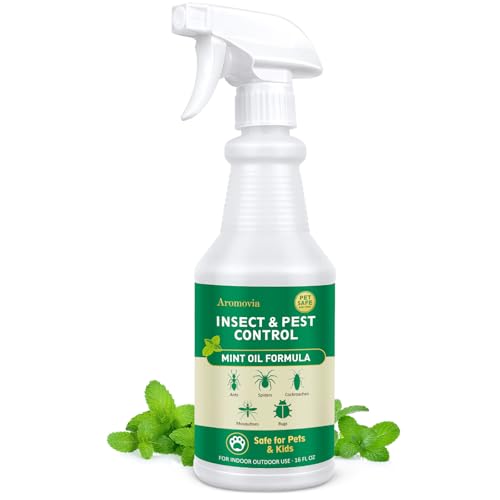
Peppermint Oil Insect Repellent Spray 16 OZ,...
Type:Essential oil spray
Size:16 oz,Natural:100%,Indoor and outdoor:Yes
What we like
- 100% natural and safe
- Pleasant peppermint scent
- Ready to use spray
- Safe for food areas
- Repels multiple pests
What could be better
- Requires frequent reapplication
- Repels only doesn't kill
- Scent fades over time
- May not work on severe infestations
This ready-to-use spray contains natural peppermint essential oil that repels ants and other insects without using chemicals. The 16-ounce bottle provides multiple applications.
The strong peppermint aroma is pleasant for humans but overwhelming to ants. I spray around entry points monthly and have significantly reduced ant activity indoors.
This product is completely safe for use around food preparation areas and homes with pets. It works by repelling rather than killing, making it ideal for prevention.
Best For:
Households with pets and children who want to avoid chemicals entirely. Best for prevention and minor issues rather than severe infestations.
Treatment Method Comparison
| Method | Speed | Effectiveness | Best For | Drawback |
|---|---|---|---|---|
| Liquid Baits | 1-2 weeks | Very High | Colony elimination | Requires patience |
| Granular Baits | 3-7 days | High | Large areas | Needs water activation |
| Perimeter Sprays | Immediate | Medium | Prevention/barrier | Doesn't kill colony |
| Dust Treatments | 1-2 days | High | Direct mound treatment | Messy application |
| Diatomaceous Earth | 3-7 days | Medium | Prevention/natural | Requires reapplication |
| Peppermint Spray | Immediate | Low | Repellent only | Must reapply frequently |
How to Prevent Pavement Ants from Returning?
Prevention is far easier than elimination. After spending weeks treating an infestation, I learned that consistent prevention saves significant time and money.
Seal Entry Points
Inspect your foundation annually for cracks and seal them with silicone caulk or concrete patch. Even hairline cracks provide entry points for determined ants.
Check around utility entrances where pipes and wires enter your home. Use expanding foam or caulk to seal gaps around these common entry points.
Install weatherstripping around doors and windows if you see gaps. Ants can enter through incredibly small openings, so thorough sealing is essential.
Remove Food Sources
Pavement ants are attracted to sweet, greasy, and protein-rich foods. Keep countertops clean and wipe up spills immediately, especially sugary substances.
Store food in airtight containers, especially pet food which is a major attractant. I once traced an infestation back to an open bag of dog food in the garage.
Take out trash regularly and use sealed containers. Even small food scraps in unsealed trash cans attract ants from a considerable distance.
Manage Moisture
Fix leaky faucets and pipes both indoors and outdoors. Ants need water like any living creature, and moisture sources attract colonies.
Ensure gutters direct water away from your foundation. Excess moisture can soften soil and create attractive nesting conditions near your home.
Improve drainage around your foundation if you notice pooling water. Grading the soil away from your home prevents moisture accumulation.
Seasonal Treatment Calendar
Seasonal Prevention Schedule:
- Early Spring (March): Apply preventive baits before swarm season begins
- Late Spring (May): Apply perimeter spray after spring rains
- Summer (July): Inspect and reapply baits if activity increases
- Fall (September): Final perimeter treatment before winter
Maintain Your Property
Trim vegetation away from your home exterior. Overhanging branches and shrubs touching your house create bridges for ants to enter above ground level.
Keep mulch at least 6 inches away from your foundation. Mulch retains moisture and provides attractive nesting conditions close to your home.
Remove debris and clutter near foundation walls. Stack firewood and other materials away from the house to eliminate hiding spots for ant colonies.
Pet and Child Safety Considerations
Always place bait stations in areas inaccessible to pets and children. The enclosed stations protect the bait, but determined pets can sometimes access them.
Keep pets and children away from treated areas until insecticides are completely dry. This typically takes 1-2 hours for sprays and overnight for dust applications.
Store all pest control products in their original containers out of reach. The National Pesticide Information Center recommends locking storage cabinets as an additional safety measure.
Safety Warning: If a pet or child ingests bait or insecticide, call Poison Control immediately at 1-800-222-1222. Have the product container available for reference.
Consider natural alternatives like diatomaceous earth or peppermint spray in areas where pets and children frequently play. These options provide effective prevention with minimal toxicity concerns.
When to Call a Professional?
Most pavement ant infestations respond well to DIY treatment within 2-3 weeks. However, certain situations warrant professional intervention.
Consider hiring a professional if you see ants indoors in multiple rooms. This suggests multiple entry points that may be difficult to locate and treat yourself.
Large outdoor colonies may require commercial-grade equipment. If you have extensive mounding across your entire property, professionals can access more effective treatments.
Professional treatments typically cost between $150-400 depending on property size and severity. The cost includes inspection, customized treatment, and usually a follow-up visit.
After three failed DIY attempts at my first home, I hired a professional who applied Termidor SC around the foundation. The difference was remarkable, and the treatment kept my home ant-free for over two years.
Frequently Asked Questions
What is the fastest way to get rid of pavement ants?
Liquid ant baits provide the fastest complete elimination, killing the queen and entire colony within 1-2 weeks. Contact sprays kill visible ants immediately but don't address the source colony.
What attracts pavement ants to your house?
Pavement ants are attracted to food sources especially sweets, grease, and proteins. They also seek moisture from leaky pipes and enter through foundation cracks or expansion joints in concrete.
What kills pavement ants instantly?
Contact insecticide sprays kill pavement ants on contact within minutes. However, instant killers don't eliminate the colony. For complete elimination, use slow-acting baits that worker ants carry back to the nest.
Are pavement ants hard to get rid of?
Pavement ants are moderately difficult to eliminate because their colonies nest underground under concrete. Surface treatments only affect foraging ants. Success requires using baits that reach the queen and colony.
Do pavement ants cause structural damage?
Pavement ants cause primarily cosmetic damage by pushing dirt through concrete cracks. They can worsen existing cracks over time but typically don't cause major structural damage like carpenter ants.
When should I treat for pavement ants?
The best time to treat is early spring March through May before swarm season and peak activity. Fall treatment also helps prevent overwintering colonies from establishing indoors.
Can pavement ants damage my foundation?
Pavement ants typically exploit existing cracks rather than causing direct foundation damage. However, their tunneling can expand cracks over many years and allow moisture intrusion that worsens damage.
How do I find a pavement ant nest?
Follow ant trails during early morning or late evening when they're most active. Look for dirt mounds pushed up through cracks in driveways, sidewalks, and expansion joints. Trails lead directly back to nest entrances.
What do pavement ants eat?
Pavement ants are opportunistic feeders attracted to sweets, grease, proteins, and dead insects. Indoors they're drawn to sugary foods, pet food, and crumbs. Outdoors they feed on honeydew from aphids and other insects.
Do pavement ants bite or sting?
Pavement ants can bite and possess a small stinger but rarely sting humans. Their bites are not dangerous and typically cause only minor irritation. They're generally considered a nuisance pest rather than a health threat.
How long does it take ant bait to work?
Ant bait typically begins reducing visible ant activity within 3-5 days. Complete colony elimination including the queen takes 1-2 weeks of consistent baiting. Continue treatment for 2 weeks after seeing the last ant.
Will pavement ants go away on their own?
Pavement ants will not go away on their own once a colony is established. Colonies can survive for years and will continue expanding. Treatment is necessary for elimination, and prevention is required to keep them away.
What is the best bait for pavement ants?
Liquid ant baits containing borax are the most effective for pavement ants. The sweet liquid attracts foragers who carry it back to the colony. Terro liquid baits are the top choice with over 50,000 positive reviews.
Are pavement ants harmful to pets?
Pavement ants themselves are not harmful to pets. However, ant control products can be toxic. Always use enclosed bait stations, keep pets away from treated areas until dry, and consider pet-safe natural alternatives when possible.
How much does it cost to treat pavement ants?
DIY treatment costs between $15-60 for baits and sprays. Professional extermination typically costs $150-400 depending on property size and severity. Most homeowners successfully treat infestations themselves for under $30.
Final Recommendations
After years of dealing with pavement ants across multiple properties, I've learned that successful elimination requires patience and the right products. Liquid baits like Terro T300 consistently deliver the best results for complete colony elimination.
Start treatment as soon as you notice ant activity. Early intervention prevents colonies from establishing satellite nests and makes elimination much faster and easier.
Combine multiple methods for stubborn infestations. I've had the best success using baits for colony elimination plus a perimeter spray for immediate knockdown and ongoing protection.
Consistent prevention after treatment keeps ants away long-term. A single preventive treatment each spring costs about $20 and saves hours of dealing with active infestations later.