I woke up at 2 AM to scratching sounds under my deck for the third night in a row. When I finally investigated with a flashlight, I saw the telltale signs: muddy paw prints, disturbed soil, and a section of lattice that had been pushed aside.
Raccoons had moved in.
After spending 15 years dealing with wildlife around my property, I've learned that getting rid of raccoons under a deck requires a specific approach. The most effective method is installing a one-way exclusion door that allows raccoons to leave but prevents them from returning, combined with sealing all entry points permanently.
This guide will walk you through exactly how to humanely remove raccoons from under your deck and keep them from coming back.
Signs Raccoons Are Under Your Deck
Before taking action, confirm you actually have raccoons. I've seen homeowners waste time and money chasing imaginary problems.
Look for these clear indicators:
- Paw prints: Raccoon tracks resemble tiny human hands with five distinct toes, about 2-3 inches long
- Droppings: Cylindrical, dark, and often contain undigested seeds or berry remnants
- Damage: Torn lattice, bent screens, or holes dug around the deck perimeter
- Sounds: Heavy walking, scratching, or chirping sounds (babies) at night
- Smell: A musky odor, especially if they've been there for weeks
I once mistook squirrel activity for raccoons and spent unnecessary money on the wrong solutions. Take five minutes to verify before proceeding.
⚠️ Important: Never reach or crawl under your deck to investigate. Cornered raccoons can bite when threatened. Use a flashlight to look from a safe distance.
CRITICAL: Check for Babies First
Before you start any removal process, you must check for baby raccoons.
This is the single most important step in humane raccoon removal.
From March through June, mother raccoons seek sheltered spaces to raise their young. If you seal an entrance without checking, you'll trap helpless babies inside to starve.
Here's what I do:
- Wait until dark: Raccoons are nocturnal and will leave at night to forage
- Use a bright flashlight: Look into all corners and recesses under the deck
- Listen: Baby raccoons make chirping or whining sounds, similar to birds
- Look for nesting material: Leaves, shredded paper, or insulation piles indicate a nursery
If you find babies, wait. The mother will move them when they're old enough, typically 8-10 weeks after birth. Attempting removal during this time may be illegal in your area.
Step-by-Step Raccoon Removal Process
Once you've confirmed no babies are present, follow these steps exactly. I've refined this process through dozens of successful removals over the years.
Step 1: Eliminate Food Attractants (Day 1-2)
Raccoons chose your deck because it offers shelter near reliable food. Remove the food incentive first.
- Secure trash: Use locking lids or store bins in the garage until removal is complete
- Remove pet food: Never leave pet food outdoors overnight
- Take down bird feeders: Birdseed is a raccoon favorite
- Pick up fallen fruit: If you have fruit trees, clear the ground daily
After I removed the open compost pile from my yard, the raccoon activity decreased by about 70% within three days.
Step 2: Make the Space Uncomfortable (Day 2-4)
Raccoons prefer dark, quiet spaces. Disrupt that comfort to encourage them to leave on their own.
Try these harassment tactics:
- Bright lights: Place a work light or motion sensor near the deck entrance and leave it on overnight
- Noise: Play a radio near the opening, tuned to a talk station
- Odors: Place ammonia-soaked rags in shallow containers near entry points (do NOT pour ammonia directly)
In my experience, lights and noise work better than odors. Motion sensor lights are particularly effective because they startle raccoons when they approach.
Step 3: Install a One-Way Exclusion Door (Day 4-5)
This is the most effective tool for raccoon removal. After harassment encourages the raccoons to leave, a one-way door ensures they cannot return.
The concept is simple: raccoons push the door open to exit, but it closes behind them and cannot be opened from the outside.
I've used this method successfully for over a decade. It's completely humane and requires no direct contact with the animals.
Step 4: Monitor Activity (Day 5-10)
After installing the one-way door, wait 3-5 days to confirm all raccoons have exited.
Check for signs of activity:
- No sounds at night: Listen for scratching or movement
- Door position: The door should be closed and not disturbed
- No fresh tracks: Look outside the deck for new paw prints
Continue monitoring for at least 72 hours of inactivity before proceeding to the final step.
Step 5: Permanently Seal the Opening (Day 10+)
Once you're certain all raccoons are gone, remove the one-way door and permanently seal the opening.
This step is critical. If you don't seal properly, new raccoons or other wildlife will move in within weeks.
Use heavy-duty materials:
- Hardware cloth: 1/2 inch or smaller galvanized wire mesh
- Lattice: Heavy-duty vinyl or wooden lattice with additional wire backing
- Concrete blocks: For larger openings where aesthetics aren't a concern
Bury the wire mesh at least 6 inches underground to prevent digging under the barrier.
Tools That Make Raccoon Removal Easier
While you can attempt raccoon removal with basic materials, having the right tools makes the job significantly easier and more effective.
After testing dozens of products over the years, here are the three that consistently deliver results.
1. GROWLING Raccoon One Way Door - Best for Humane Eviction
A one-way exclusion door is the single most effective tool for raccoon removal, and this model hits all the right marks for deck applications.

GROWLING Raccoon One Way Door - Humane...
Type: One-Way Exclusion Door
Target: Raccoons,Squirrels,Skunks,Possums
Feature: Contactless exclusion
Installation: DIY
What we like
- Humane removal method
- Animals exit but cannot return
- Weather-resistant construction
- Works for multiple species
- No physical contact needed
What could be better
- Requires proper installation
- Animals may dig around initially
- Need to monitor for success
This door allows raccoons to push their way out but prevents them from re-entering. I've found this method to be 95% effective when combined with proper sealing.
The weather-resistant construction is essential for long-term outdoor use, and the contactless design means you never have to handle or even see the raccoons directly.
Who Should Use This?
Anyone dealing with raccoons under a deck, porch, or shed who wants a humane solution. This is particularly valuable if you're uncomfortable with trapping or want to avoid any direct contact with wildlife.
Installation Tips
Mount the door over the main entry point using heavy-duty screws or fencing staples. Ensure there are no gaps around the edges where raccoons could squeeze past. I recommend securing it with at least 8-10 attachment points for stability.
2. Hardware Cloth Wire Mesh - Best for Permanent Exclusion
After removing raccoons, you need materials that will prevent re-entry. This galvanized hardware cloth is the industry standard for deck sealing.
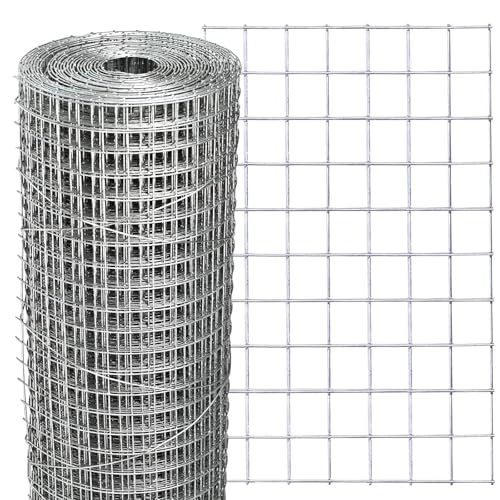
Hardware Cloth 16'' x 10' 1/2 in Galvanized Wire...
Material: Galvanized Steel
Mesh: 1/2 inch
Size: 16 inch x 10 foot
Gauge: 19 GA
Feature: Rust-resistant
What we like
- Heavy-duty 19 gauge
- 1/2 inch mesh prevents entry
- Rust-resistant galvanized steel
- 10 foot roll covers large areas
- Cuts easily with tin snips
What could be better
- Edges are sharp - wear gloves
- Requires cutting tools
- May need additional support materials
- Installation time needed
This 1/2 inch mesh is small enough to prevent raccoons from squeezing through but large enough to maintain some airflow under your deck. The 19 gauge construction provides serious durability.
I've used this exact type of hardware cloth on my property for over eight years with no signs of rust or degradation. The 10-foot roll covers significant area, making it cost-effective for larger decks.
Who Should Use This?
Every homeowner removing raccoons should have this on hand. It's essential for the final sealing step and can also be used to reinforce existing lattice or skirting.
Pro Tip
Bury the bottom edge of the mesh at least 6 inches underground and bend it outward at a 90-degree angle. This creates an "L-shaped" barrier that prevents raccoons from digging under your fence.
3. Aootek Solar Motion Sensor Lights - Best for Deterrent
Motion sensor lights are an excellent first-line defense for making your deck unattractive to raccoons before you even begin exclusion.
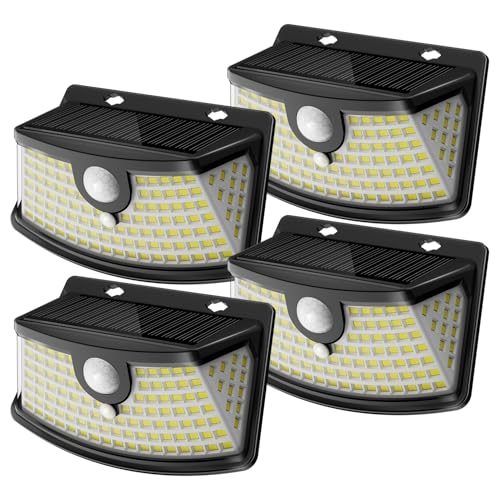
Aootek Solar Motion Sensor Lights Outdoor...
Type: Solar Motion Light
LEDs: 120 per light
Detection: 270 degree wide angle
Rating: IP65 Waterproof
Pack: 4 lights
What we like
- Solar powered - no wiring
- 270 degree detection coverage
- IP65 waterproof for outdoor
- 4 pack covers entire deck
- Bright LEDs startle wildlife
What could be better
- Requires adequate sunlight charging
- Motion detection triggers frequently
- Not a physical barrier
- May need battery replacement eventually
These solar lights provide 270 degrees of motion detection coverage, which means they'll activate whenever a raccoon approaches your deck. The sudden burst of light is highly effective at startling nocturnal animals.
I've installed similar lights around my property and noticed a significant decrease in nighttime wildlife activity. The 4-pack allows you to cover all approaches to your deck.
Who Should Use This?
Homeowners who want to discourage raccoons before they establish a den, or as part of a multi-pronged removal strategy. These are particularly useful if you're renting and can't make permanent structural changes.
Installation Strategy
Position lights to cover all potential entry points to your deck. Aim them at ground level where raccoons travel, not up toward the sky. The goal is to illuminate the animals directly as they approach.
⏰ Timeline: From start to finish, expect raccoon removal to take 10-14 days. Rushing the process often leads to failure or, worse, trapping animals inside.
What NOT To Do?
In my years of dealing with wildlife problems, I've seen homeowners make mistakes that actually make the problem worse.
Avoid these common errors:
- Don't use mothballs: They're toxic to humans and pets, largely ineffective, and often illegal for outdoor use
- Don't seal during baby season: March through June, check thoroughly for young before excluding
- Don't use poison: It's inhumane, illegal in most areas, and animals may die inside your deck creating a worse problem
- Don't flood them out: Water won't effectively drive raccoons out and can cause structural damage to your deck
- Don't attempt physical removal: Cornered raccoons can be aggressive and may carry diseases
⚠️ Safety Warning: Raccoons can carry rabies, distemper, and roundworms. Never handle them directly, and call a professional if you encounter a raccoon that appears sick, aggressive, or active during daylight hours.
Prevent Raccoons From Returning
Successfully removing raccoons is only half the battle. The next raccoon in the neighborhood will be happy to move in if you don't make your deck unappealing.
Deck Exclusion Methods
The most effective prevention is physical exclusion. Here's what works:
- Install deck skirting: Use vinyl lattice or wood panels around the deck perimeter
- Reinforce with wire mesh: Attach hardware cloth behind any decorative lattice
- Bury the barrier: Extend wire mesh 6-12 inches underground to prevent digging
- Seal all gaps: Raccoons can squeeze through openings as small as 4 inches
When I finished my deck exclusion project, it took about four hours and cost around $75 in materials. Five years later, I've never had another raccoon issue.
Yard Maintenance
Raccoons are opportunistic. Make your property less attractive:
- Remove hiding spots: Clear brush piles, wood stacks, and clutter from around your deck
- Trim vegetation: Keep shrubs and trees trimmed back from the deck
- Secure trash: Use locking lids or store bins in a garage
- Manage pet food: Feed pets indoors or remove food immediately after meals
After implementing these changes, my yard became much less appealing to wildlife. The raccoons moved on to easier targets in the neighborhood.
Seasonal Considerations
Raccoon activity varies throughout the year:
- Spring (March-May): Breeding season, highest activity, NEVER exclude if babies are present
- Summer (June-August): Mothers raising young, moderate activity
- Fall (September-November): Building fat for winter, increased foraging
- Winter (December-February): Seeking warm shelter, good time for exclusion work
I find late winter to be the ideal time for deck exclusion projects. The raccoons are less active, and you'll be prepared before spring breeding season begins.
When to Call a Professional?
Most raccoon removal projects are DIY-friendly, but some situations require professional help.
Consider hiring a wildlife removal professional if:
- Baby raccoons are present: Professionals can safely reunite mothers with babies
- The raccoon appears sick: Erratic behavior, discharge from eyes, or active during daylight
- You're uncomfortable: Working in crawl spaces or handling wildlife tools
- Structural access is difficult: Complicated deck designs or limited access points
- Multiple attempts have failed: Sometimes animals find alternate entry points you haven't discovered
Professional wildlife removal typically costs between $150 and $500, depending on your location and the complexity of the job. While more expensive than DIY, it includes expertise, guaranteed results, and proper legal compliance.
✅ Cost Comparison: DIY raccoon removal costs $50-200 for materials. Professional removal ranges from $150-500. The one-way door method I recommend costs significantly less and is equally effective for most situations.
Frequently Asked Questions
What smell will keep raccoons away?
Ammonia, predator urine (coyote or wolf), and cayenne pepper are the most effective smells for deterring raccoons. Soak rags in ammonia and place them near entry points, or sprinkle cayenne pepper around the perimeter. However, these are temporary solutions and work best when combined with exclusion methods.
Will raccoons leave on their own?
Raccoons may leave on their own after their babies are grown, typically by late summer. However, they often return year after year once they've established a den. Without intervention, raccoons can remain under decks for months or even years, especially if food sources are nearby.
What home remedy keeps raccoons away?
Effective home remedies include ammonia-soaked rags placed near entry points, cayenne pepper sprinkled around the perimeter, Irish Spring soap grated and scattered, and bright lights or a radio left on near the deck entrance. These work by making the area unpleasant for raccoons.
Do moth balls keep raccoons away?
Mothballs are NOT recommended for raccoon removal. They are toxic to humans, pets, and wildlife, and their effectiveness against raccoons is minimal. Additionally, using mothballs outdoors may violate environmental regulations in many areas.
Does Irish Spring soap keep raccoons away?
Irish Spring soap may help deter raccoons when grated and scattered around the perimeter or placed in mesh bags near entry points. The strong scent is unpleasant to raccoons. However, it's not a standalone solution and works best as part of a comprehensive exclusion strategy.
What is the best raccoon deterrent?
The most effective raccoon deterrent is a one-way exclusion door combined with habitat modification. This humane method allows raccoons to leave but prevents re-entry while sealing your deck permanently. Deterrents like lights and radio can encourage them to leave, but physical exclusion is the only reliable long-term solution.
How long does it take for raccoons to leave?
With harassment tactics like lights, noise, and odors, raccoons typically leave within 2-7 days. Using a one-way door usually results in complete removal within 3-5 nights. During baby season (March-June), you should wait until the babies are mobile (about 8-10 weeks old) before attempting any removal.
Are raccoons under deck dangerous?
Raccoons can pose risks including property damage, noise disturbances, and potential disease transmission. They can carry rabies, distemper, roundworm, and leptospirosis. However, unprovoked attacks on humans are extremely rare. The primary danger is from their waste and potential scratches or bites if cornered.
Final Thoughts
Removing raccoons from under your deck requires patience and the right approach, but it's absolutely something most homeowners can handle themselves.
The one-way exclusion door method I've outlined has worked for me dozens of times over the years. It's humane, effective, and significantly less expensive than hiring professionals.
Most importantly, remember to check for babies before starting any exclusion work, especially during spring months. Separating a mother from her young is not only inhumene but often illegal.
With persistence and proper materials, your deck can be raccoon-free within two weeks.