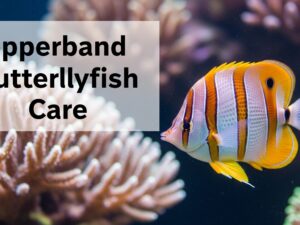
The Red Empress Cichlid (Protomelas taeniolatus) stands as one of Lake Malawi's most captivating haplochromine species, combining peaceful temperament with stunning coloration that makes it a favorite among cichlid enthusiasts. I've kept these remarkable fish for over a decade, and their relatively gentle nature compared to other African cichlids makes them an excellent choice for both beginners and experienced aquarists looking to create a vibrant Lake Malawi biotope.
Native to the rocky shores and intermediate zones of Lake Malawi in East Africa, Red Empress Cichlids belong to a fascinating group of fish that evolved through one of nature's most impressive examples of adaptive radiation. According to research published in Nature Ecology & Evolution, Lake Malawi hosts over 500 cichlid species that evolved within the last million years, making it one of the most biodiverse freshwater ecosystems on Earth.
What sets the Red Empress apart from other African cichlid care requirements is their unique combination of manageable size, peaceful disposition for a cichlid, and the male's spectacular red and blue coloration during breeding season. Unlike more aggressive species like the Jewel Cichlid care demands, Red Empress Cichlids can coexist peacefully with appropriate tank mates when provided adequate space and proper environmental conditions.
Species Overview and Taxonomy
The Red Empress Cichlid, scientifically known as Protomelas taeniolatus, belongs to the family Cichlidae and represents one of the numerous endemic species found exclusively in Lake Malawi. First described scientifically in 1935, this species has become increasingly popular in the aquarium trade due to its striking appearance and relatively peaceful nature.
The genus Protomelas includes approximately 15 recognized species, all endemic to Lake Malawi. These fish occupy various ecological niches within the lake, from shallow rocky shores to deeper sandy areas. The species name "taeniolatus" derives from Latin, meaning "banded" or "ribbon-like," referring to the characteristic horizontal stripes visible on juveniles and females.
In their natural habitat, Red Empress Cichlids inhabit depths ranging from 3 to 40 meters, preferring areas with mixed rocky and sandy substrates. Research from the Proceedings of the National Academy of Sciences indicates that Lake Malawi's water level fluctuations over the past 1.2 million years created isolated populations that drove the remarkable speciation we see today, with the Red Empress representing one successful evolutionary branch of this radiation.
Physical Characteristics and Sexual Dimorphism
Adult Red Empress Cichlids typically reach 5-6 inches (12-15 cm) in length, with males generally growing slightly larger than females. The species exhibits pronounced sexual dimorphism, making gender identification relatively straightforward once the fish reach sexual maturity at around 6-8 months of age.
Males develop spectacular coloration featuring a brilliant red to orange body with an electric blue head and fins. The intensity of these colors increases during breeding periods and can vary based on diet, water quality, and social hierarchy within the tank. Dominant males display the most vibrant colors, while subdominant males may show muted tones to avoid confrontation.
Females and juveniles maintain a silver-gray base color with three distinct dark horizontal stripes running along their bodies. This cryptic coloration serves as camouflage in their natural habitat, protecting them from predators while brooding eggs and fry. Some females may develop a subtle blue sheen on their fins as they mature, but they never achieve the dramatic coloration of males.
The body shape of Red Empress Cichlids is laterally compressed and moderately elongated, typical of many Lake Malawi haplochromines. They possess a single continuous dorsal fin with both spiny and soft rays, and their anal fins feature egg spots (ocelli) that play a crucial role in their breeding behavior. These egg spots mimic eggs and help facilitate fertilization during the mating process.
Natural Habitat in Lake Malawi
Lake Malawi, the ninth-largest lake in the world and the third-largest in Africa, provides a unique ecosystem that has fostered incredible cichlid diversity. The lake spans approximately 29,600 square kilometers across Malawi, Mozambique, and Tanzania, with crystal-clear waters and remarkably stable water parameters year-round.
Red Empress Cichlids primarily inhabit the intermediate zones between rocky outcrops and open water, areas locally known as "utaka." These zones offer the perfect balance of shelter and feeding opportunities. During the day, they venture into open water to feed on zooplankton and small invertebrates, returning to rocky areas for shelter and breeding territories.
The water in Lake Malawi maintains consistently warm temperatures between 75-84°F (24-29°C) throughout the year, with minimal seasonal variation. The lake's water chemistry is distinctly alkaline, with pH levels ranging from 7.8 to 8.6, and moderate to high hardness levels. These stable conditions have allowed cichlids to evolve specific adaptations without dealing with dramatic environmental fluctuations.
According to environmental research published in PNAS, Lake Malawi has experienced significant depth changes over geological time scales, with water levels dropping by up to 200 meters during dry periods. These fluctuations created isolated populations and unique habitats that accelerated speciation, resulting in the incredible diversity we see today, including the distinct populations of Red Empress Cichlids found in different regions of the lake.
Tank Requirements and Setup
Creating an appropriate environment for Red Empress Cichlids requires careful attention to tank size, aquascaping, and equipment. I recommend a minimum tank size of 55 gallons for a small group, though a 75-gallon or larger aquarium provides better long-term success, especially if you plan to keep them with other Lake Malawi species.
The ideal tank dimensions should emphasize horizontal swimming space rather than height, as these fish primarily occupy the middle to upper water columns. A tank measuring at least 48 inches in length provides adequate territory for males to establish breeding sites while allowing females space to escape aggressive pursuit during spawning periods.
Substrate choice plays both an aesthetic and functional role in the Red Empress aquarium. I use a fine sand substrate that mimics their natural habitat and allows these fish to exhibit natural feeding behaviors like sifting through sand for small invertebrates. Aragonite sand or crushed coral can help buffer pH levels, maintaining the alkaline conditions these fish require.
Aquascaping should incorporate multiple rock formations creating caves, crevices, and visual barriers. Stack rocks securely to create territories while leaving open swimming areas in the middle and upper portions of the tank. I've found that using limestone or other calcareous rocks helps maintain appropriate water chemistry while providing naturalistic decoration. Avoid sharp-edged rocks that could injure fish during territorial disputes or breeding chases.
Filtration needs to be robust, as African cichlids produce substantial bioload. I run a canister filter rated for at least double my tank volume, supplemented with additional powerheads to create moderate water flow throughout the tank. This circulation mimics the lake's natural currents and ensures proper oxygenation while distributing heat evenly.
Water Parameters and Maintenance
Maintaining stable water parameters is crucial for Red Empress Cichlid health and coloration. These fish have evolved in one of the world's most stable aquatic environments, making them less tolerant of parameter fluctuations than many other aquarium species.
Temperature should remain between 76-82°F (24-28°C), with 78°F being optimal for general maintenance. During breeding conditioning, I gradually raise the temperature to 80°F to stimulate spawning behavior. Use a reliable heater with a backup unit in larger tanks to prevent temperature crashes that can stress or kill these tropical fish.
The pH level needs to stay alkaline, ideally between 7.8-8.6, with 8.0-8.2 being the sweet spot for most aquarium situations. If your tap water runs acidic, buffering becomes essential. I use a combination of aragonite substrate and limestone rocks for natural buffering, supplemented with commercial cichlid buffer products when necessary.
Water hardness should range from 10-20 dGH (179-357 ppm) for general hardness and 6-10 dKH for carbonate hardness. These levels provide the mineral content these fish need for proper growth, bone development, and osmoregulation. Regular testing helps ensure parameters remain stable, as drops in KH can lead to dangerous pH crashes.
Weekly water changes of 25-30% are essential for maintaining water quality and removing accumulated nitrates. I perform these changes religiously every Sunday, using temperature-matched water treated with a quality dechlorinator. During water changes, I vacuum the substrate to remove detritus and uneaten food that could contribute to nitrate buildup.
Diet and Feeding Guidelines
In their natural habitat, Red Empress Cichlids are planktivores, feeding primarily on zooplankton, small crustaceans, and invertebrates found in the water column. This natural diet informs how we should feed them in captivity, emphasizing protein-rich foods while avoiding the high vegetable content suitable for mbuna species.
I feed my Red Empress Cichlids twice daily with portions they can consume within 2-3 minutes. The base diet consists of high-quality cichlid pellets formulated for carnivorous African cichlids. Look for pellets with fish meal or krill as the primary ingredient, avoiding those with excessive plant matter or fillers that can cause digestive issues.
Variety enhances both nutrition and coloration, so I supplement pellets with frozen foods three times per week. Bloodworms, mysis shrimp, brine shrimp, and daphnia all make excellent choices. These protein-rich foods promote vibrant coloration in males and support egg production in females. Live foods like brine shrimp or daphnia can be offered occasionally as enrichment, stimulating natural hunting behaviors.
Color-enhancing foods containing astaxanthin and other carotenoids help males develop their characteristic red coloration. I use specialized color-enhancing pellets twice weekly, though natural sources like krill and spirulina-enriched foods work equally well. Avoid overfeeding, as obesity can lead to health problems and reduced breeding success.
During breeding periods, I increase feeding frequency to three times daily and boost protein content to support egg production and fry development. Females carrying eggs will not eat during the 21-day brooding period, so conditioning them beforehand with quality nutrition ensures they have adequate energy reserves.
Behavior and Temperament
Red Empress Cichlids display fascinating social behaviors that reflect their evolutionary adaptations to Lake Malawi's competitive environment. Unlike the more aggressive mbuna species, Red Empress maintain a relatively peaceful demeanor, making them suitable for community tanks with other similarly-sized haplochromines.
Males establish territories around rocky formations, particularly during breeding season. They spend considerable time displaying to females and defending their chosen areas from other males. These territorial disputes rarely result in serious injury when adequate space and visual barriers exist. I've observed that maintaining a ratio of one male to three or four females reduces aggression and stress on individual females.
The species exhibits a clear social hierarchy, with dominant males claiming the best territories and displaying the most vibrant colors. Subdominant males often suppress their coloration to avoid confrontation, sometimes resembling females until an opportunity arises to challenge for dominance. This color suppression is reversible, and a subdominant male can develop full coloration within days of becoming dominant.
Swimming patterns vary throughout the day, with morning hours typically seeing increased activity as fish search for food. They often form loose aggregations in open water, a behavior inherited from their planktivorous lifestyle in the wild. During evening hours, activity decreases as fish settle into their preferred resting spots among the rocks.
Intelligence and recognition abilities make Red Empress Cichlids engaging aquarium inhabitants. They quickly learn feeding schedules and will gather at the front glass when they see their keeper approaching. I've trained mine to take food from my fingers, though care is needed as they can deliver a surprising nip with their pharyngeal teeth.
Tank Mate Compatibility
Selecting appropriate tank mates for Red Empress Cichlids requires understanding their peaceful nature relative to other African cichlids while recognizing they still need companions that can handle occasional territorial displays. The key lies in choosing species with similar water requirements and temperaments while avoiding both overly aggressive and overly passive fish.
Other peaceful to semi-aggressive haplochromines make ideal companions. Species like Copadichromis (Utaka), Placidochromis, and other Protomelas species share similar requirements and temperaments. The Yellow Lab Cichlid represents one of the few mbuna species peaceful enough to coexist with Red Empress, though adequate space is essential to prevent territorial conflicts.
Avoid housing Red Empress with highly aggressive species like Melanochromis auratus or most Pseudotropheus species. These aggressive mbuna will stress and potentially injure the more peaceful Red Empress. Similarly, very small or slow-moving fish may be viewed as prey, making them unsuitable tank mates.
Synodontis catfish native to Lake Malawi make excellent bottom-dwelling companions, helping clean up uneaten food while staying out of cichlid territorial disputes. Species like Synodontis petricola or Synodontis multipunctatus add activity to lower tank levels while being robust enough to handle cichlid aggression.
When planning a community tank, I follow the principle of moderate overstocking common in African cichlid keeping. This approach, combined with robust filtration, helps disperse aggression and prevents any single fish from being constantly harassed. A 75-gallon tank might house 15-20 adult cichlids of various compatible species, creating a dynamic and colorful display.
Breeding and Reproduction
Red Empress Cichlids are maternal mouthbrooders, exhibiting one of nature's most fascinating reproductive strategies. Breeding can occur year-round in aquarium conditions when fish are healthy, well-fed, and provided appropriate environmental triggers.
Males initiate breeding by intensifying their colors and establishing territories around flat rocks or cleared sandy areas. They perform elaborate courtship displays, shaking their bodies rapidly while showing off their fins to attract females. These displays, combined with the release of pheromones, signal readiness to spawn.
When a receptive female approaches, the pair begins circling each other in a ritualized dance. The female deposits eggs on the substrate, immediately picking them up in her mouth. She then nips at the male's anal fin egg spots, stimulating him to release sperm which fertilizes the eggs in her mouth. This process repeats until the female carries 20-50 eggs, depending on her size and condition.
The female incubates eggs in her buccal cavity for approximately 21 days, during which she doesn't eat. During this period, she seeks shelter in caves or secluded areas, avoiding other fish. I provide multiple hiding spots and sometimes isolate brooding females in a separate tank to reduce stress and improve fry survival rates.
Fry are released as free-swimming miniatures of their parents, approximately 8-10mm in length. The female continues protecting them for several days, allowing them to retreat into her mouth when threatened. In a community tank, survival rates are low without intervention. I typically strip fry from females after 18 days and raise them separately, feeding newly hatched brine shrimp and finely crushed flakes.
Health and Disease Prevention
Preventing disease proves far easier than treating sick fish, making proper husbandry the foundation of Red Empress Cichlid health. These fish are generally hardy when provided appropriate conditions but can succumb to common cichlid ailments when stressed or kept in poor water quality.
Malawi bloat represents the most serious threat to Red Empress Cichlids, caused by poor diet, stress, or bacterial infection. Symptoms include abdominal swelling, loss of appetite, and white stringy feces. Prevention involves maintaining excellent water quality, avoiding foods high in plant matter, and preventing overcrowding. Treatment requires immediate isolation and medication with metronidazole.
Ich (Ichthyophthirius multifiliis) appears as white spots covering the body and fins. This parasite thrives in stressed fish with compromised immune systems. I prevent ich by quarantining new arrivals for two weeks and maintaining stable water parameters. Treatment involves gradually raising temperature to 86°F while adding aquarium salt at 1 tablespoon per 5 gallons.
Hexamita, another protozoan parasite, causes pitting in the head and lateral line area. Poor water quality and nutritional deficiencies predispose fish to infection. Regular water changes and varied diet prevent most cases. Treatment requires metronidazole administered through food or directly to the water.
Bacterial infections manifest as fin rot, body sores, or cloudy eyes. These opportunistic infections typically follow injury or stress. Maintaining pristine water conditions and avoiding aggressive tank mates prevents most bacterial issues. When treatment becomes necessary, I use broad-spectrum antibiotics like kanamycin or tetracycline.
Quarantine procedures for new arrivals are essential for preventing disease introduction. I maintain a 20-gallon quarantine tank with similar water parameters to the main display. New fish spend minimum two weeks in quarantine, during which I observe for signs of illness and prophylactically treat for common parasites.
Frequently Asked Questions
How aggressive are Red Empress Cichlids compared to other African cichlids?
Red Empress Cichlids rank among the more peaceful African cichlid species, especially compared to aggressive mbuna like Convict Cichlids. Males show territorial behavior during breeding but rarely cause serious damage when provided adequate space. Their aggression level rates about 4/10, making them suitable for community tanks with other peaceful to semi-aggressive species.
What size tank do Red Empress Cichlids need?
A minimum 55-gallon tank works for a small group of Red Empress Cichlids, though I strongly recommend 75 gallons or larger for long-term success. Tank footprint matters more than height – aim for at least 48 inches in length to provide adequate swimming space and territory establishment.
How can I tell male from female Red Empress Cichlids?
Sexual dimorphism makes identification straightforward once fish reach 3-4 inches. Males develop bright red-orange bodies with blue heads and fins, while females remain silver-gray with horizontal stripes. Juvenile males may suppress coloration when housed with dominant males, appearing female-like until given opportunity to color up.
What do Red Empress Cichlids eat in the wild versus captivity?
Wild Red Empress Cichlids feed primarily on zooplankton and small invertebrates in Lake Malawi's open waters. In captivity, replicate this diet with high-quality carnivorous cichlid pellets, supplemented with frozen foods like mysis shrimp, bloodworms, and brine shrimp. Avoid herbivore foods high in plant matter that can cause digestive issues.
Can Red Empress Cichlids live with peacock cichlids?
Yes, peacock cichlids (Aulonocara species) make excellent tank mates for Red Empress Cichlids. Both groups share similar temperaments, size ranges, and dietary requirements. They occupy slightly different niches in the aquarium, reducing direct competition and territorial disputes.
How long do Red Empress Cichlids live in captivity?
With proper care, Red Empress Cichlids typically live 8-10 years in captivity, with some individuals reaching 12 years. Longevity depends on water quality, diet, stress levels, and genetic factors. Fish kept in appropriate conditions with varied diets and compatible tank mates achieve the longest lifespans.
What water temperature is best for Red Empress Cichlids?
Maintain temperatures between 76-82°F (24-28°C), with 78°F being optimal for general maintenance. Stability matters more than exact temperature – avoid fluctuations greater than 2°F within 24 hours. During breeding conditioning, gradually raising temperature to 80°F can stimulate spawning behavior.
How often do Red Empress Cichlids breed?
Healthy adult Red Empress Cichlids can breed every 6-8 weeks year-round in aquarium conditions. Females need recovery time between spawns to rebuild energy reserves. Optimal breeding frequency occurs with proper conditioning through varied diet and stable water parameters.
Conclusion
The Red Empress Cichlid represents an ideal choice for aquarists seeking the beauty and behavior of African cichlids without excessive aggression. Their stunning coloration, fascinating breeding behavior, and relatively peaceful nature make them standouts in any Lake Malawi biotope aquarium. Success with these fish comes from understanding their natural history and replicating key environmental conditions from their native habitat.
Throughout my years keeping Red Empress Cichlids, I've found them to be hardy, intelligent, and rewarding fish that display complex social behaviors rarely seen in other aquarium species. Their compatibility with various tank mates and adaptability to aquarium life makes them accessible to intermediate aquarists ready to explore African cichlids beyond common species.
By providing appropriate tank size, maintaining stable alkaline water parameters, offering varied carnivorous diet, and selecting compatible tank mates, you can enjoy these magnificent fish for many years. Whether you're drawn to their vibrant colors, interesting behaviors, or breeding potential, Red Empress Cichlids offer a window into the incredible diversity of Lake Malawi's endemic species, bringing a piece of this evolutionary wonder into your home aquarium.