
Bring a shimmer of pink to your aquarium with Rosy Barbs! These vibrant freshwater fish are popular among aquarists due to their hardiness and adaptability.
To ensure your Rosy Barbs are healthy and thriving, it's important to understand their care requirements. From tank size and water parameters, to tank mates and breeding, this article will provide you with the essential information to ensure your Rosy Barbs live their best lives.
Rosy Barb: Species Summary
Rosy Barbs are popular freshwater fish with a vibrant pink color, native to southern Asia. They're a hardy species, with a lifespan of up to five years, and are easily kept in a home aquarium.
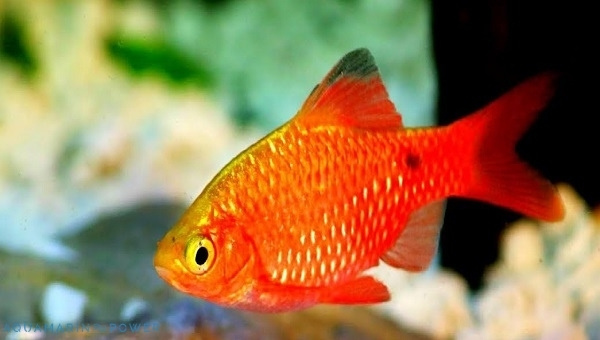
Take a look at the table below to get a better understanding of what makes Rosy Barbs an ideal pet fish!
| Scientific name: | Pethia conchonius |
| Common name: | Rosy Barb, Red Barb |
| Origin: | Southern Asia, from Afghanistan to Bangladesh |
| Size: | Up to 6 inches |
| Tank size: | 30 gallons minimum |
| pH level: | pH 6.0-8.0 |
| Water type: | Soft to medium |
| Nature: | Peaceful |
| Temperature range: | 64°- 72°F |
| Diet: | Omnivorous |
| Water hardness: | 5-19 dGH |
| Life Span: | up to 5 years |
Rosy Barb Appearance and Characteristics
You'll notice Rosy Barbs have a wide, torpedo-shaped body with transparent fins and can reach an average length of 6 inches. Males are more vibrant and usually display a red or pink hue, while the females have a more subdued gold or silver color. Many even have a single black dot near the tail. They're a hardy species known for their adaptability and beauty, making them a great choice for both experienced and novice aquarists.
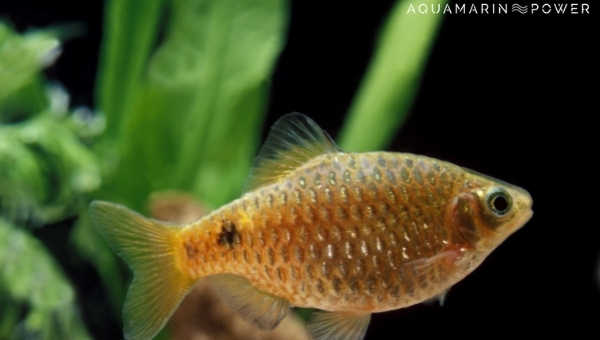
Here are some other things to know about them:
- They're shoaling fish, so be sure to keep them in larger groups for a stunning display.
- They've a lifespan of up to five years with proper care.
- They're considered mature at 2.5 inches in length.
Rosy Barb Origin and Distribution
Rosy Barbs originate from southern Asia, specifically India and Bangladesh, and have since spread to other countries, such as Australia, Singapore, and Mexico. They've become a popular fish in the pet trade, making them accessible to new and experienced aquarists alike.
Feral populations of Rosy Barbs can be found in many countries, where they've adapted to their new environment. They can be seen thriving in tropical and subtropical climates, such as in Central America and parts of the United States. Rosy Barbs can also be found in some parts of Europe, where they've been introduced as an ornamental fish.
Rosy Barb Lifespan
Expect your Rosy Barbs to live for around 5 years with proper care. This species is known for its hardiness and adaptability, making them an ideal choice for a beginner aquarist. The typical lifespan of Rosy Barbs is around five years, however, poor water conditions and inadequate care can shorten their life span significantly.
Fully grown Rosy Barbs reach an average length of 6 inches, with males being more vibrant with red or pink hue, and females having a more subdued gold or silver color. Many have a single black dot near the tail.
Also Read: Odessa Barb Care 101: Species Profile, Care, Diet
Rosy Barb Behavior and Temperament
Rosy Barbs are peaceful and non-aggressive, but can become fin-nippers in certain scenarios, so it's important to provide a suitable tank mate. They're powerful swimmers and can easily harm the tails of long-finned fish. A good choice is to keep them in shoaling groups and choose tank mates that are active swimmers and share similar water parameters. Dwarf gourami, cherry barb, and mollies are good options. Snails and shrimp can also be compatible, but monitor for aggression.
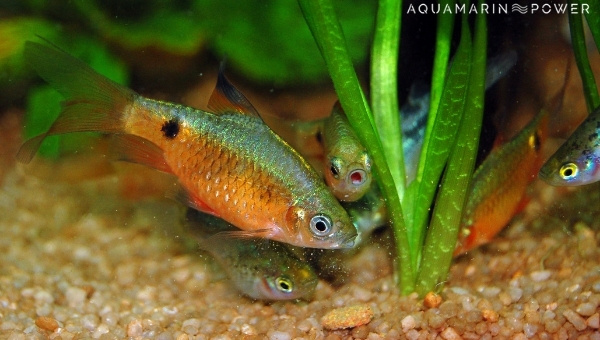
Rosy Barbs are relatively hardy and can adapt to a wide range of water conditions. They enjoy a well-decorated tank with plenty of vegetation and hiding places. With the right tank mates and environment, they can live a long and happy life.
Rosy Barb Care Guide
Providing the right care is key to having healthy and happy Rosy Barbs. This includes understanding tank size, water quality, water changes, water conditioners, and cleaning the tank.
Food and Diet
Rosy Barbs need a well-rounded diet to stay healthy in captivity. Feed them a variety of foods, such as flakes, pellets, frozen, and live foods.
Provide meals twice a day to ensure they get all the nutrients they need. Make sure to feed in small amounts to avoid uneaten food that can contaminate the tank.
Diet and Nutrition in Captivity
You should provide a balanced diet for your Rosy Barbs, including live, frozen, and/or freeze-dried food. They need a variety of foods, such as bloodworms, brine shrimp, daphnia, and other small invertebrates.
Provide a high-quality pellet or flake food as a staple. Supplement their diet with blanched vegetables like zucchini, spinach, and peas.
Feed them two to three times a day with only as much as they can consume in a few minutes. Avoid overfeeding, as it can quickly lead to water pollution and disease.
Feeding Frequency
Feed your Rosy Barbs two to three times a day with only as much as they can eat in a few minutes. Provide them with a varied diet of live, frozen, and prepared foods. This ensures they get the nutrients they need to stay healthy.
Live foods like bloodworms, brine shrimp, and daphnia are excellent choices. Frozen foods provide a variety of proteins and vitamins. Prepared foods, such as flakes and pellets, offer convenience and balanced nutrition.
Feeding your Rosy Barbs the right amount of food at the right frequency helps them thrive in captivity.
Feeding Methods
When it comes to feeding your Rosy Barbs, you'll want to provide them with a varied diet of live, frozen, and prepared foods.
Live food sources like brine shrimp, daphnia, and bloodworms are highly nutritious and can be fed several times a week. Frozen foods like tubifex worms, larvae, and shrimp are also great options.
Prepared foods like flakes, pellets, and freeze-dried foods are also available and can provide a balanced diet. Include a variety of these foods to ensure your Rosy Barbs are getting the nutrients they need.
Also Read: Bamboo Shrimp Care Guide, Appearance, Size, Diet
Tank Size
Choosing a tank that holds at least 20 gallons is recommended for a small group of Rosy Barbs. If you can afford it, a 30-gallon tank is the ideal size for these shoaling fish. Remember to factor in the needs of the whole group, as Rosy Barbs need plenty of room to explore and swim together.
These fish can tolerate fluctuations in freshwater tank conditions, so maintaining a temperature of 64°F to 79°F, a pH level of 6.0 to 7.0, and a water hardness of 4 to 10 KH is important for their health and well-being. Regular water tests are a must to ensure these parameters stay within the desired range.
Water Quality
You should also create a well-decorated tank with plants, caves, driftwood, and rocks to provide enrichment and safety. Taking care of your Rosy Barbs by providing the right tank size and water parameters will ensure they get the most out of life.
Ensuring the water parameters in your tank are within the desired range is essential for your Rosy Barbs' health and longevity. Temperature should be kept between 64°F and 79°F, pH level between 6.0 and 7.0, and water hardness between 4 and 10 KH.
Water Changes
Taking the time to perform regular water changes in your tank is key for the health of your fish. It's important to understand that even if you maintain pristine water conditions, toxins will still accumulate in the water over time. This is why partial water changes are essential, as they help to keep the water fresh and toxin-free.
Depending on the size of your tank, you should aim for a water change of 10-25% once a week, or 25-50% once a month. Make sure to use dechlorinated water, and if possible, use a siphon to remove any debris or waste that has accumulated on the bottom of the tank.
After the water change, keep a close eye on your fish to make sure they aren't stressed or struggling to adjust to the new water.
Water Conditioner
When changing your Rosy Barbs' water, it's important to use a water conditioner to ensure their safety. Water conditioners remove chlorine, chloramine, and other contaminants that can be toxic to fish. They can also help regulate pH levels and stabilize the water.
Here's why it's so important:
- It helps to protect your fish from ammonia poisoning.
- It reduces stress and improves their overall health.
- It helps to maintain proper water chemistry for their well-being.
Using water conditioners is a crucial part of keeping Rosy Barbs happy and healthy. Make sure to always read the instructions on the product label for the correct dosage. This will help you create a safe and enjoyable environment for your fish.
Cleaning the Tank
Maintaining a clean tank is an essential part of caring for your Rosy Barbs. Regular water changes are necessary to keep the tank healthy and reduce the buildup of toxins. Depending on the size of the tank, water changes should be done weekly or bi-weekly.
A siphon vacuum is the best tool for cleaning the substrate and removing debris. Dead plants, uneaten food, and other waste should be removed from the tank regularly. It's also important to check the filter and replace the filter media when needed.
Gravel Vacuuming
Vacuuming your gravel regularly is an important part of caring for your fish. This helps to remove uneaten food, debris, and fish waste that can accumulate in the tank. It also helps to maintain water clarity and reduce the risk of ammonia buildup, which can be harmful to your fish.
To vacuum your gravel, use a siphon hose to suck up the debris and dirt from the bottom of the tank. Move the hose slowly, vacuuming a small area at a time. You don't want to stir up too much debris at once, as this can cloud the water and reduce oxygen levels.
Algae Scraper
Algae growth can be a common issue for many aquariums. A good algae scraper can help keep your tank clean. This tool is essential for removing algae from aquarium glass, rocks, and other decorations without disturbing other fish or plants.
The scraper should be long enough to reach all areas of your tank. The blade should be made of durable yet flexible material, such as plastic or rubber. When using an algae scraper, it's important to move slowly and carefully. Scraping too hard can damage the glass and decorations, and can also harm the fish.
Sponge
Sponges are an essential part of your Rosy Barbs' habitat, helping to keep water clean and providing an ideal hiding spot for your fish. They act as natural filtration systems, removing excess food, waste, and toxins from the water. Sponges come in many shapes, sizes, and colors, so you can find one that suits your tank's aesthetic.
It's important to choose a sponge that's safe for your fish. Many sponges contain chemicals or are treated with pesticides, so make sure to only buy sponges that are labeled as safe for fish tanks.
Aquarium Decor and Plants
Decorating your aquarium for your Rosy Barbs is an important part of their care. You'll want to create an environment that's both visually appealing and functional for your fish. Adding plants, caves, driftwood, and other decorations can provide hiding spots and enrichment for your fish.
Plants also help to add oxygen to the tank and create a natural look. Sand substrate is a great choice for a Rosy Barb tank, as it supports plant growth and is gentle on their scales. Ensure that your decorations are securely placed, as Rosy Barbs are powerful swimmers.
Substrate and Gravel
Choosing a sandy substrate for the bottom of your aquarium is essential for supporting plant growth and providing a gentle surface for your fish. Sandy substrates are an ideal choice for Rosy Barbs, as they're known for their hardiness and adaptability to a wide range of conditions.
The sand should be fine enough to prevent harm to the fish's gills and eyes, yet coarse enough to provide an adequate surface for plants to root in. Additionally, the texture of sand helps keep the pH level of the tank stable.
Also Read: 9 Most Popular Types Of Loaches Species
Tank Mates & Breeding
When selecting tank mates for your Rosy Barbs, it's important to remember that they're peaceful and non-aggressive fish. Some suitable tank mates can be:
- Guppies: Guppies are peaceful and easy to care for fish that make a great addition to any aquarium.
- Platys: Platys are also peaceful and easy to care for fish in various colors.
- Rope Fish: Rope Fish are peaceful and schooling fish that add a lot of interest to any aquarium.
- Emperor Tetra: Emperor Tetras are peaceful and colorful fish that make a great addition to any aquarium.
- Black Ghost Knife Fish: Black Ghost Knife Fish are peaceful and unique fish that add interest to any aquarium.
- Neon Tetra: Neon Tetra is peaceful and easy to care for fish that make a great addition to any aquarium.
- Celestial Pearl Danio: Celestial Pearl Danio is peaceful and easy to care for fish that make a great addition to any aquarium.
- Swordtails: Swordtails is peaceful and easy to care for fish that make a great addition to any aquarium.
- Rosy Barbs can also get along well with most types of snails.
Breeding
Setting up a separate breeding tank with shallow water, sand substrate, and plants, and adding a bonded pair of Rosy Barbs will allow you to observe spawning behavior and egg-laying. To ensure a successful breeding experience, you can follow these steps:
- Provide separate tanks for egg incubation and fry rearing, feeding appropriate food.
- Monitor for aggression, as Rosy Barbs may eat their own eggs.
- Remove the bonded pair after egg-laying, as they may eat the eggs.
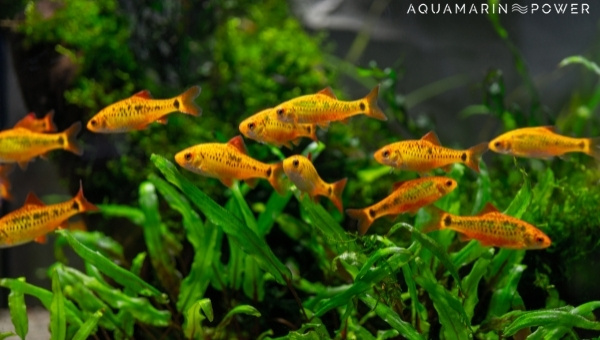
The process of breeding Rosy Barbs is a fascinating experience that requires a lot of patience and care. It's important to create the right environment and provide suitable tank mates for successful reproduction. With the right setup and proper care, you can enjoy the rewarding experience of watching Rosy Barbs spawn and raise their young
How Many Rosy Barb Can be Kept in One Tank?
You'll need a tank of at least 20 gallons for a small group of five Rosy Barbs. A larger tank of 30 gallons is recommended if space and budget allow. Rosy Barbs are shoaling fish and require more space for exploration and swimming. If you plan on keeping more, a larger tank is necessary. The size of the tank should accommodate the needs of the entire group.
It's important to provide them with plenty of vegetation, caves, and driftwood to keep them happy and active. With proper care, you can expect a healthy and vibrant group of Rosy Barbs.
Diseases, Symptoms, Treatment, and Medications
Common diseases Rosy Barbs may encounter include Ich, also known as White Spot Disease, which can be treated with over-the-counter medicines. Ich is caused by a parasite and manifests itself as white spots on the fish's body. If not treated in a timely manner, the disease can spread quickly in a tank and can be fatal for the fish. Treatment involves using medication that contains copper, which should be administered according to the directions on the package.
It's important to keep a watchful eye on your fish and maintain proper water quality to help prevent diseases. Regular monitoring of water parameters and prompt treatment of any suspected diseases is essential for the health and longevity of your Rosy Barbs.
In addition to disease prevention, it's also important to provide a well-maintained tank with plenty of plants, caves, and other decorations to promote healthy behavior and reduce stress.
Advantages of Having Rosy Barb in Your Tank
Having Rosy Barbs in your tank adds beautiful color and activity to your aquarium. Not only do they bring life to your space with their vibrant pink hue, but they also add a sense of community. Rosy Barbs are shoaling fish, meaning they live in groups of the same species. These fish form tight bonds and look after one another, making for a peaceful and harmonious environment.
Adding a group of five Rosy Barbs is recommended to get the full effect. They're also known for their hardiness and adaptability, allowing them to thrive in a wide range of conditions. These fish are easy to care for and have a simple diet, only needing a few flakes each day.
Disadvantages of Having Rosy Barb in Your Tank
One potential downside to having Rosy Barbs is that they're quite active and may outcompete other species for space and food. Additionally, they're strong swimmers and may unintentionally injure slower or more fragile fish with their tails. Keeping Rosy Barbs in tanks that are too small can also result in health issues and a shorter life span. Small tanks can cause stress, and poor water conditions can lead to disease.
Rosy Barbs require a well-decorated tank with plenty of vegetation and an efficient filtration system to stay healthy. They're also prone to fin-nipping and shouldn't be kept with long-finned fish.
Also Read: A Complete Detailed Goldfish Feeding Guide
Wrapping Up
As you can see, Rosy Barbs are a great fish for any aquarium. They are hardy, peaceful, and docile. They make a great addition to any tank and are perfect for the beginner aquarist.
I hope that this article has helped you to understand more about Rosy Barbs and how to care for them. Thanks for reading!