
The Rummy Nose Tetra has earned a reputation among aquarium hobbyists as the "aquatic canary in the coal mine" - a living water quality indicator whose vivid red nose tells you everything about your tank conditions. When their trademark crimson coloration fades to pale pink or silver, experienced aquarists know immediately that something needs attention.
These stunning characins from South America have captivated fish keepers for generations with their tight schooling behavior, peaceful disposition, and that brilliant scarlet facial marking that gives them their common name. Their synchronized swimming in groups of eight or more creates one of the most mesmerizing displays in freshwater aquascaping - a shimmering cloud of silver bodies accented by bright red noses and striped tails.
Yet despite their beauty, Rummy Nose Tetras have developed an unfair reputation for being difficult to keep. The truth is more nuanced: they are sensitive fish that demand stable water parameters and cannot tolerate the beginner mistakes that hardier species might shrug off. With proper acclimation, appropriate water conditions, and regular maintenance, these fish reward good husbandry with years of active, colorful displays. Whether you are planning a biotope aquarium, searching for the perfect dither fish to coax shy species out of hiding, or simply want one of the most engaging schooling fish for your planted tank, this complete care guide covers everything you need to know about Hemigrammus rhodostomus and its close relatives in 2026.
Table of Contents
- Rummy Nose Tetra: Species Summary
- Rummy Nose Tetra: Breeding
- Rummy Nose Tetra: Food & Diet
- Rummy Nose Tetra: Care
- Rummy Nose Tetra: Tank Requirements
- Rummy Nose Tetra: Water Parameters
- API FRESHWATER MASTER TEST KIT 800-Test Freshwater...
- Seachem Prime Fresh and Saltwater Conditioner -...
- API TAP WATER CONDITIONER Aquarium Water...
- PAIZOO Fish Tank Digital Thermometer Accurate LED...
- Aqua Plants For Rummy Nose Tetra
- API ROOT TABS Freshwater Aquarium Plant Fertilizer...
- Compatible And Non-Compatible
- Rummy Nose Tetra: Diseases
- API MELAFIX Freshwater Fish Bacterial Infection...
- PondCare® PimaFix Antifungal Remedy for Koi &...
- Rummy Nose Tetra: Frequently Asked Questions
- Conclusion
Rummy Nose Tetra: Species Summary
What many aquarists do not realize is that "Rummy Nose Tetra" actually refers to three distinct species that share nearly identical appearance and care requirements. Understanding which species you have can help explain slight variations in behavior and sensitivity.
Hemigrammus rhodostomus is the original Rummy Nose Tetra, first described from the lower Amazon basin in Brazil. This species remains the most commonly available in the aquarium trade and is slightly more adaptable to captive conditions than its relatives.
Hemigrammus bleheri, commonly called the Firehead Tetra or Brilliant Rummy Nose Tetra, features a more extensive red coloration that extends further back onto the body. Native to the Rio Negro and Orinoco basins, this species prefers the softest, most acidic water conditions of the three.
Petitella georgiae, known as the False Rummy Nose Tetra, originates from upper Amazon tributaries in Peru and Colombia. This species shows slightly different black tail striping patterns and can be distinguished by examining the caudal peduncle markings under good lighting.
All three species share the same basic care requirements: soft, acidic water, warm temperatures between 74-84°F, and stable conditions free from ammonia or nitrite spikes. For the purposes of general aquarium keeping, they can be treated identically, though H. bleheri tends to be the most sensitive to water hardness and benefits most from blackwater conditions with tannins from botanicals.
| Scientific name: | Hemigrammus rhodostomus, H. bleheri, Petitella georgiae |
| Origin: | South America - Amazon basin, Brazil, Peru, Colombia |
| Max size: | 2 inches (5 cm) |
| Life expectancy: | 5 to 6 years in captivity |
| Temperament: | Peaceful, schooling |
| Aquarium size: | 20 gallons minimum (75.7 L) |
| pH range: | 5.5-7.0 |
| Temperature range: | 74° to 84°F (23° to 29°C) |
| Water Hardness: | 2-10 dGH (soft water essential) |
| Water Type: | Freshwater, soft, acidic preferred |
| Ease of care: | Intermediate (requires stable parameters) |
| Activity level: | Moderate to high |
| Breeding: | Egg scatterer, moderate difficulty |
| Diet: | Omnivore |
Rummy Nose Tetra: Origin
Rummy Nose Tetras originate from the blackwater tributaries of the Amazon basin across Brazil, Peru, and Colombia. Their natural habitat consists of slow-moving rivers, small streams, forest swamps, and flooded areas dense with aquatic vegetation and submerged wood.
The substrate in their native waters typically consists of sand or fine gravel covered with leaf litter, fallen branches, and decomposing botanical matter. This organic debris releases tannins that stain the water brown and create the soft, acidic conditions these fish have evolved to thrive in.
These fish inhabit areas with dense vegetation where they form large schools for protection against predators. They prefer dimly lit environments where the forest canopy filters most sunlight. The combination of tannins, low light, and abundant plant matter creates the perfect environment for their natural behavior.
Also Read: Silver Tip Tetra Guide
Rummy Nose Tetra: Appearance
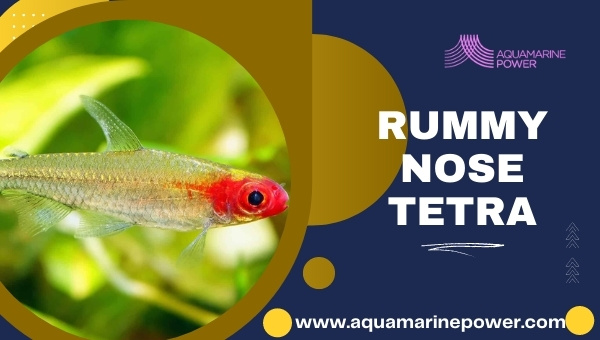
Rummy Nose Tetras possess one of the most distinctive color patterns in the aquarium hobby. Their common name comes from the brilliant cherry-red coloration covering the head from the tip of the snout back to the gill covers - a marking that resembles a person's nose after consuming alcohol.
The body displays a silvery-golden base color with an iridescent sheen that catches aquarium lighting beautifully. Two distinct horizontal black stripes run along the body: one just behind the eye extending to the caudal peduncle, and another shorter stripe near the dorsal fin base. The tail fin features striking horizontal black and white stripes that alternate like a barcode pattern.

The fins add to the visual interest: the dorsal, anal, and pelvic fins show orange-red bases with black tips, while the pectoral fins remain transparent with slight dusky margins. This combination of red, black, and silver creates a fish that stands out even in a crowded community tank.
Perhaps the most fascinating aspect of their appearance is the "aquatic canary" color-changing behavior that makes them invaluable water quality indicators. When water parameters are perfect and the fish feel secure, their red noses glow brilliantly. Under stress, poor water quality, or when kept in inadequate conditions, this red coloration fades to pale pink or even disappears entirely. They also lose their color naturally at night as they rest - this is normal behavior, not a sign of illness.
Juvenile fish show less intense coloration and may display small dark spots along the lateral line that fade as they mature. Adult males develop more slender bodies with slightly more pointed fins, particularly the anal and dorsal fins. Females appear rounder-bodied, especially when carrying eggs.
Rummy Nose Tetra: Lifespan
With proper care, Rummy Nose Tetras typically live 5 to 6 years in home aquariums. Wild specimens may survive up to 8 years in their natural habitat, though this is rarely achieved in captivity due to the difficulty of perfectly replicating their soft, acidic blackwater conditions long-term.
Longevity depends heavily on water quality maintenance and stress reduction. These fish are particularly sensitive during their first month in a new tank - survival rates improve dramatically after this initial acclimation period. Maintaining stable parameters, keeping them in appropriately-sized schools, and providing a stress-free environment with plenty of plants and hiding spots all contribute to achieving their maximum lifespan.
Rummy Nose Tetra: Temperament
Rummy Nose Tetras are peaceful, schooling fish that spend most of their time in the middle and upper water column. Their most remarkable behavioral trait is their incredibly tight schooling - they form compact, synchronized groups that move as one unit, rarely straying more than a few inches from their shoalmates. This behavior makes them one of the best dither fish available for shy or nervous tank inhabitants.
As dither fish, they serve a valuable purpose in community tanks containing timid species like discus, angelfish, or dwarf cichlids. Their active, confident swimming in open water signals to other fish that the environment is safe, encouraging shy species to venture out from hiding spots and display more natural behaviors.

School size dramatically affects their behavior and stress levels. While some guides suggest groups of six are adequate, experienced aquarists recommend minimum schools of 8-12 individuals. Smaller groups often result in shy, skittish fish that hide constantly. Larger schools of 15 or more produce the most confident, active displays of natural schooling behavior.
They rarely show aggression toward other species and will not nip fins of properly-sized tank mates. However, they may eat very small shrimp or fry that fit in their mouths. Their peaceful nature makes them compatible with virtually any non-aggressive community fish of similar size.
Also Read: Best Ruby Tetra Guide: Explained in Details
Rummy Nose Tetra: Size & Growth Rate
Rummy Nose Tetras reach a maximum adult size of approximately 2 inches (5 cm) in length, with males typically growing slightly smaller and more slender than females. Their compact size makes them suitable for medium-sized community tanks, though their active nature and schooling requirements demand more swimming space than their body size would suggest.
These fish grow relatively quickly when provided with excellent water quality and a protein-rich diet. Juveniles purchased at half an inch can reach adult size within 3-4 months under optimal conditions. Their growth rate is directly tied to water quality - fish kept in suboptimal conditions with nitrate levels above 20 ppm often show stunted growth and faded coloration.
Regular water changes are essential not just for color maintenance but for proper development. The old aquarist wisdom that "water changes grow fish" holds particularly true for this species. Weekly 25-30% water changes with soft, conditioned water promote both growth and the vibrant coloration that makes these fish so prized.
Rummy Nose Tetra: Breeding
Breeding Rummy Nose Tetras presents a moderate challenge that rewards patient aquarists with the sight of their tight schooling behavior in miniature form. Success requires understanding their natural breeding triggers and creating conditions that simulate the onset of the rainy season in their Amazon habitat.

These fish are egg scatterers that show no parental care. In nature, they spawn during seasonal flooding when rainwater dilutes the concentrated blackwater conditions. To trigger spawning in captivity, aquarists often perform large water changes with slightly cooler, softer water than the main tank parameters.
Sexing Rummy Nose Tetras requires close observation. Males develop more slender, streamlined bodies with slightly more pointed anal and dorsal fins. During breeding condition, males intensify their red coloration and may show more vigorous swimming behavior. Females appear noticeably rounder when viewed from above, particularly when gravid with eggs.
A dedicated breeding tank of 10-15 gallons with soft, acidic water (pH 6.0-6.5), temperature around 80°F, and very dim lighting provides the best chance of success. The tank should contain fine-leaved plants like java moss or a spawning mop to catch the adhesive eggs. Some breeders use a mesh bottom that allows eggs to fall through and away from hungry parents.
When spawning occurs, the female releases 200-300 small, adhesive eggs among the plants. Both parents should be removed immediately after spawning to prevent egg predation. The eggs hatch in approximately 24-36 hours, and the fry remain attached to surfaces for another 2-3 days absorbing their yolk sacs.
Once free-swimming, the tiny fry require infusoria or commercially available liquid fry food for the first week, progressing to newly hatched brine shrimp and microworms as they grow. Their extreme sensitivity to water conditions makes the first month particularly challenging - maintaining pristine water quality with gentle filtration is essential for raising them successfully.
Rummy Nose Tetra: Food & Diet
Rummy Nose Tetras are omnivorous micro-predators that accept a wide variety of foods in captivity. Their natural diet consists of small aquatic invertebrates, insect larvae, crustaceans, and plant matter found among submerged vegetation in their Amazon habitat. Replicating this varied diet in the aquarium promotes optimal health and coloration.
A high-quality staple flake or micro-pellet food formulated for tropical fish should form the foundation of their diet. Look for products containing fish meal, krill, and spirulina as primary ingredients. These fish have small mouths, so choose appropriately-sized pellets or crush flakes into smaller pieces if necessary.
For enhanced red coloration, incorporate foods rich in carotenoids and astaxanthin. Color-enhancing flakes containing krill, shrimp meal, and paprika help intensify their natural red pigmentation. Frozen or live foods like bloodworms, brine shrimp, and daphnia provide essential proteins while stimulating their natural hunting behaviors.

TetraMin Nutritionally Balanced Tropical Flake...
Nutritionally balanced tropical flakes
Active Life Formula with antioxidants
Clear-Water formula won't cloud tank
7.06 oz container lasts months
What we like
- Complete nutrition for tropical fish
- won't cloud water
- trusted brand quality
- large container size
What could be better
- Flakes may need crushing for small mouths
Feeding small amounts 2-3 times daily works better than single large feedings. These fish have fast metabolisms and benefit from consistent nutrition throughout the day. Offer only what they can consume within 2-3 minutes to prevent uneaten food from degrading water quality.
Live foods provide enrichment and can trigger spawning behavior in mature fish. Cultured vinegar eels, microworms, and baby brine shrimp make excellent supplements, particularly for conditioning breeding pairs. Always source live foods from reputable suppliers to avoid introducing pathogens to your aquarium.
Vegetable matter should not be ignored - blanched spinach, spirulina flakes, and vegetable-based pellets provide necessary fiber and vitamins. A varied diet not only improves their color but strengthens their immune system against the diseases they are prone to when stressed.
Rummy Nose Tetra: Care
While Rummy Nose Tetras are not the easiest fish for absolute beginners, their care requirements are straightforward for aquarists who understand the importance of water stability. The key to success lies in establishing a fully cycled, mature tank before introducing these sensitive fish.
Never add Rummy Nose Tetras to a newly set up aquarium. The nitrogen cycle must be fully established with beneficial bacteria colonies capable of processing ammonia and nitrite instantly. Most failures with this species occur when well-meaning beginners introduce them to immature tanks where ammonia spikes prove fatal.
Quarantine protocols are absolutely essential for this species. New arrivals should spend 2-4 weeks in a separate quarantine tank before joining the main display. This practice protects both the new fish and your existing livestock. Rummy Nose Tetras frequently arrive from suppliers carrying ich (white spot disease) or bacterial infections due to the stress of shipping.
During quarantine, observe closely for signs of illness: faded coloration, clamped fins, rapid breathing, or white spots on the body. Treat any issues before introducing them to the main tank. The quarantine period also allows these sensitive fish to recover from shipping stress and begin eating well before the additional stress of joining an established community.
Acclimation must be done slowly. Float the bag to match temperature, then drip-acclimate over 30-45 minutes to adjust water chemistry gradually. Sudden parameter changes trigger shock that can kill these fish within hours. Patience during introduction dramatically improves survival rates.
Weekly maintenance is non-negotiable. Perform 25-30% water changes weekly using water matched for temperature and treated with a quality conditioner. Vacuum the substrate to remove debris, and clean filter media in old tank water to preserve beneficial bacteria while removing accumulated waste.
Rummy Nose Tetra: Tank Requirements
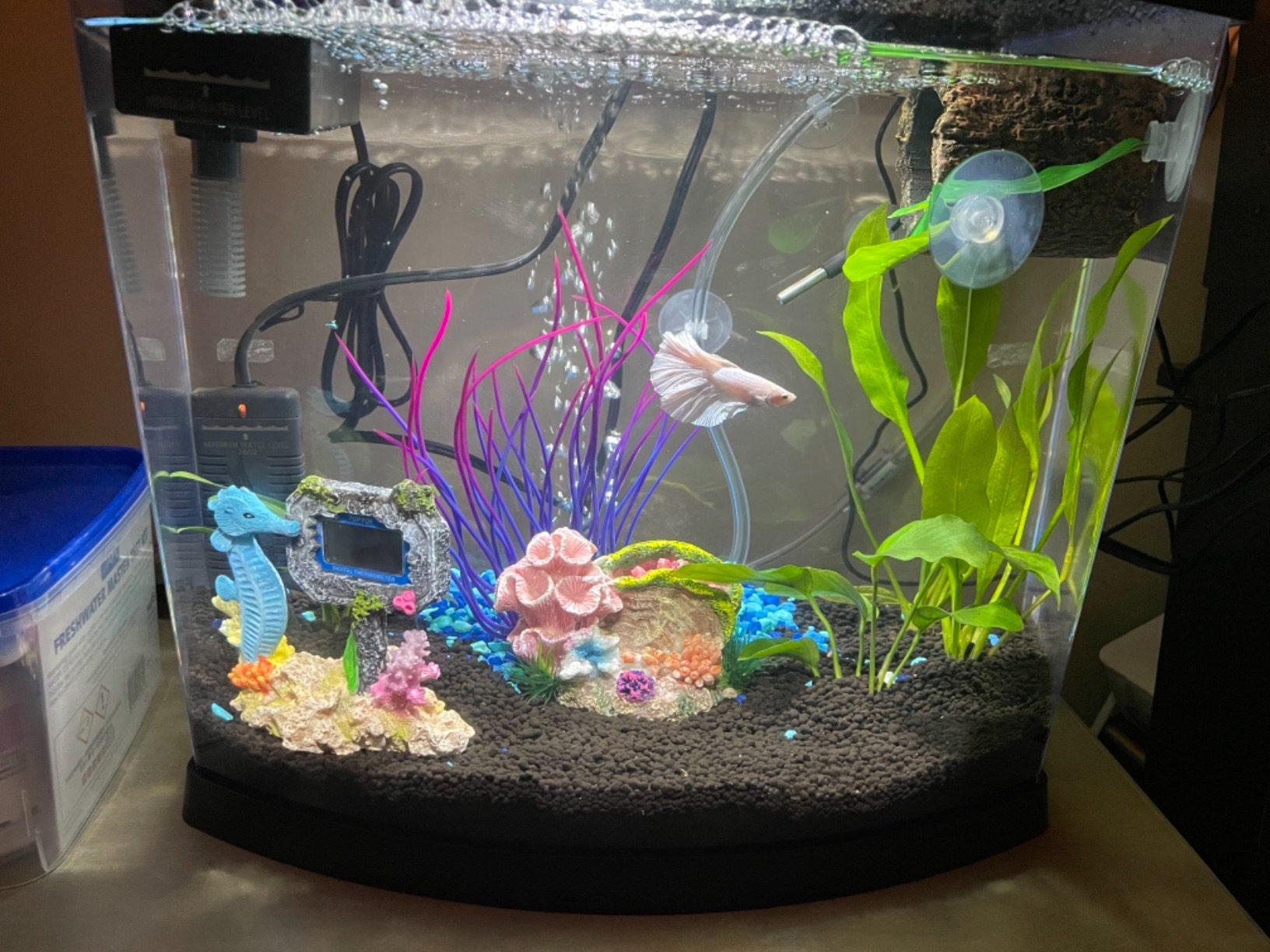
The outdated recommendation of 10 gallons for a school of Rummy Nose Tetras has been thoroughly revised based on modern understanding of their behavioral needs. The minimum tank size for these active schooling fish is 20 gallons, with 29-40 gallons being ideal for a proper school of 10-12 individuals.
These fish need horizontal swimming space more than vertical height. A long 20-gallon or 40-gallon breeder tank suits them better than a tall column-style aquarium. The extended footprint allows them to display their characteristic tight schooling behavior across the full length of the tank.
Substrate choice matters for their comfort and color display. Dark sand or fine gravel mimics their natural blackwater habitat and makes their silver bodies and red noses appear more vibrant against the background. Avoid bright white or light-colored substrates that cause stress and washed-out coloration.
Planting should be dense with a mix of foreground, midground, and background vegetation. Tall plants like Amazon swords and Vallisneria provide security along the back and sides, while floating plants such as frogbit or red root floaters diffuse overhead lighting. Open swimming space in the center allows for schooling displays.
Hardscape elements like driftwood and Indian almond leaves serve dual purposes: aesthetic appeal and water conditioning. As botanicals decompose, they release tannins that soften water, lower pH slightly, and create the tea-colored blackwater conditions these fish evolved in. The tannins also have mild antibacterial properties that benefit sensitive species.
A secure lid is mandatory. Rummy Nose Tetras are active jumpers, particularly when startled by sudden movements or bright lights turning on. Choose a glass or mesh canopy that allows for gas exchange while preventing escape attempts.
Rummy Nose Tetra: Water Parameters
Water quality is where success or failure with Rummy Nose Tetras is determined. These fish evolved in soft, acidic blackwater rivers and remain sensitive to water chemistry throughout their lives. Stability matters more than achieving exact numbers - frequent small fluctuations are more harmful than consistent parameters slightly outside the ideal range.
Temperature should be maintained between 74-84°F (23-29°C), with 78-80°F being the sweet spot for most home aquariums. The outdated recommendation of 68-77°F resulted in stress, reduced immunity, and shortened lifespans. These are tropical fish that need warm, stable temperatures year-round.
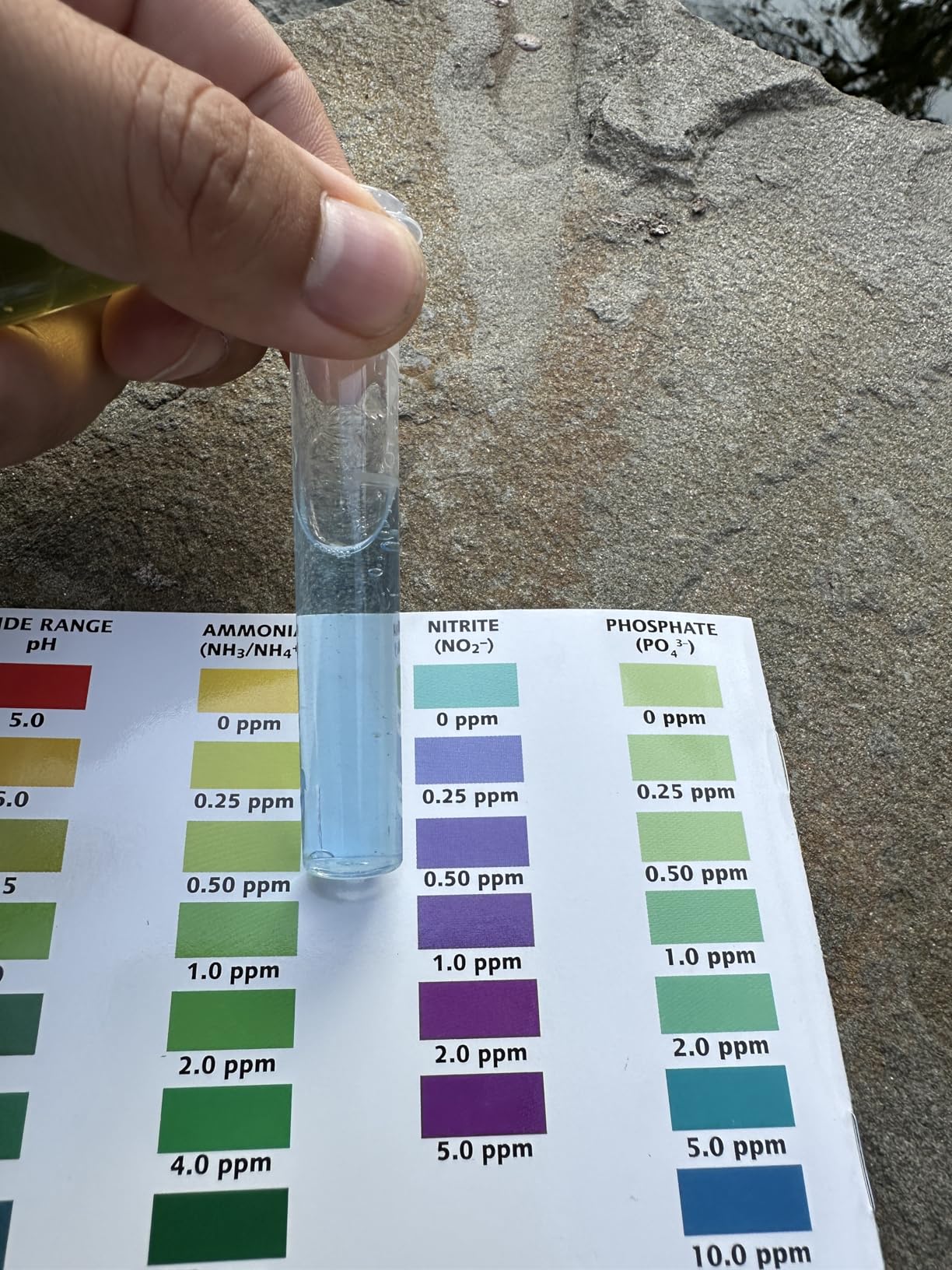
pH should remain between 5.5-7.0, with 6.0-6.5 being ideal. While they can adapt to pH slightly above 7.0 in hard water areas, their coloration and longevity suffer. Water hardness is perhaps more critical than pH - these fish require soft water with dGH between 2-10. Higher hardness levels cause osmotic stress that manifests as faded colors and increased disease susceptibility.

API FRESHWATER MASTER TEST KIT 800-Test Freshwater...
800 tests for freshwater aquariums
Tests pH, ammonia, nitrite, nitrate
More accurate than test strips
7 testing solutions included
What we like
- Very accurate liquid test results
- 800 tests per kit
- tests all essential parameters
- better than strips
What could be better
- Takes more time than test strips
Water changes are essential for maintaining these parameters. Replace 25-30% of the tank volume weekly with conditioned water. Never change more than 50% at once, as large water changes can crash the nitrogen cycle or cause osmotic shock. Match the new water temperature to within 2 degrees of the tank water.
Tap water must be treated with a quality water conditioner to neutralize chlorine, chloramines, and heavy metals that damage fish gills and internal organs. For areas with hard water, consider mixing RO (reverse osmosis) water with tap water to achieve appropriate softness.

Seachem Prime Fresh and Saltwater Conditioner -...
Concentrated conditioner treats 5000 gallons
Removes chlorine and chloramine
Detoxifies ammonia and nitrites
Use 1 capful per 50 gallons
What we like
- Highly concentrated formula
- detoxifies ammonia for emergencies
- treats massive volume per bottle
- industry standard
What could be better
- Slight sulfur odor when opening
Ammonia and nitrite must remain at zero at all times. Even trace amounts of these compounds stress Rummy Nose Tetras and cause the red nose coloration to fade. Nitrates should be kept below 20 ppm through regular water changes and adequate plant growth.
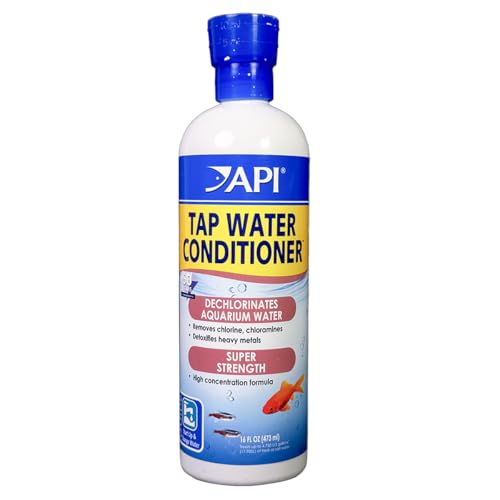
API TAP WATER CONDITIONER Aquarium Water...
Neutralizes chlorine and chloramines
Super strength high concentration
Prevents gill damage from tap water
Built-in measuring cap included
What we like
- Highly concentrated formula
- excellent value price
- safe for all fish types
- easy measuring system
What could be better
- None significant at this price
Filtration should provide gentle water flow without creating strong currents. Hang-on-back filters with adjustable flow or sponge filters work well. The filtration system must handle the bioload of an active school while maintaining water stability. Clean mechanical filtration regularly to prevent debris accumulation that degrades water quality.

PAIZOO Fish Tank Digital Thermometer Accurate LED...
Accurate to ±0.9°F readings
Cordless stick-on design
LED display easy to read
0-140°F measurement range
What we like
- Easy to read LED display
- accurate temperature readings
- clean cordless installation
- affordable price point
What could be better
- Some units have non-replaceable batteries
Lighting should be moderate to dim. Bright lighting stresses these fish and causes them to hide rather than display their schooling behavior. Use floating plants to diffuse overhead lighting, or choose dimmable LED fixtures that can be adjusted to their comfort level.
Aqua Plants For Rummy Nose Tetra
Live plants are not merely decorative additions for a Rummy Nose Tetra tank - they are essential environmental elements that provide security, improve water quality, and create the dappled lighting these fish prefer. The right plant selection creates a thriving ecosystem where your fish feel safe to display natural behaviors.
Foreground plants like Cryptocoryne and Anubias nana create low hiding spots where fish can retreat when startled. These slow-growing plants also serve as grazing areas where biofilm develops - a natural food source that supplements their diet. Their broad leaves are particularly appreciated by Rummy Nose Tetras as resting spots.
Midground and background vegetation should be tall and dense to create the security these fish evolved with in their natural habitat. Amazon swords, Vallisneria, and Cryptocoryne wendtii provide excellent coverage while tolerating the softer water conditions preferred by this species. Stem plants like Bacopa and Ludwigia add color and fill in gaps.
Floating plants are perhaps the most important addition. Frogbit, red root floaters, or water lettuce create a canopy that diffuses overhead lighting and makes the fish feel protected from above. This encourages them to spend more time in open water rather than hiding in corners.
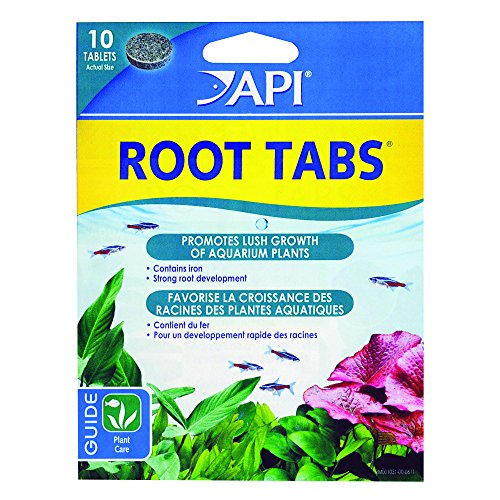
API ROOT TABS Freshwater Aquarium Plant Fertilizer...
Promotes strong root development
Contains iron, potassium, carbon
10-count box lasts months
Add monthly to gravel bed
What we like
- Essential nutrients for plant roots
- helps new plants establish
- easy tablet application
- safe for fish and shrimp
What could be better
- May cause temporary cloudiness
Root-feeding plants benefit from substrate fertilization. Root tabs placed beneath heavy feeders like Amazon swords provide essential nutrients including iron, potassium, and carbon that promote vigorous growth. Healthy plants absorb nitrates, helping maintain the pristine water quality these fish require.
Avoid planting so densely that swimming space is eliminated. Strike a balance between security vegetation along the perimeter and open water in the center where the school can display their characteristic synchronized swimming. Prune regularly to prevent overcrowding and maintain water flow through the plants.
Compatible And Non-Compatible
Rummy Nose Tetras excel as community fish when housed with appropriate tank mates. Their peaceful nature and mid-water swimming position make them compatible with a wide variety of species that share their water parameter preferences and non-aggressive temperament.
Other small tetras make ideal companions, creating a spectacular multi-species schooling display. Cardinal Tetras, Neon Tetras, and other types of tetra fish share similar care requirements and create visual interest through varied color patterns. Cardinal Tetras in particular make excellent tank mates, as their larger size and deeper red coloration complement the Rummy Nose pattern.
Corydoras catfish are perfect bottom-dwelling companions that occupy a different tank level. Their peaceful scavenging behavior does not disturb the tetras, and both species appreciate soft, slightly acidic water. Smaller species like panda cories or habrosus work best to avoid intimidating the more delicate tetras.

Dwarf cichlids like Apistogramma and Mikrogeophagus pair beautifully with Rummy Nose Tetras. The tetras serve as dither fish, helping the often-shy cichlids feel secure enough to display natural behaviors. The cichlids, in turn, do not threaten the quick-moving tetras. Ensure the cichlid species chosen are true dwarfs that cannot fit adult tetras in their mouths.
Dwarf shrimp such as Cherry Shrimp and Amano Shrimp are generally safe with Rummy Nose Tetras, though tiny shrimplets may be eaten. Adult shrimp are too large to be prey, and their cleaning activities benefit the tank ecosystem. Provide plenty of moss and hiding spots if attempting to breed shrimp alongside tetras.
Avoid aggressive or large predatory fish entirely. Bettas, Oscar cichlids, and large gouramis will either harass or consume Rummy Nose Tetras. Fast-moving fish like tiger barbs may fin-nip or outcompete them for food. Any fish large enough to fit a 2-inch tetra in its mouth should be considered a threat.
Also Read: Easy Methods To Prevent and Remove Detritus Worms
Rummy Nose Tetra: Diseases
Rummy Nose Tetras are unfortunately prone to several common aquarium diseases, particularly during the stressful acclimation period to a new tank. Their sensitivity to water quality makes them early indicators of problems that may affect other tank inhabitants later. Understanding the signs and treatments for these conditions can save your fish.
Ich (White Spot Disease) is perhaps the most common affliction affecting newly acquired specimens. Caused by the parasite Ichthyophthirius multifiliis, it appears as tiny white dots resembling grains of salt across the body and fins. Affected fish flash against objects and may breathe rapidly. Ich is highly contagious and requires immediate treatment of the entire tank.
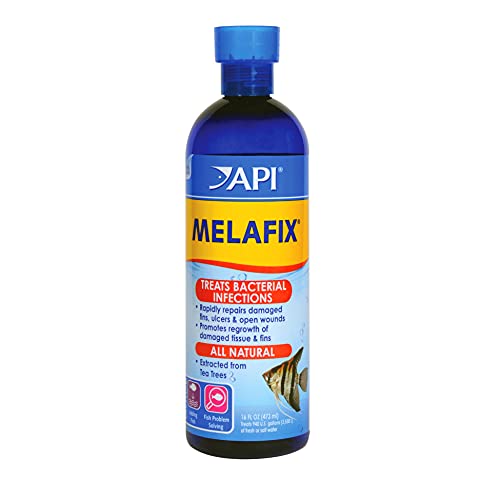
API MELAFIX Freshwater Fish Bacterial Infection...
Heals bacterial infections naturally
Repairs damaged fins and ulcers
Tea tree extract formula
Use daily for one week
What we like
- Natural tea tree formula
- effective for fin rot
- prevents disease in new fish
- affordable price point
What could be better
- Has noticeable medicine smell
Fin rot is a bacterial infection that causes ragged, deteriorating fins and tail edges. It often follows physical damage or stress from poor water quality. If left untreated, the infection can progress to the body (body rot) and become fatal. Maintaining pristine water conditions is the best prevention, but established infections require medication.
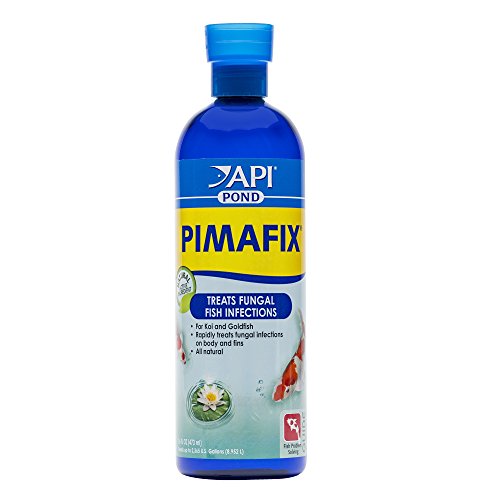
PondCare® PimaFix Antifungal Remedy for Koi &...
Treats fungal infections rapidly
West Indian Bay Tree extract
Safe all-natural formula
Treat for one week daily
What we like
- All-natural safe formula
- works on fungal and bacterial
- good for pond fish too
- simple to apply
What could be better
- Has strong odor during treatment
Fungal infections appear as cottony white or grey growths on the body, fins, or mouth. They often develop secondarily to physical injuries or after other diseases weaken the fish. Both fungal and bacterial treatments are sometimes needed when infections are severe or mixed.
Prevention remains the most effective strategy. Quarantine new fish for 2-4 weeks before introducing them to the main display. Maintain stable water parameters through regular testing and water changes. Avoid overcrowding, which stresses fish and accelerates disease transmission. Feed a varied, high-quality diet to support immune function.
At the first sign of illness, test water parameters immediately. Often, correcting water quality issues resolves early disease stages without medication. When treatment is necessary, follow product instructions carefully and complete the full treatment course even if symptoms improve. Removing medication too early allows surviving pathogens to rebound.
Rummy Nose Tetra: Frequently Asked Questions
Are rummynose tetras hard to keep?
Rummy Nose Tetras are considered intermediate-level fish rather than beginner fish. They require stable water parameters, soft acidic water, and pristine conditions to thrive. While not difficult for experienced aquarists who understand nitrogen cycling and regular maintenance, beginners often struggle with their sensitivity to water quality fluctuations. Success requires mature, fully cycled tanks and consistent water change schedules.
How many rummy nose tetras should be kept together?
Rummy Nose Tetras should be kept in schools of at least 8-12 individuals, though larger groups of 15 or more are ideal. Smaller groups result in stressed, skittish fish that hide constantly and may develop fin-nipping behaviors. In larger schools, they display their characteristic tight synchronized schooling and become confident, active fish that spend most of their time in open water.
Are Rummy Nose Tetra fin nippers?
When kept in adequate school sizes of 8 or more fish, Rummy Nose Tetras are not fin nippers. However, in groups that are too small, they may become nippy toward long-finned tank mates like bettas or guppies. Maintaining proper school size and providing adequate swimming space eliminates this behavior entirely. They are generally peaceful community fish that coexist well with similar-sized, non-aggressive species.
How big do rummy nose tetras get?
Rummy Nose Tetras reach a maximum adult size of approximately 2 inches (5 cm) in length. Males typically grow slightly smaller and more slender than females. Despite their small size, they are active fish that require a minimum 20-gallon tank due to their energetic swimming behavior and need to be kept in schools. Juveniles purchased at half an inch typically reach full size within 3-4 months under optimal conditions.
Why is my rummy nose tetra losing its red color?
Fading red coloration in Rummy Nose Tetras is almost always a sign of stress or poor water quality. Check ammonia, nitrite, and nitrate levels immediately - any ammonia or nitrite is unacceptable. Temperature fluctuations, hard water, bright lighting, or inadequate school size can also cause color loss. Note that they naturally lose color at night while resting, which is normal. If color remains faded during the day, investigate water parameters and environmental stressors.
Conclusion
The Rummy Nose Tetra remains one of the most rewarding species for aquarists willing to meet their specific care requirements. Their reputation as the "aquatic canary" is well-deserved - few fish provide such immediate visual feedback about water quality, and few species create such stunning schooling displays when kept in proper groups.
Success with this species comes down to three fundamentals: stable water parameters maintained through regular testing and water changes, appropriate school sizes of at least 8-12 individuals, and a mature, fully-cycled aquarium established before their introduction. Meet these requirements, and you will be rewarded with years of active, colorful companionship.
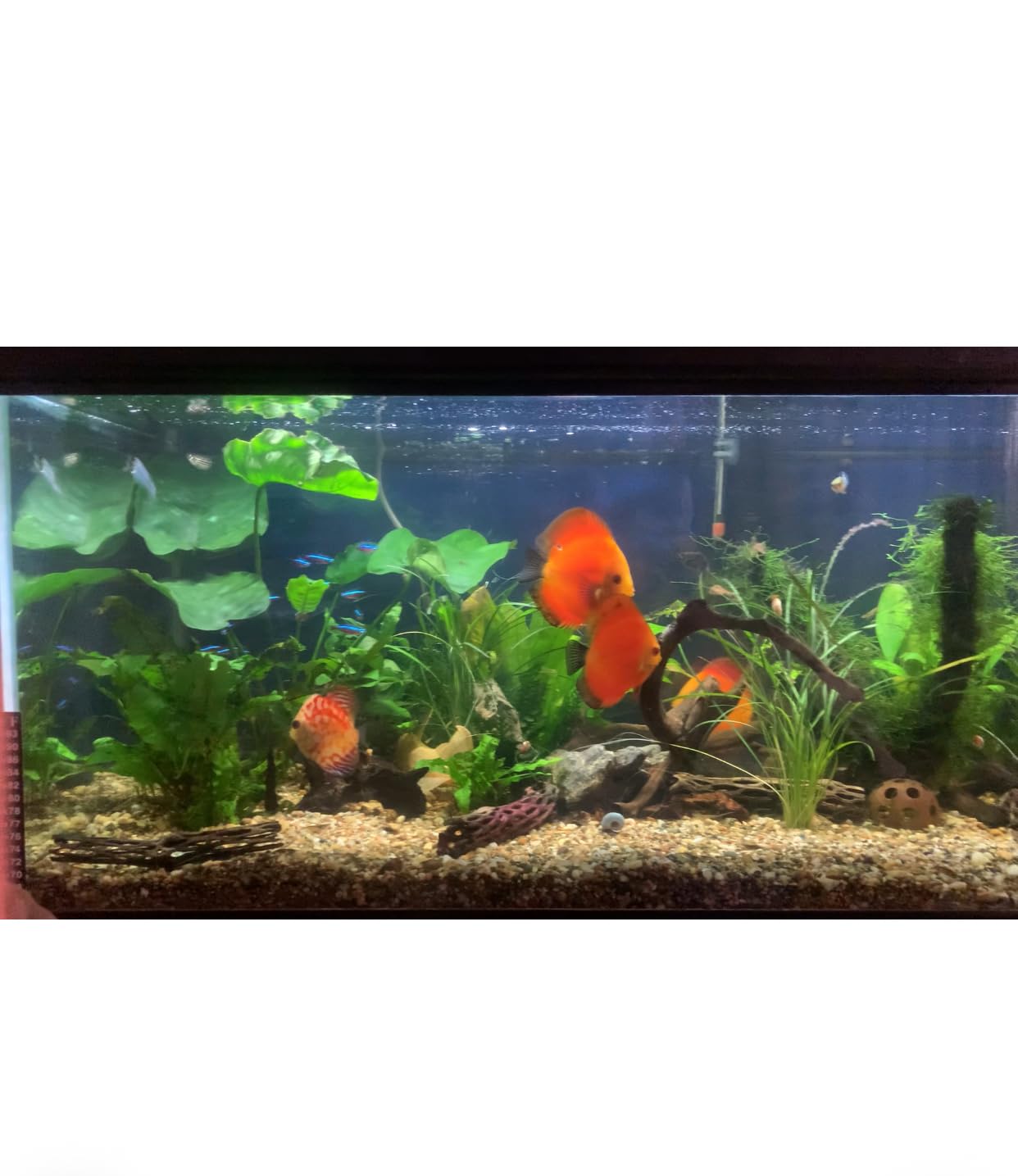
Whether you are drawn to them as dither fish for a shy discus pair, as the centerpiece of a blackwater biotope, or simply as beautiful additions to a planted community tank, Rummy Nose Tetras offer something special that few other aquarium fish can match. Their sensitivity is not a flaw to be tolerated but a reminder of the importance of good husbandry - when that red nose glows brightly against the silver body and striped tail, you know you are doing things right in 2026.
![Bleeding Heart Tetra 101: Size, Care, Diet |Updated [cy] |](https://www.aquamarinepower.com/wp-content/uploads/2026/04/featured-update-3466-300x225.jpg)