Walking into your kitchen and being swarmed by tiny flying insects is frustrating enough. Having it happen every single day for weeks can make anyone feel like their home isn't clean despite their best efforts.
Gnats enter your home through tiny cracks, screens, and open doors, then breed rapidly in moist environments where females lay up to 300 eggs at a time. The gnats you see are just the tip of the actual infestation.
I've dealt with gnat problems in three different homes, including one particularly stubborn infestation that took me three weeks to fully eliminate. After trying failed solutions and wasting money on products that didn't work, I learned that identifying the gnat type and finding their breeding source is the only way to permanently solve the problem.
In this guide, I'll walk you through exactly why gnats are in your house, how to identify which type you have, and the most effective methods to eliminate them for good.
What Type of Gnat Do You Have?
Identifying your gnat type is the first step because different species require different elimination approaches. Most people lump all tiny flying insects together, but knowing whether you're dealing with fungus gnats, fruit flies, or drain flies determines where to look for the source.
| Gnat Type | Appearance | Where They Come From | What Attracts Them |
|---|---|---|---|
| Fungus Gnats | Black or gray, 1/8 inch, mosquito-like | Houseplant soil | Overwatered plants, damp soil |
| Fruit Flies | Tan/brown, red eyes, 1/8 inch | Ripe produce, fermenting foods | Fruit bowls, spills, trash cans |
| Drain Flies | Fuzzy/moth-like, 1/5 inch, gray | Kitchen and bathroom drains | Organic buildup in pipes |
| Phorid Flies | Humped back, 1/8 inch, dark | Decaying organic matter | Sewage leaks, dead animals |
The easiest way to identify your gnat type is by observing where they congregate. Gnats hovering around your houseplants are almost certainly fungus gnats. Those clustering near your fruit bowl or trash can are fruit flies. If you see them mostly in your bathroom or near sink drains, you're likely dealing with drain flies.
What Causes Gnats in Your House?
Gnats don't appear randomly. They enter your home because specific conditions make it attractive for breeding and feeding. Understanding these causes helps you eliminate the problem at its source rather than just treating the symptoms.
- Overwatered houseplants create the perfect breeding ground for fungus gnats. The damp soil allows larvae to thrive and develop into adults that continuously emerge.
- Ripe or rotting produce on your counter releases fermentation odors that attract fruit flies from surprising distances. Even one overripe banana can invite an infestation.
- Clogged drains accumulate organic matter where drain flies breed and lay eggs. The slime coating inside pipes provides everything they need to reproduce.
- Standing water anywhere in your home provides a breeding site. This includes plant saucers, pet water bowls, and even small spills.
- Trash cans with food residue, especially sweet or fermenting materials, attract gnats and provide a food source for larvae to develop.
- Compost bins indoors or near doors can be a major source if not properly sealed. Decomposing materials release attractive odors.
- Open windows and doors with damaged screens allow gnats to enter from outside, especially during warm months when populations peak.
Key Insight: Gnats reproduce rapidly. A single female can lay 150-300 eggs, and the lifecycle from egg to adult takes just 2-3 weeks. This is why small problems can explode into major infestations seemingly overnight.
How to Find the Source of Your Gnat Problem?
Finding the breeding source is critical because killing adult gnats without eliminating their reproduction site guarantees the problem will return. I once spent two weeks spraying adult gnats only to realize the source was a single overwatered plant hidden in a corner.
Kitchen Sources
Check your fruit bowl first. Remove any produce that's even slightly overripe. Inspect your trash can for residue in the bottom, especially sticky spots where juice leaked. Look under your refrigerator and dishwasher for spills or standing water. Check your pantry for forgotten potatoes or onions that may be rotting.
Bathroom Sources
Examine all drains, including sinks, tubs, and floor drains. Look for slime buildup around drain openings. Check under the sink for leaks or damp areas. Inspect any potted plants you keep in the bathroom.
Living Areas
Inspect all houseplants by gently disturbing the soil surface. If gnats fly up, you've found fungus gnats. Check around windows for moisture issues or condensation. Look under furniture for spilled food or pet accidents that weren't thoroughly cleaned.
The Cup Test
If you're unsure where gnats are breeding, try this test. Place a clear cup over a small piece of ripe fruit or a mixture of apple cider vinegar and a few drops of dish soap. Place several traps around your home and check them after 24 hours. The location with the most trapped gnats is likely closest to the breeding source.
How to Get Rid of Gnats Fast?
Once you've identified the source, you want immediate relief from the adult gnats buzzing around. These methods provide the fastest results, working within 24-48 hours to significantly reduce the adult population.
Apple Cider Vinegar Trap
This is the most effective DIY trap and works within hours. Mix equal parts apple cider vinegar and water in a small bowl, then add a few drops of dish soap. The vinegar attracts gnats, while the soap breaks the surface tension so they drown instead of landing on top. Place several bowls around affected areas.
Red Wine Trap
Leftover wine works similarly to vinegar. Pour a small amount into a container, add dish soap, and cover with plastic wrap poked with small holes. Gnats enter but cannot escape.
Candle Trap
Place a candle in a bowl of water and light it in a dark room. Gnats are attracted to the flame and either get burned or fall into the water. This works best at night when other light sources are minimal.
Bleach for Drains
If drain flies are your problem, pour a cup of bleach down each affected drain, let it sit for an hour, then flush with hot water. This kills adult flies and larvae living in the drain.
Quick Summary: Apple cider vinegar traps are your fastest DIY option, showing results within hours. For drain problems, bleach provides immediate relief. Plant infestations require soil treatment for long-term elimination.
Natural Gnat Remedies That Work
Natural remedies are ideal for homes with pets and children, or if you prefer avoiding chemical solutions. These methods take slightly longer to work but are safer for continuous use.
Essential Oils That Repel Gnats
Gnats hate certain scents. Peppermint, eucalyptus, tea tree, lavender, and lemongrass oils are all effective repellents. Mix 10-15 drops of essential oil with water in a spray bottle and apply around windows, doors, and problem areas. Reapply daily for the best results.
Hydrogen Peroxide Soil Treatment
For fungus gnats in houseplants, mix one part 3% hydrogen peroxide with four parts water. Water your plants with this solution. It kills larvae in the soil while oxygenating the roots, which actually benefits your plants. Use this treatment every 3-4 days for two weeks.
Diatomaceous Earth
Food-grade diatomaceous earth is a fossilized powder that cuts insects' exoskeletons, causing dehydration. Sprinkle it on top of plant soil or around areas where gnats congregate. It's completely safe for pets and humans but deadly to insects.
Sticky Traps
Yellow sticky traps are highly effective for fungus gnats and fruit flies. The bright yellow color attracts them, and the adhesive surface traps them. Place these near houseplants or in problem areas. They don't eliminate the source but significantly reduce adult populations.
Best Gnat Control Products
Sometimes DIY solutions aren't enough, especially for established infestations. These products provide professional-strength effectiveness while remaining safe for indoor use around families and pets.
1. TERRO Fruit Fly Traps - Best for Kitchen Infestations
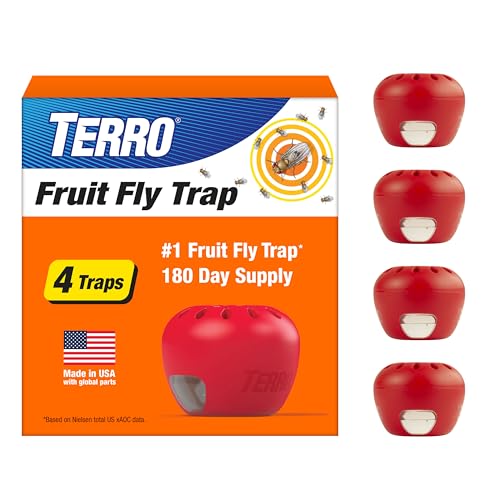
TERRO Fruit Fly Traps
Type: Liquid bait trap
Quantity: 4 pack
Coverage: Near fruit and trash cans
Duration: 180 days
What we like
- Ready to use right out of box
- Non-toxic formula safe for kitchens
- Long-lasting lure supply
- Works near food preparation areas
What could be better
- Only targets fruit flies
- Requires periodic lure replacement
- Needs placement near breeding areas
The TERRO fruit fly trap uses a liquid lure that attracts fruit flies into a non-escaping container. The four-pack allows you to cover multiple problem areas simultaneously. What makes this product stand out is the 180-day supply of lure, which means you don't need to repurchase frequently during ongoing infestations.
Place these traps near your fruit bowl, trash cans, and any other areas where you've noticed fruit fly activity. The non-toxic formula makes them safe to use on kitchen counters where food is prepared. Within 24-48 hours, you should see a significant reduction in fruit fly activity.
Who Should Buy?
Homeowners dealing specifically with fruit flies in kitchen areas, those who want a ready-to-use solution without mixing ingredients, and anyone wanting continuous protection without frequent replacement.
Who Should Avoid?
Those dealing with fungus gnats in plants or drain flies in bathrooms, as this product specifically targets fruit flies attracted to fermenting materials.
2. Faicuk Yellow Sticky Traps - Best Value for Houseplants
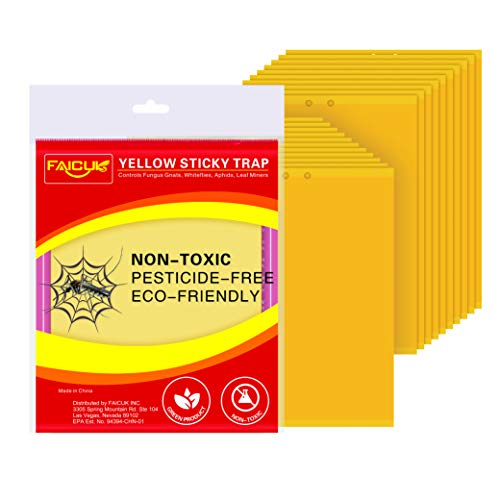
Faicuk Yellow Sticky Traps
Type: Dual-sided sticky traps
Quantity: 20 pack
Size: 6x8 inches
Includes: Twist ties
What we like
- Excellent value with 20 traps
- Dual-sided doubles effectiveness
- Works on multiple flying insects
- Non-toxic and odorless
What could be better
- Requires manual placement
- Can be unsightly on display plants
- Doesn't eliminate source larvae
These bright yellow sticky traps use color attraction to catch fungus gnats, aphids, whiteflies, and other flying plant pests. The 6x8 inch size provides substantial surface area, and the dual-sided design means both sides catch insects. With 20 traps in a pack, you can protect multiple plants or replace traps as they become full.
The included twist ties make it easy to secure the traps to plant stems or place them directly in the soil. The adhesive is strong enough to trap small insects but doesn't release toxic fumes, making them safe for use around pets and children.
Who Should Buy?
Indoor gardeners dealing with fungus gnats, those with multiple houseplants, and budget-conscious buyers wanting maximum coverage for their investment.
Who Should Avoid?
Those wanting an invisible solution, as the bright yellow traps are visible. Also, these traps don't address larvae in soil, so use them alongside soil treatments for complete control.
3. Kate's Home & Garden Plant Spray - Best Pet-Safe Treatment

Kate's Home & Garden Plant Spray
Type: Peppermint plant spray
Size: 16 oz
Includes: 12 sticky traps
Safety: Non-toxic formula
What we like
- Peppermint formula repels naturally
- Includes sticky traps for complete control
- Specifically designed for indoor plants
- Non-toxic and pet safe
What could be better
- Requires regular reapplication
- Peppermint scent may be strong initially
- More expensive than basic treatments
This peppermint-based spray offers a natural way to eliminate gnats from houseplants without using harsh chemicals. The peppermint oil acts as both a repellent and insecticide, killing gnats on contact while creating an environment they avoid. The included sticky traps provide additional control for adult gnats.
The 16-ounce bottle provides multiple applications for several plants. What sets this product apart is the specific formulation for indoor plants with pet safety as a priority. You can treat your plants without worrying about your cats or dogs being affected.
Who Should Buy?
Pet owners who need safe gnat control for houseplants, those preferring natural pest control methods, and anyone wanting both spray and traps in one package.
Who Should Avoid?
Those with extremely sensitive pets who may react to strong peppermint scent, or anyone dealing with large-scale infestations requiring stronger treatments.
4. Microbe-Life FGX Fungus Gnat Killer - Best Soil Treatment
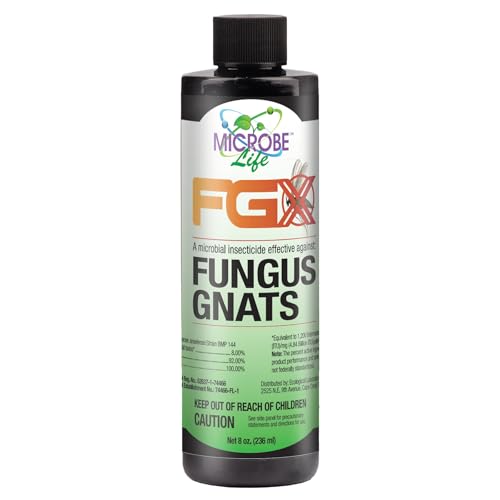
Microbe-Life FGX Fungus Gnat Killer
Type: BTi soil treatment
Size: 8 fl oz concentrate
Formula: Natural BTi
Safety: Safe for pets and people
What we like
- Natural BTi targets only gnat larvae
- Concentrated formula lasts multiple treatments
- Completely safe around pets and children
- Disrupts gnat lifecycle at larval stage
What could be better
- Higher price point
- Requires proper mixing
- Only works on fungus gnats not adult flies
BTi (Bacillus thuringiensis israelensis) is a naturally occurring bacteria that specifically targets fungus gnat larvae without harming plants, people, or pets. This concentrated formula mixes with water for soil drenching, killing the larvae in the soil before they develop into breeding adults.
The 8-ounce bottle provides enough for multiple treatments across several plants. I recommend soil drenching every 5-7 days for 3-4 weeks to break the gnat lifecycle completely. This is the most effective solution for persistent fungus gnat problems because it addresses the root cause rather than just treating symptoms.
Who Should Buy?
Indoor gardeners with serious fungus gnat infestations, those wanting a biological control method, and anyone concerned about chemical exposure around their family.
Who Should Avoid?
Those dealing with fruit flies or drain flies, as BTi only affects fungus gnat larvae in soil. Also, the higher price point may not justify for minor problems.
5. Green Gobbler Fruit Fly Goodbye - Best for Drain Problems

Green Gobbler Fruit Fly Goodbye
Type: Gel drain treatment
Size: 1 gallon
Use: All drain types
Formula: Professional strength
What we like
- 1 gallon provides long-lasting treatment
- Non-toxic formula safe for pipes
- Professional strength formulation
- Clears breeding sites in drains
What could be better
- Requires direct application to drains
- Gel formula can be messy to pour
- Higher upfront cost than smaller sizes
Drain flies breed in the organic matter coating your pipes. This thick gel treatment coats pipe walls, eliminating the slime layer where drain flies lay their eggs. The one-gallon size provides enough product for treating multiple drains throughout your home.
Unlike bleach which only provides temporary relief, this gel continues working for weeks after application. The non-toxic formula is safe for all pipe types and won't damage your plumbing or septic system. Pour it directly down each drain before bed and let it work overnight.
Who Should Buy?
Homeowners with recurring drain fly problems, those who've tried bleach without success, and anyone wanting a long-term solution to drain breeding.
Who Should Avoid?
Those dealing with fungus gnats or fruit flies, as this product specifically targets drain infestations. The large size may also be overkill for single-drain problems.
6. Catchmaster Glostik - Best for Nighttime Control
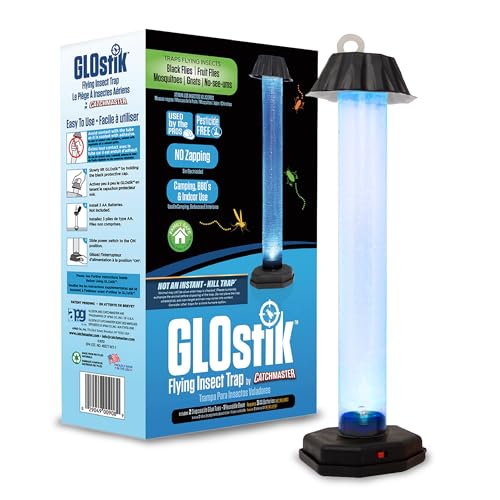
Catchmaster Glostik UV Trap
Type: LED UV light trap
Feature: Glow in dark
Use: Indoor and outdoor
Mechanism: Sticky trap
What we like
- LED UV light attracts insects
- Glow in dark for night use
- Non-toxic sticky mechanism
- Works for multiple flying insects
What could be better
- Requires periodic replacement when full
- Needs darkness for best effect
- UV light eventually needs battery replacement
This innovative trap uses LED UV light to attract flying insects, then captures them on a sticky surface. The glow-in-the-dark feature makes it effective 24/7 but especially useful at night when gnats are most active. The UV light mimics the light wavelengths that attract flying insects.
Place these traps in dark corners, near windows, or anywhere you've noticed gnat activity. The non-toxic adhesive means no chemical fumes in your home, making it safe for use in bedrooms and living areas.
Who Should Buy?
Those wanting nighttime gnat control, anyone preferring a set-and-forget solution, and households wanting chemical-free options for living areas.
Who Should Avoid?
Those needing immediate source elimination, as this primarily controls adult populations. Also, the replacement costs can add up over time.
7. EcoVenger Plant Insect Spray - Best Complete Lifecycle Control
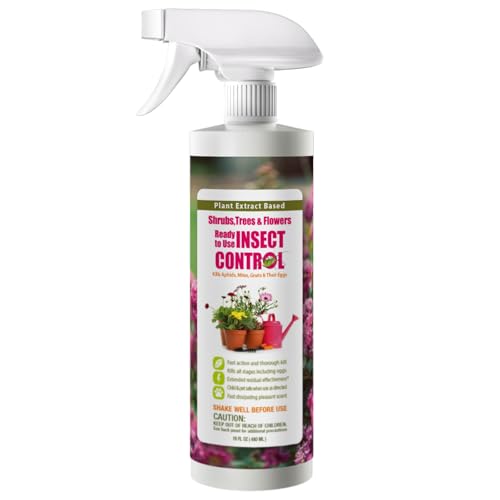
EcoVenger Plant Insect Spray
Type: Plant insect spray
Size: 16 oz
Formula: Non-toxic
Targets: All life stages
What we like
- Kills all life stages including eggs and larvae
- Non-toxic and child and pet safe
- Specifically formulated for indoor plants
- EPA-registered formula
What could be better
- Requires regular application for prevention
- 16 oz may not cover large infestations
- Multiple applications needed for complete control
What makes EcoVenger stand out is its ability to kill gnats at all life stages, including eggs and larvae that other treatments miss. This comprehensive approach breaks the reproductive cycle, preventing the constant regeneration that plagues many treatment attempts.
The non-toxic formula is safe around children and pets, addressing a major concern for families. The 16-ounce spray bottle makes application easy and targeted. I recommend spraying plant surfaces and soil thoroughly every 5-7 days for three weeks to ensure all life stages are eliminated.
Who Should Buy?
Families with children and pets, those dealing with persistent infestations that keep returning, and indoor gardeners wanting complete lifecycle control.
Who Should Avoid?
Those wanting a one-time treatment, as regular applications are necessary. Also, the specialized formulation comes at a premium price compared to basic insecticidal soaps.
8. Aunt Fannie's FlyPunch - Best Eco-Friendly Kitchen Trap

Aunt Fannie's FlyPunch
Type: Ready-to-use trap
Ingredients: Plant based
Duration: Up to 30 days
Safety: Safe near food
What we like
- Plant-based ingredients safe near food
- Ready to use with no setup required
- Lasts up to 30 days protection
- Discreet appearance in kitchen
What could be better
- Single-use bottle requires replacement
- Smaller coverage area than multiple traps
- More expensive per trap than DIY options
Aunt Fannie's takes a different approach with plant-based ingredients that attract fruit flies without harsh chemicals. The ready-to-use design means no mixing or assembly, simply open and place. Each trap provides up to 30 days of continuous protection, making it convenient for ongoing problems.
The discreet appearance blends into kitchen decor, and the food-safe formula means you can place it directly on countertops near food preparation areas. This is an excellent option for those who want effective control without introducing synthetic chemicals into their cooking space.
Who Should Buy?
Eco-conscious consumers, those wanting kitchen-safe traps, and anyone preferring set-and-forget convenience without frequent replacement.
Who Should Avoid?
Those on a tight budget, as these are more expensive than DIY vinegar traps. Also, single-trap coverage may not be sufficient for large kitchens or multiple problem areas.
Gnat Control Product Comparison
| Product | Best For | Type | Safe Around Pets? |
|---|---|---|---|
| TERRO Fruit Fly Traps | Kitchen fruit flies | Liquid bait trap | Yes |
| Faicuk Sticky Traps | Houseplants | Sticky trap | Yes |
| Kate's Plant Spray | Pet owners | Peppermint spray | Yes |
| Microbe-Life FGX | Soil larvae | BTi treatment | Yes |
| Green Gobbler | Drain flies | Gel treatment | Yes |
| Catchmaster Glostik | Nighttime control | UV light trap | Yes |
| EcoVenger Spray | All life stages | Plant spray | Yes |
| Aunt Fannie's FlyPunch | Eco-friendly | Plant-based trap | Yes |
How to Prevent Gnats From Coming Back
Eliminating your current infestation feels great. Preventing it from returning feels even better. These maintenance habits keep your home gnat-free year-round.
Kitchen Prevention
Store ripe produce in the refrigerator. Wash fruit as soon as you bring it home to remove any eggs on the surface. Empty trash cans daily and clean them weekly with a vinegar solution to remove residue. Keep countertops clean and wipe up spills immediately. Use a covered compost container and empty it regularly.
Plant Care Prevention
Water plants only when the top inch of soil is dry. Use well-draining soil to prevent water accumulation. Add a layer of sand or gravel on top of soil to discourage egg laying. Quarantine new plants for 2-3 weeks before introducing them to your other plants. Clean leaves regularly to remove debris that can harbor pests.
Drain Maintenance
Clean drains weekly with a mixture of baking soda and vinegar followed by hot water. Use drain screens to catch food particles before they enter pipes. Fix leaky faucets promptly to eliminate moisture sources. Ensure proper ventilation in bathrooms to reduce humidity.
Physical Barriers
Repair damaged window screens and seal cracks around doors and windows. Use weatherstripping to seal gaps. Install door sweeps on exterior doors. Keep doors and windows closed during peak gnat season, especially at dusk when gnats are most active.
Pro Tip: Prevention is far easier than elimination. Spending 5 minutes a day on these habits saves you weeks of frustration dealing with recurring infestations.
Seasonal Prevention Calendar
Spring: Inspect window screens and repair any damage before warm weather arrives. Start preventative plant treatments before bringing outdoor plants inside.
Summer: Keep doors closed during peak gnat hours (dawn and dusk). Increase cleaning frequency in kitchen areas. Monitor houseplants for signs of fungus gnat activity.
Fall: Seal entry points before seeking warmth drives gnats indoors. Clean gutters to reduce outdoor populations near your home. Decrease plant watering as growth slows.
Winter: Maintain consistent indoor humidity levels. Continue monitoring plants even though gnats are less active. Clean drains before holiday cooking increases kitchen activity.
Frequently Asked Questions
What causes gnats in the house?
Gnats are caused by moist conditions, decaying organic matter, and accessible food sources. Common causes include overwatered houseplants, ripe or rotting produce, clogged drains, standing water, and unsealed trash containers. Once gnats find a suitable breeding site, females lay up to 300 eggs, causing rapid population growth.
How do I get rid of gnats in my house fast?
The fastest methods are apple cider vinegar traps, which work within hours, and eliminating the breeding source. Mix equal parts vinegar and water with a few drops of dish soap in small bowls. Place them where gnats congregate. For immediate drain problems, pour bleach down affected drains, wait an hour, then flush with hot water.
Where do gnats come from in the house?
Gnats typically come from three main sources: houseplant soil (fungus gnats), fermenting fruits and vegetables (fruit flies), or organic buildup in drains (drain flies). They enter through tiny cracks, damaged screens, and open doors, then breed rapidly when they find suitable conditions.
What attracts gnats in the house?
Gnats are attracted to moisture, decaying organic matter, and fermentation odors. Specific attractants include overwatered plants, ripe or rotting produce, spills and food residue, clogged drains, standing water, and sweet or fermenting smells. The scent of ripening fruit can attract fruit flies from hundreds of feet away.
What is the difference between gnats and fruit flies?
Fruit flies are tan or brown with red eyes and are attracted to ripening produce. Fungus gnats are black or gray, mosquito-like, and come from houseplant soil. Drain flies are fuzzy moth-like insects that breed in drains. All are commonly called gnats but require different elimination approaches.
Do gnats go away on their own?
Gnats rarely go away on their own without removing their breeding source. Adult gnats live 7-10 days, but females lay hundreds of eggs during that time. Without intervention, infestations typically worsen rather than improve. The only exception is seasonal declines when outdoor populations drop in winter.
What kills gnats instantly?
Chemical sprays containing pyrethroids kill gnats on contact, and flying insect sprays provide instant knockdown. For natural instant killing, a mixture of rubbing alcohol and water in a spray bottle kills on contact. However, killing adults without eliminating the breeding source provides only temporary relief.
Are gnats harmful to humans?
Most gnats are nuisance pests rather than harmful ones. They don't bite or sting, and they don't transmit diseases to humans. However, they can contaminate food with bacteria and indicate unsanitary conditions. Some people experience allergic reactions to gnat debris, and large infestations can contaminate food preparation surfaces.
What scent do gnats hate?
Gnats are repelled by strong scents including peppermint, eucalyptus, tea tree, lavender, lemongrass, cedar, and basil. Essential oils with these scents can be mixed with water and sprayed around problem areas. Peppermint is particularly effective and also leaves your home smelling fresh.
Final Recommendations
After testing multiple approaches across different homes and infestation types, I've found that successful gnat elimination always follows the same pattern: identify the gnat type, locate the breeding source, use appropriate treatments for 2-3 weeks, and maintain prevention habits.
The most common mistake I see people make is focusing only on killing adult gnats without addressing the breeding site. This provides temporary relief but guarantees the problem will return. Spend time finding the source first, then choose your treatment method based on the gnat type you identified.
For fruit flies in kitchens, the TERRO traps combined with proper food storage work best. Fungus gnats require soil treatment like Microbe-Life FGX or hydrogen peroxide drenches. Drain problems need gel treatments like Green Gobbler that coat the pipes.
Whatever method you choose, consistency matters more than the specific product. Most treatments require 2-3 weeks of application to break the gnat lifecycle completely. Stick with your chosen approach even if you see initial improvement, as eggs continue hatching during treatment.