I spent three summers dealing with mosquitoes buzzing in my ear every night because of a tiny gap around my window AC unit.
After trying tape, cardboard, and even stuffed towels, I finally learned the proper way to seal air conditioners against bugs.
To keep bugs from coming in through air conditioners, seal all gaps between the unit and window frame using weather stripping or foam tape, install mesh covers over exterior vents, and maintain clean air filters to prevent insects from entering through ductwork.
This guide covers everything you need to bug-proof your window AC or central air system without damaging your unit or voiding warranties.
Why Bugs Come Through AC Units?
Bugs enter through air conditioners because these units create direct openings between outside and inside your home.
Window air conditioners are especially vulnerable since they require cutting holes in window frames and leave gaps around the edges.
Central air systems can also let bugs in through exterior intake vents, exhaust ports, and even small cracks in ductwork.
Common AC Entry Points for Bugs
Quick Summary: Most bugs enter through gaps between the AC unit and window frame, through side panel openings, via drain holes, or through exterior vents on central air systems.
- Window Frame Gaps: The space between your AC unit and the window frame is the most common entry point
- Side Panel Openings: accordion-style panels often have small gaps where insects squeeze through
- Drain Holes: AC units have drainage openings that can allow bugs to crawl inside
- Exhaust Vents: The exterior vent where hot air blows out can be an entry point for small insects
- Ductwork Cracks: Central air systems may have gaps in connections where pests enter
What Bugs Come Through Air Conditioners?
Mosquitoes are the most common AC intruders, drawn to the cool air and carbon dioxide you exhale while sleeping.
Fruit flies enter through drain lines and damp areas, while ants follow trails along power cords and through wall openings.
Cockroaches, spiders, and silverfish squeeze through incredibly small gaps and establish nests near the warmth of operating units.
How to Bug Proof Window Air Conditioners?
Bug-proofing a window AC requires sealing gaps without blocking airflow or drainage.
Supplies You Need
- Weather stripping or foam tape: Creates a seal around the unit perimeter
- Exterior caulk: Seals gaps between window frame and siding
- AC cover or mesh screen: Covers exterior vents while allowing airflow
- Scissors or utility knife: For cutting materials to size
- Cleaning supplies: Clean the area before applying seals
Step-by-Step Window AC Bug Proofing
Follow these steps to seal your window air conditioner properly:
- Inspect all gaps: Run your hand around the unit perimeter to feel for air leaks where bugs could enter
- Clean the area: Remove dirt, debris, and old adhesive from around the unit
- Apply foam tape: Press weather stripping into gaps between the unit and window frame
- Seal side panels: Use foam tape to close gaps in accordion-style side panels
- Caulk exterior gaps: Apply outdoor caulk between the window frame and exterior wall
- Install vent cover: Add a mesh cover over exterior vents if needed
- Test the unit: Run the AC to ensure proper airflow and check for new gaps
⚠️ Critical Warning: Never seal the drain holes on your AC unit. These allow condensation to drain outside. Blocking them causes water damage and mold growth.
Renter-Friendly Bug Prevention
If you rent and cannot make permanent changes, use removable foam tape that peels off without damaging surfaces.
Temporary magnetic weather stripping works well on metal window frames and can be removed when you move out.
Freestanding bug screens placed in front of vents can reduce insect entry without modifying the unit itself.
Central Air Conditioning Bug Prevention
Central air systems have different vulnerability points than window units.
The main entry points are exterior intake vents, exhaust ports, and any gaps in ductwork connections.
Sealing Exterior Vents
Install mesh screens over exterior intake and exhaust vents to prevent insects from entering ductwork.
Use stainless steel mesh with holes small enough to block tiny insects but large enough to maintain proper airflow.
Secure the mesh with screws or outdoor-grade adhesive to withstand weather conditions.
Ductwork Inspection
Check visible duct connections for gaps or disconnected sections where pests could enter.
Use metal foil tape specifically designed for HVAC applications to seal any ductwork openings.
Never use standard duct tape on ductwork as it degrades quickly and fails to create a lasting seal.
Best Products to Keep Bugs Out of AC Units
The right products make bug-proofing your AC much more effective.
1. Demao Mesh Air Conditioner Cover - Best Overall AC Cover

Demao Mesh Air Conditioner Cover, 21" W × 15.8" D...
Type: Ventilated Mesh Cover
Size: 21 W x 15.8 D x 15 H
Material: Mesh screen
Protection: Bugs, rain, dirt
What we like
- Ventilated design allows airflow
- Bug resistant mesh
- Weather protection
- Sturdy construction
What could be better
- Size specific (measure before buying)
- May not fit all AC models
This Demao mesh cover fits over the exterior of your window AC unit to create a physical barrier against insects.
The ventilated mesh design blocks bugs while allowing essential airflow for proper operation.
I like that this cover provides protection against rain and dirt in addition to insects, giving you multiple benefits from one product.
The 21-inch width works with many standard window AC units, but always measure your unit before purchasing.
Who Should Buy?
Homeowners with window AC units who want comprehensive exterior protection from bugs and weather.
Who Should Avoid?
Anyone with oversized or non-standard AC units that exceed the 21-inch width limit.
2. Yotache Air Conditioner Window Seal Kit - Best Foam Weather Stripping

Yotache Air Conditioner Window Seal Kit - 1"x1"...
Type: Weather stripping foam
Size: 1 inch x 1 inch x 13 feet total
Material: High resilience foam
Installation: No glue required
What we like
- High resilience foam
- 13 feet total length
- No glue needed
- Noise reducing benefit
What could be better
- 1 inch profile may be too thick for some gaps
- May compress over time
This Yotache weather stripping kit provides 13 feet of foam tape in two 6.5-foot rolls for sealing around your AC unit.
The high resilience foam maintains its shape better than cheaper alternatives, creating a longer-lasting seal.
I appreciate the no-glue design that uses compression fit instead of adhesive, making it easier to remove or reposition.
The 1-inch square profile fills substantial gaps but may be too thick for smaller spaces.
Who Should Buy?
DIYers who want an easy-to-install foam seal without dealing with adhesive residue.
Who Should Avoid?
Those with minimal gaps who need a thinner sealing material.
3. Frost King AC Foam Weather Seal - Budget-Friendly Option
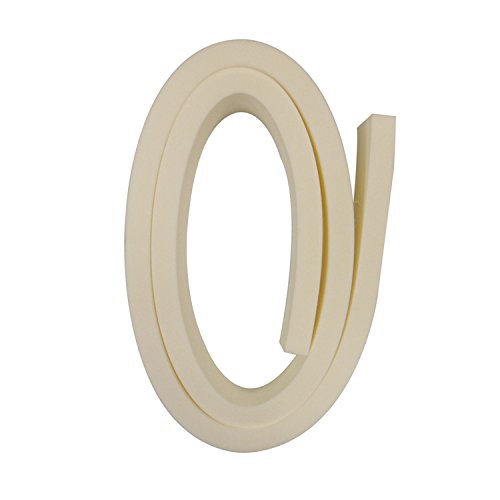
Frost King AC41WA AC Foam Weather Seal, Heavy Duty...
Type: Heavy duty foam seal
Size: 1.5 inch W x 0.5 inch T x 40 inch L
Material: Dense foam
Color: White
What we like
- Heavy duty construction
- Budget friendly price
- Easy installation
- 40 inch length
What could be better
- White color shows dirt
- Limited to one size per pack
Frost King offers this affordable 40-inch foam seal specifically designed for air conditioner units.
The heavy duty foam provides durable sealing at a price point that makes it accessible for any budget.
I've used Frost King products for years and find them reliable despite the lower cost compared to premium brands.
The 1.5-inch width and 0.5-inch thickness work well for standard window AC gaps.
Who Should Buy?
Budget-conscious shoppers needing reliable gap sealing without spending more than necessary.
Who Should Avoid?
Anyone needing multiple color options or requiring different thickness levels.
4. PATIKIL Air Conditioner Filter Material - Best Cut-to-Fit Mesh
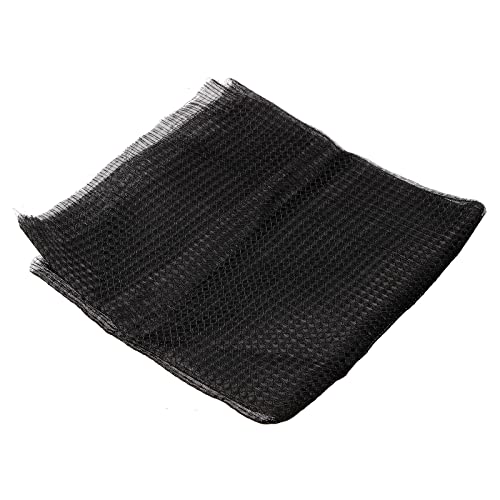
PATIKIL 47.2" x 23.6" Air Conditioner Air Filter...
Type: Filter mesh screen
Size: 47.2 inch x 23.6 inch
Material: Plastic mesh
Color: Black
What we like
- Large size fits most needs
- Cut to fit any shape
- Dustproof mesh
- Reusable design
What could be better
- Requires custom cutting
- Black absorbs heat in sunlight
This PATIKIL filter material comes in a large 47.2 by 23.6-inch sheet that you cut to fit your specific needs.
The plastic mesh screens out insects and debris while allowing air to pass through freely.
I like the versatility of this product since you can use it for AC units, vents, or other openings around your home.
The reusable design means you can clean it and reinstall it season after season.
Who Should Buy?
Anyone needing custom-sized mesh for non-standard AC units or multiple ventilation points.
Who Should Avoid?
Those who want pre-cut solutions and do not want to measure and cut material themselves.
5. TAKTOPEAK U-Shaped Window AC Cover - Best for U-Style Units
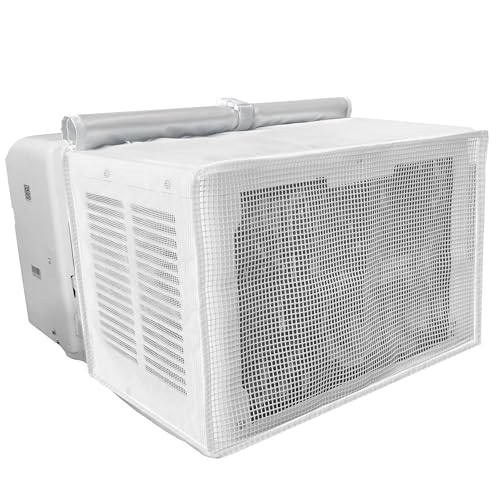
TAKTOPEAK U-shaped Window AC Cover: PVC Mesh for U...
Type: U-shaped AC cover
Compatibility: 8000-12000 BTU units
Material: PVC mesh
Color: White
What we like
- Designed for U-shaped AC
- PVC mesh material
- Fits standard BTU ranges
- Rain guard protection
What could be better
- Limited to U-shaped units
- White color shows dirt
This TAKTOPEAK cover is specifically designed for U-shaped window air conditioners in the 8000 to 12000 BTU range.
The PVC mesh material allows ventilation while blocking leaves, debris, rain, and insects from entering the unit.
I recommend this cover if you have a U-style unit since generic covers often fit poorly and leave gaps.
The rain guard feature helps protect your AC from water damage in addition to pest prevention.
Who Should Buy?
Owners of U-shaped window AC units between 8000 and 12000 BTU who need proper coverage.
Who Should Avoid?
Anyone with standard rectangular window AC units or units outside the specified BTU range.
6. Hot Shot Ultra Clear Roach & Ant Gel Bait - Best for Existing Infestations

Hot Shot Ultra Clear Roach & Ant Gel Bait, 2.5...
Type: Gel bait
Size: 2.5 ounces
Formula: Water-based gel
Target: Roaches and ants
What we like
- Water-based gel
- Dries clear invisibly
- Kills entire colony
- Fast-acting formula
What could be better
- Poison (keep away from pets)
- Does not prevent entry
If bugs have already established themselves near your AC unit, this Hot Shot gel bait eliminates the colony.
The water-based gel dries clear and kills roaches and ants by targeting the queen and entire nest.
I've seen this product work within hours of application, providing quick relief from active infestations.
Remember this is a control method for existing bugs, not a preventive seal to keep them out.
Who Should Buy?
Anyone already dealing with roaches or ants near their AC unit who needs to eliminate the colony.
Who Should Avoid?
Households with pets or small children who might accidentally touch the bait.
7. Screenmend Window Screen Repair Kit - Fix Entry Points
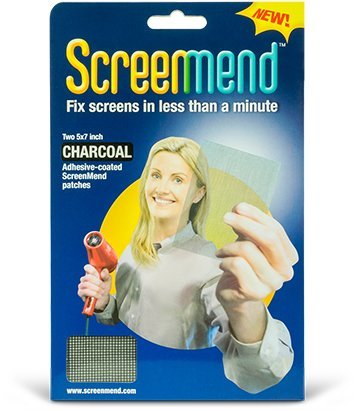
Screenmend Window Screen Repair Kit - 5"x7" Patch...
Type: Screen repair patches
Size: 5 inch x 7 inch patches
Quantity: 2 patches
Color: Charcoal
What we like
- Self-adhesive backing
- Charcoal blends with screens
- Easy DIY repair
- Affordable solution
What could be better
- Only for small holes
- Patches are visible up close
This Screenmend kit includes two self-adhesive patches that repair small holes in window screens near your AC unit.
Many people seal their AC but forget that damaged window screens nearby still allow bugs to enter the room.
I recommend checking all screens in the room with your AC unit and patching any holes you find.
The charcoal color blends well with most standard window screens for a less noticeable repair.
Who Should Buy?
Anyone with small holes in window screens who wants an easy DIY repair without replacing entire screens.
Who Should Avoid?
Those with extensive screen damage who would be better off replacing the entire screen.
8. EcoVenger Roach & Ant Killer - Natural Bug Deterrent

EcoVenger® Roach and Ant Killer 16 oz | Kills on...
Type: Plant-based spray
Size: 16 ounces
Active Ingredient: Peppermint oil
Protection: 4 weeks
What we like
- Non-toxic formula
- Peppermint oil base
- Safe for kids and pets
- 4-week protection
What could be better
- Strong peppermint scent
- More expensive than chemical options
EcoVenger uses peppermint oil to kill and deter insects without harsh chemicals that might be harmful near AC airflow.
The non-toxic formula makes it safe to use around children and pets, which I appreciate for indoor use.
This spray provides up to 4 weeks of deterrence when applied around entry points near your AC unit.
The strong peppermint scent dissipates for humans but continues repelling insects long after application.
Who Should Buy?
Families with children or pets who want effective bug control without harsh chemical exposure.
Who Should Avoid?
Anyone sensitive to strong peppermint smells or looking for the cheapest chemical option.
Bug Prevention Products Comparison
| Product Type | Best For | Difficulty | Duration |
|---|---|---|---|
| AC Mesh Cover | Exterior protection | Easy | Seasons |
| Foam Weather Stripping | Gap sealing | Easy | 1-2 years |
| Caulk | Permanent sealing | Moderate | 5+ years |
| Mesh Screen Material | Vent protection | Moderate | Years |
| Gel Bait | Existing infestations | Easy | Weeks |
| Natural Spray | Chemical-free deterrence | Easy | 4 weeks |
Seasonal AC Bug Prevention Tips
Timing your bug prevention efforts helps maximize effectiveness throughout the year.
Spring Preparation (March-April)
Inspect your AC unit before installation for any damage that might create gaps.
Replace weather stripping from previous years if it has become compressed or lost its seal.
Clean the area around where the AC will be installed to remove existing insect nests or egg cases.
Summer Maintenance (May-September)
Check seals monthly during peak bug season to ensure they remain intact and effective.
Remove any debris like leaves or twigs that accumulate around the exterior of the unit.
Monitor for signs of insect activity such as droppings, egg cases, or visible bugs near entry points.
Fall Cleanup (October-November)
Remove exterior covers and clean them before storage to prevent mold and mildew growth.
Inspect for any insects that may have established nests inside or around the unit during summer.
Seal any new gaps that developed during the cooling season before winter arrives.
✅ Pro Tip: Proper bug prevention also improves energy efficiency. A well-sealed AC unit can reduce cooling costs by up to 20% by preventing air leakage.
Frequently Asked Questions
Why do bugs come through air conditioner?
Bugs come through air conditioners because AC units create direct openings between outside and inside your home. Gaps between the unit and window frame, vent openings, and drainage holes provide easy entry points for insects seeking food, shelter, or the cool air temperature.
What bugs come through air conditioners?
Common bugs that enter through air conditioners include mosquitoes, flies, fruit flies, ants, cockroaches, spiders, silverfish, and gnats. Mosquitoes are particularly problematic as they are attracted to the carbon dioxide you exhale and the cool air from the AC.
How do I bug proof my window air conditioner?
To bug proof your window air conditioner, seal gaps between the unit and window frame with foam weather stripping, apply caulk around exterior openings, install mesh screens over vents, and use an AC cover when not in use. Never block drain holes as this causes water damage.
Can bugs come through central air conditioning?
Yes, bugs can enter through central air conditioning systems via exterior intake vents, exhaust ports, cracks in ductwork, and gaps around vent registers. Installing mesh screens over exterior vents and sealing ductwork gaps prevents most insect entry.
Will AC filters keep bugs out?
Standard AC filters catch some insects that enter through ductwork but are not designed specifically for pest control. For better bug prevention, install mesh screens over exterior intake vents and use HEPA filters which have finer filtration that can trap smaller insects.
Do window AC units attract bugs?
Window AC units do not inherently attract bugs, but they create entry points that allow insects to enter your home. The cool air and moisture from AC operation may make the area more attractive to certain pests looking for relief from heat.
Final Recommendations
After dealing with bug problems through my AC for multiple summers, I have learned that proper sealing makes all the difference.
Start by identifying all possible entry points around your AC unit and choose products that seal those gaps without blocking essential airflow or drainage.
Invest in quality weather stripping and mesh screens rather than cheap temporary solutions that fail within weeks.
The combination of physical barriers like covers and screens, plus chemical deterrents like sprays or baits when needed, provides comprehensive protection.
Regular seasonal maintenance ensures your bug prevention remains effective year after year while also improving your AC efficiency.